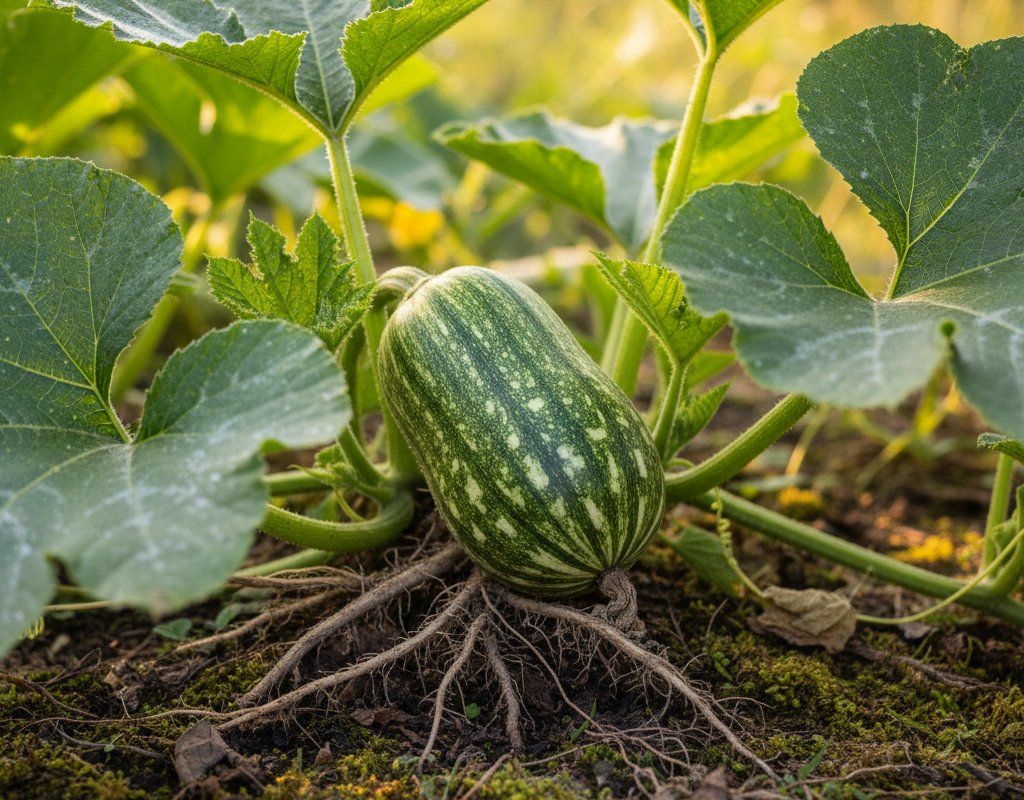
Acorn Squash in Zone 6B — Midwest
Cucurbita pepo · Your Complete 2026 Planting Guide
Planning Ahead — Great!
You’re ahead of the season. Here’s when to start.
Mark Your Calendar
How to Plant Acorn Squash in Zone 6B — Midwest
Here are all your options for getting acorn squash in the ground, from the easiest method to more advanced approaches.
Direct Sow Seeds
RecommendedLate April through early July
around April 22
Consider succession planting every 2-3 weeks for continuous harvest.
Winter squash needs long season but direct sowing still works in most zones.
Buy Starts
Works WellLate April through late May
around April 29
Plant purchased starts after last frost (April 15).
Start Seeds Indoors
Works WellEarly to late April
around April 8
Then transplant: Late April through late May
Start seeds 3-5 weeks before transplanting outdoors.
Transplant Outdoors
Timing InfoLate April through late May
around April 29
Wait until nighttime temperatures stay above 50°F.
You have a nice window — no need to rush.
Overview
Acorn squash is a fantastic addition to any Midwest garden. Its sweet, nutty flavor makes it incredibly versatile in the kitchen, perfect for roasting, stuffing, or pureeing into soups. Plus, the satisfaction of harvesting your own winter squash after a summer of tending is hard to beat, especially when you know the fertile soil and adequate summer heat here help them thrive.
Our Midwest weather can be unpredictable, with temperature swings in spring and occasional summer heat spells, but don't let that deter you. With careful timing and attention, you can easily grow beautiful acorn squash within our 183-day growing season. We've got plenty of time to get these in the ground and producing before the first frost hits.
Starting Seeds Indoors
Starting acorn squash indoors is definitely an option, but honestly, in the Midwest, direct sowing usually works just fine. If you're eager to get a head start or want to ensure a harvest even if our variable spring throws a curveball, you can start seeds indoors from early to late April, about three weeks before you plan to transplant.
Use seed trays or peat pots filled with a good seed-starting mix. Keep them warm (around 70-75°F) and provide plenty of light, either from a sunny windowsill or a grow light. Bottom watering is key to prevent damping off; just set the tray in a shallow dish of water and let the soil absorb it from the bottom. Given our moderate-to-late spring, starting indoors can provide a buffer.
Transplanting Outdoors
Transplanting acorn squash seedlings outdoors should happen from late April through late May, once the danger of frost has passed. Be sure to harden off your seedlings for about a week before transplanting, gradually exposing them to outdoor conditions. This helps them adjust to the sunlight, wind, and temperature changes.
Space your plants 36-48 inches apart to allow for their vining growth habit. Keep an eye on the weather forecast – even in late May, we can sometimes get an unexpected cold snap. If frost is predicted, cover your young plants with row covers or blankets for protection.
Direct Sowing
Direct sowing is the easiest and most common method for growing acorn squash in the Midwest. Sow your seeds directly into the garden from late April through early July. The soil temperature should be at least 60°F for optimal germination.
Prepare your soil by amending it with compost or well-rotted manure. Acorn squash likes fertile soil! Plant seeds about 1 inch deep and space them 36-48 inches apart. Keep the soil consistently moist until the seedlings emerge. Winter squash needs a long growing season, but direct sowing works well because our summers provide good heat for growth.
Watering Acorn Squash in Zone 6B (Midwest)
Acorn squash needs consistent watering, especially during its active growth phase. The key is to provide moderate moisture without waterlogging the soil, which is a common mistake in our region with its moderate-to-humid summers.
During the hot summer months, aim to give your acorn squash plants about 1-2 inches of water per week, either through rainfall or irrigation. Stick your finger about 2 inches deep into the soil; if it feels dry, it's time to water. Water at the base of the plants to avoid wetting the foliage, which can encourage fungal diseases in our moderately humid climate. Overhead watering is fine if it's early in the day so the leaves can dry before night.
As the fruits mature, you can reduce watering slightly. Signs of underwatering include wilting leaves and stunted growth, while overwatering can lead to yellowing leaves and root rot. A layer of mulch around your plants helps retain moisture and suppress weeds, which is especially helpful in our wet-summer conditions.
🧪Fertilizing Acorn Squash
Feeding Schedule
Organic Fertilizer Options
Harvest Time
In the Midwest, you can expect to harvest your acorn squash from mid July through mid October, about 85 days after planting. Keep an eye on your plants, and don't be afraid to check on them regularly.
A ripe acorn squash will have a dark green skin with a noticeable orange spot where it rested on the ground. The shell should be hard and resistant to scratching with your fingernail, and the stem should be dry and tough. To harvest, use a sharp knife or pruning shears to cut the squash from the vine, leaving about 2 inches of stem attached.
As our first frost approaches around mid- October, harvest any remaining squash, even if they're not fully ripe. These can be stored in a cool, dry place to ripen further, although they may not be as sweet or flavorful as those that ripened fully on the vine.
Common Problems in Zone 6B (Midwest)
Here are some common problems you might encounter growing acorn squash in the Midwest:
Squash Vine Borer
- What it looks like: Wilting vines that suddenly collapse. Small holes near the base of the stem with sawdust-like frass (larval excrement) nearby.
- What causes it: Larvae of a moth that bore into the stems and feed on the inner tissue. Moths emerge in late spring/early summer.
- How to fix/prevent it: Wrap stems with foil or nylon stockings to prevent egg-laying. Inject Bacillus thuringiensis (Bt) into the stem near the entry hole to kill larvae. Slit the stem lengthwise, remove larvae, and bury the stem in soil to encourage rooting.
Powdery Mildew
- What it looks like: White or grayish powdery coating on leaves, stems, and sometimes fruit. Leaves curl, yellow, and die. Reduces plant vigor.
- What causes it: Various fungi that thrive in warm days, cool nights, and moderate humidity. Dry leaf surfaces actually favor it (unlike most fungi).
- How to fix/prevent it: Improve air circulation through spacing and pruning. Remove affected leaves. Neem oil or potassium bicarbonate sprays help. Milk spray (1 part milk to 9 parts water) is surprisingly effective. Plant resistant varieties.
Squash Bugs
- What it looks like: Gray-brown shield-shaped bugs on leaf undersides. Bronze egg clusters on leaves. Wilting leaves that turn brown and crispy.
- What causes it: Sap-sucking insects that inject toxin while feeding. Adults overwinter in garden debris and emerge in spring.
- How to fix/prevent it: Hand-pick adults and crush egg clusters. Board traps (adults hide under boards at night — flip and destroy in morning). Neem oil spray. Remove plant debris in fall. Companion plant with nasturtiums.
Cucumber Beetles
- What it looks like: Small yellow-green beetles with black spots or stripes on leaves and flowers. Leaves have small holes. Plants may wilt suddenly from bacterial wilt transmitted by beetles.
- What causes it: Adult beetles feed on leaves and flowers and transmit bacterial wilt disease. Larvae feed on roots.
- How to fix/prevent it: Row covers until flowering (remove for pollination). Hand-pick adults. Yellow sticky traps. Neem oil or pyrethrin spray. Kaolin clay coating. Interplant with radishes or nasturtiums as trap crops.
Midwest Specific Challenges: The moderate-to-hot heat and moderate-to-humid humidity of a Midwest summer, combined with our wet-summer rainfall, can create ideal conditions for powdery mildew and squash bug infestations. Vigilance and proactive measures are key to keeping your acorn squash healthy and productive.
Best Companions for Acorn Squash
Plant these nearby for healthier Acorn Squash and better harvests.

Keep Away From
Companion Planting Details
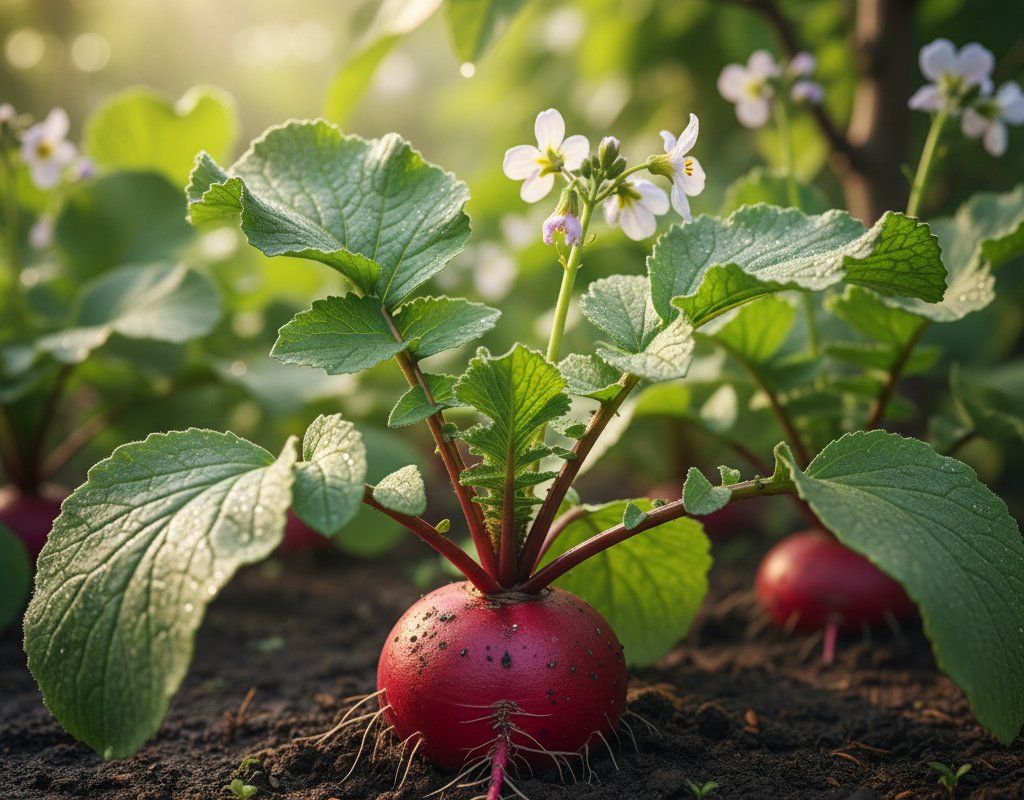
Companion planting can be a big help with Acorn Squash. Corn provides a natural trellis for the squash vines to climb, while beans (especially green beans) fix nitrogen in the soil, benefiting the squash. Radishes can help deter squash vine borers and other pests. Marigolds are also great companions, as they repel nematodes and other soil pests with their scent.
Avoid planting acorn squash near potatoes or brassicas (like cabbage, broccoli, and cauliflower). Potatoes compete for the same nutrients in the soil, while brassicas can attract pests that also bother squash. Give your acorn squash the best start by choosing the right companions!
🌸Best Flowers to Plant with Acorn Squash
These flowers protect your Acorn Squash from pests and attract pollinators for better harvests.
For Pest Control

Get a Reminder When It's Time to Plant
We'll email you when key planting windows open for your zone.