Gardening in Zone 10A — Southern California
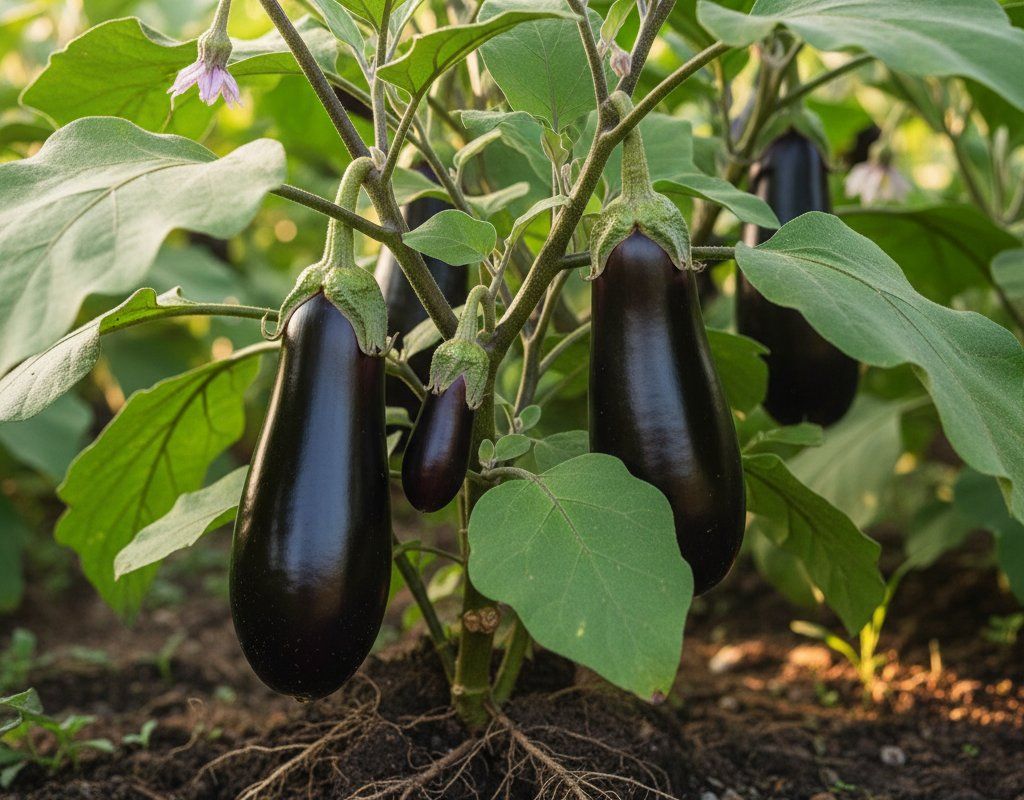
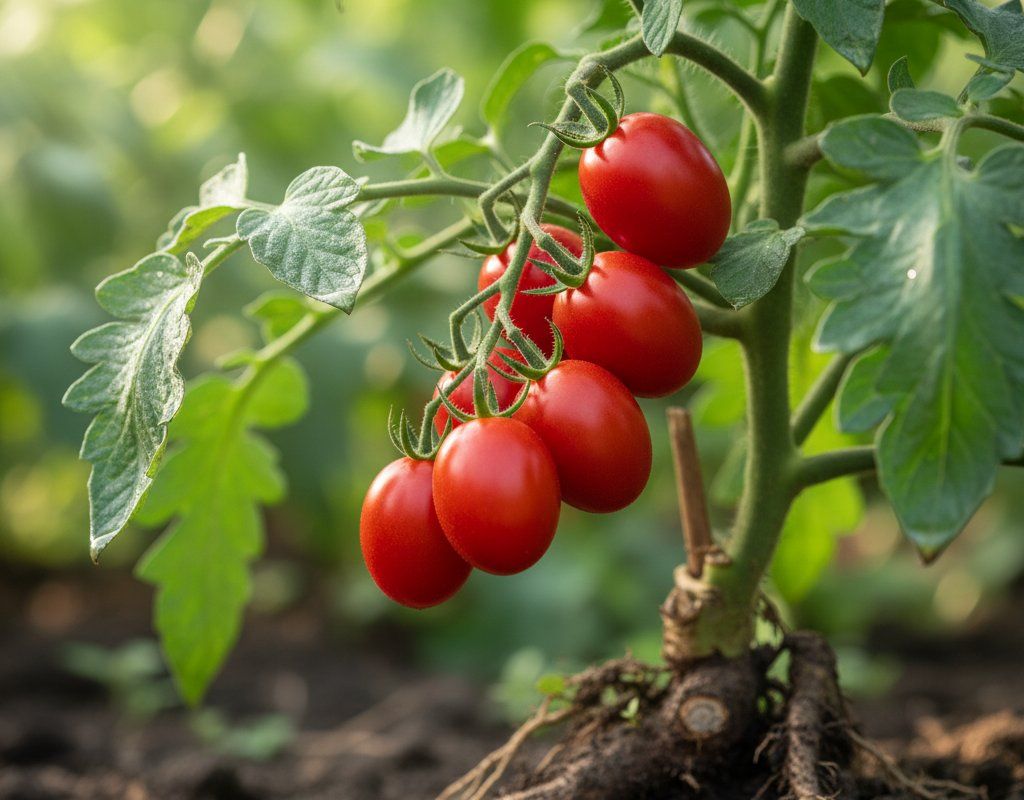
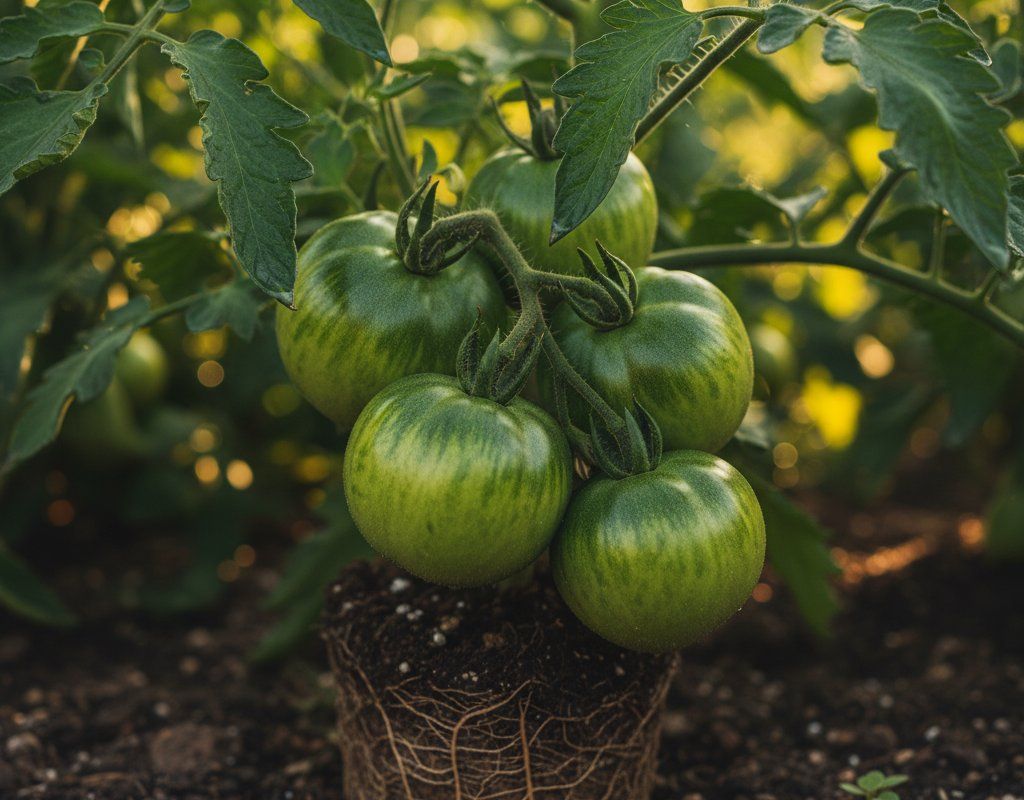
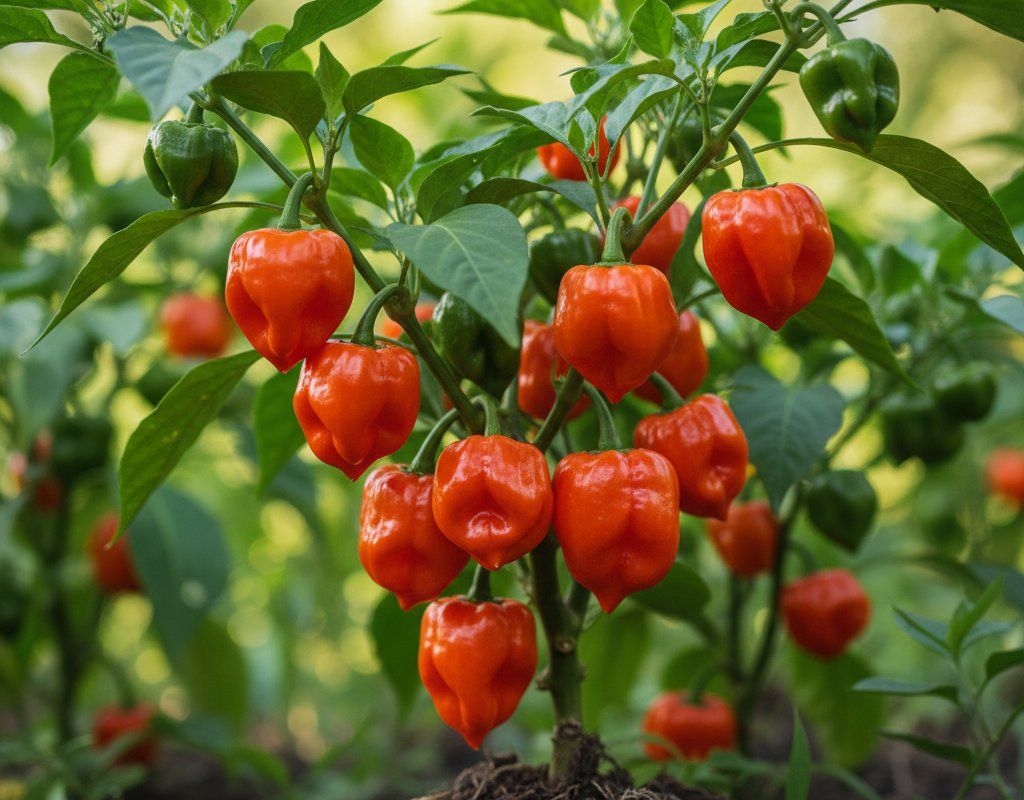
Zone 10A is essentially a gardener's paradise with an extraordinary growing season that stretches nearly year-round. Your climate allows for almost continuous cultivation, with minimal winter interruptions and temperatures that rarely dip below freezing. This means you can grow warm-season crops like tomatoes, peppers, and eggplants almost continuously, and cool-season crops like lettuce and broccoli during your milder months.
The primary challenges here are humidity and the potential for rapid disease spread among plants. High moisture levels can trigger fungal issues quickly, so you'll need to be strategic about plant spacing, airflow, and selecting disease-resistant varieties. However, the trade-off is incredible: multiple harvest cycles, the ability to grow tropical and subtropical plants with ease, and the opportunity to experiment with crops that gardeners in cooler zones can only dream about.
✓ Regional Advantages
- • Year-round growing
- • Long warm season
- • Rarely freezes
- • Excellent for citrus and subtropicals
⚠ Regional Challenges
- • Drought
- • Water restrictions
- • Extreme heat inland
- • Santa Ana winds
- • Fire season
Southern California Climate Profile
Semi-arid climate with hot, dry summers and mild, occasionally wet winters
Best Plants for Zone 10A
103 plants thrive in Zone 10A's 349-day growing season. Click any plant for zone-specific planting dates.
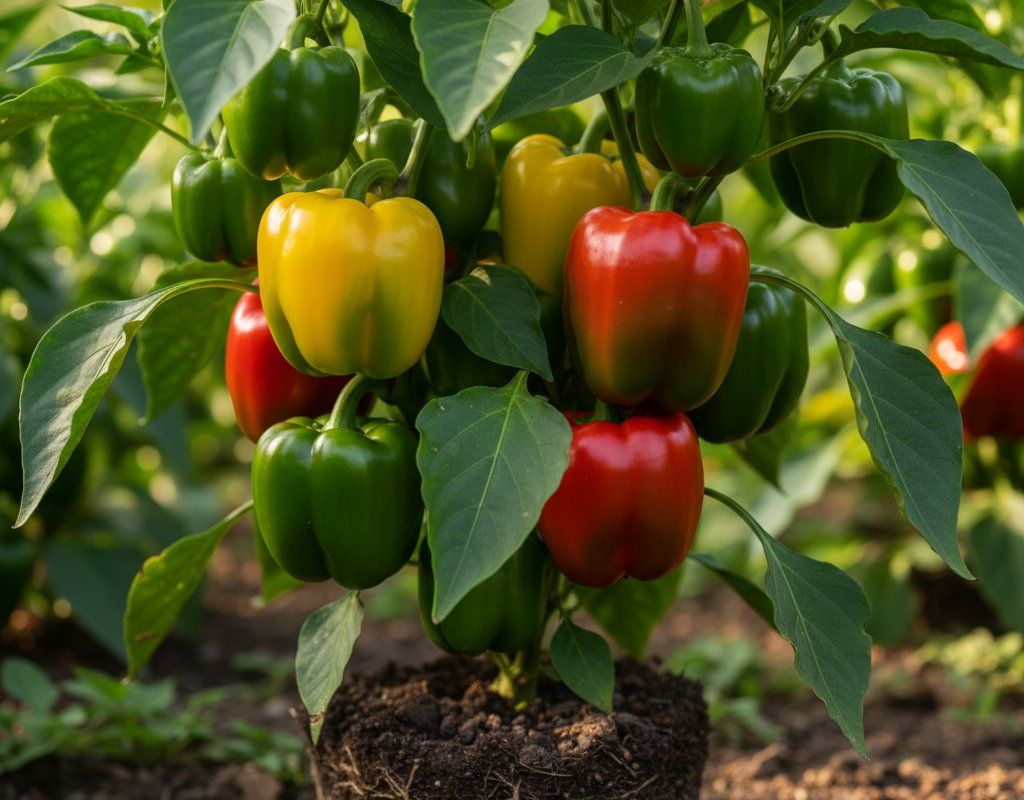
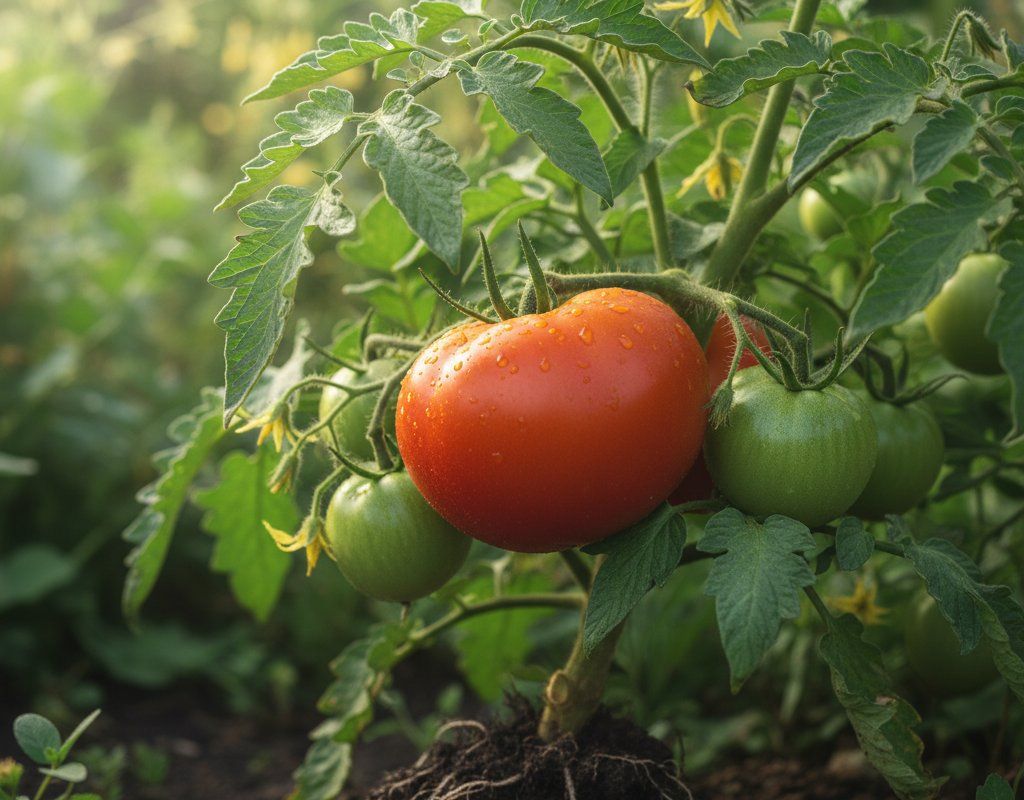
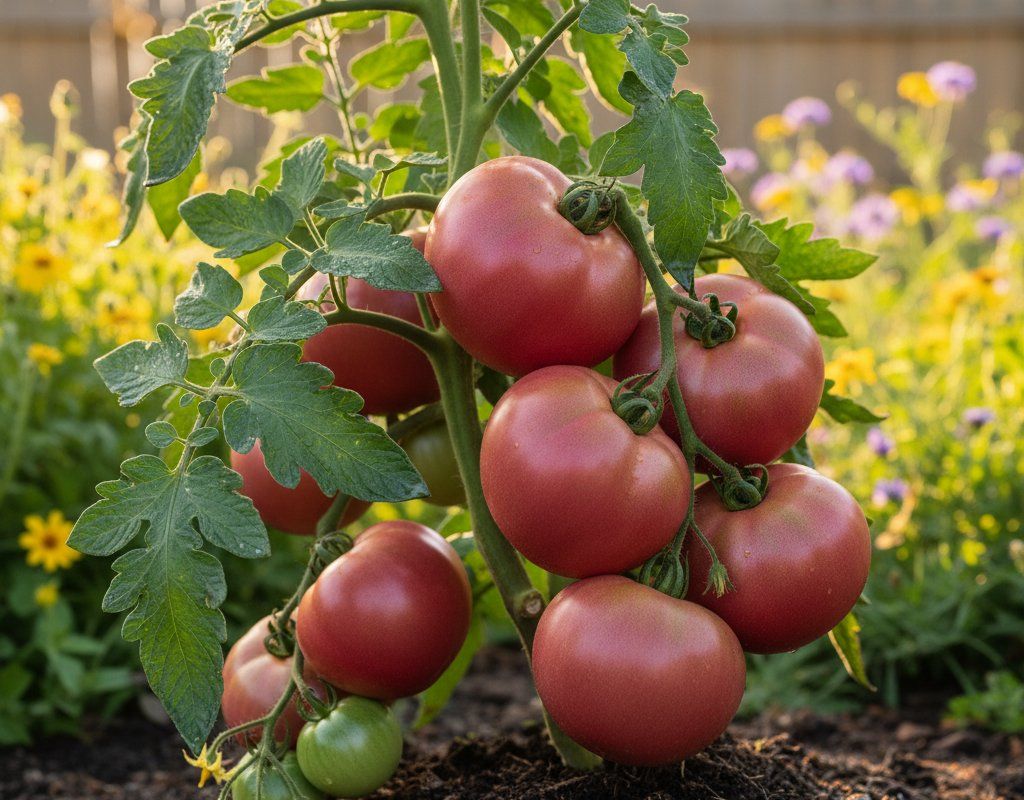
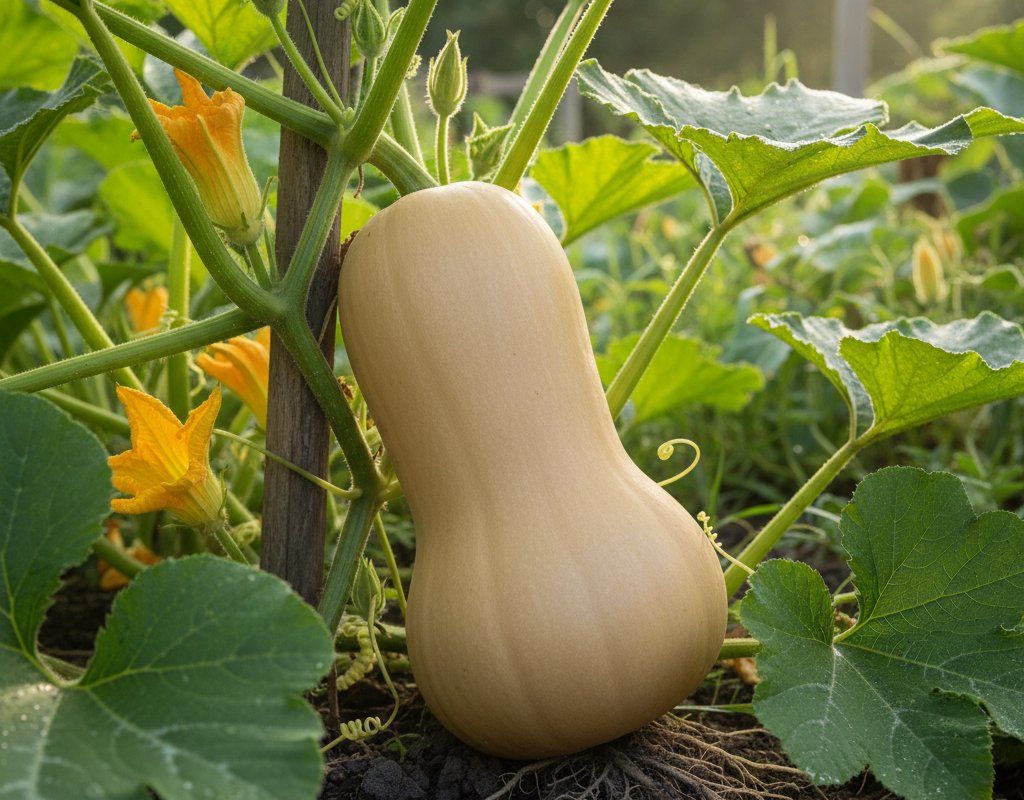
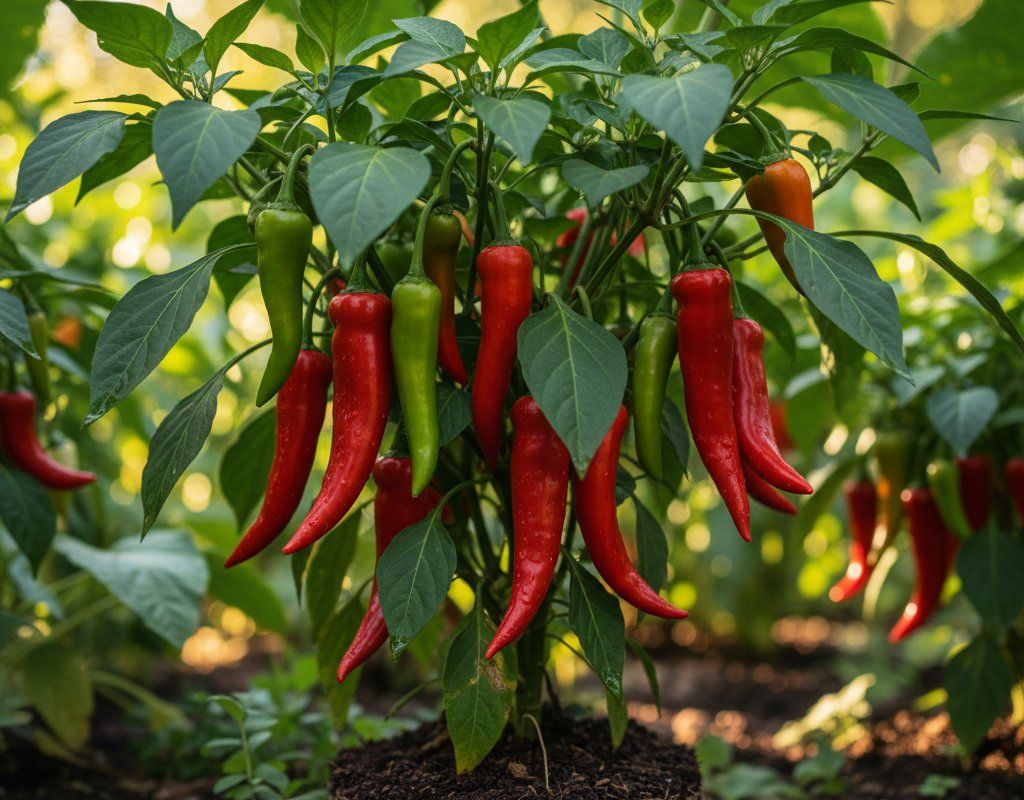
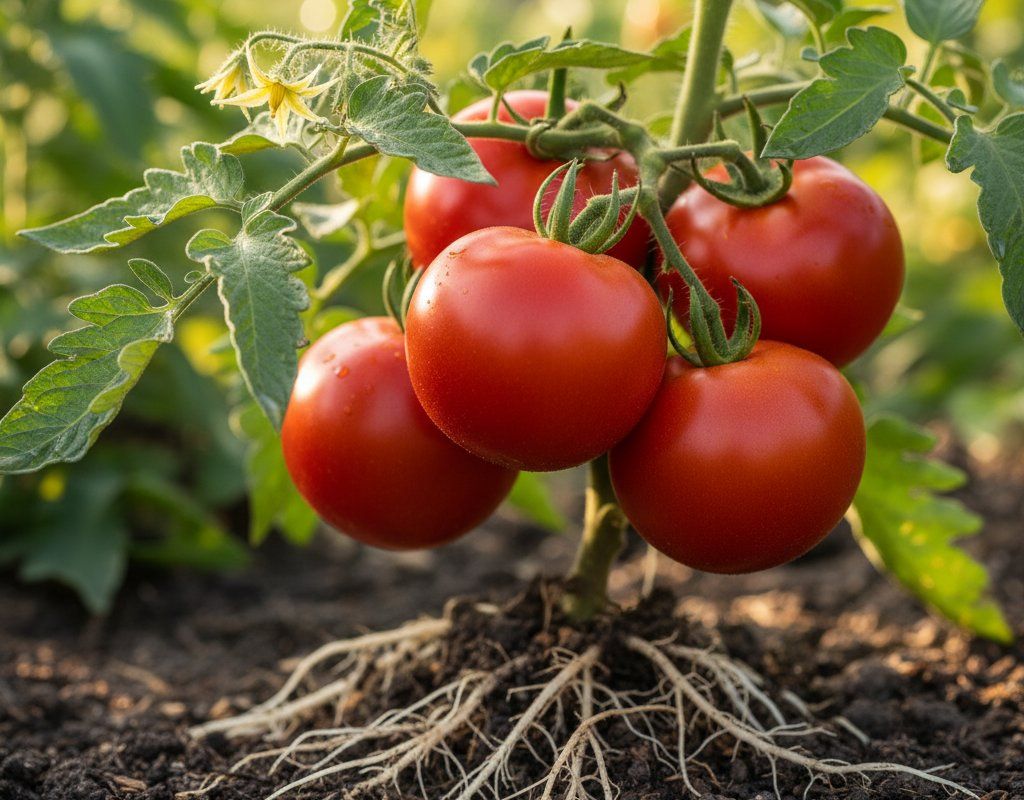
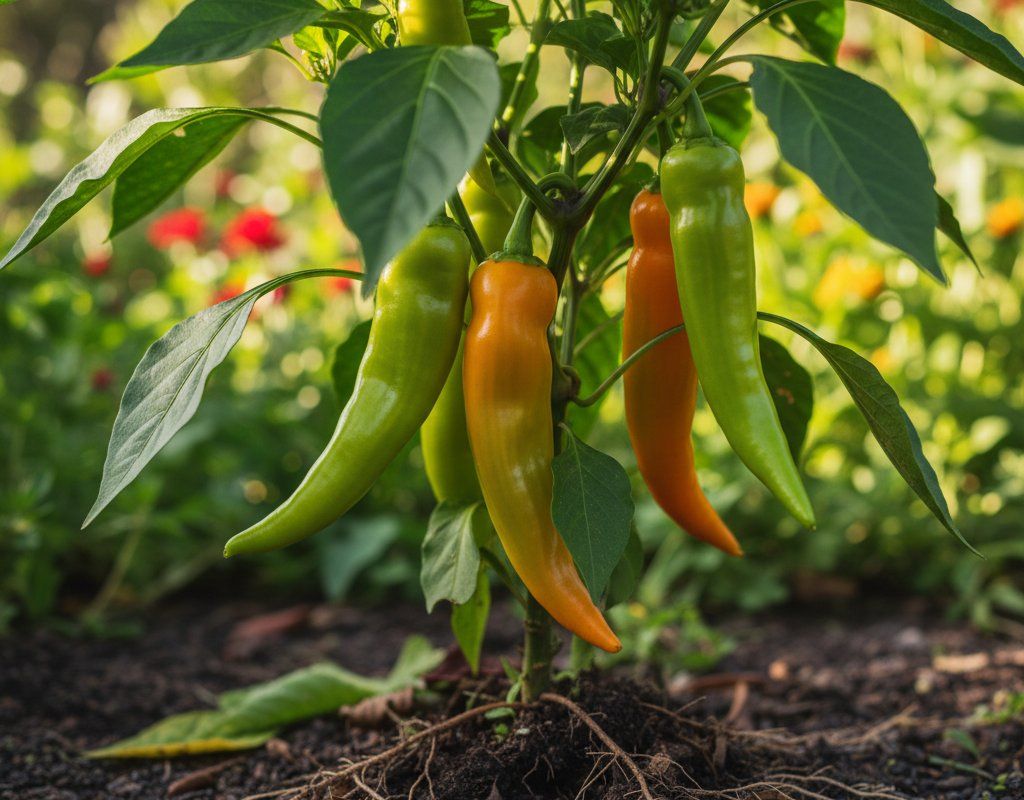
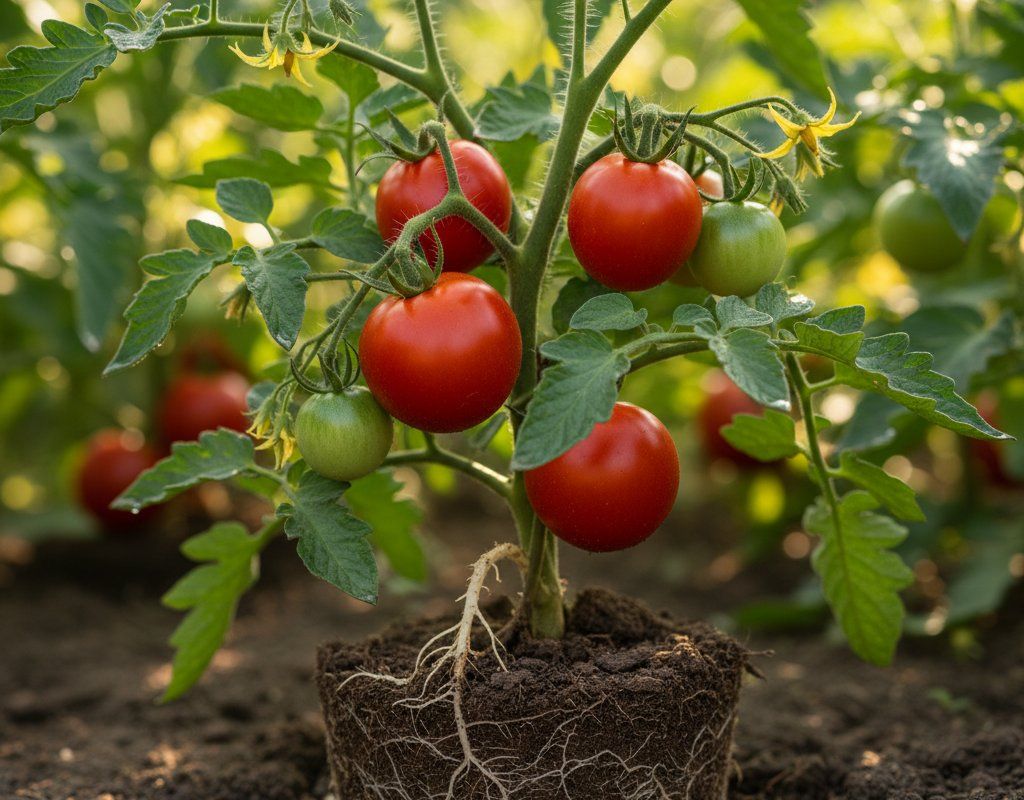
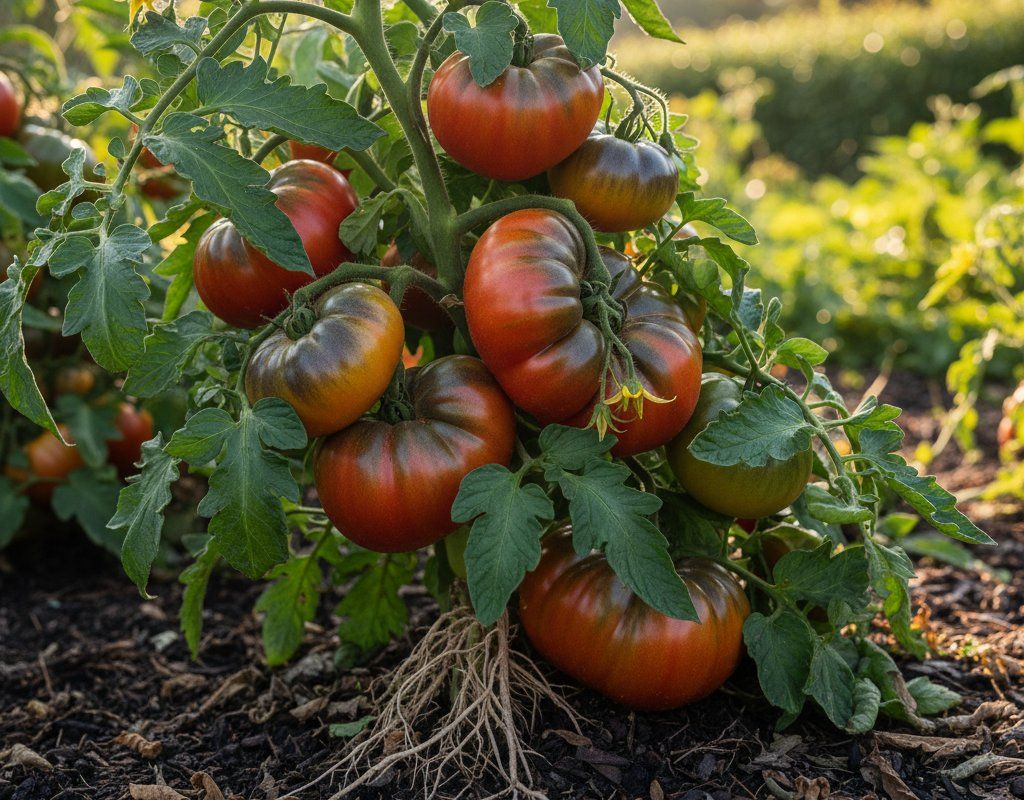
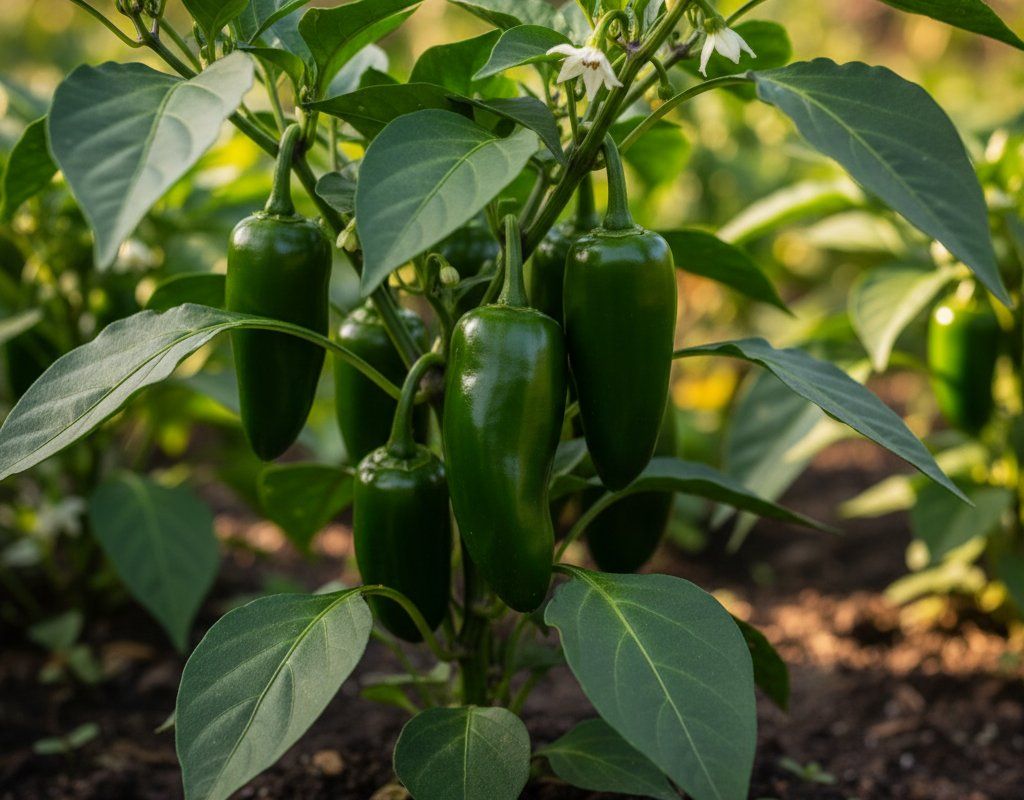
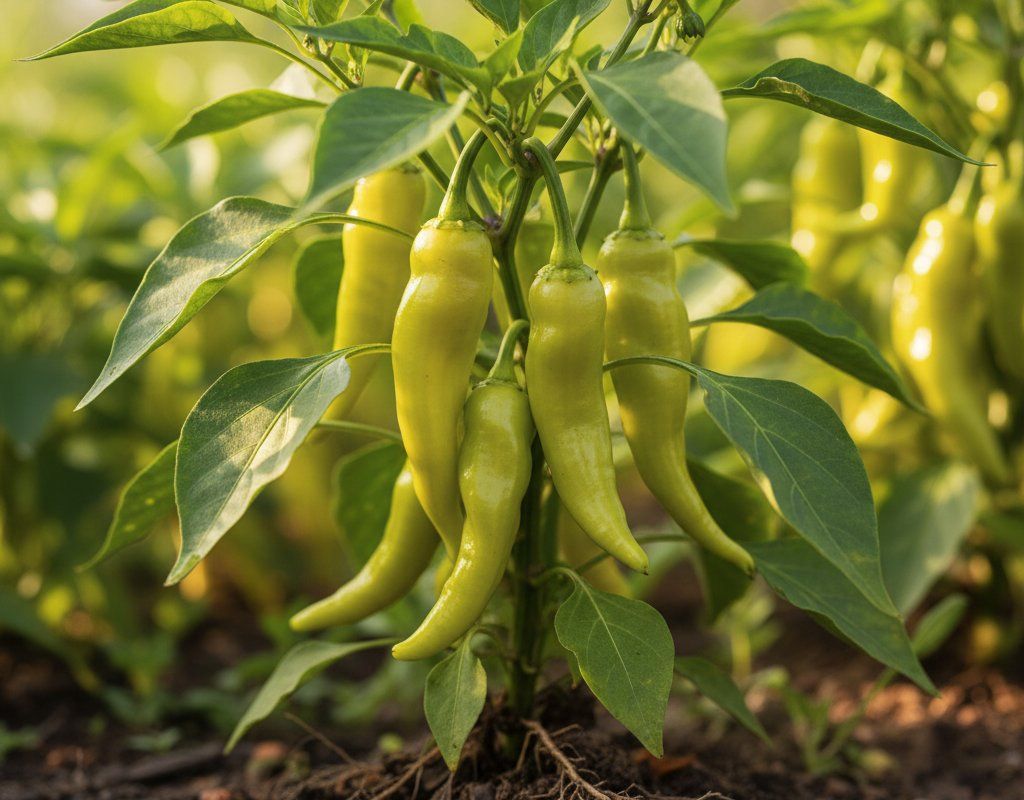
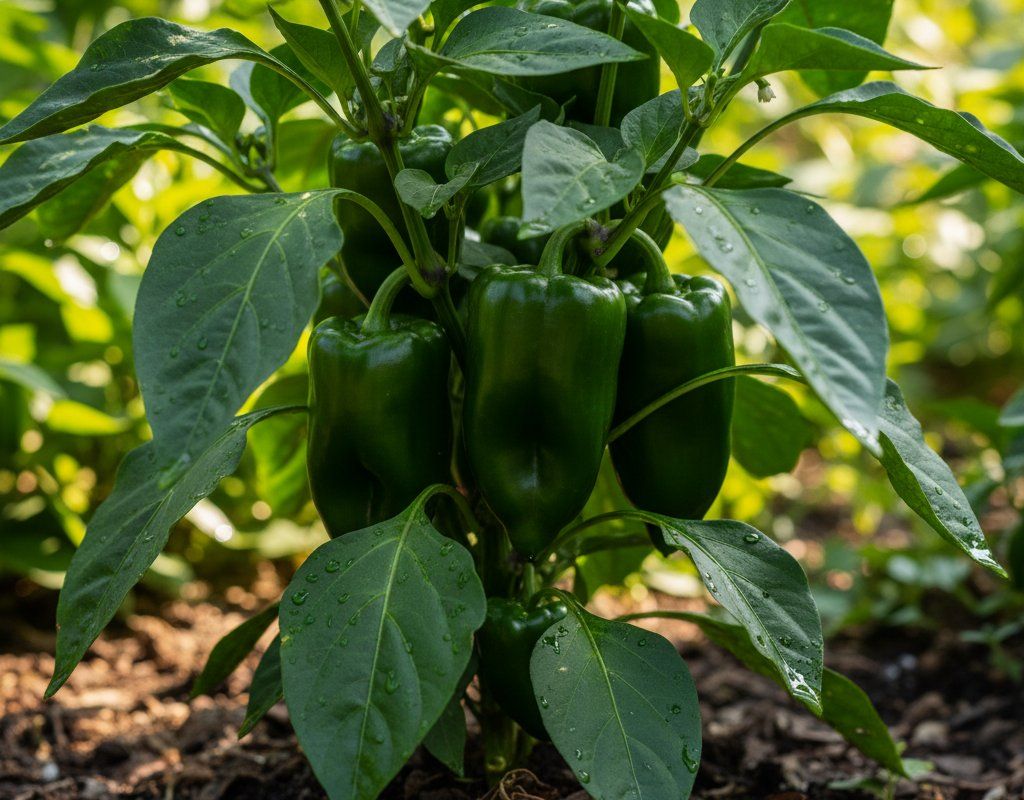
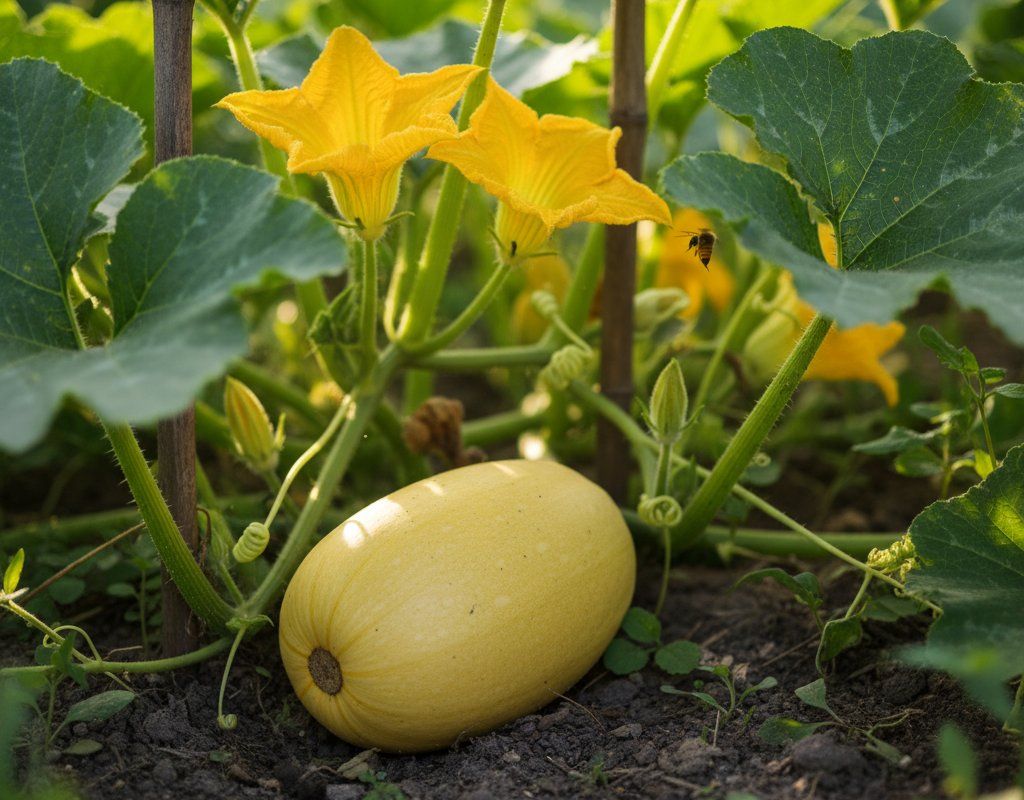
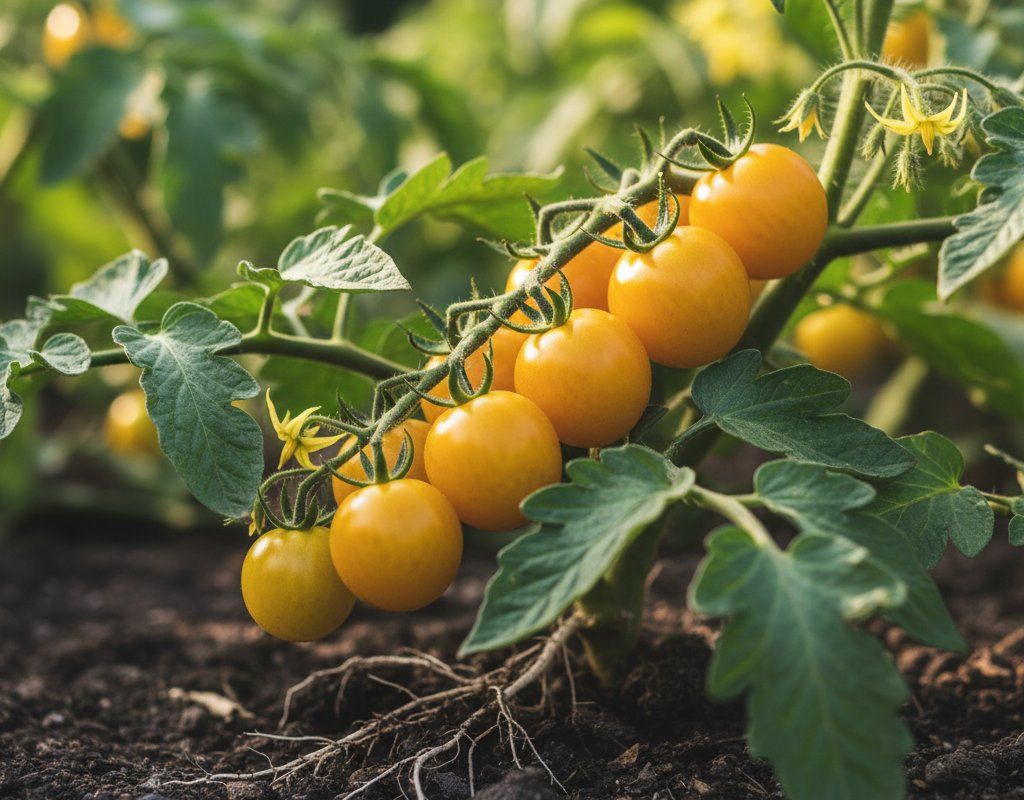
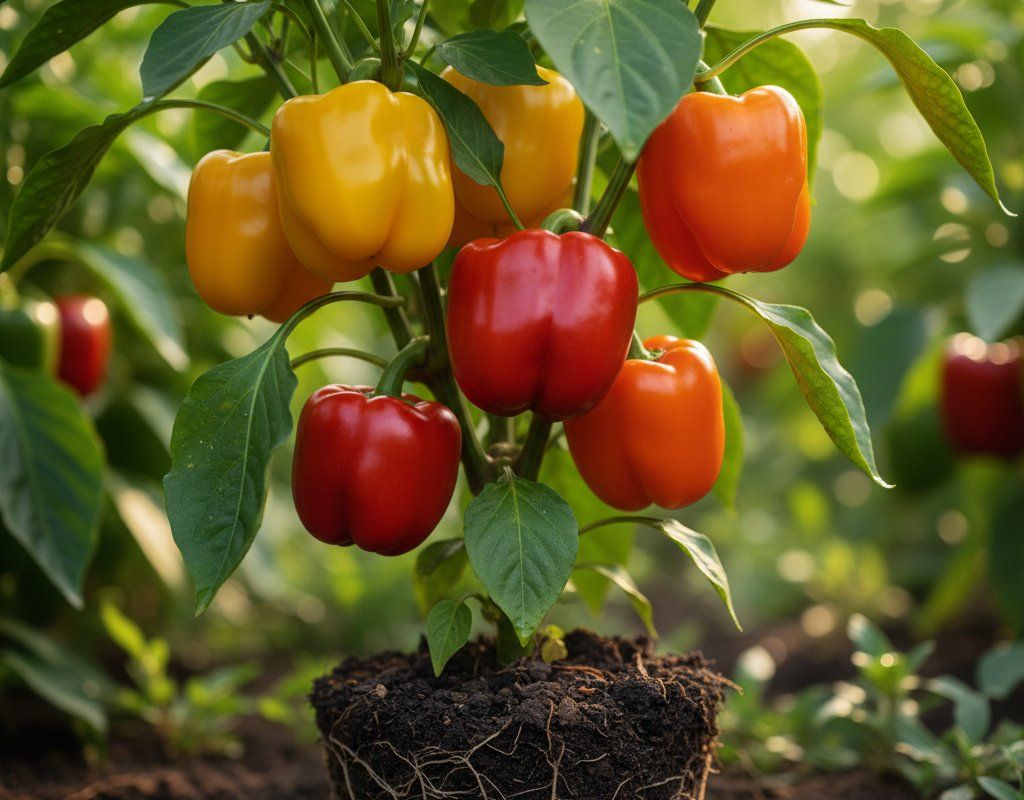
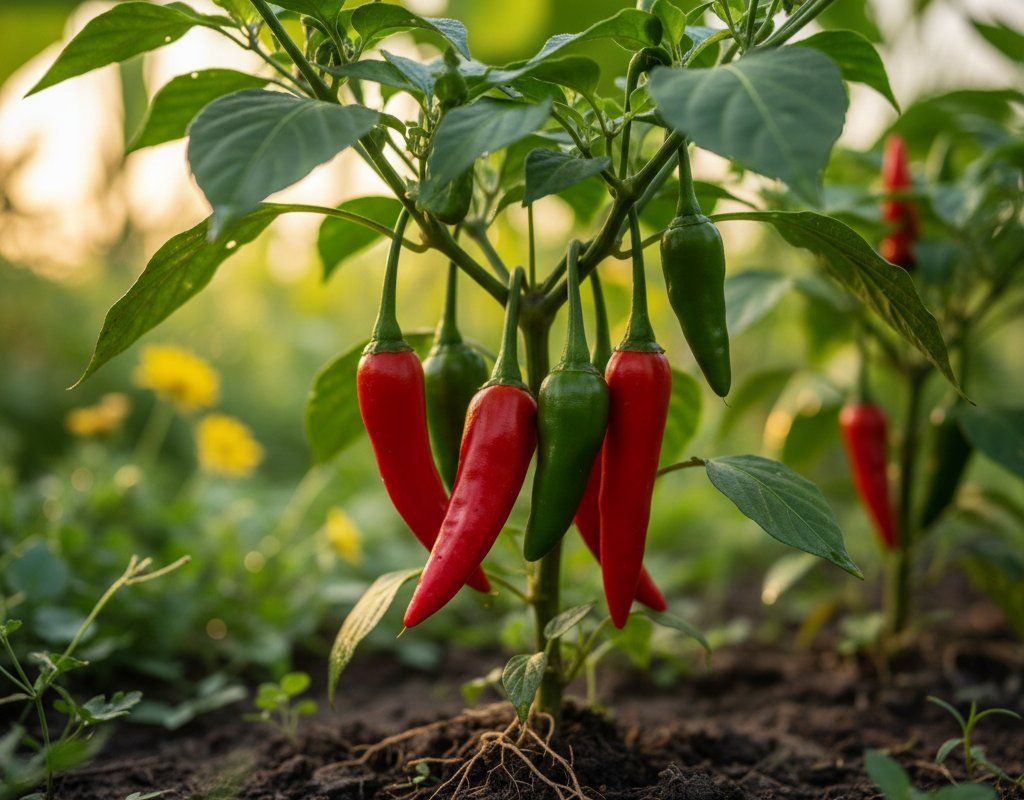
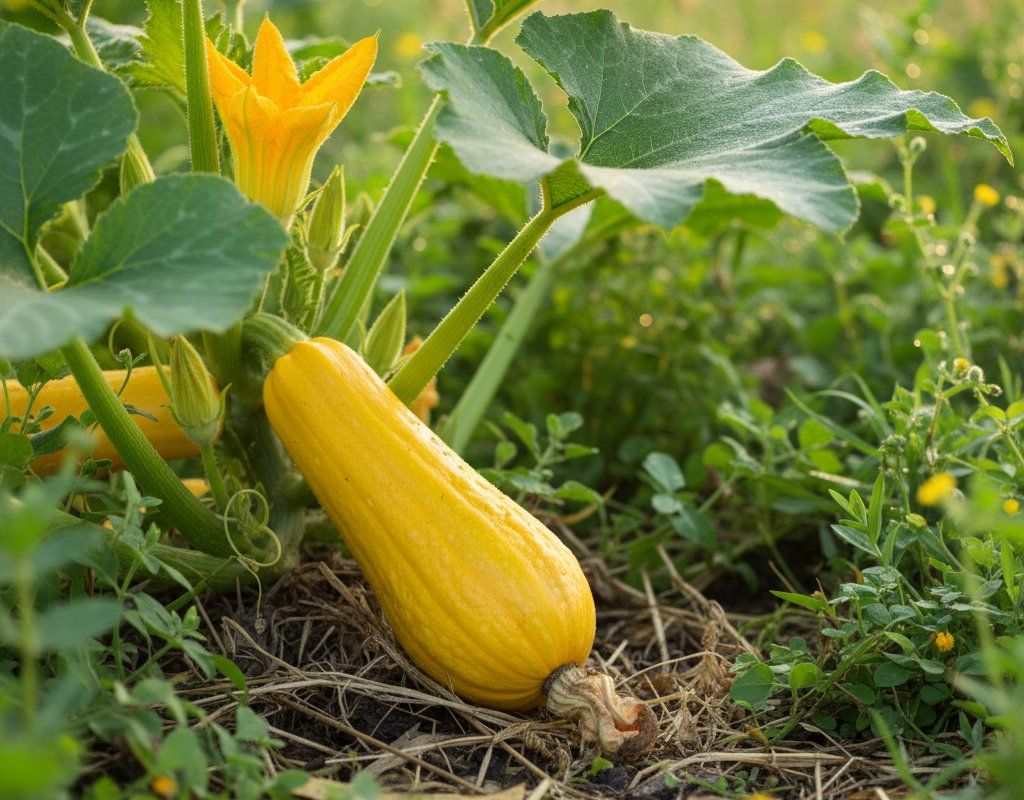
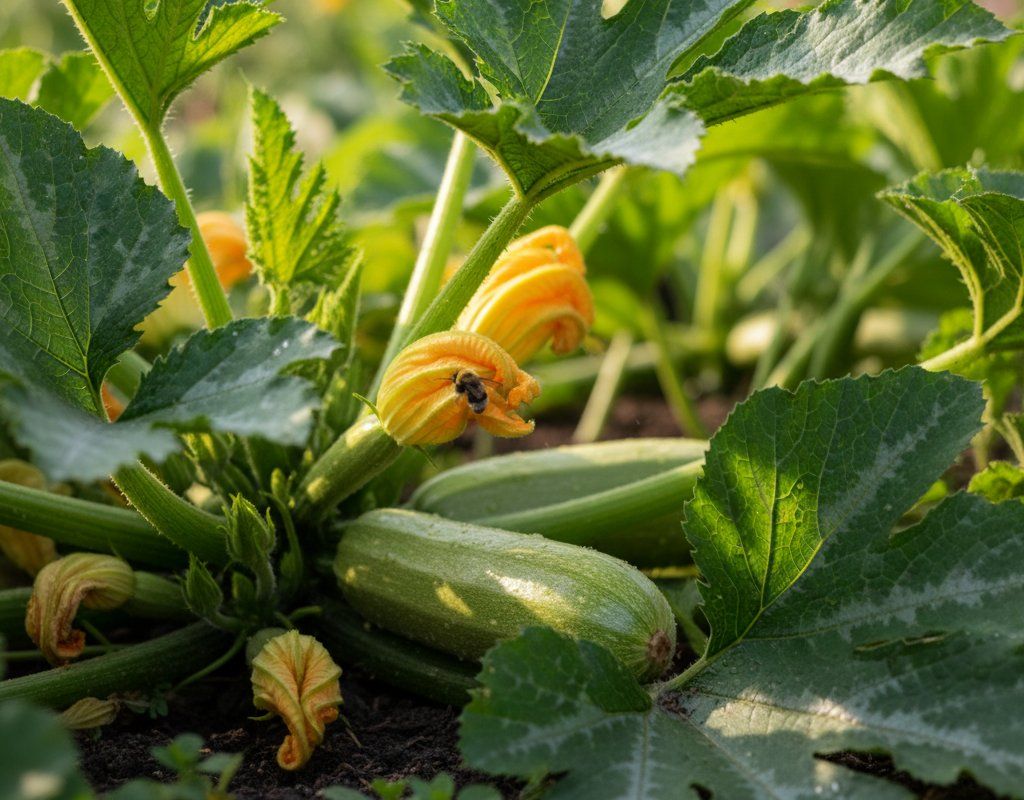
🍅Fruiting Vegetables (37)
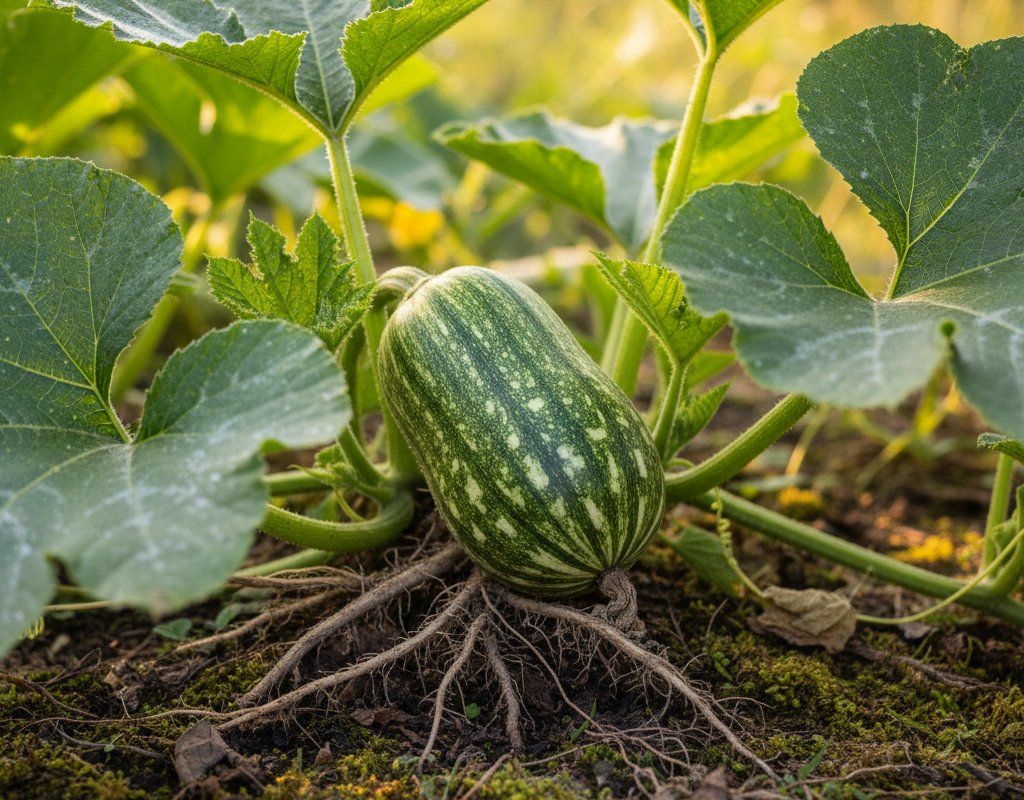
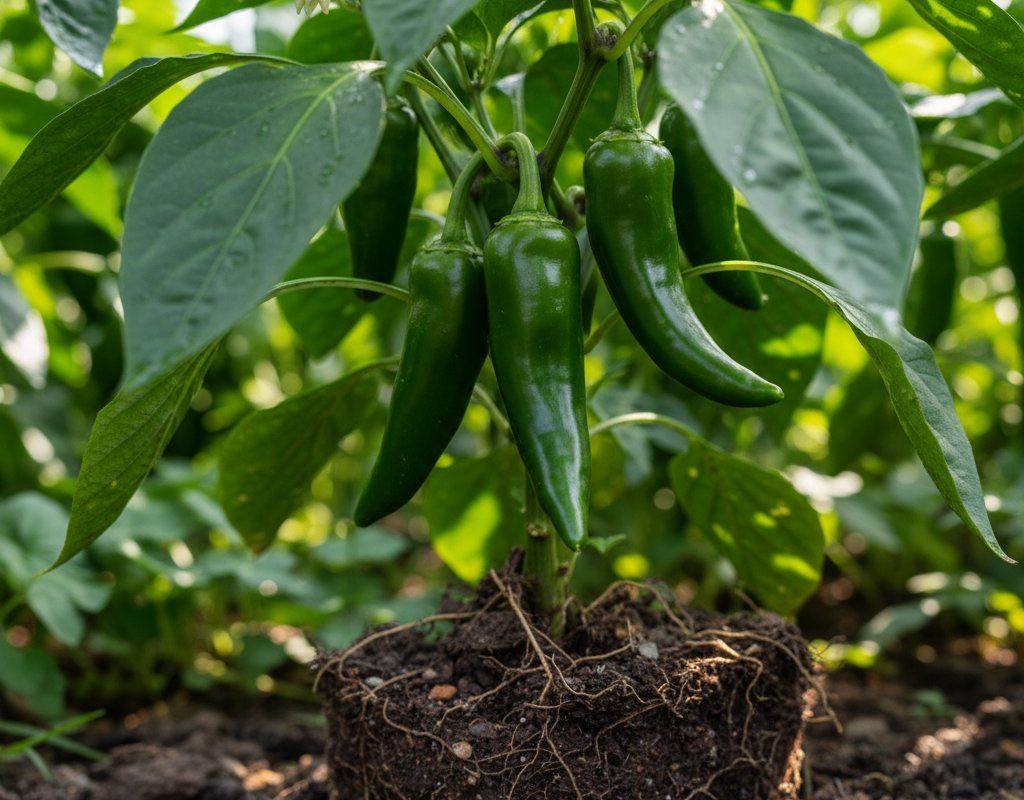
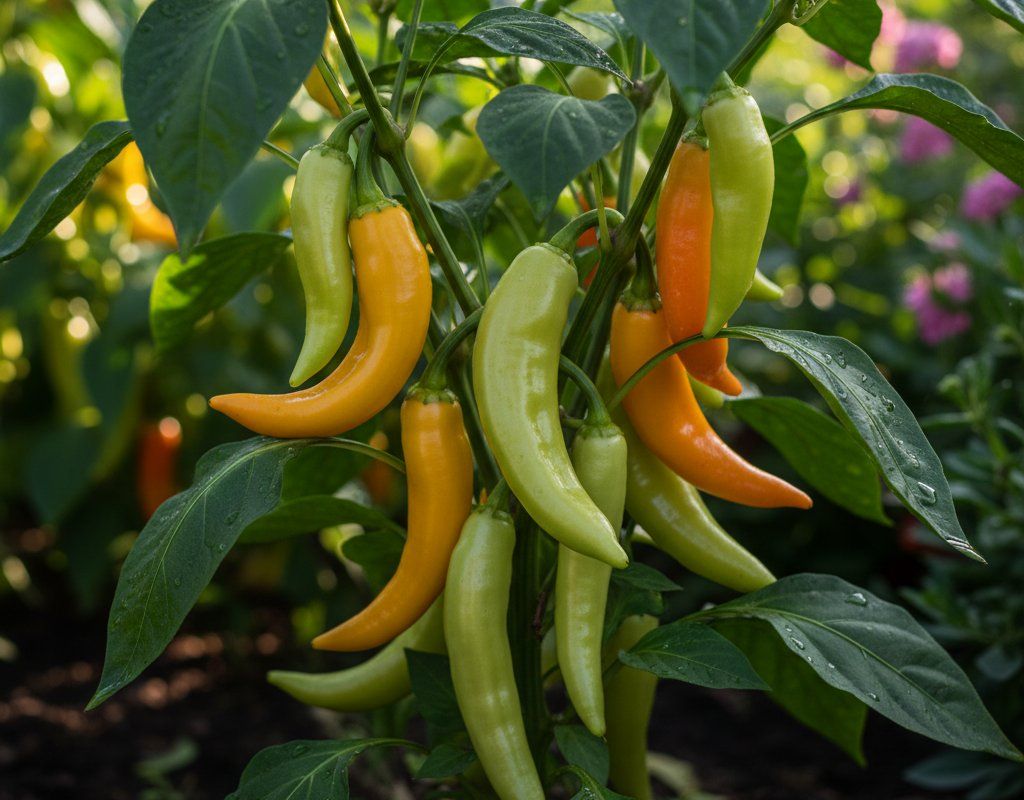
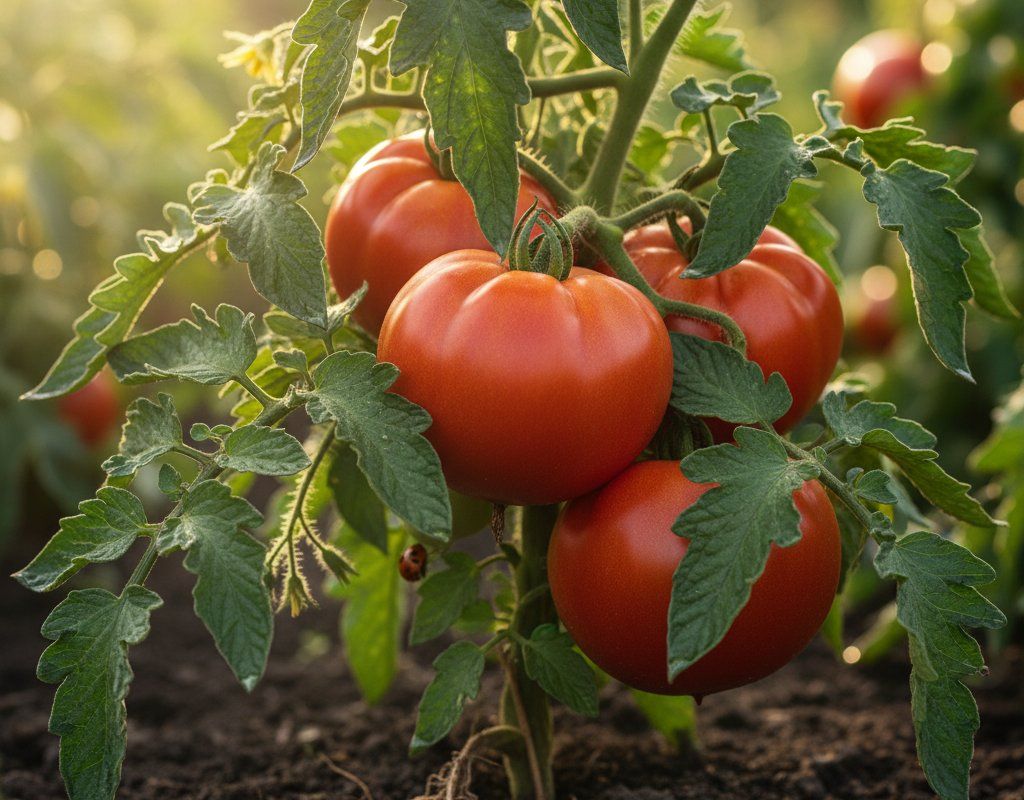





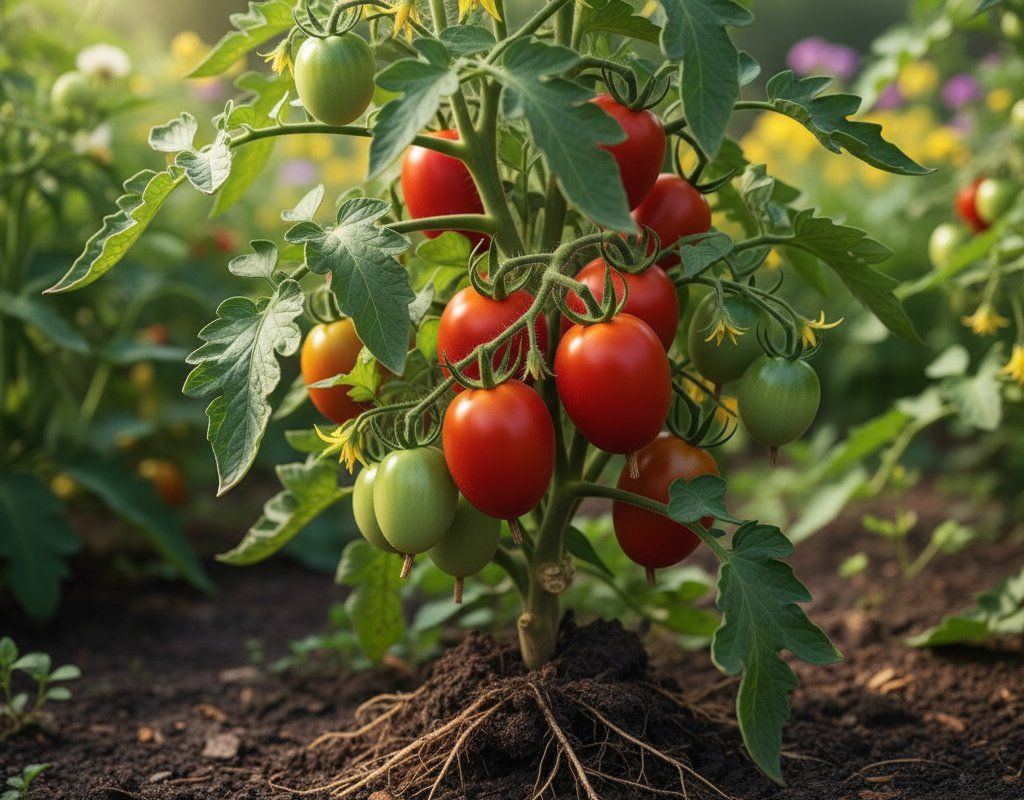
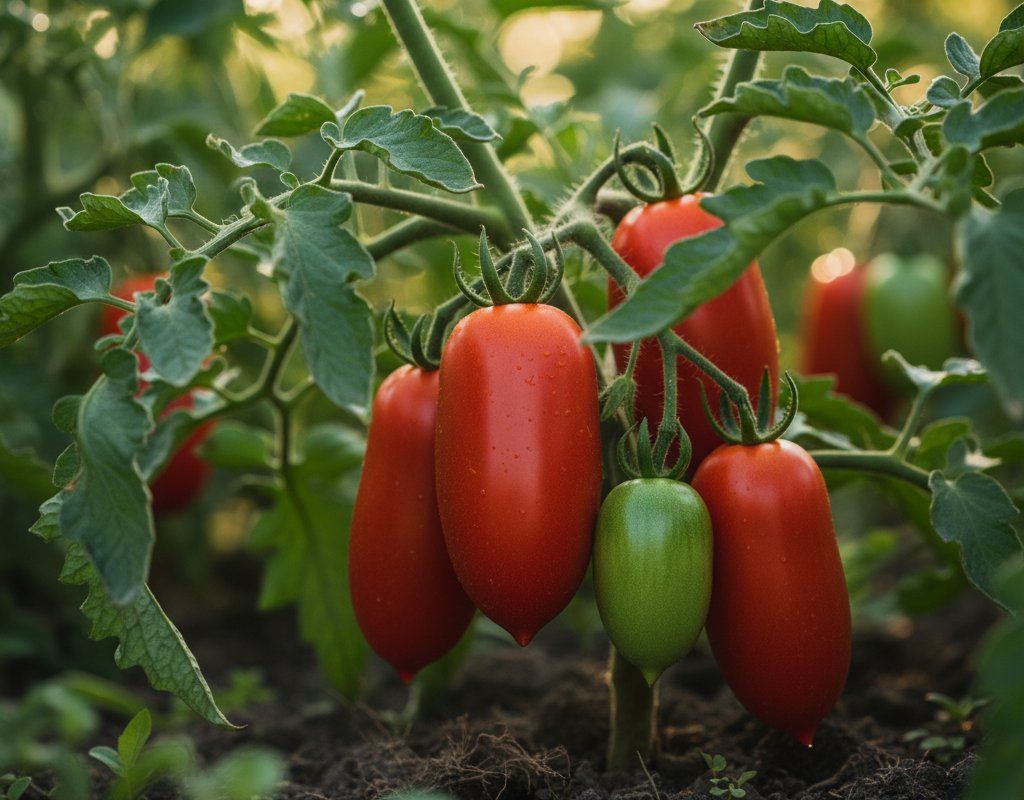
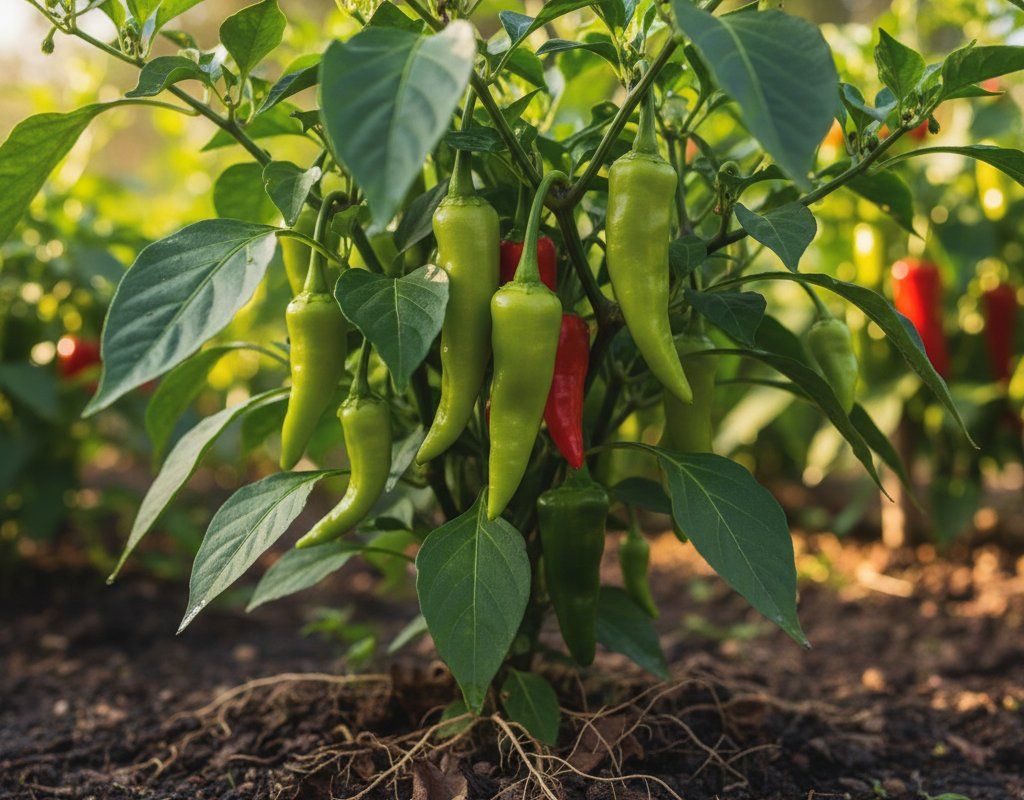
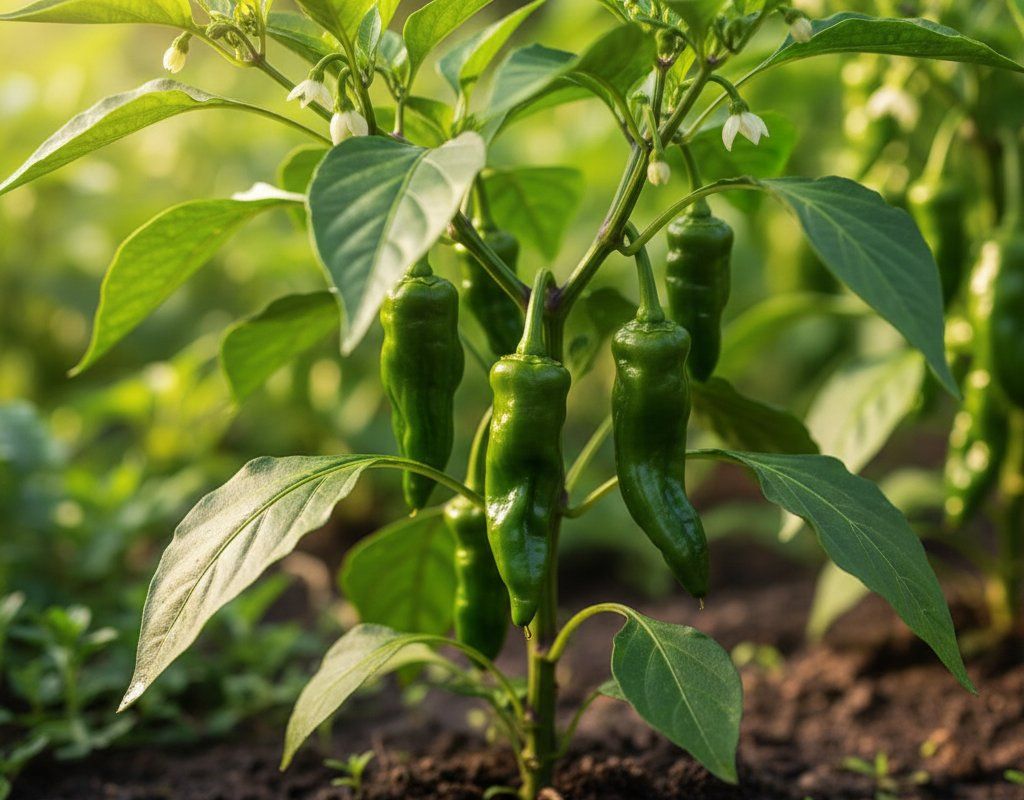


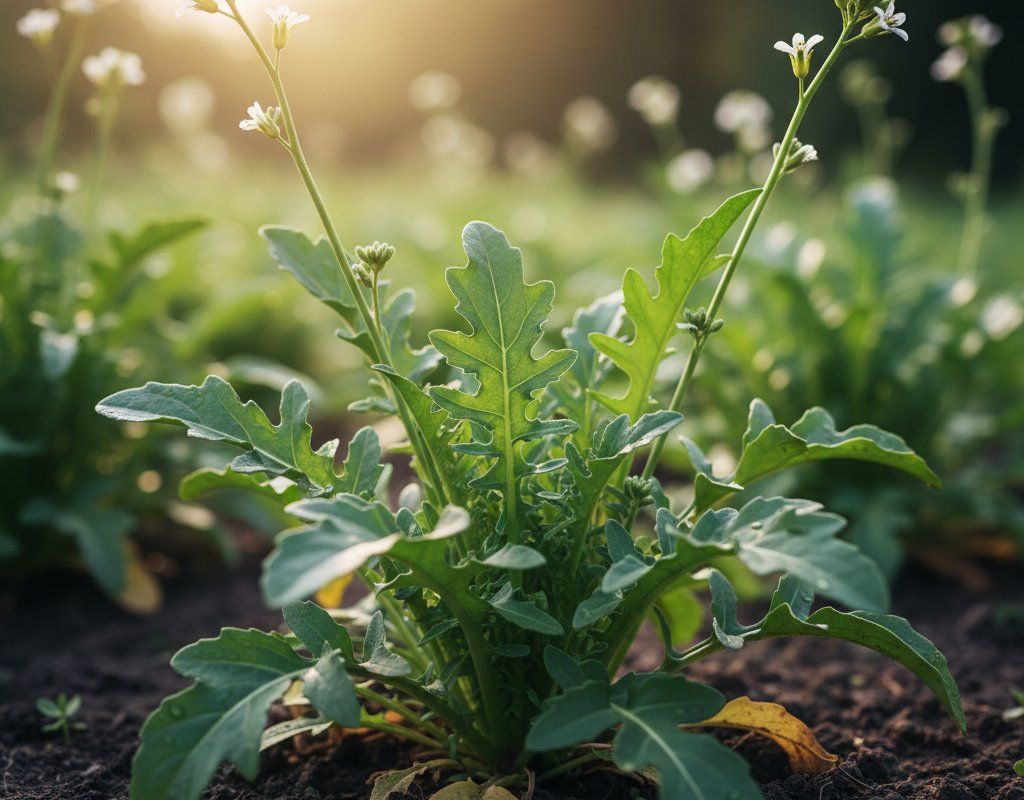
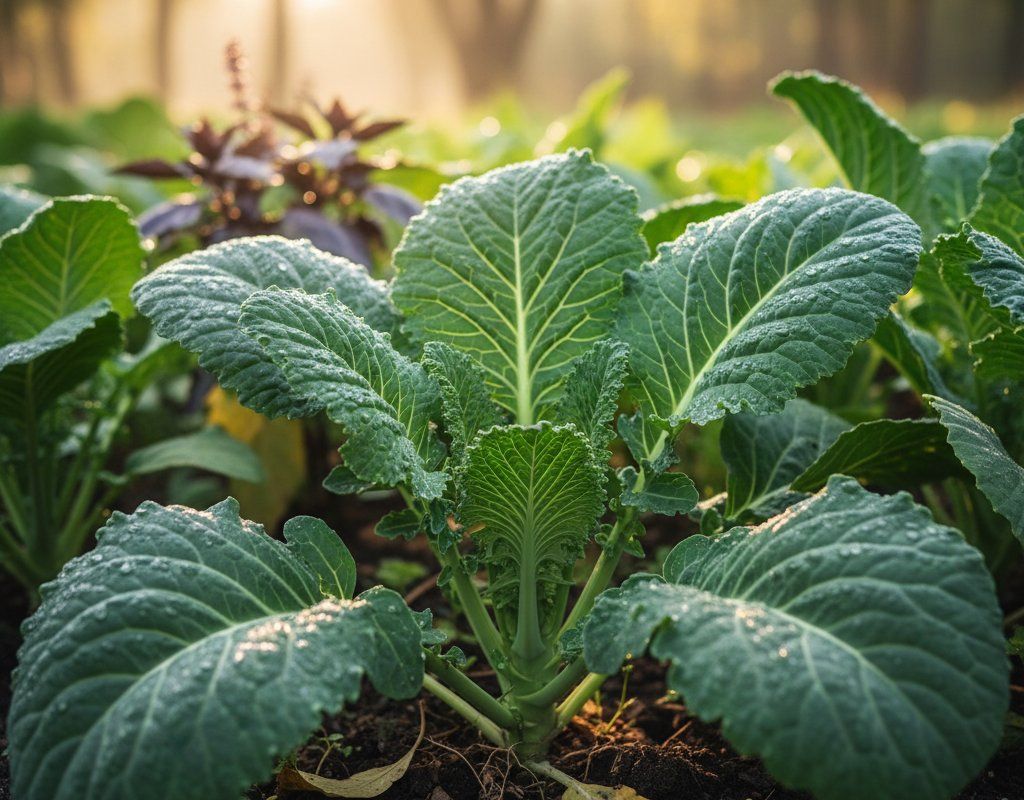
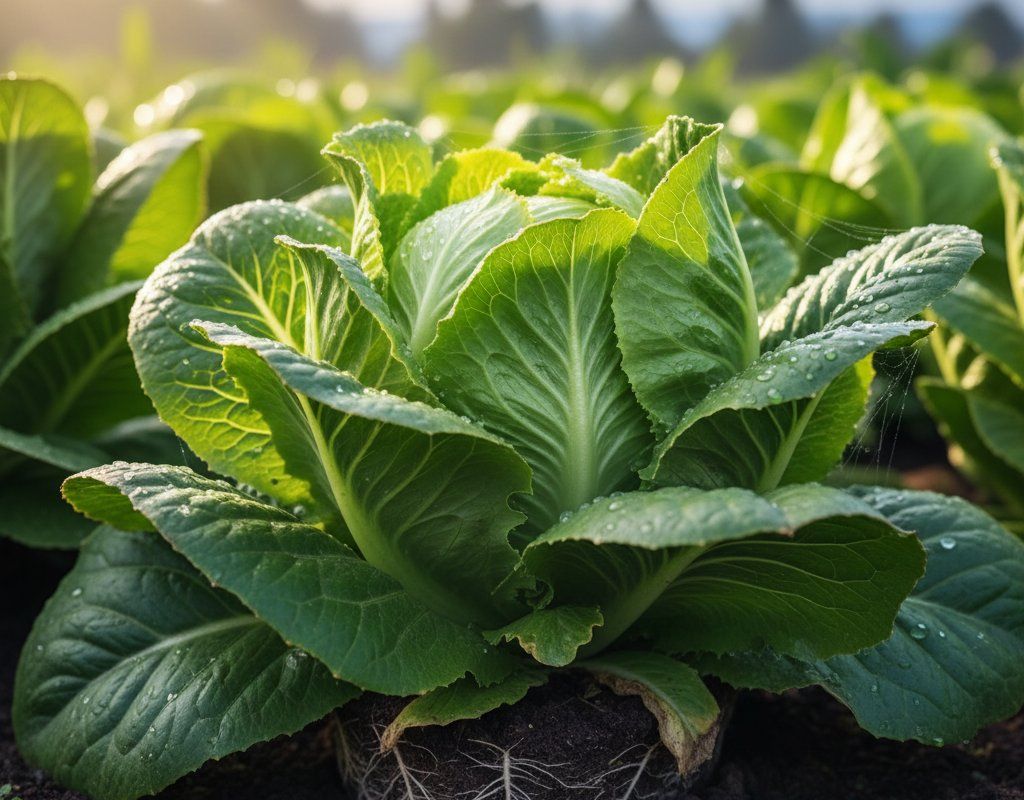
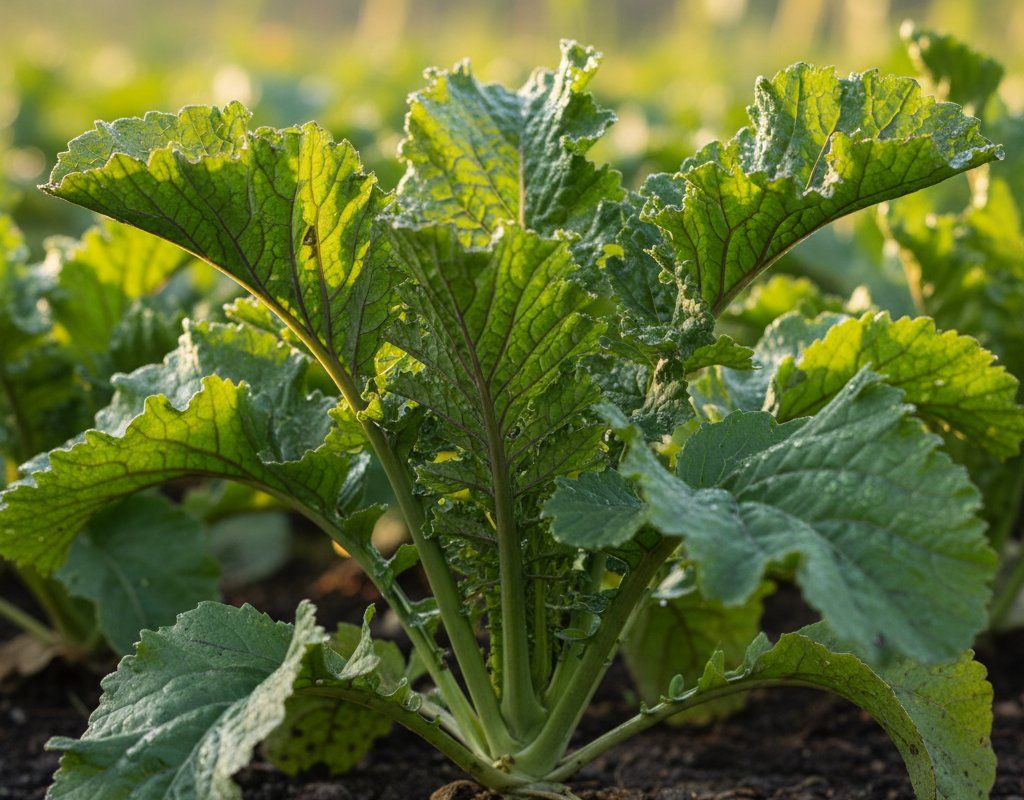
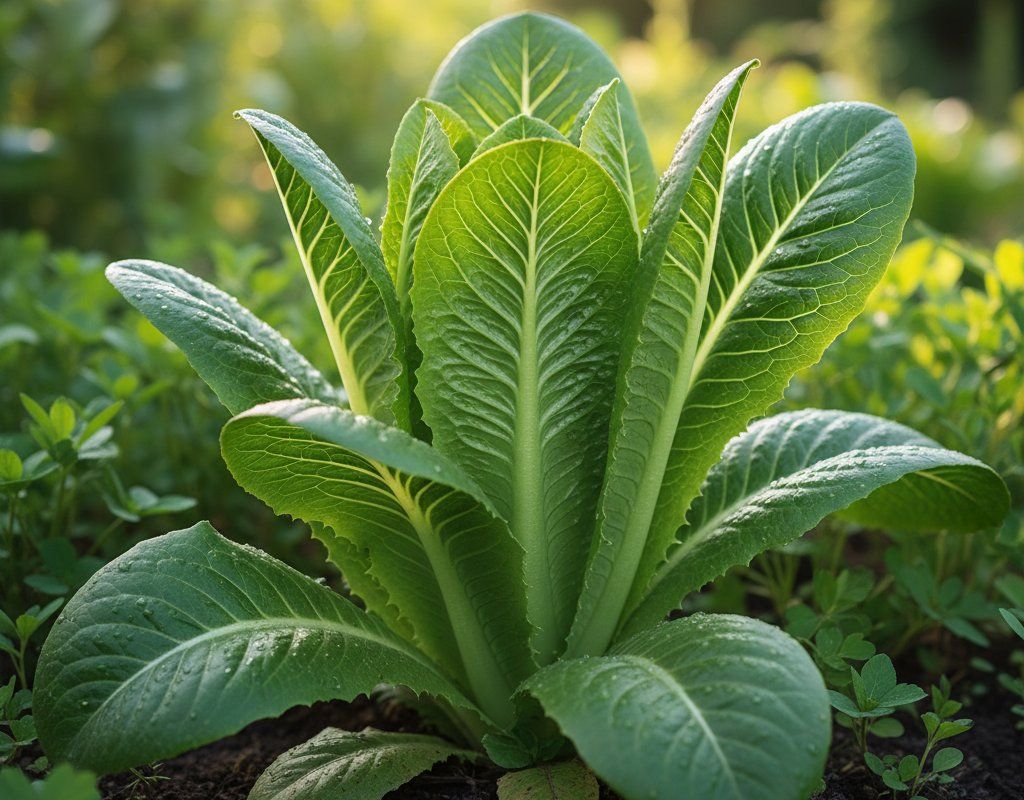
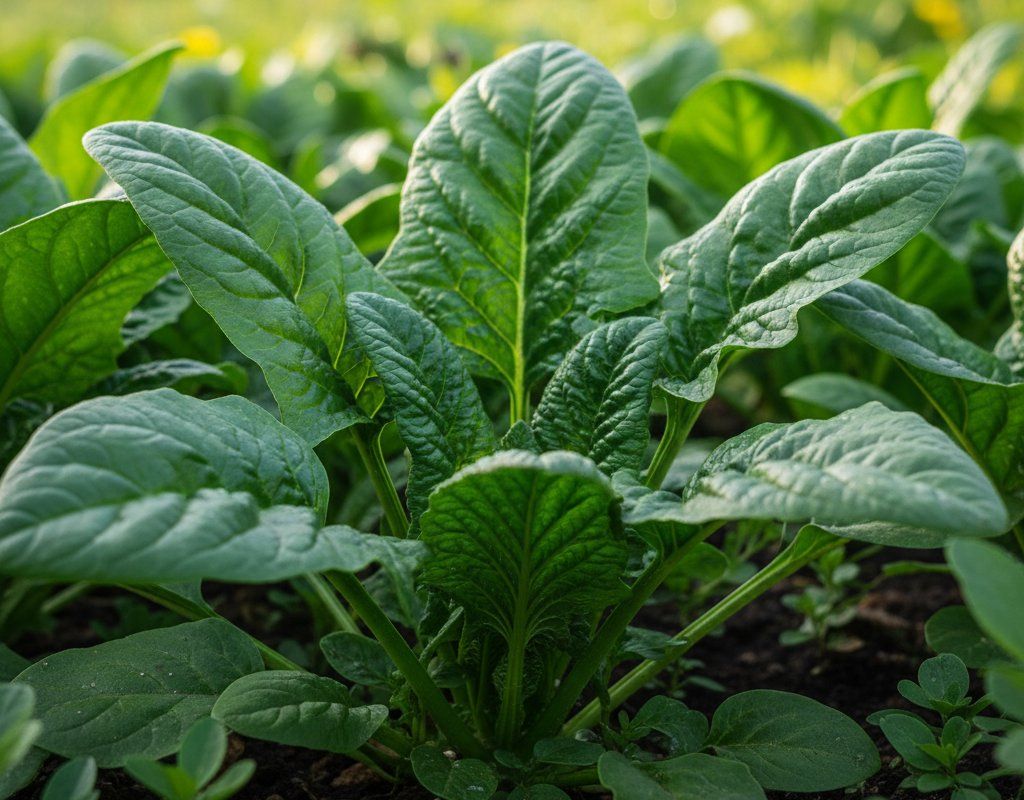
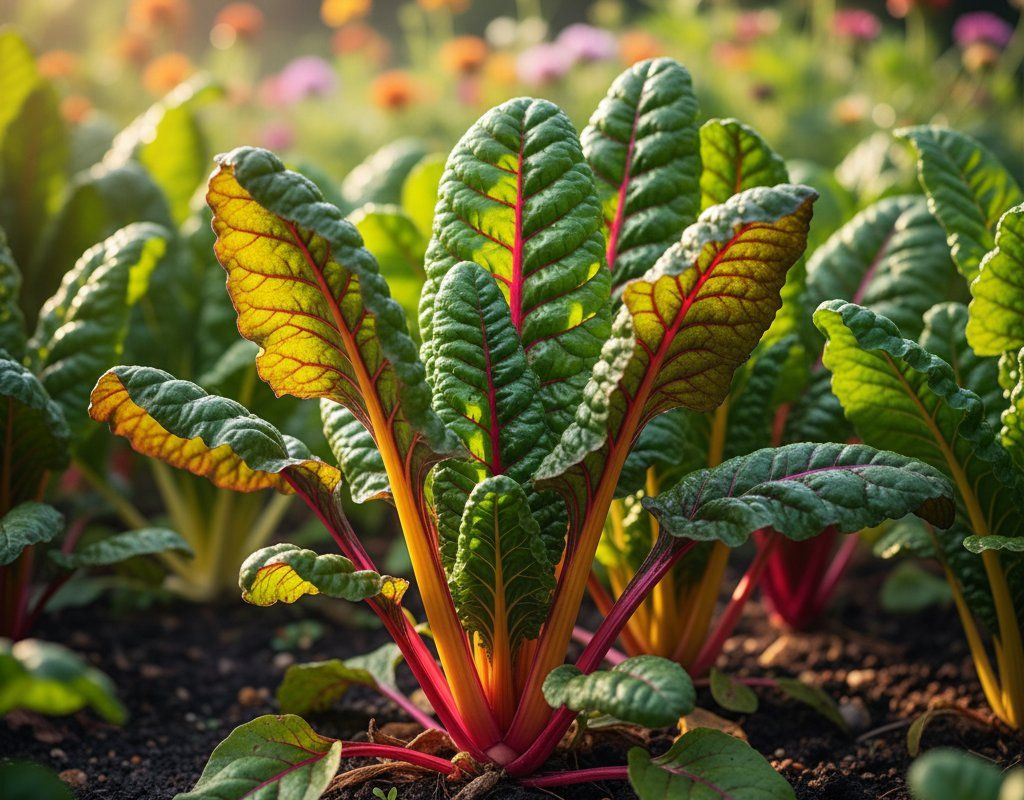
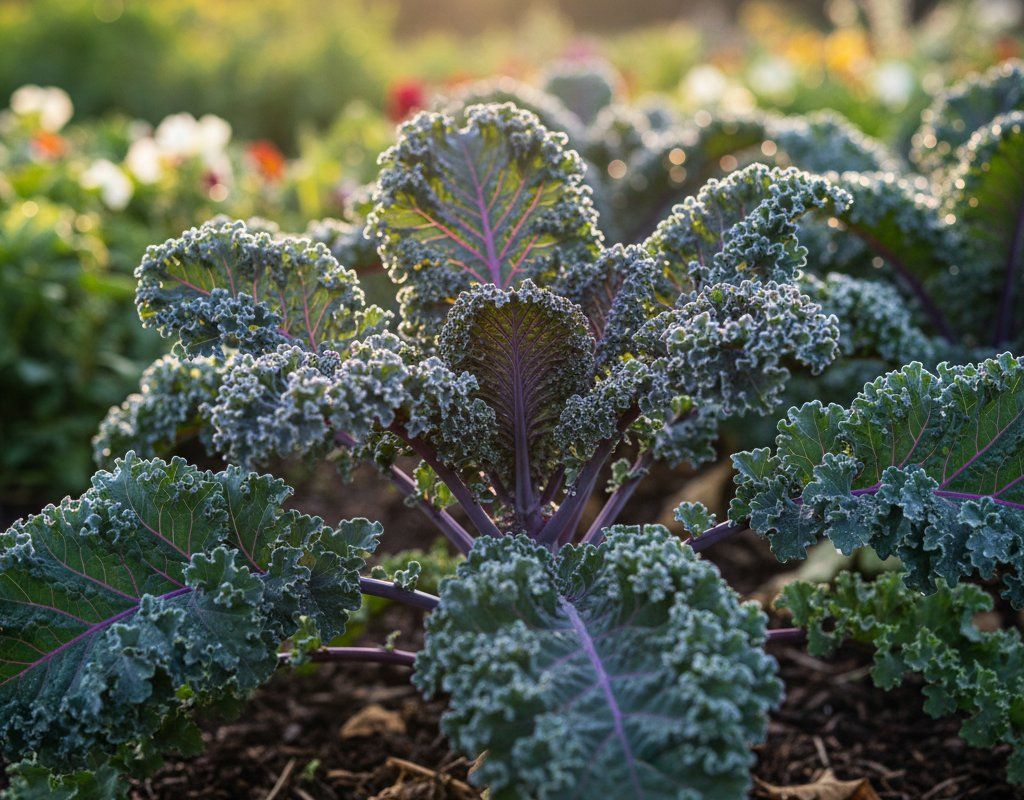
🥬Leafy Greens (9)


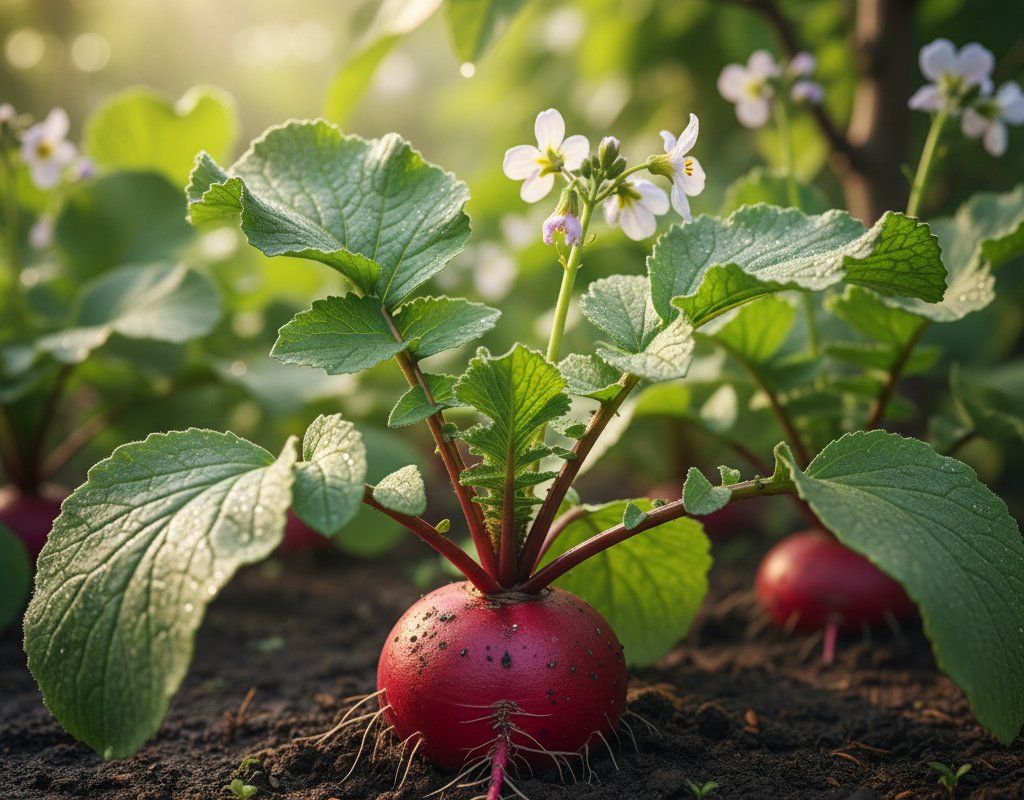
🥕Root Vegetables (5)



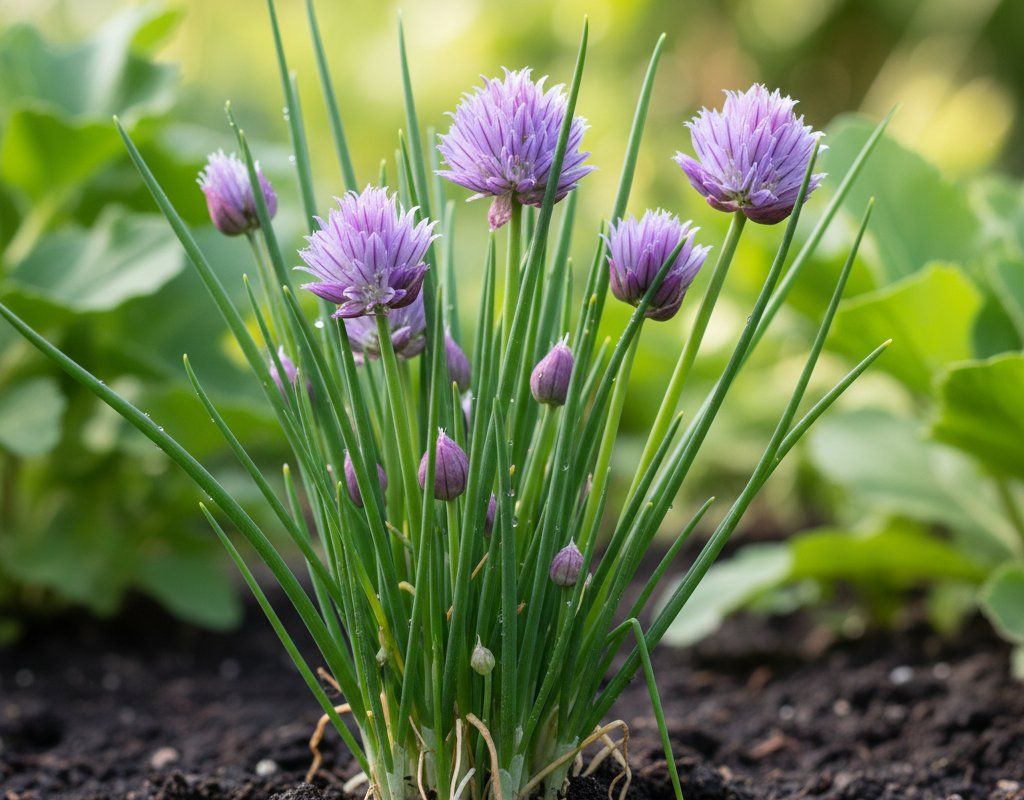
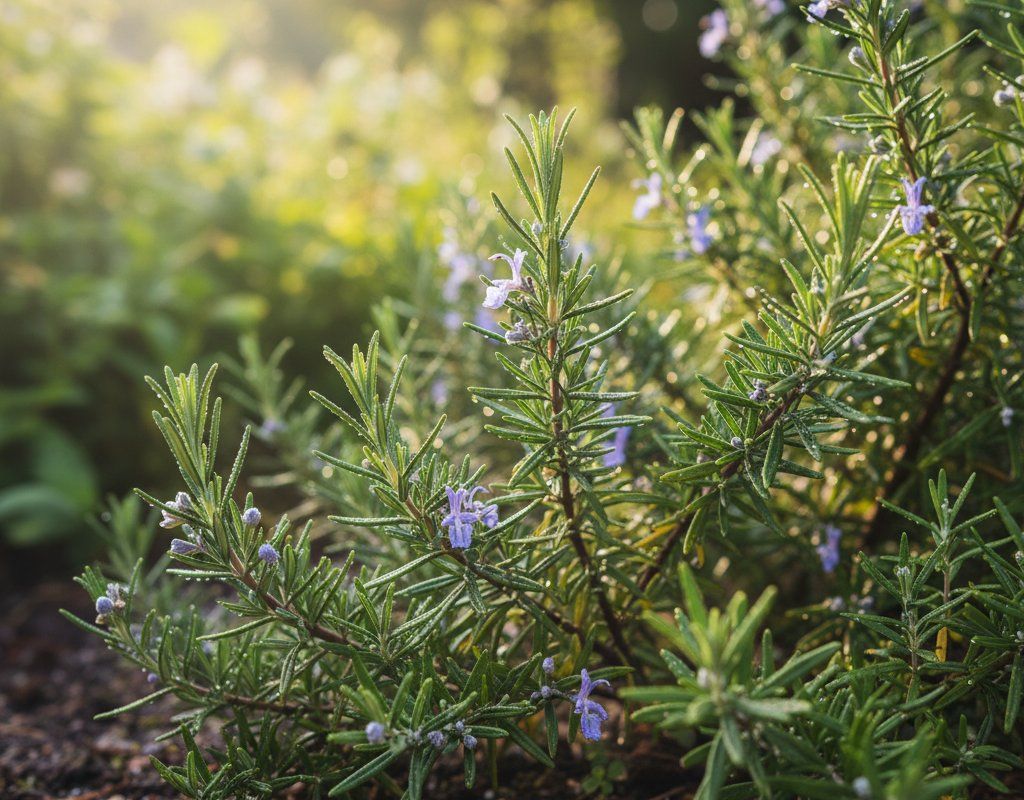
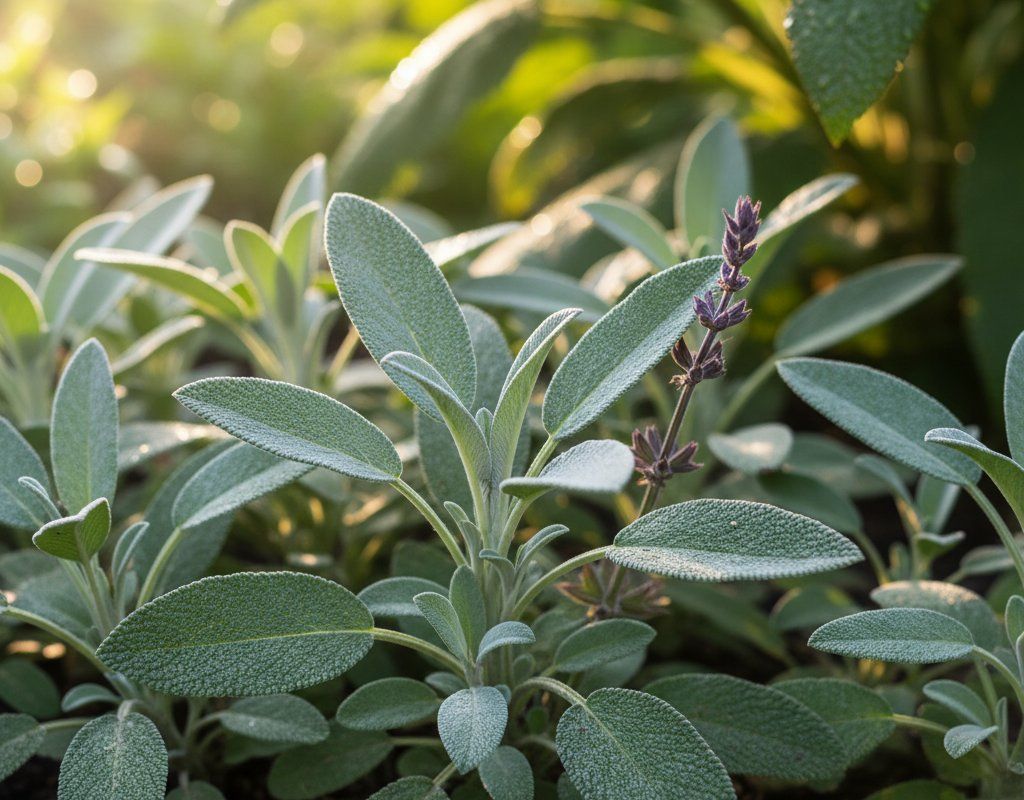
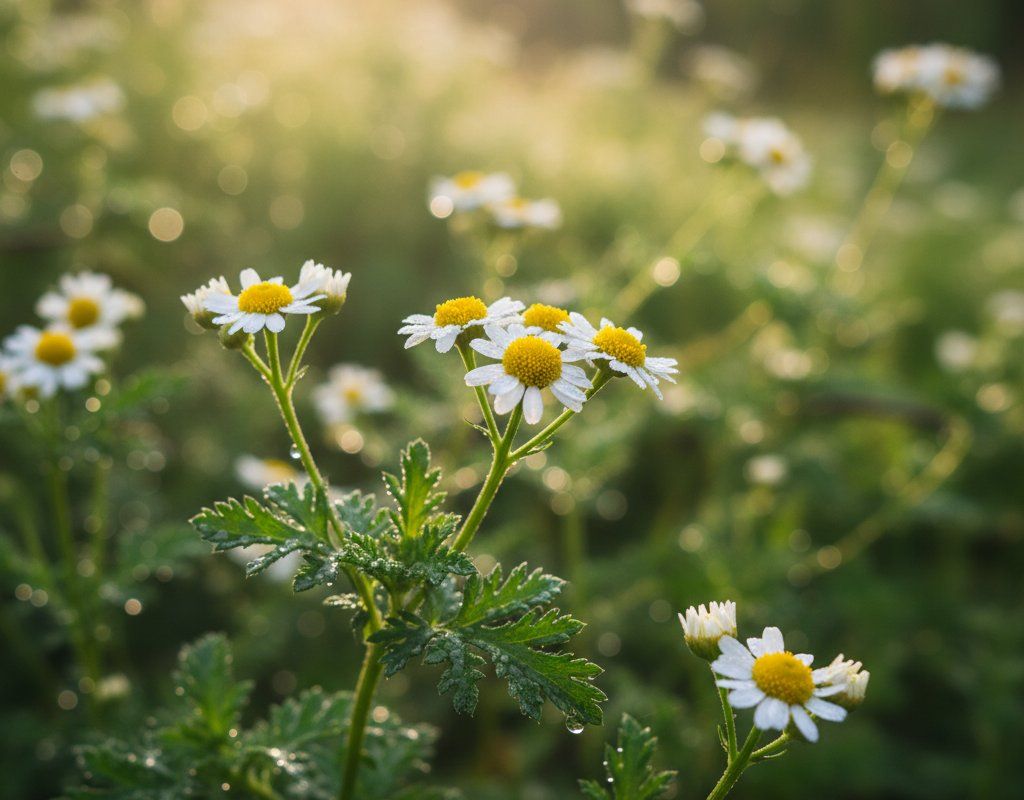
🌿Herbs (12)

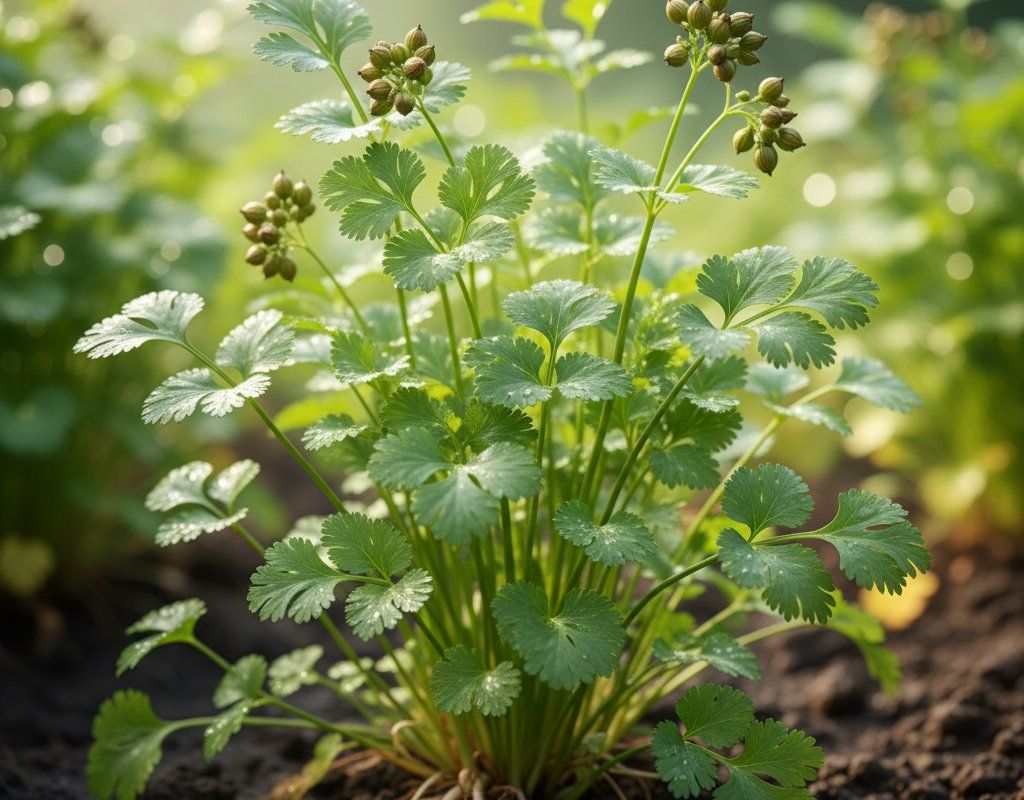
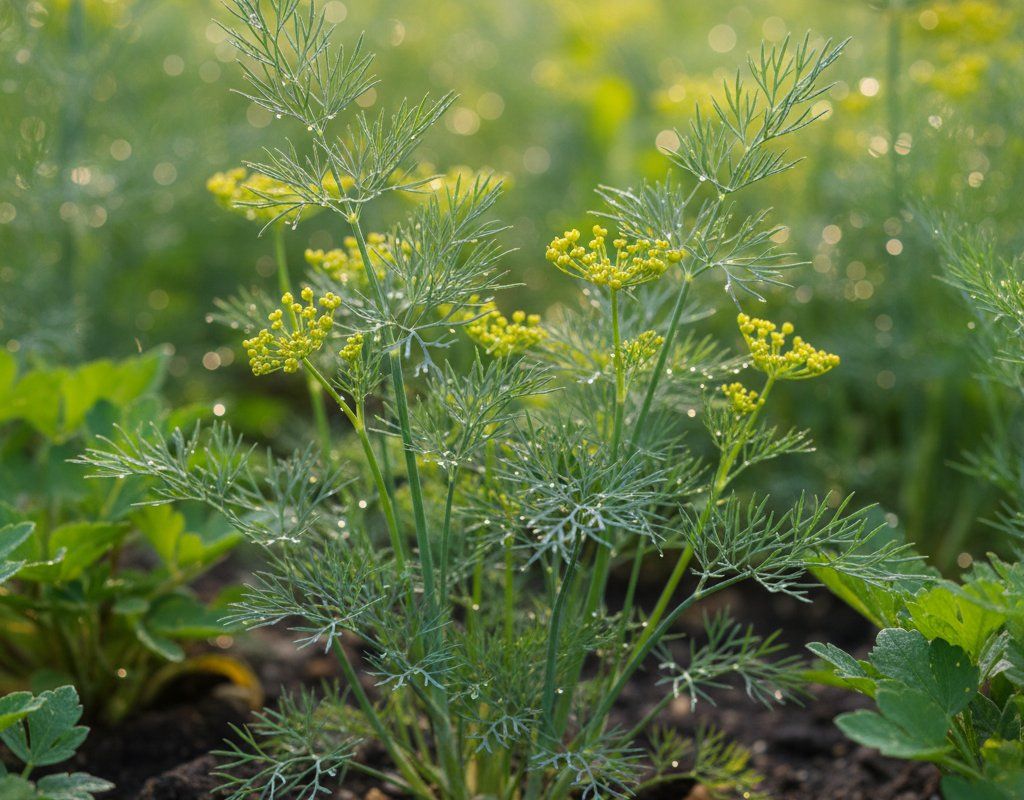

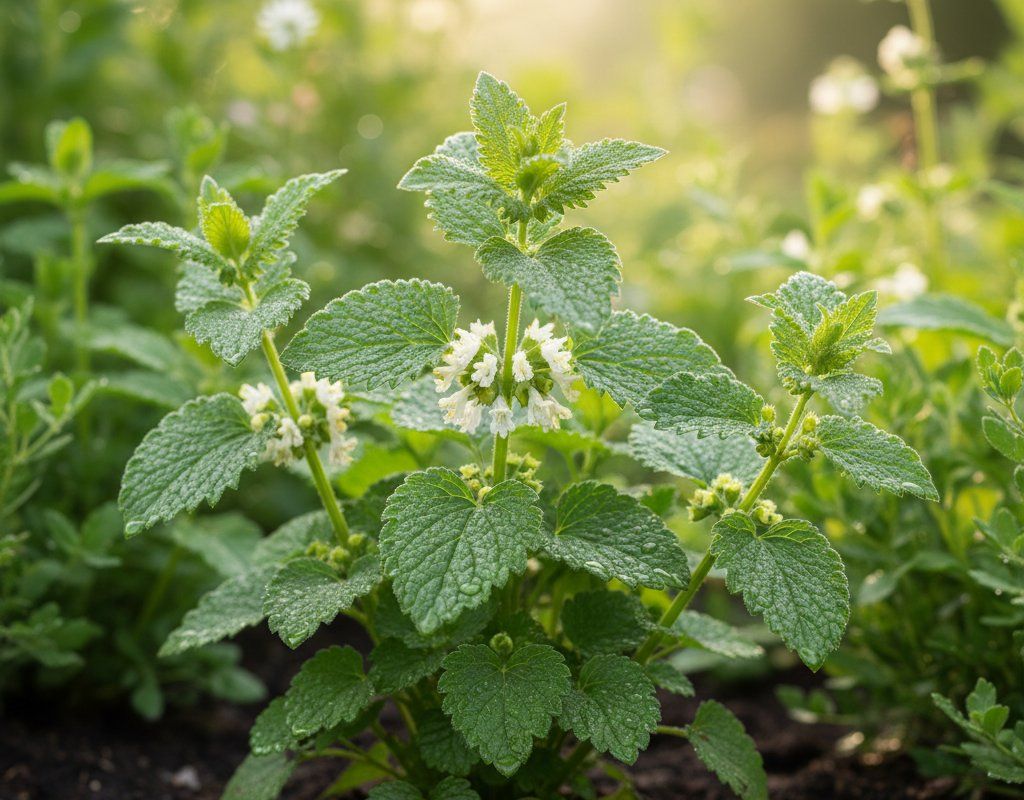

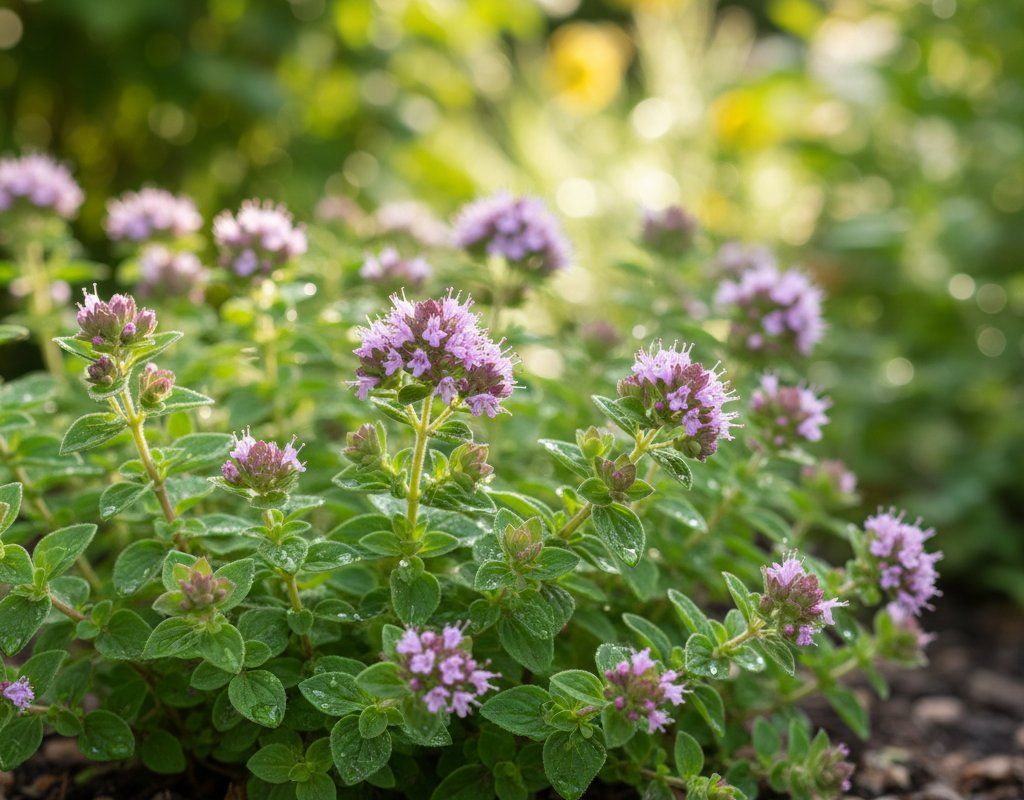



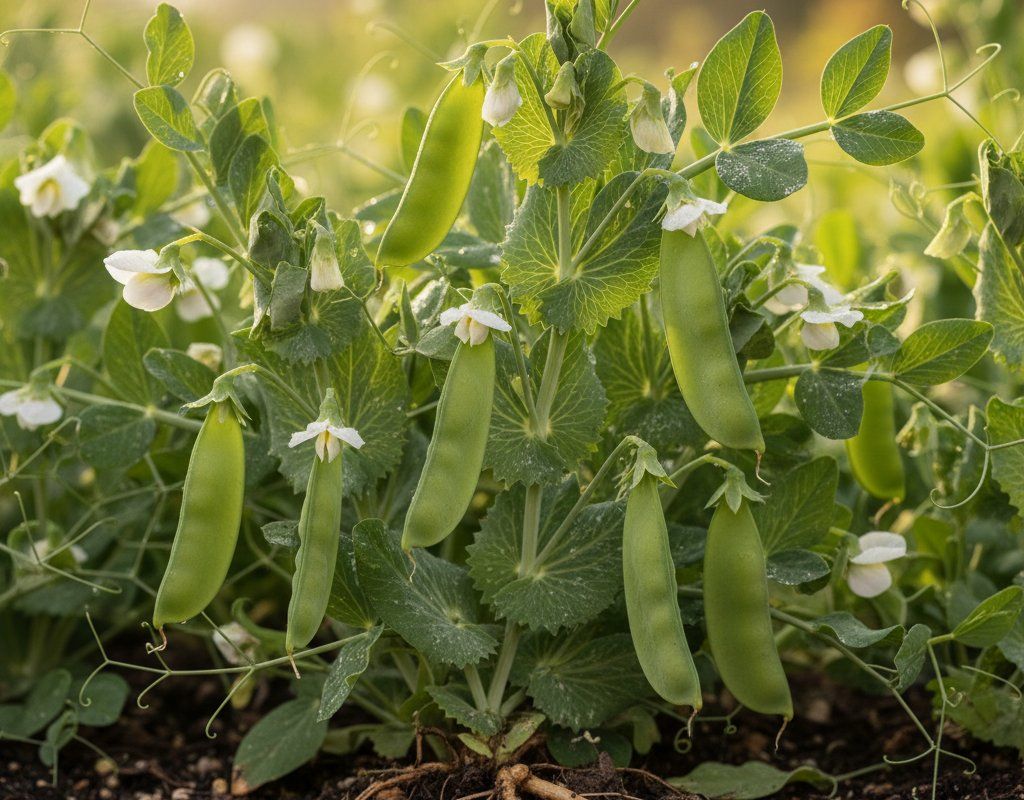
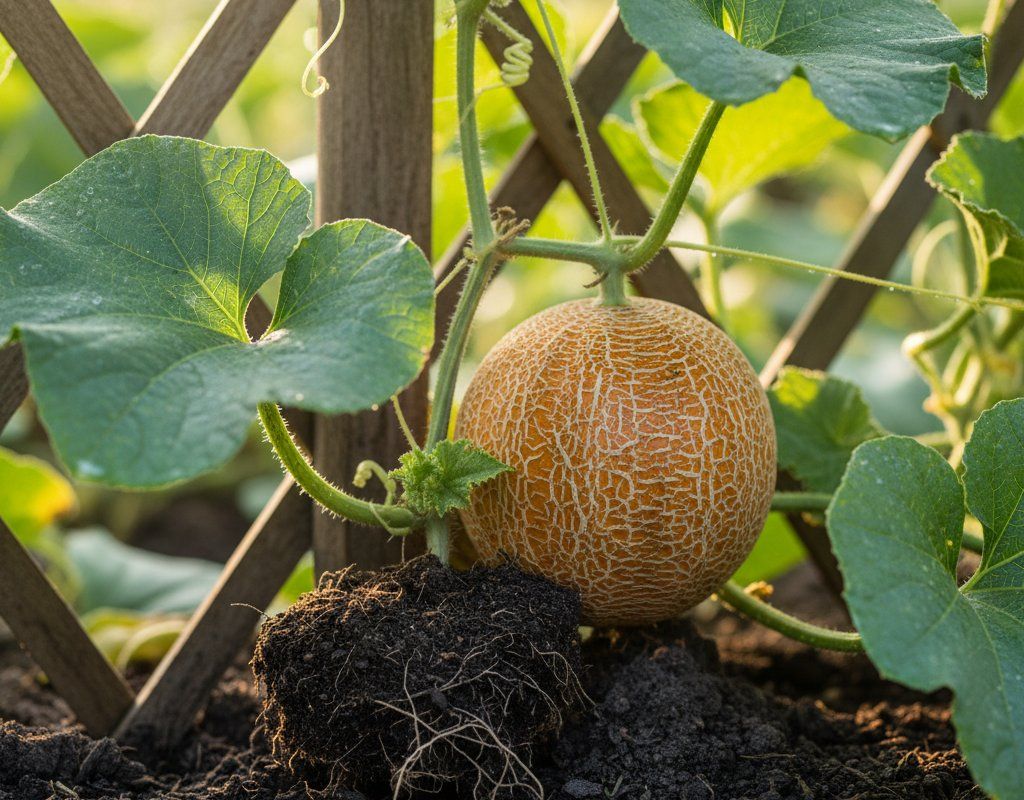
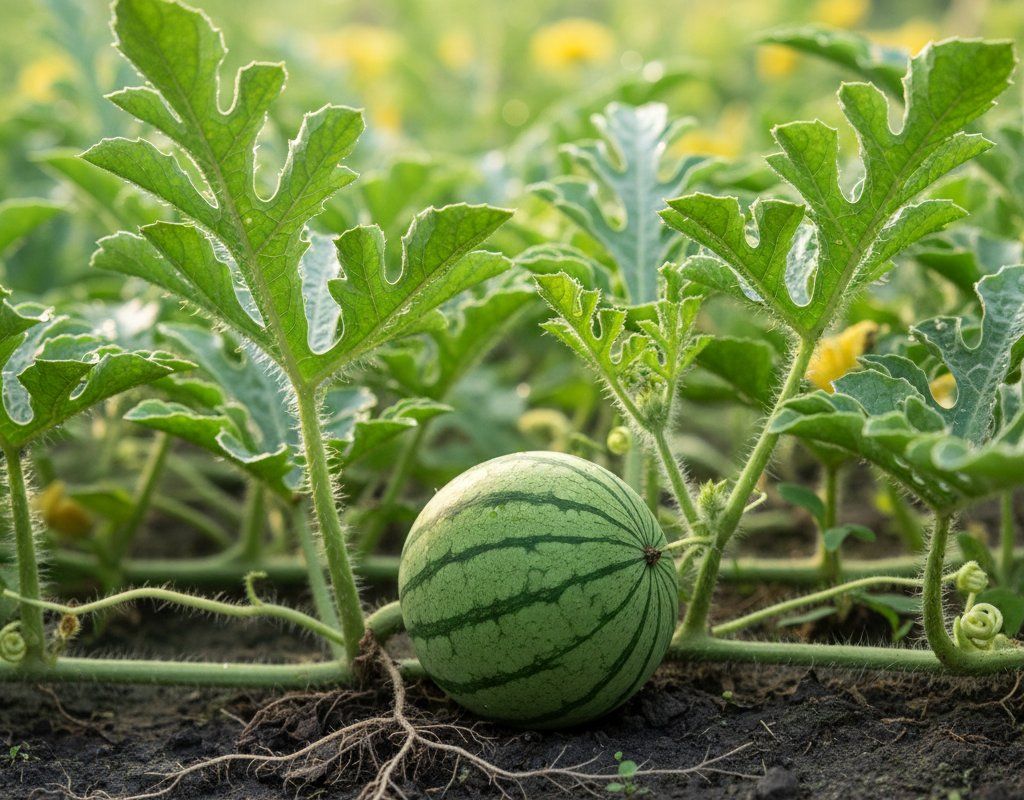
🍉Melons (2)
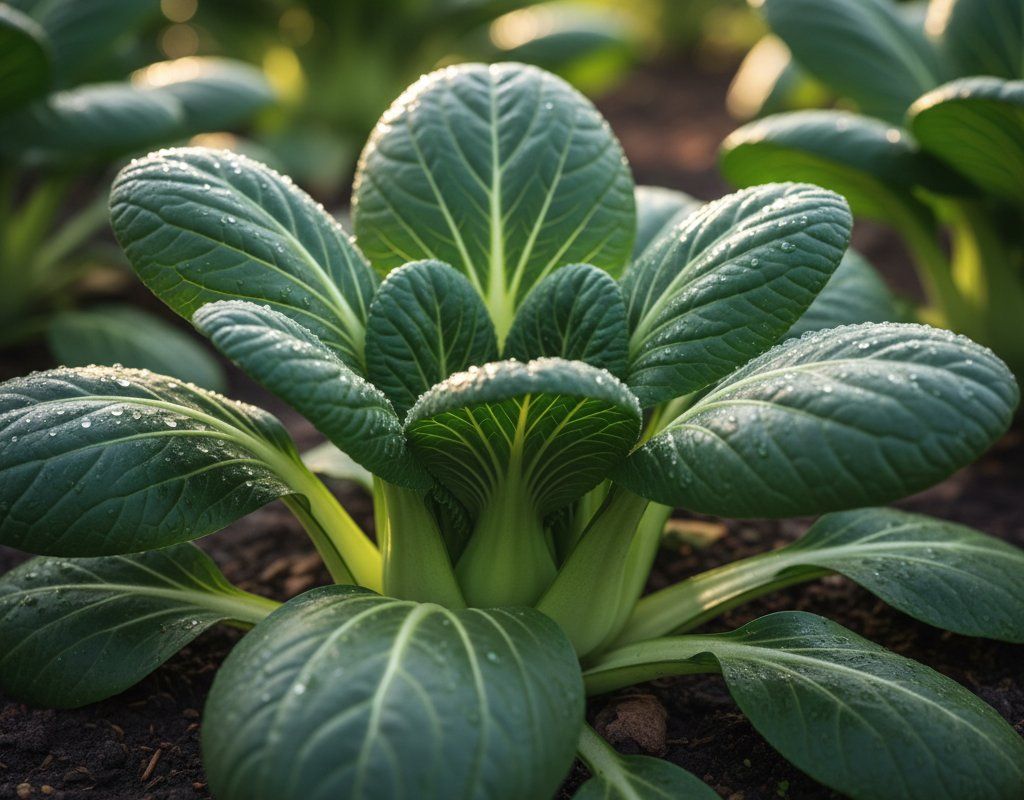
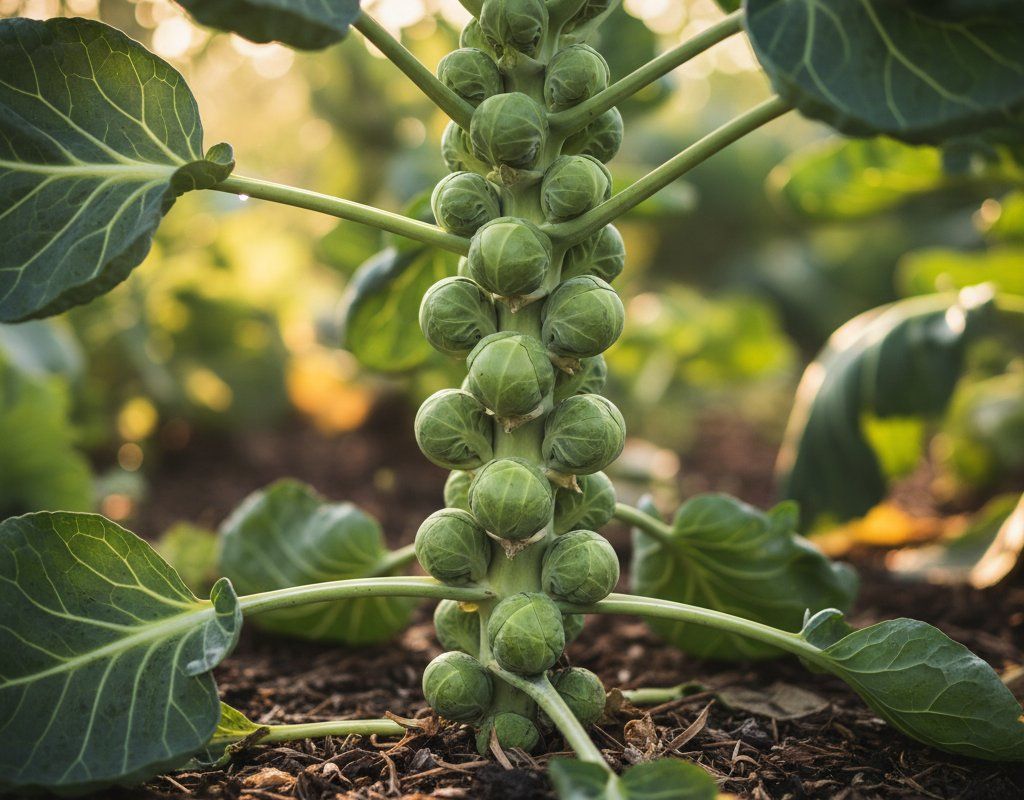
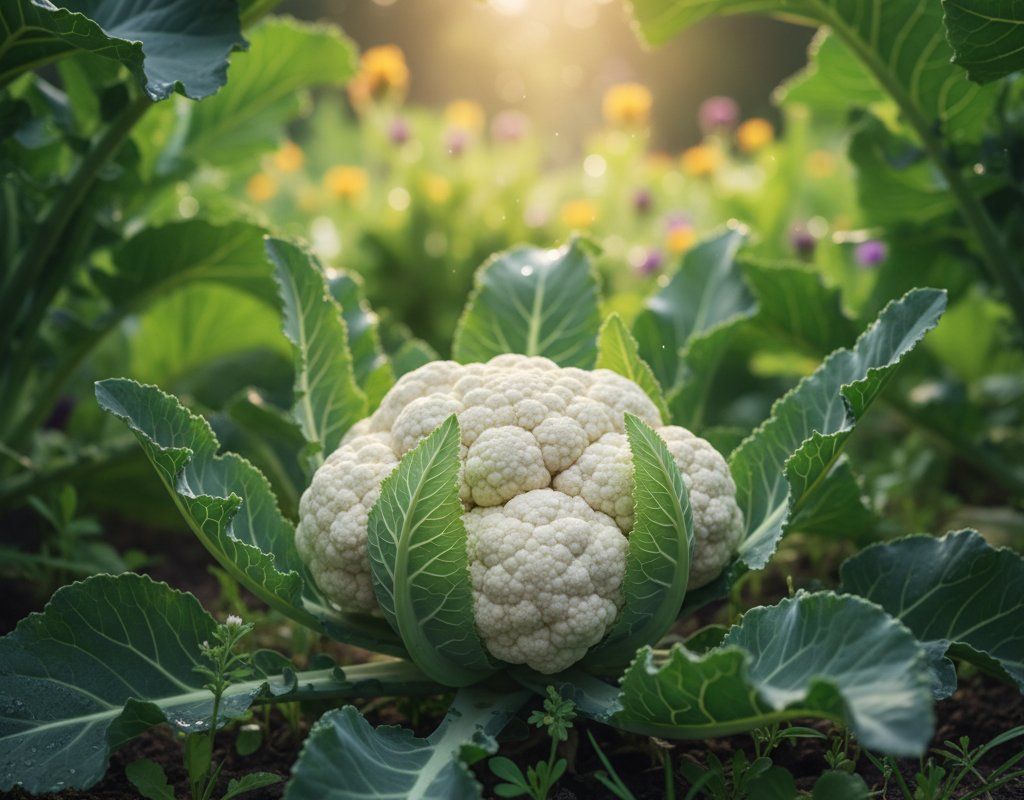
🥦Brassicas (6)


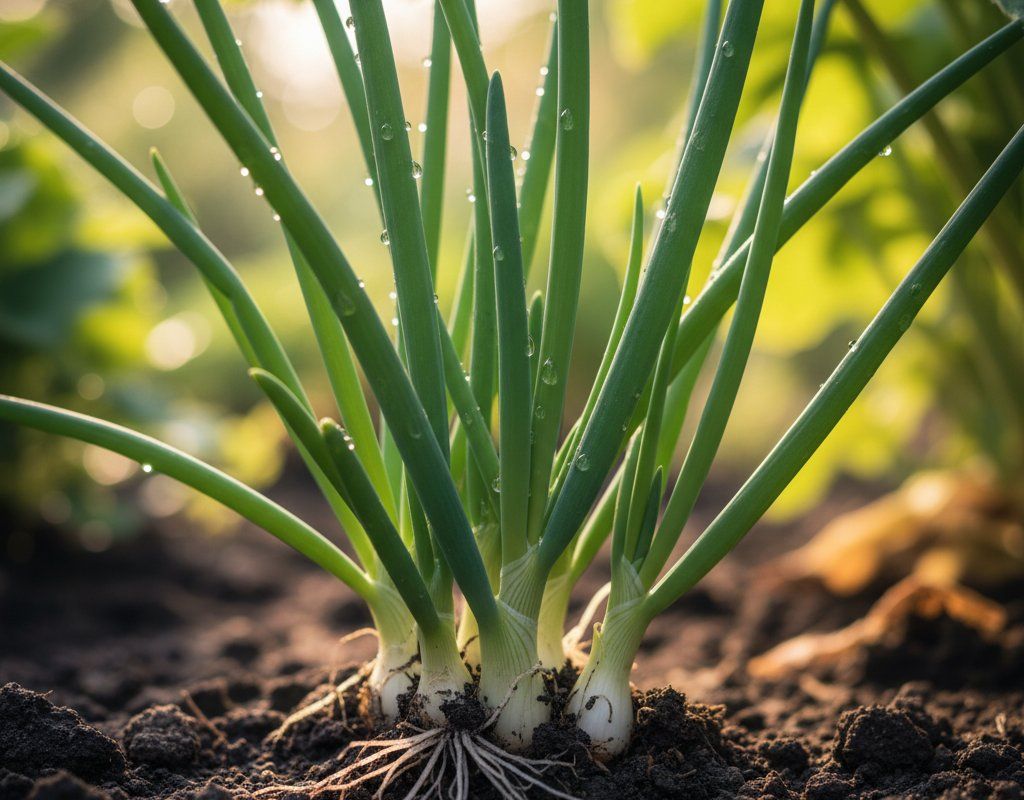
🧅Alliums (3)


🌽Grains (1)

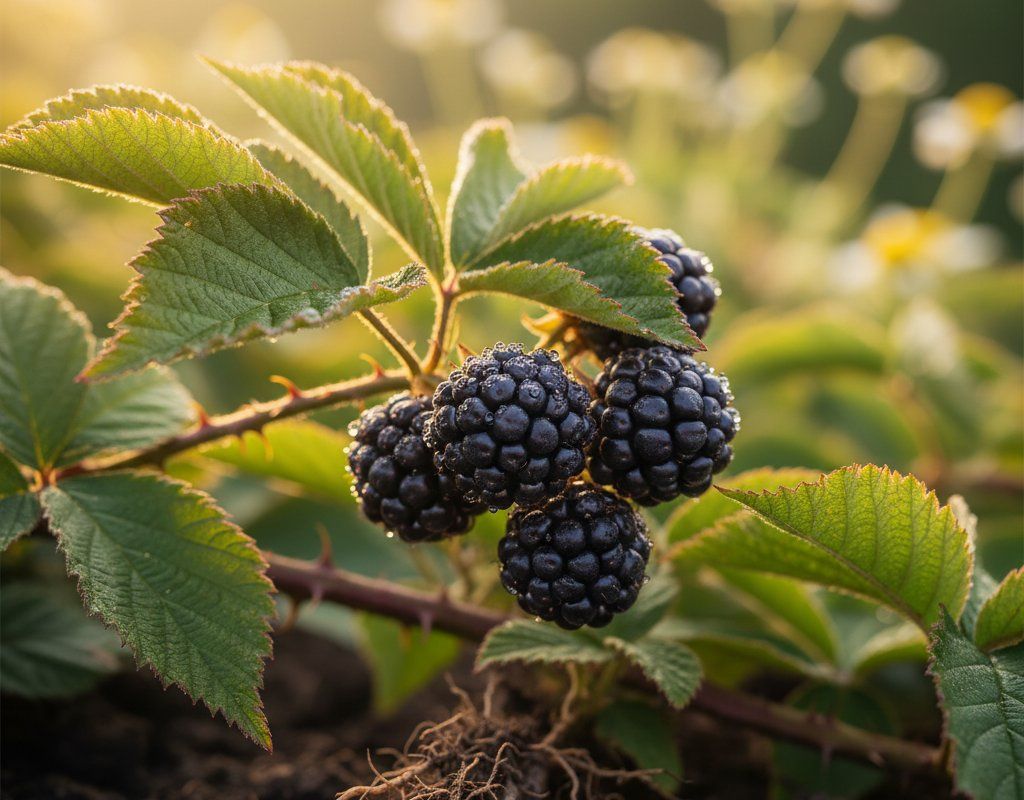
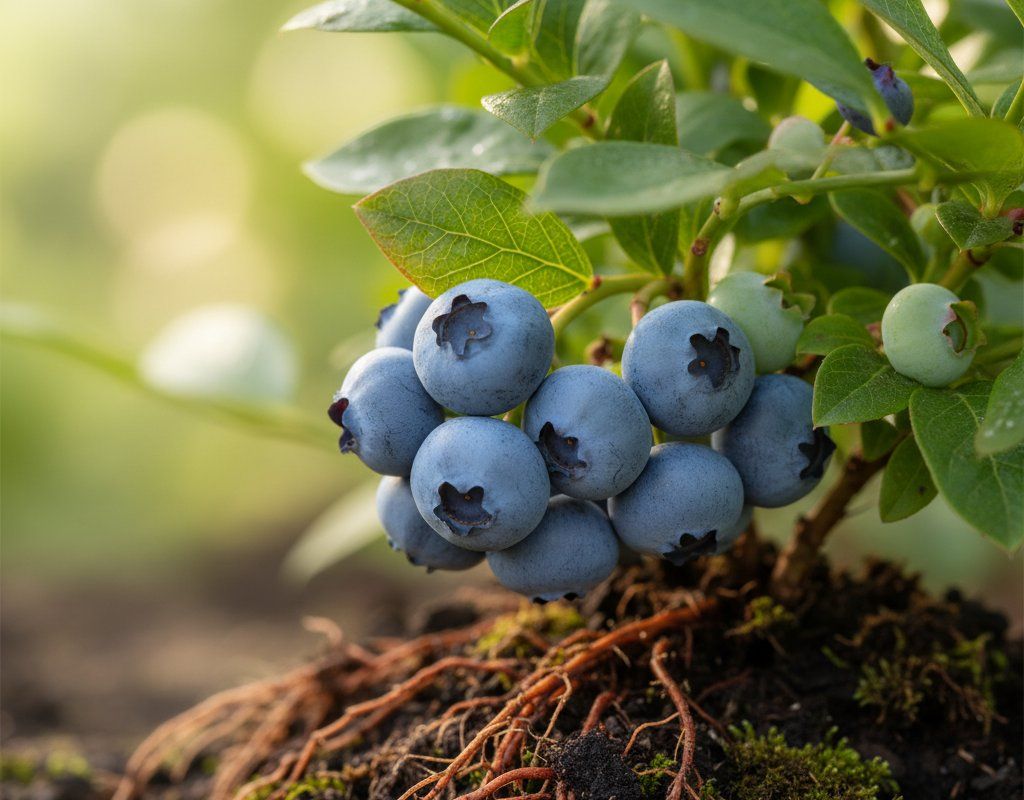
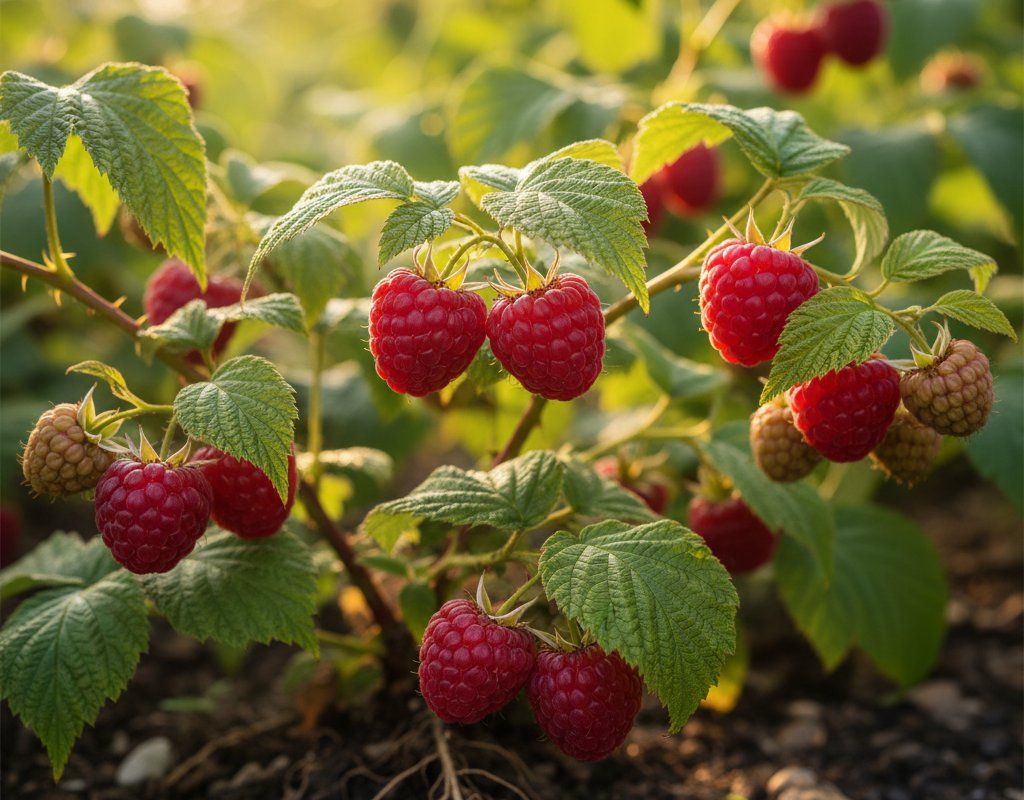

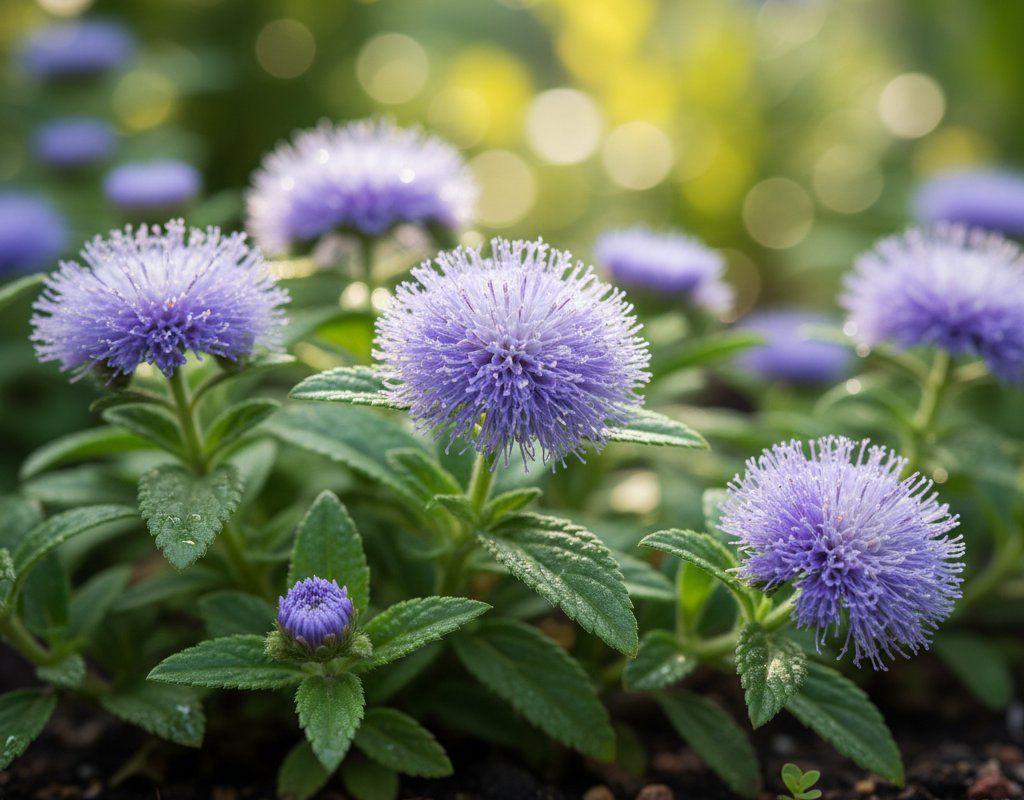
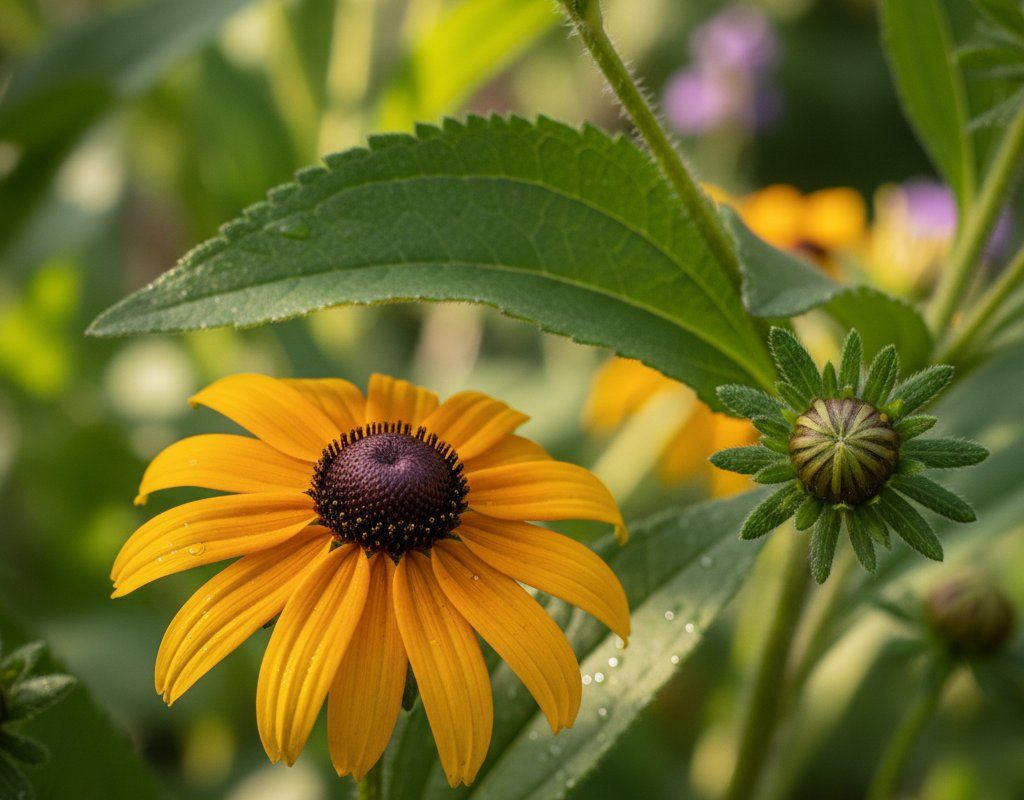
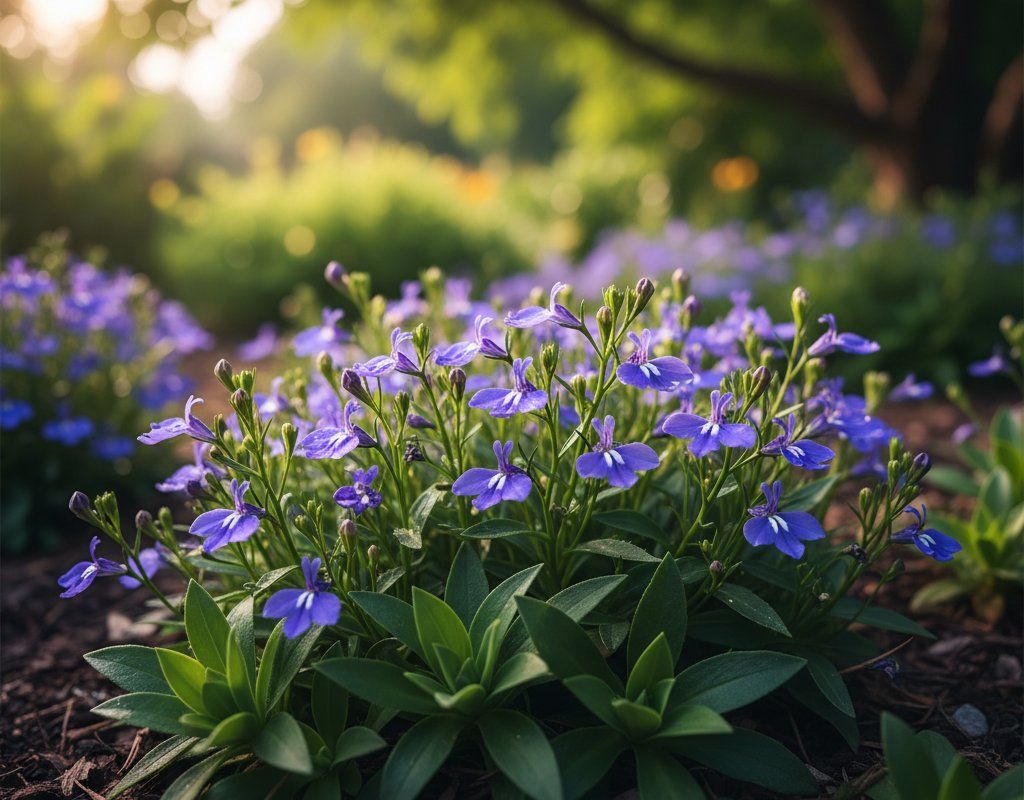
🌸Companion Flowers (20)














Month-by-Month Planting Calendar
What to do each month in your Zone 10A garden.
January is your prime time for starting warm-season vegetable seeds indoors, focusing on tomatoes, peppers, and eggplants that you'll transplant in early spring. You can also begin direct sowing cool-season crops like lettuce, spinach, and carrots, taking advantage of your mild winter conditions.
In February, continue preparing garden beds, amending soil with compost, and setting up irrigation systems before the heat intensifies. Start transplanting your earliest warm-season seedlings and direct sow more heat-tolerant varieties of leafy greens.
March marks the transition into your primary growing season, with opportunities to plant almost everything from tomatoes and peppers to beans and melons. Focus on establishing strong seedlings and protecting younger plants from any unexpected temperature fluctuations.
April is a peak planting month, with virtually all summer crops going into the ground. Concentrate on setting up trellises for cucumbers and beans, mulching to retain moisture, and ensuring consistent watering as temperatures climb.
By May, your garden should be in full swing, with most summer crops established and producing. Monitor for pest activity, continue succession planting of quick-growing crops like bush beans and summer squash, and provide shade for more delicate plants.
June brings intense heat, so prioritize morning watering, mulching, and providing shade for sensitive plants. Continue harvesting early summer crops and start planning your fall garden by starting seeds for cooler-season vegetables.
July is peak summer, demanding careful water management and pest monitoring. Focus on maintaining existing crops, harvesting regularly, and starting seeds for fall crops like broccoli and kale in shaded areas.
As summer peaks, concentrate on maintaining existing crops and preparing for fall planting. Start seeds for root vegetables, leafy greens, and brassicas, and continue harvesting heat-loving crops like tomatoes and peppers.
September offers an excellent transition period for planting cool-season crops. Begin establishing lettuce, spinach, and other greens while continuing to harvest summer vegetables and preparing beds for winter crops.
October is ideal for planting most cool-season vegetables and establishing herbs. Focus on direct sowing root crops, leafy greens, and setting up protection for any sensitive plants as nighttime temperatures potentially drop.
November allows for continued planting of winter vegetables and herbs. Concentrate on establishing strong root systems for crops like carrots, beets, and leafy greens, taking advantage of mild temperatures.
December is perfect for maintaining winter crops and planning next year's garden. Continue harvesting cool-season vegetables, protect sensitive plants during occasional cold snaps, and start seeds for early spring planting.
Common Challenges in Zone 10A (Southern California)
Zone 10A is essentially frost-free with 314+ growing days. The challenge isn't cold — it's managing constant humidity, disease pressure, and heat.
Fungal diseases (powdery mildew, downy mildew, anthracnose, and various root rots) are year-round threats. Traditional cool-season crops like broccoli, cauliflower, and Brussels sprouts can only be grown during the coolest months (December-February) and even then may struggle.
Many standard temperate vegetable varieties simply aren't adapted to this climate. Tropical and subtropical varieties often perform better.
Salt spray can be an issue in coastal 10A areas.
Season Extension Tips
Growing in Zone 10A is about variety selection more than season extension. Choose tropical and heat-adapted varieties: 'Everglades' tomato (a cherry type that handles humidity), Seminole pumpkin, calabaza squash, Cuban oregano, and Thai basil all thrive here.
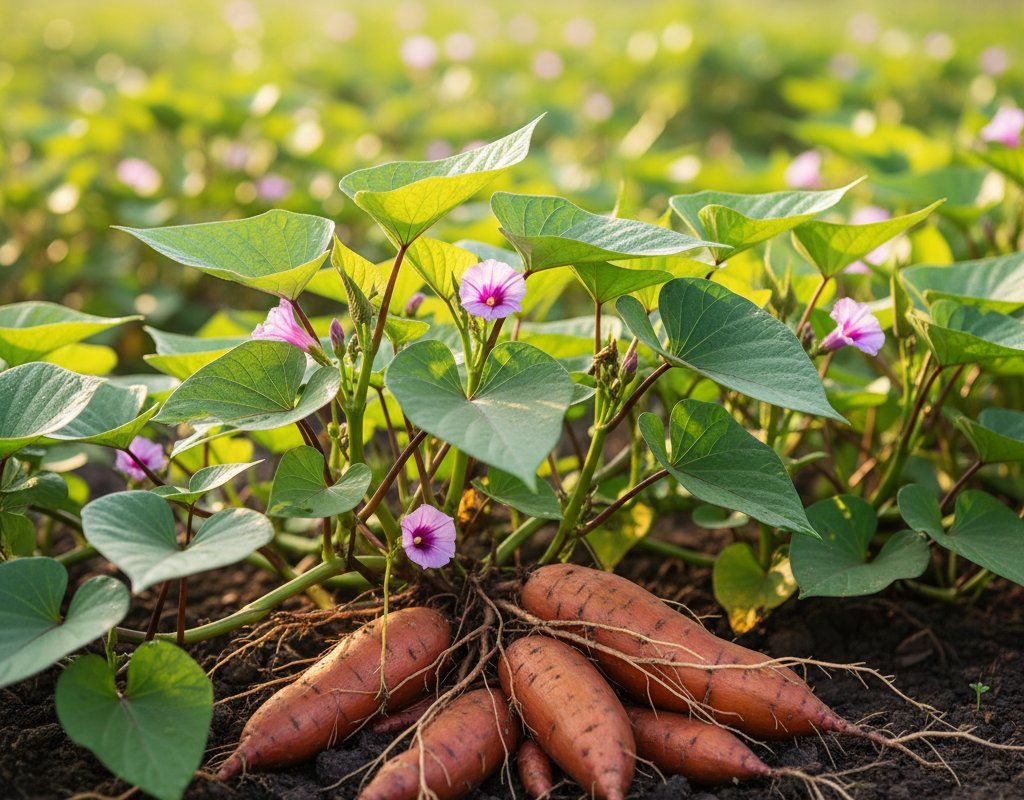
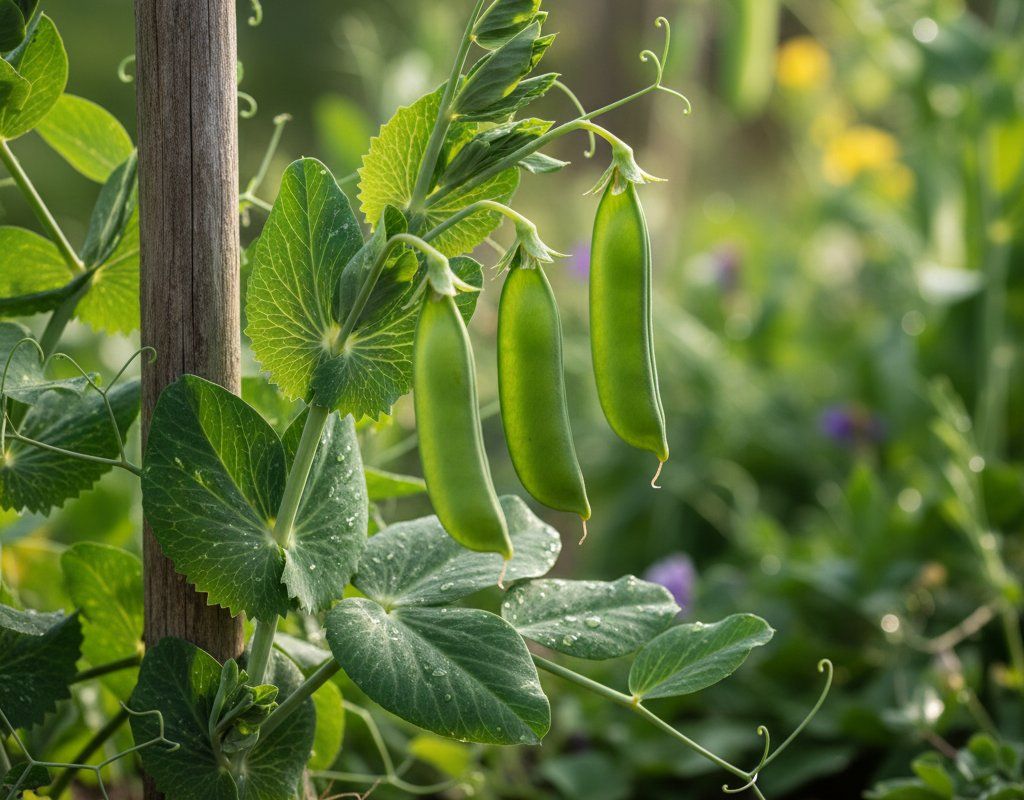
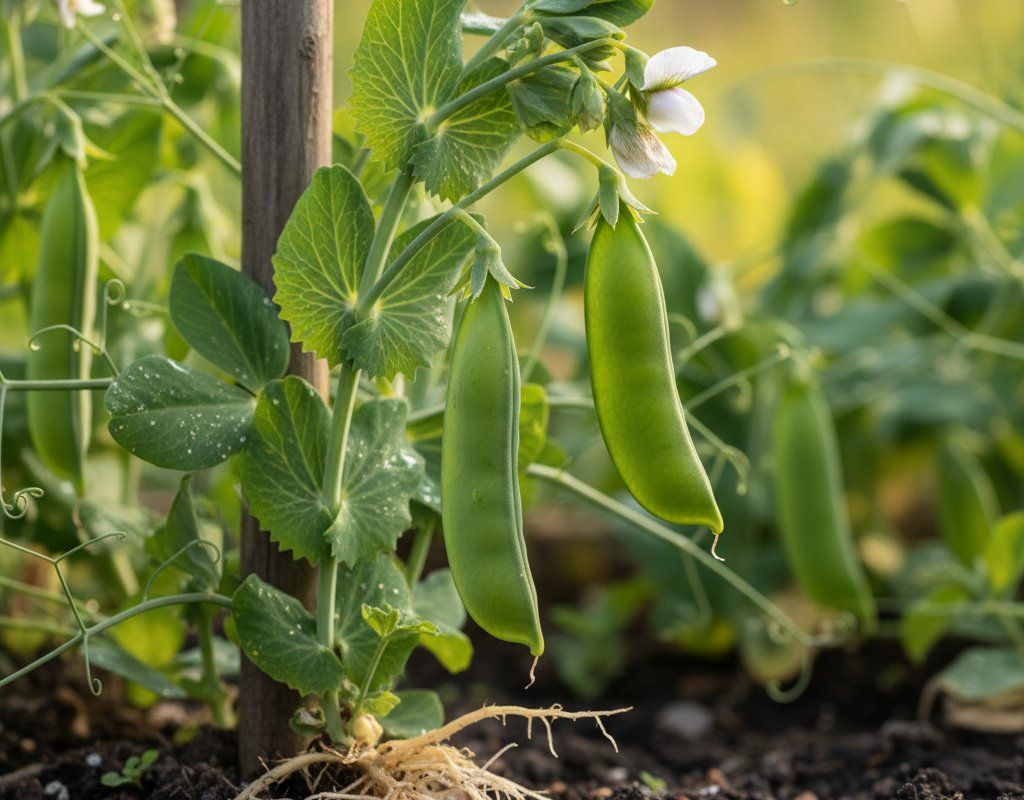
Cool-season crops have a very narrow window — plant lettuce, spinach, peas, and brassicas in November for January-February harvest. Sweet potatoes, okra, pigeon peas, cassava, and yardlong beans produce in the heat when temperate crops can't.
Shade cloth (50-70%) is a must for extending the cool-season crop window. Many Zone 10A gardeners grow year-round by working with the climate rather than fighting it.
Soil Preparation
Zone 10A soils range from deep sand (South Florida, coastal Texas) to rocky limestone. In sandy soils, organic matter washes through quickly — add compost before every planting cycle and mulch heavily to slow decomposition.
Coir, biochar, and vermiculite help sandy soils retain nutrients and moisture. In limestone soils, iron deficiency (chlorosis) is common because high pH locks out iron.
Chelated iron supplements and sulfur help lower pH toward the 6.0-6.8 range most vegetables prefer. Cover crops are valuable year-round: sunn hemp and cowpeas in summer, winter rye and crimson clover in cooler months.
Drip irrigation is essential.