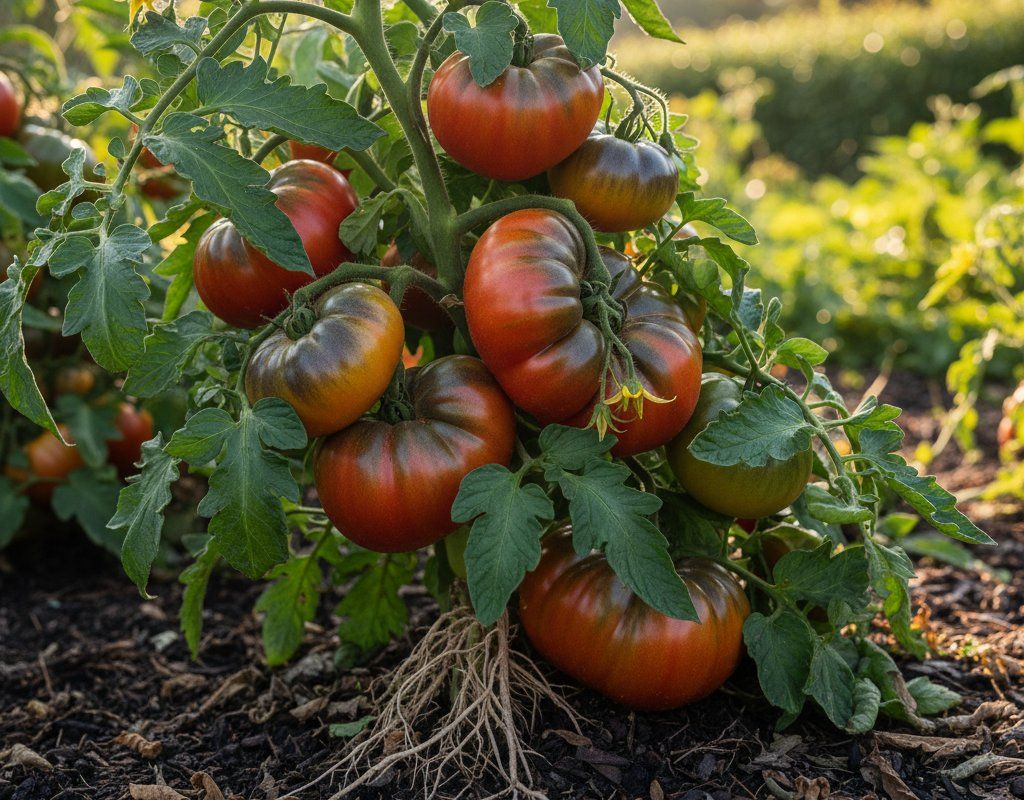
Heirloom Tomatoes in Zone 6B — Midwest
Solanum lycopersicum · Your Complete 2026 Planting Guide
Planning Ahead — Great!
You’re ahead of the season. Here’s when to start.
Mark Your Calendar
How to Plant Heirloom Tomatoes in Zone 6B — Midwest
Here are all your options for getting heirloom tomatoes in the ground, from the easiest method to more advanced approaches.
Start Seeds Indoors
RecommendedMid March through early April
around March 18
Then transplant: Late April through late May
Start seeds 6-8 weeks before transplanting outdoors.
Buy Starts
Works WellLate April through late May
around April 29
Plant purchased starts after last frost (April 15).
Direct Sow Seeds
ChallengingDirect sowing is not typical for Heirloom Tomatoes.
Transplant Outdoors
Timing InfoLate April through late May
around April 29
Wait until nighttime temperatures stay above 50°F.
You have a nice window — no need to rush.
Overview
Heirloom tomatoes are the crown jewel of any Midwest garden, offering unmatched flavor complexity that puts those pale grocery store varieties to shame. Our fertile soil and reliable summer heat create ideal conditions for these heritage varieties to develop their full flavor potential, while our 30-40 inches of annual rainfall means you won't be constantly dragging hoses around the yard. The taste difference is so dramatic that once you bite into a sun-warmed Cherokee Purple or Brandywine, you'll wonder why you ever bothered with anything else.
Yes, our variable spring weather and occasional late frosts can make timing tricky, but don't let that discourage you. With our 183-day growing season, you have plenty of time to work with heirlooms' longer maturity periods. Starting seeds indoors gives you complete control over timing, and once our soil warms up and stays warm after Memorial Day, these plants absolutely thrive in our Midwest summers.
Starting Seeds Indoors
Start your heirloom tomato seeds indoors from mid-March through early April, about 6 weeks before you plan to transplant. This timing works perfectly with our moderate-to-late spring character, giving you strong transplants ready when our soil finally warms up consistently. Set up seed trays in a warm spot (70-75°F works well) with a heat mat if your house runs cool, and provide bright light once seedlings emerge.
Bottom watering is your friend here – fill a tray under your seed pots rather than watering from above. This prevents damping-off disease and encourages strong root development. Keep the soil consistently moist but not soggy. Once seedlings develop their first true leaves, thin to one plant per cell and begin weekly feeding with diluted fertilizer.
Your indoor setup doesn't need to be fancy, but consistent warmth and light make all the difference. A south-facing window works if it gets 6+ hours of direct sun, but a simple grow light setup gives you more control during our often cloudy spring days.
Transplanting Outdoors
Plan to transplant your heirloom tomatoes outdoors from late April through late May, once night temperatures consistently stay above 50°F and soil temperature reaches at least 60°F. Don't rush this step – heirlooms are particularly sensitive to cold shock, and one chilly night can set them back weeks. Wait until Memorial Day if you're unsure; our growing season is long enough to accommodate the delay.
Harden off your transplants gradually over a week by moving them outside for a few hours daily, gradually increasing exposure. Watch for those surprise temperature swings that Midwest weather loves to throw at us. Space plants 36-48 inches apart – yes, that seems like a lot, but heirlooms need excellent air circulation to prevent disease problems that plague these varieties.
Choose a spot with full sun and well-draining soil. If you're dealing with heavy clay soil common in our region, work in compost or plant in raised beds. The extra effort pays off when your plants have room to develop their extensive root systems without fighting compacted soil.
Watering Heirloom Tomatoes in Zone 6B (Midwest)
Consistent moisture is absolutely critical for heirlooms – these varieties crack much more easily than hybrids when they go through wet-dry cycles. In our moderate-to-humid Midwest summers, aim for about 1-1.5 inches of water per week, including rainfall. Use the finger test: stick your finger 2 inches into the soil near the plant base. If it's dry at that depth, it's time to water.
Water at the base of plants rather than overhead, especially given our moderate-to-humid conditions that can promote fungal diseases. Soaker hoses or drip irrigation work beautifully, but a regular hose with a gentle nozzle setting does the job too. Water deeply but less frequently rather than daily light sprinklings – this encourages deep root growth and better drought resilience during our occasional summer heat spells.
Our 30-40 inches of annual rainfall means you'll rely heavily on natural precipitation, but pay attention during dry stretches. July and August can bring week-long hot, dry periods where supplemental watering becomes essential. Signs of underwatering include wilting during hot afternoons (normal) that doesn't recover by morning (not normal), while overwatering shows up as yellowing lower leaves and poor fruit development.
A 3-4 inch layer of organic mulch around plants helps tremendously in our climate. It moderates soil temperature during heat spells, retains moisture during dry periods, and prevents soil from splashing onto leaves during our sometimes intense summer thunderstorms.
Supporting Your Heirloom Tomatoes
Install sturdy cages or stakes at planting time – don't wait until plants are established, as you'll damage roots later. Most heirloom varieties are indeterminate, meaning they keep growing and producing until frost kills them. These vigorous plants easily reach 6-8 feet tall and produce heavy, irregularly shaped fruit that can snap branches without proper support.
Heavy-duty tomato cages (not those flimsy store-bought ones) or tall wooden stakes with soft ties work best. For stakes, use 6-8 foot posts driven 18 inches deep, and tie plants loosely every 12-18 inches as they grow. The irregular, often large fruits of heirlooms put more stress on branches than uniform hybrid tomatoes.
Train plants by gently weaving main stems through cage openings or tying to stakes with soft cloth strips. Check and adjust ties every few weeks as stems thicken – tight ties can girdle and damage plants. Strong support becomes especially important as we head into late summer when plants are loaded with fruit and our thunderstorms can bring damaging winds.
Pruning & Maintaining Heirloom Tomatoes
Remove suckers (shoots growing between main stem and branches) when they're small and tender – about 2-4 inches long. Pinch them off with your fingers rather than cutting, which creates a smaller wound that heals faster. Don't obsess over getting every single sucker, but removing the larger ones improves air circulation and focuses energy on fruit production.
Prune lower branches that touch the ground or show signs of disease, especially important with heirlooms since they're more disease-susceptible than hybrids. Remove yellowing or spotted leaves promptly throughout the season. As plants mature, thin some interior growth to improve airflow – this is crucial in our moderate-to-humid summers where fungal diseases thrive in still air.
About 6 weeks before your first expected frost (early to mid-August in our area), top plants by pinching out growing tips. This stops upward growth and directs energy into ripening existing fruit. Also remove any new flower clusters that appear after topping – they won't have time to develop mature fruit before our mid-October frost arrives.
🧪Fertilizing Heirloom Tomatoes
Feeding Schedule
Organic Fertilizer Options
Harvest Time
Your first ripe heirlooms typically arrive from mid-July through early August, about 80 days from transplanting. Unlike hybrids bred for uniform ripening, heirloom varieties ripen gradually and show their readiness through variety-specific color changes – some stay green-shouldered even when ripe, while others develop deep, rich colors throughout the entire fruit.
Look for slight softness when you gently squeeze the fruit and easy separation from the vine with a gentle twist and pull. The stem end often develops a slight crack or the fruit starts to give slightly under gentle pressure. Don't wait for grocery-store firmness – heirlooms are best when they have a little give to them, though harvest before they become truly soft.
Check plants every 2-3 days during peak season since ripe fruit can quickly become overripe or attract insects and animals. Harvest in the morning when fruits are cool, and handle gently since heirloom skins are often thinner than hybrids. Continuous harvesting encourages more fruit production throughout our long growing season.
As our first frost approaches in mid-October, harvest all green fruit larger than a walnut. These will ripen indoors if kept in a warm (65-70°F) spot out of direct sun. Green tomatoes can also be used for cooking – fried green tomatoes or green tomato salsa make excellent use of end-of-season harvests.
Common Problems in Zone 6B (Midwest)
Cracking You'll notice splits in the tomato skin, either in concentric circles around the stem end or as lines radiating from the top like wheel spokes. The cracks expose the flesh underneath and often lead to rot or insect damage. This frustrating problem happens when heavy watering or rainfall follows a dry period – the fruit absorbs water faster than the skin can stretch to accommodate it. Our summer thunderstorms that dump 2-3 inches in an afternoon create perfect cracking conditions. Maintain consistent soil moisture through regular watering and mulching, avoid the feast-or-famine watering cycle, and harvest promptly when fruits ripen.
Disease Susceptibility Heirlooms lack the disease resistance genes bred into modern hybrids, making them prime targets for fungal problems like early blight, late blight, and septoria leaf spot. You'll see yellowing leaves with brown or black spots, often starting on lower foliage and working upward. Our moderate-to-humid summers create ideal conditions for these diseases to spread rapidly. Improve air circulation through proper spacing (36-48 inches apart) and pruning interior growth. Apply preventative fungicide sprays early in the season, remove affected leaves immediately, and avoid overhead watering that keeps foliage wet.
Lower Yields Don't expect the prolific production of hybrid varieties – heirlooms typically produce fewer but larger fruits over a longer season. Many gardeners are disappointed when their Cherokee Purple doesn't pump out tomatoes like a Celebrity hybrid. This is simply the nature of these varieties, which were selected for flavor rather than production efficiency. Focus on quality over quantity, succession plant if you want more total harvest, and appreciate that one large heirloom tomato often weighs as much as several smaller hybrids.
Irregular Shapes Heirloom fruits often develop with ridges, bumps, shoulders, or catfacing (indentations near the bottom). While these tomatoes look unusual compared to perfectly round hybrids, this characteristic shape is part of their genetic heritage. Cool temperatures during fruit set can worsen the problem, which sometimes happens during our variable spring weather. Embrace the unique appearance – these "ugly" tomatoes often have the most complex flavors, and their irregular shapes make them conversation starters at farmers markets or dinner tables.
Midwest Specific Challenges Our moderate-to-humid summers with frequent thunderstorms create a perfect storm for disease problems with heirloom varieties. The combination of warm temperatures, high humidity, and periods of extended leaf wetness from storms means you'll need to stay vigilant about fungal diseases. However, our fertile soil and adequate rainfall also mean these plants can develop robust root systems and recover well from problems when given proper care.
Best Companions for Heirloom Tomatoes
Plant these nearby for healthier Heirloom Tomatoes and better harvests.
View Full Companion Planting Chart →



Companion Planting Details
Plant basil near your heirloom tomatoes – it reportedly improves flavor while deterring aphids and hornworms with its strong scent. Carrots make excellent companions since their deep taproots don't compete with tomatoes' spreading surface roots, plus they help break up clay soil common in our region. Parsley and other herbs provide beneficial insect habitat while taking up minimal space, and marigolds planted around the perimeter may help deter nematodes and other soil pests.
Avoid planting brassicas (cabbage family) near tomatoes since they're heavy feeders that compete for nutrients, and both are susceptible to similar soil-borne diseases. Skip fennel entirely – its allelopathic properties can stunt tomato growth. Corn creates too much shade for sun-loving tomatoes and can harbor similar pests like hornworms. In our fertile Midwest soil, focus on companions that either provide pest control benefits or utilize different root zones rather than trying to pack too many heavy feeders into the same space.
🌸Best Flowers to Plant with Heirloom Tomatoes
These flowers protect your Heirloom Tomatoes from pests and attract pollinators for better harvests.
For Pest Control

Get a Reminder When It's Time to Plant
We'll email you when key planting windows open for your zone.