
Chamomile in Zone 6B — Midwest
Matricaria chamomilla · Your Complete 2026 Planting Guide
Missed Seed Starting? No Problem!
Wait for starts to become available.
What to Do
Starts will be available at nurseries in 28 days (around April 1).
How to Plant Chamomile in Zone 6B — Midwest
Here are all your options for getting chamomile in the ground, from the easiest method to more advanced approaches.
Direct Sow Seeds
RecommendedEarly April through early August
around April 1
Consider succession planting every 2-3 weeks for continuous harvest.
Start Seeds Indoors
RecommendedMid February through early March
around February 18
Then transplant: Early to late April
Start seeds 6-8 weeks before transplanting outdoors.
Buy Starts
Works WellEarly to late April
around April 1
Plant purchased starts after last frost (April 15).
Transplant Outdoors
Timing InfoEarly to late April
around April 1
Can tolerate light frost, but wait for soil to be workable.
You have a nice window — no need to rush.
Overview
Chamomile is a fantastic addition to any Midwest garden. Its delicate, apple-like flavor makes a soothing tea, and it attracts beneficial insects to your vegetable patch. Plus, the satisfaction of harvesting your own homegrown tea ingredients in our fertile soil is hard to beat.
Our Midwest weather can be unpredictable, with late frosts in spring and summer heat spells to contend with. But with a 183-day growing season, you have plenty of time to get a chamomile crop established, whether you start seeds indoors or sow directly into the garden.
Starting Seeds Indoors
Starting chamomile indoors can give you a jump start, but it's not essential. I only do it if I'm aiming for a super early harvest. If you want to get a head start, sow seeds indoors from mid February through early March, about six weeks before you plan to transplant.
Use seed trays or small pots filled with a good seed-starting mix. Keep the soil consistently moist by bottom watering – set the tray in a shallow dish of water until the surface of the soil is damp. Place the trays in a warm location with plenty of light, either a sunny windowsill or under grow lights. Given our moderate-to-late spring, this indoor start can help get you blooms earlier.
Transplanting Outdoors
Transplanting chamomile seedlings outdoors is best done in early to late April. Before planting, harden off the seedlings by gradually exposing them to outdoor conditions for about a week. This helps them adjust to the temperature and sunlight.
Choose a sunny spot with well-drained soil, and space the plants 6-8 inches apart. Keep an eye on the weather forecast – we sometimes get a late frost here in the Midwest, so be prepared to cover the seedlings if necessary.
Direct Sowing
Direct sowing chamomile is a simple and effective method, especially if you're not in a rush for an early harvest. You can sow seeds directly into the garden from early April through early August. This gives you a wide window to work with, even if the Midwest weather throws you a curveball.
Prepare the soil by loosening it and removing any weeds. Sprinkle the seeds thinly over the surface and gently press them into the soil. Keep the soil moist until the seedlings emerge. Thin the seedlings to 6-8 inches apart once they are a few inches tall.
Watering Chamomile in Zone 6B (Midwest)
Chamomile is drought-tolerant and doesn't like to be overwatered, which is good news for us Midwest gardeners! Our summers can be humid, and we get our fair share of rainfall, so it's easy to overdo it. Remember, chamomile prefers well-drained soil, and too much water can lead to weak, leggy growth.
During the spring and fall, when temperatures are cooler and rainfall is more frequent, you may not need to water at all. In the heat of summer, especially during those summer heat spells, check the soil moisture regularly. Stick your finger about two inches deep into the soil. If it feels dry, it's time to water. Aim for about an inch of water per week, either from rainfall or irrigation.
Water at the base of the plants rather than overhead to avoid creating a humid environment that encourages fungal diseases. Yellowing leaves can indicate overwatering, while wilting leaves suggest underwatering. Mulching around the plants with straw or wood chips can help retain moisture and suppress weeds, which is especially helpful during our wet-summer months.
🧪Fertilizing Chamomile
Feeding Schedule
Organic Fertilizer Options
Harvest Time
You can expect your first chamomile harvest in late May through late October, about 60 days after planting. The best time to harvest the flowers is in the morning, after the dew has dried. Look for flowers where the petals are just beginning to bend slightly backward.
Gently pluck the flowers from the plant, being careful not to damage the stems or leaves. Regular harvesting encourages continued production, so don't be shy about picking the blooms. As the first frost approaches in mid- October, harvest any remaining flowers to dry for tea.
Common Problems in Zone 6B (Midwest)
Here are a few common problems you might encounter with chamomile in the Midwest:
Aphids *What it looks like:* Clusters of tiny soft-bodied insects (green, black, or white) on stems and leaf undersides. Sticky honeydew residue. Curled or distorted new growth. *What causes it:* Rapid-reproducing sap-sucking insects. Populations explode in warm weather. Ant colonies may farm them for honeydew. The warm, moderate-to-humid conditions of a Midwest summer are perfect for aphids. *How to fix/prevent it:* Strong water spray knocks them off. Encourage ladybugs and lacewings (natural predators). Insecticidal soap for heavy infestations. Neem oil works systemically. Avoid excess nitrogen fertilizer (it attracts them).
Mealybugs *What it looks like:* Small, white, cottony masses on stems and leaves. Stunted growth. Honeydew secretion. *What causes it:* Sap-sucking insects protected by a waxy coating. Thrive in warm, humid conditions. Overcrowding and poor air circulation can contribute. The moderate-to-humid summers in the Midwest can create favorable conditions for mealybugs. *How to fix/prevent it:* Wipe off with a cotton swab dipped in rubbing alcohol. Insecticidal soap or neem oil. Improve air circulation. Introduce beneficial insects like ladybugs or lacewings.
Thrips *What it looks like:* Tiny, slender insects that cause silvery or distorted spots on leaves and flowers. Black fecal droppings. *What causes it:* Small, winged insects that feed on plant sap. Damage is often cosmetic but can weaken plants. They are more prevalent during hot, dry periods, but can still be a problem during our summer heat spells. *How to fix/prevent it:* Strong water spray. Insecticidal soap or neem oil. Blue sticky traps. Encourage beneficial insects. Remove infested plant parts.
Midwest Specific Challenges: The moderate-to-hot heat and moderate-to-humid humidity of Midwest summers can create favorable conditions for pests like aphids and mealybugs. Our wet-summer rainfall can also increase the risk of fungal diseases if plants are not well-drained or have poor air circulation. Keep a close eye on your plants and take action quickly to prevent problems from becoming widespread.
Best Companions for Chamomile
Plant these nearby for healthier Chamomile and better harvests.
View Full Companion Planting Chart →



Companion Planting Details
Chamomile is a great companion plant for many vegetables in the Midwest garden. It attracts beneficial insects that prey on pests, and it is thought to improve the flavor of some crops.
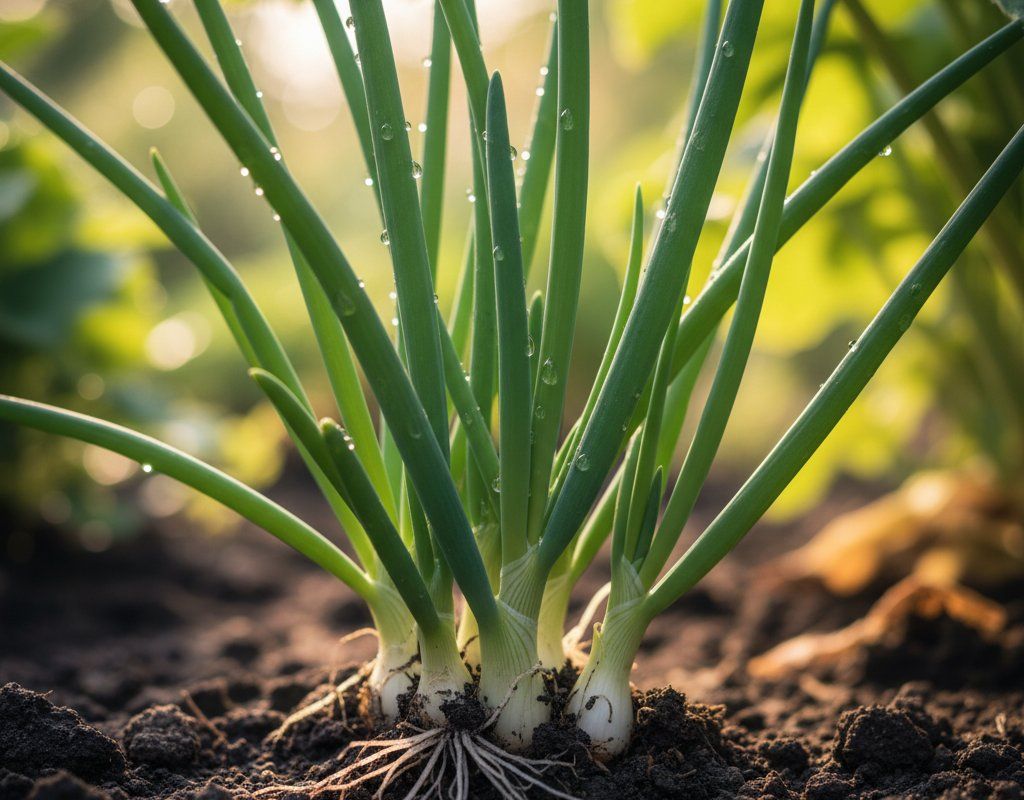
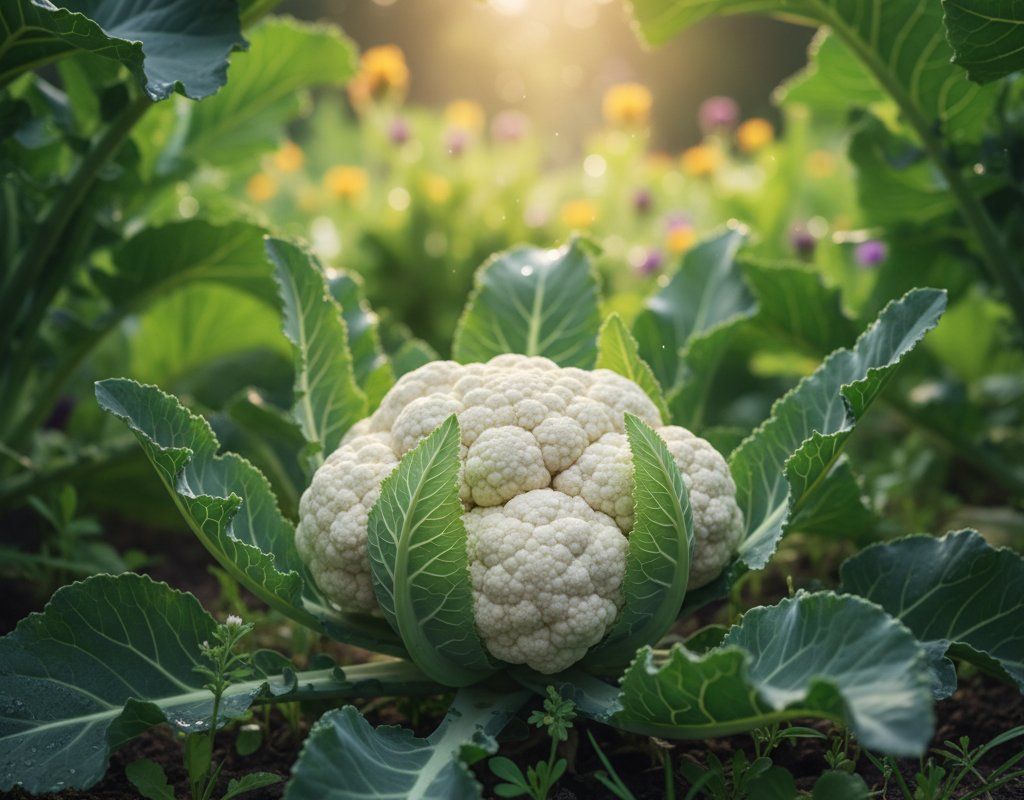
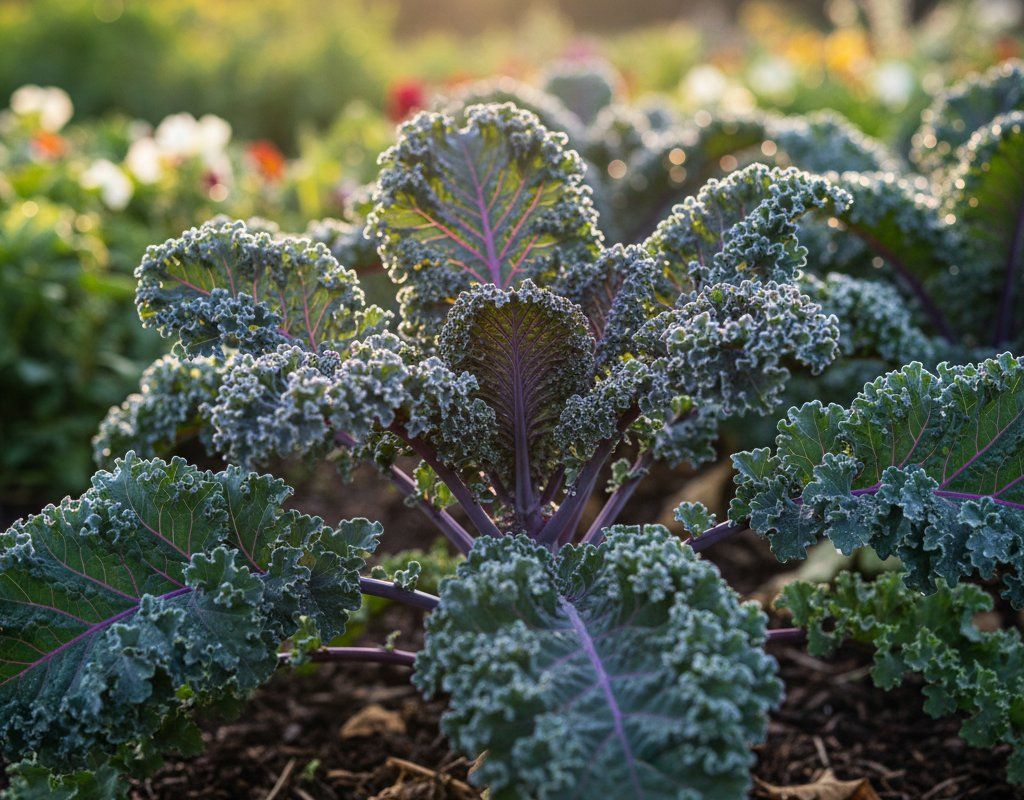
Good companions include onions (the strong scent deters pests), cabbage and broccoli (chamomile attracts beneficial insects that control cabbage moths and other brassica pests), cucumbers (chamomile may improve growth and flavor), and green beans (chamomile attracts pollinators and deters bean beetles).
I wouldn't plant it near mint, as they both spread aggressively and can compete for resources.
🥬Best Vegetables to Pair With Chamomile
Chamomile benefits these vegetables through pest control, pollinator attraction, or improved garden health.


Get a Reminder When It's Time to Plant
We'll email you when key planting windows open for your zone.