Gardening in Zone 9A — Florida
Zone 9A isn't just a gardening location—it's a year-round growing paradise. With an incredible 273-day growing season and minimal winter constraints, you have extraordinary opportunities to produce multiple crop cycles. Your zone offers warm temperatures that allow for extended vegetable production, particularly for heat-loving crops like tomatoes, peppers, and squash.
The primary challenge in Zone 9A is managing extreme heat, which can stress plants during mid-summer. You'll need strategies like shade cloth, strategic planting times, and heat-tolerant varieties to succeed. However, the advantages far outweigh the challenges—you can grow almost anything with proper planning, from cool-season greens in winter to tropical-style vegetables in summer.
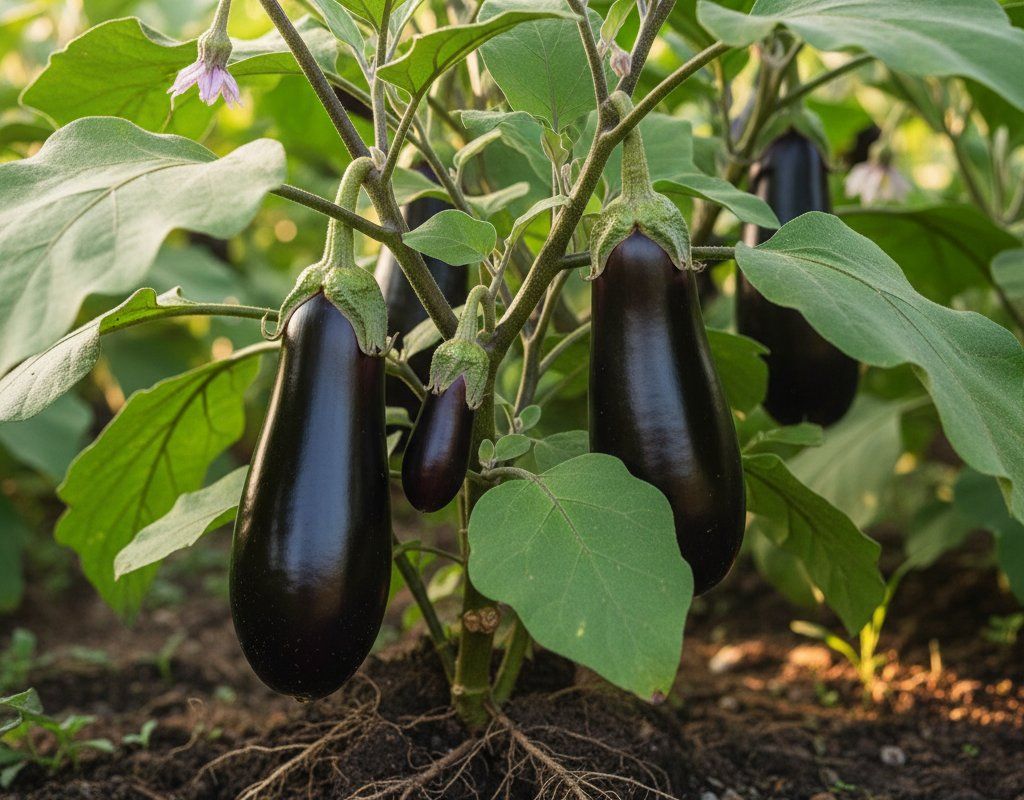
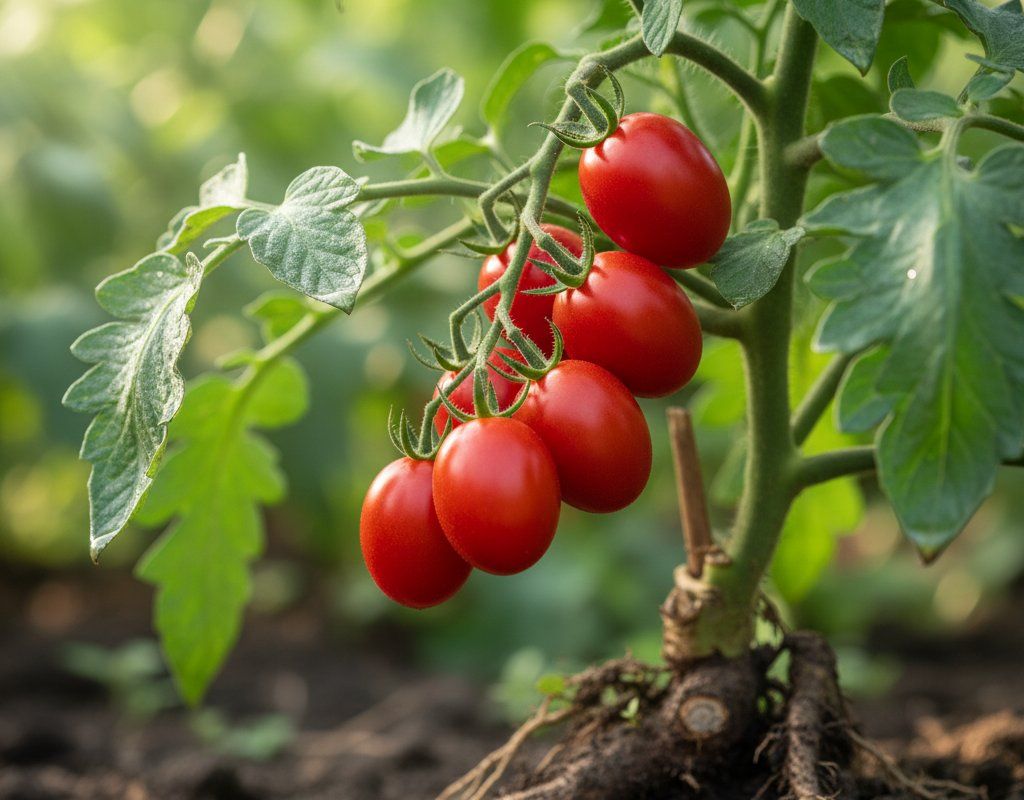
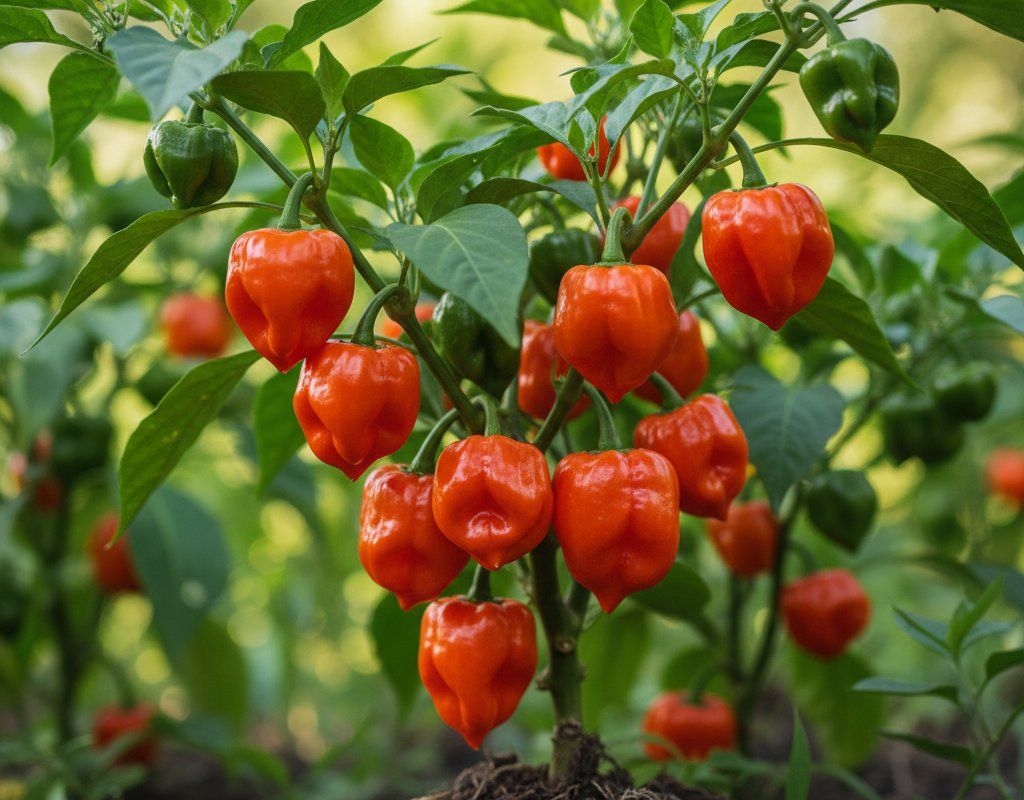
Your garden can be remarkably productive, with the ability to start seeds early, plant multiple succession crops, and experiment with varieties that struggle in cooler regions. Tomatoes, peppers, and eggplants will thrive, and you can often get two full growing seasons if you time your plantings carefully.
✓ Regional Advantages
- • Year-round growing
- • Tropical crops possible
- • Winter vegetable production
⚠ Regional Challenges
- • Extreme humidity
- • Nematodes
- • Fungal diseases
- • Summer too hot for many crops
- • Hurricanes
- • Sandy soil
Florida Climate Profile
Subtropical to tropical with reversed growing seasons
Best Plants for Zone 9A
103 plants thrive in Zone 9A's 327-day growing season. Click any plant for zone-specific planting dates.
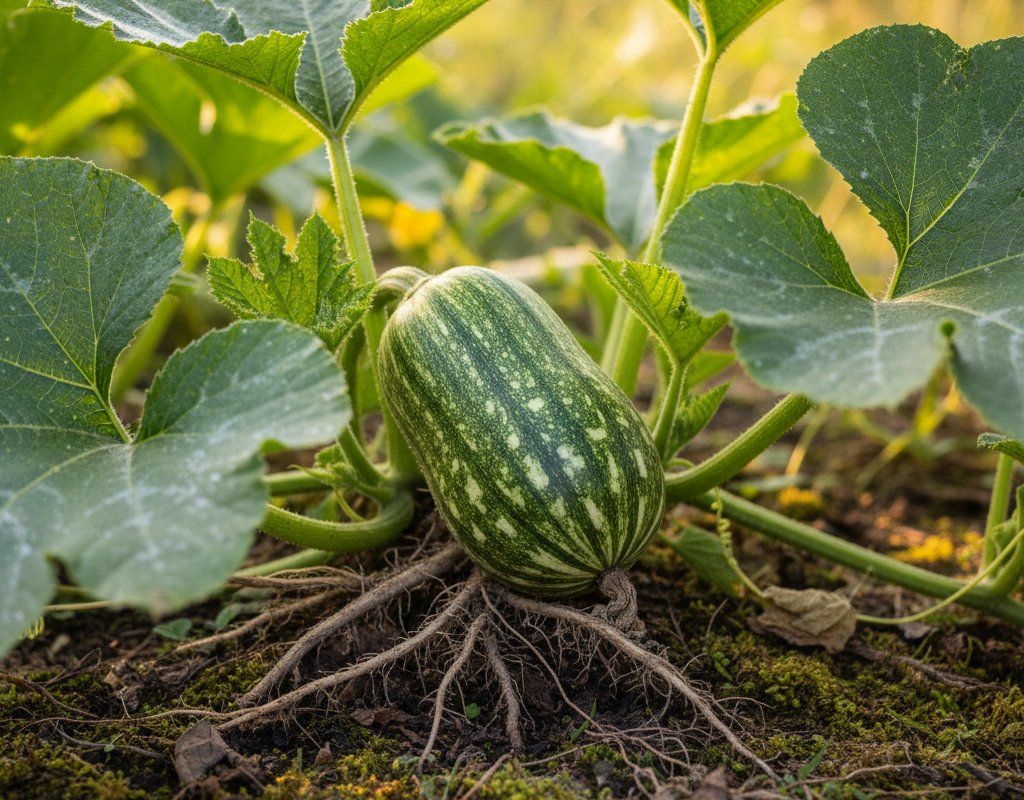
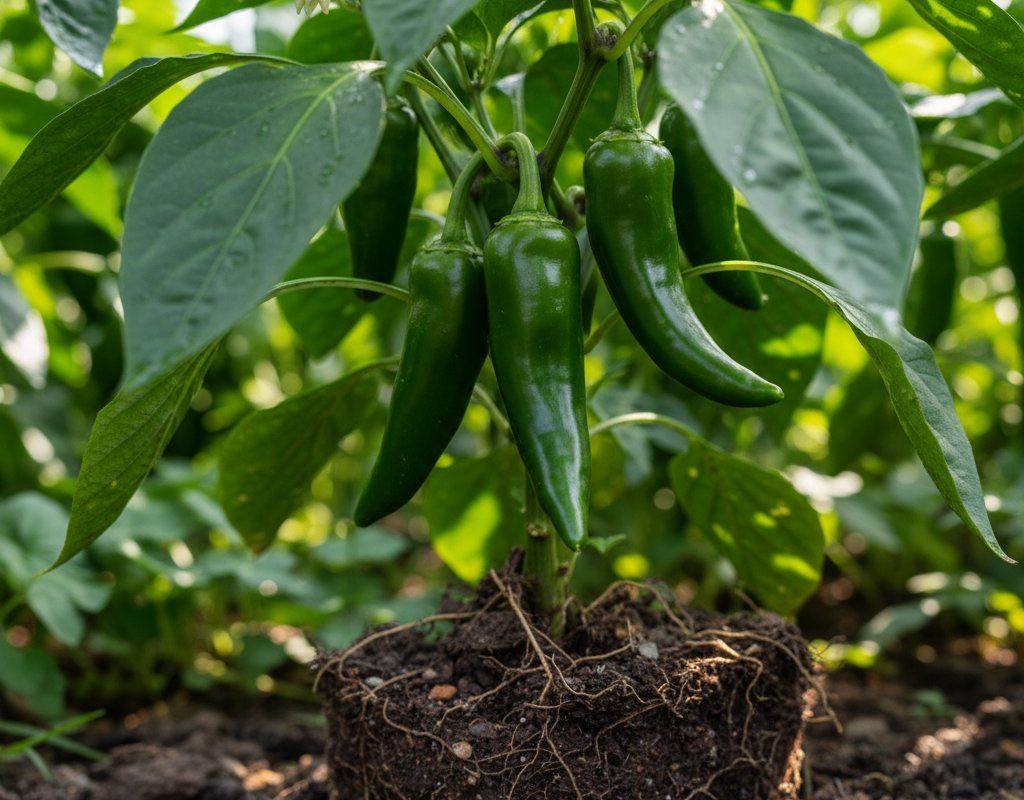
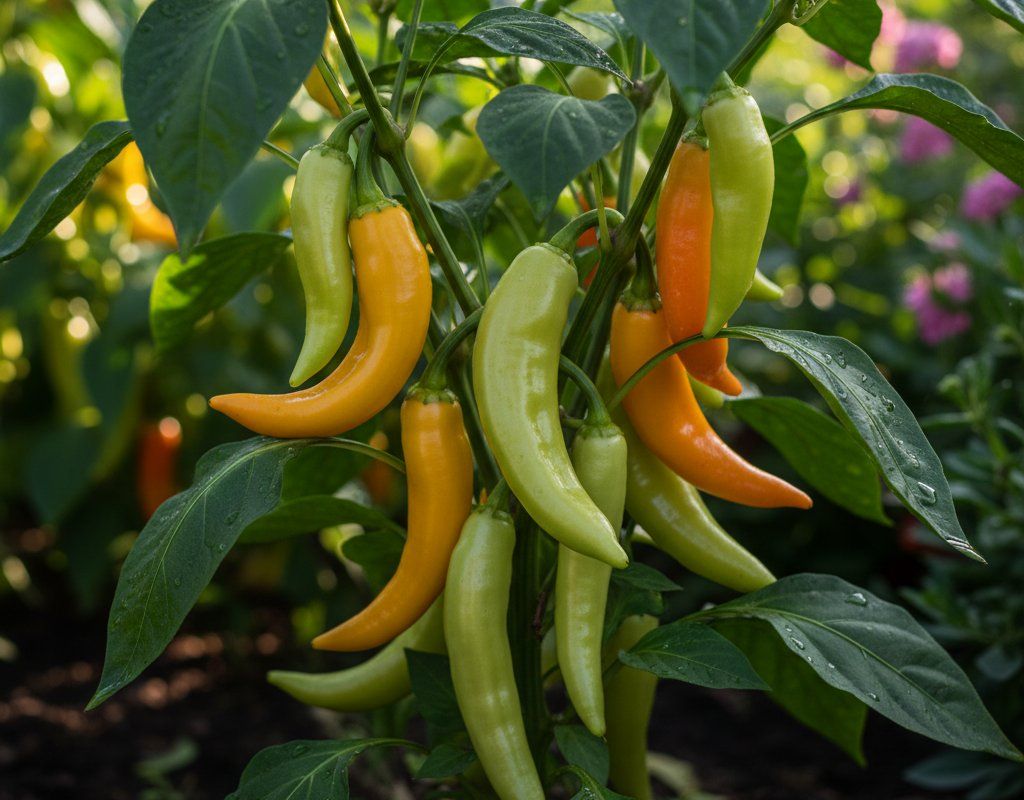
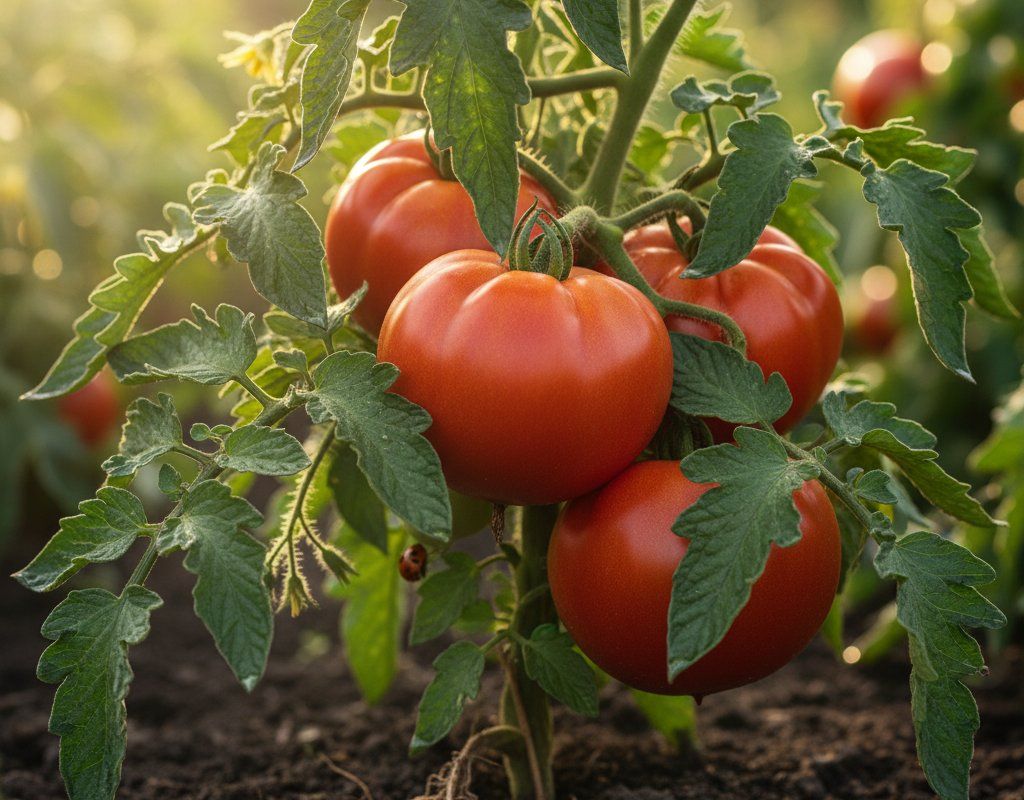
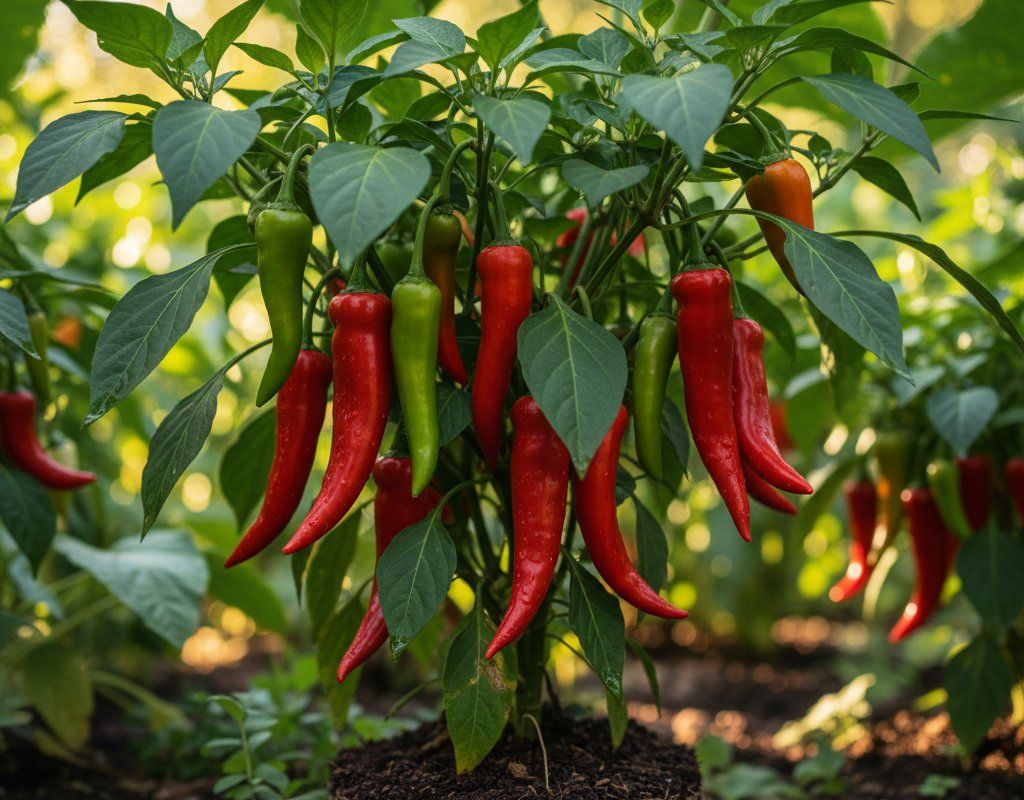
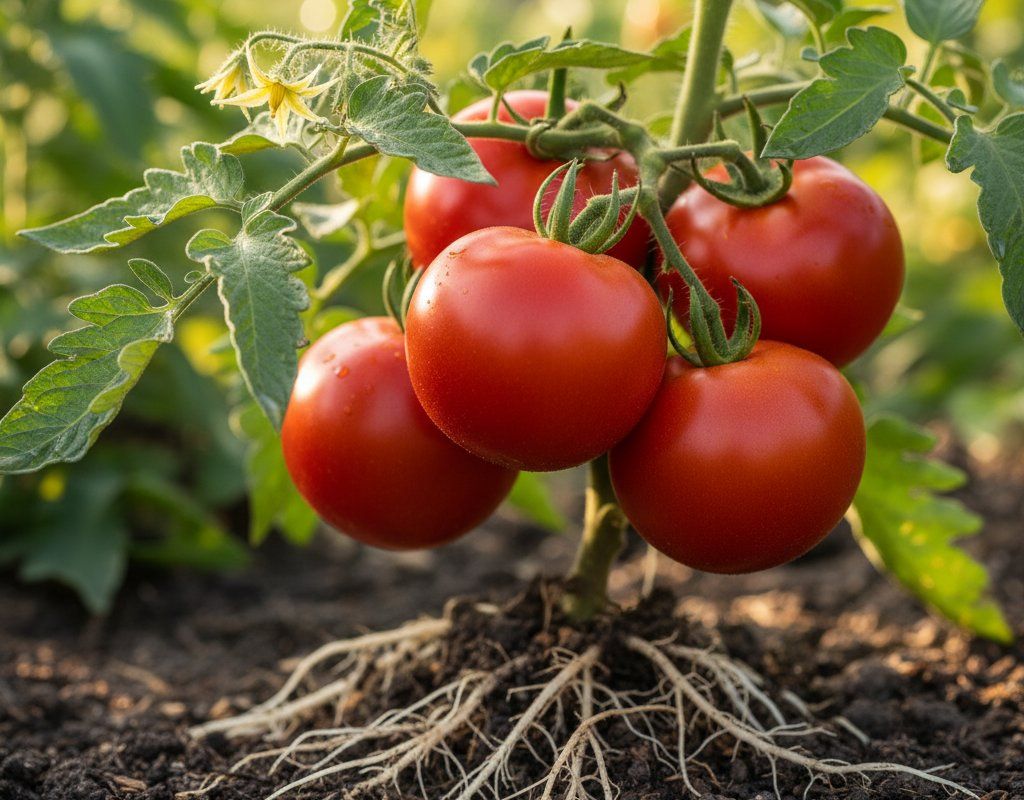
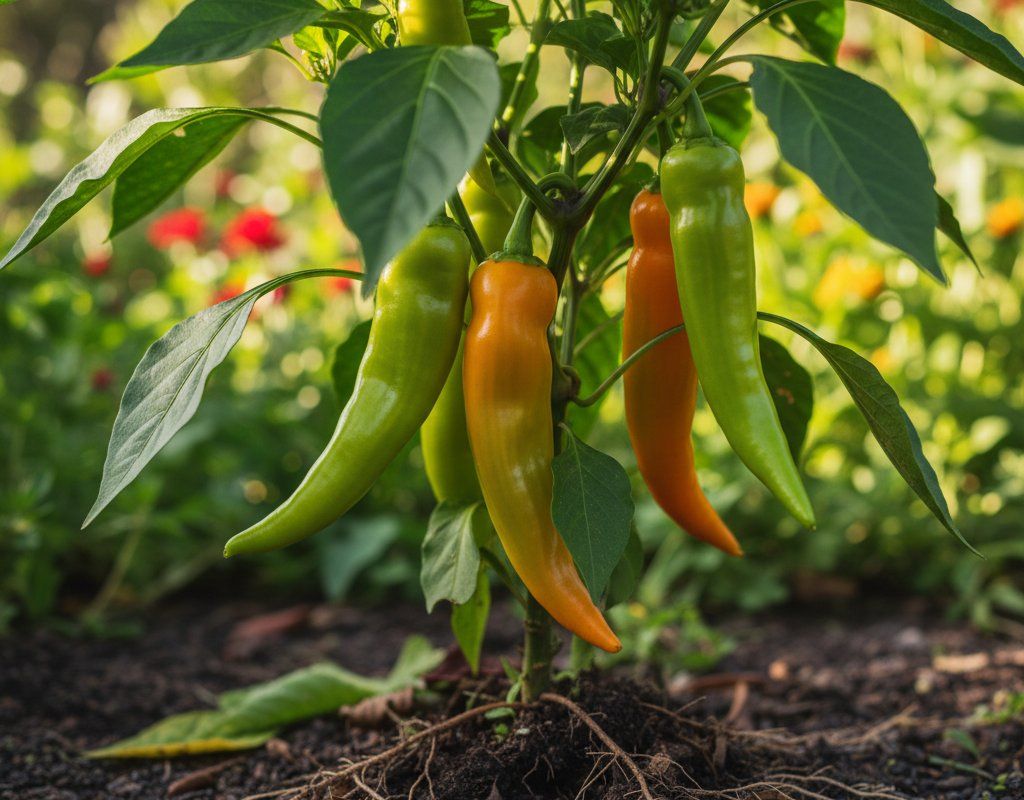
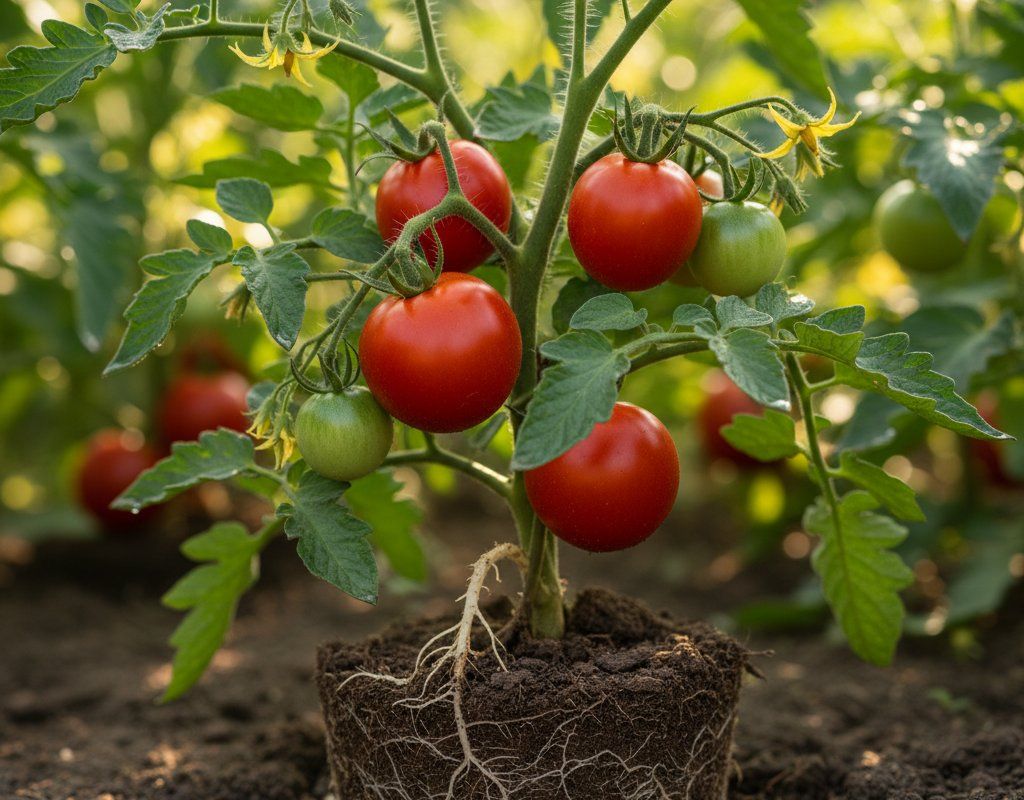
🍅Fruiting Vegetables (37)
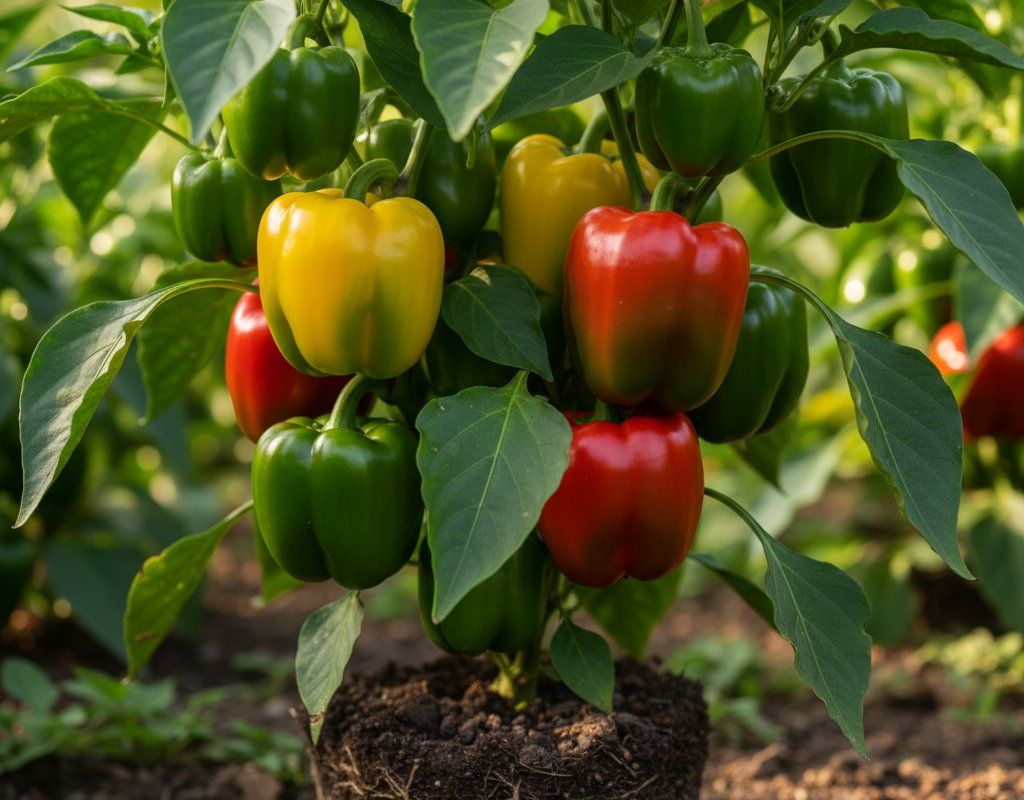
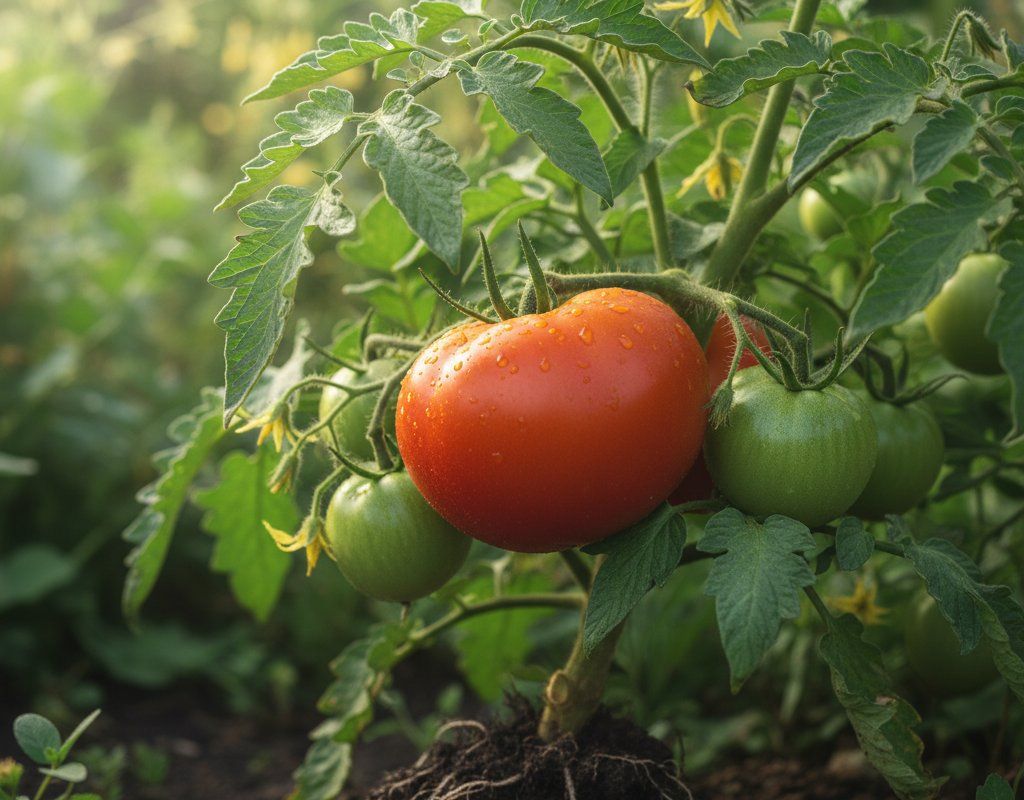
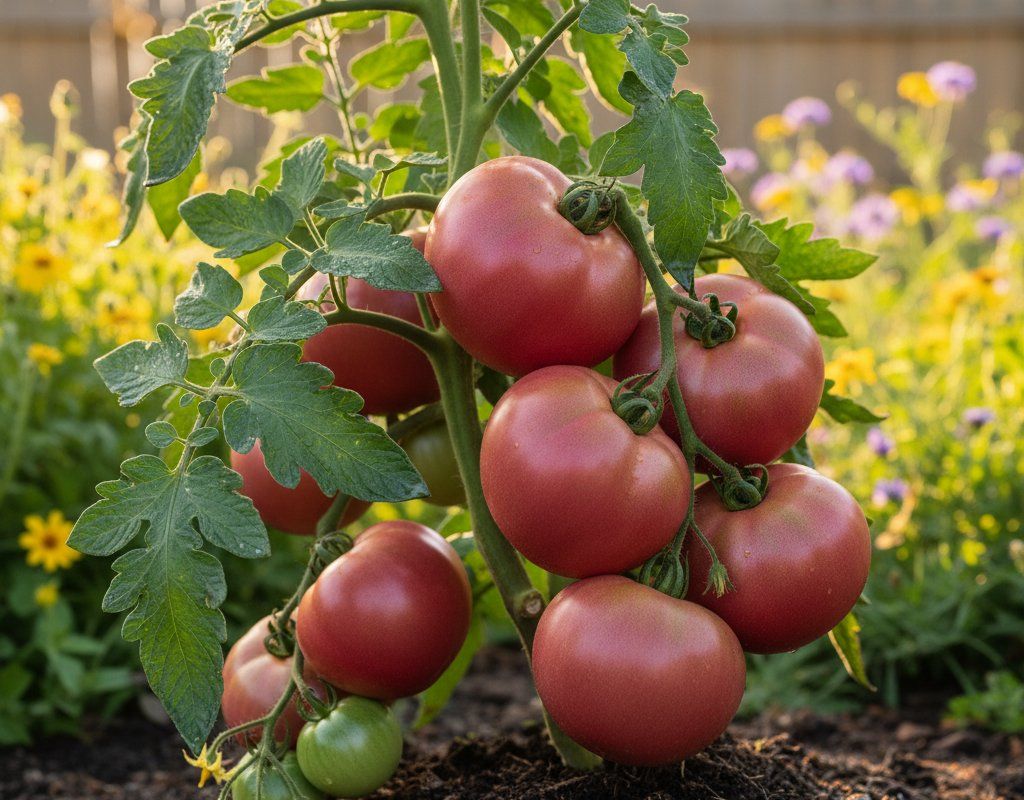
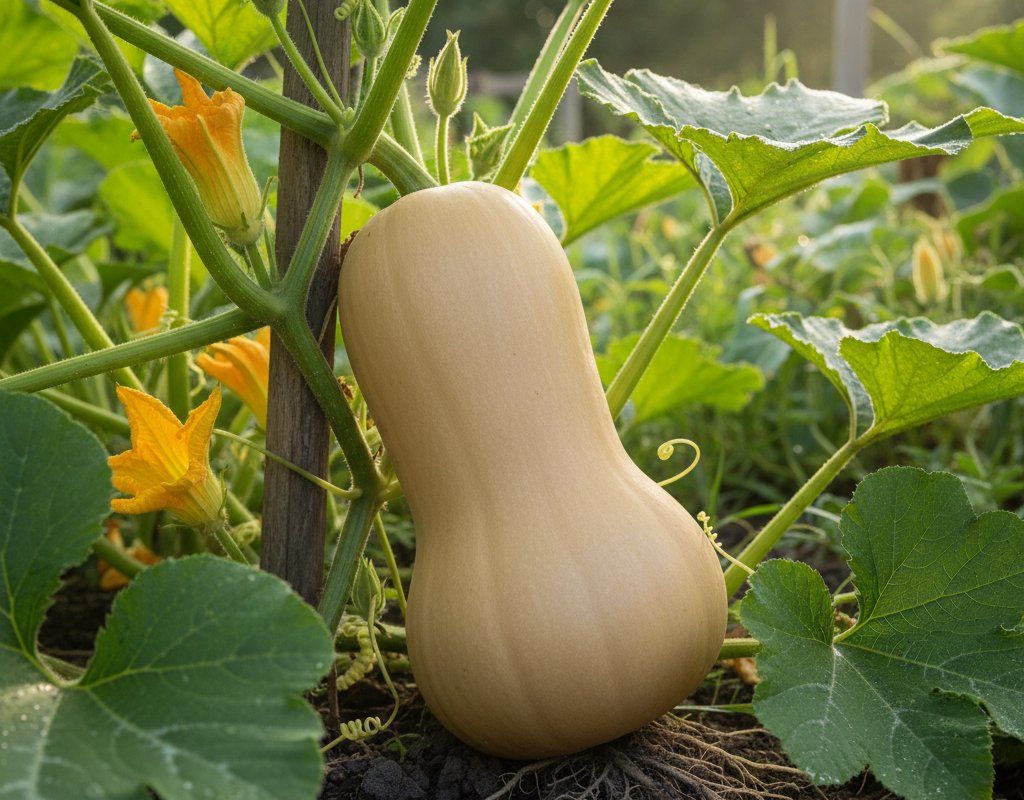



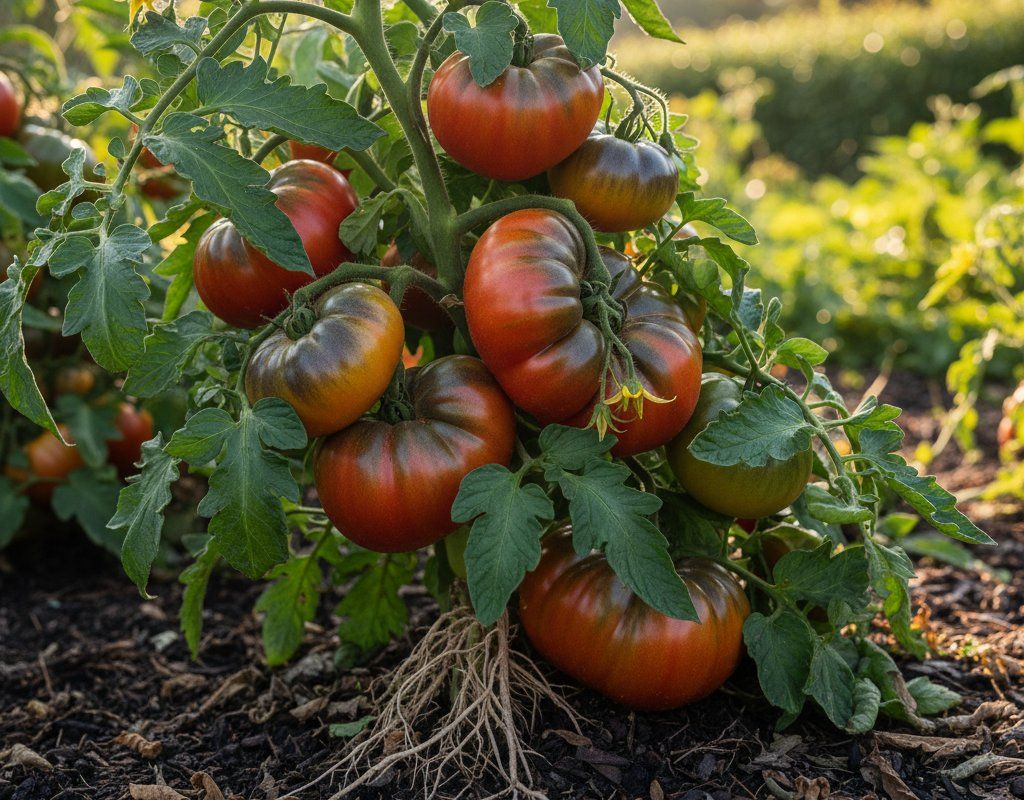
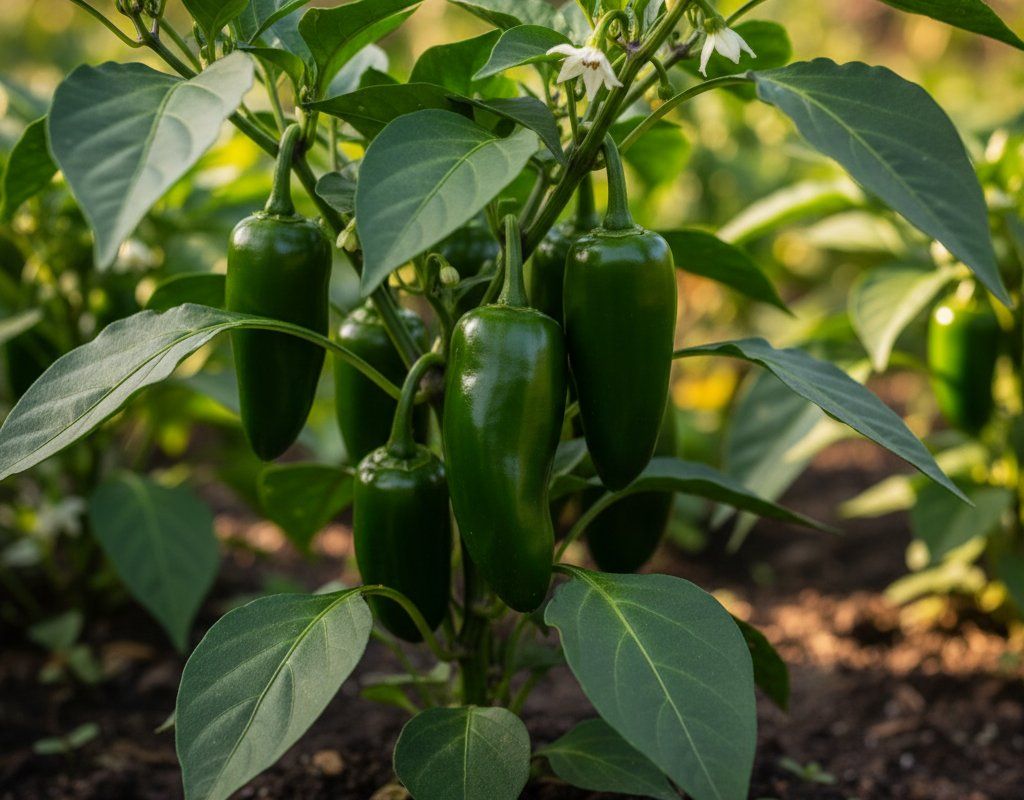

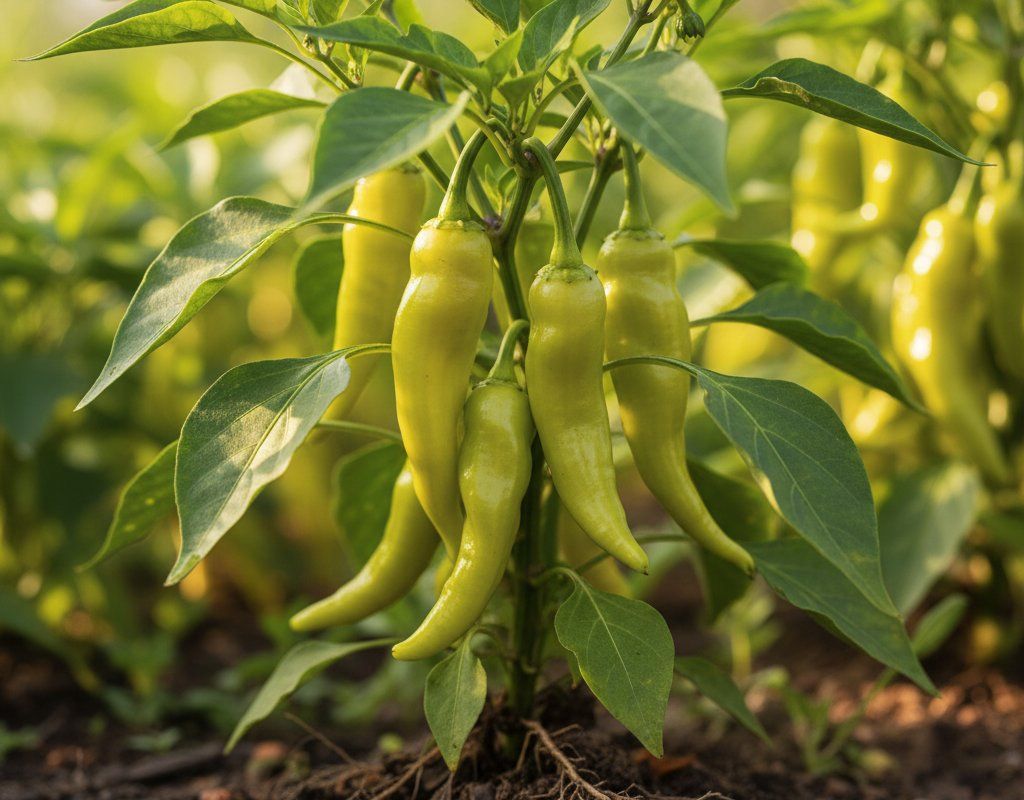
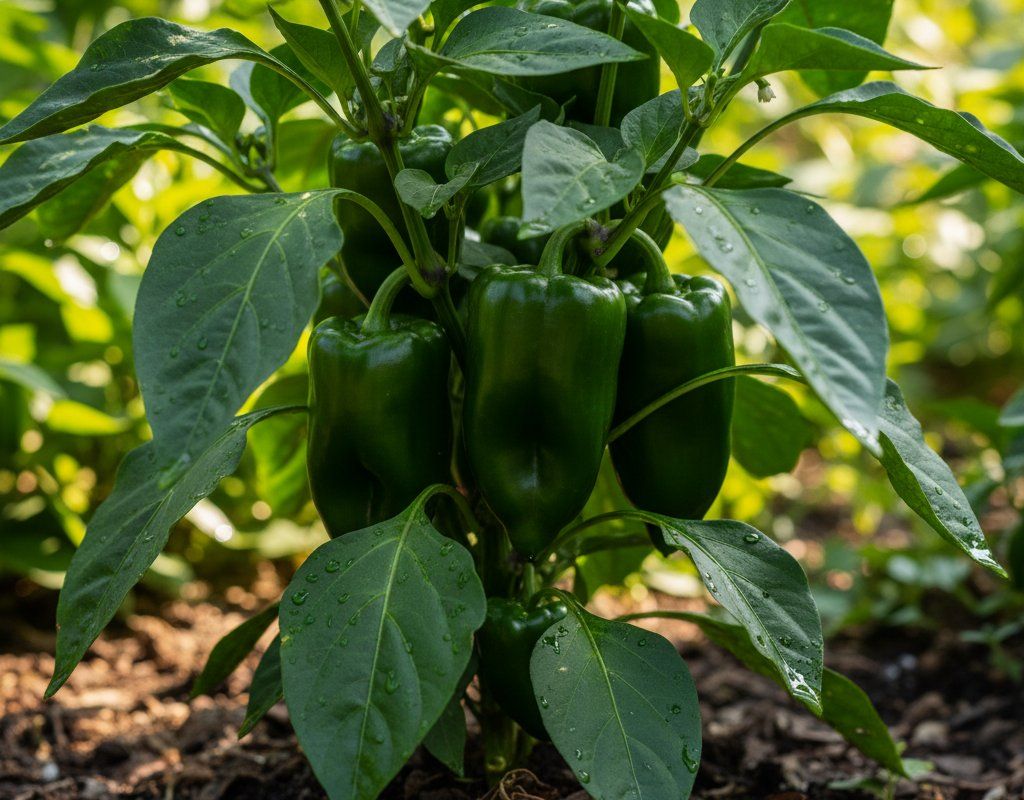

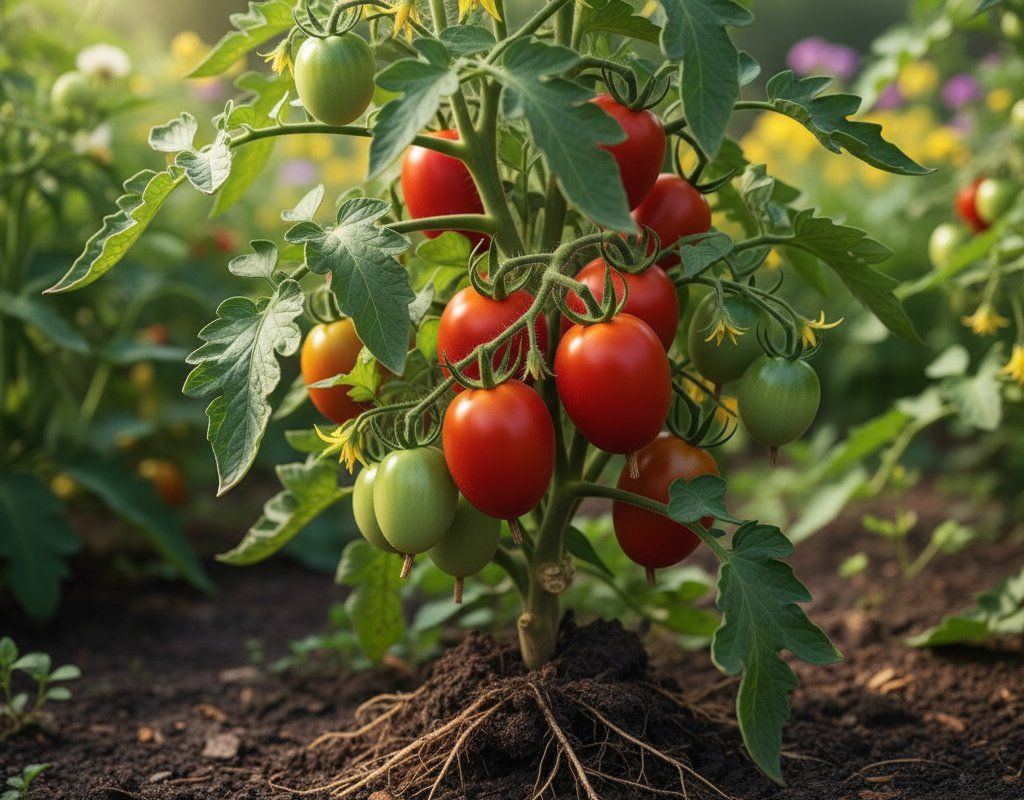
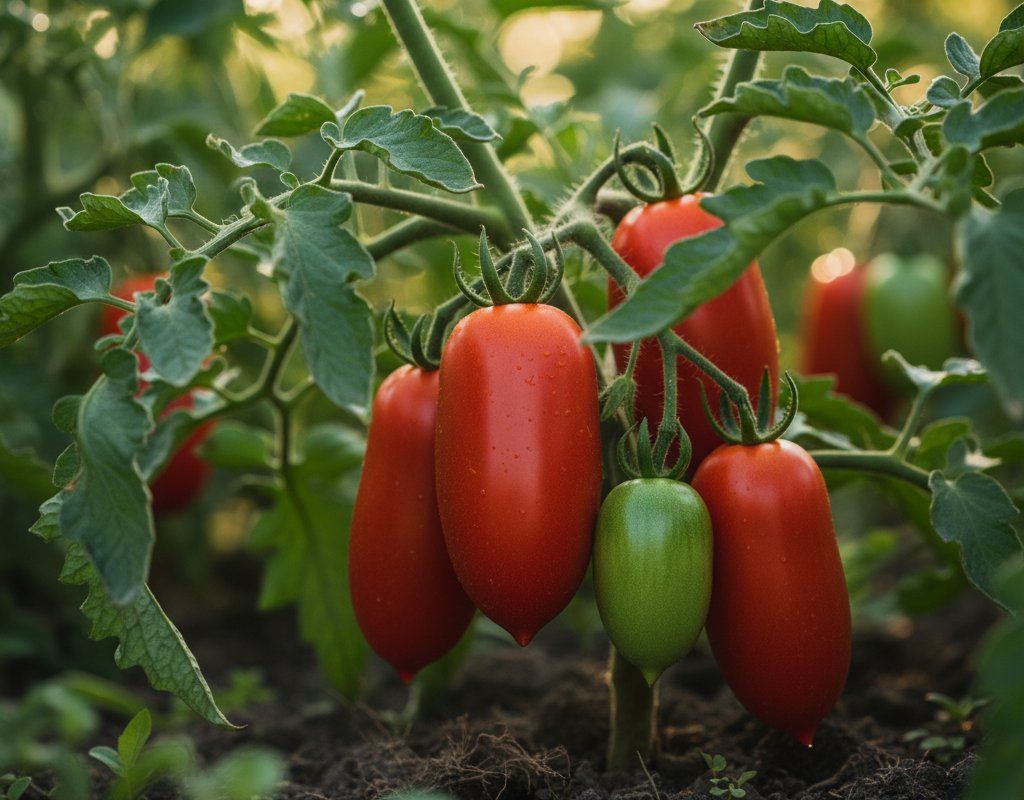
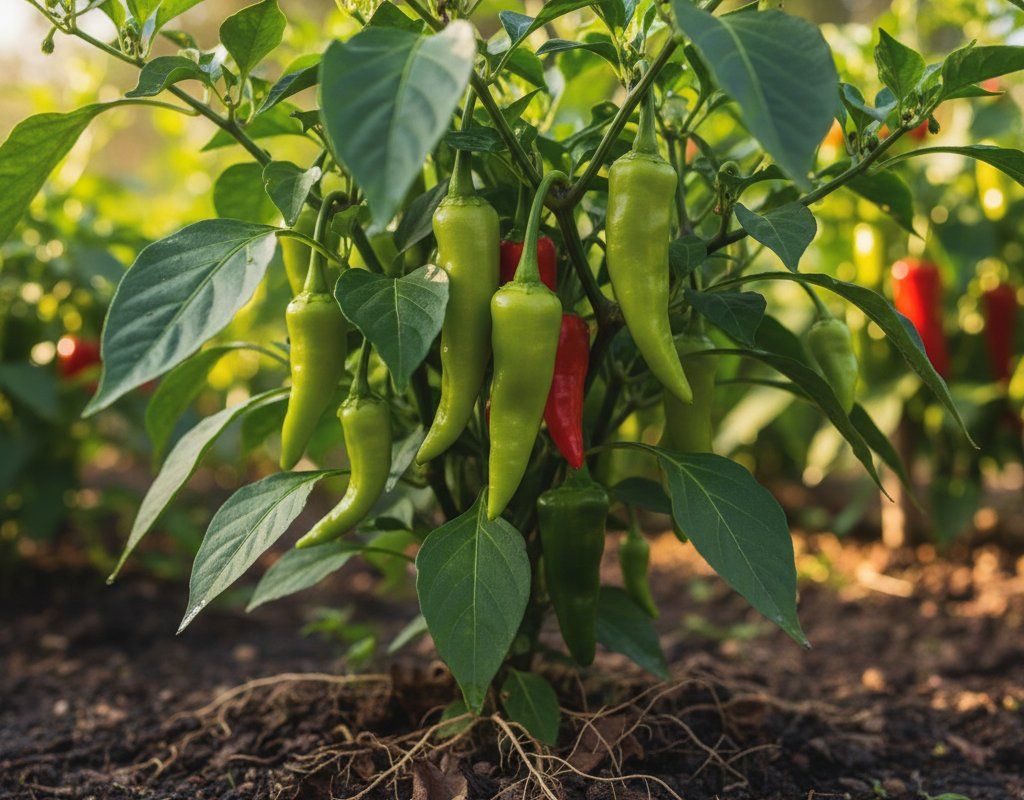
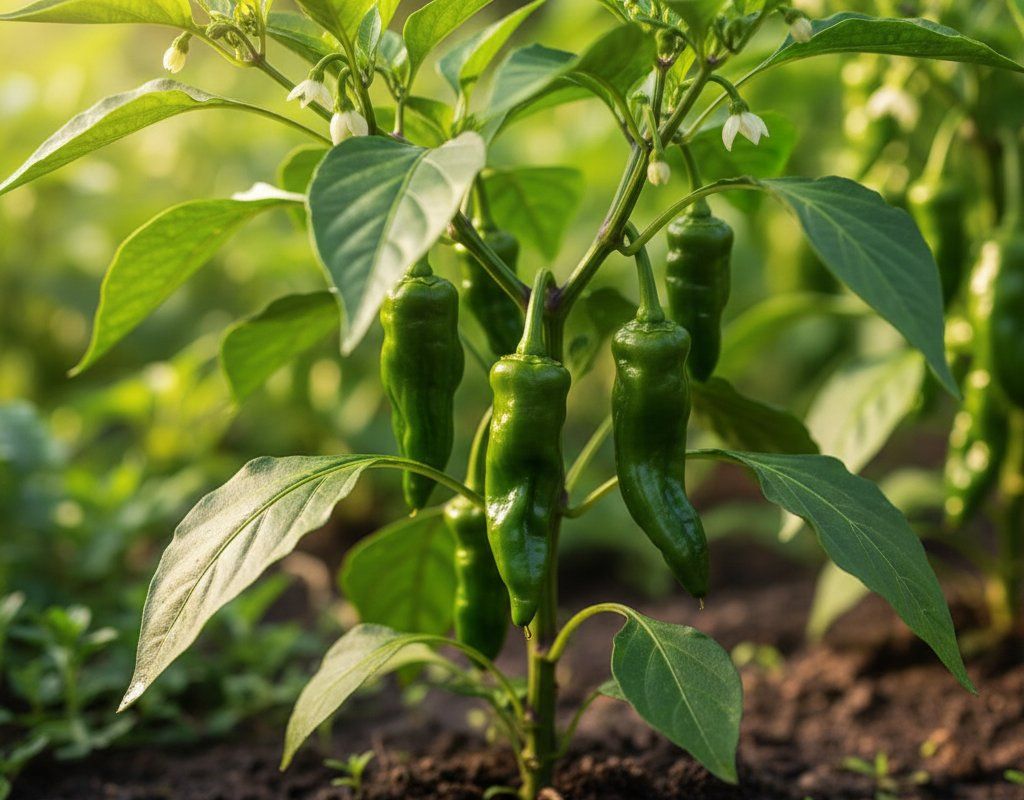
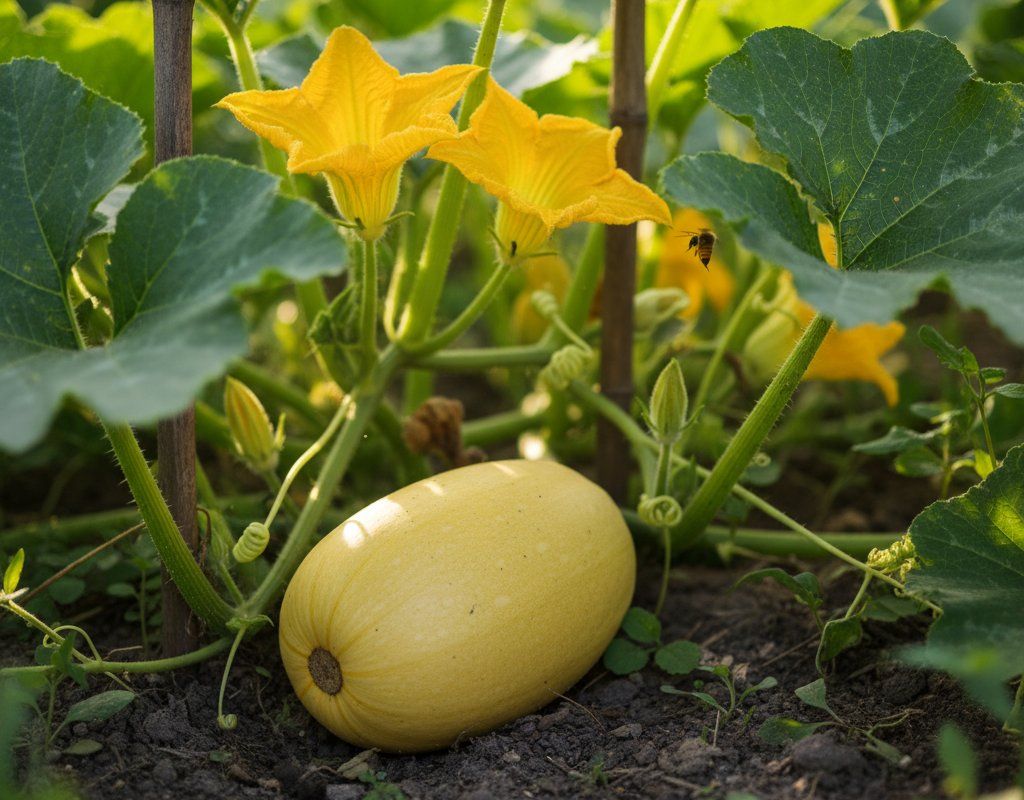

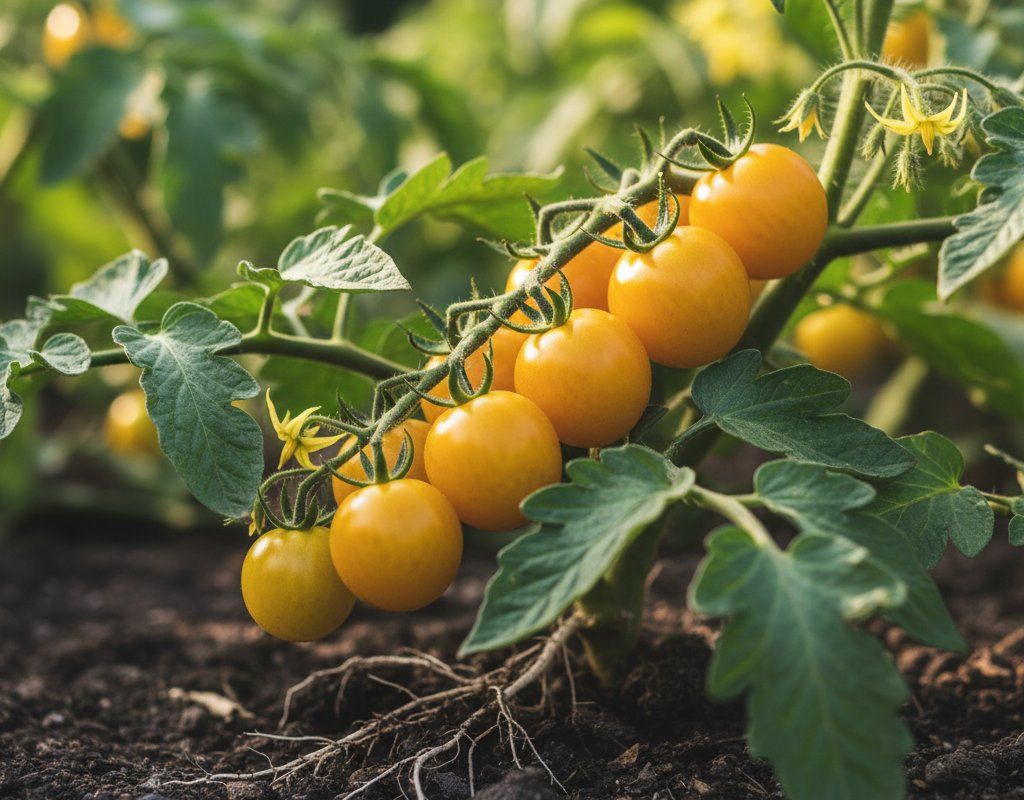
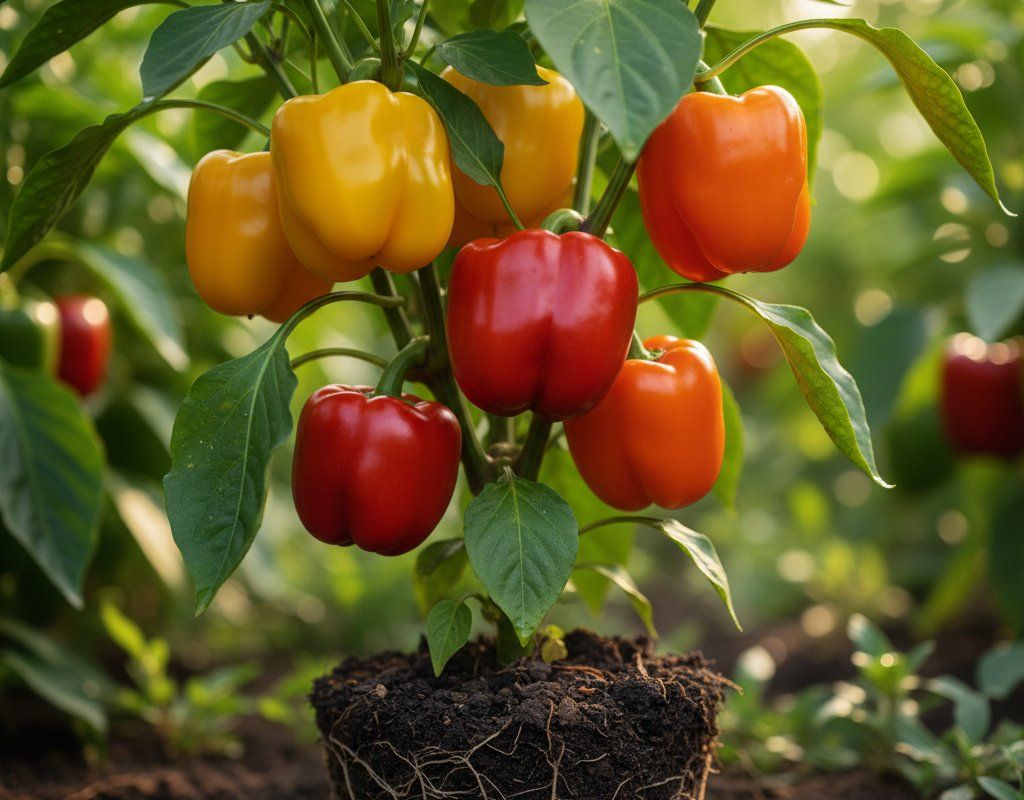
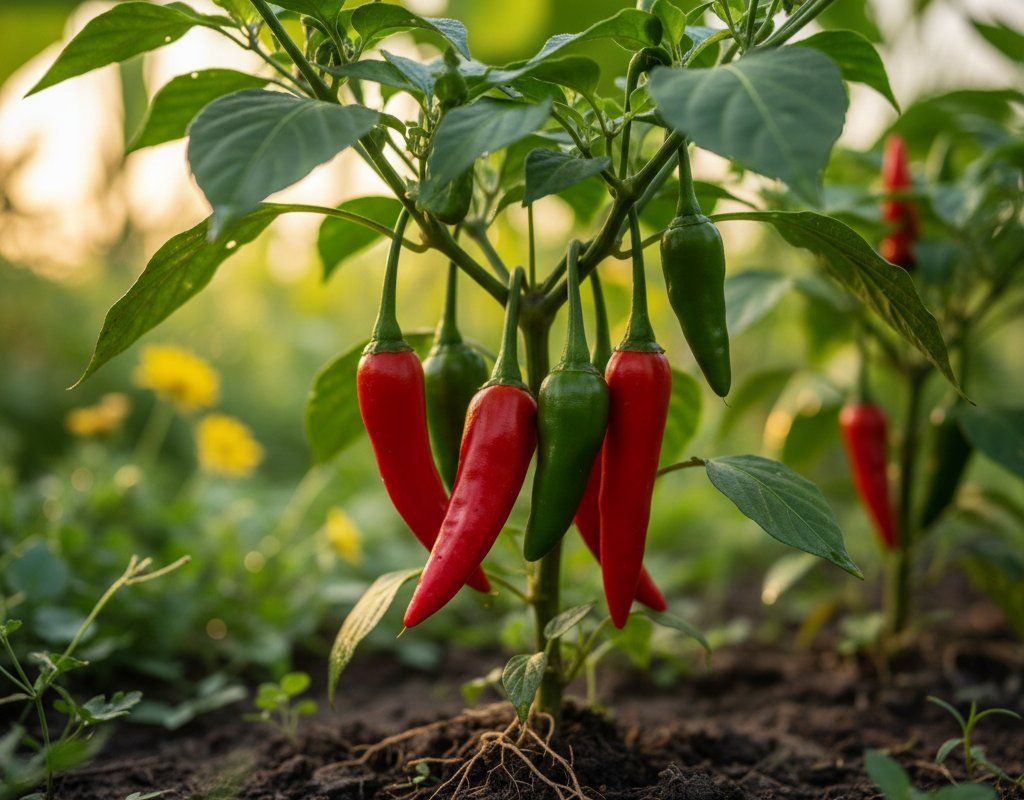

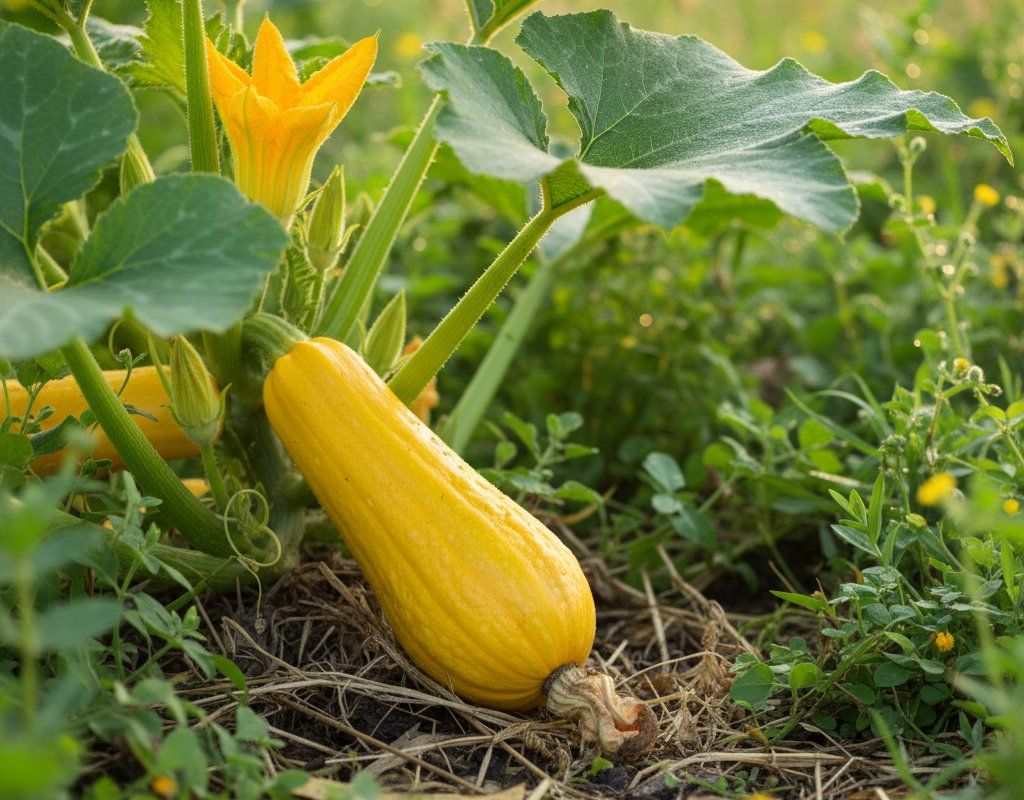

🥬Leafy Greens (9)
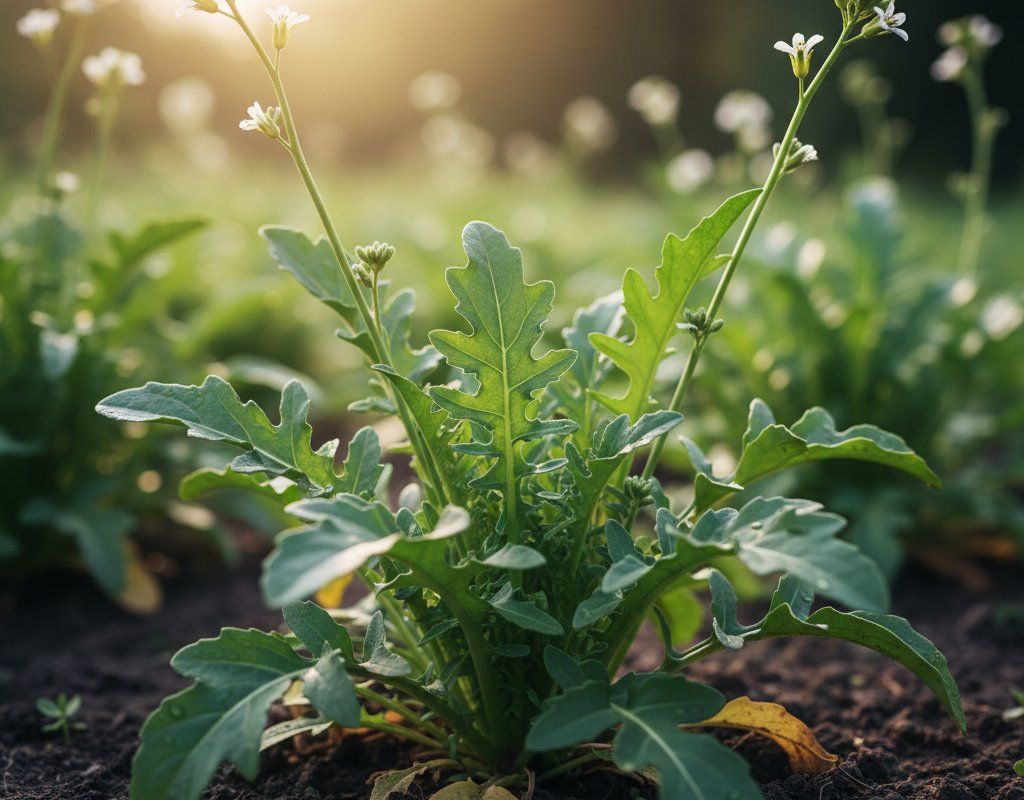

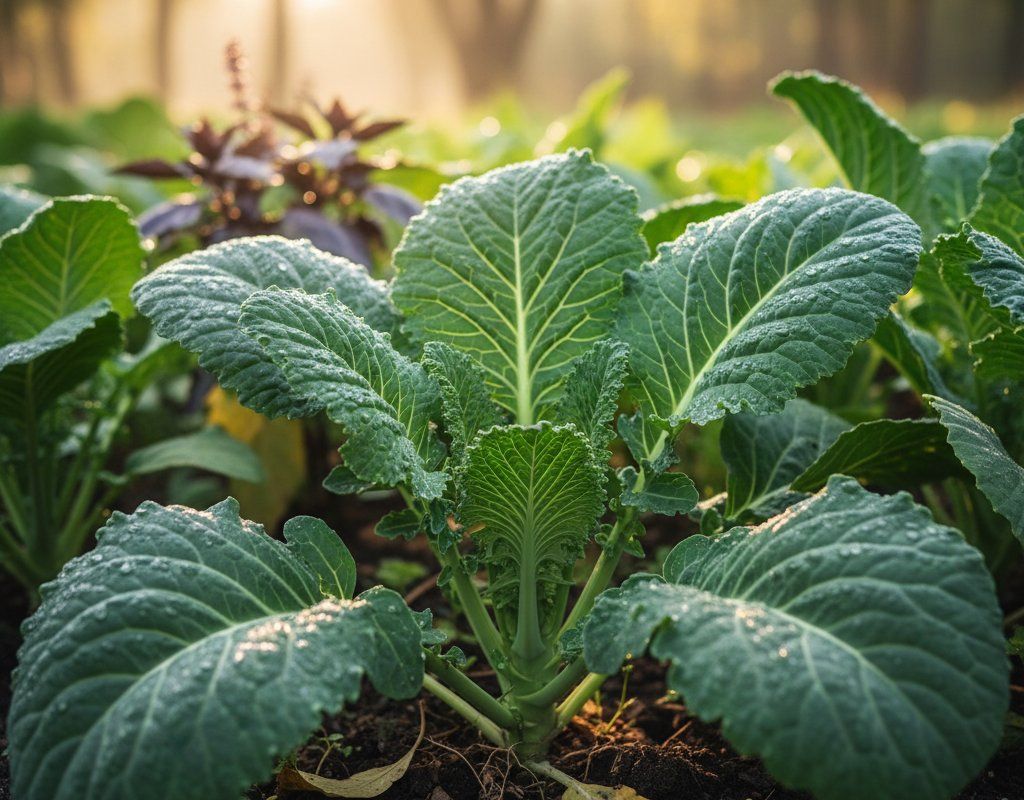
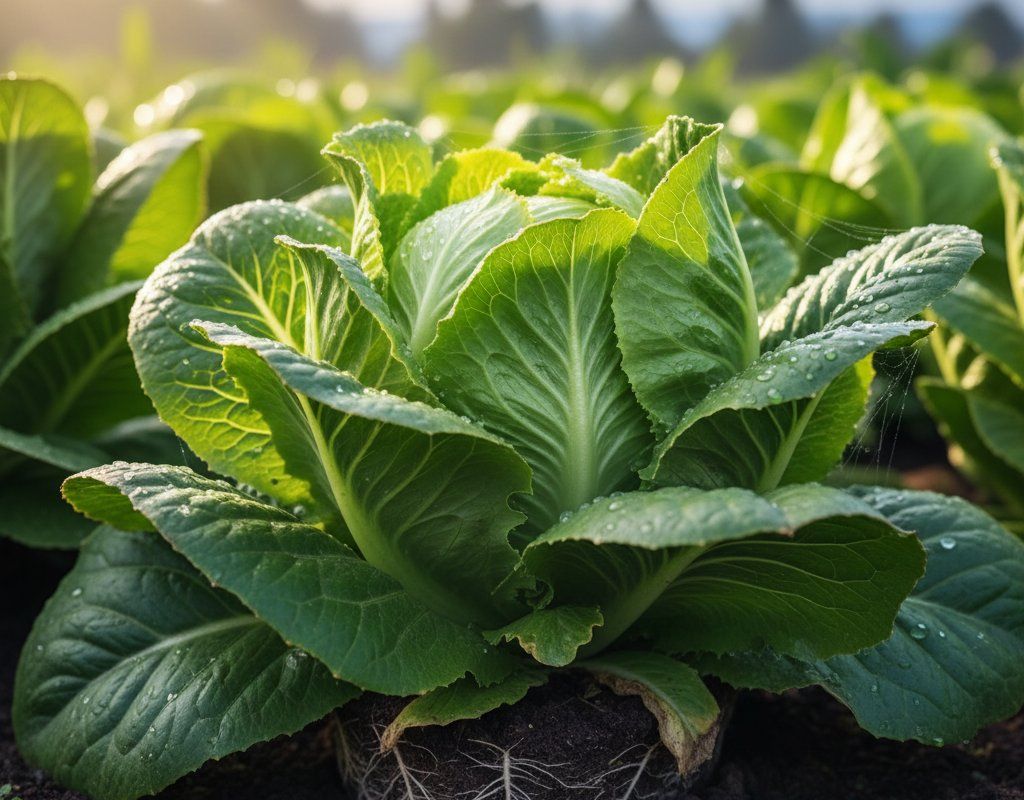

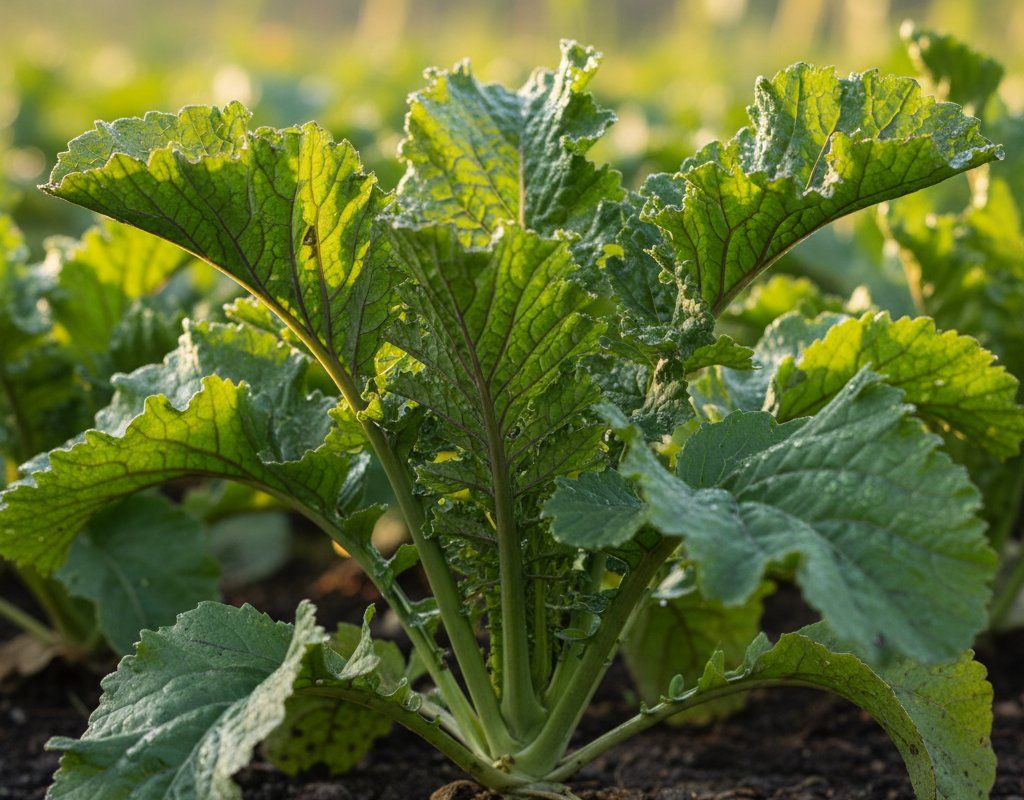
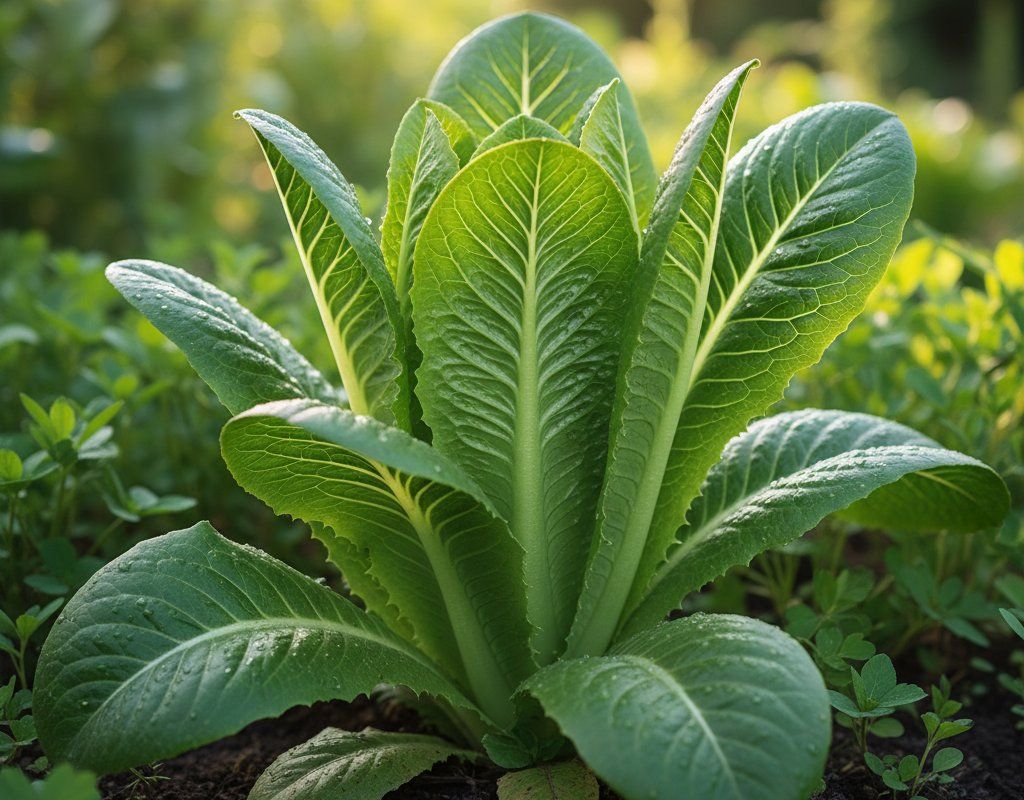

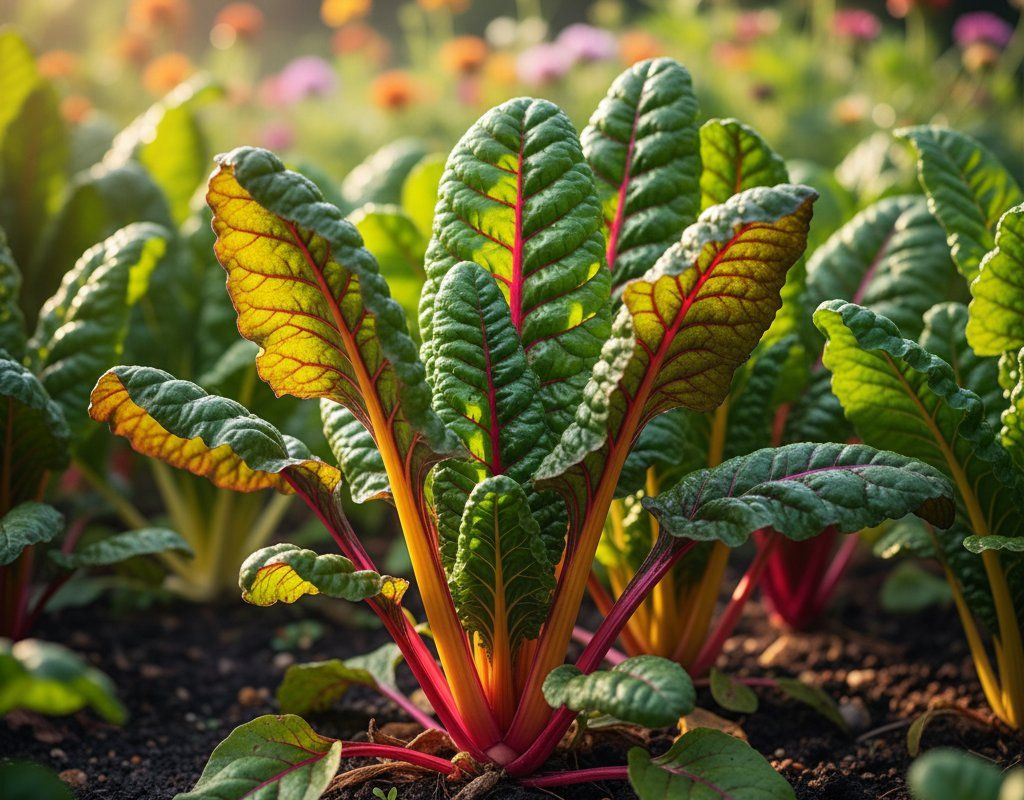
🥕Root Vegetables (5)



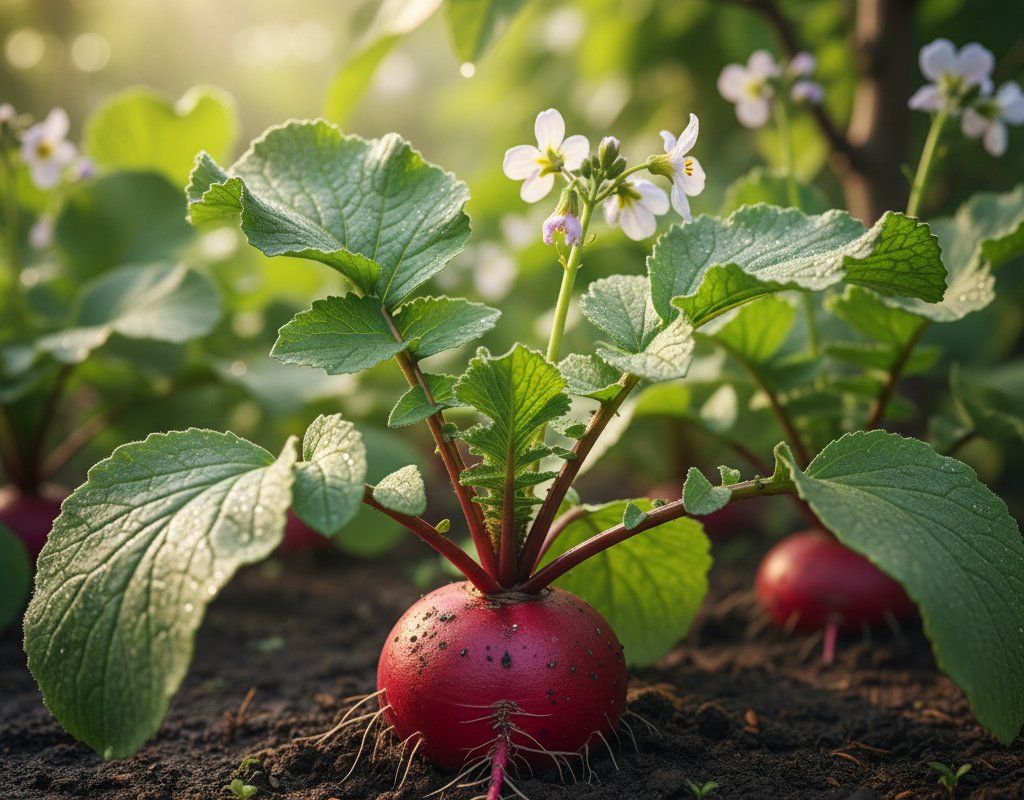
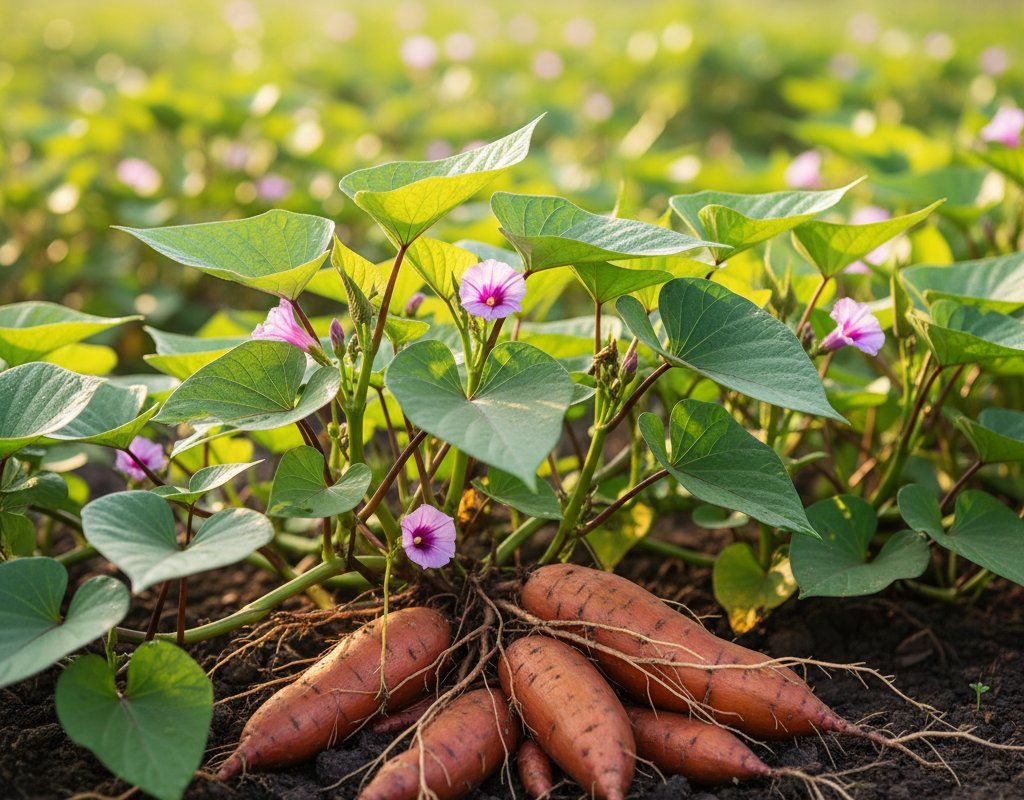
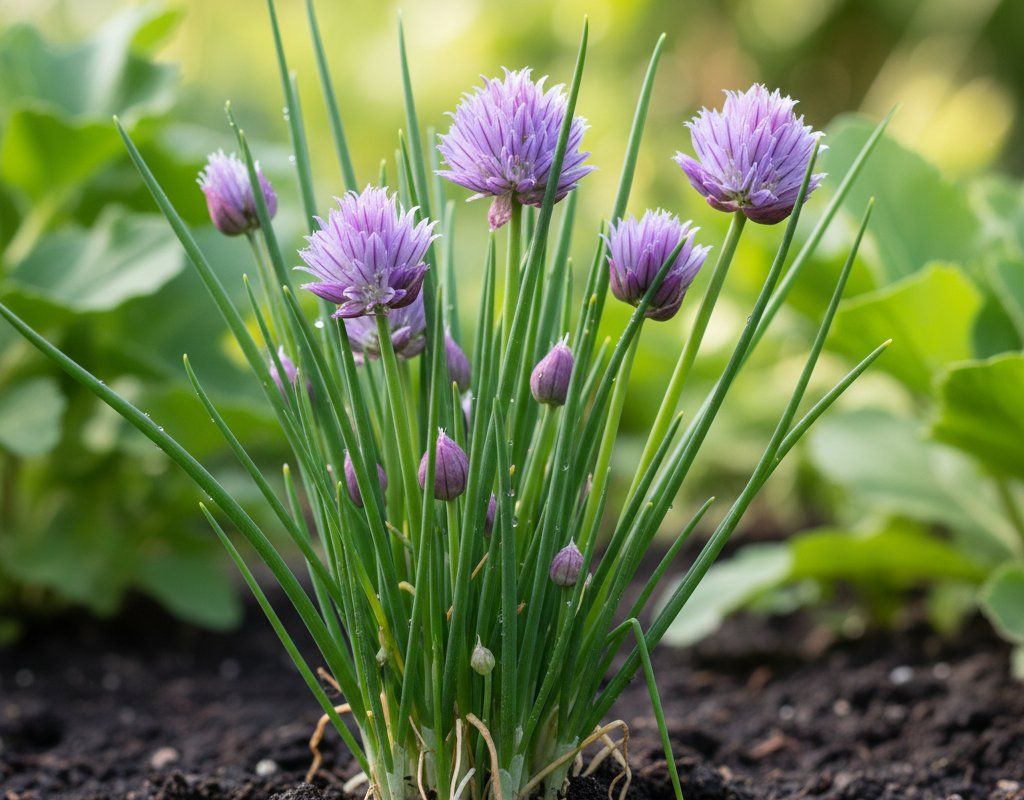
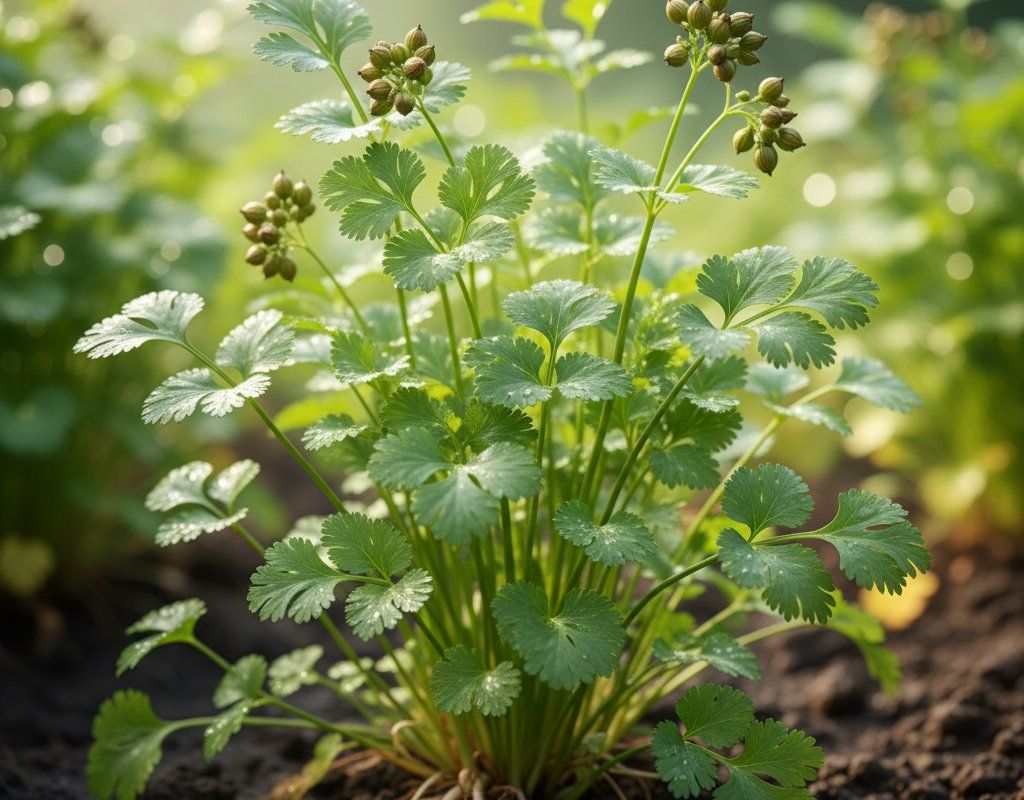
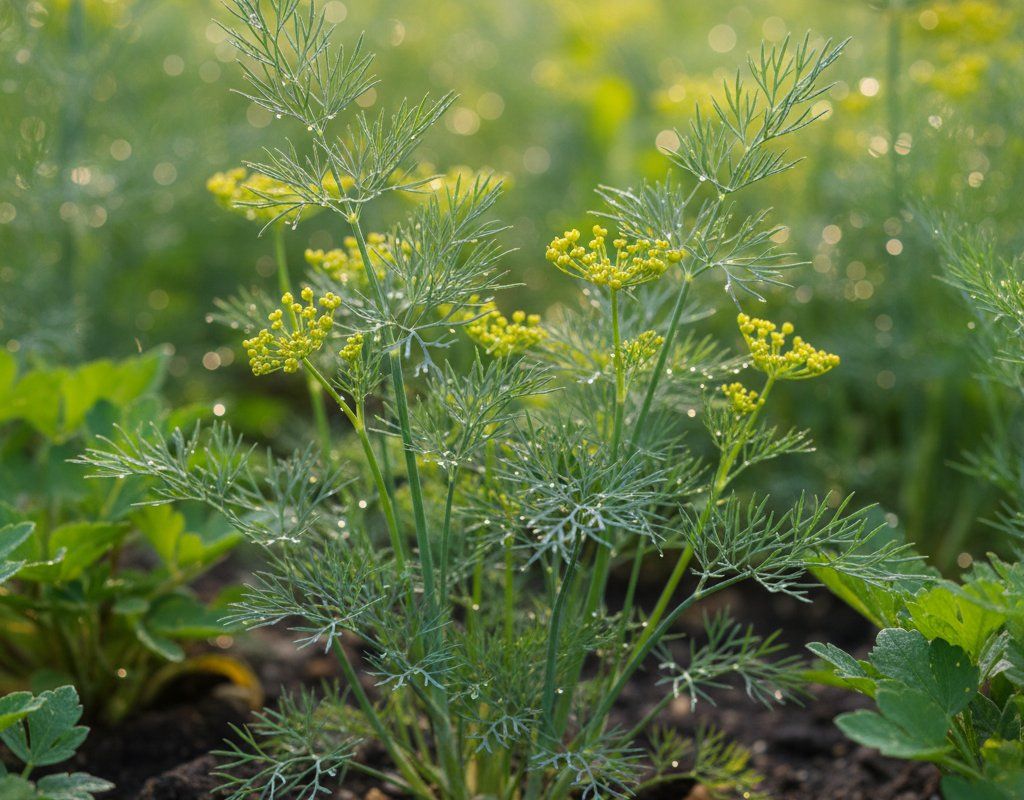
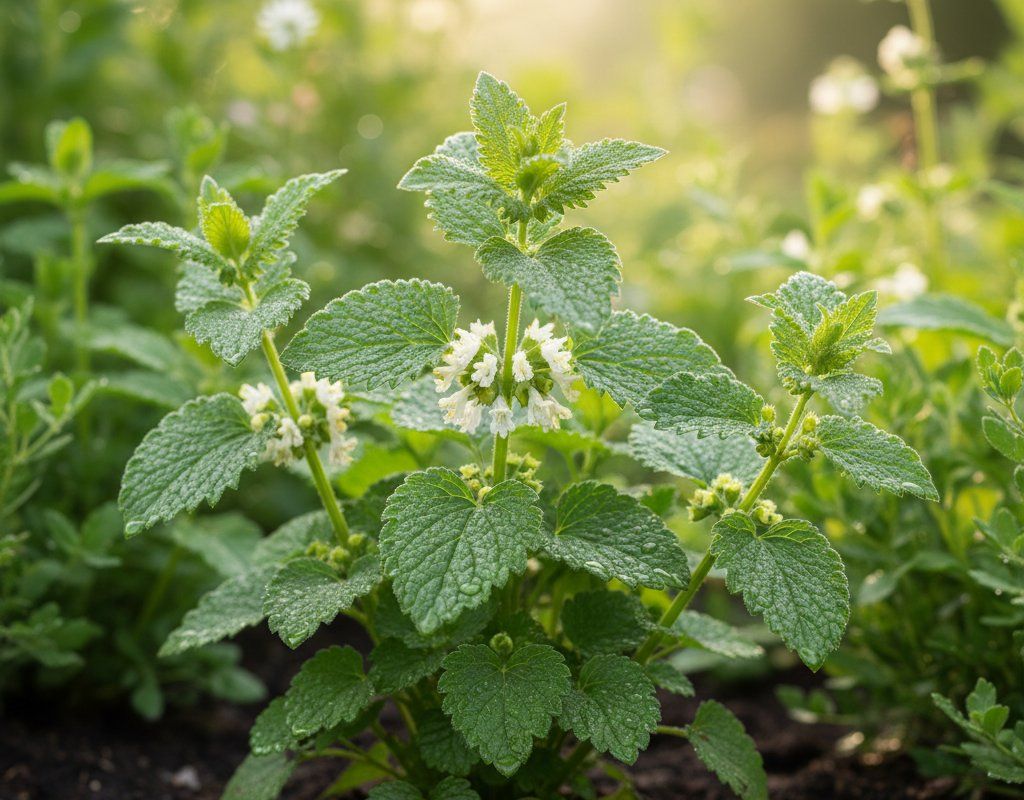
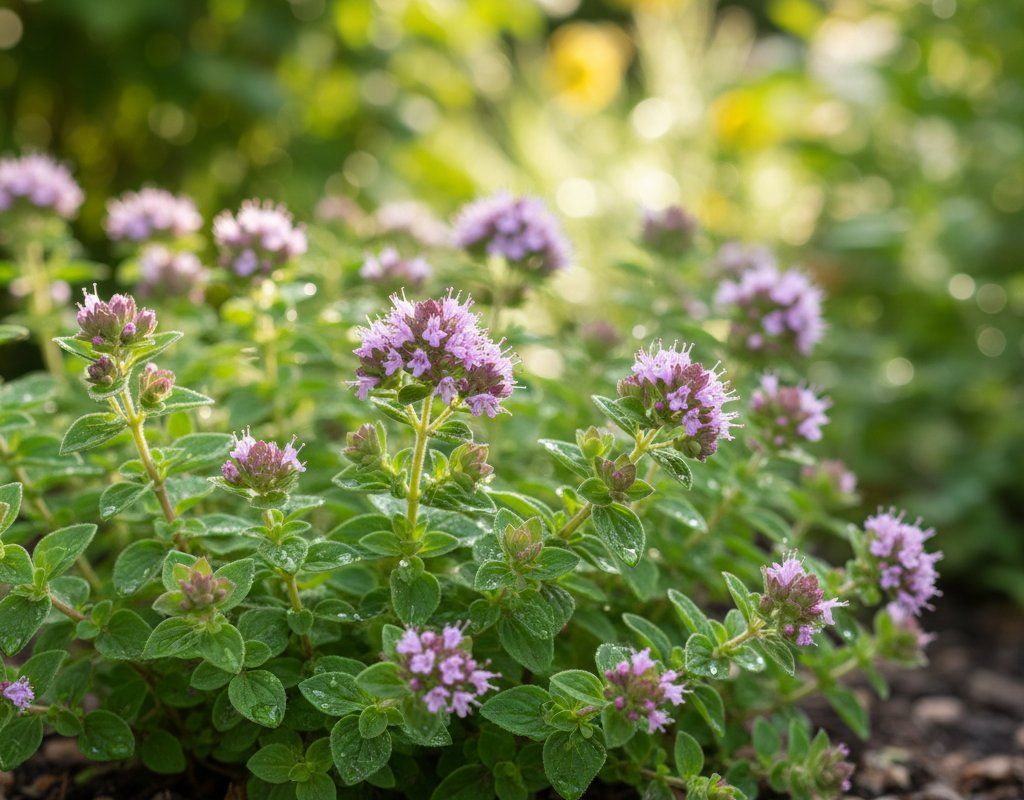
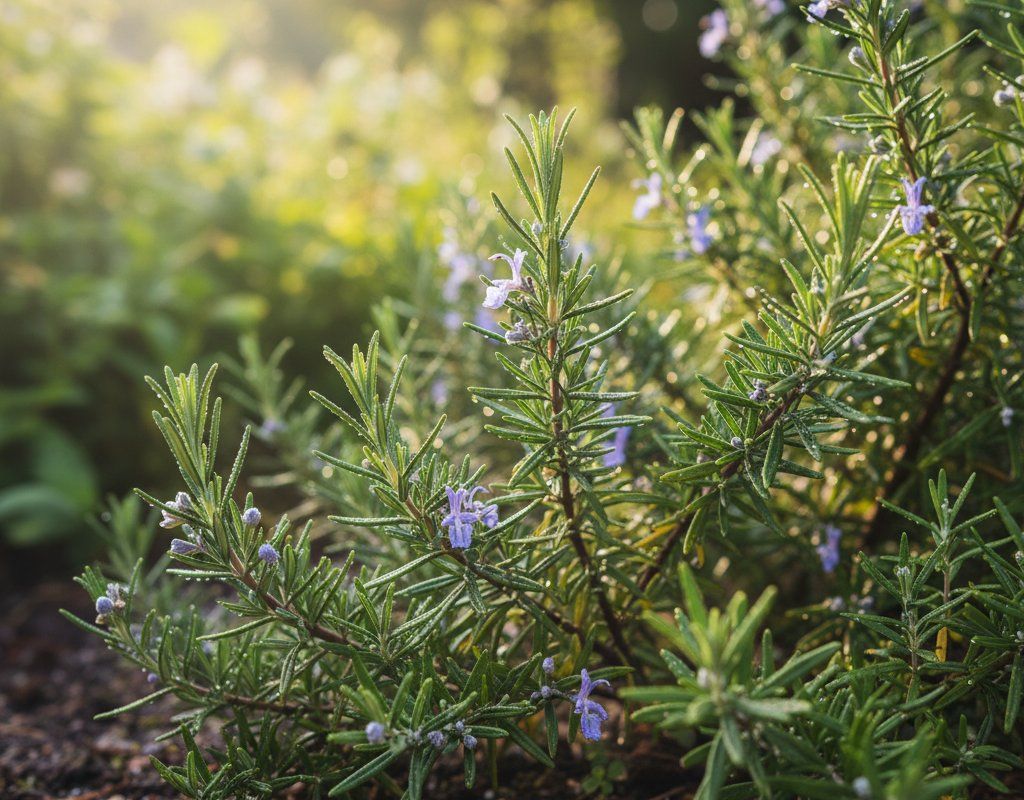
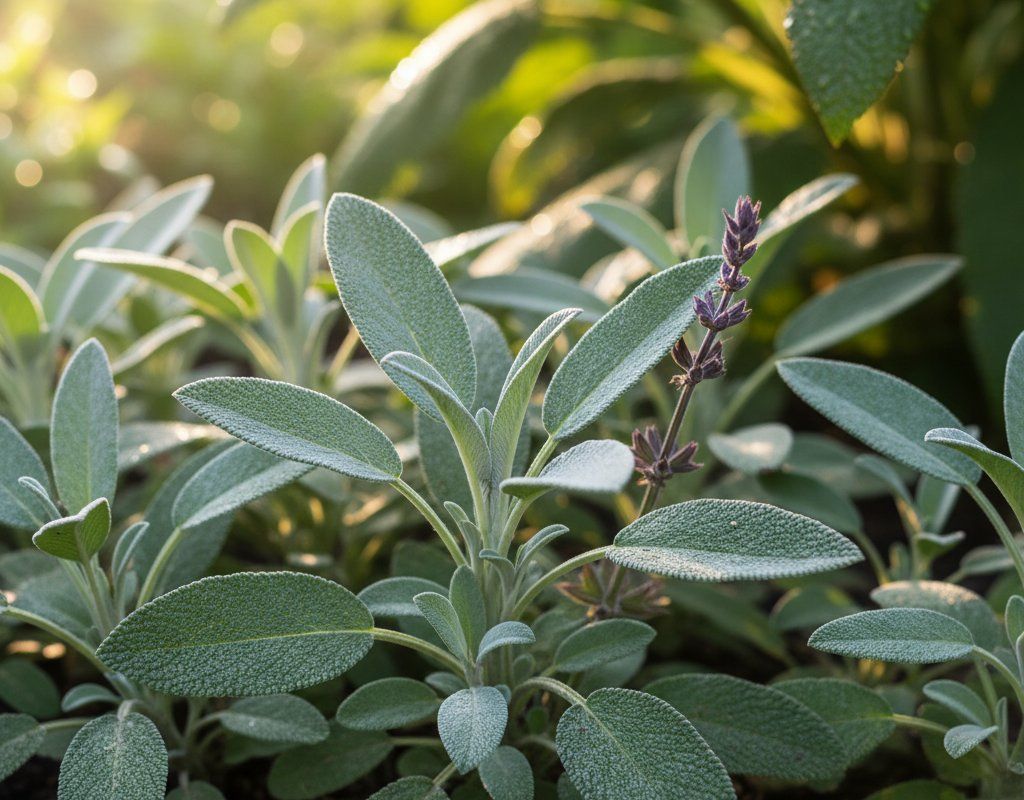
🌿Herbs (12)







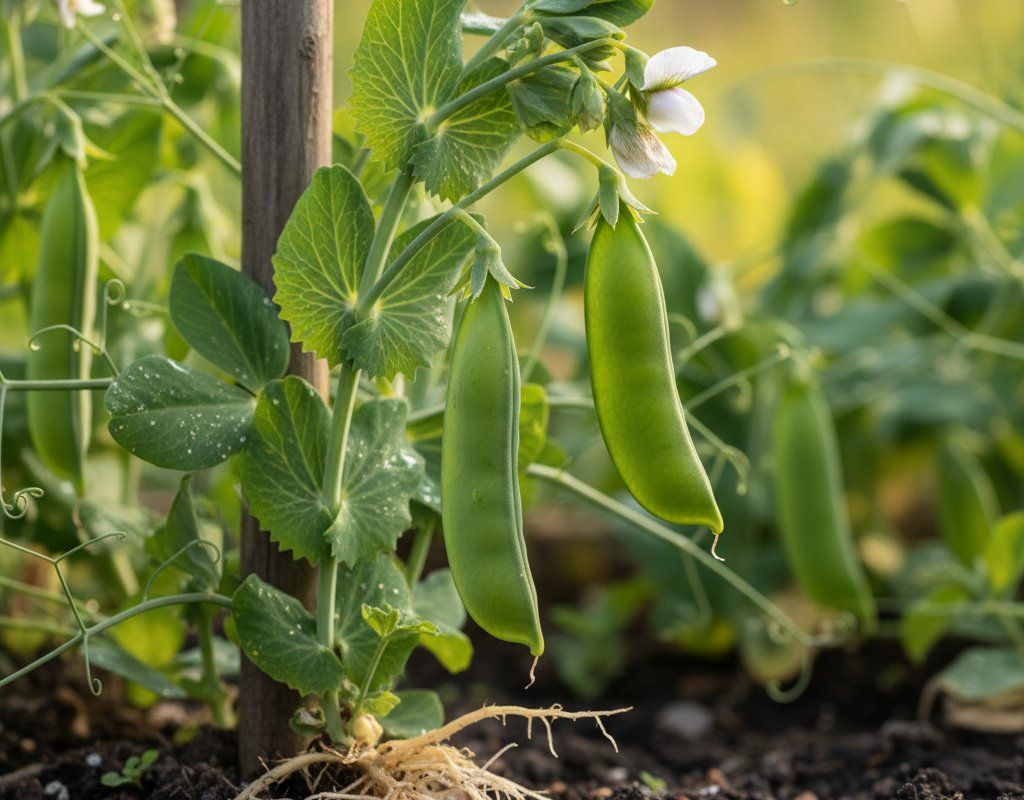
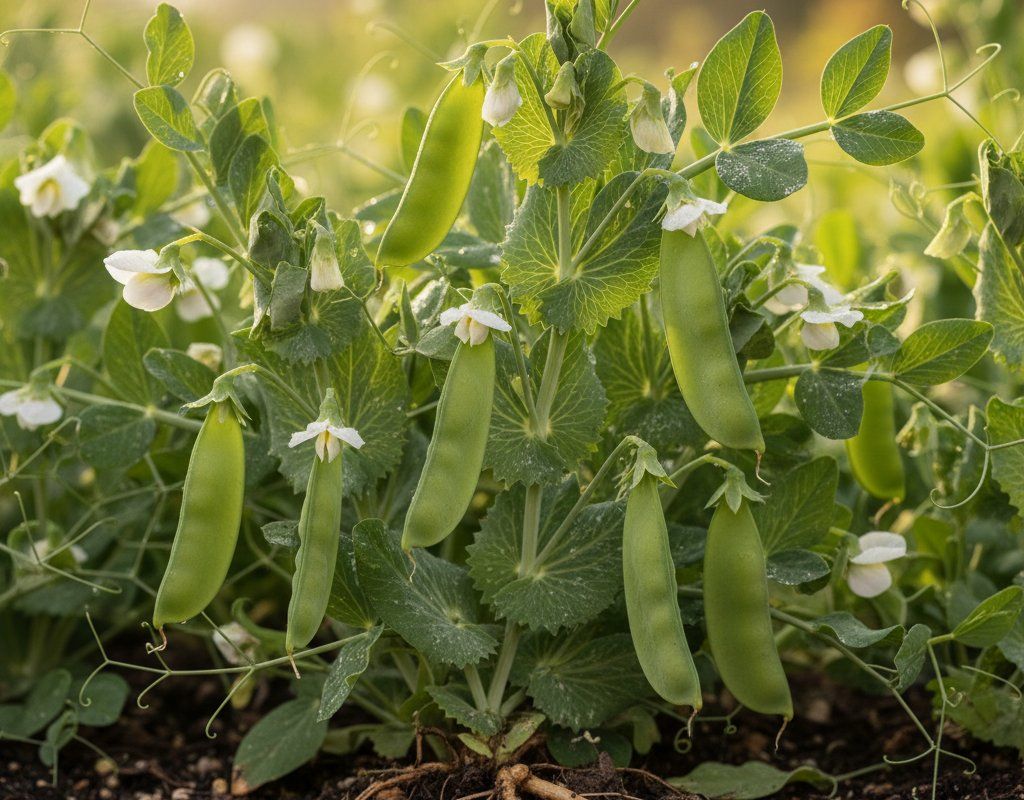
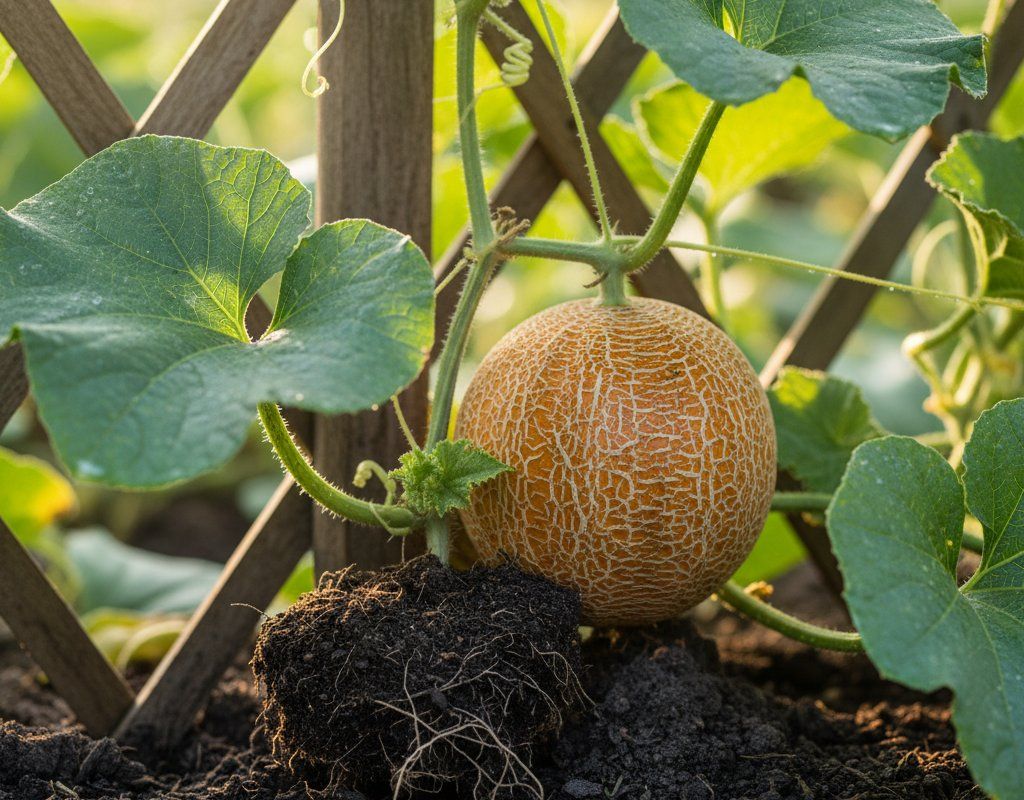
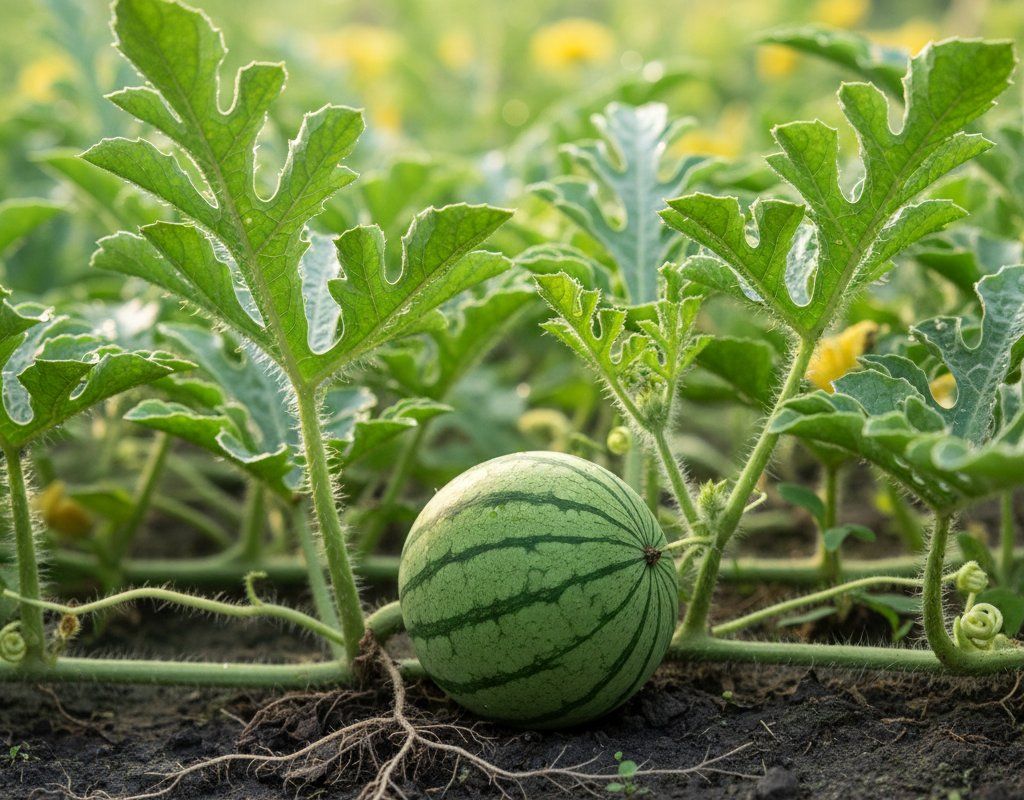
🍉Melons (2)
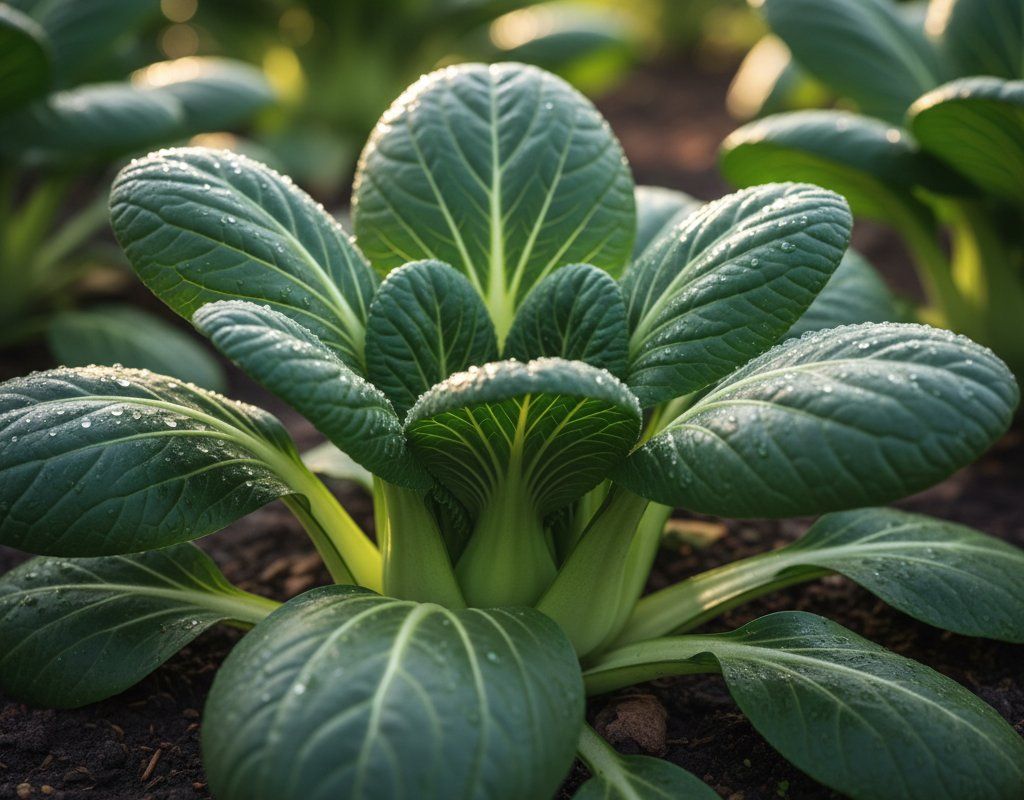
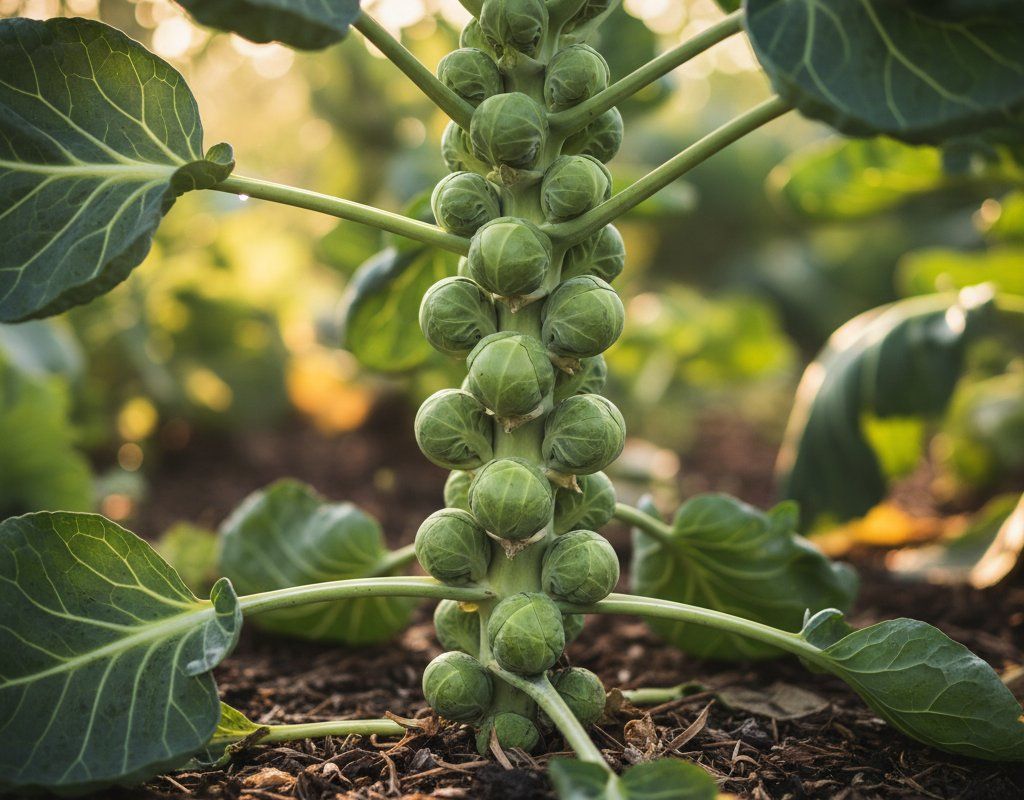
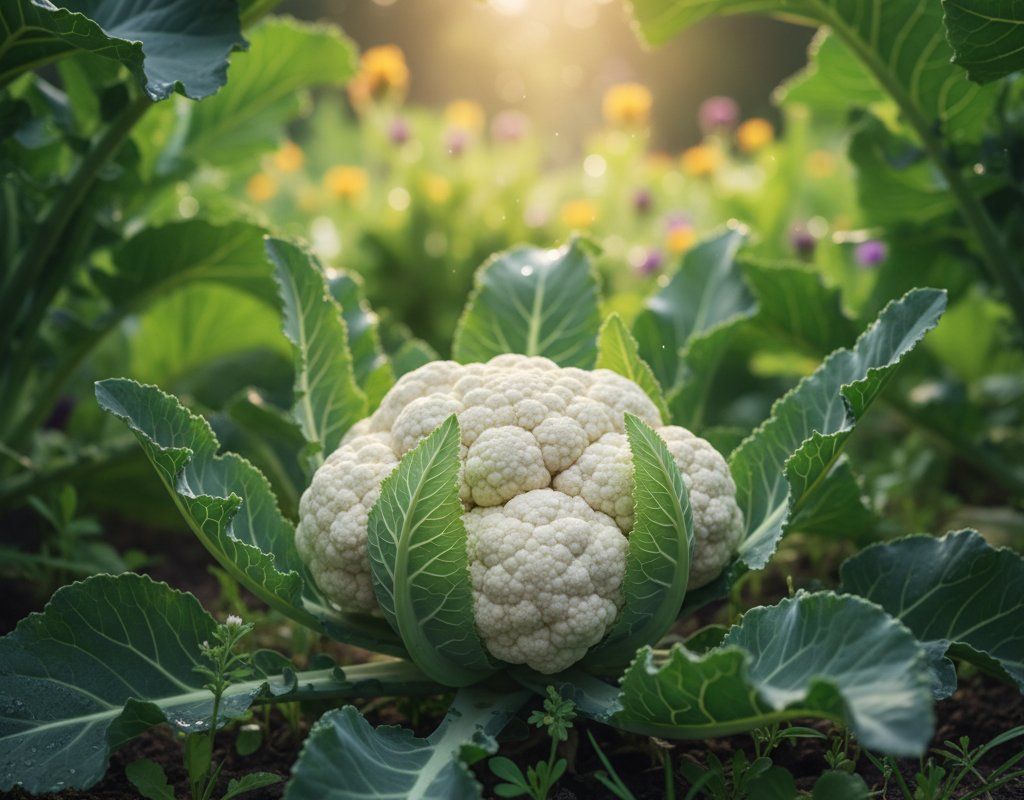
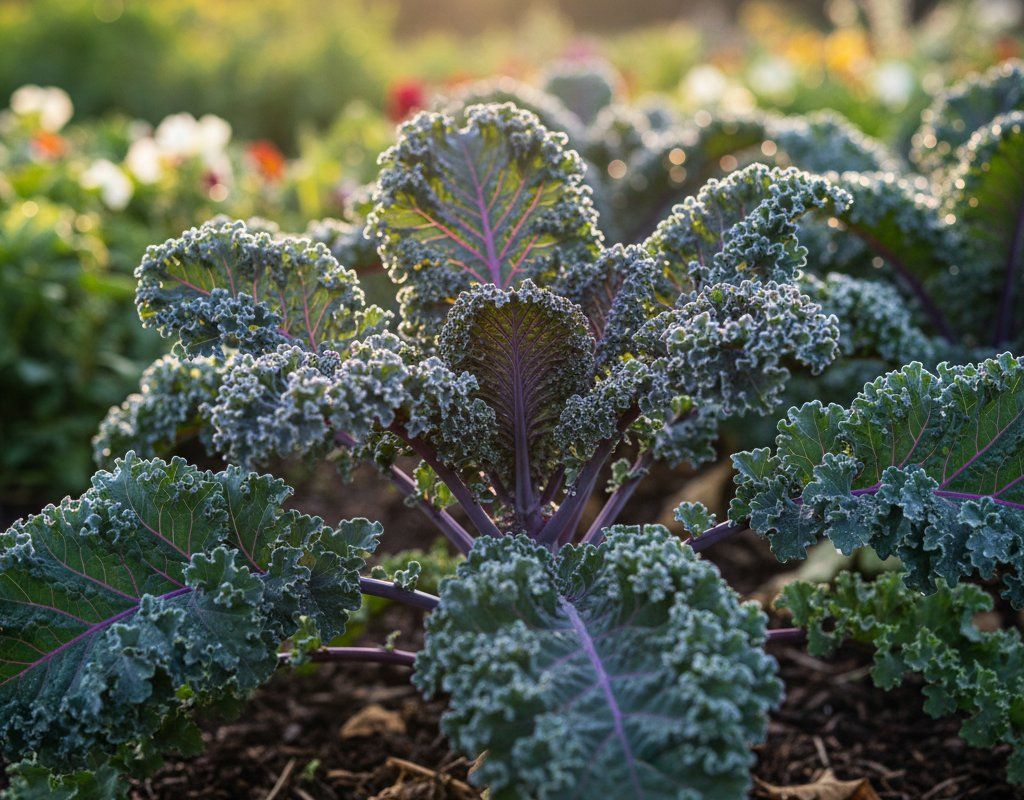
🥦Brassicas (6)


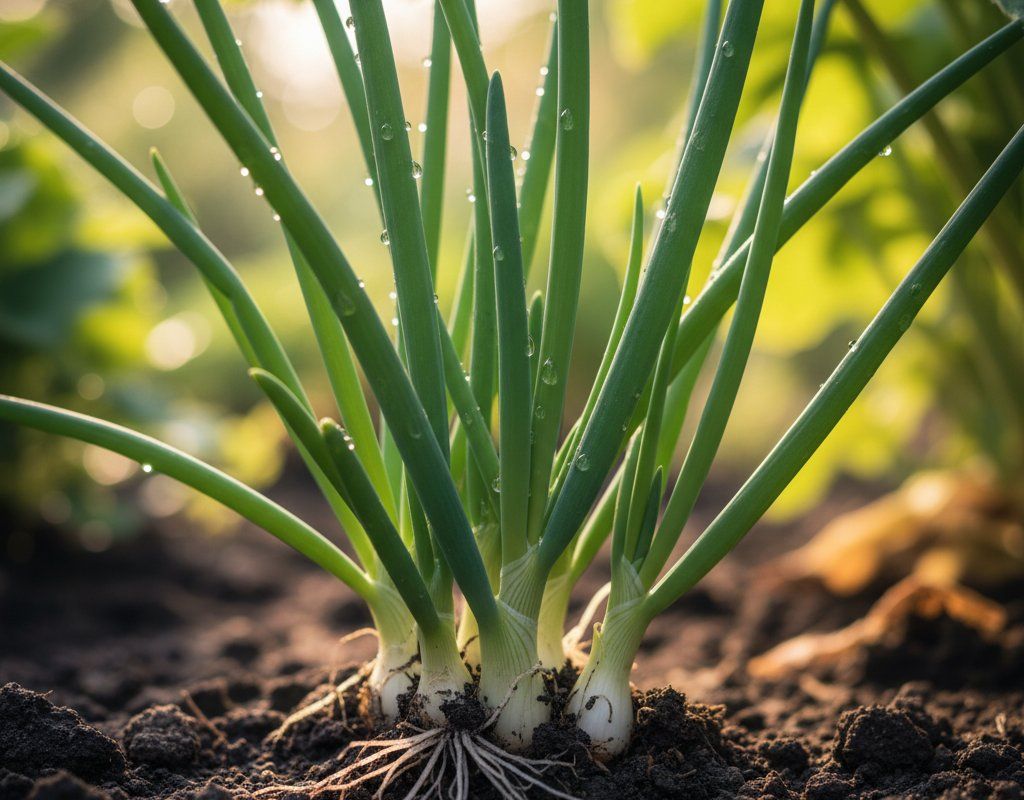
🧅Alliums (3)


🌽Grains (1)

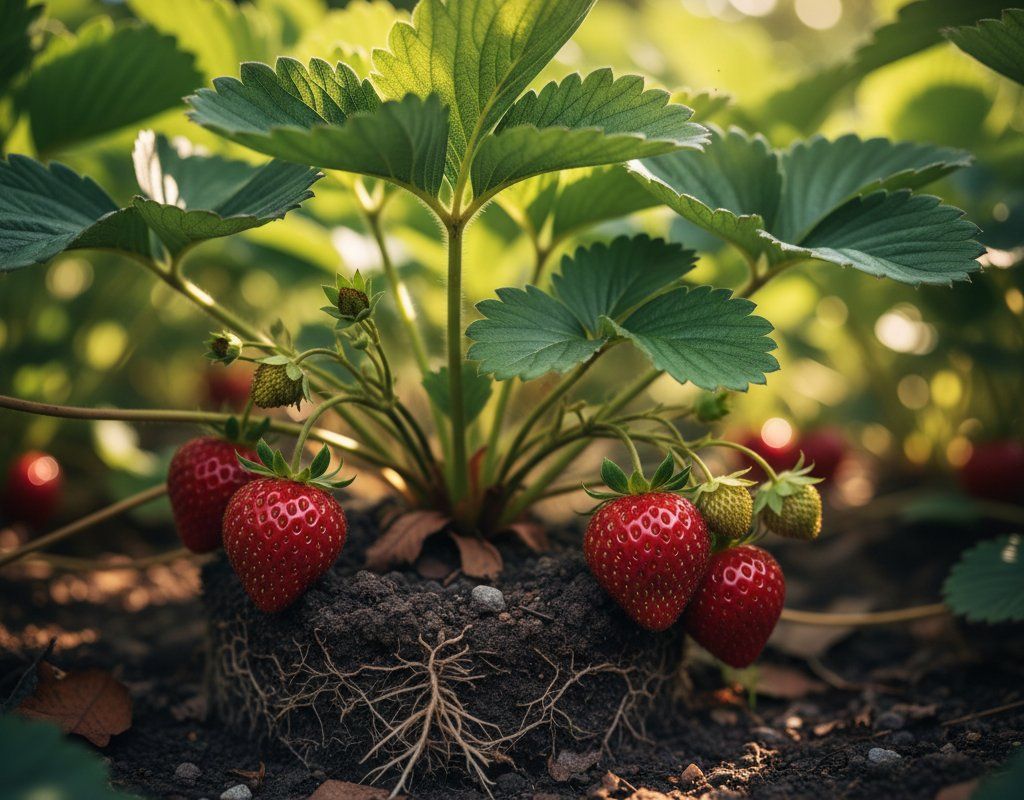
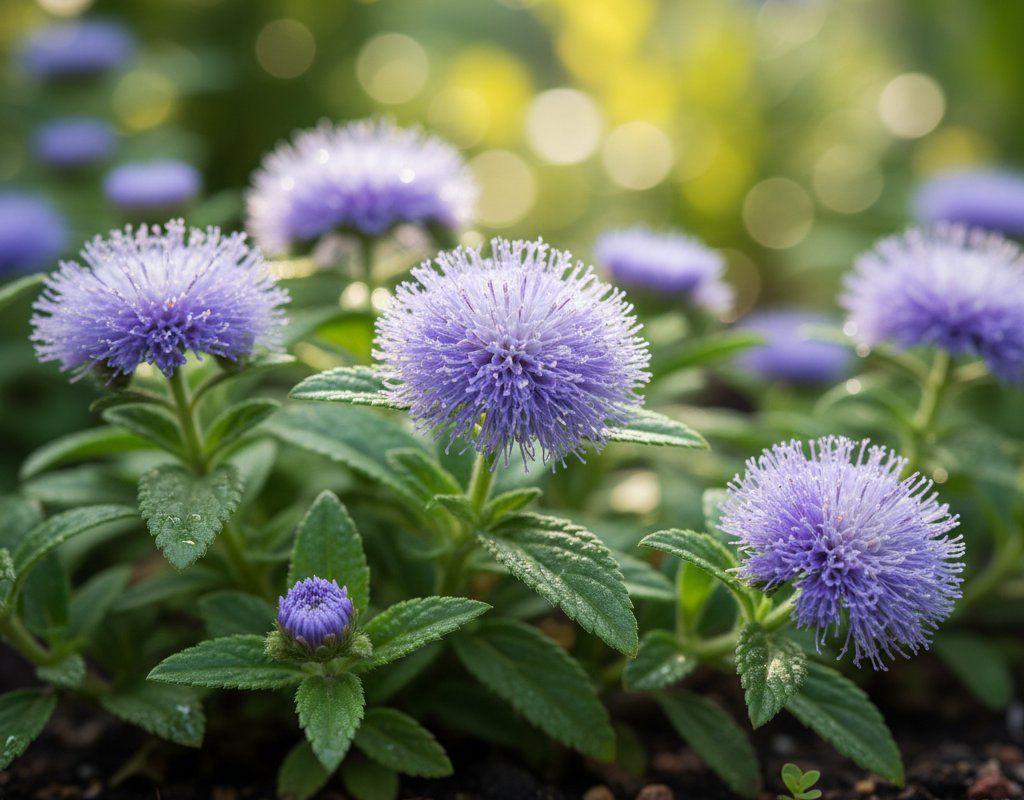
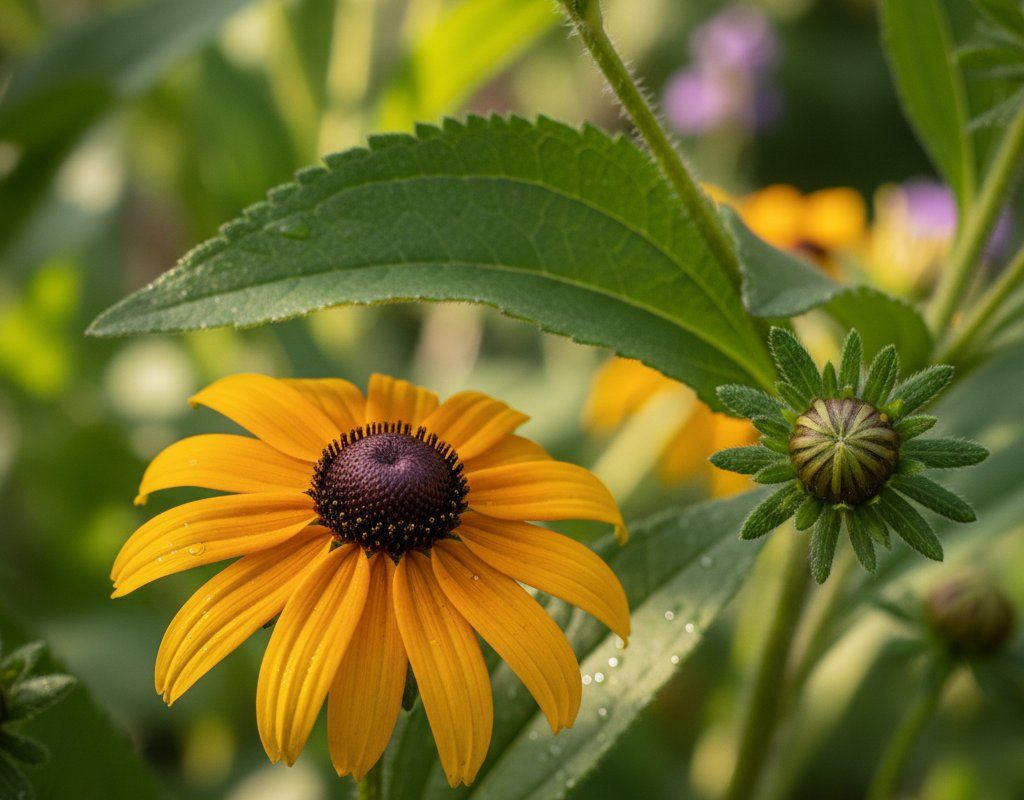
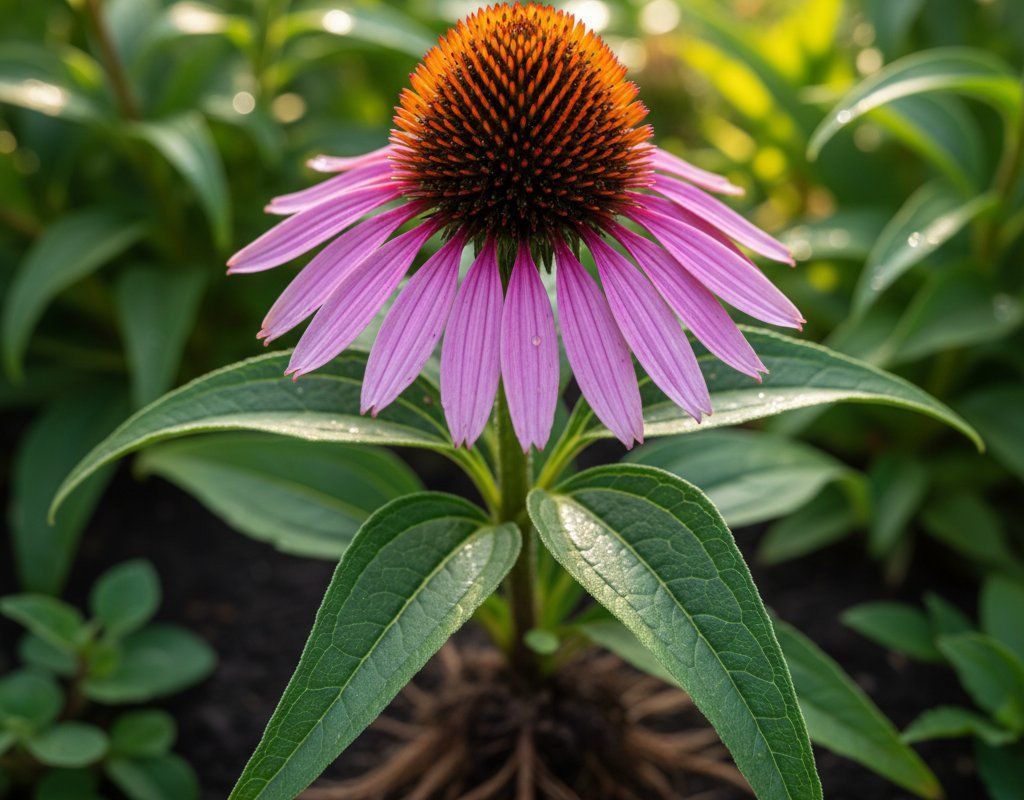
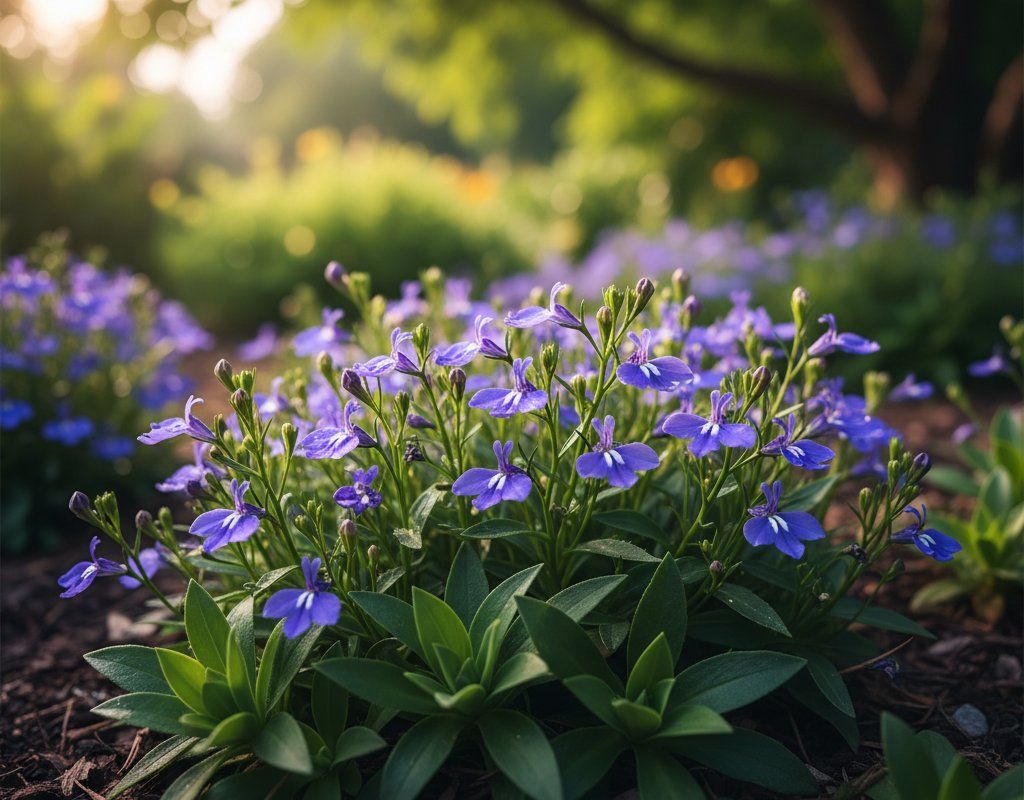
🌸Companion Flowers (20)















Month-by-Month Planting Calendar
What to do each month in your Zone 9A garden.
In January, you're prepping for an early start by planning your garden layout, ordering seeds, and starting heat-loving vegetables like tomatoes and peppers indoors. With minimal frost risk, you can also direct sow cool-season crops like lettuce, spinach, and root vegetables.
February is prime planting time in Zone 9A, with opportunities to transplant cool-season vegetables and start warm-season seedlings indoors. You can directly sow carrots, beets, and radishes, while preparing raised beds and amending soil for spring crops.
March brings substantial planting opportunities, with most cool-season crops already in the ground and warm-season seedlings ready for transplanting. You'll want to set out tomato and pepper transplants, direct sow beans and corn, and continue succession planting of lettuce and greens.
April is a peak planting month, with almost everything possible to grow. You'll transplant heat-loving crops like eggplant and peppers, direct sow squash and melons, and continue harvesting spring greens before temperatures climb too high.
In May, focus on managing heat stress for your crops by providing shade, mulching heavily, and ensuring consistent moisture. You'll continue harvesting spring crops and planting heat-tolerant vegetables like okra, sweet potatoes, and southern peas.
June demands careful water management and heat protection for your garden. Provide shade for sensitive crops, mulch extensively, and focus on early morning or evening gardening to reduce heat stress on both plants and gardeners.
July is the most challenging month for Zone 9A gardening, with intense heat potentially stressing most crops. Focus on heat-tolerant varieties, provide afternoon shade, and maintain consistent soil moisture for surviving plants.
August continues the heat challenge, but you can start planning your fall garden. Begin seeds for fall crops like broccoli, cauliflower, and Brussels sprouts indoors, and prepare to transition away from summer vegetables.
September offers relief from summer heat and excellent planting opportunities for fall and winter crops. Direct sow leafy greens, root vegetables, and begin transplanting cool-season brassicas and herbs.
October is a gardener's dream in Zone 9A, with mild temperatures perfect for establishing fall and winter crops. Plant lettuce, spinach, carrots, and prepare beds for garlic and onions.
November allows continued planting of cool-season crops and preparation for winter gardening. You can still direct sow root vegetables and transplant leafy greens while protecting sensitive plants from occasional cold snaps.
December is ideal for planning next year's garden, ordering seeds, and maintaining winter crops. You'll harvest cool-season vegetables and prepare beds for early spring planting, taking advantage of your zone's mild winter conditions.
Common Challenges in Zone 9A (Florida)
Zone 9A provides roughly 273 frost-free days — nine months of growing. The challenge is that traditional 'summer' vegetables like tomatoes actually struggle during peak summer heat (June-August) when temperatures regularly exceed 100°F.
You essentially have two main growing seasons separated by a brutal summer. Spring growing runs February through May; fall growing runs September through December.
Insect pressure is year-round and intense — aphids, whiteflies, thrips, and leafminers don't get knocked back by hard freezes. Soil-dwelling nematodes can devastate root systems in sandy soils.
Water costs are a real consideration.
Season Extension Tips
Season extension in Zone 9A means bridging the summer heat gap and maximizing your two cool-season windows. Shade structures (50-70% shade cloth) let you grow tomatoes, peppers, and cucumbers deeper into summer.
Grow heat-loving crops like Malabar spinach (which thrives at 100°F), Armenian cucumbers, and yard-long beans during peak heat. Start fall tomato and pepper transplants indoors in July for September planting — this second crop often outproduces your spring crop because pest pressure drops as temperatures cool.
Use frost cloth on the handful of nights that dip below freezing.
Soil Preparation
Building and maintaining soil organic matter is the biggest ongoing challenge. Compost decomposes in weeks during hot weather, so add it frequently and in modest amounts rather than once in large quantities.
Cover crops are your best tool: cowpeas or sorghum-sudan grass in summer add biomass and shade the soil; crimson clover or winter rye in the cooler months add nitrogen and prevent erosion. Raised beds filled with a quality compost-soil blend often outperform in-ground gardens here, especially if native soil is caliche (calcium carbonate hardpan) or deep sand.
Drip irrigation with a timer is essential — hand watering can't keep up during triple-digit heat.