
Borage in Zone 6B — Midwest
Borago officinalis · Your Complete 2026 Planting Guide
Planning Ahead — Great!
You’re ahead of the season. Here’s when to start.
Mark Your Calendar
How to Plant Borage in Zone 6B — Midwest
Here are all your options for getting borage in the ground, from the easiest method to more advanced approaches.
Direct Sow Seeds
RecommendedMid April through early August
around April 15
Consider succession planting every 2-3 weeks for continuous harvest.
Easy to direct sow and self-seeds readily.
Buy Starts
Works WellEarly to late April
around April 1
Plant purchased starts after last frost (April 15).
Start Seeds Indoors
ChallengingThis plant is typically not started indoors.
Transplant Outdoors
Timing InfoEarly to late April
around April 1
Can tolerate light frost, but wait for soil to be workable.
You have a nice window — no need to rush.
Overview
Borage is a fantastic addition to any Midwest garden. Its beautiful blue, star-shaped flowers not only look stunning, but they attract pollinators like crazy, boosting the productivity of your tomatoes, squash, and other favorites. Plus, the leaves have a mild cucumber flavor, perfect for summer salads, and the flowers make a unique garnish for drinks.
Our Midwest weather can be a bit unpredictable, with those late frosts in spring and the occasional summer heat spells. But don't worry, with a 183-day growing season, Borage is quick and adaptable, making it a great choice even with our variable conditions. Timing is key, and we'll get you dialed in.
Transplanting Outdoors
You can transplant Borage seedlings outdoors starting in early April and continuing through late April. Just be sure to harden them off first. Give them about a week of gradually increasing outdoor exposure to acclimate to the sun and wind.
When transplanting, space your Borage plants about 12-18 inches apart. Keep an eye on the Midwest weather forecast – a late frost can still happen in early April. If a frost is predicted, cover your young plants with a frost blanket or overturned pots.
Direct Sowing
Direct sowing is the preferred method for Borage, and it's super easy! You can start sowing seeds mid April and continue through early August for a continuous supply of blooms and leaves. Borage is also known to self-seed readily, so don't be surprised if you find volunteer plants popping up next year.
Prepare your soil by loosening it and removing any weeds. Borage isn't too picky, but it does best in well-drained soil. Sow seeds about 1/2 inch deep and 12-18 inches apart. Keep the soil consistently moist until the seedlings emerge. Soil temperature should be at least 60°F for optimal germination.
Watering Borage in Zone 6B (Midwest)
Borage enjoys moderate watering, which fits well with our Midwest climate. We tend to get decent rainfall throughout the summer, but you'll still need to supplement during drier periods.
A good rule of thumb is to check the soil moisture about 2 inches deep – the "finger test." If it feels dry, it's time to water. Aim for about 1 inch of water per week, either through rainfall or irrigation. Watering at the base of the plant is best, especially with our moderate-to-humid conditions, to avoid creating a humid environment around the leaves that can encourage disease.
Watch for signs of underwatering, such as wilting leaves, or overwatering, such as yellowing leaves. Borage is fairly easy-going, but consistent moisture is key. A layer of mulch, like shredded bark or straw, can help retain moisture and suppress weeds, which is always a plus in our fertile Midwest soil.
🧪Fertilizing Borage
Feeding Schedule
Organic Fertilizer Options
Harvest Time
You can expect your first Borage harvest starting in early June and continuing all the way through late October. Borage is ready to harvest about 55 days after planting. The star-shaped blue flowers are your cue – harvest them when they are fully open.
The young leaves are also edible and have a mild cucumber flavor. Simply snip off the flowers or leaves as needed, being careful not to damage the main stem. Regular harvesting encourages continued production, so don't be shy!
As the first frost approaches in mid- October, you can still harvest any remaining flowers and leaves. Consider letting some plants go to seed to ensure you have plenty of volunteers next year.
Common Problems in Zone 6B (Midwest)
Borage is generally a low-maintenance plant, but there are a few common problems Midwest gardeners might encounter:
Self-seeding aggressively
- What it looks like: Numerous Borage seedlings popping up in unexpected places throughout your garden.
- What causes it: Borage readily self-seeds, and our fertile Midwest soil provides the perfect environment for those seeds to germinate.
- How to fix/prevent it: Deadhead flowers before they go to seed, or pull up unwanted seedlings as they appear. You can also transplant the volunteers to other areas of your garden or share them with friends.
Powdery mildew
- What it looks like: White or grayish powdery coating on leaves, stems, and sometimes flower buds. Leaves may curl, yellow, and eventually die.
- What causes it: Powdery mildew is caused by various fungi that thrive in warm days, cool nights, and moderate humidity – conditions we often experience in the Midwest. Dry leaf surfaces actually favor it.
- How to fix/prevent it: Improve air circulation by spacing plants adequately and pruning if needed. Remove affected leaves promptly. Neem oil or potassium bicarbonate sprays can help control the spread. A milk spray (1 part milk to 9 parts water) is also surprisingly effective.
Can become leggy
- What it looks like: Tall, spindly plants with fewer leaves and flowers, often leaning or falling over.
- What causes it: Insufficient sunlight or overly rich soil can cause Borage to become leggy.
- How to fix/prevent it: Ensure your Borage plants receive at least 6 hours of sunlight per day. If your soil is very rich, consider amending it with sand or perlite to improve drainage and reduce nutrient levels. You can also prune leggy stems to encourage bushier growth.
Midwest Specific Challenges: Our moderate-to-hot summers and moderate-to-humid conditions can create a favorable environment for powdery mildew. Be sure to provide good air circulation and monitor your plants regularly. The wet-summer rainfall we experience can also contribute to self-seeding, so be diligent about deadheading if you want to control its spread.
Best Companions for Borage
Plant these nearby for healthier Borage and better harvests.
View Full Companion Planting Chart →



Companion Planting Details
Borage makes a great companion plant for several vegetables and herbs in the Midwest garden. It attracts pollinators and beneficial insects, and is thought to deter certain pests.
Good companions include:
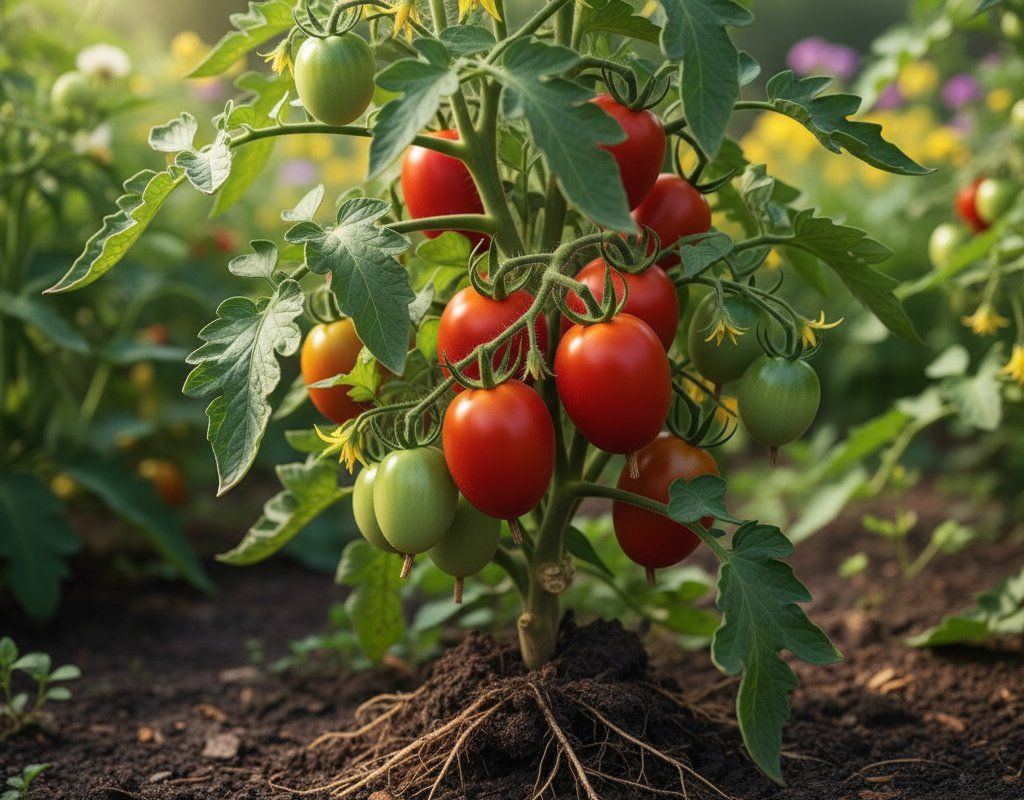
- Tomatoes: Borage is believed to improve tomato growth and flavor.
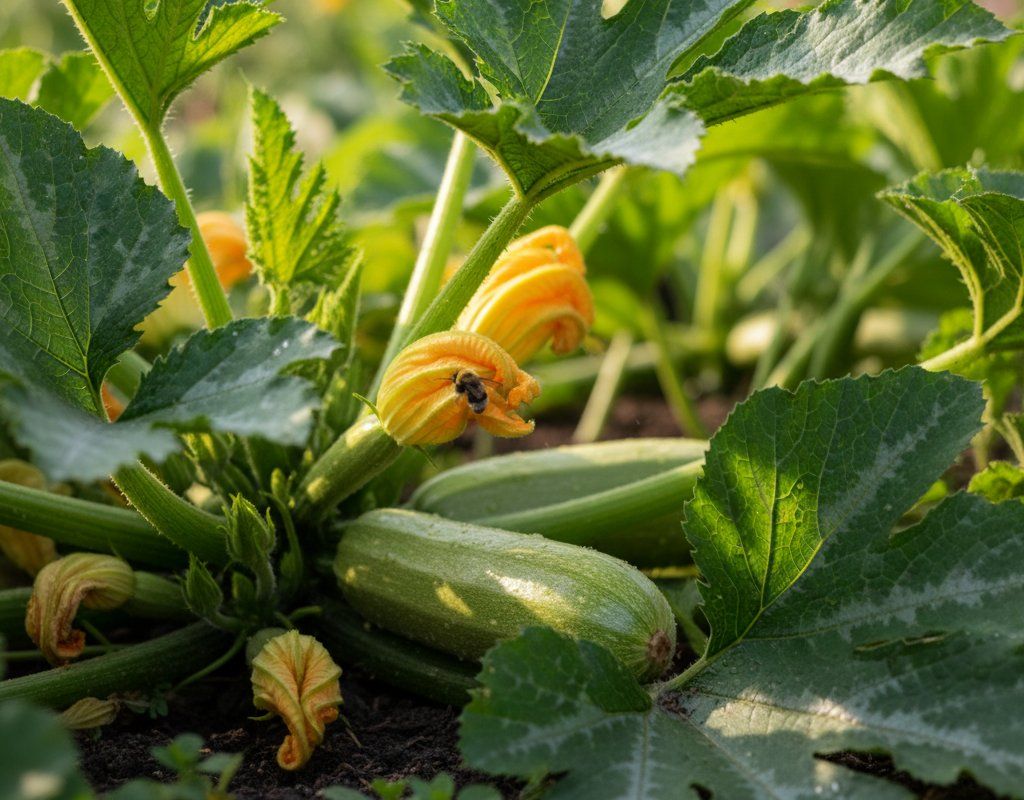
- Squash: Attracts pollinators to improve squash yields.
- Strawberries: Borage is said to deter strawberry pests.
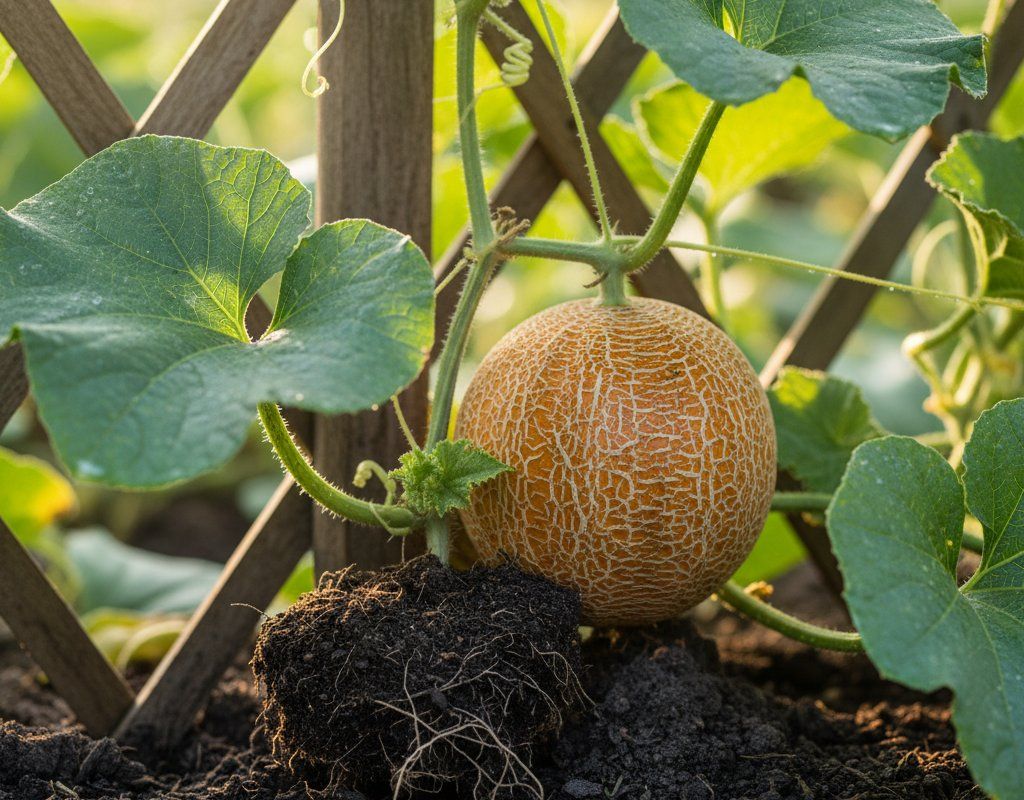
- Cucumbers: The cucumber flavor of Borage leaves makes them a natural pairing, and Borage attracts pollinators to boost cucumber production.
Avoid planting Borage near anything that is prone to the same pests and diseases, or plants that require very dry conditions.
🥬Best Vegetables to Pair With Borage
Borage benefits these vegetables through pest control, pollinator attraction, or improved garden health.


Get a Reminder When It's Time to Plant
We'll email you when key planting windows open for your zone.