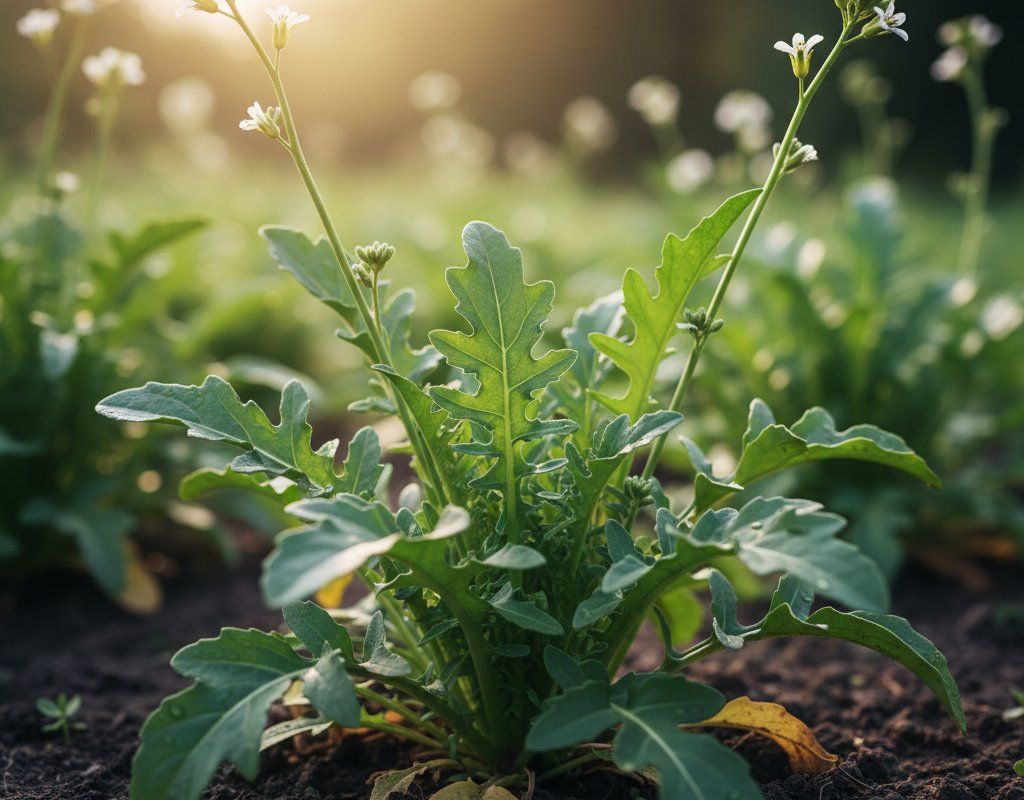
Arugula in Zone 6B — Midwest
Eruca vesicaria · Your Complete 2026 Planting Guide
Ideal Time: Start Seeds Indoors!
This is the perfect time for the biggest, best harvest.
Start Seeds Now
- Start seeds in trays or pots with seed-starting mix
- Keep soil moist and warm (70-80°F)
- Transplant outdoors Early April through mid May
Not Starting from Seed?
Buy starts around April 1 — that works great too!
How to Plant Arugula in Zone 6B — Midwest
Here are all your options for getting arugula in the ground, from the easiest method to more advanced approaches.
Direct Sow Seeds
RecommendedMid March through late August
around March 18
Consider succession planting every 2-3 weeks for continuous harvest.
Fast-growing and easy to direct sow. Bolts in heat — plant in cool weather.
Start Seeds Indoors
RecommendedEarly to late March
around March 11
Then transplant: Early April through mid May
Start seeds 3-5 weeks before transplanting outdoors.
Buy Starts
Works WellEarly April through mid May
around April 1
Plant purchased starts after last frost (April 15).
Transplant Outdoors
Timing InfoEarly April through mid May
around April 1
Can tolerate light frost, but wait for soil to be workable.
You have a nice window — no need to rush.
Fall Planting
Mid August through mid September
September 3 ideal · Direct sow for fall harvest
Plant a second crop in mid-summer for fall harvest. Arugula actually prefers the cooling temperatures of fall.
Overview
Arugula is a fantastic addition to any Midwest garden. Its peppery bite adds zest to salads and sandwiches, and it's surprisingly versatile in cooked dishes. Plus, you can harvest it continuously throughout our long growing season, from late spring right through the fall.
Sure, our Midwest weather can be unpredictable, with those summer heat spells and occasional tornadoes. But arugula is quick to mature, so you can easily time your plantings to avoid the worst of the heat. With our roughly 183-day growing season, you'll have plenty of opportunities to enjoy this leafy green.
Starting Seeds Indoors
Starting arugula indoors isn't essential, but it can give you a jump start, especially if you're eager for an early harvest. If you want to try it, sow seeds indoors early to late March, about 3 weeks before you plan to transplant. This is especially helpful given our moderate-to-late spring.
Use seed trays or small pots filled with good quality seed-starting mix. Keep them warm and provide plenty of light – a grow light works wonders. Water from the bottom to avoid damping off; just set the tray in a shallow dish of water until the surface of the soil is moist.
Transplanting Outdoors
Transplant your arugula seedlings outdoors early April through mid May, once the soil has warmed up a bit. Be sure to harden them off first. Give them about a week of gradually increasing outdoor exposure to acclimate them to the sun and wind.
Space your plants about 6 inches apart in rows. Keep an eye on the forecast; we sometimes get a late frost in the Midwest even in early April, so be ready to cover your seedlings if needed.
Direct Sowing
Direct sowing is the easiest and most common way to grow arugula in the Midwest. You can sow seeds mid March through late August for a continuous supply. Arugula germinates best in cool soil, so early spring and late summer plantings tend to be the most successful.
Prepare your soil by loosening it and removing any rocks or debris. Sow seeds about ¼ inch deep and space them about 6 inches apart. Thin seedlings as needed to maintain proper spacing. Just remember, arugula bolts in the heat, so focus on planting during our cooler periods.
Watering Arugula in Zone 6B (Midwest)
Arugula needs consistent moisture, especially during our moderate-to-hot Midwest summers. Aim to keep the soil evenly moist, but not waterlogged. Dry conditions can intensify the peppery flavor (which some people like!), but can also stress the plants.
During the spring and fall, when temperatures are cooler and rainfall is more frequent, you might only need to water once or twice a week. In the heat of summer, you may need to water every day or every other day, especially if we're experiencing a dry spell. Stick your finger about 2 inches into the soil; if it feels dry, it's time to water. As a general rule, give your arugula patch about 1 inch of water per week, either from rainfall or irrigation. With our moderate-to-humid climate, it's best to water at the base of the plants to avoid creating overly humid conditions that can lead to fungal diseases.
Wilting leaves are a sign of underwatering, while yellowing leaves can indicate overwatering. A light layer of mulch, like straw or shredded leaves, can help retain moisture and keep the soil cool during our summer heat spells.
🧪Fertilizing Arugula
Feeding Schedule
Organic Fertilizer Options
Harvest Time
You can expect your first arugula harvest about 40 days after planting, which means late April through late October if you stagger your sowings. The leaves are ready to harvest when they're about 2-3 inches long. Smaller leaves have a milder flavor, while larger leaves are more peppery.
To harvest, simply snip off the outer leaves with scissors or your fingers, leaving the inner leaves to continue growing. This encourages continuous production. As the end of the season approaches and our first frost looms in mid- October, harvest any remaining leaves, even if they're a bit larger than usual. They'll still taste great in salads or cooked dishes.
Common Problems in Zone 6B (Midwest)
Here are some common problems you might encounter growing arugula in the Midwest:
Flea Beetles
- What it looks like: Tiny round holes (shot-hole pattern) in leaves, especially on young seedlings. You might see small dark beetles jumping when disturbed.
- What causes it: These small, jumping beetles feed on the leaves, causing damage. They are most damaging to young, small plants.
- How to fix/prevent it: Cover seedlings with row covers to protect them. Delay planting until plants are larger and more resilient. You can also try spraying with kaolin clay or neem oil. Interplanting with basil or catnip can help deter them.
Bolting in Heat
- What it looks like: The plant sends up a flower stalk. The leaves become tough and bitter, and harvest quality declines.
- What causes it: Extended warm temperatures cause arugula, a cool-season crop, to bolt. This is common during our summer heat spells.
- How to fix/prevent it: Time your plantings for cooler weather in spring and fall. Choose bolt-resistant varieties. Provide shade during warm spells. Mulch to keep the soil cool. Harvest leaves frequently to delay bolting.
Aphids
- What it looks like: Clusters of tiny green, black, or white insects on stems and leaf undersides. You might notice a sticky honeydew residue or curled, distorted new growth.
- What causes it: These sap-sucking insects reproduce rapidly, especially in warm weather.
- How to fix/prevent it: Knock them off with a strong spray of water. Encourage natural predators like ladybugs and lacewings. Use insecticidal soap for heavy infestations. Avoid over-fertilizing with nitrogen.
Downy Mildew
- What it looks like: Yellow patches on leaf tops with fuzzy gray-purple growth on undersides. Leaves brown and die from the bottom up.
- What causes it: This oomycete pathogen spreads in cool, humid conditions via wind-carried spores.
- How to fix/prevent it: Remove affected leaves immediately. Improve air circulation by spacing plants properly. Water at the base of the plants, avoiding overhead watering. Consider using copper-based fungicides preventatively.
Midwest Specific Challenges: Our moderate-to-hot summers and moderate-to-humid conditions can exacerbate bolting and downy mildew. Be sure to time your plantings carefully and provide adequate air circulation to minimize these problems. Our wet-summer rainfall can also increase the risk of fungal diseases, so water at the base of the plants whenever possible.
Best Companions for Arugula
Plant these nearby for healthier Arugula and better harvests.





Keep Away From
Companion Planting Details
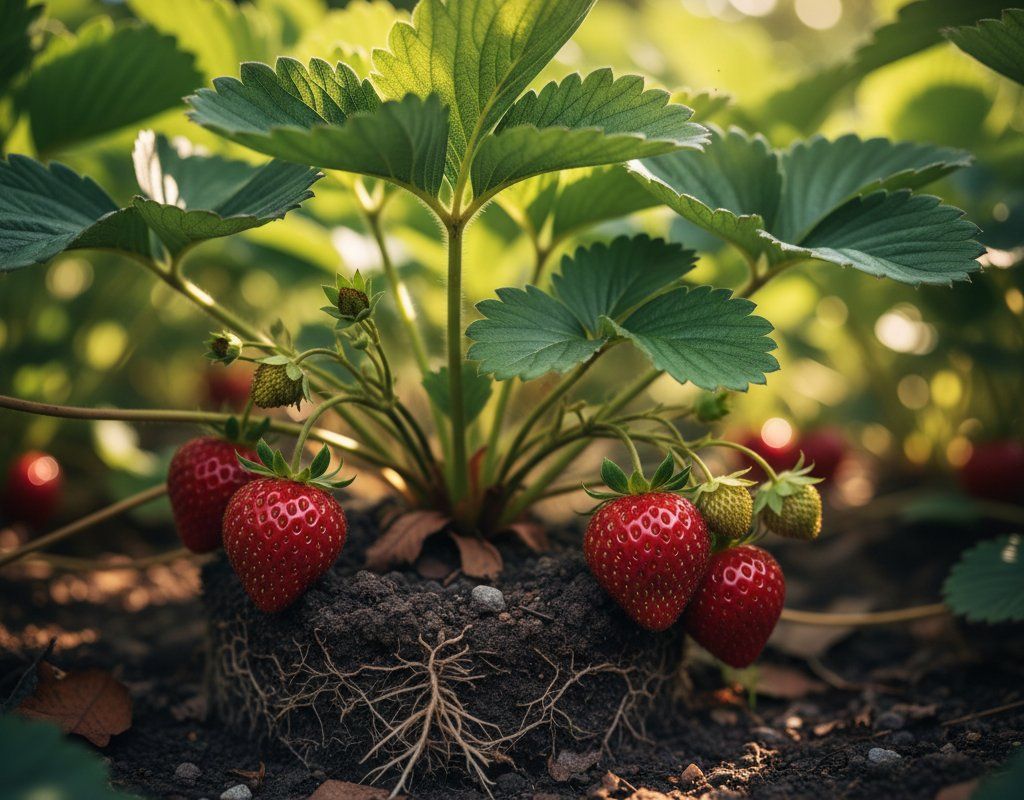
Arugula benefits from companion planting! Lettuce and spinach are good companions because they share similar growing requirements and can help shade the soil, keeping it cool. Carrots and beets loosen the soil, which benefits arugula's root growth. Onions deter pests that might bother arugula. Avoid planting arugula near strawberries, as they compete for the same nutrients and can attract pests that affect both plants.
🌸Best Flowers to Plant with Arugula
These flowers protect your Arugula from pests and attract pollinators for better harvests.
For Pest Control



For Pollinators

Get a Reminder When It's Time to Plant
We'll email you when key planting windows open for your zone.