
Carrot in Zone 6B — Midwest
Daucus carota · Your Complete 2026 Planting Guide
Planning Ahead — Great!
You’re ahead of the season. Here’s when to start.
Mark Your Calendar
How to Plant Carrot in Zone 6B — Midwest
Here are all your options for getting carrot in the ground, from the easiest method to more advanced approaches.
Direct Sow Seeds
RecommendedEarly April through late July
around April 1
Consider succession planting every 2-3 weeks for continuous harvest.
Carrots have a taproot and don't transplant. Direct sow only.
Buy Starts
Works WellEarly to late April
around April 1
Plant purchased starts after last frost (April 15).
Start Seeds Indoors
ChallengingThis plant is typically not started indoors.
Transplant Outdoors
Timing InfoEarly to late April
around April 1
Can tolerate light frost, but wait for soil to be workable.
You have a nice window — no need to rush.
Fall Planting
Late July through late August
August 13 ideal · Direct sow for fall harvest
Plant a second crop in mid-summer for fall harvest. Carrot actually prefers the cooling temperatures of fall.
Overview
Growing carrots in the Midwest gives you that sweet, earthy crunch that store-bought varieties simply can't match. Our fertile Zone 6B soil is perfect for developing those deep, complex flavors that make carrots worth the wait, and with our reliable growing season, you can enjoy fresh carrots from early summer clear through fall. Whether you're adding them to pot roasts during our long winters or munching them fresh from the garden during summer heat spells, homegrown carrots bring incredible versatility to your kitchen.
Our Midwest weather can throw some curveballs with late spring frosts and variable temperatures, but carrots are surprisingly forgiving once you get the timing right. With our generous 183-day growing season and typically adequate rainfall, you have plenty of opportunities to succession plant for continuous harvests. The key is working with our clay-heavy soil and timing your plantings around our weather patterns.
Transplanting Outdoors
Carrots don't transplant well due to their long taproot, which easily breaks or becomes deformed when disturbed. While you can technically transplant carrot seedlings during early to late April in the Midwest, you'll get much better results with direct sowing.
If you absolutely must transplant (perhaps you started seeds indoors during a harsh winter), do it when the seedlings are very young with just their first true leaves. Harden them off gradually over a week, bringing them outside for longer periods each day to adjust to our variable spring weather. Space them 2-3 inches apart in loose, well-worked soil.
The reality is that transplanted carrots often develop forked, stunted, or twisted roots. Our fertile Midwest soil is perfect for direct sowing, so save yourself the hassle and plant seeds directly in the garden instead.
Direct Sowing
Direct sowing is absolutely the way to go with carrots in our Zone 6B climate. You can start sowing from early April through late July, giving you multiple chances for succession planting throughout our growing season. Wait until soil temperatures reach at least 45°F - this usually happens by mid-April in most Midwest locations.
Prepare your soil by working it deeply to at least 8-10 inches, breaking up any clay clumps that are common in our region. Carrots need loose, rock-free soil to develop straight roots. If you're dealing with heavy clay, consider creating raised beds filled with a loose potting mix. Sow seeds about 1/4 to 1/2 inch deep and keep them consistently moist.
Space your final carrots 2-3 inches apart, but sow more densely initially since carrot seeds have variable germination rates. Thin seedlings when they're about 2 inches tall, using the thinnings in salads. For continuous harvests, make new sowings every 2-3 weeks through late July - this timing ensures your last planting matures before our first frost in mid-October.
Watering Carrot in Zone 6B (Midwest)
Consistent moisture is absolutely critical for carrot success, especially during the first 2-3 weeks when seeds are germinating. Keep the soil surface damp but not waterlogged during this period - carrot seeds are tiny and can wash away with heavy watering. Our moderate-to-humid Midwest summers help with this, but you'll still need to monitor closely.
Once established, carrots need about 1 inch of water per week, including rainfall. Given our typical 30-40 inches of annual precipitation, you'll often have nature's help, but summer heat spells can quickly dry out the soil surface where carrots are developing. Use the finger test - stick your finger 2 inches into the soil near the plants. If it's dry at that depth, it's time to water.
Water at soil level rather than overhead when possible. Our moderate-to-humid conditions can promote fungal issues if foliage stays wet too long, especially during muggy summer nights. Inconsistent watering causes problems too - alternating between dry and wet conditions leads to cracking and splitting of the roots.
A 2-3 inch layer of mulch helps maintain even moisture and keeps our clay soil from forming a crust that blocks small carrot seedlings. Straw or shredded leaves work well in our climate, helping retain moisture during hot spells while still allowing air circulation during humid periods.
🧪Fertilizing Carrot
Feeding Schedule
Organic Fertilizer Options
Harvest Time
Your first carrots should be ready for harvest about 70 days after sowing, which means early June for spring plantings and continuing through late October for succession crops. You'll know they're ready when the carrot tops become visible at the soil surface and measure about 3/4 inch across. Baby carrots can be harvested even smaller if you prefer them tender.
Harvest by gently pulling the carrot straight up, or better yet, loosen the soil around each carrot first with a fork to avoid snapping the root. Our clay soil can hold onto carrots pretty tightly, especially during dry periods. If the greens break off, carefully dig around the carrot with your hands to extract the root.
Fall carrots actually improve in flavor after a few light frosts, becoming sweeter as starches convert to sugars. You can leave them in the ground well into autumn, even harvesting them in late October or early November before our first hard freeze. The cool nights and warm days of Midwest fall are perfect for developing that deep, sweet carrot flavor.
Before our first hard frost in mid-October, either harvest your remaining carrots or cover them with a thick layer of mulch. This extends your harvest window by several weeks, letting you enjoy fresh carrots even as winter approaches. Store harvested carrots in your refrigerator with the tops removed - they'll keep for weeks in our region's typical cool, dry basement conditions.
Common Problems in Zone 6B (Midwest)
Forking shows up as carrots that split into multiple "fingers" instead of growing straight and smooth. You'll pull up what looks like a carrot octopus rather than the neat, tapered root you expected. This happens when the growing taproot hits an obstacle like a rock, compacted clay layer, or chunk of fresh manure and divides to grow around it. Our heavy Midwest clay soil makes this especially common. Fix this by deeply working your soil to at least 10 inches, removing all rocks and debris. If you're stuck with heavy clay, build raised beds with loose potting mix. Never use fresh manure - stick to well-composted materials that won't create soil obstacles.
Carrot rust fly creates rusty brown tunnels throughout your carrot roots, making them inedible. You'll see small dark flies hovering around your plants in late spring and summer, and affected plants may wilt despite adequate moisture. The larvae tunnel into developing roots, ruining your harvest. Row covers provide the best protection - install them immediately after seeding and keep them on until harvest. You can also delay spring planting until late April to miss the first generation of flies. Interplanting with onions helps confuse the flies with competing scents, and avoid thinning during peak fly activity since bruised carrot foliage attracts them.
Green shoulders appear as green coloring on the top portion of otherwise orange carrots where they've pushed above the soil line. While safe to eat, these green parts taste bitter and look unappealing. This happens naturally as carrots mature and their shoulders expand above ground level, especially in loose soil. Prevent this by hilling soil or mulch over any exposed carrot tops as they develop, similar to hilling potatoes. Check your carrot rows regularly during the growing season and cover any shoulders that start showing.
Midwest Specific Challenges: Our moderate-to-hot summers and moderate-to-humid conditions create perfect breeding grounds for soil pests, while our clay soils contribute to forking and poor germination. The combination of wet summers and heavy soil can also cause root rot if drainage isn't adequate. Focus on soil improvement and consistent moisture management to avoid most carrot problems in our region.
Best Companions for Carrot
Plant these nearby for healthier Carrot and better harvests.

Keep Away From
Companion Planting Details
Carrots pair beautifully with lettuce in the Midwest garden - the lettuce provides light shade for carrot seedlings during hot summer days while making efficient use of space between slower-growing carrot rows. Onions make excellent companions too, as their strong scent helps confuse carrot rust flies while their shallow roots don't compete with carrots' deep taproots. Plant them in alternating rows or intermixed throughout your carrot bed.
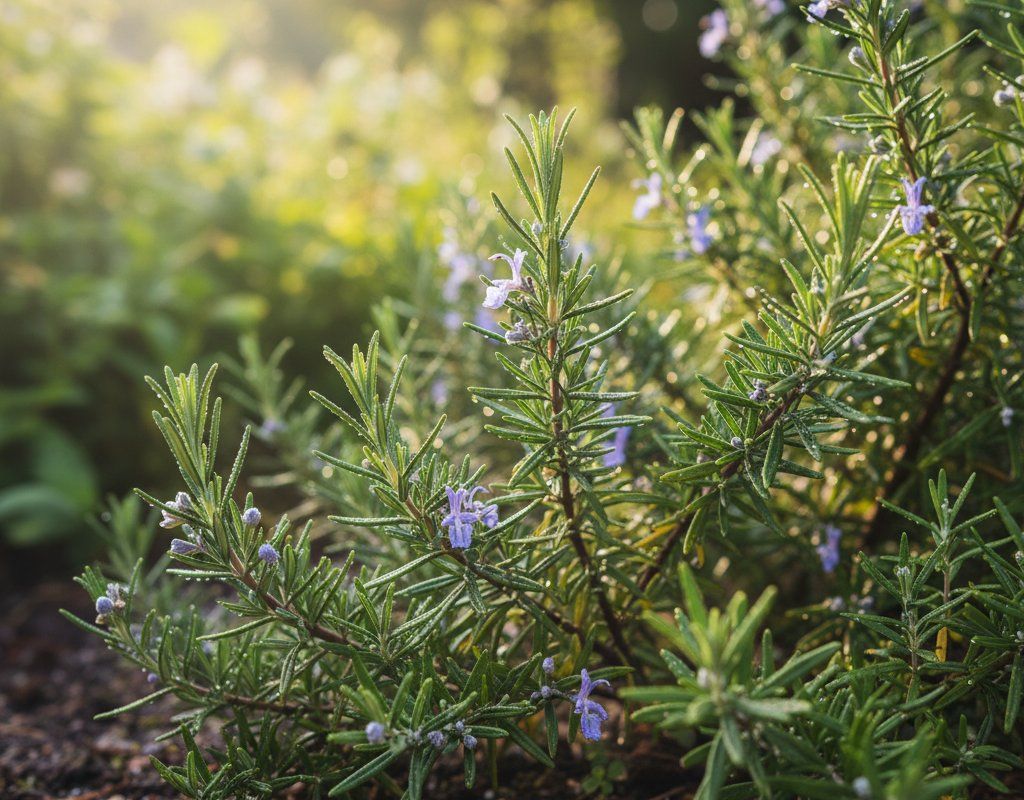
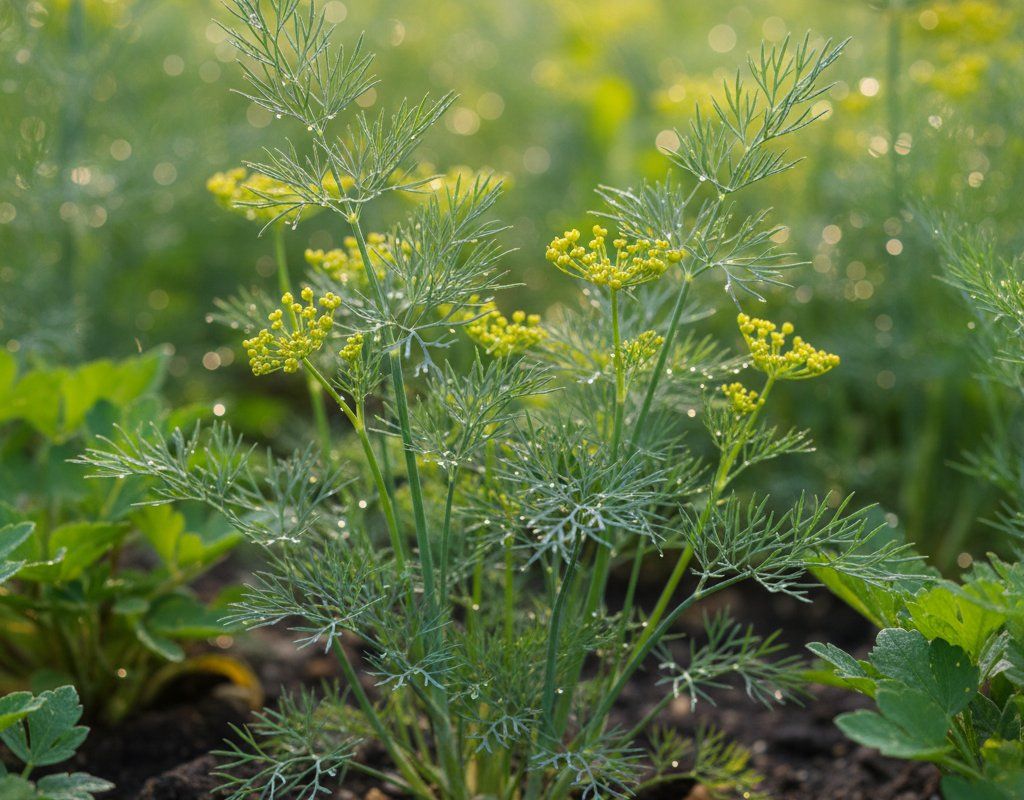
Tomatoes work well near carrots since both crops enjoy our warm summer weather, and the tall tomato plants provide afternoon shade during heat spells. Rosemary planted at the ends of carrot rows helps repel various pests while thriving in our Zone 6B conditions. Avoid planting carrots near dill, as it can cross-pollinate and reduce carrot flavor if you're saving seeds. Also skip parsnips nearby - they're in the same family and attract similar pests, potentially doubling your problems with carrot rust flies and other issues common in our Midwest climate.
🌸Best Flowers to Plant with Carrot
These flowers protect your Carrot from pests and attract pollinators for better harvests.


Get a Reminder When It's Time to Plant
We'll email you when key planting windows open for your zone.