Gardening in Zone 4B — Midwest
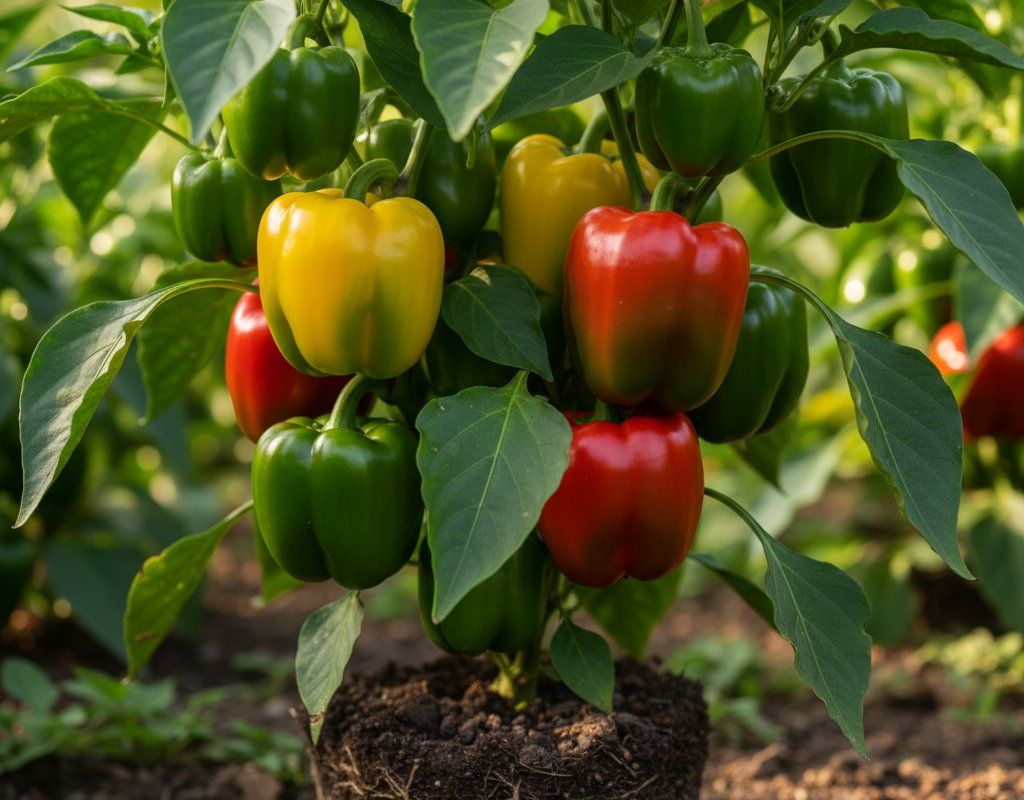
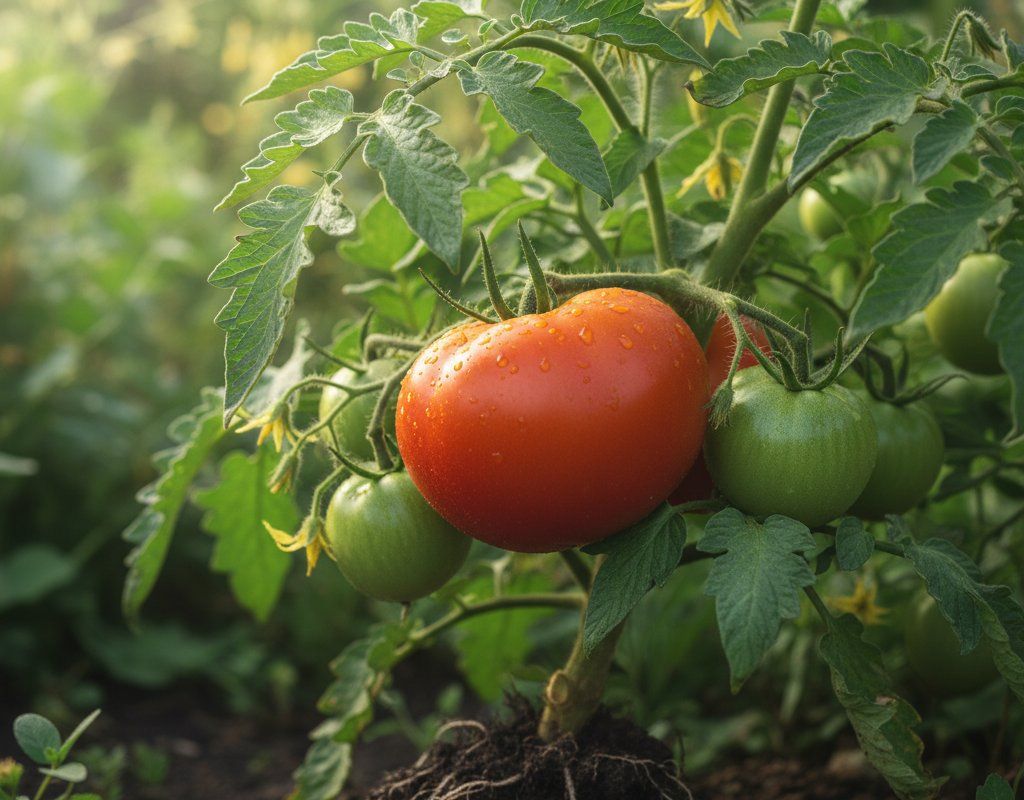
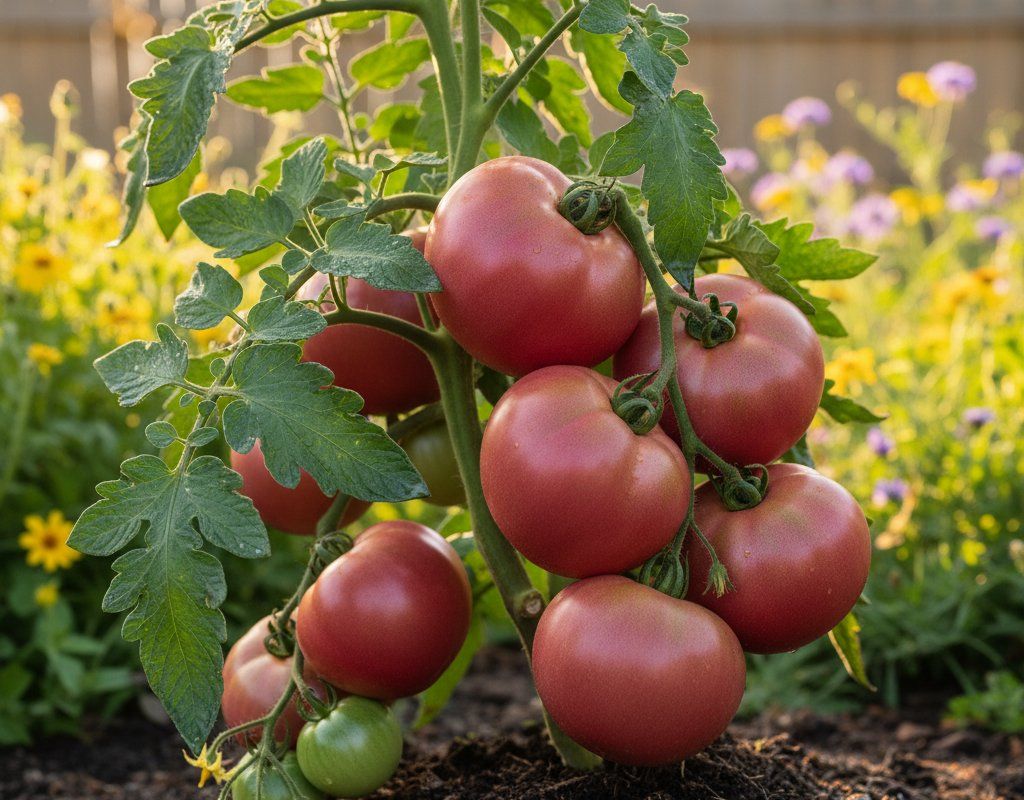
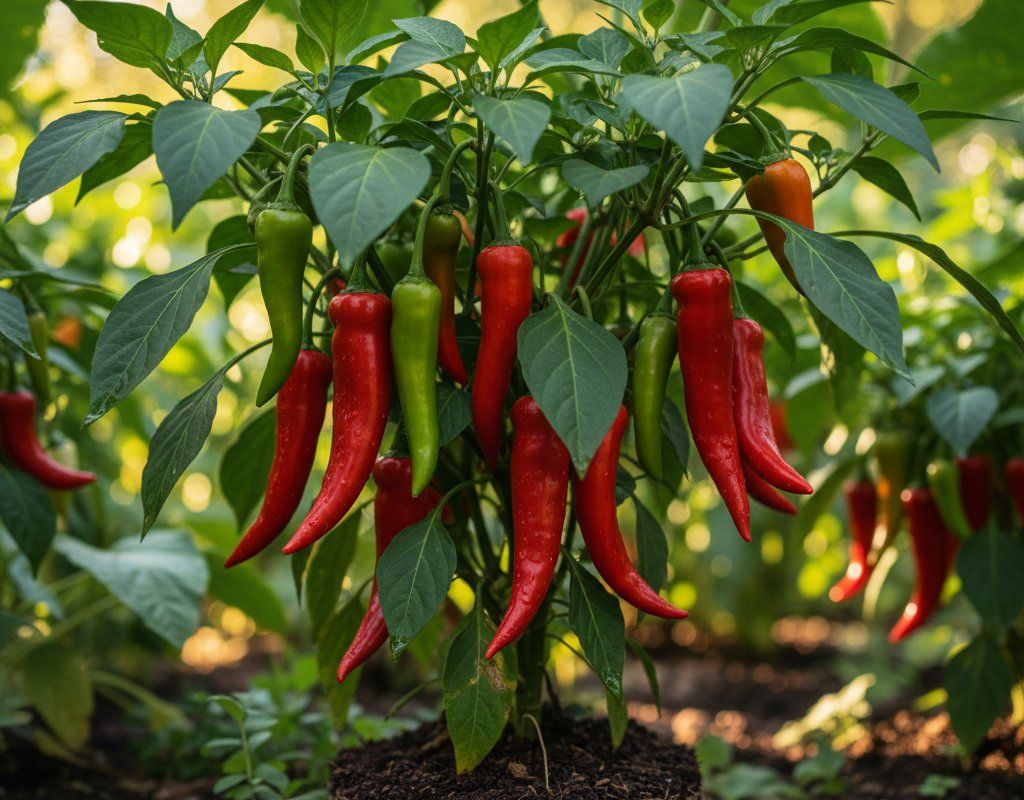
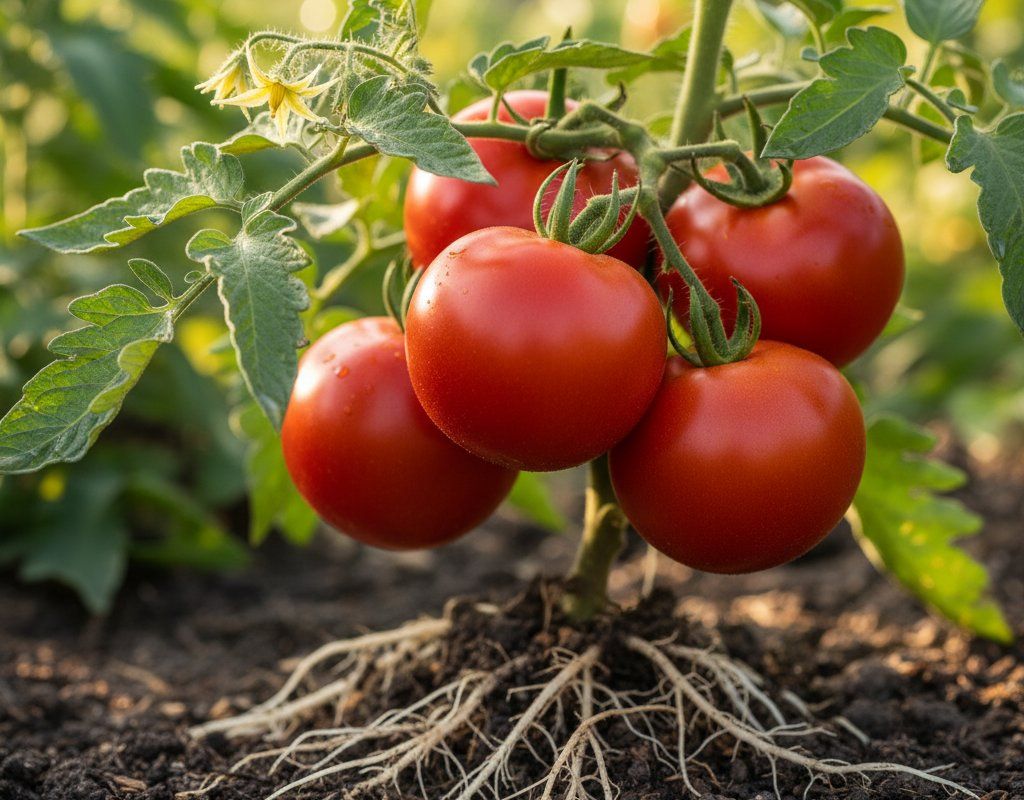
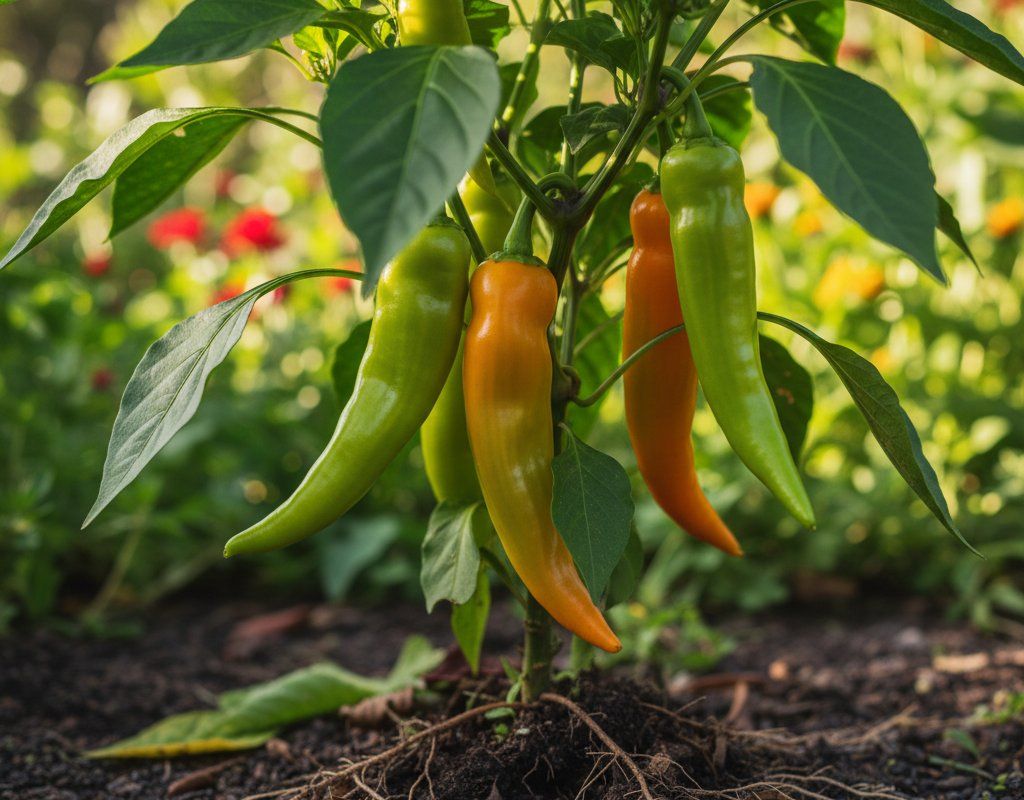
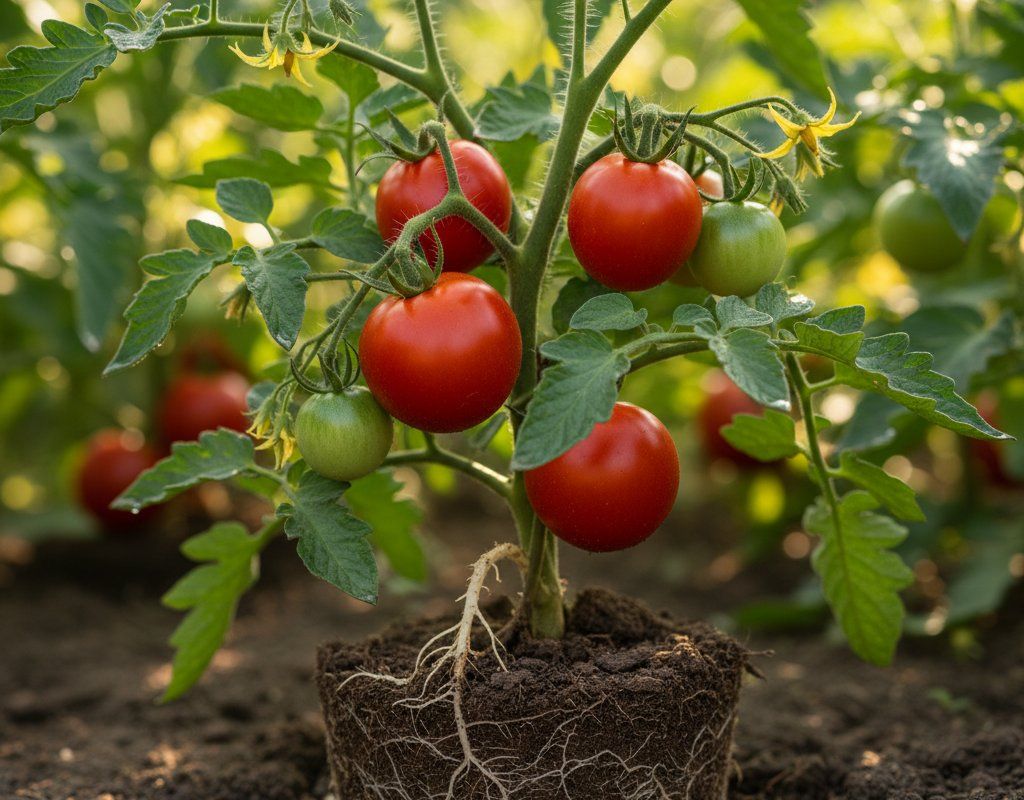
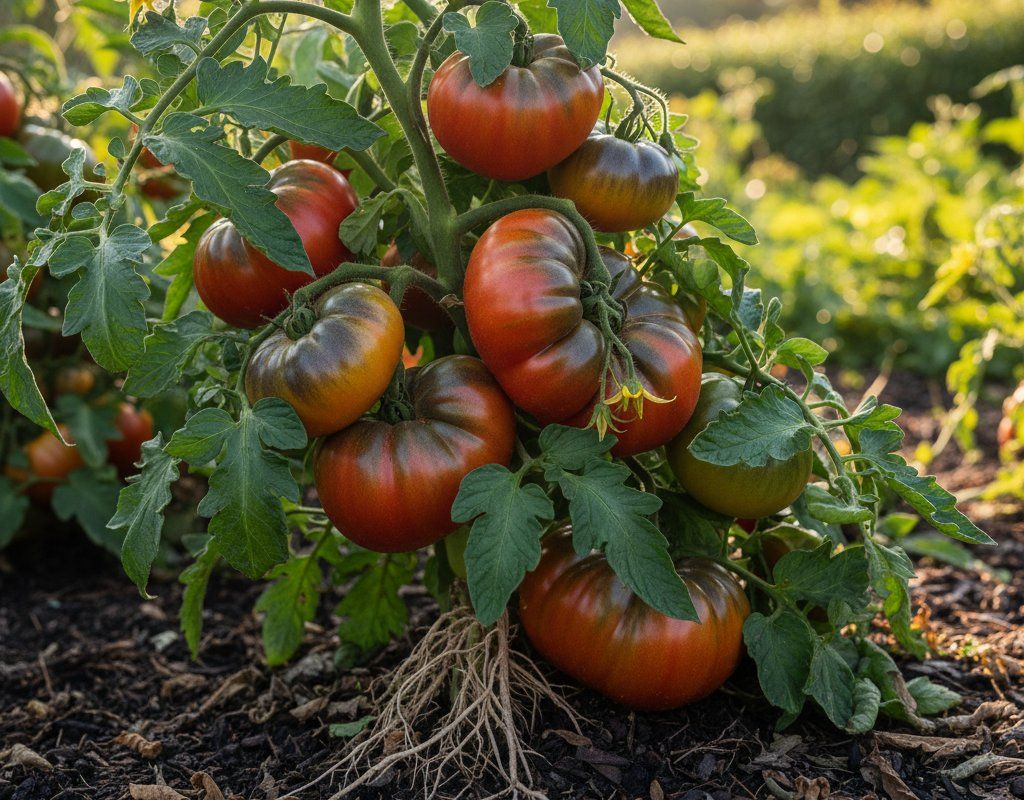
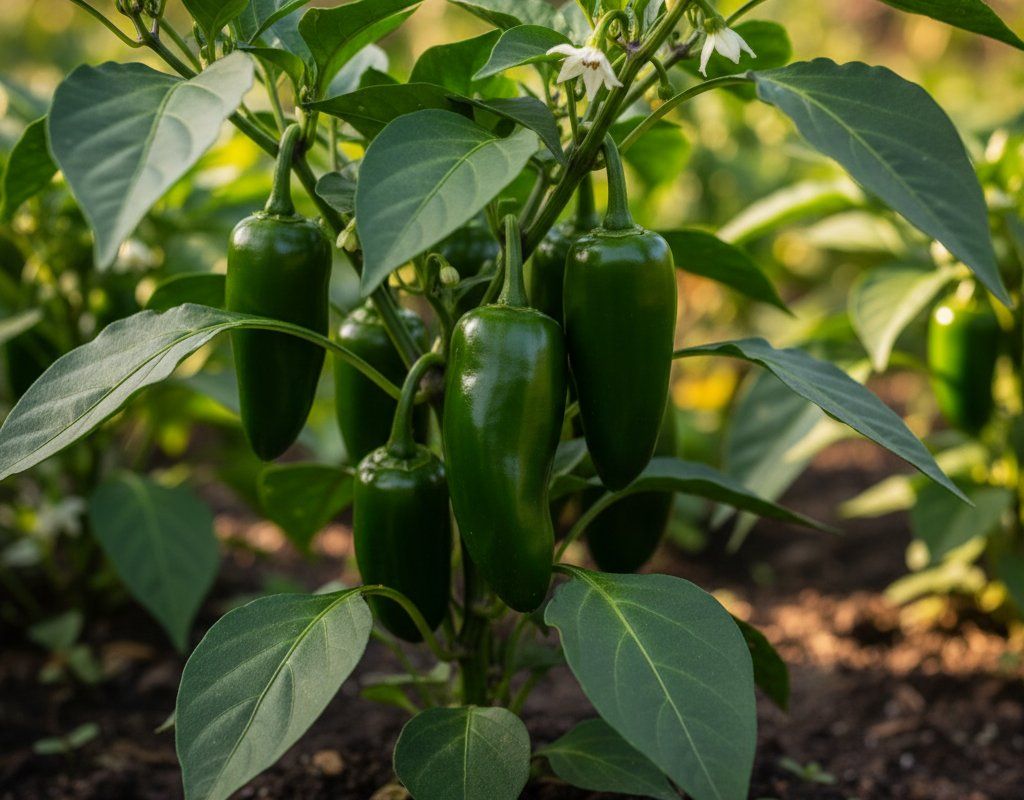
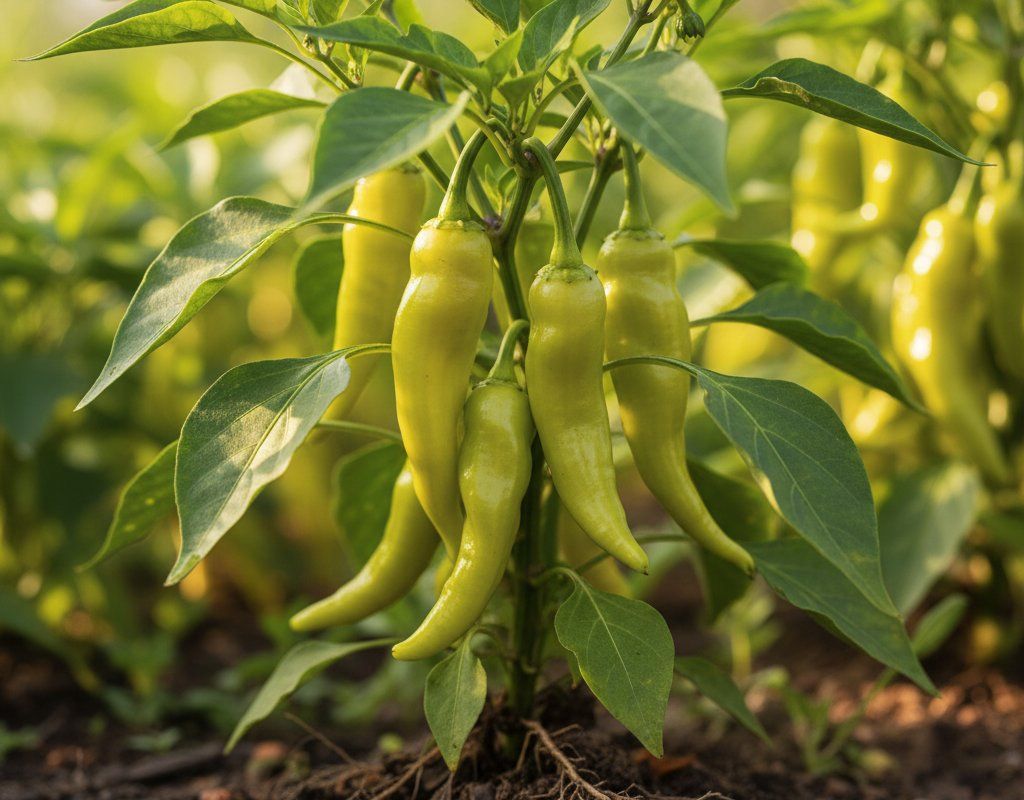
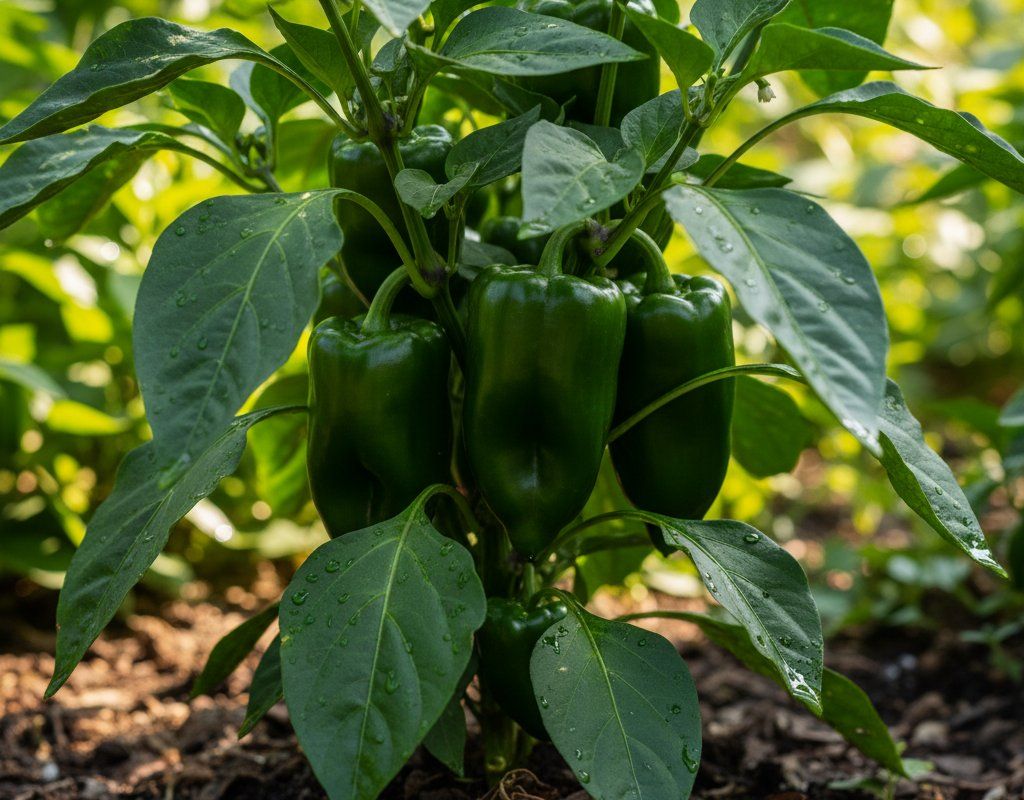
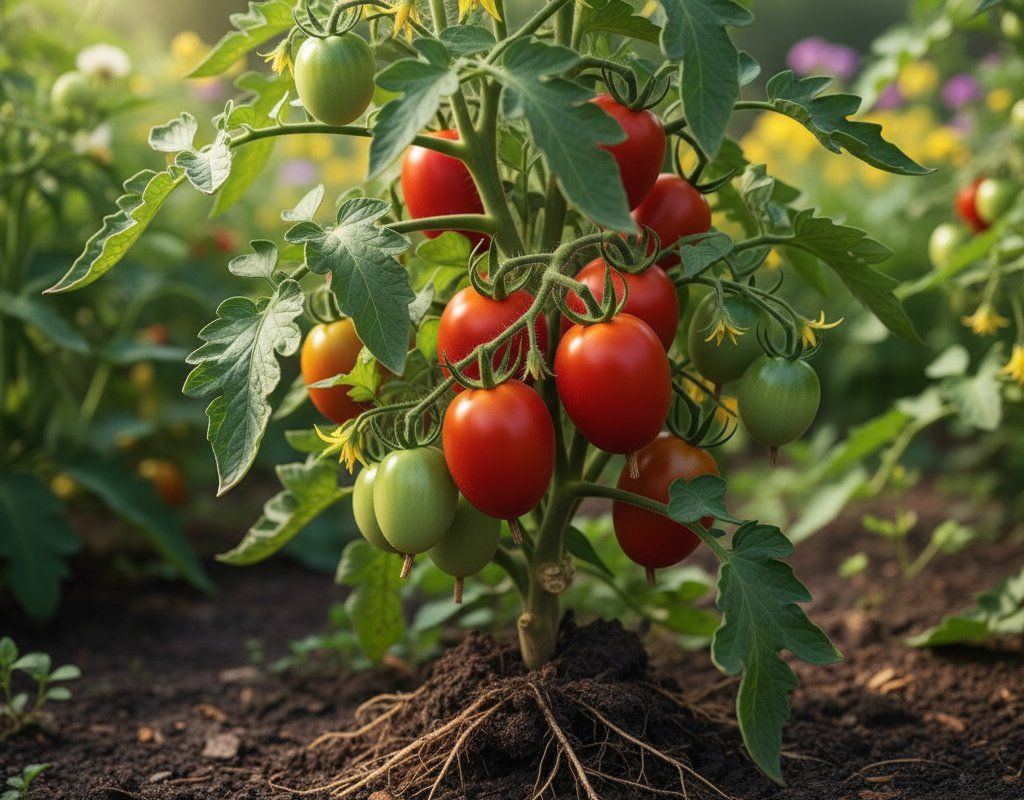
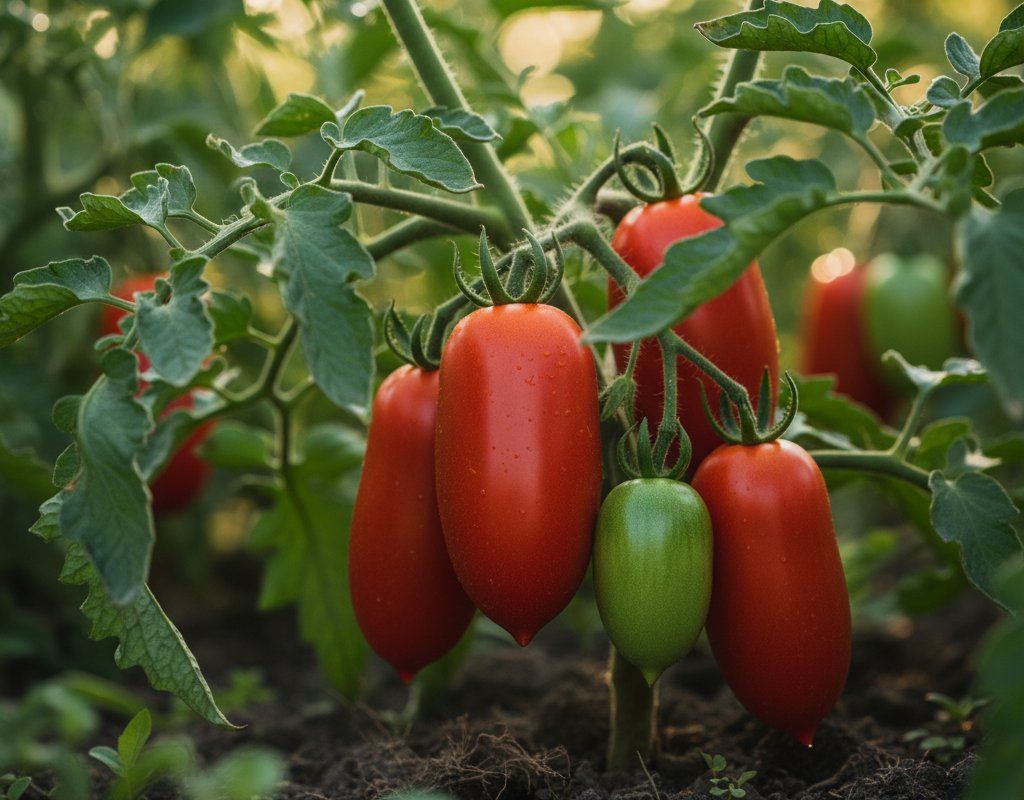
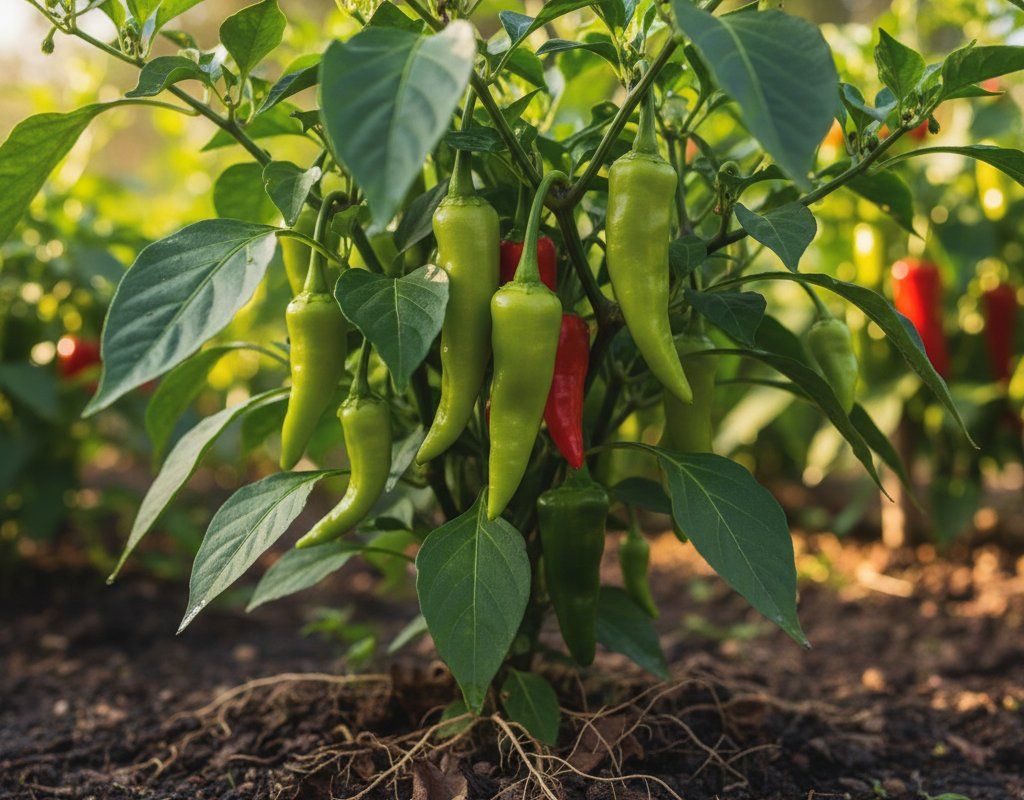
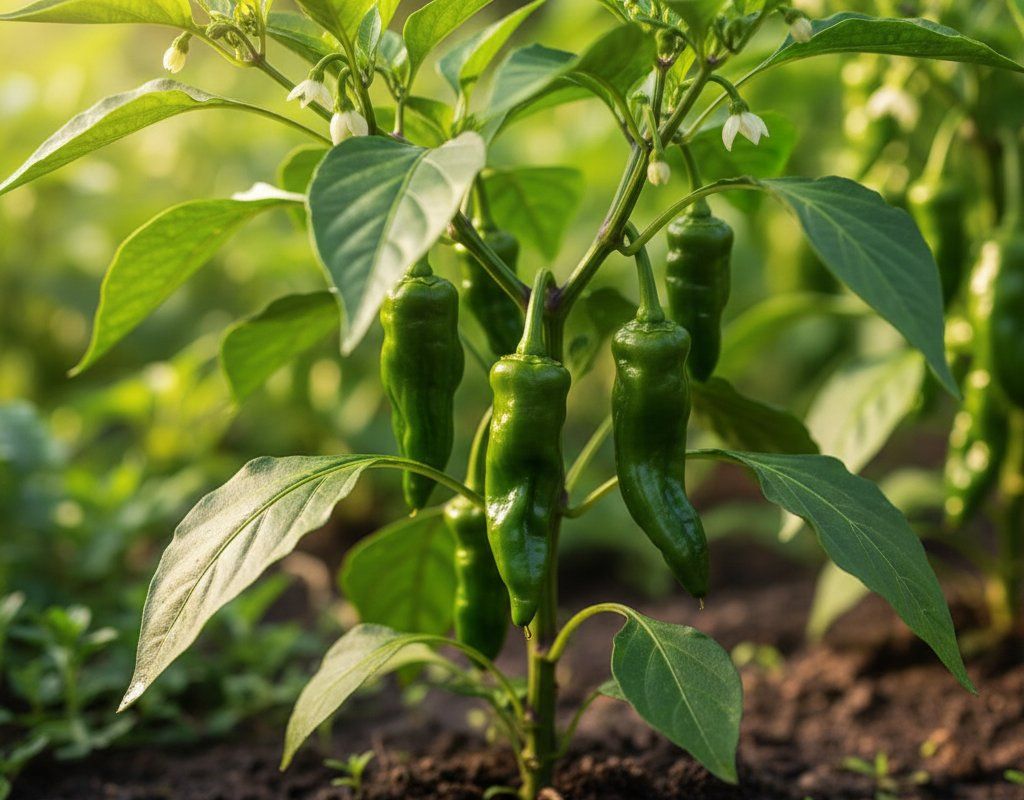
Zone 4B gardening is an adventure of resilience and strategic planning. Your growing season spans about 143 days, which means you'll need to work quickly and smartly to maximize your harvest. Cool-season crops like leafy greens, root vegetables, and brassicas absolutely thrive here, while heat-loving plants like tomatoes and peppers require careful timing and season extension techniques.
The primary challenge in this zone is the short, unpredictable growing season with late spring and early fall frosts. But don't let that discourage you - experienced Zone 4B gardeners know this just means being prepared. You'll want to use season extenders like cold frames, row covers, and greenhouse techniques, and choose fast-maturing vegetable varieties that can produce quickly.
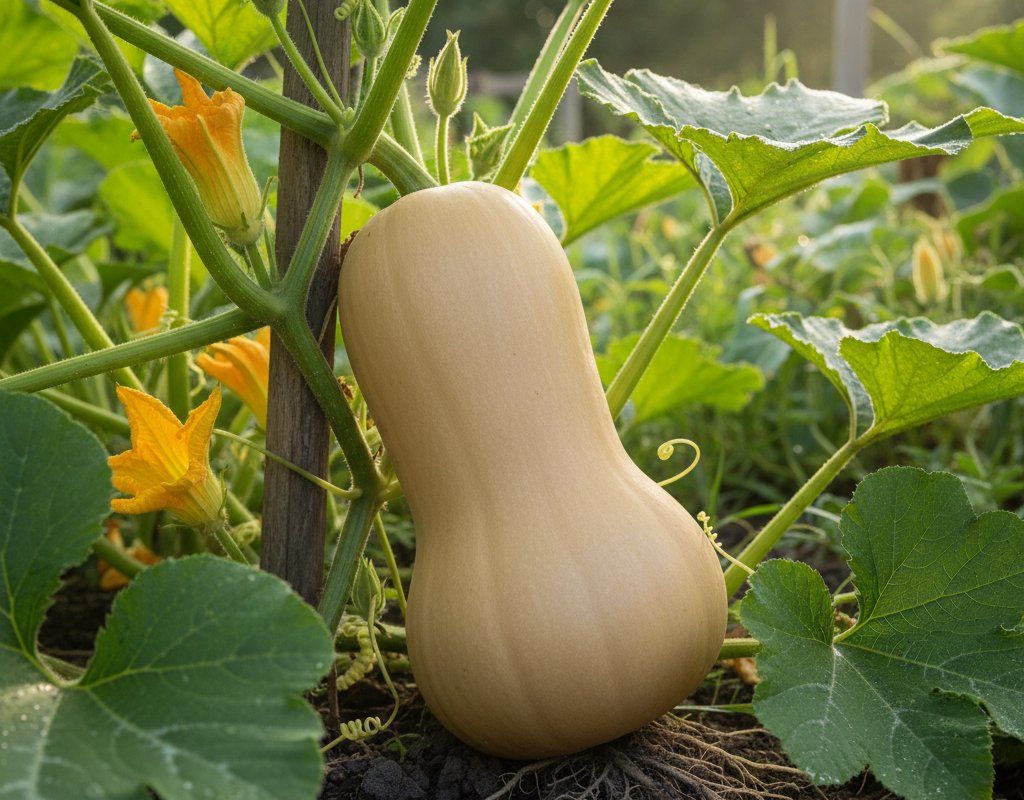
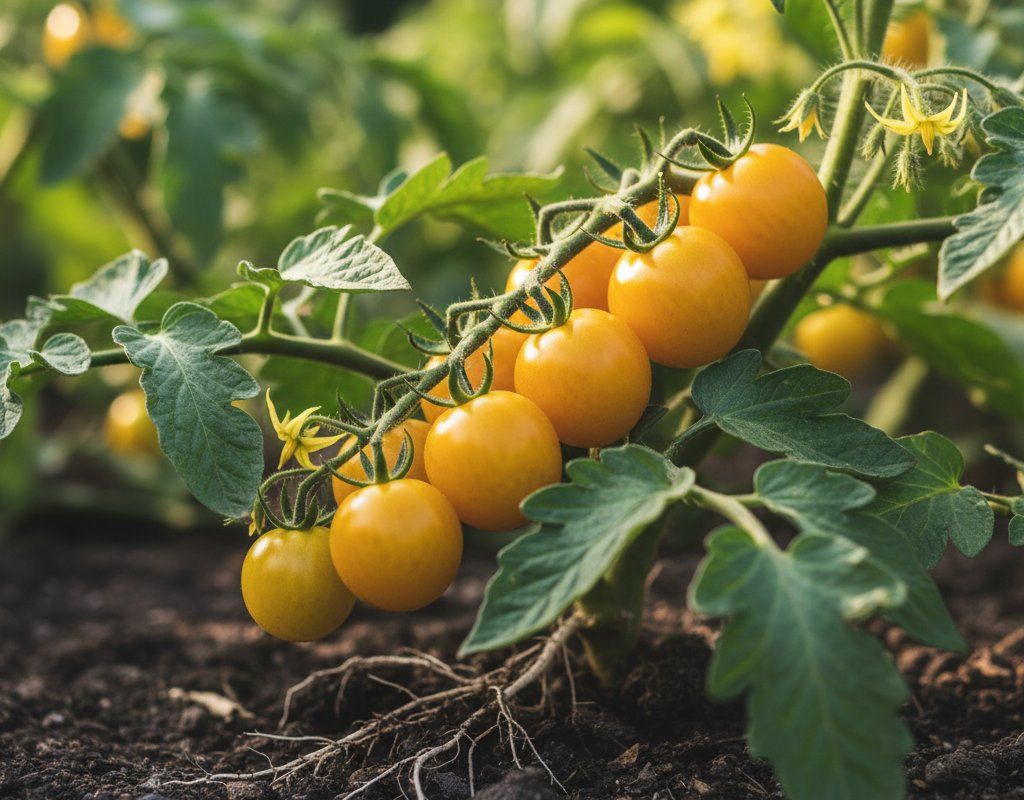
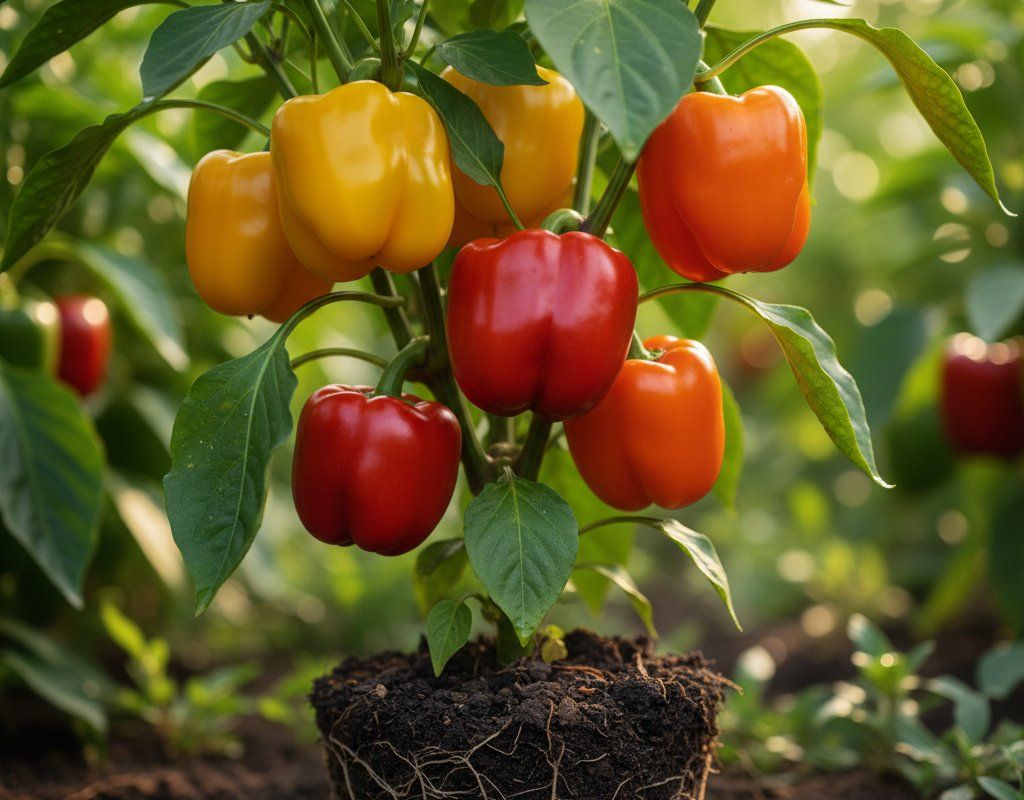
Your gardening will focus on maximizing every warm day. Crops like Early Girl tomatoes, quick-producing peppers, and reliable performers like zucchini and cucumbers will become your go-to plants. Succession planting, starting seeds indoors, and using microclimates in your yard can help you create a surprisingly productive garden despite the cooler temperatures.
✓ Regional Advantages
- • Fertile soil
- • Adequate rainfall
- • Good summer heat for warm crops
⚠ Regional Challenges
- • Cold winters
- • Variable spring
- • Summer heat spells
- • Tornadoes/severe weather
- • Clay soil
Midwest Climate Profile
Cold winters, warm-to-hot summers, fertile soil
Best Plants for Zone 4B
102 plants thrive in Zone 4B's 138-day growing season. Click any plant for zone-specific planting dates.
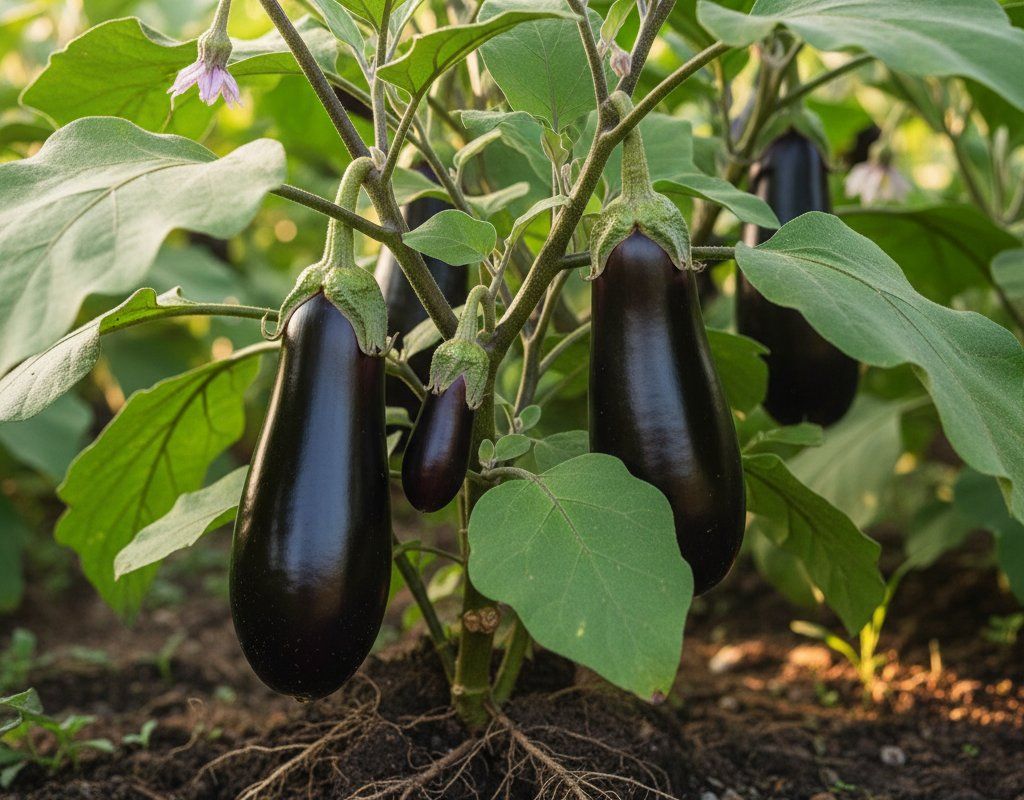
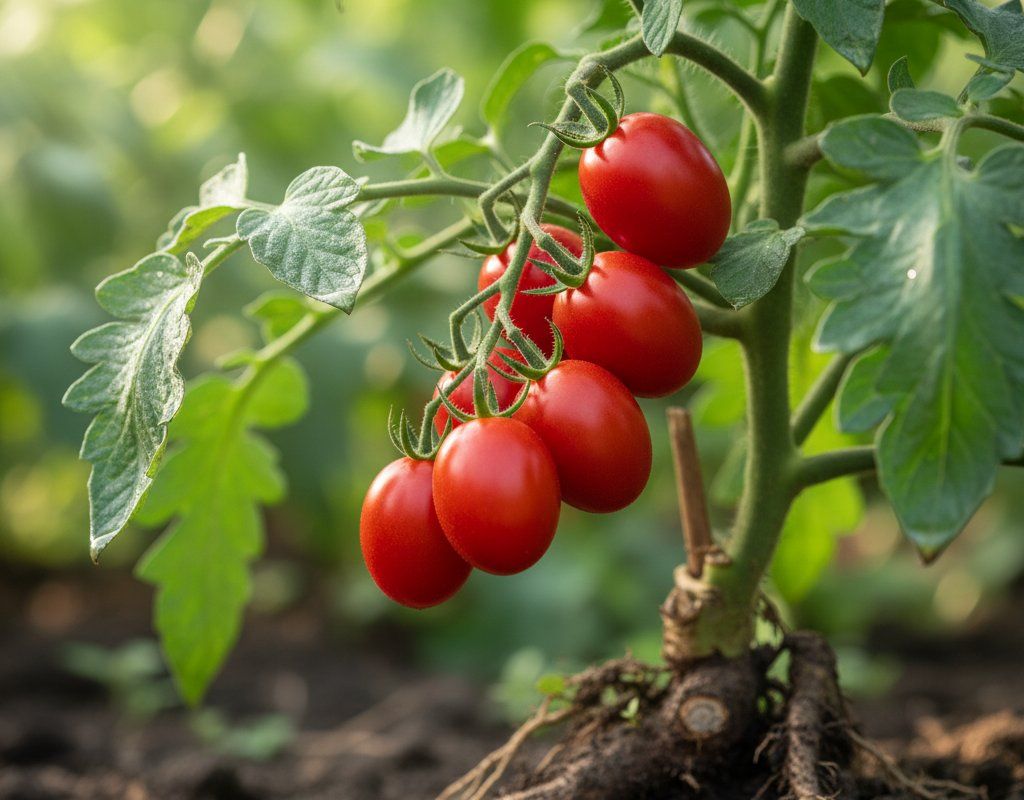
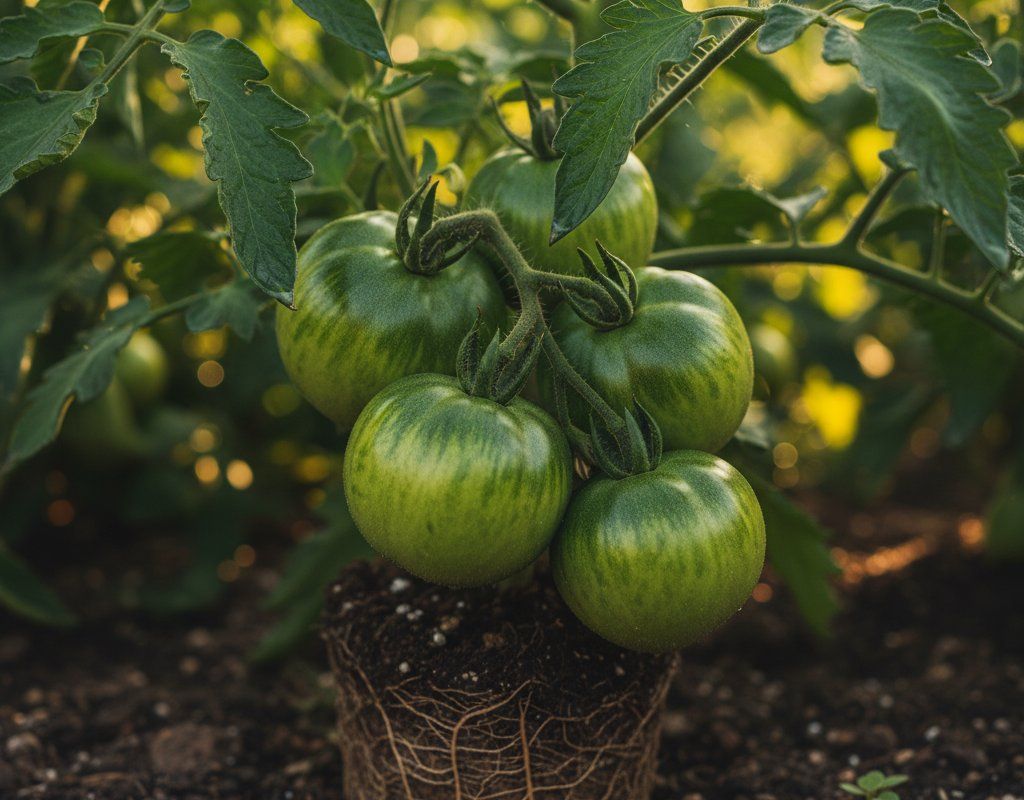
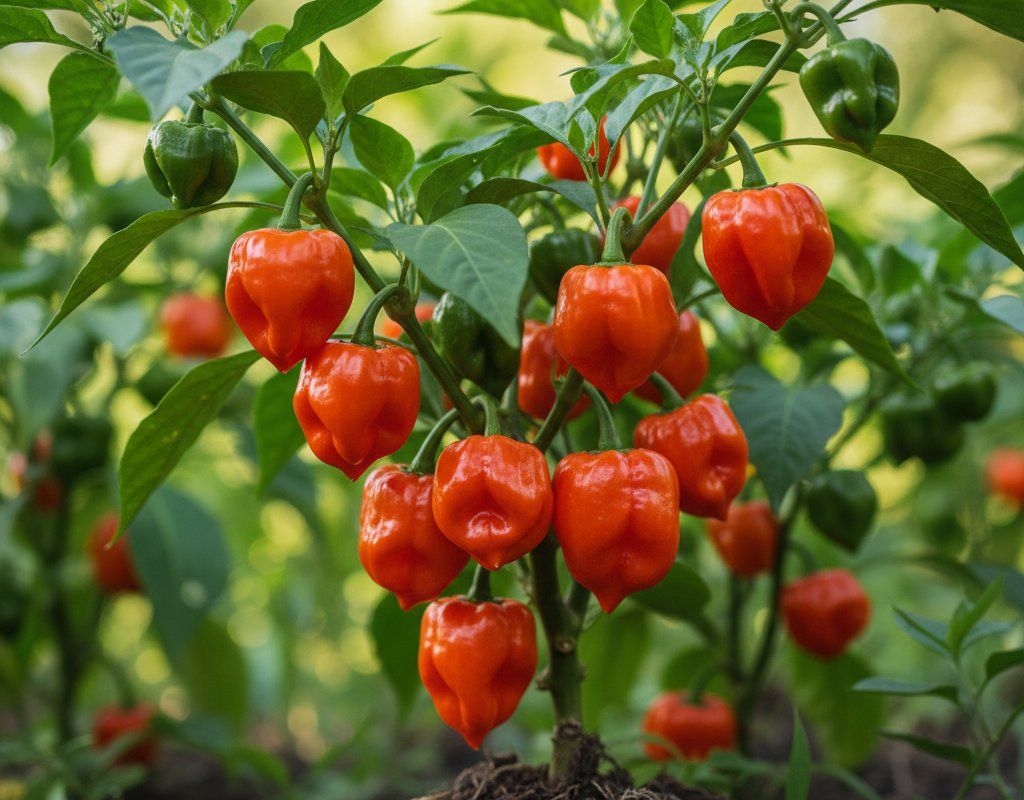
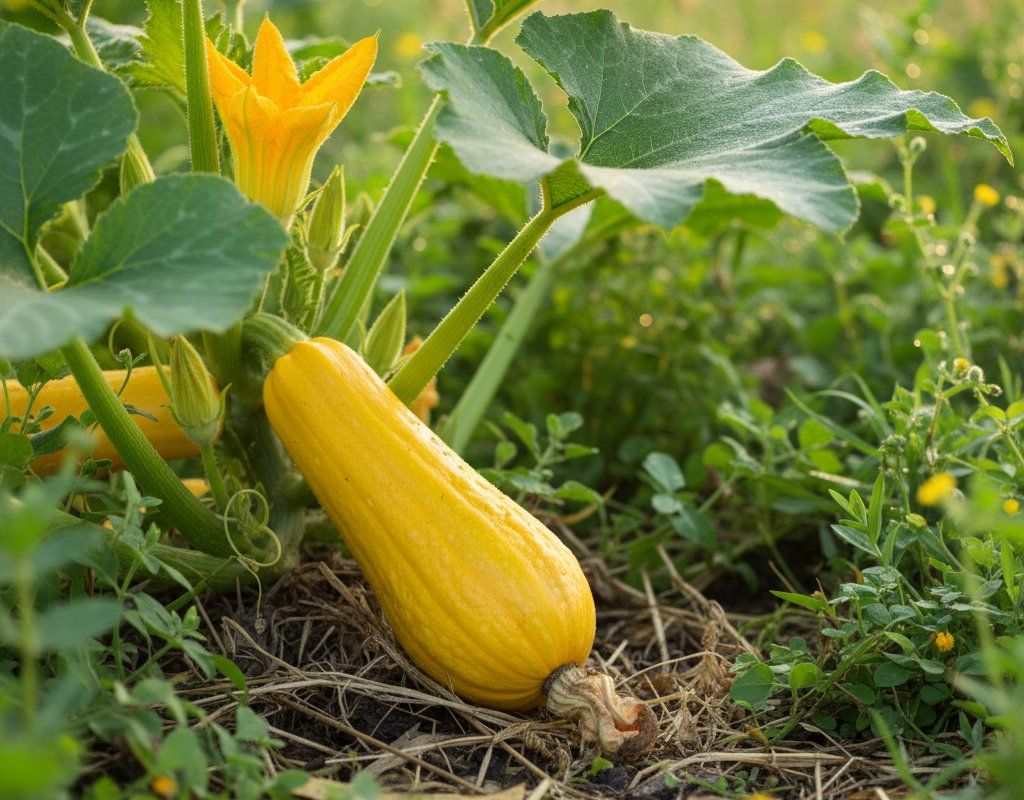
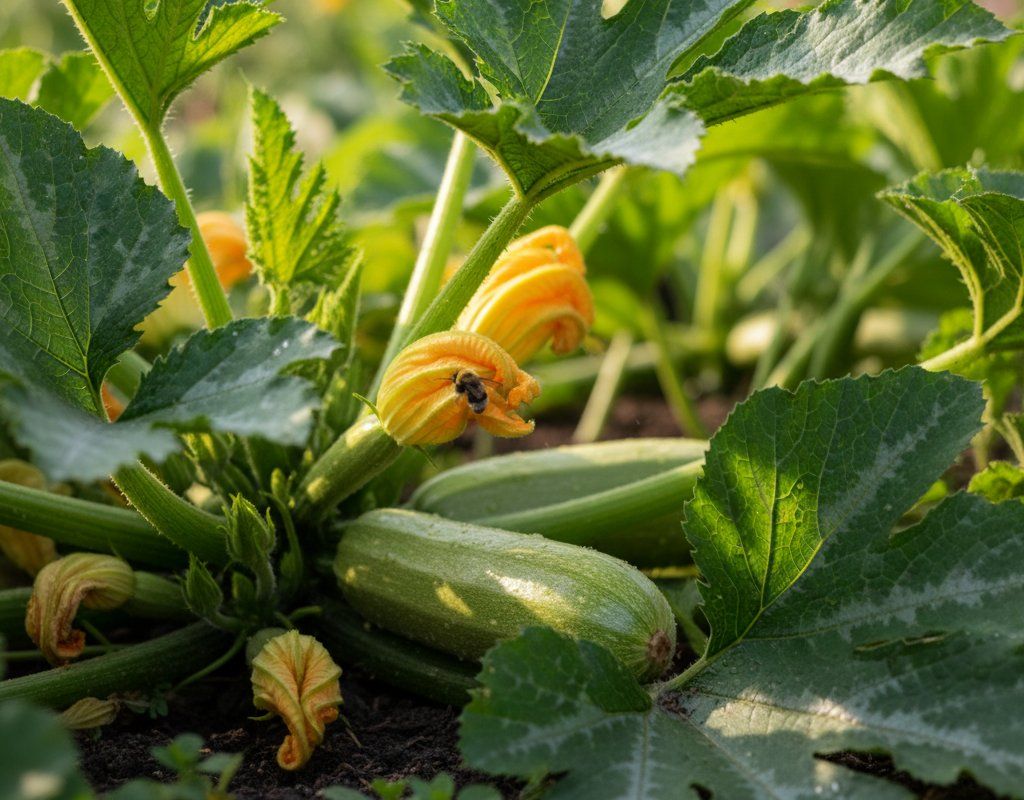
🍅Fruiting Vegetables (37)
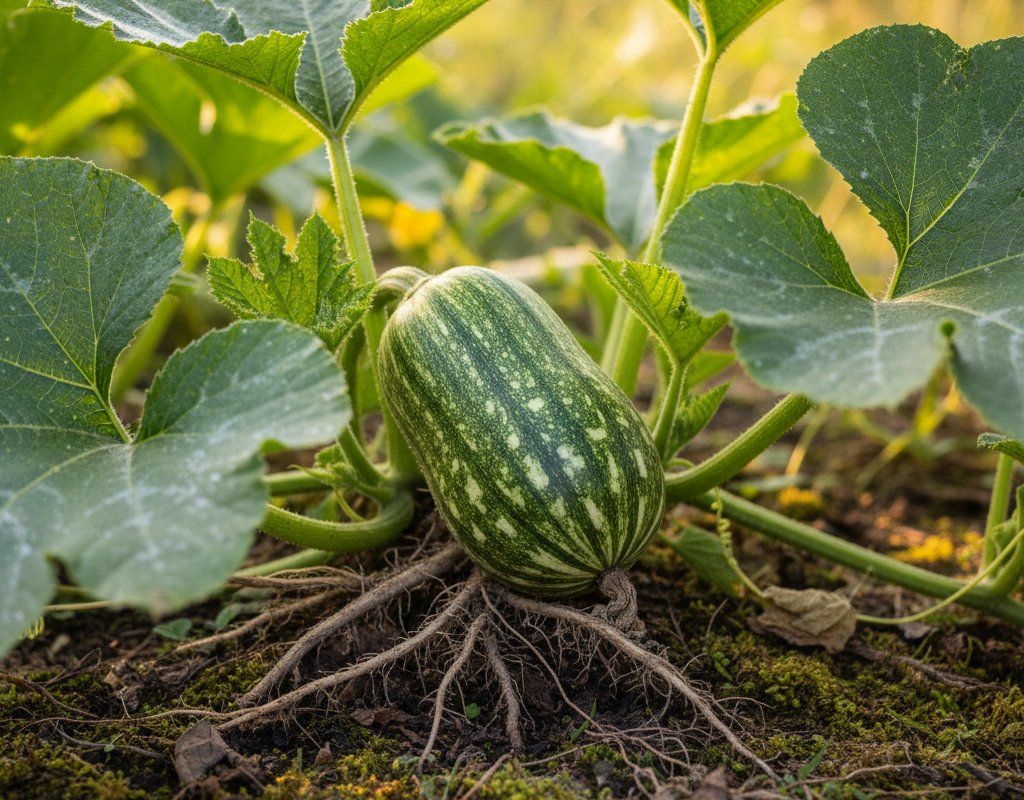
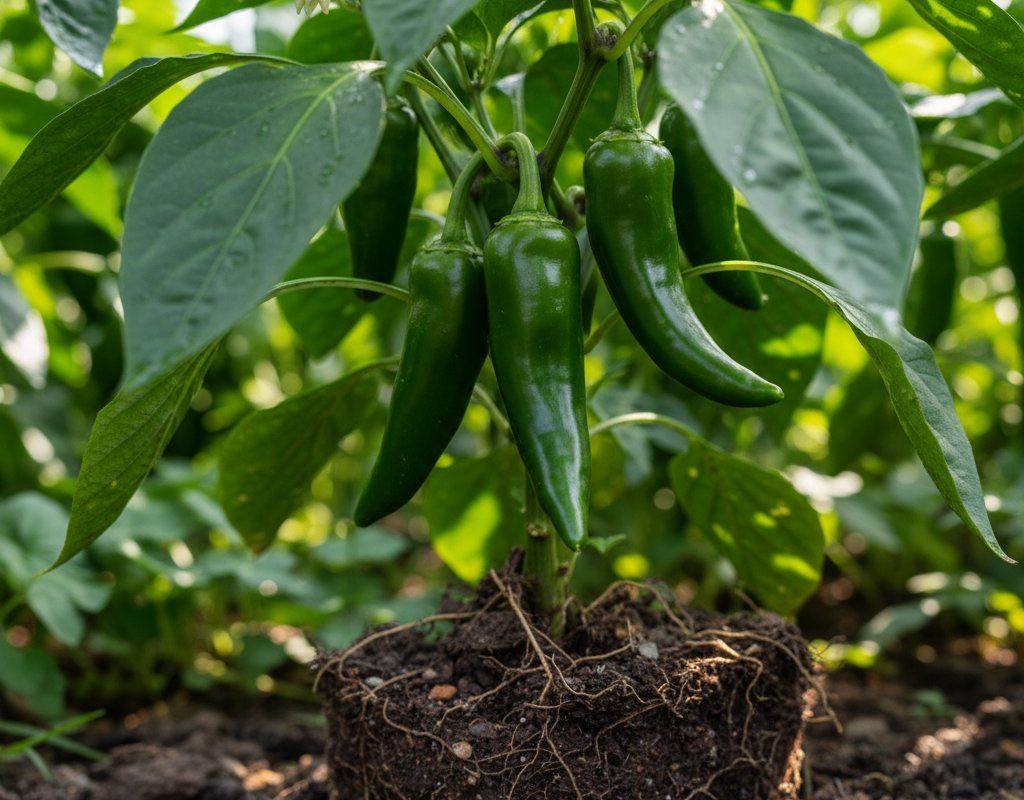
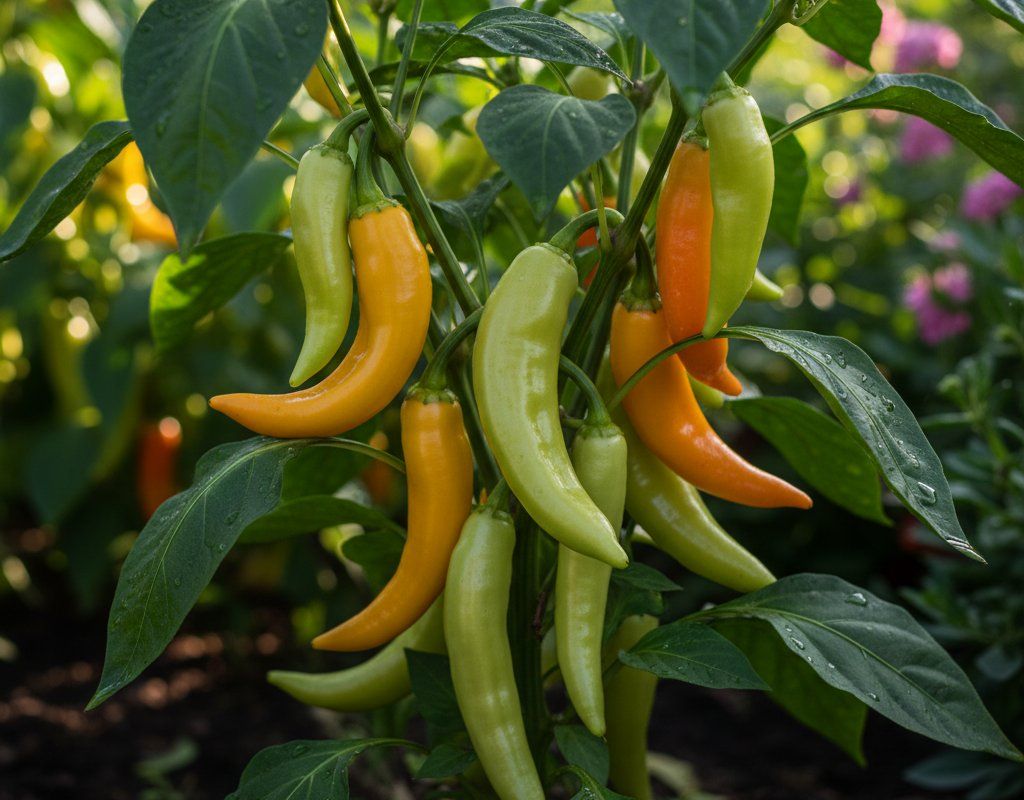
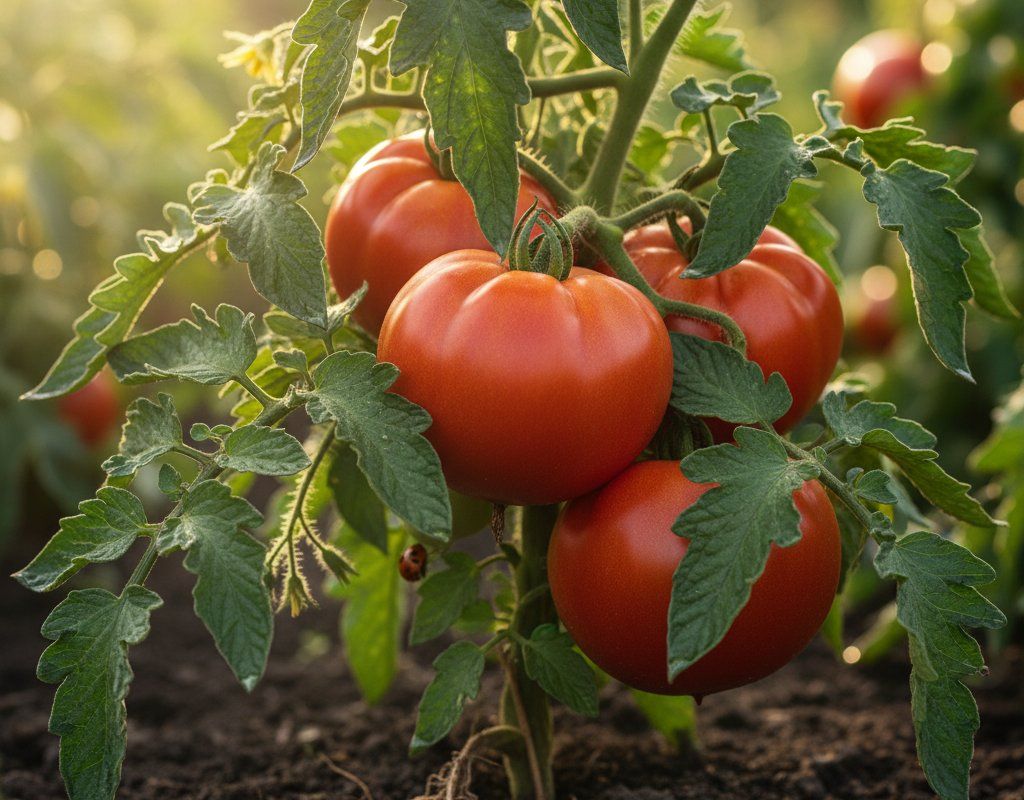







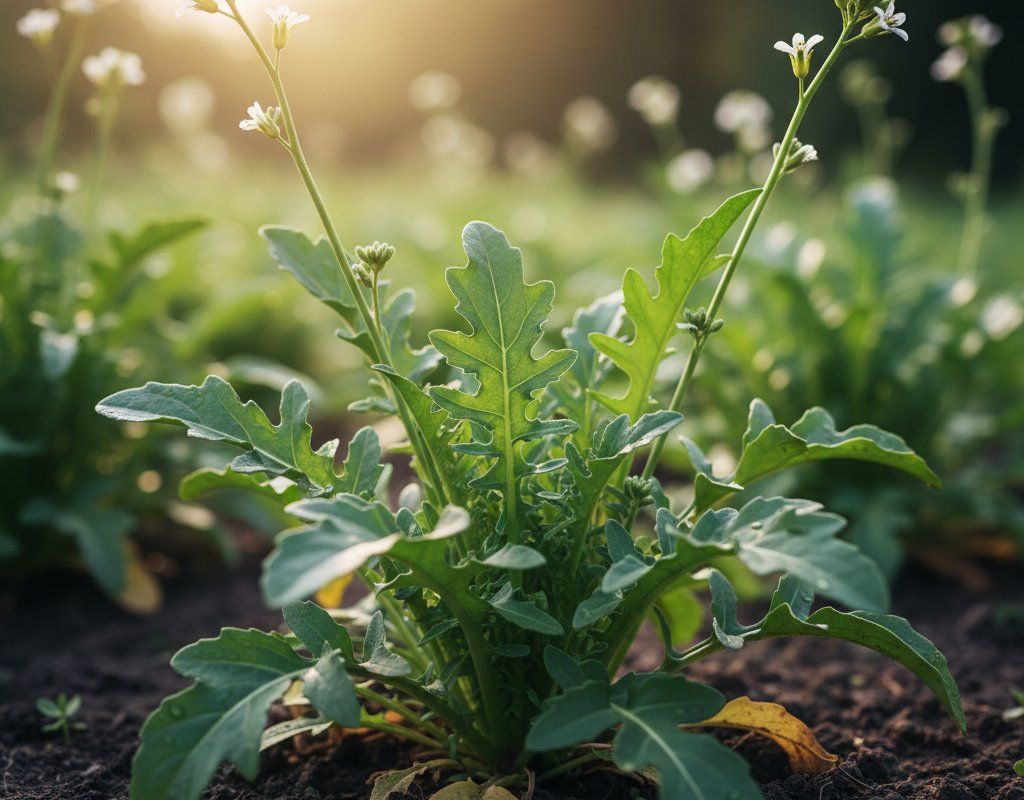
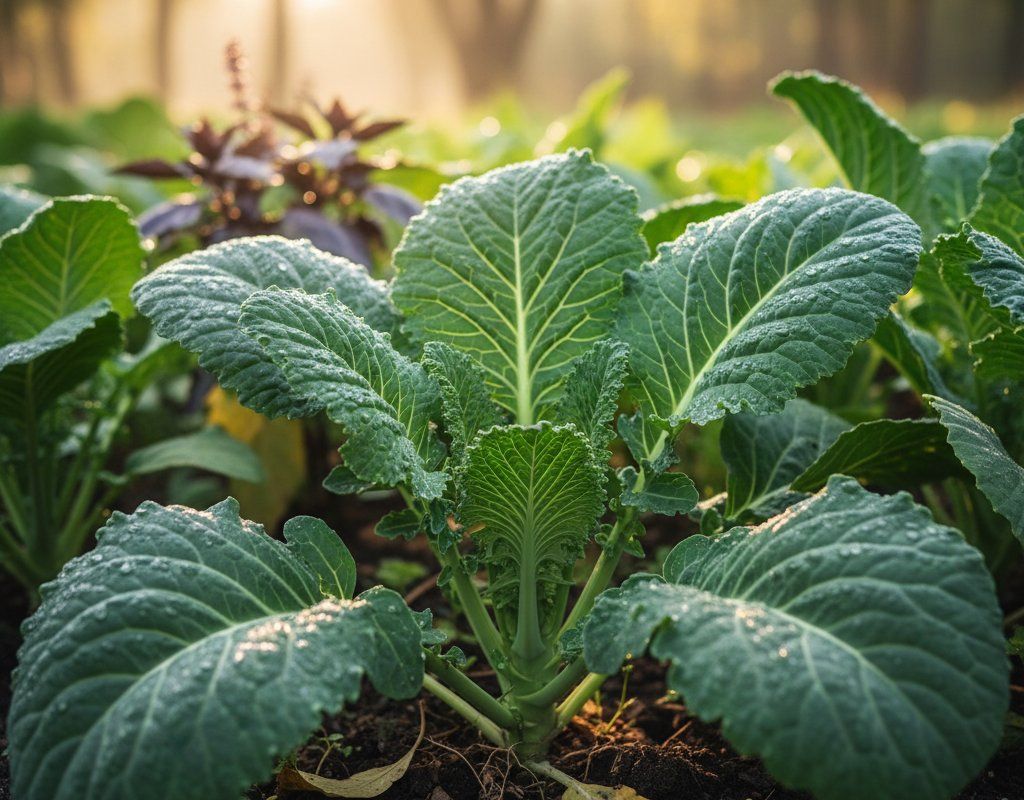
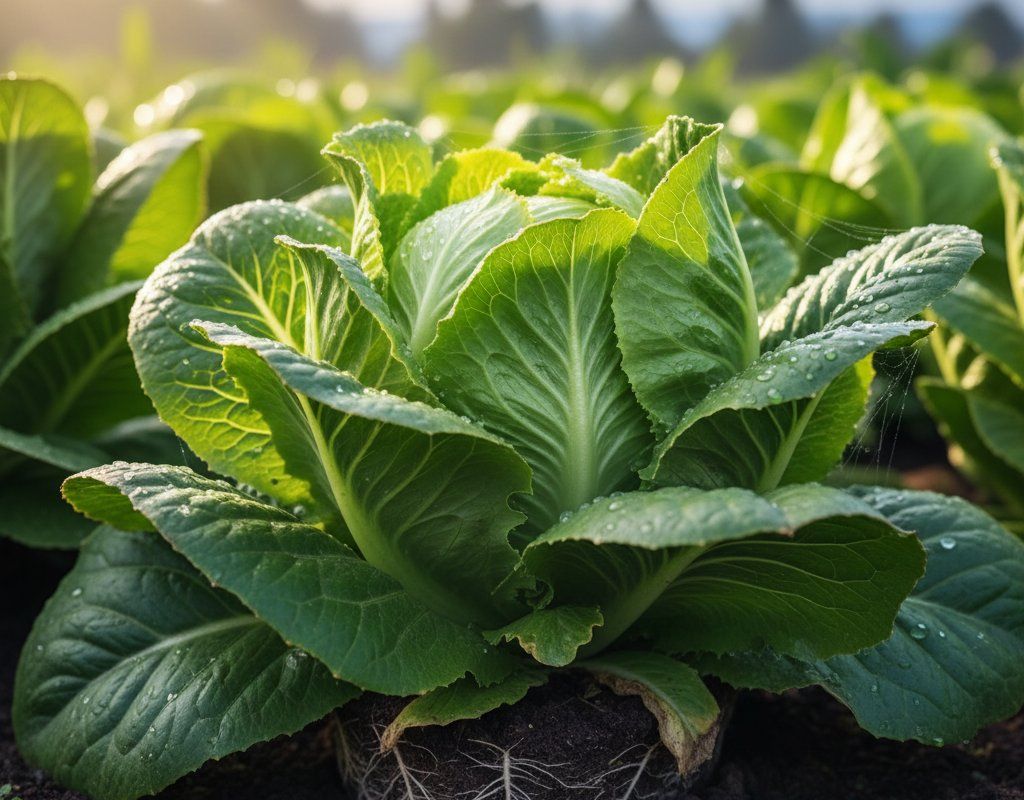
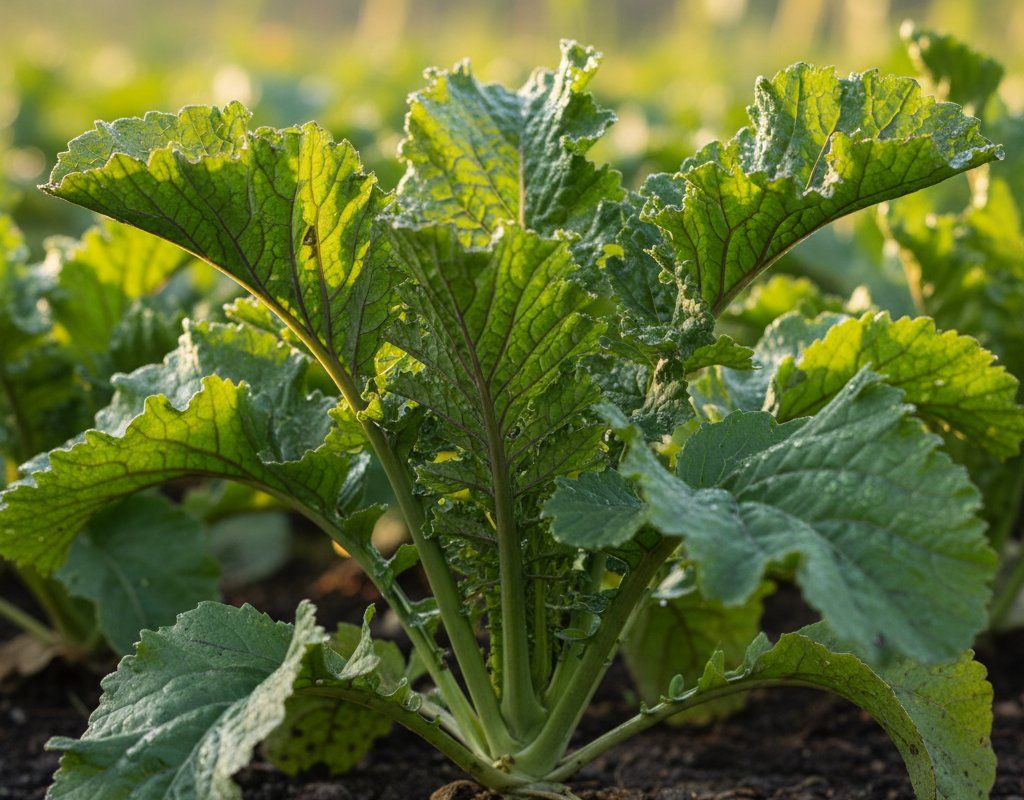
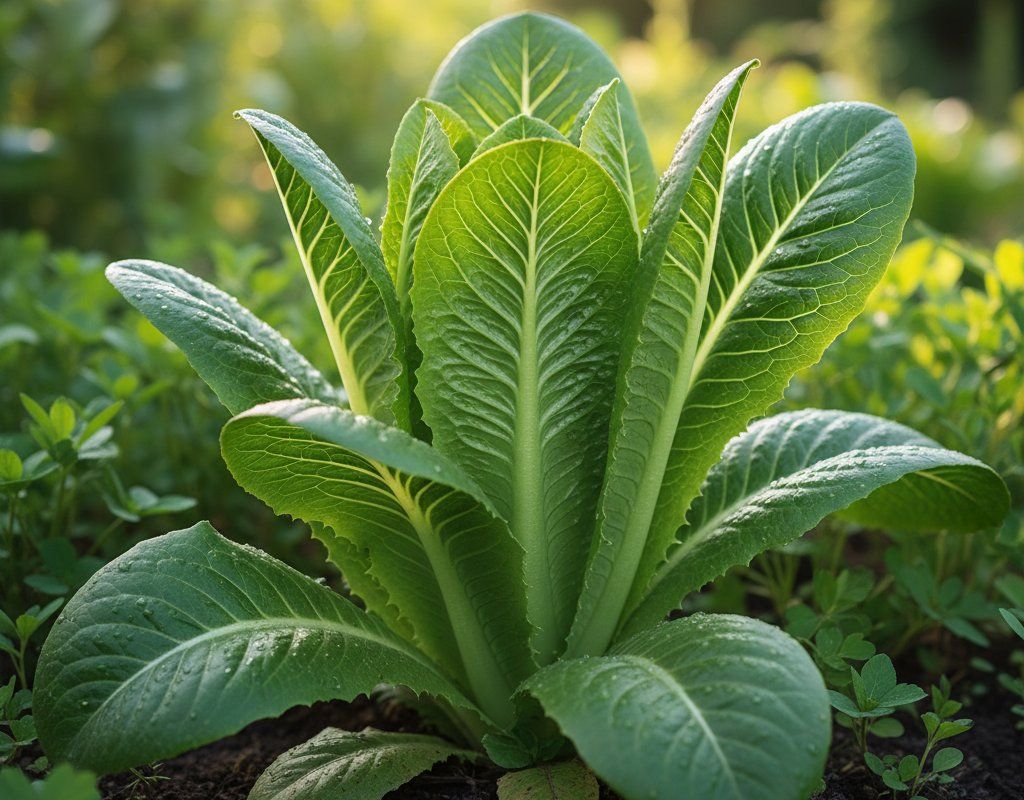
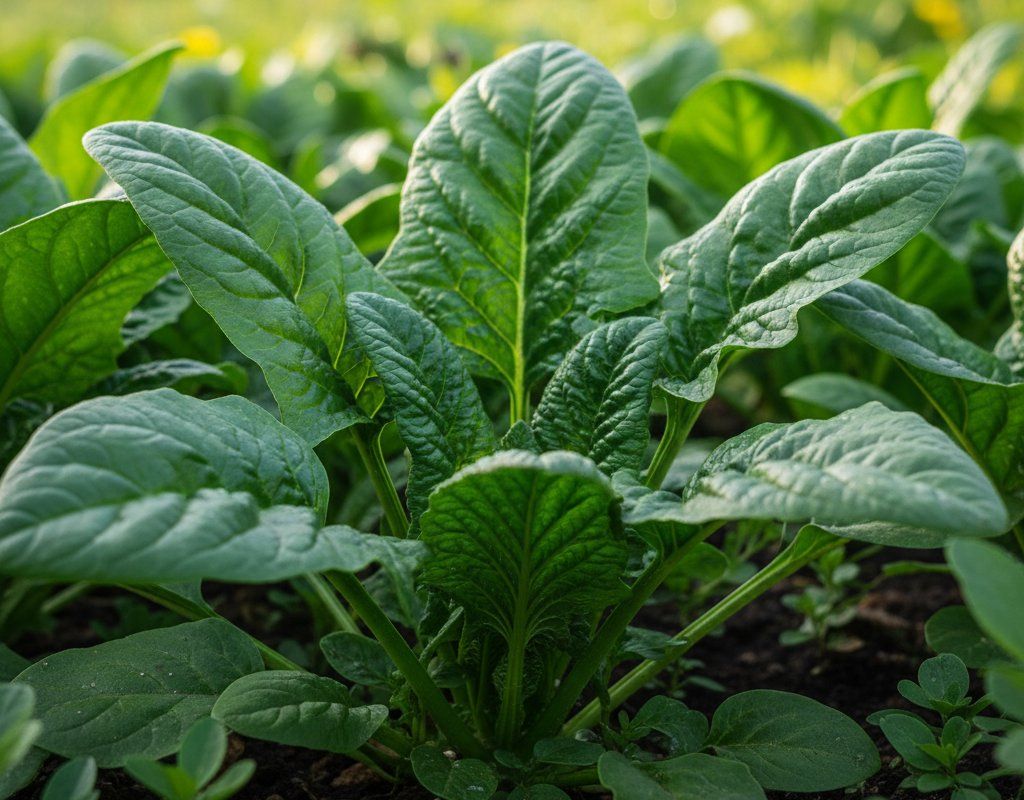
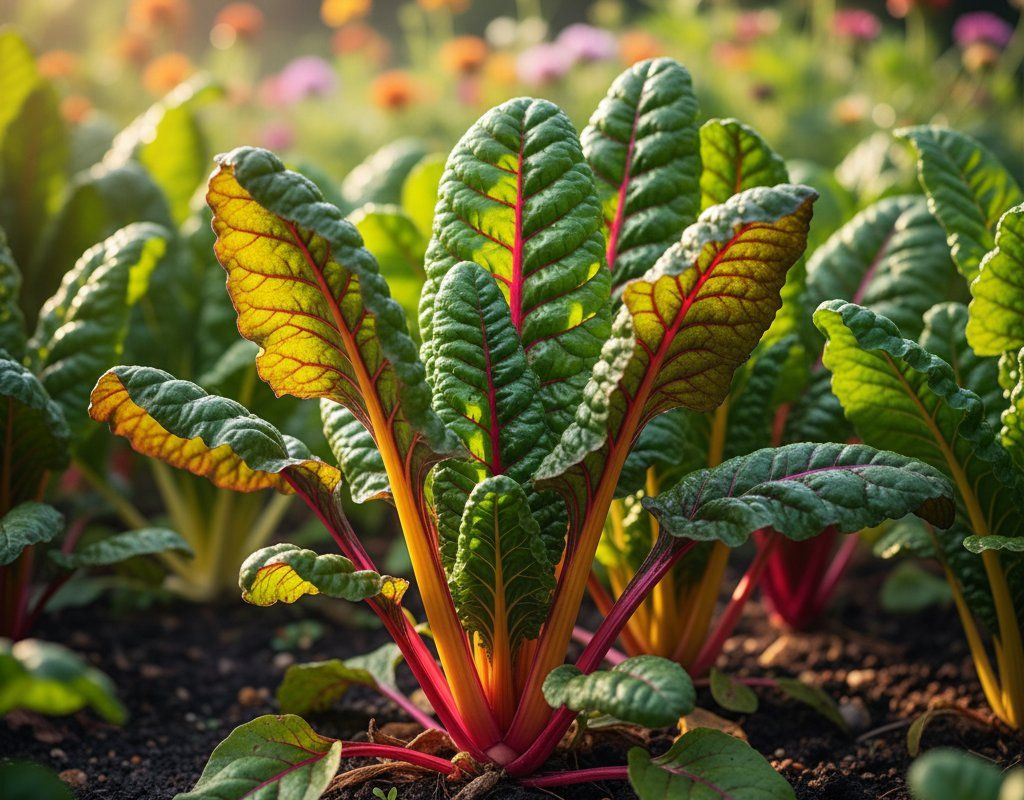
🥬Leafy Greens (9)


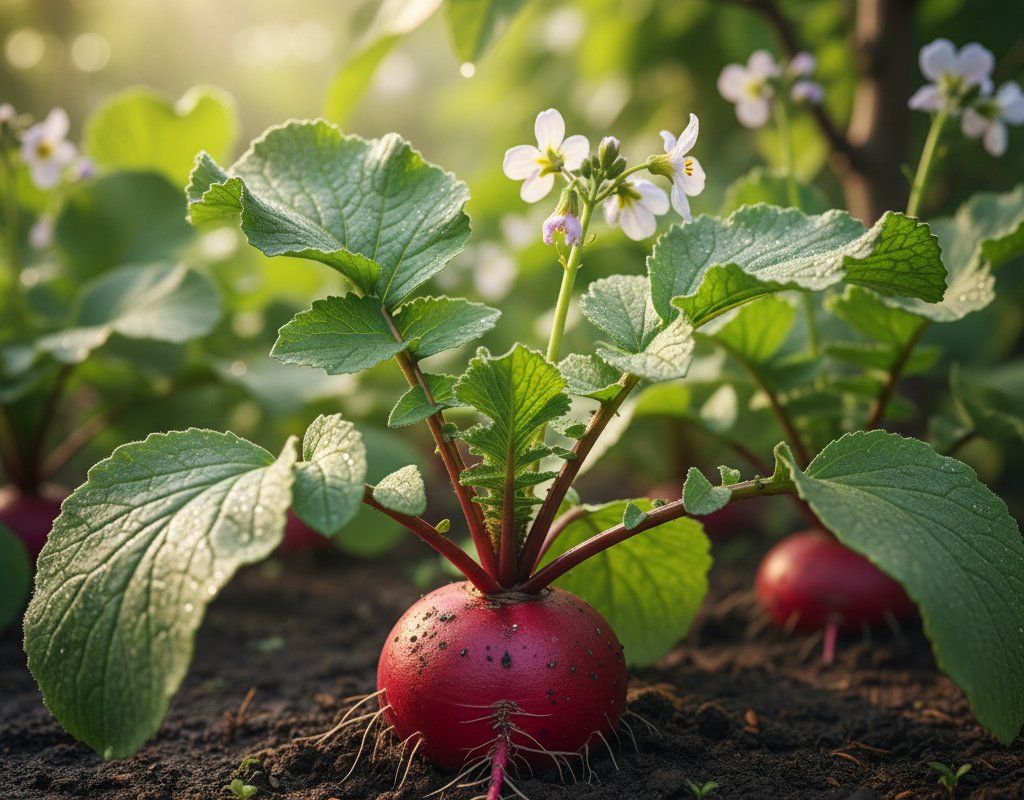
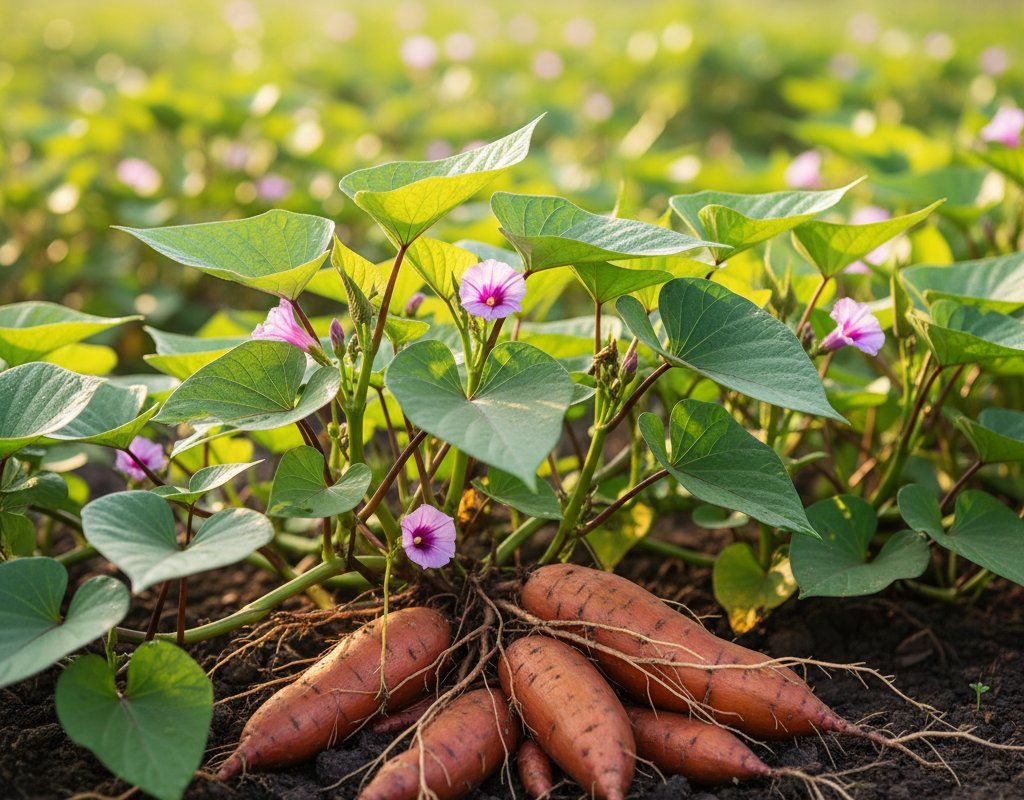
🥕Root Vegetables (5)



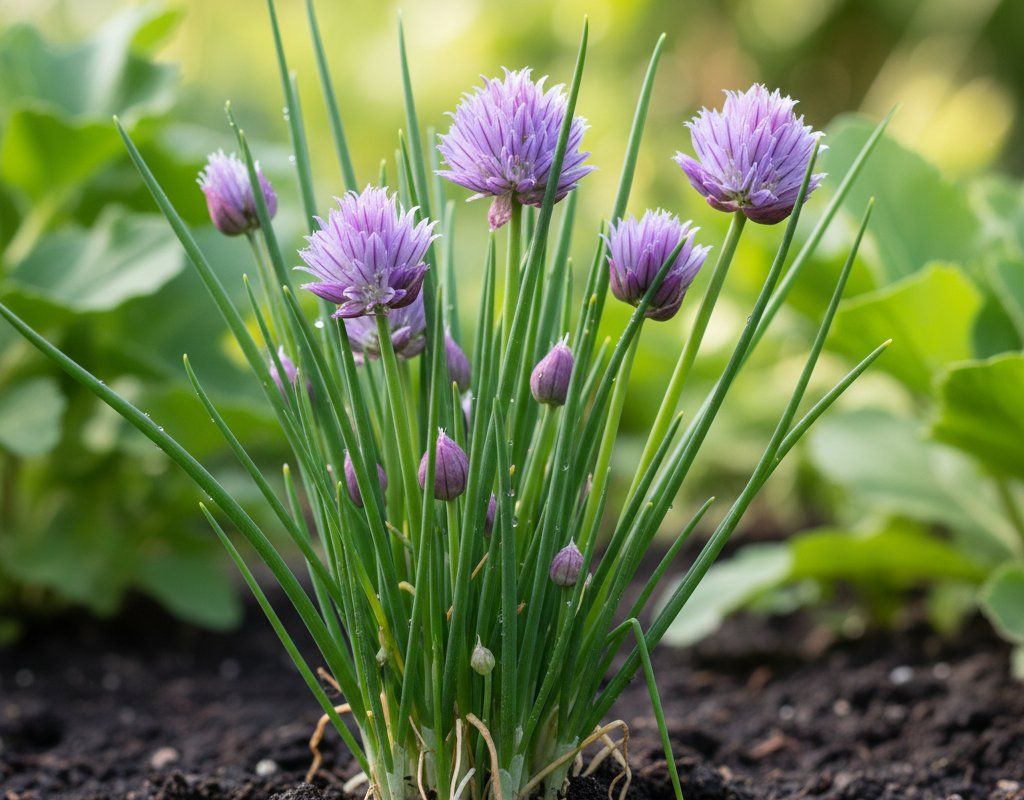
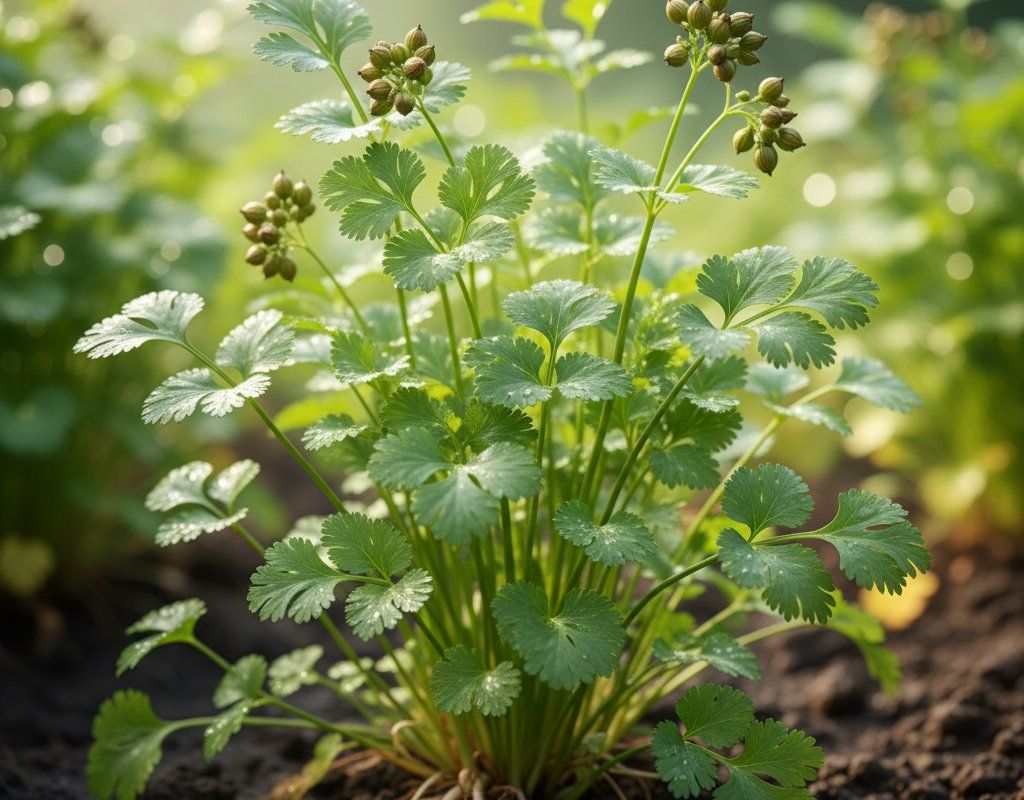
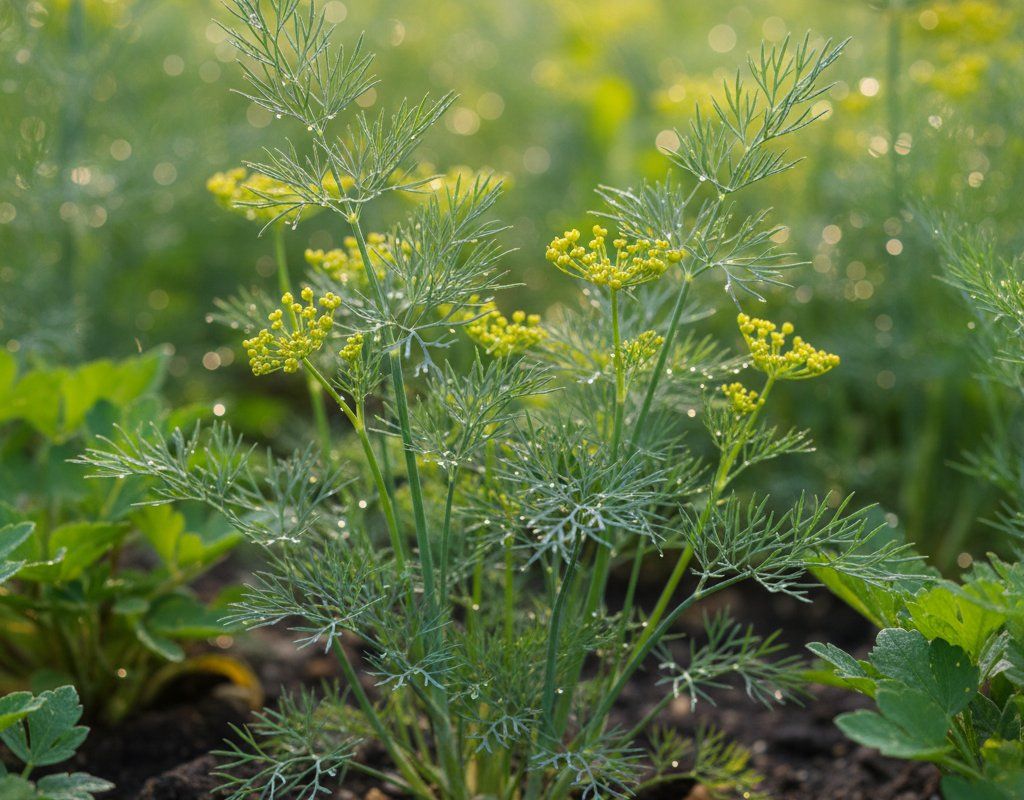
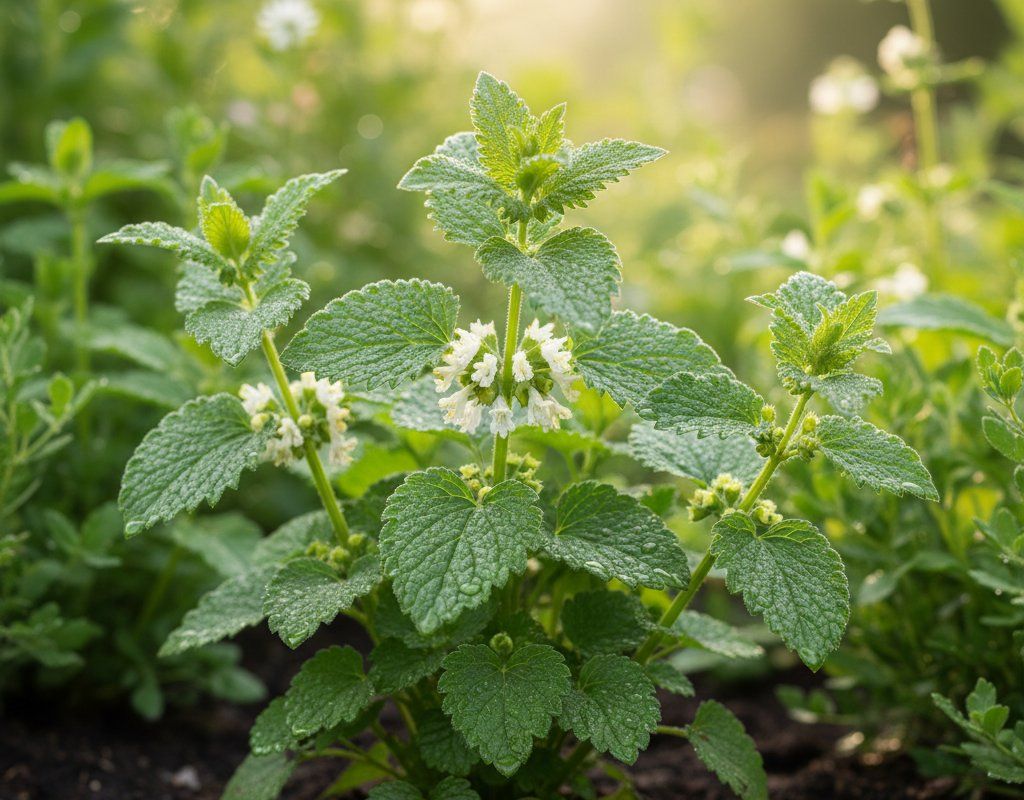
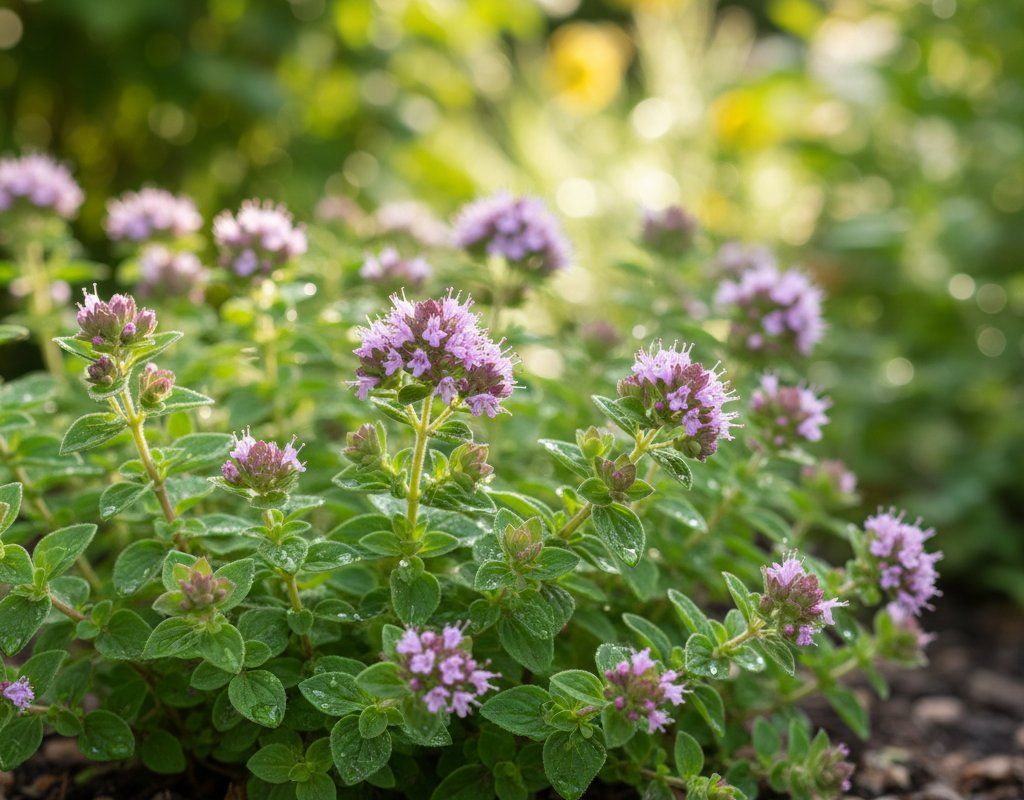
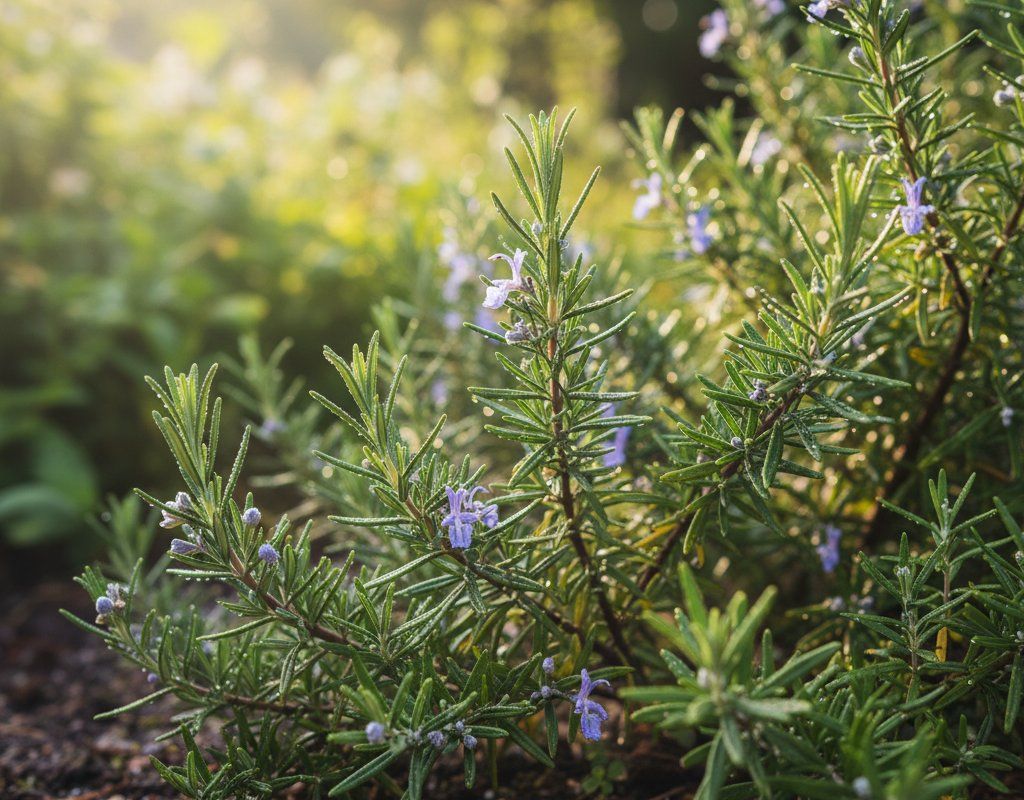
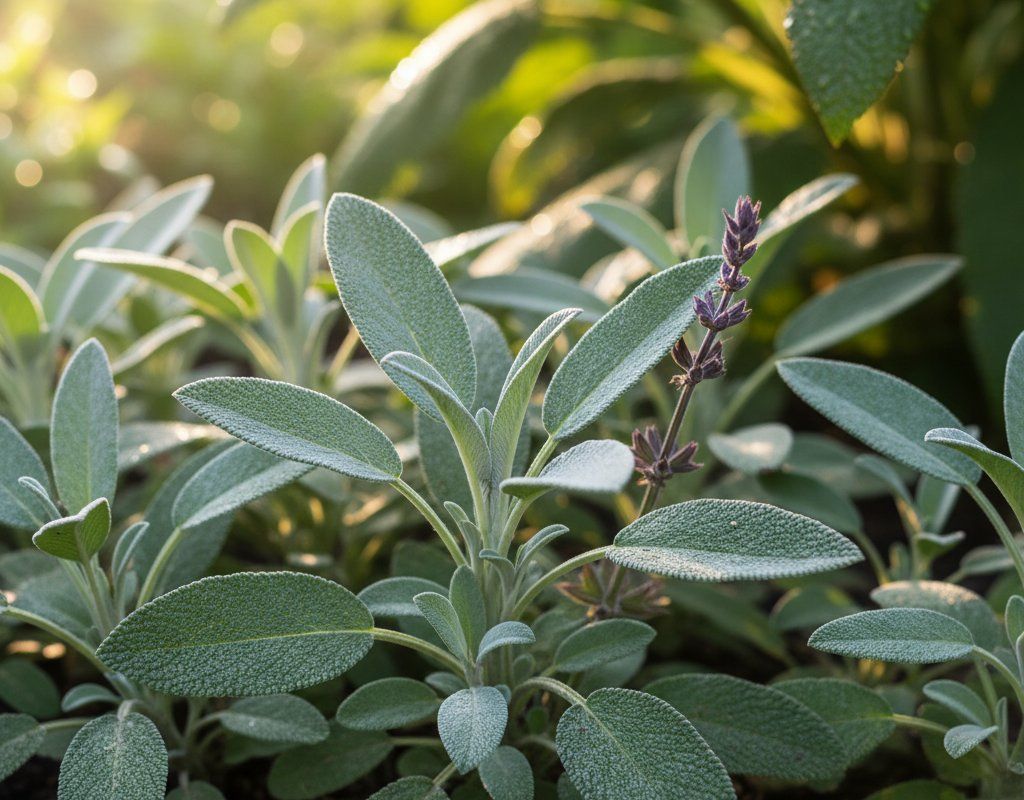
🌿Herbs (12)






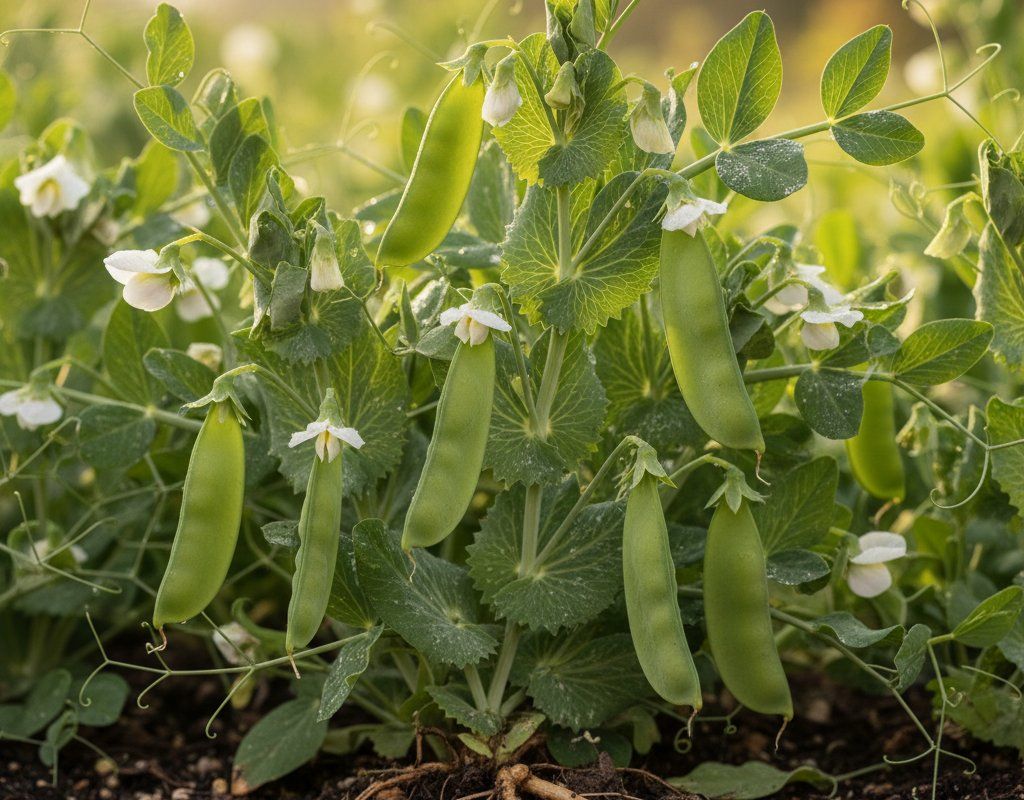
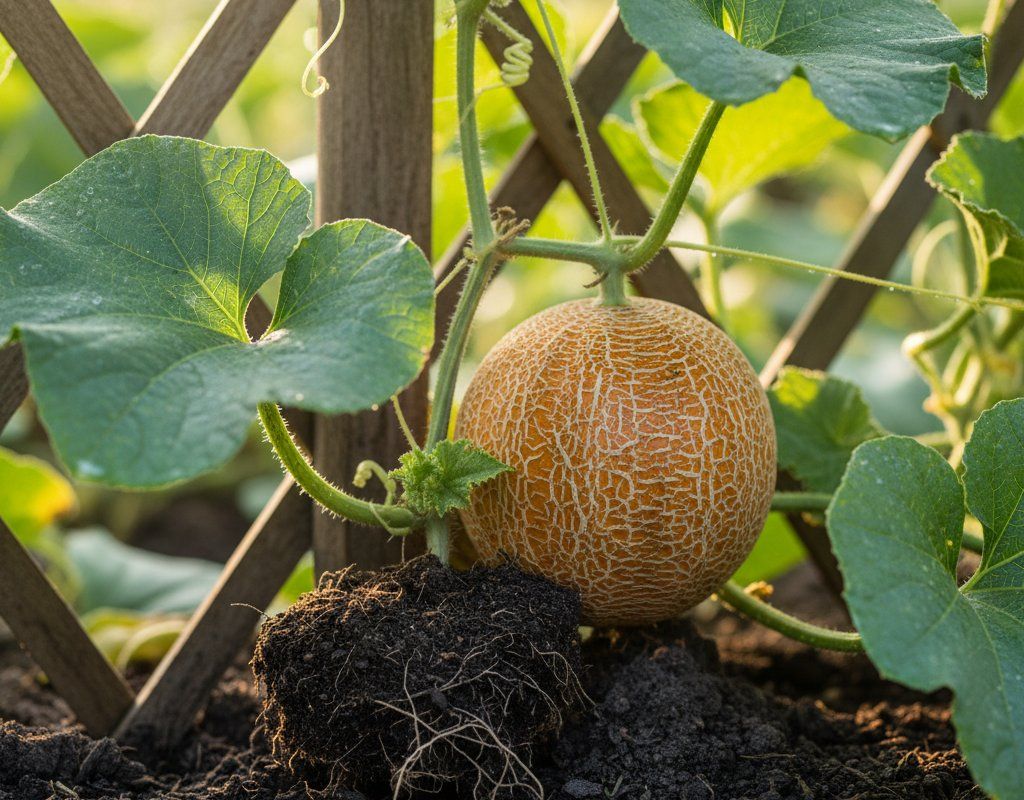
🍉Melons (2)
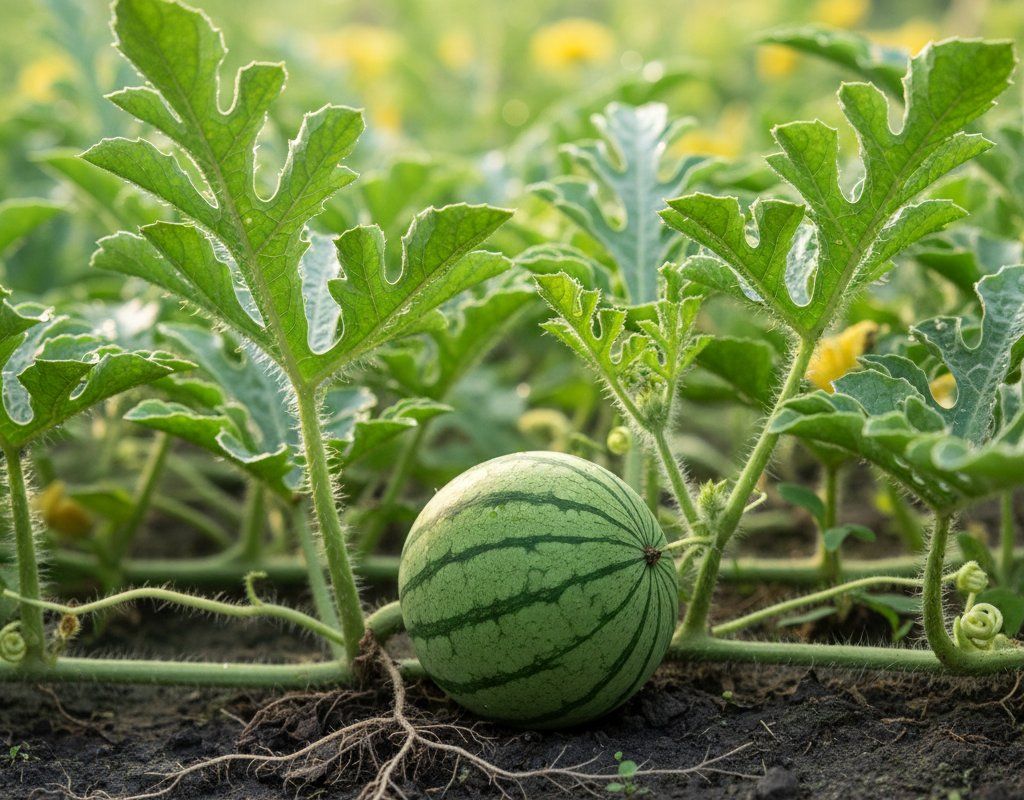
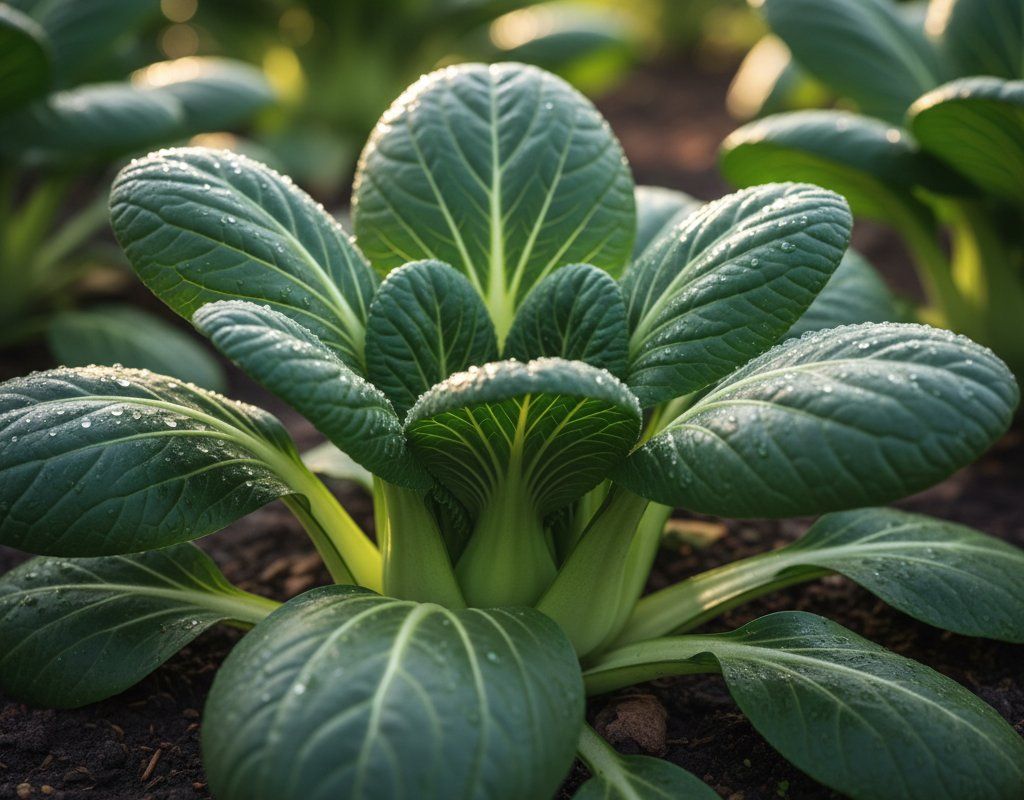
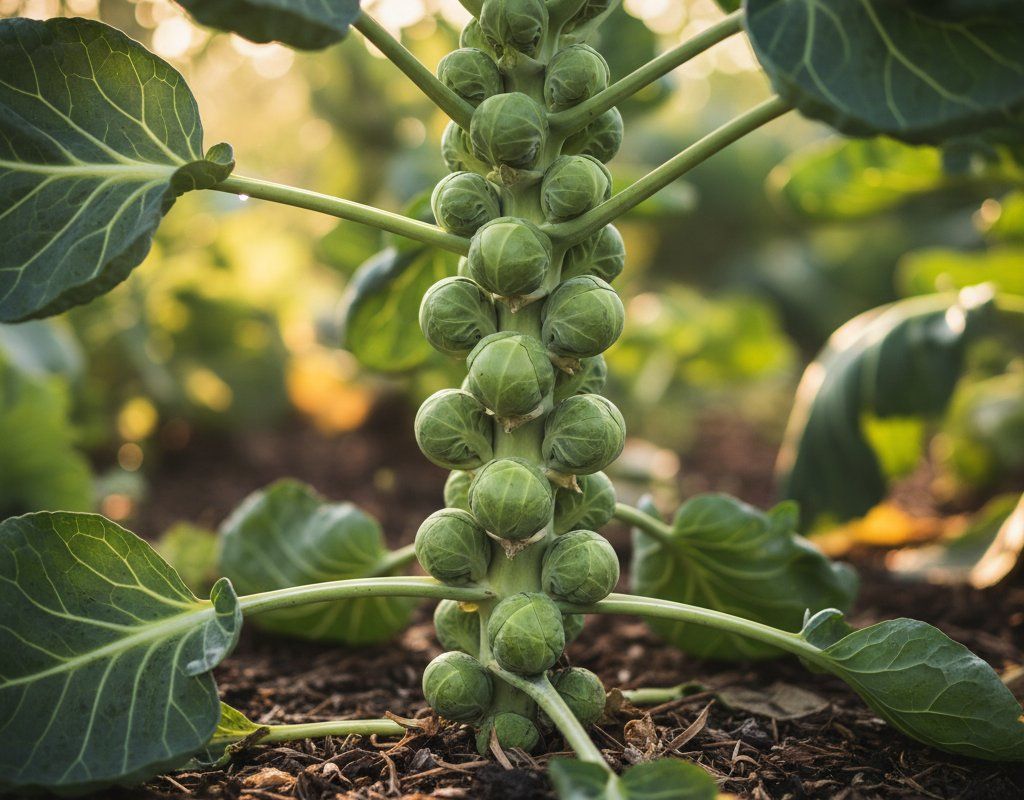
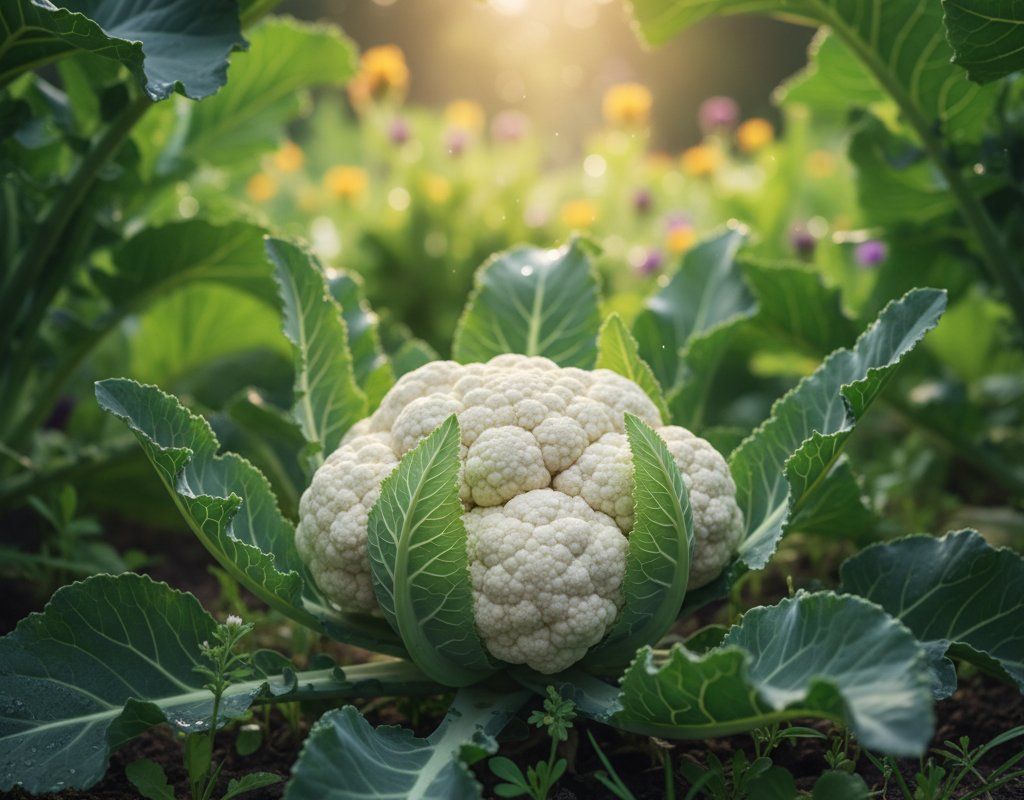
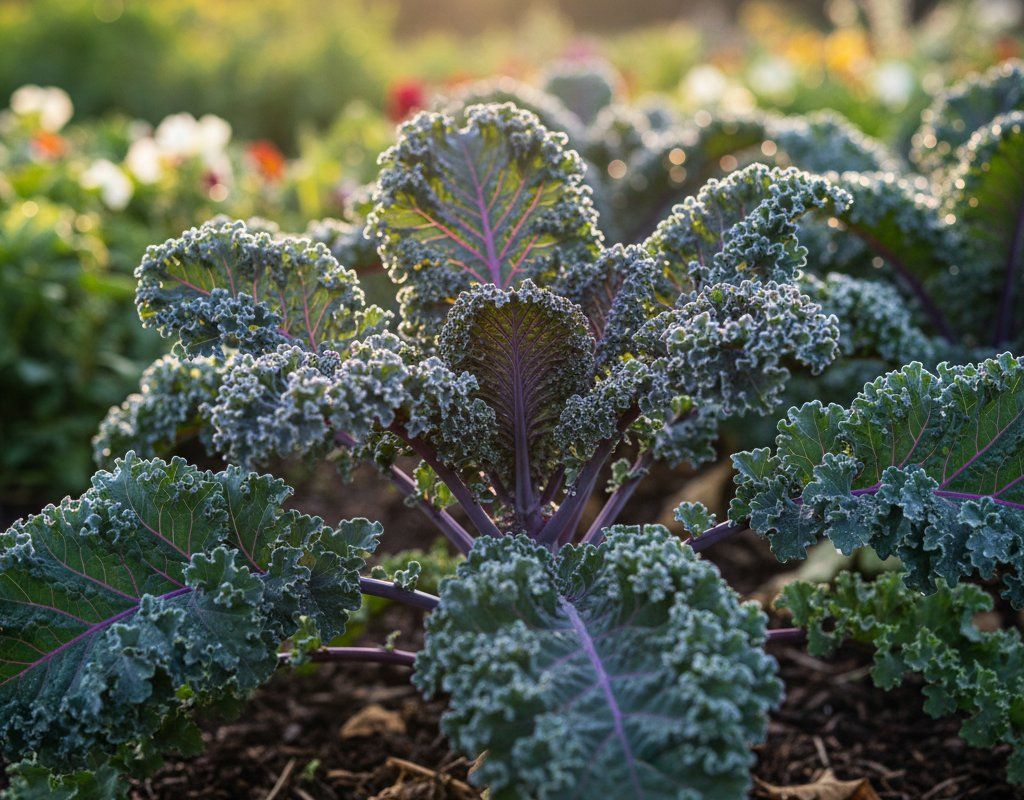
🥦Brassicas (6)


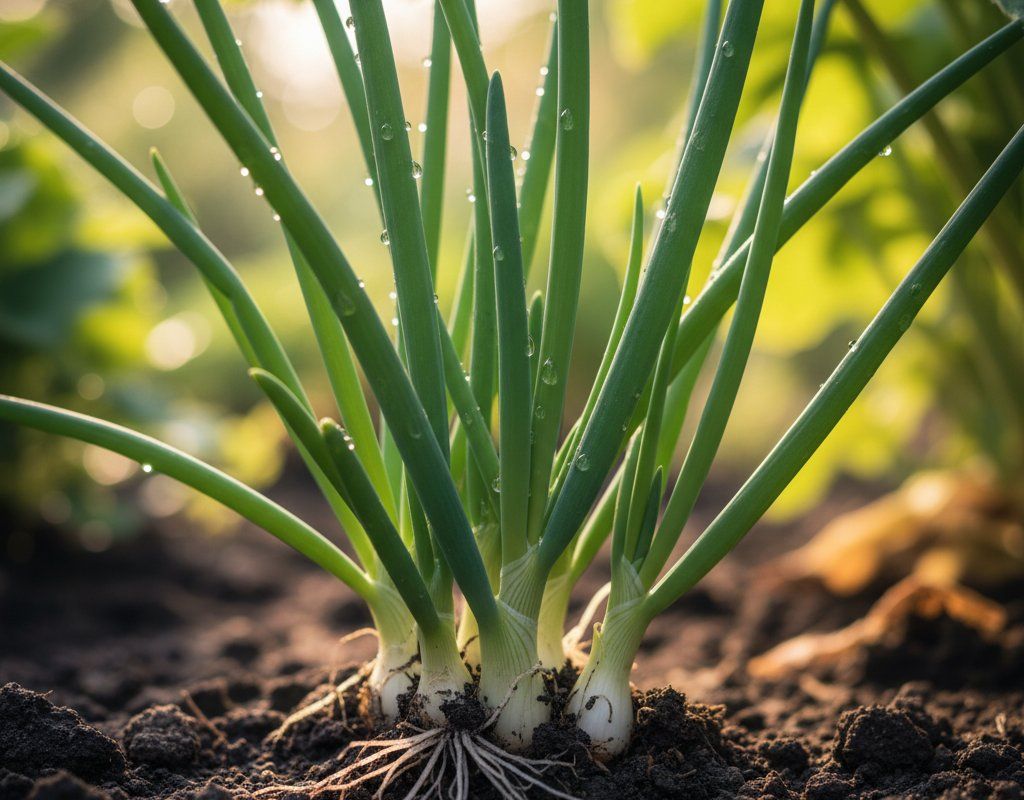
🧅Alliums (2)

🌽Grains (1)

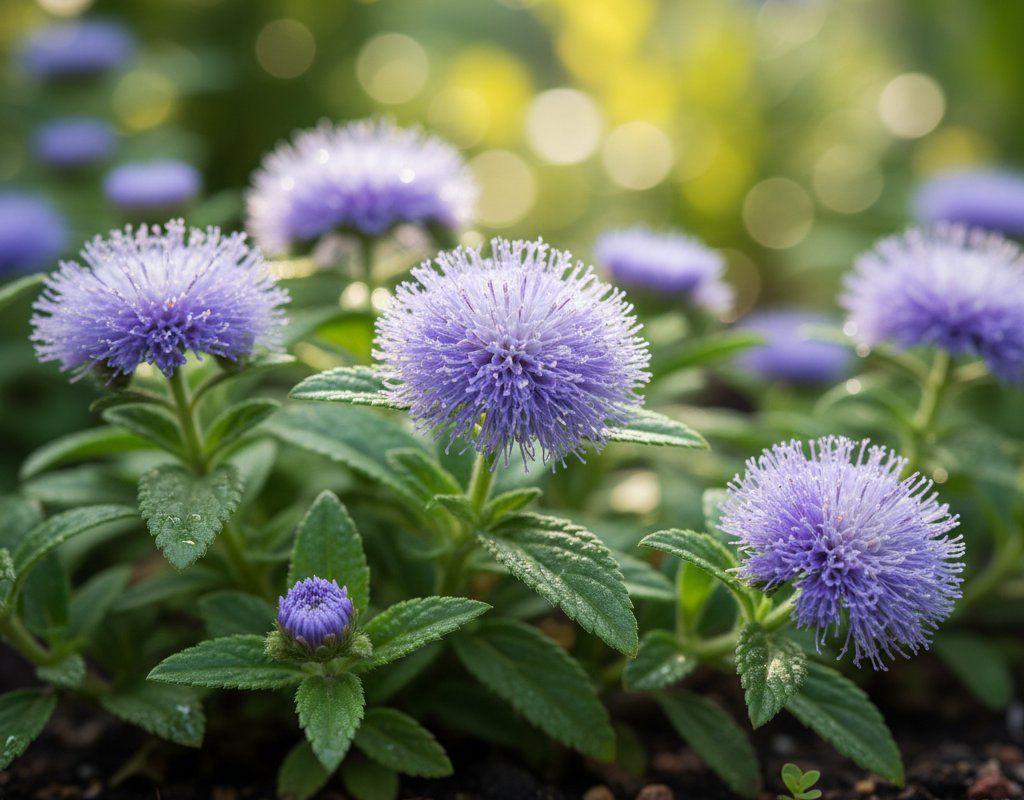
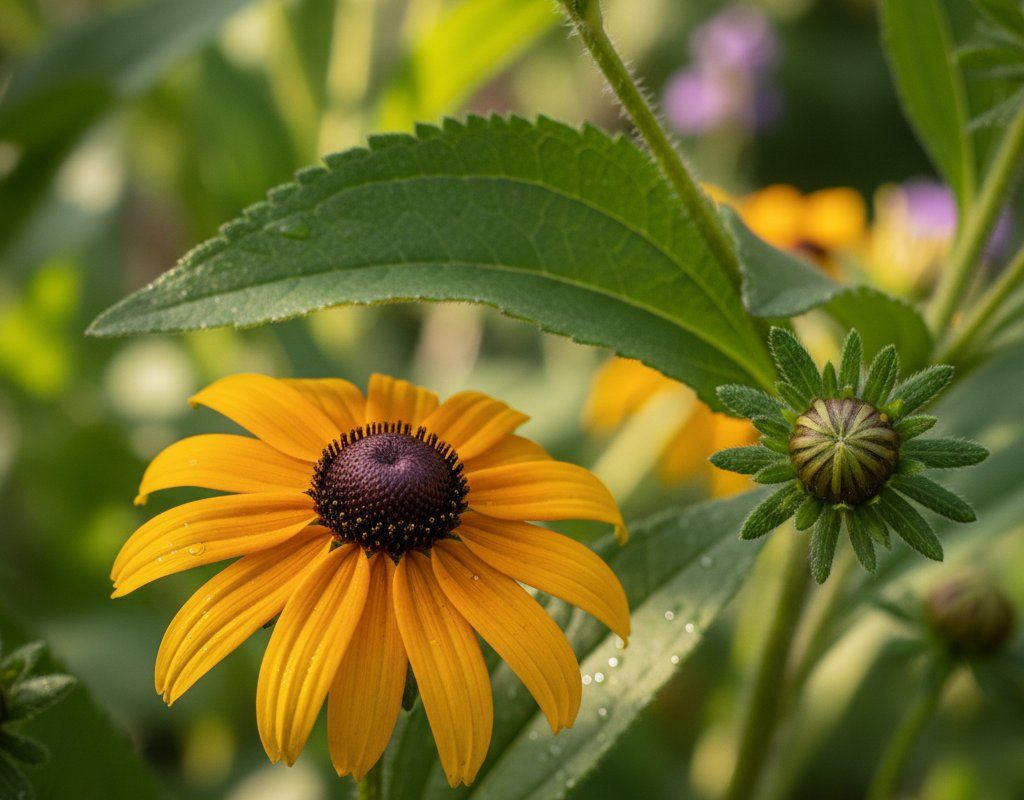
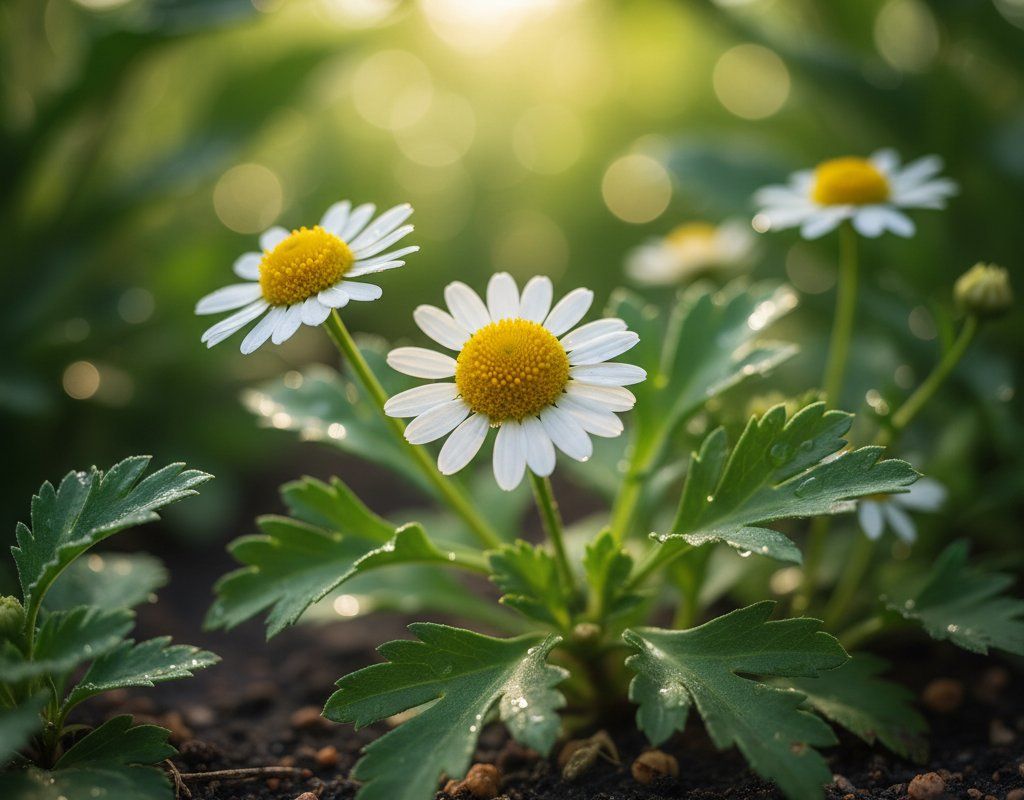
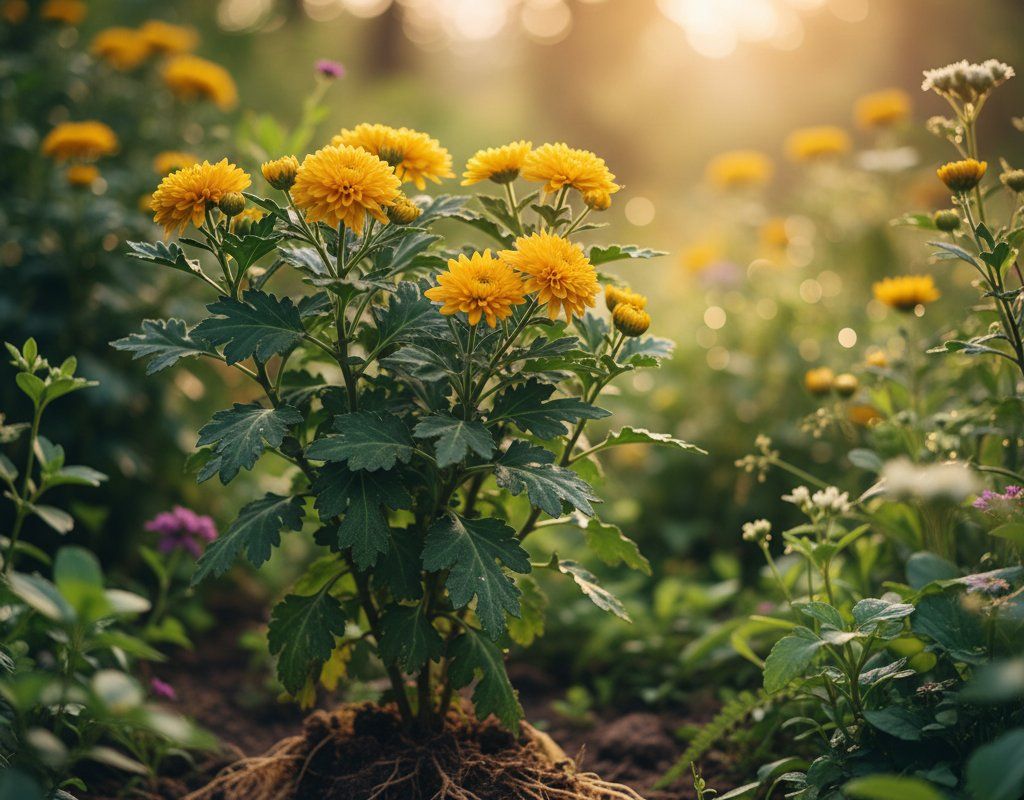
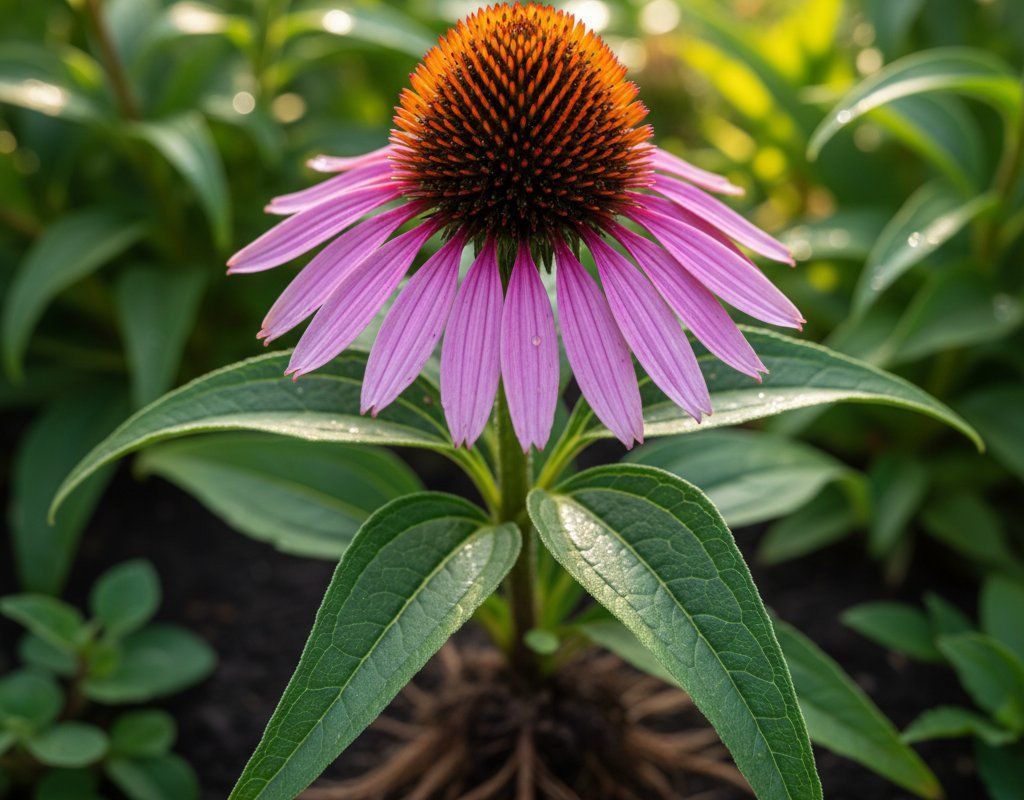
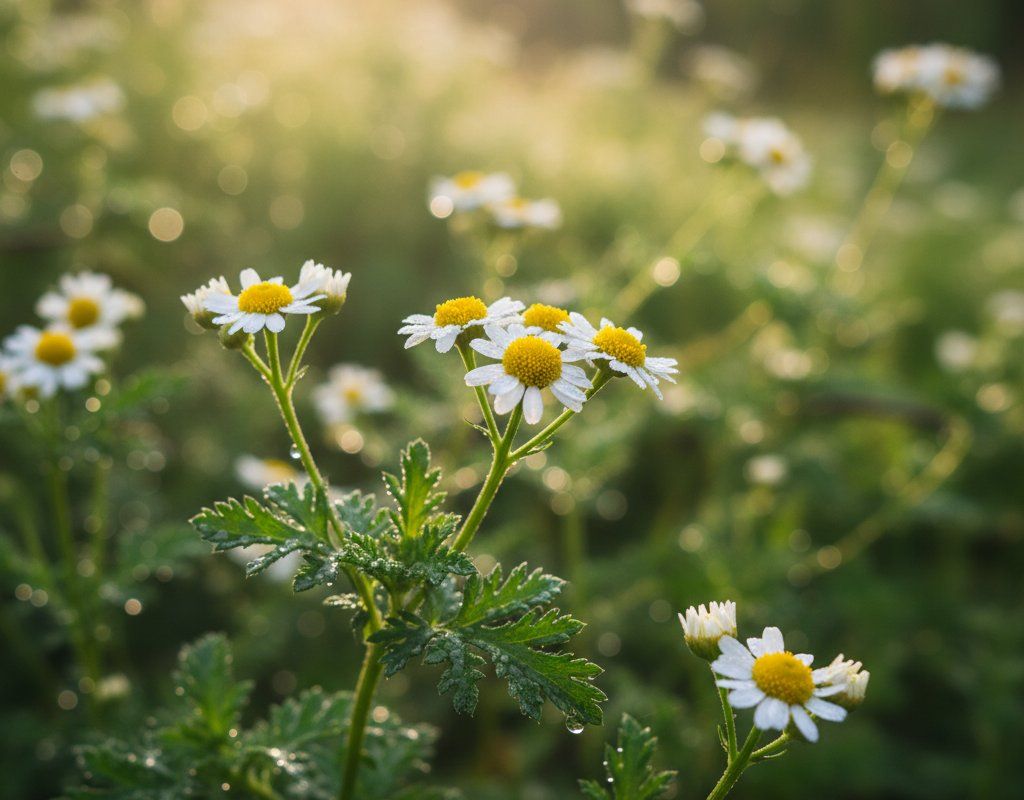
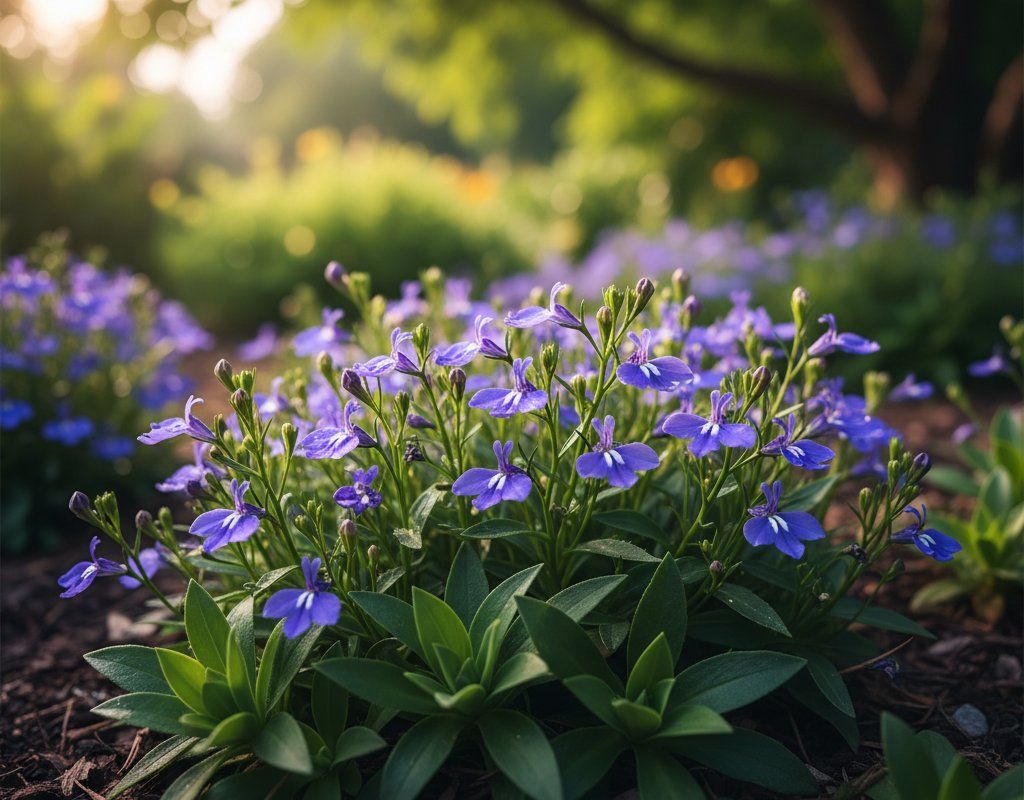
🌸Companion Flowers (20)













Month-by-Month Planting Calendar
What to do each month in your Zone 4B garden.
In January, you'll be deep into garden planning and seed ordering. Focus on reviewing last year's garden journal, selecting seeds that mature quickly, and checking your seed-starting equipment to ensure everything is ready for early indoor starts.
February is all about starting seeds indoors for cool-season crops like broccoli, cauliflower, and early lettuce varieties. Check your grow lights, prepare your seed-starting trays, and begin tracking your last expected frost date.
As early March arrives, start hardier seeds indoors like kale, Swiss chard, and early cabbage. Begin preparing your indoor seed-starting area with proper lighting and temperature control, and start thinking about soil preparation for when the ground thaws.
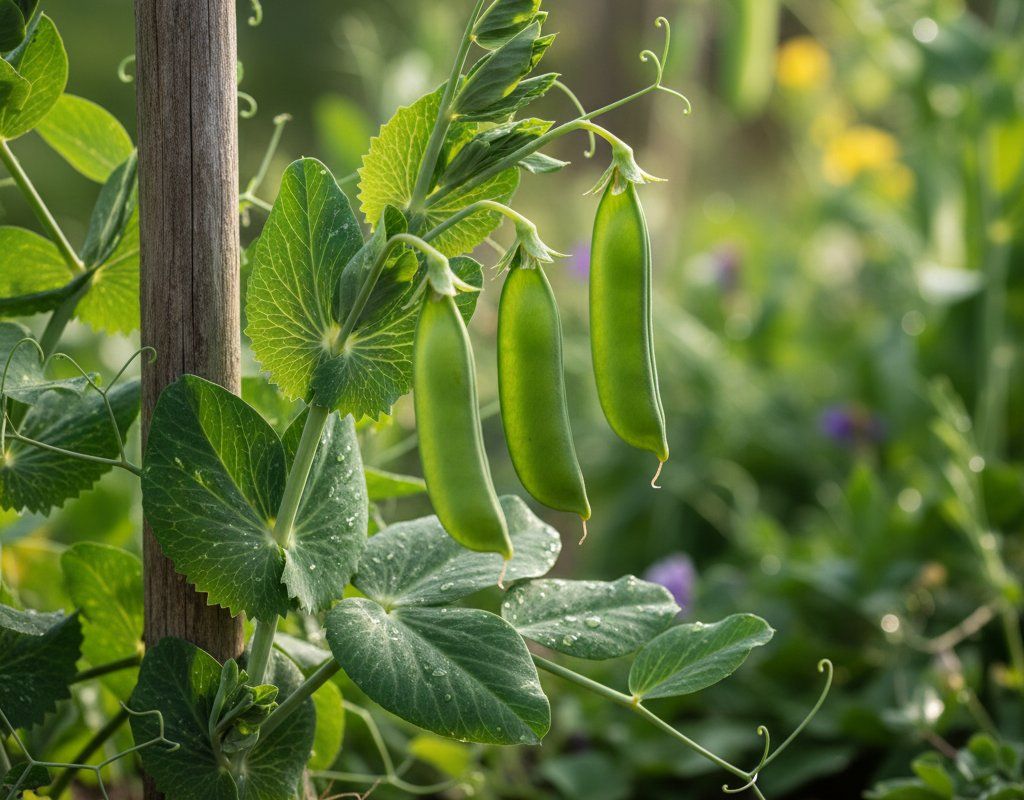
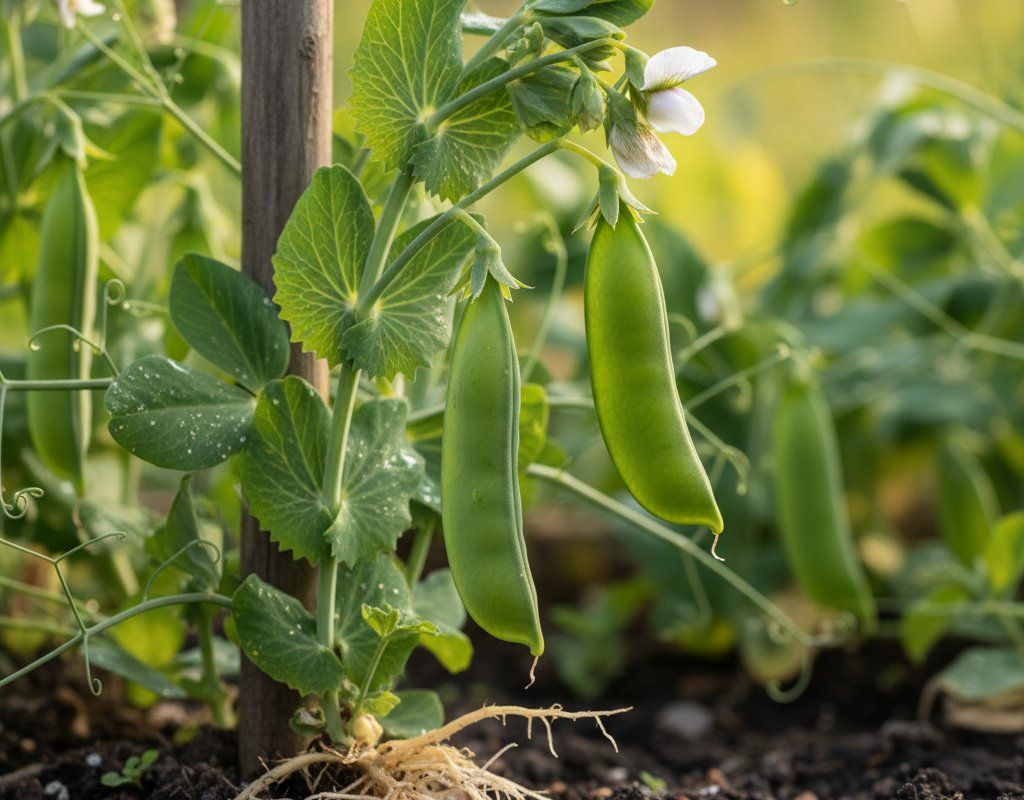
In April, you'll be hardening off your early indoor seedlings and preparing garden beds as soon as the soil is workable. Plant cool-season crops like peas, spinach, and radishes directly in the ground, and continue indoor starts for tomatoes and peppers.
May is your transition month - finish planting cool-season crops and prepare for warm-season vegetables. Watch for your last frost date carefully, and be ready to protect tender plants if unexpected cold arrives.
June is full garden planting time. Get your tomatoes, peppers, cucumbers, and squash in the ground, and continue succession planting of quick-growing crops like lettuce and radishes.
In July, focus on maintaining your garden - consistent watering, mulching, and monitoring for pests. Harvest your early crops and continue succession planting for continuous production.
August is peak harvest time - preserve your crops through canning, freezing, and dehydrating. Continue harvesting and maintaining your garden, and start planning your fall garden.
September brings preparation for fall crops. Plant quick-growing cool-season vegetables and use row covers to extend your growing season as temperatures drop.
In October, finish harvesting remaining crops and prepare your garden for winter. Clean up beds, add compost, and consider planting cover crops to improve soil health.
November is about garden cleanup and protection. Mulch perennial beds, drain and store irrigation equipment, and do final garden tool maintenance.
During December, review your garden's performance, order seeds for next year, and maintain your gardening skills by reading, planning, and dreaming about next season's garden.
Common Challenges in Zone 4B (Midwest)
Zone 4B gardeners get roughly 143 frost-free days, which opens up more crop options than 4A. But late spring frosts remain the biggest headache — warm spells in April can fool you into planting early, then a hard frost in early May wipes out unprotected transplants.
Summer weather is generally favorable for gardening, with good rainfall in most 4B regions. The transition to fall can be abrupt, with the first frost arriving in late September.
Japanese beetles and Colorado potato beetles are common warm-weather pests in this zone.
Season Extension Tips
Floating row cover is your most versatile tool. It protects against light frost (to about 28°F), reduces wind damage, and blocks some insect pests — all while letting rain and light through.
For tomatoes and peppers, black plastic mulch warms soil 5-10°F above ambient, giving roots a head start. Start a fall garden by direct-sowing lettuce, spinach, kale, and radishes in early August.
These crops thrive in the cooling temperatures and shorter days of early fall. A simple low tunnel made from PVC hoops and row cover can keep greens growing into November.
Soil Preparation
Spring soil prep typically begins in early May. If you amended in fall, beds may only need light raking and a thin compost top-dressing before planting.
For new beds, double-digging or broadforking opens compacted subsoil and improves drainage. Add sulfur if your pH is above 7.0 (common in limestone regions) or lime if below 6.0.
Organic matter is king in cold climates — it improves every soil type, feeding soil biology that stays dormant during your long winters. Aim for at least 5% organic matter content.