What Is Succession Planting
Succession planting is a strategic gardening technique that helps you maximize your garden's productivity by continuously sowing crops throughout the growing season. Instead of planting your entire garden at once, you stagger your plantings to ensure a steady supply of fresh vegetables. This method transforms your garden from a one-time harvest approach to a continuous production system.
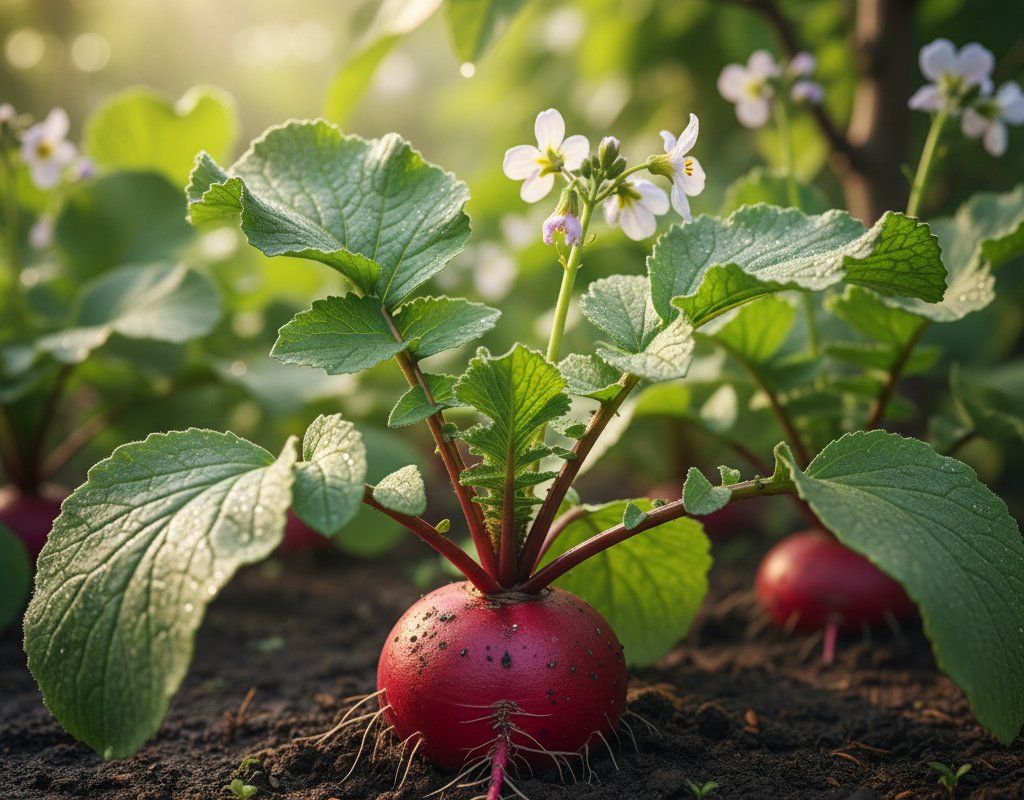
The core idea is simple: plant small batches of the same crop at regular intervals, typically every 2-3 weeks. This approach means you'll have vegetables maturing at different times, preventing the overwhelming surplus that often happens with traditional planting methods. For example, instead of 50 radishes all ready at once, you'll have 10-15 radishes ready every week for several weeks.
This technique works especially well for quick-growing crops like lettuce, radishes, and bush beans. By understanding your local growing season and planning carefully, you can extend your harvest and enjoy fresh produce for much longer than traditional gardening methods allow. Think of succession planting as creating a continuous food production line right in your backyard.
Benefits of Succession Planting
Succession planting offers multiple advantages that go far beyond simply extending your harvest. First, you'll maximize your garden space by ensuring continuous crop production. Instead of having bare soil after an initial harvest, you're constantly replanting and utilizing every square foot of your garden.
Economic benefits are significant. By spreading out your harvests, you reduce waste and create a steady supply of fresh vegetables. No more overwhelming amounts of produce all at once, followed by weeks with nothing. You'll save money on grocery bills and have a more consistent home-grown food supply.
Another key benefit is soil health. Continuous planting with varied crops helps prevent soil depletion. By rotating different plants through the same spaces, you're naturally managing nutrients and reducing the risk of pest and disease buildup. Each new crop helps restore or preserve soil structure and fertility.
Succession planting also provides excellent crop insurance. If one planting fails due to unexpected weather or pest issues, your staggered approach means you have other plantings coming up behind it. This resilience is especially valuable in regions with unpredictable growing conditions.
Succession Planting Strategies
Effective succession planting involves several key strategies. First, understand your crops' maturation times. Quick-growing crops like radishes (30 days) and lettuce (45-60 days) are perfect for frequent replanting. Slower crops like tomatoes and peppers require more strategic planning.
Use these core techniques: - Time-based replanting: Plant new seeds every 2-3 weeks - Interplanting: Grow quick and slow crops together - Vertical space utilization: Use trellises and vertical gardens - Season extension methods: Use cold frames, row covers, and greenhouses
Cool-climate zones (3-5) should focus on tight, controlled succession windows. You might have 90-120 frost-free days, so precision matters. Warm zones (8-10) can do multiple successions of the same crop with longer growing seasons.
Tracking is crucial. Keep a detailed garden journal noting planting dates, varieties, and performance. This helps you refine your approach each year and understand what works best in your specific microclimate.
Best Crops for Succession Planting
Not all crops work equally well for succession planting. Focus on quick-maturing, short-season vegetables that can be planted multiple times.
Top crops for succession planting: - Lettuce: Ready in 45-60 days, tolerates cool weather - Radishes: Mature in 20-30 days - Bush beans: 50-55 days to harvest - Spinach: 40-45 days, does well in cool temperatures - Carrots: 60-80 days, can be planted in multiple waves - Kale: 50-60 days, very cold-tolerant - Beets: 50-60 days
Avoid long-season crops like winter squash, melons, and indeterminate tomatoes. These plants take up space for months and don't suit frequent replanting.
Pro tip: Choose varieties specifically bred for quick maturation and your specific climate zone. Look for seed packets labeled "early" or "fast-maturing" for best succession planting results.
Creating a Succession Planting Schedule
Creating a successful succession planting schedule requires careful planning. Start by mapping out your local frost dates and understanding your growing season length.
Basic scheduling approach: - Cold zones (3-5): Tight 90-120 day windows - Moderate zones (6-7): 120-150 day windows - Warm zones (8-10): Up to 180-240 day growing seasons
Create a calendar with: - Last frost date - First expected frost - Crop maturation times - Recommended planting intervals
Use a spreadsheet or garden planning app to track your plantings. Mark specific dates for: - Initial planting - Expected harvest times - Succession planting windows
Consider using companion planting techniques to maximize space and nutrients between succession crops.
Zone-Specific Tips
Zone-specific succession strategies are crucial for garden success. Here's a breakdown:
Cold Zones (3-5): - Short, intense growing season - Focus on quick-maturing crops - Use season extension techniques - Plant every 2 weeks maximum - Prioritize cold-hardy varieties
Moderate Zones (6-7): - More flexible growing windows - Can do 3-4 successions of some crops - Use row covers for shoulder season plantings - Mix cool and warm-season crops
Warm Zones (8-10): - Extended growing seasons - Multiple successions possible - Watch for heat stress - Use shade cloth for summer plantings - Can grow year-round with proper planning
Each zone requires a tailored approach, so always adapt these guidelines to your specific microclimate and local conditions.
Frost Dates by Zone
| Zone | Climate | Last Frost | First Frost |
|---|---|---|---|
| 3A | extremely cold | May 15 | Sep 15 |
| 3B | very cold | May 10 | Sep 20 |
| 4A | cold | May 10 | Sep 20 |
| 4B | cold | May 5 | Sep 25 |
| 5A | cool | May 1 | Oct 1 |
| 5B | cool | Apr 25 | Oct 5 |
| 6A | moderate | Apr 20 | Oct 10 |
| 6B | moderate | Apr 15 | Oct 15 |
| 7A | mild | Apr 10 | Oct 20 |
| 7B | mild | Apr 1 | Oct 25 |
| 8A | warm | Mar 20 | Nov 1 |
| 8B | warm | Mar 10 | Nov 10 |
| 9A | hot | Feb 20 | Nov 20 |
| 9B | hot | Feb 10 | Dec 1 |
| 10A | tropical | Jan 30 | Dec 10 |
| 10B | tropical | Jan 15 | Dec 20 |
Related Plant Guides
Get zone-specific planting dates for these related vegetables.