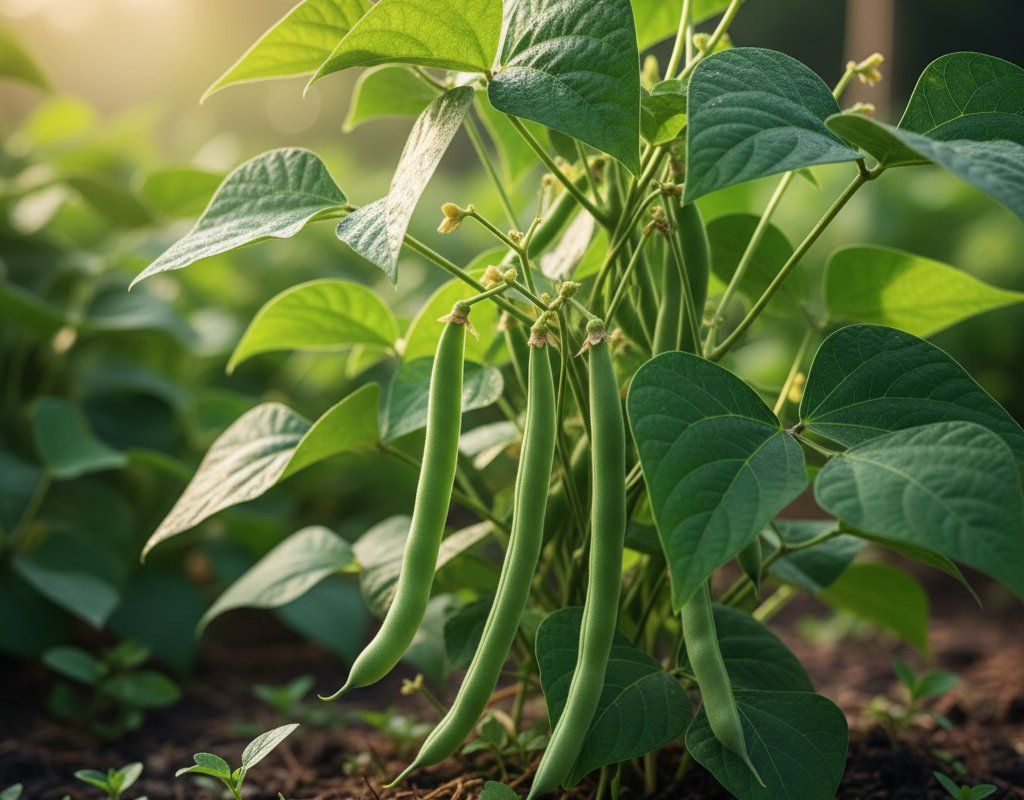
Green Beans in Zone 6B — Midwest
Phaseolus vulgaris · Your Complete 2026 Planting Guide
Planning Ahead — Great!
You’re ahead of the season. Here’s when to start.
Mark Your Calendar
How to Plant Green Beans in Zone 6B — Midwest
Here are all your options for getting green beans in the ground, from the easiest method to more advanced approaches.
Direct Sow Seeds
RecommendedLate April through early August
around April 22
Consider succession planting every 2-3 weeks for continuous harvest.
Beans have sensitive roots and grow quickly. Direct sow after frost.
Buy Starts
Works WellLate April through mid May
around April 22
Plant purchased starts after last frost (April 15).
Start Seeds Indoors
ChallengingThis plant is typically not started indoors.
Transplant Outdoors
Timing InfoLate April through mid May
around April 22
Wait until nighttime temperatures stay above 50°F.
You have a nice window — no need to rush.
Overview
Green beans are one of the most reliable and rewarding crops you can grow in our Midwest Zone 6B gardens. With our fertile soil and adequate summer rainfall, beans thrive here, producing tender, crisp pods that taste nothing like their grocery store counterparts. You'll enjoy multiple harvests throughout our warm summers, and with successive plantings, you can keep beans coming from mid-June clear through October.
While our variable spring weather and occasional late frosts can seem intimidating, green beans are actually perfect for new Midwest gardeners. Since they're frost-tender but grow quickly, you simply wait until the soil warms and plant directly in the garden—no fussy indoor starting required. With our generous 183-day growing season, you have plenty of time for multiple plantings and extended harvests.
Transplanting Outdoors
Transplanting green beans isn't the preferred method since beans have sensitive roots and grow so quickly from seed. However, if you want an earlier harvest or are dealing with particularly wet spring soil, you can start beans indoors about 3-4 weeks before your transplant date.
In the Midwest, transplant bean seedlings outdoors from late April through mid-May, but only after you're confident the last frost has passed. Our spring weather can be unpredictable, with warm spells followed by surprise cold snaps, so watch the forecast carefully. Harden off seedlings for a full week with gradual outdoor exposure before transplanting.
Space transplanted beans 4-6 inches apart in rows. Handle the roots gently—beans hate root disturbance and may sulk for a week or two after transplanting. Given how quickly beans grow from direct-sown seed, most Midwest gardeners skip the transplant method entirely.
Direct Sowing
Direct sowing is absolutely the way to go with green beans in our Zone 6B climate. Wait until soil temperatures reach at least 60°F and all danger of frost has passed—typically late April through early May in our region. You can continue succession planting through early August for continuous harvests.
Prepare your planting area in our typically fertile Midwest soil by working in some compost if your soil is heavy clay. Plant seeds 1-2 inches deep and 4-6 inches apart in rows spaced about 18 inches apart. In our clay soils, create slightly raised rows to improve drainage during our wet spring weather.
Beans germinate quickly in warm soil—usually within 7-10 days once temperatures stay consistently warm. Don't rush it though; beans planted in cool, wet soil often rot before they can sprout. The old Midwest wisdom of "wait until Memorial Day" serves beans particularly well, though you can often plant a week or two earlier if conditions are right.
Watering Green Beans in Zone 6B (Midwest)
Green beans need consistent moisture but absolutely hate soggy conditions, making them well-suited to our moderate-to-humid Midwest summers. With our 30-40 inches of annual rainfall, you'll often find that nature provides much of what your beans need, especially during our typically wet spring and early summer periods.
Check soil moisture with the finger test—stick your finger 2 inches into the soil near your bean plants. If it feels dry at that depth, it's time to water. During typical Midwest summer weather, this usually means watering once or twice a week with about 1 inch of water each time. However, during our occasional summer heat spells when temperatures climb into the 90s, you may need to water more frequently.
Always water at the base of your plants rather than overhead—our moderate-to-humid conditions already create perfect conditions for fungal diseases like bean rust. Soaker hoses or drip irrigation work perfectly for beans. If you must use a sprinkler, water early morning so foliage dries quickly.
Watch for signs of stress: wilted leaves during the heat of the day (normal) versus wilted leaves in morning or evening (needs water). Overwatered beans show yellowing leaves and poor pod development. A 2-3 inch layer of straw mulch helps maintain consistent soil moisture during our variable summer weather while keeping soil from splashing onto leaves during heavy Midwest thunderstorms.
🧪Fertilizing Green Beans
Feeding Schedule
Organic Fertilizer Options
Harvest Time
Your first green bean harvest typically begins in mid-June if you planted in late April, though later plantings will start producing accordingly. With our long Midwest growing season extending until our first frost in mid-October, you can enjoy fresh beans for nearly four months with successive plantings.
Harvest beans when pods are firm, crisp, and about pencil-thick—before you can see the individual seeds bulging inside. The pods should snap cleanly when bent. Pick every 2-3 days once production begins; frequent harvesting signals the plant to keep producing rather than going to seed.
Use both hands when harvesting—hold the stem with one hand while picking pods with the other to avoid damaging the plant. Morning is the best time to harvest when pods are fully hydrated and crisp from cool nighttime temperatures. A single bush bean plant typically produces for 3-4 weeks under good conditions.
As our first frost approaches in mid-October, harvest any remaining tender pods even if they're slightly smaller than ideal. You can also allow some pods to mature fully and dry on the plant for shell beans—just make sure to harvest before our first hard freeze damages them. Pull plants after harvest and add them to your compost pile, as bean roots add valuable nitrogen to the soil.
Common Problems in Zone 6B (Midwest)
Bean Beetles You'll spot these copper-colored beetles with black spots munching holes in your bean leaves, creating a skeletonized appearance where only the leaf veins remain. Look for yellow-orange spiny larvae on the undersides of leaves—they're often more destructive than the adults. Our warm Midwest summers allow multiple generations to develop, making this a persistent problem once established.
Mexican bean beetles thrive in our moderate-to-humid conditions and can quickly defoliate plants during summer heat spells when beans are already stressed. Check plants weekly starting in mid-June. Handpick adults and larvae in early morning when they're sluggish, and crush any yellow egg clusters you find on leaf undersides. Row covers work well until plants flower, then remove to allow pollination.
Bean Rust This fungal disease appears as rusty orange, yellow, or brown pustules on leaves and stems, particularly on undersides. Leaves eventually yellow and drop prematurely, reducing your harvest significantly. Our moderate-to-humid Midwest summers with frequent dew and occasional thunderstorms create perfect conditions for rust development.
Bean rust spreads rapidly during warm, moist conditions—exactly what we often experience during July and August. Avoid overhead watering entirely, and don't work among wet plants after rain or morning dew. Improve air circulation by proper spacing and removing any weeds around plants. Remove affected leaves immediately and apply organic copper fungicide if the problem persists.
Mosaic Virus Infected plants show a distinctive mottled yellow and green pattern on leaves, often with stunted, distorted growth and deformed pods. Once a plant contracts mosaic virus, there's no cure—the entire plant must be removed and destroyed. Aphids spread this virus between plants, and it can also transfer through contaminated tools or hands.
Our wet spring conditions often lead to aphid populations that can spread mosaic virus quickly through your bean patch. Control aphids with insecticidal soap or by attracting beneficial insects like ladybugs. Always wash your hands and disinfect tools when moving between plants, especially if you're a tobacco user, as tobacco mosaic virus readily infects beans.
Midwest Specific Challenges: Our combination of moderate-to-hot summers, moderate-to-humid conditions, and wet-summer rainfall pattern creates an environment where fungal diseases thrive on beans. The key to success is managing moisture—water at soil level, ensure good air circulation, and avoid working among wet plants during our frequent summer thunderstorms.
Best Companions for Green Beans
Plant these nearby for healthier Green Beans and better harvests.
View Full Companion Planting Chart →




Companion Planting Details
Green beans work beautifully in the traditional "Three Sisters" planting with corn and squash that Native Americans perfected in this region. The corn provides natural trellising for pole beans (though bush beans don't need this), while the beans fix nitrogen that feeds the heavy-feeding corn. Squash spreads along the ground, shading soil and deterring pests with its prickly leaves—perfect for our hot summer conditions.
Carrots and celery make excellent companions for bush beans since they don't compete for space and actually benefit from the light shade beans provide during our intense summer heat spells. Avoid planting beans near onions, garlic, or fennel—these plants can inhibit bean growth and development. The strong compounds these alliums release seem to interfere with the beneficial bacteria that help beans fix nitrogen in our fertile Midwest soil.
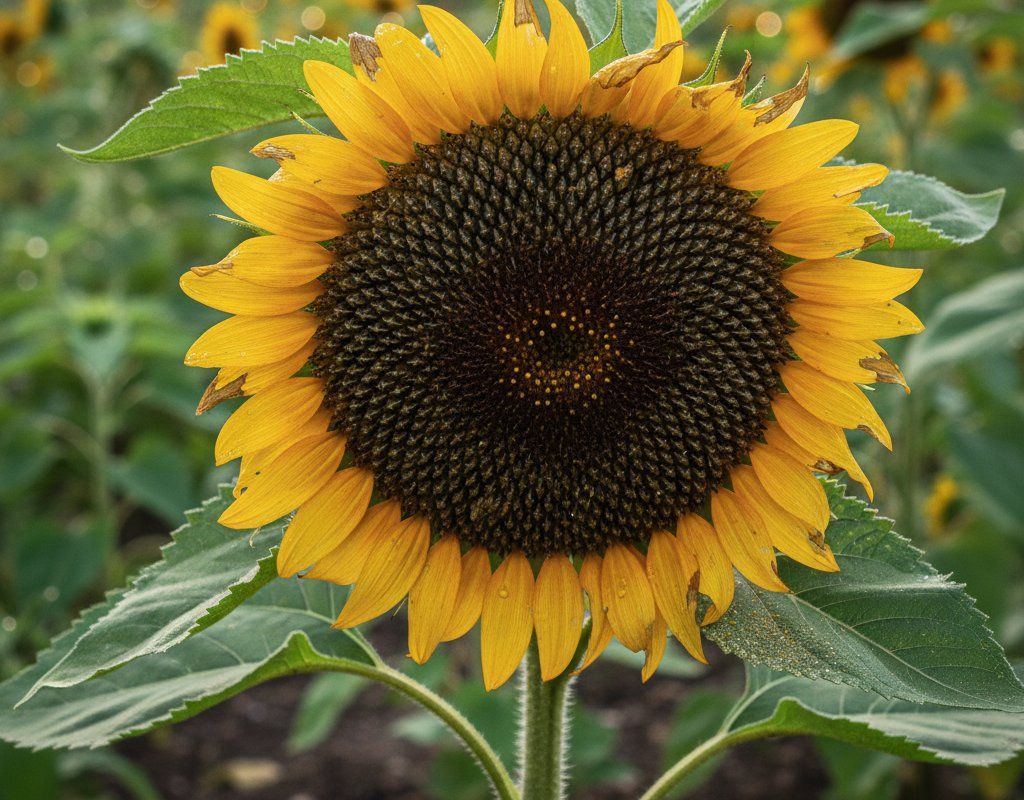
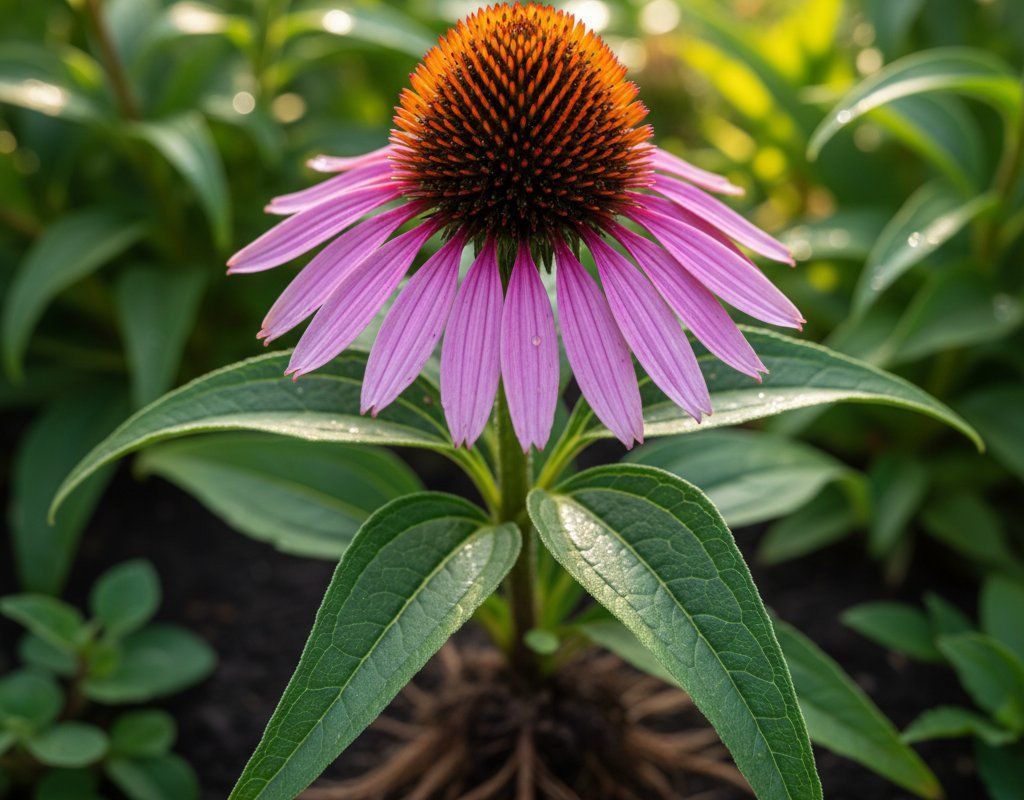
🌸Best Flowers to Plant with Green Beans
These flowers protect your Green Beans from pests and attract pollinators for better harvests.
For Pest Control






Get a Reminder When It's Time to Plant
We'll email you when key planting windows open for your zone.