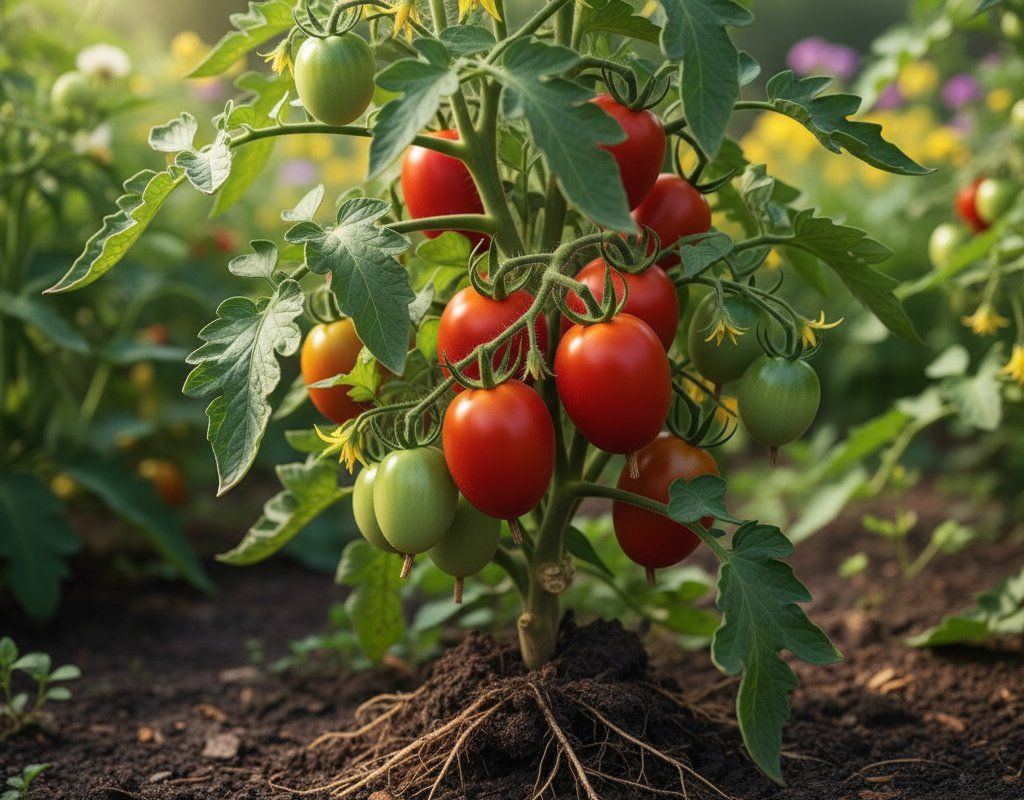
Roma Tomatoes in Zone 6B — Midwest
Solanum lycopersicum · Your Complete 2026 Planting Guide
Planning Ahead — Great!
You’re ahead of the season. Here’s when to start.
Mark Your Calendar
How to Plant Roma Tomatoes in Zone 6B — Midwest
Here are all your options for getting roma tomatoes in the ground, from the easiest method to more advanced approaches.
Start Seeds Indoors
RecommendedMid March through early April
around March 18
Then transplant: Late April through late May
Start seeds 6-8 weeks before transplanting outdoors.
Buy Starts
Works WellLate April through late May
around April 29
Plant purchased starts after last frost (April 15).
Direct Sow Seeds
ChallengingDirect sowing is not typical for Roma Tomatoes.
Transplant Outdoors
Timing InfoLate April through late May
around April 29
Wait until nighttime temperatures stay above 50°F.
You have a nice window — no need to rush.
Overview
Roma tomatoes are the workhorse of the Midwest garden, delivering meaty, paste-type fruit perfect for sauces, canning, and fresh eating. Their determinate growth habit and concentrated harvest timing work beautifully with our 183-day growing season, giving you a substantial crop of uniform, flavorful tomatoes ideal for preserving through our long winters. The fertile Midwest soil provides excellent nutrition for these heavy producers, while our adequate summer rainfall keeps them consistently watered.
Yes, our variable spring weather and occasional summer heat spells present challenges, but Roma tomatoes are forgiving once established. Starting them indoors gives you complete control over their early development, ensuring strong transplants ready to handle whatever Midwest weather throws their way. With proper timing and consistent care, you'll harvest baskets of these versatile tomatoes from mid-summer through first frost.
Starting Seeds Indoors
Start your Roma tomato seeds indoors from mid-March through early April, about six weeks before your planned transplant date. This timing works perfectly with our moderate-to-late spring character, giving seedlings time to develop strong root systems before facing outdoor conditions. Set up seed trays in a warm spot (70-75°F) with good light—a south-facing window or grow lights work well.
Plant seeds ¼ inch deep in quality seed-starting mix and keep consistently moist using bottom watering. Fill a tray with water and set your seed containers in it, allowing the soil to absorb moisture from below. This prevents disturbing tiny seeds and reduces damping-off disease. Seeds typically germinate within 5-10 days with adequate warmth.
Once seedlings develop their first true leaves, provide 14-16 hours of light daily and begin weekly feeding with diluted fertilizer. Transplant to larger containers when plants reach 3-4 inches tall, burying the stem up to the first set of leaves to encourage strong root development.
Transplanting Outdoors
Wait until nighttime temperatures consistently stay above 50°F before transplanting outdoors—typically late April through late May in our zone. Memorial Day weekend remains the safest bet for most Midwest gardeners, though you can plant earlier if you're prepared to protect plants during unexpected cold snaps. Our spring weather can be unpredictable, so watch forecasts carefully.
Begin hardening off plants one week before transplanting by gradually exposing them to outdoor conditions. Start with 2-3 hours of morning sun, increasing daily until they're outside full-time. This process helps plants adjust to wind, temperature fluctuations, and direct sunlight without shock.
Space transplants 24-36 inches apart in full sun locations, digging holes deep enough to bury two-thirds of the stem. This deep planting encourages extensive root development, crucial for supporting the heavy fruit load Roma tomatoes produce. Plant on a calm, overcast day if possible to reduce transplant stress.
Watering Roma Tomatoes in Zone 6B (Midwest)
Roma tomatoes need consistent, deep watering throughout the growing season—about 1-2 inches per week including rainfall. Our wet Midwest summers often provide adequate natural irrigation, but monitor soil moisture during dry spells and heat waves. Check soil moisture by inserting your finger 2 inches deep; water when dry at this depth.
Focus watering at the base of plants rather than overhead, especially important in our moderate-to-humid climate where wet foliage encourages disease. Soaker hoses or drip irrigation work perfectly, delivering water directly to root zones while keeping leaves dry. Water deeply but less frequently to encourage deep root growth and drought resistance.
Consistent moisture is absolutely critical for paste tomatoes like Roma—irregular watering leads to blossom end rot, particularly noticeable on the elongated fruit. The concentrated sugars and lower water content that make Roma tomatoes perfect for sauce also make them more susceptible to this calcium uptake problem. During our typical 86°F summer heat, daily watering may be necessary.
Apply 2-3 inches of organic mulch around plants to maintain even soil moisture and reduce watering frequency. Grass clippings, shredded leaves, or straw work well in our climate, helping soil retain moisture during heat spells while preventing soil splash that spreads disease.
Supporting Your Roma Tomatoes
Install cages or stakes at planting time to support Roma tomatoes throughout their growth. Since these are determinate varieties reaching 3-4 feet tall, shorter 4-foot cages work perfectly—no need for the towering supports required by indeterminate varieties. The concentrated fruit load of Roma tomatoes benefits greatly from support, preventing branches from breaking under weight.
Sturdy tomato cages made from concrete reinforcing wire provide excellent support and allow easy harvest access from all sides. If using stakes, choose 6-foot posts driven 18 inches deep, tying plants loosely with soft ties every 12 inches as they grow. Avoid tight ties that cut into stems as plants expand.
Roma tomatoes naturally grow in a bushy, compact form with strong central stems, but the sheer weight of their meaty fruit requires support. Remove suckers (shoots growing between main stem and branches) sparingly, as determinate varieties need their leaves for photosynthesis during their concentrated fruit production period.
🧪Fertilizing Roma Tomatoes
Feeding Schedule
Organic Fertilizer Options
Harvest Time
Expect your first Roma tomatoes from mid-July through late August, roughly 75 days from transplanting. These paste tomatoes ripen from green to deep red, developing their characteristic firm, meaty texture as they mature. Harvest when fruits show deep red color throughout with no green shoulders, and flesh gives slightly to gentle pressure.
Roma tomatoes should detach easily from the stem when ripe—avoid pulling or twisting fruit, which can damage plants. The classic egg or pear shape becomes fully filled out at maturity, with thick walls and minimal seed cavities. Since this is a determinate variety, most fruit ripens within a 2-3 week window, perfect for large batch processing.
As our mid-October first frost approaches, harvest all remaining fruit regardless of ripeness stage. Green and partially ripe Roma tomatoes ripen well indoors when stored in a cool, dark place—wrap individual fruits in newspaper or place in cardboard boxes. Check weekly and use as they ripen, extending your harvest well into fall.
Monitor plants daily during peak harvest season, as ripe fruit left on plants too long becomes overripe and attracts pests. Regular harvesting also encourages continued production until frost ends the season.
Common Problems in Zone 6B (Midwest)
Blossom End Rot appears as dark brown or black leathery patches on the bottom (blossom end) of developing fruit, often affecting the first tomatoes of the season. This calcium deficiency results from inconsistent watering rather than soil problems—irregular moisture prevents proper calcium uptake even in our calcium-rich Midwest soils. Maintain consistent soil moisture through regular watering and heavy mulching. Remove affected fruits immediately and focus on even watering schedules.
Early Blight shows as brown spots with distinctive concentric rings on lower leaves, creating a target or bullseye pattern. This fungal disease thrives in our warm, humid summer conditions and spreads via soil splash during rain or overhead watering. Remove affected leaves immediately and destroy them (never compost diseased material). Water at soil level, mulch heavily to prevent soil splash, and ensure adequate spacing for air circulation. Copper-based fungicides help slow progression.
Fusarium Wilt causes wilting on one side of the plant first, followed by yellowing leaves and brown streaking visible when stems are cut open. This soil-borne fungus persists for years and enters through roots, becoming more active during our summer heat spells. No cure exists once infection occurs—remove and destroy affected plants immediately. Prevent by choosing resistant varieties (marked with 'F' on seed packets), rotating crops yearly, and maintaining soil pH above 6.5.
Midwest Specific Challenges: Our moderate-to-humid summer conditions and wet-summer rainfall pattern create ideal environments for fungal diseases while our clay soil can lead to drainage issues. Focus on soil drainage improvement, base watering methods, and adequate plant spacing to combat these regional challenges that particularly affect paste tomatoes like Roma.
Best Companions for Roma Tomatoes
Plant these nearby for healthier Roma Tomatoes and better harvests.
View Full Companion Planting Chart →



Companion Planting Details
Plant basil near your Roma tomatoes for natural pest deterrence and enhanced flavor—many gardeners swear basil improves tomato taste while repelling aphids and hornworms. Carrots make excellent companions, as their deep taproots break up our heavy clay soil while their foliage doesn't compete for sun. Parsley planted nearby attracts beneficial insects that prey on tomato pests, while marigolds provide nematode control and add bright color to your garden beds.
Avoid planting brassicas like cabbage or broccoli near tomatoes, as they compete heavily for nutrients our fertile soil readily provides. Fennel secretes compounds that inhibit tomato growth, while corn attracts similar pests and creates too much shade for optimal tomato production. Keep these poor companions at least 4 feet away from your Roma tomato plantings.
🌸Best Flowers to Plant with Roma Tomatoes
These flowers protect your Roma Tomatoes from pests and attract pollinators for better harvests.
For Pest Control



For Pollinators

Get a Reminder When It's Time to Plant
We'll email you when key planting windows open for your zone.