Benefits of Mulching
Mulching isn't just a cosmetic garden trick — it's a critical strategy that protects and nourishes your soil. When you apply mulch, you create a protective layer that dramatically reduces water evaporation, meaning you'll water less frequently and your plants stay hydrated longer. This layer also maintains more consistent soil temperatures, which helps plant roots stay healthy during temperature swings.
Beyond moisture retention, mulch acts like a natural weed barrier. A 2-3 inch layer of mulch prevents sunlight from reaching weed seeds, significantly reducing germination. Additionally, organic mulches gradually break down, adding essential nutrients to your soil. As they decompose, they improve soil structure, promoting better drainage and creating a more hospitable environment for beneficial microorganisms.
Mulch also protects plant roots from extreme temperature changes. In cold zones like 3-5, a good mulch layer insulates roots during harsh winters. In hot zones like 8-10, mulch keeps soil cooler and prevents rapid moisture loss. The result? Healthier plants that are more resilient to environmental stress.
Pro tip: Think of mulch as a protective blanket for your garden — it shields, nourishes, and supports your plants through various environmental challenges.
Types of Mulch (Organic vs Inorganic)
Mulches fall into two primary categories: organic and inorganic. Organic mulches are derived from natural materials that decompose over time, while inorganic mulches are more permanent solutions.
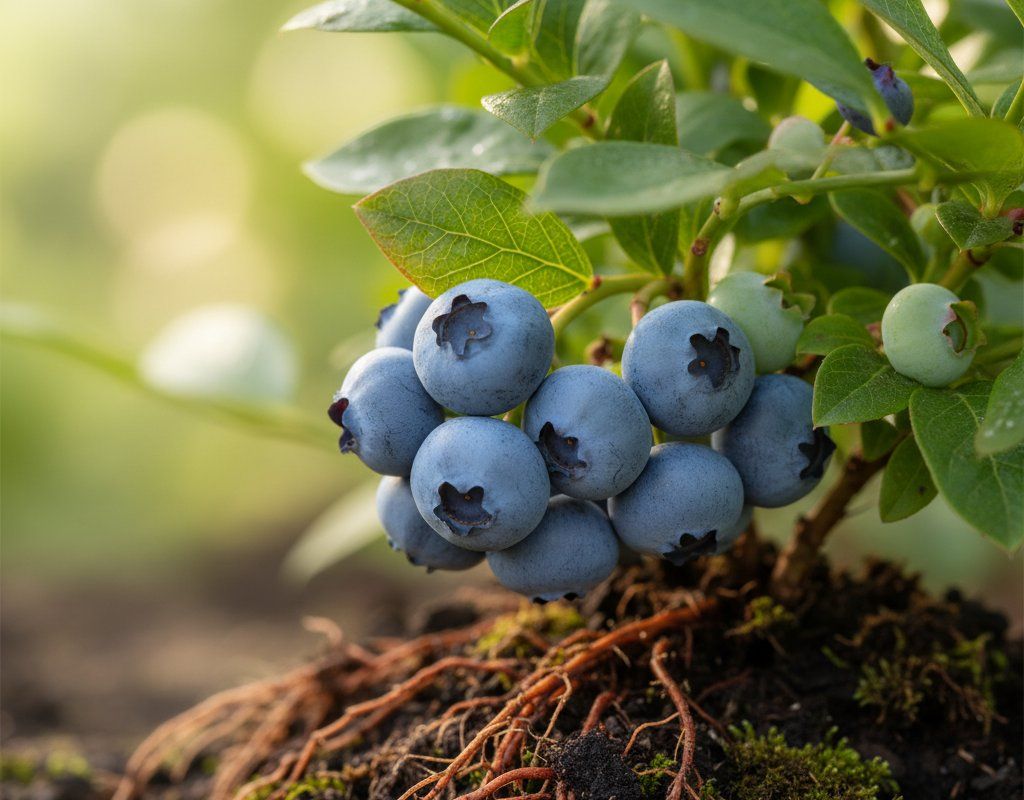
Organic mulches include: - Wood chips/bark: Slow decomposition, great for trees and perennial beds - Straw: Excellent for vegetable gardens, lightweight and affordable - Compost: Adds immediate nutrients, works well in vegetable gardens - Leaves: Free and readily available, break down quickly - Pine needles: Ideal for acid-loving plants like blueberries
Inorganic mulches include: - River rocks: Excellent for xeriscaping and drainage - Landscape fabric: Provides strong weed prevention - Rubber mulch: Durable, good for play areas and pathways - Gravel: Works well in drought-resistant landscapes
For vegetable gardens, organic mulches are typically best. They improve soil quality as they decompose, whereas inorganic mulches primarily block weeds and retain moisture.
Pro tip: Match your mulch to your garden's specific needs — don't just choose based on appearance.
Choosing the Right Mulch for Your Garden
Selecting the right mulch depends on your specific garden goals, plant types, and local climate. For vegetable gardens, lightweight organic mulches like straw or compost work best. They decompose quickly, adding nutrients while protecting soil moisture.
In flower beds, bark mulch or wood chips provide a more decorative look and break down more slowly. For acid-loving plants like azaleas and rhododendrons, pine bark or pine needle mulch can help maintain soil pH.
Consider these factors when choosing: - Soil type (clay, sandy, loamy) - Plant requirements - Local climate zone - Aesthetic preferences - Budget
In cold zones (3-5), choose mulches that provide good insulation. Straw and wood chips work well. In warm zones (8-10), lighter mulches that don't retain too much heat are preferable.
For vegetable gardens, look for mulches that: - Break down quickly - Add nutrients - Prevent soil compaction - Retain moisture
Avoid using fresh wood chips directly around plant stems, as they can rob nitrogen from the soil during decomposition.
Pro tip: Don't be afraid to mix mulch types for optimal garden performance.
When to Apply Mulch
Mulching timing varies significantly based on your garden zone and specific plants. In cold zones (3-5), wait until soil temperatures stabilize after the last frost, typically mid-May to early June. In moderate zones (6-7), you can mulch earlier, around late April or early May.
For vegetable gardens, apply mulch after seedlings have emerged and soil has warmed. This usually means 2-3 weeks after planting, when plants are 4-6 inches tall. This timing allows soil to warm up and prevents mulch from blocking seed germination.
Perennial beds and ornamental gardens can be mulched earlier. In zones 8-10, you might mulch as early as March, while colder zones should wait until May.
Seasonal considerations: - Spring: Refresh existing mulch, add new layers - Summer: Maintain 2-3 inch layer to retain moisture - Fall: Add a fresh layer before winter to insulate roots - Winter: In cold zones, apply a thick layer after ground freezes
Always check soil temperature with a soil thermometer. Ideal mulching temperatures range between 50-70°F.
Pro tip: Timing matters — mulching too early can slow soil warming and delay plant growth.
How to Apply Mulch Properly
Proper mulch application is crucial for garden health. Start by preparing your garden bed: remove weeds, smooth the soil surface, and ensure good drainage. For most gardens, aim for a 2-3 inch layer of mulch.
Application steps: 1. Clear the area of weeds and debris 2. Create a smooth, level surface 3. Leave 2-3 inches of space around plant stems to prevent rot 4. Spread mulch evenly using a rake 5. Water lightly to help mulch settle
For vegetable gardens, use lighter mulches like straw or compost. In ornamental beds, bark chips or wood mulch work well. Avoid piling mulch against tree trunks or plant stems — this can cause moisture buildup and disease.
Mulch depth varies by plant type: - Vegetables: 1-2 inches - Flower beds: 2-3 inches - Trees/shrubs: 3-4 inches - Pathways: 4-6 inches
In areas with heavy rainfall, use slightly less mulch to prevent waterlogging. In dry regions, a thicker layer helps retain moisture.
Pro tip: Think of mulch application like frosting a cake — even, smooth, and not too thick around the edges.
Mulching Mistakes to Avoid
Common mulching mistakes can harm your garden's health and plant growth. Avoid these frequent errors:
Overmulching: More isn't always better. Thick mulch layers (over 4 inches) can: - Block water penetration - Create anaerobic soil conditions - Encourage pest habitation - Cause root rot
Mulching too close to stems: Leaving mulch directly against plant stems can: - Increase disease risk - Attract rodents - Cause stem rot - Block oxygen exchange
Using inappropriate materials: - Avoid fresh wood chips near vegetable gardens - Don't use diseased plant materials - Skip mulches with weed seeds - Avoid chemically treated materials
Climate-specific errors: - Cold zones: Mulching too early prevents soil warming - Hot zones: Using dark mulches can increase soil temperature dramatically - Wet regions: Using non-draining mulch causes root problems
Other mistakes include: - Not refreshing mulch annually - Ignoring soil conditions - Choosing aesthetics over functionality - Failing to adjust mulch for different plant types
Pro tip: Observe your garden's response and be willing to adjust your mulching strategy.
Related Plant Guides
Get zone-specific planting dates for these related vegetables.