
Pumpkin in Zone 6B — Midwest
Cucurbita pepo · Your Complete 2026 Planting Guide
Planning Ahead — Great!
You’re ahead of the season. Here’s when to start.
Mark Your Calendar
How to Plant Pumpkin in Zone 6B — Midwest
Here are all your options for getting pumpkin in the ground, from the easiest method to more advanced approaches.
Direct Sow Seeds
RecommendedLate April through late June
around April 22
Consider succession planting every 2-3 weeks for continuous harvest.
Pumpkins grow well from direct-sown seeds after soil warms.
Buy Starts
Works WellLate April through mid May
around April 29
Plant purchased starts after last frost (April 15).
Start Seeds Indoors
Works WellEarly to late April
around April 8
Then transplant: Late April through mid May
Start seeds 3-5 weeks before transplanting outdoors.
Transplant Outdoors
Timing InfoLate April through mid May
around April 29
Wait until nighttime temperatures stay above 50°F.
Plan to transplant within a few weeks of your target date.
Overview
Growing pumpkins in our Zone 6B Midwest climate gives you the perfect combination of fertile soil and reliable summer heat to produce those impressive jack-o'-lanterns and pie pumpkins you see at the farmers market. Our rich prairie soils and warm summers create ideal conditions for these sprawling vines, while the 183-day growing season provides plenty of time for even the largest varieties to fully mature. There's real satisfaction in growing your own pumpkins – the flavor of homegrown beats anything from the grocery store, and you'll have endless options from sugar pie varieties to giant carving pumpkins.
Our variable spring weather and those occasional summer heat spells might seem challenging, but pumpkins are actually well-suited to Midwest conditions once you get the timing right. The key is working with our climate patterns rather than fighting them – waiting until the soil truly warms in late April or early May, then letting our fertile soil and summer heat do the heavy lifting.
Starting Seeds Indoors
Starting pumpkin seeds indoors isn't the most common approach here in the Midwest, but it can make sense if you want a head start on the season or are growing specialty varieties. You'll want to start seeds in early to late April, about three weeks before your planned transplant date. This timing works well with our moderate-to-late spring pattern, giving you sturdy seedlings ready to go out after our last frost risk passes.
Use seed trays or small pots with quality seed starting mix, and keep them warm – around 70-75°F works best. Pumpkin seeds are large enough to handle easily, so plant them about an inch deep. Bottom watering works particularly well for pumpkins since it encourages strong root development without disturbing the large seeds.
The main advantage of indoor starting is getting those extra few weeks of growth before transplanting. However, pumpkins don't love root disturbance, so you'll need to be extra careful during transplant. Consider using biodegradable pots that can go directly in the ground to minimize transplant shock.
Transplanting Outdoors
If you've started pumpkins indoors, plan to transplant them outside from late April through mid-May, once our last frost risk has passed and soil temperatures are consistently above 60°F. Our spring weather can be unpredictable, so watch the forecast carefully – those late cold snaps can kill tender pumpkin transplants in a single night.
Harden off your seedlings gradually over a full week, starting with just a few hours of outdoor exposure and building up to full days and nights outside. This is especially important in the Midwest where our spring temperature swings can shock plants that aren't properly acclimated. Place transplants in full sun with plenty of space – these vines need 60-96 inches between plants, or they'll compete heavily for nutrients and light.
Choose your transplant timing carefully around our spring weather patterns. Even though soil might be warm enough in late April, wait for consistently mild nights before putting tender transplants outside. A single night in the upper 30s can set back or kill young pumpkin plants, wasting weeks of indoor growing time.
Direct Sowing
Direct sowing is the preferred method for growing pumpkins in our Midwest climate, and you have a generous window from late April through late June to get seeds in the ground. Wait until soil temperatures reach at least 60°F consistently – cold soil leads to poor germination and potential seed rot. Our fertile prairie soil gives pumpkins everything they need to establish strong root systems right from the start.
Prepare your planting area by working in compost or aged manure if your soil is heavy clay, which is common throughout the Midwest. Plant seeds about an inch deep in hills or rows, spacing them 60-96 inches apart – these vines will spread 10-15 feet in all directions given the chance. You can plant 2-3 seeds per hill and thin to the strongest seedling once they're established.
The beauty of direct sowing in our region is that pumpkins actually prefer to start life in their permanent location rather than being transplanted. Our reliable summer rainfall and warm temperatures create perfect conditions for steady growth once the seeds germinate. Even if you plant as late as early to mid-June, you'll still have plenty of time for full maturity before our first frost in mid-October.
Watering Pumpkin in Zone 6B (Midwest)
Pumpkins need consistent moisture throughout the growing season, but our Midwest climate requires a thoughtful approach to watering. With our moderate-to-humid summers and 30-40 inches of annual rainfall, you'll often find that natural precipitation handles much of your watering needs. However, during our typical summer heat spells when temperatures climb into the upper 80s and 90s, you'll need to supplement with deep, weekly watering sessions.
Check soil moisture by sticking your finger 2 inches deep into the soil near the base of the plant – if it's dry at that depth, it's time to water. During active growth, pumpkins need about 1-1.5 inches of water per week, including rainfall. Water deeply at the base of the plants rather than overhead to avoid promoting fungal diseases in our moderate-to-humid conditions. Our clay soils can be both a blessing and a challenge – they hold moisture well but can become waterlogged during wet spells.
As fruits begin to develop and mature, gradually reduce watering frequency but maintain deep soaking when you do water. Overwatering mature pumpkins can lead to bland flavor and increased susceptibility to rot. Place cardboard or straw under developing fruits to keep them off wet soil, especially important during our sometimes soggy late summers.
Watch for signs of water stress during heat spells – leaves may wilt slightly during the hottest part of the day even with adequate soil moisture, but they should recover by evening. Consistent underwatering shows up as persistent wilting, yellowing leaves, and poor fruit development. A 2-3 inch layer of organic mulch helps regulate soil moisture and temperature in our variable summer climate.
🧪Fertilizing Pumpkin
Feeding Schedule
Organic Fertilizer Options
Harvest Time
Your first pumpkins should be ready for harvest from late July through mid-October, depending on the variety and when you planted. With our 100+ day growing season being typical for most pumpkin varieties, even late plantings usually mature well before our first frost in mid-October. Look for full color development, a hard shell that resists your fingernail, and a hollow sound when you tap the fruit with your knuckles.
The stem provides the best indicator of ripeness – it should be dry and corky rather than green and fleshy. Always leave about 4 inches of stem attached when harvesting, as this "handle" helps prevent rot and extends storage life. Cut the stem with sharp pruners or a knife rather than pulling, which can damage both the fruit and the vine.
Unlike some crops, pumpkins won't ripen further once removed from the vine, so timing your harvest correctly is crucial. However, they can tolerate light frosts on the vine if you need a few more days for full maturity. For best flavor and storage, harvest during dry weather when possible – wet pumpkins are more prone to rot during storage.
As our first frost approaches in mid-October, harvest any remaining pumpkins regardless of full maturity. Even slightly immature pumpkins can be used for cooking, though they won't store as long as fully mature ones. Our changeable fall weather means you might get surprised by an early frost, so keep an eye on forecasts and be ready to harvest quickly when needed.
Common Problems in Zone 6B (Midwest)
Squash Vine Borers You'll know you have squash vine borers when entire sections of your pumpkin vines suddenly wilt and die, often seemingly overnight. Look for small piles of yellowish, sawdust-like material (called frass) at the base of stems – this is the calling card of the fat white grubs boring through your plants' stems. Our Midwest climate timing means the adult moths typically lay eggs in early summer, so damage often appears in July and August just when plants are hitting their stride.
These clearwing moths target the base of squash family stems, and their larvae tunnel through the stem cutting off water and nutrient flow. To prevent infestations, wrap the lower 6 inches of stems with aluminum foil or floating row covers early in the season. If you catch an infestation early, you can sometimes save the plant by carefully slitting the stem and removing the grub, then covering the wound with soil. Consider planting a second round of pumpkins in early June as backup plants.
Powdery Mildew This fungal disease shows up as white or grayish powdery coating on leaves, stems, and sometimes even the fruit itself. Affected leaves often curl, turn yellow, and eventually die back, reducing the plant's ability to feed developing pumpkins. Our Midwest climate of warm days, cool nights, and moderate humidity creates ideal conditions for powdery mildew, especially during late summer.
Unlike many plant diseases, powdery mildew actually thrives when leaf surfaces are dry, making it different from most fungal problems. Improve air circulation by proper spacing (don't crowd plants) and removing some of the dense inner foliage. Weekly sprays of neem oil or potassium bicarbonate can help control outbreaks. Surprisingly, a simple milk spray (1 part milk to 9 parts water) has proven quite effective against powdery mildew.
Poor Pollination When flowers bloom abundantly but fruits fail to develop, stay small, or grow in distorted shapes, you're likely dealing with pollination issues. You might see female flowers with tiny fruits that shrivel and drop off, or partially developed pumpkins that are lopsided or have missing sections. This problem often coincides with our summer heat spells when temperatures climb above 90°F, which can stress both plants and pollinators.
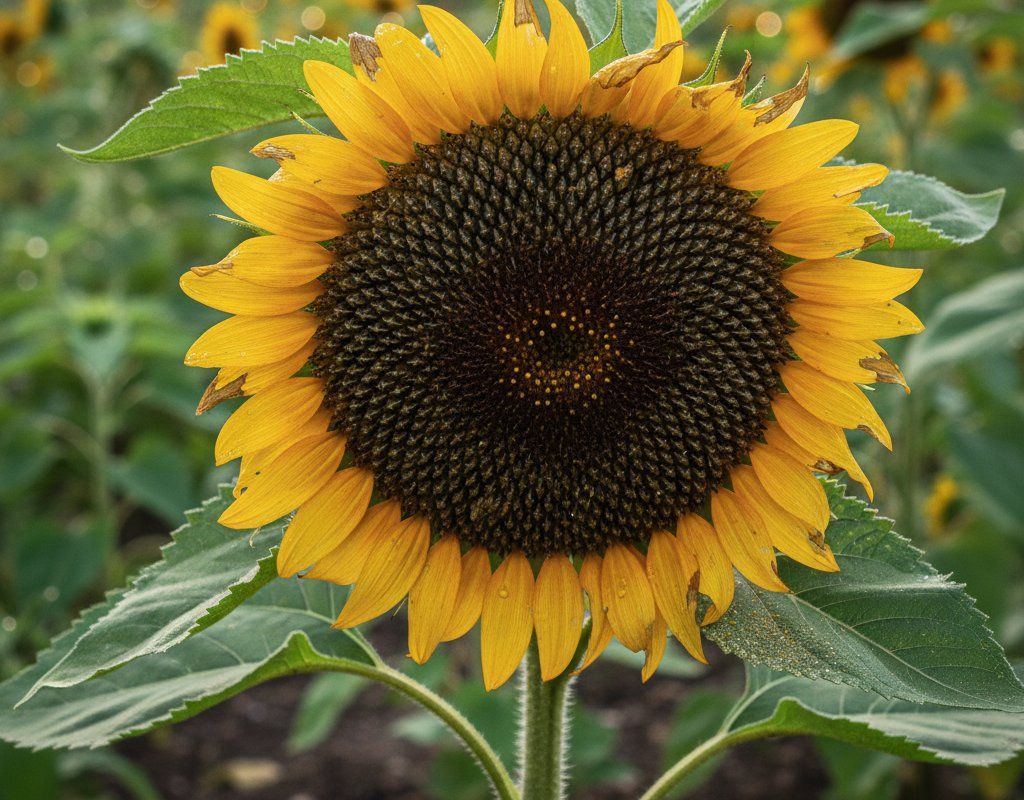
Poor pollination happens when there aren't enough bee visits to female flowers, or when weather conditions interfere with pollination timing. Our variable summer weather can create situations where male and female flowers don't open simultaneously. Plant pollinator-friendly flowers like zinnias and sunflowers nearby to attract more bees. During heat spells or when pollinator activity is low, hand-pollinate by transferring pollen from male flowers to female flowers using a small brush early in the morning.
Midwest Specific Challenges Our clay soils can create drainage issues during wet summers, leading to increased risk of root rot and fungal diseases. The combination of our moderate-to-humid conditions and those sudden summer downpours means you'll need to pay extra attention to air circulation and avoid overhead watering when possible.
Best Companions for Pumpkin
Plant these nearby for healthier Pumpkin and better harvests.

Keep Away From
Companion Planting Details
Pumpkins work beautifully in the traditional "Three Sisters" planting with corn and beans, which makes perfect sense in our fertile Midwest soils. Plant corn first, then add pole beans that will climb the stalks, and finally plant pumpkins around the edges where their vines can spread without interfering with the other crops. The corn provides natural trellising for beans, the beans fix nitrogen for heavy-feeding pumpkins, and the pumpkin vines shade the soil to retain moisture during our summer heat spells.
Radishes make excellent companions when planted around the edges of your pumpkin patch – they mature quickly before the vines spread, help break up clay soil with their taproots, and can deter cucumber beetles and squash bugs. Avoid planting pumpkins near potatoes, as both crops are susceptible to similar soil-borne diseases, and potatoes can inhibit pumpkin growth through allelopathic compounds released by their roots.
🌸Best Flowers to Plant with Pumpkin
These flowers protect your Pumpkin from pests and attract pollinators for better harvests.
For Pest Control





Get a Reminder When It's Time to Plant
We'll email you when key planting windows open for your zone.