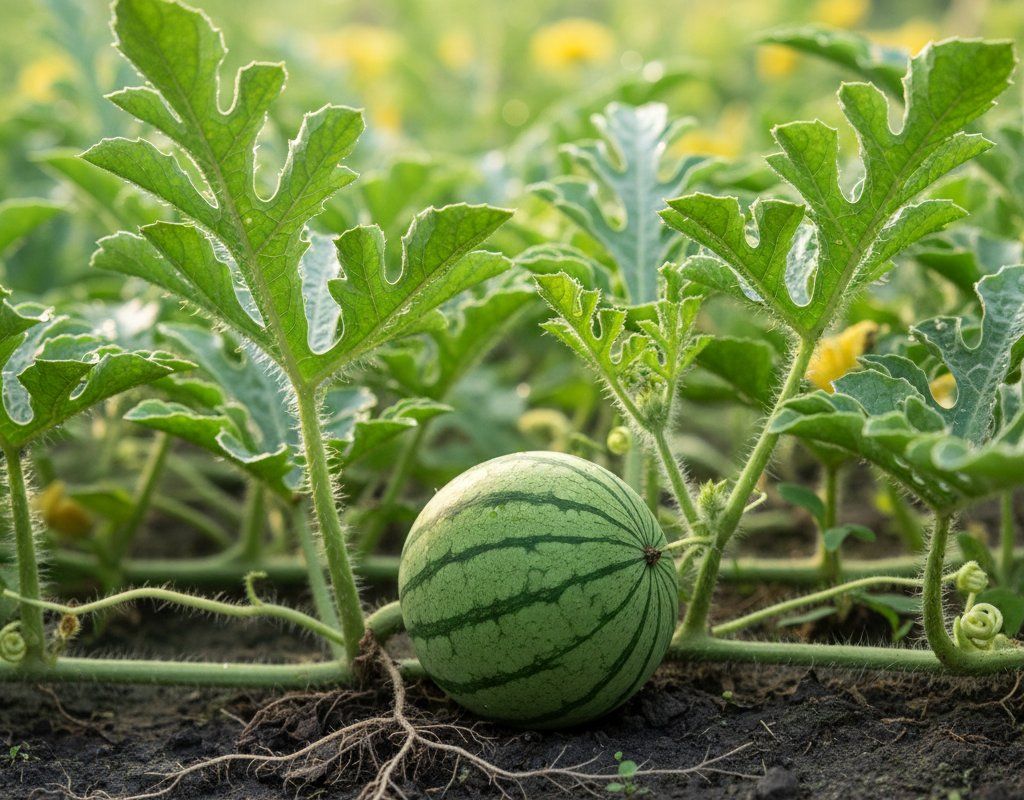
Watermelon in Zone 6B — Midwest
Citrullus lanatus · Your Complete 2026 Planting Guide
Planning Ahead — Great!
You’re ahead of the season. Here’s when to start.
Mark Your Calendar
How to Plant Watermelon in Zone 6B — Midwest
Here are all your options for getting watermelon in the ground, from the easiest method to more advanced approaches.
Direct Sow Seeds
RecommendedLate April through early July
around April 29
Consider succession planting every 2-3 weeks for continuous harvest.
Needs warm soil. Direct sow works in zones 6+. Start indoors in colder zones.
Buy Starts
Works WellLate April through late May
around April 29
Plant purchased starts after last frost (April 15).
Start Seeds Indoors
Works WellEarly to late April
around April 8
Then transplant: Late April through late May
Start seeds 3-5 weeks before transplanting outdoors.
Handle seedlings carefully — melons resent root disturbance.
Transplant Outdoors
Timing InfoLate April through late May
around April 29
Wait until nighttime temperatures stay above 50°F.
You have a nice window — no need to rush.
Overview
Growing watermelons in Zone 6B brings that perfect taste of Midwest summer right to your backyard. Our fertile soil and adequate rainfall create ideal conditions for these heat-loving vines, and there's nothing quite like the satisfaction of slicing into a sweet, juicy watermelon you grew yourself during those hot August afternoons. The moderate-to-hot summers here provide just enough heat to develop that signature sweetness, while our 30-40 inches of annual rainfall keeps the vines well-hydrated during their critical growing period.
Yes, our Midwest weather can throw some curveballs with variable spring temperatures and the occasional late frost, but watermelons are surprisingly manageable once you get the timing right. With our 183-day growing season, you have plenty of time to grow even the larger varieties from seed to harvest, and the key is simply waiting for consistently warm soil before planting.
Starting Seeds Indoors
Starting watermelon seeds indoors makes sense if you want to get a jump on the season or grow larger varieties that need every bit of our growing season. Start your seeds early to late April, about three weeks before you plan to transplant outdoors. Watermelons need warm soil to germinate properly, so keep your seed trays on a heat mat or in a consistently warm spot around 75-80°F.
Set up your seeds in individual cells or small pots since watermelons hate having their roots disturbed. Use bottom watering to keep the soil consistently moist without creating soggy conditions that can lead to damping off. Given our moderate-to-late spring character here in the Midwest, indoor starting gives you insurance against those unexpected cool spells that can set back direct-sown seeds.
Handle transplants very carefully when the time comes. Watermelon roots are particularly sensitive, and any root damage during transplanting can seriously set back your plants or even kill them outright.
Transplanting Outdoors
Plan to transplant your watermelon seedlings outdoors from late April through late May, once soil temperatures consistently stay above 65°F and nighttime lows remain above 50°F. In the Midwest, this usually means waiting until after Memorial Day for the safest transplanting, though you can push it earlier if you're watching the forecast carefully.
Harden off your seedlings for a full week before transplanting by gradually exposing them to outdoor conditions. Start with just a few hours of morning sun and work up to full days outdoors. Our variable spring weather can shock tender seedlings, so take this process slowly.
Space your transplants 72-96 inches apart – yes, that's 6-8 feet between plants. Watermelon vines spread extensively and need room to roam. Plant them in hills or mounds to improve drainage, especially important given our clay soil tendencies. Choose a spot that gets full sun for at least 8 hours daily, as anything less will reduce fruit production and sweetness.
Direct Sowing
Direct sowing is the preferred method for watermelons in our Zone 6B climate, and you have a generous window from late April through early July to get seeds in the ground. The key is soil temperature – wait until your soil consistently reads 65°F or higher before planting. Our fertile Midwest soil warms up reliably by mid-May most years, though you can start earlier if you're willing to use row covers or plastic mulch.
Prepare your planting area by working compost into hills spaced 72-96 inches apart. Plant 4-6 seeds per hill about 1 inch deep, then thin to the strongest 2-3 seedlings once they're well established. The wide spacing isn't negotiable – watermelon vines can spread 10-15 feet in all directions and need room for proper air circulation, especially important in our moderate-to-humid summers.
Direct sowing works beautifully here because watermelons germinate quickly in warm soil and don't suffer the transplant shock that can set back indoor-started plants. You can succession plant every 2-3 weeks through early July for an extended harvest period, taking full advantage of our long 183-day growing season.
Watering Watermelon in Zone 6B (Midwest)
Watermelons are thirsty plants that need consistent, deep watering throughout their growing season, but our Midwest climate requires a specific approach. During the early growth phase through midsummer, provide about 1-1.5 inches of water per week, including rainfall. Our typical 30-40 inches of annual precipitation helps, but summer heat spells can quickly stress the plants if you're not supplementing during dry periods.
Water deeply at the base of plants rather than overhead, especially important given our moderate-to-humid conditions that can promote fungal diseases. Use the finger test – stick your finger 2 inches into the soil near the base of the plant. If it's dry at that depth, it's time to water. During fruit development, increase watering to about 2 inches per week, as the fruits can be 90% water at maturity.
Here's a critical timing tip: reduce watering significantly about 1-2 weeks before harvest to concentrate the sugars and improve flavor. This is easier to manage in our climate since late summer often brings adequate but not excessive rainfall. However, don't let the vines go completely dry, as this can cause the fruits to crack or develop bitter flavors.
Mulch around the base of plants with straw or grass clippings to retain moisture and reduce watering frequency. In our clay soil areas, this also helps improve drainage and prevents water from sitting around the crown of the plant, which can lead to stem rot during humid summer nights.
🧪Fertilizing Watermelon
Feeding Schedule
Organic Fertilizer Options
Harvest Time
Your first watermelons will be ready for harvest anywhere from late July through mid-October, depending on when you planted and which variety you're growing. With most varieties taking about 85 days from seed to harvest, plants started in early May will begin producing by late July, perfect timing for peak summer enjoyment.
Determining ripeness takes practice, but there are reliable indicators. Look for the ground spot – the area where the watermelon touches the soil – to change from white to creamy yellow or pale orange. The tendril nearest to where the fruit attaches to the vine will turn brown and dry up. When you thump a ripe watermelon, it should sound hollow rather than dull, though this takes some experience to master.
Harvest watermelons by cutting the stem with pruning shears rather than pulling, which can damage the vine and affect other developing fruits. Unlike some fruits, watermelons don't continue ripening once removed from the vine, so timing is crucial.
As our first frost approaches in mid-October, harvest any remaining fruits regardless of full ripeness. Smaller or less mature watermelons can still be used for pickled rinds or composted. Cover vines with row covers if frost threatens and you have fruits that just need another week or two to ripen.
Common Problems in Zone 6B (Midwest)
Fusarium Wilt Watch for wilting that starts on one side of the plant first, then spreads to the entire vine. You'll notice yellowing leaves beginning on one side, and if you cut open the stem, you'll see brown streaks inside. This soil-borne fungus thrives in our warm summer soil and can persist for years once established in your garden.
The best defense is prevention since there's no cure once infection occurs. Plant resistant varieties marked with 'F' on seed packets, rotate your watermelon plantings on a 4-year cycle, and maintain soil pH above 6.5. Remove and destroy infected plants immediately – don't compost them. In our clay soil areas, improve drainage since waterlogged conditions worsen the problem.
Anthracnose This fungal disease shows up as sunken, dark circular spots on fruits, stems, and leaves. During our humid summer periods, you might see pink or orange spore masses in the center of these spots. The disease spreads rapidly during rainy weather, which makes it particularly troublesome during our wet summers.
Prevent anthracnose by avoiding overhead watering and ensuring good air circulation between plants – another reason why proper spacing is crucial. Remove any infected plant debris promptly and apply copper fungicide preventatively if you've had problems before. Our moderate-to-humid conditions favor this disease, so focus on keeping foliage dry whenever possible.
Poor Pollination You'll see small, misshapen fruits or flowers that bloom but drop off without developing. Sometimes partially pollinated fruits will grow unevenly or develop strange shapes. This often happens when weather is too hot (above 90°F) or too cool (below 60°F) for effective pollination, or when there aren't enough pollinators visiting your garden.
Hand-pollinate using a small paintbrush if you suspect pollination issues, transferring pollen from male flowers (which appear first) to female flowers (which have a small swelling behind the bloom). Plant pollinator-friendly flowers nearby and avoid using pesticides during flowering. Our summer heat spells can temporarily reduce pollinator activity, so providing water sources for bees helps keep them active in your garden.
Midwest Specific Challenges Our moderate-to-humid summers create ideal conditions for fungal diseases, making proper spacing and air circulation even more critical than in drier climates. The combination of summer heat spells followed by heavy rainfall can stress plants and create perfect conditions for disease development, so focus on consistent watering and good garden hygiene.
Best Companions for Watermelon
Plant these nearby for healthier Watermelon and better harvests.

Keep Away From
Companion Planting Details
Watermelons pair beautifully with corn in the classic "Three Sisters" tradition, though you'll skip the beans since watermelons need full sun. The tall corn provides some wind protection for the sprawling watermelon vines, while the corn benefits from the living mulch effect of the watermelon leaves. Plant radishes around the edges of your watermelon patch – they mature quickly and are said to deter cucumber beetles that can damage young watermelon plants.
Sunflowers make excellent companions when planted on the north side of your watermelon patch, providing windbreak protection without shading the vines. They also attract beneficial insects and pollinators that help with fruit set. Avoid planting watermelons near potatoes, as they can compete for nutrients and both are susceptible to similar soil-borne diseases that can build up in the fertile Midwest soil.
🌸Best Flowers to Plant with Watermelon
These flowers protect your Watermelon from pests and attract pollinators for better harvests.


Get a Reminder When It's Time to Plant
We'll email you when key planting windows open for your zone.