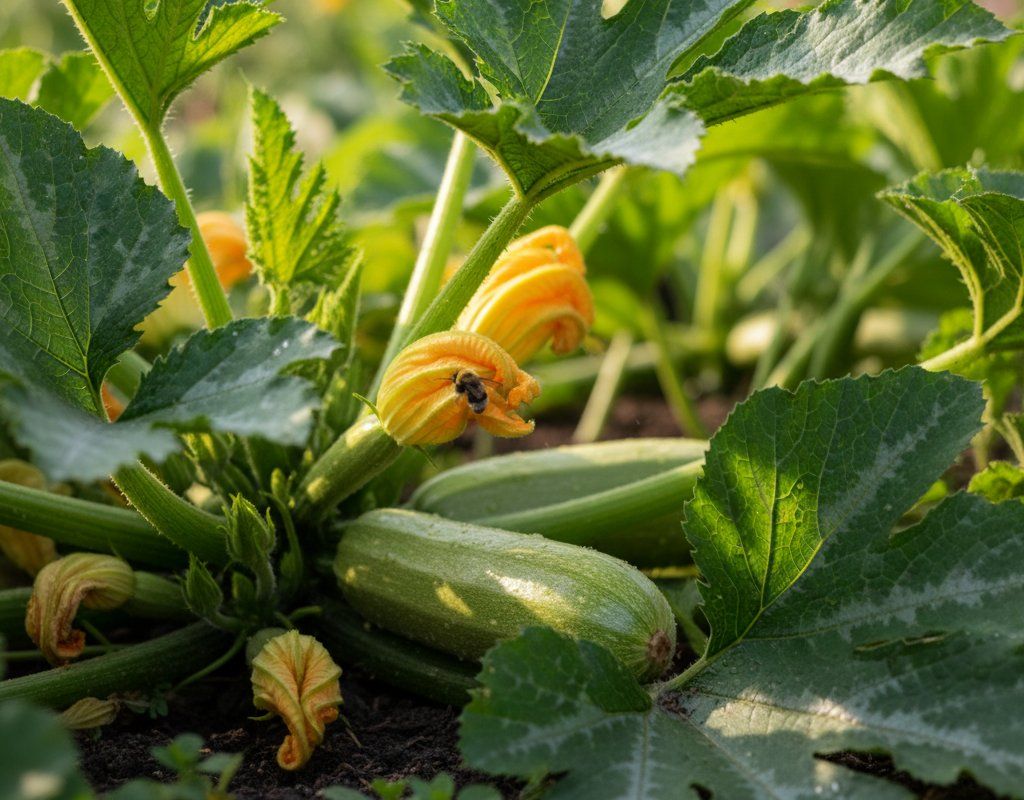
Zucchini in Zone 6B — Midwest
Cucurbita pepo · Your Complete 2026 Planting Guide
Planning Ahead — Great!
You’re ahead of the season. Here’s when to start.
Mark Your Calendar
How to Plant Zucchini in Zone 6B — Midwest
Here are all your options for getting zucchini in the ground, from the easiest method to more advanced approaches.
Direct Sow Seeds
RecommendedLate April through mid August
around April 22
Consider succession planting every 2-3 weeks for continuous harvest.
Zucchini grows so fast that direct sowing is usually easiest.
Buy Starts
Works WellLate April through early June
around April 29
Plant purchased starts after last frost (April 15).
Start Seeds Indoors
Works WellEarly to late April
around April 8
Then transplant: Late April through early June
Start seeds 3-5 weeks before transplanting outdoors.
Only start indoors if you want earlier harvest. Don't start too early.
Transplant Outdoors
Timing InfoLate April through early June
around April 29
Wait until nighttime temperatures stay above 50°F.
You have a nice window — no need to rush.
Overview
Zucchini is one of the most rewarding crops you can grow in our Midwest Zone 6B gardens. With our fertile soil and adequate summer rainfall, you'll get prolific harvests from just a couple plants — seriously, your neighbors will start avoiding you by July! The consistent summer heat we get here, with typical highs around 86°F, creates perfect conditions for zucchini to thrive and produce continuously from mid-summer through fall.
Our 183-day growing season gives you plenty of time to enjoy fresh zucchini, even with our variable spring weather patterns. Yes, we have to wait out those late frost scares that can stretch into mid-April, and our clay soil needs some attention. But once you get the timing right and prep your soil well, zucchini practically grows itself in our climate.
Starting Seeds Indoors
Starting zucchini seeds indoors isn't really necessary in our Zone 6B climate, but it can give you a head start if you're eager for early harvests. If you choose this route, start seeds early to late April, about three weeks before you plan to transplant them outside after our last frost risk passes.
Set up your seed trays in a warm spot (70-75°F works well) with good light — either a sunny window or grow lights. Plant seeds about an inch deep in quality seed-starting mix. Keep the soil consistently moist using bottom watering to avoid disturbing the seeds. Zucchini seeds typically germinate in 5-7 days with proper warmth.
The main advantage of indoor starting here in the Midwest is getting around our sometimes slow spring warm-up. However, zucchini grows so fast once planted that direct sowing usually catches up quickly. Only bother with indoor starts if you want zucchini by late June instead of mid-July.
Transplanting Outdoors
If you started seeds indoors, plan to transplant them outside from late April through early June, depending on when spring weather stabilizes in your area. Always wait until soil temperatures reach at least 60°F and nighttime lows stay above 50°F consistently.
Harden off your seedlings gradually over a full week before transplanting. Start with just an hour outside in a protected spot, then gradually increase their outdoor time each day. Our Midwest spring weather can be tricky with sudden temperature swings, so don't rush this process.
Space transplants 36-48 inches apart — zucchini plants get massive and need room for good air circulation. Plant them at the same depth they were growing in their containers. Watch the weather forecast carefully during those first two weeks after transplanting, as late cold snaps can still damage tender plants even into early May some years.
Direct Sowing
Direct sowing is definitely the easiest way to grow zucchini in our Midwest gardens. You can plant from late April through mid-August, giving you flexibility to succession plant for continuous harvests or replace plants that succumb to vine borers later in the season.
Wait until your soil temperature reaches 60°F and stays there — usually sometime between late April and mid-May in our area. Work compost into your clay soil to improve drainage and warm-up speed. Plant seeds about an inch deep and space them 36-48 inches apart. Zucchini needs serious room to spread.
The beauty of direct sowing zucchini is how quickly it establishes. Seeds germinate in less than a week in warm soil, and plants take off fast once our summer heat kicks in. You'll often get your first harvest just as early as transplants, with much less fuss and stronger plants that handle our summer heat spells better.
Watering Zucchini in Zone 6B (Midwest)
Zucchini is a thirsty crop that needs consistent moisture throughout our growing season. In our moderate-to-humid Midwest climate with typical summer rainfall of 30-40 inches, you'll need to supplement natural precipitation during dry spells, especially during those heat waves when temperatures climb into the 90s.
Water deeply at the base of plants rather than overhead. Those big zucchini leaves hold moisture when watered from above, and our moderate humidity levels create perfect conditions for powdery mildew to develop. Aim for about 1-2 inches of water per week total, including rainfall. Use the finger test — stick your finger 2 inches into the soil near the plant base. If it's dry, it's time to water.
During our typical wet summer periods, you may not need to water at all for weeks at a time. But when we hit those inevitable July heat spells with little rain, zucchini plants can stress quickly. Watch for wilting in the morning hours (evening wilting is normal in heat). Mulch around plants with 2-3 inches of organic material to help retain soil moisture and moderate soil temperature swings.
Signs of underwatering include morning wilting, reduced fruit production, and bitter-tasting zucchini. Overwatering in our clay soils shows up as yellowing lower leaves and slow growth. Consistent, deep watering at soil level is your best strategy for our variable Midwest weather patterns.
🧪Fertilizing Zucchini
Feeding Schedule
Organic Fertilizer Options
Harvest Time
Your first zucchini should be ready for harvest by mid-June if you planted early, with continuous production through mid-October when our first frost typically arrives. Most varieties reach maturity around 50 days from planting, but you'll be harvesting long before that as fruits develop.
Harvest zucchini when they're 6-8 inches long and still have glossy, tender skin. Check your plants daily once production starts — zucchini can literally grow from harvestable to oversized overnight during our warm, humid summer weather. Use a sharp knife or pruning shears to cut the stem about an inch from the fruit, rather than twisting or pulling which can damage the plant.
Keep harvesting regularly to encourage continued production. Even if you can't use all the zucchini (and trust me, you won't be able to), keep picking them. Leaving oversized fruits on the plant signals it to stop producing new ones. Those baseball bat-sized zucchini are only good for zucchini bread anyway — the texture gets spongy and flavor becomes bland.
As we approach our mid-October frost date, you can harvest slightly immature fruits since they won't ripen off the vine. Your plants will keep producing right up until that first hard freeze, so enjoy fresh zucchini well into fall in most years.
Common Problems in Zone 6B (Midwest)
Squash Vine Borers This is the most devastating problem for zucchini in our area. You'll notice sudden wilting of entire vines or large sections, even when soil moisture is adequate. Look for small piles of sawdust-like material (called frass) at the base of stems — this is the telltale sign. If you slit open affected stems, you'll find fat white grubs inside.
These borers are larvae of a clearwing moth that's particularly active in our Midwest summers. The adult moths lay eggs at stem bases in early summer, and the larvae tunnel through stems, cutting off water and nutrient flow. Wrap the base of stems with aluminum foil or use row covers during peak moth season (mid-June through July). If caught early, you can inject Bt (bacillus thuringiensis) directly into stems. Many Midwest gardeners plant succession crops or delay planting until after the main moth flight period.
Powdery Mildew You'll see white or grayish powdery coating develop on leaves, stems, and sometimes fruit. Leaves curl, turn yellow, and eventually die back. This fungal disease loves our moderate humidity levels and the temperature swings between warm days and cooler nights that are common in Midwest summers.
Unlike many plant diseases, powdery mildew actually prefers dry leaf surfaces, so our humid air combined with inconsistent rainfall creates ideal conditions. Improve air circulation by spacing plants properly and removing lower leaves that touch the ground. Neem oil or potassium bicarbonate sprays help control outbreaks. A simple milk spray (1 part milk to 9 parts water) is surprisingly effective and safe for edibles.
Blossom End Rot This shows up as sunken, dark brown or black leathery patches on the bottom (blossom end) of fruits. It often affects the first zucchini of the season and can be heartbreaking when you're eagerly awaiting that first harvest.
Despite looking like a disease, blossom end rot is actually a calcium deficiency caused by inconsistent watering — something that's easy to fall into with our variable Midwest rainfall patterns. The plant can't uptake calcium properly when soil moisture fluctuates between drought and flood conditions. Maintain consistent soil moisture through regular deep watering and heavy mulching. Our clay soils can compound this problem by holding too much water after heavy rains, then becoming brick-hard during dry spells.
Midwest Specific Challenges Our moderate-to-humid summers with wet periods followed by heat spells create a perfect storm for zucchini diseases. The key is managing moisture consistently and ensuring good air circulation around plants, which can be challenging when you're dealing with frequent thunderstorms and high humidity levels that are typical of Midwest growing conditions.
Best Companions for Zucchini
Plant these nearby for healthier Zucchini and better harvests.


Keep Away From
Companion Planting Details
Zucchini pairs well with corn and beans in our Midwest gardens — the classic "three sisters" combination works beautifully in our fertile soil and warm summers. Corn provides natural trellising for beans, while beans fix nitrogen that both corn and zucchini can use. The large zucchini leaves act as living mulch, suppressing weeds and retaining soil moisture during our variable rainfall patterns. Plant radishes around zucchini plants as they mature quickly in our cool springs and help break up clay soil structure.
Mint planted nearby can help repel some pest insects, though keep it contained or it'll take over your garden. Avoid planting potatoes near zucchini, as both crops are heavy feeders that will compete for nutrients in the soil. Also, potatoes and squash family plants can share some of the same soil-borne diseases, which can be problematic in our humid climate where fungal issues persist longer.
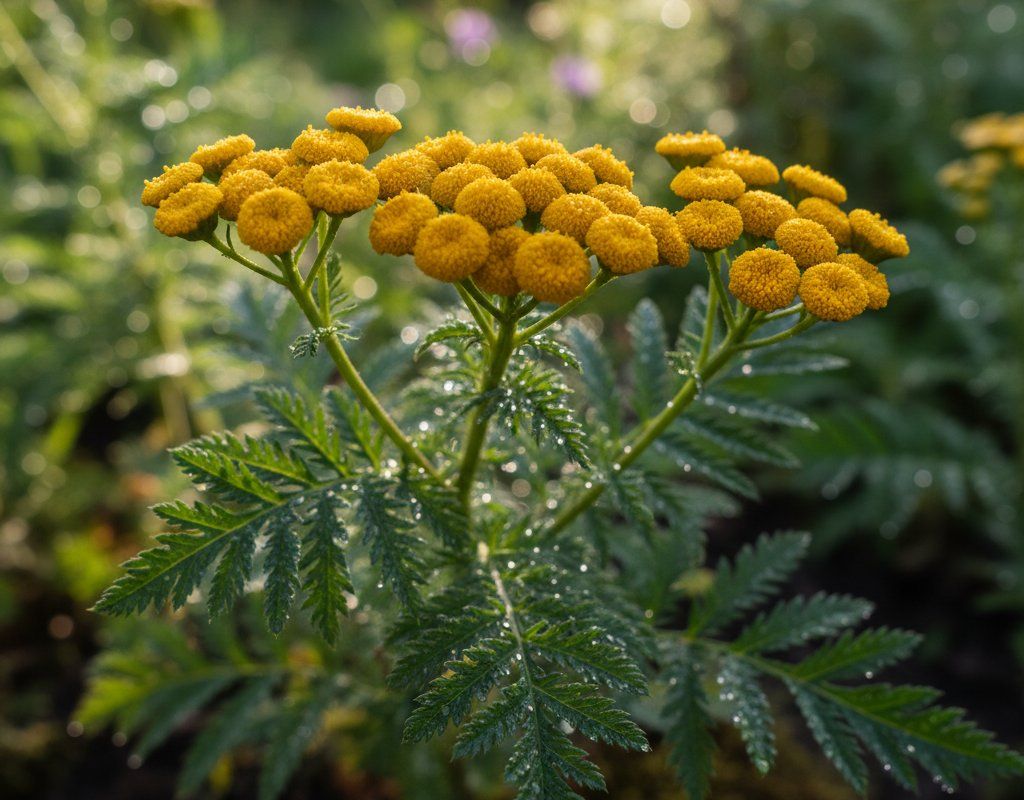
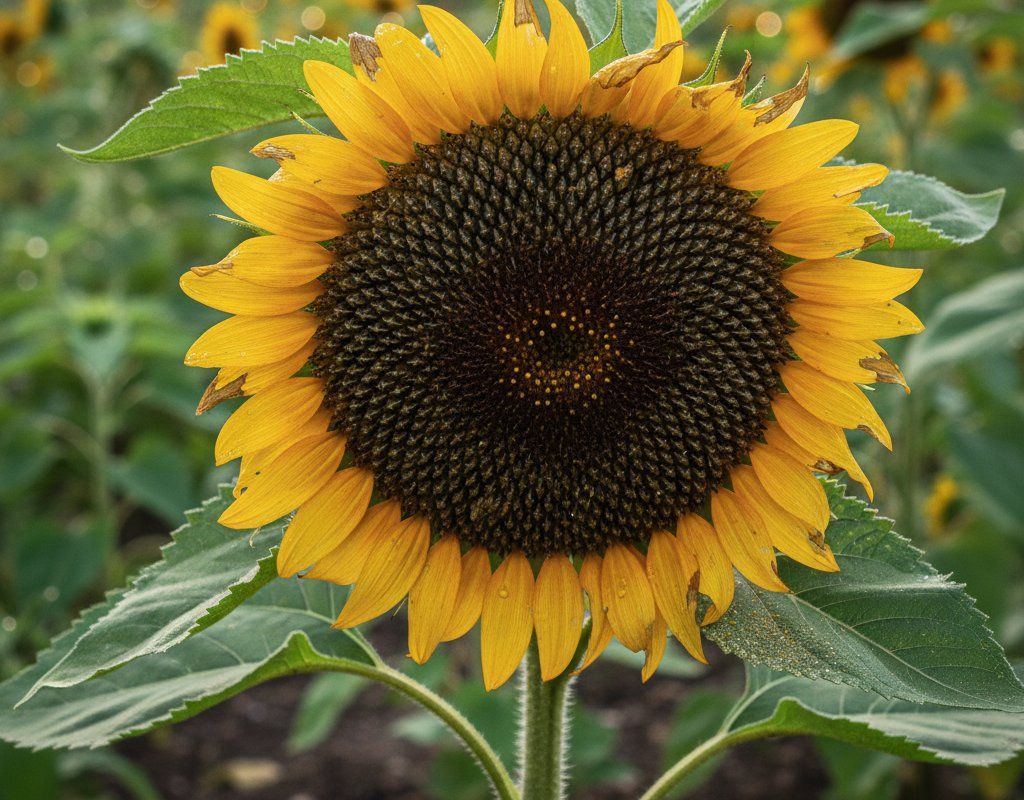
🌸Best Flowers to Plant with Zucchini
These flowers protect your Zucchini from pests and attract pollinators for better harvests.
For Pest Control






Get a Reminder When It's Time to Plant
We'll email you when key planting windows open for your zone.