Gardening in Zone 4A — Midwest
Zone 4A gardening is a dance with a short but intense growing season. Your window for cultivation is compact—around 133 days—which means every planting decision counts. Cool-season crops like spinach, kale, and peas absolutely thrive here, while heat lovers like tomatoes and peppers require strategic timing and protection.
The primary challenge is the dramatic temperature swings, with winter temperatures plummeting to -30°F. But experienced gardeners know this zone's limitations are also its strengths. Your shorter season means faster-maturing vegetable varieties, concentrated harvests, and plants that develop incredible cold resilience. Crops like Brussels sprouts, root vegetables, and hearty herbs actually taste sweeter after a frost, turning your garden's constraints into culinary advantages.
✓ Regional Advantages
- • Fertile soil
- • Adequate rainfall
- • Good summer heat for warm crops
⚠ Regional Challenges
- • Cold winters
- • Variable spring
- • Summer heat spells
- • Tornadoes/severe weather
- • Clay soil
Midwest Climate Profile
Cold winters, warm-to-hot summers, fertile soil
Best Plants for Zone 4A
102 plants thrive in Zone 4A's 128-day growing season. Click any plant for zone-specific planting dates.
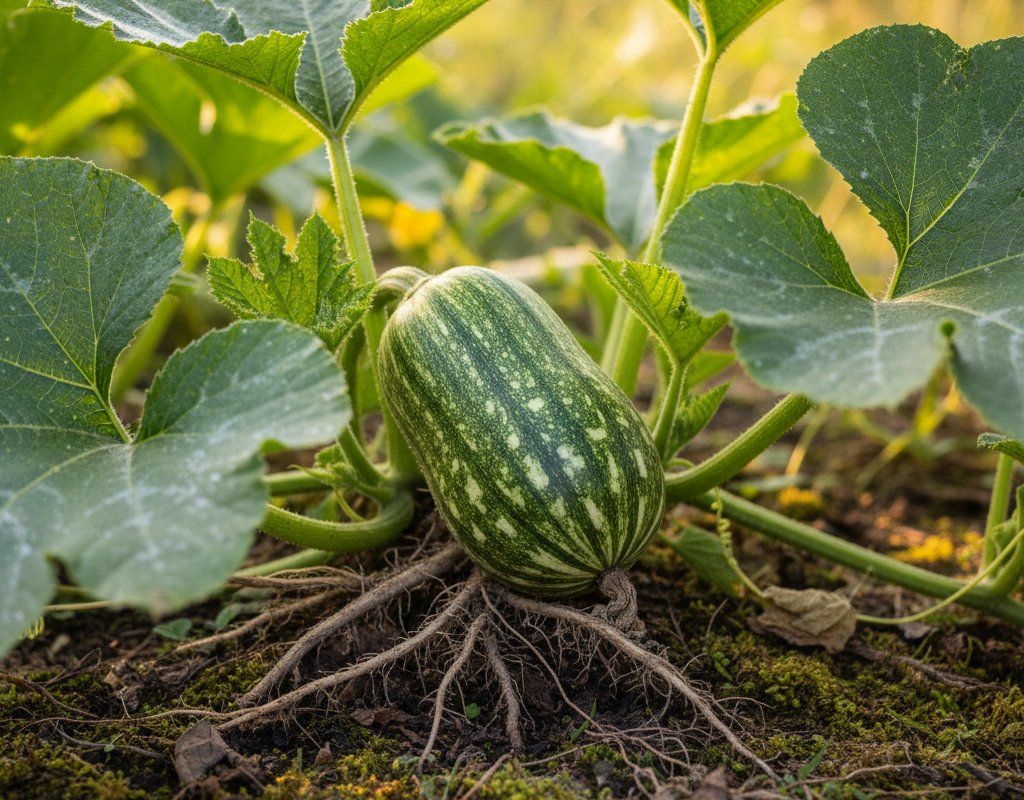
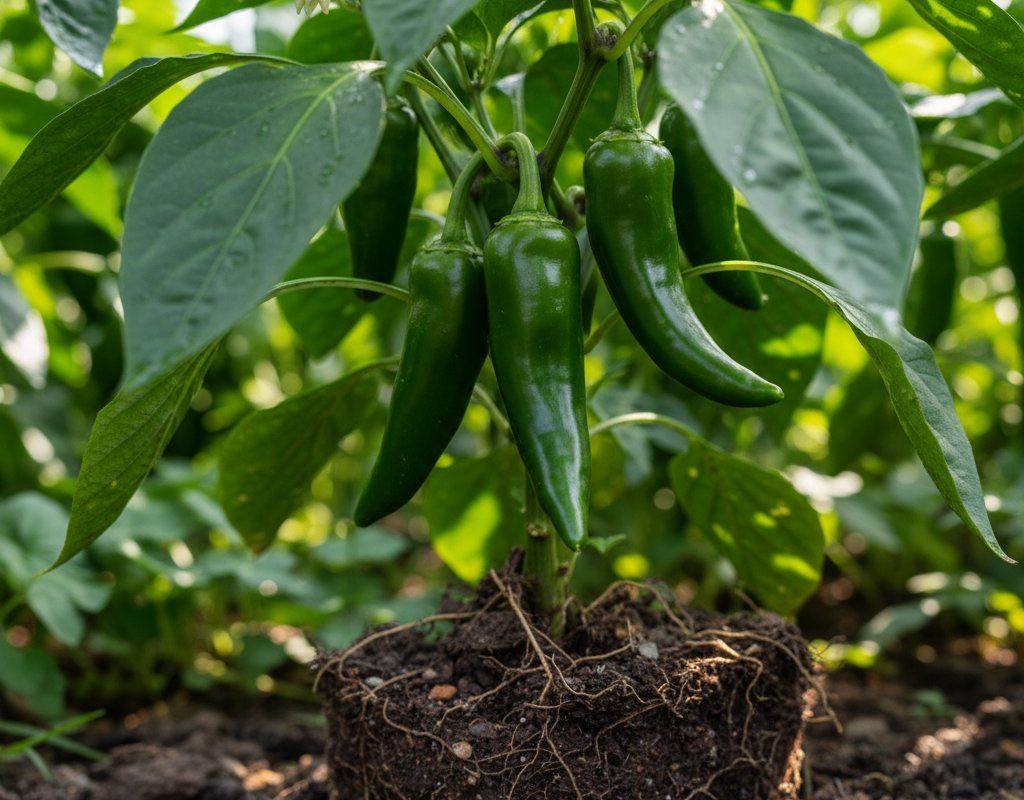
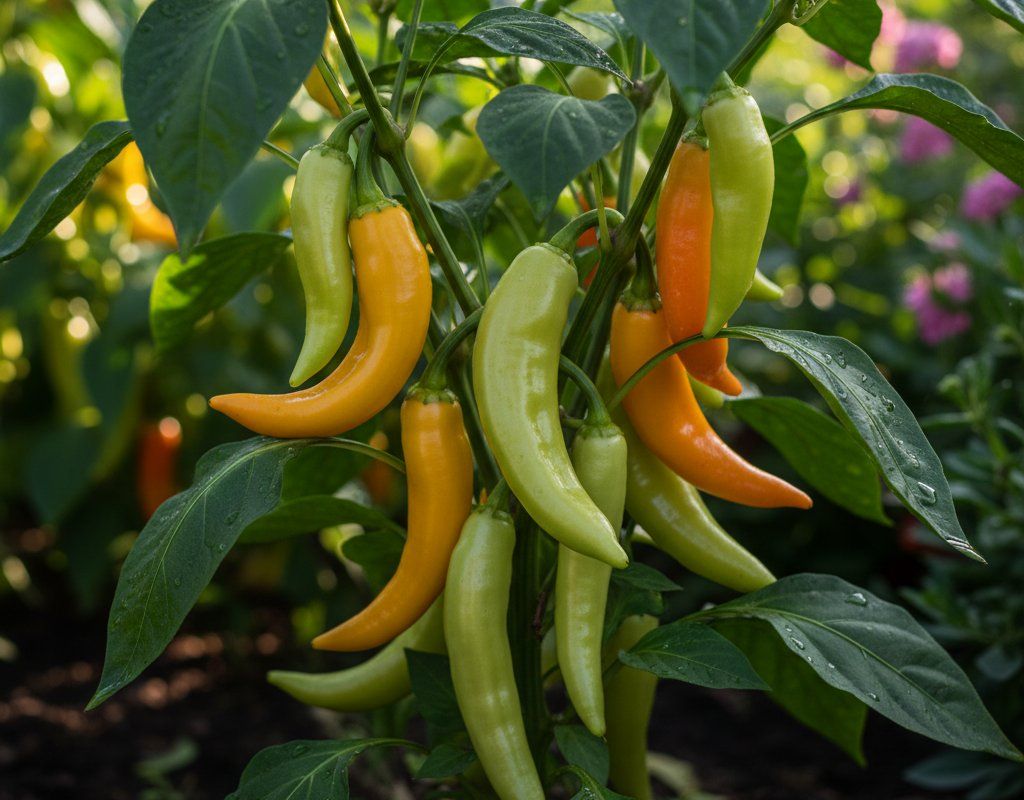
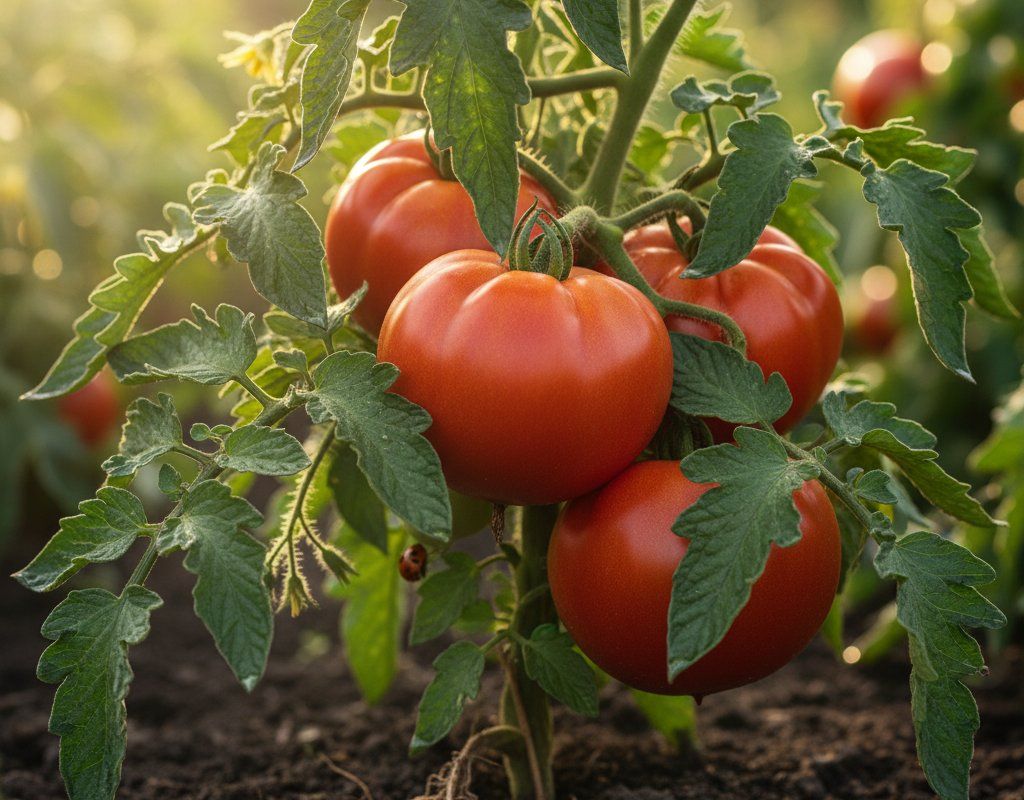
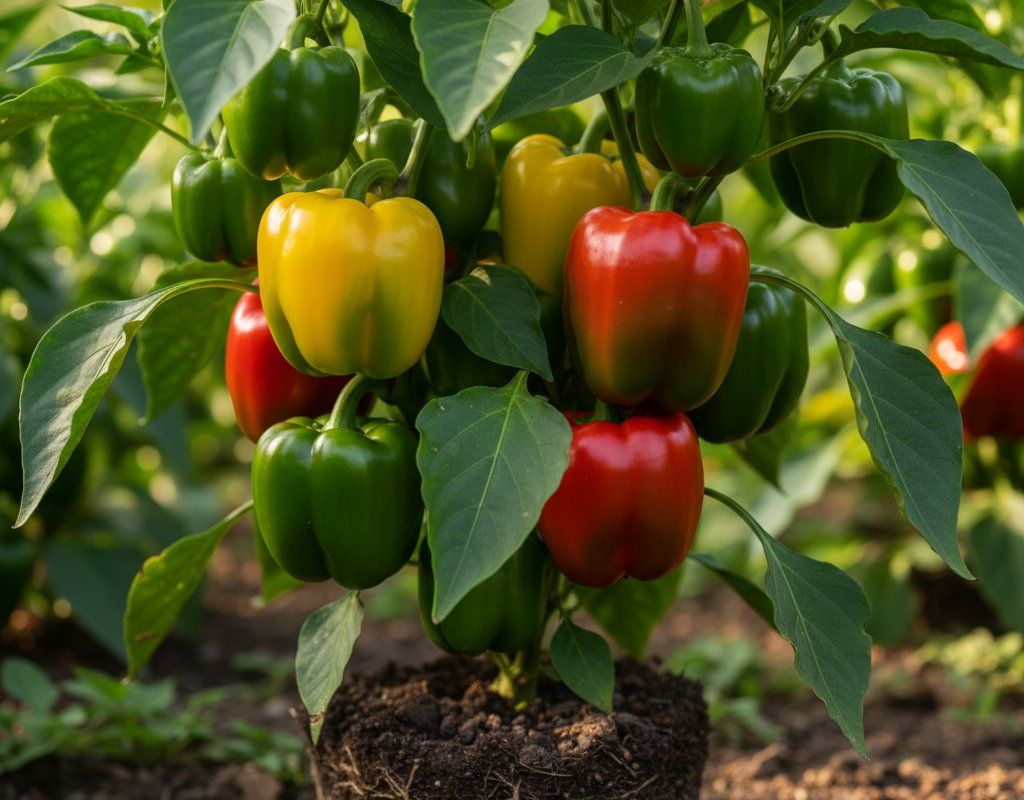
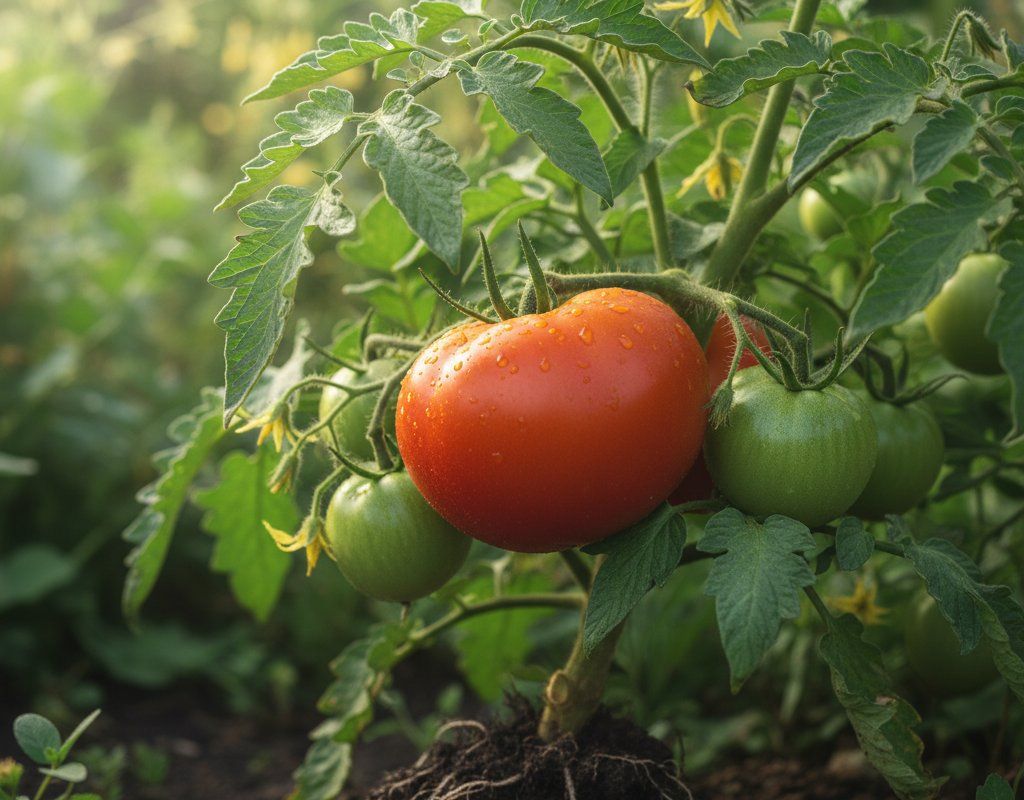
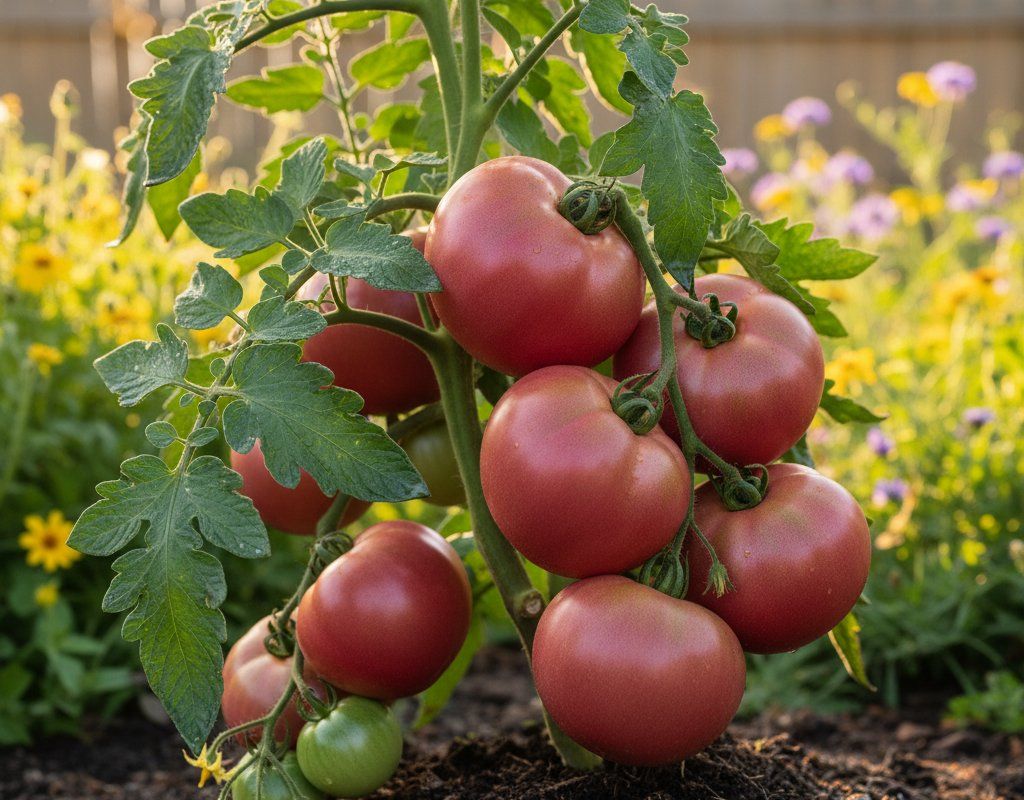
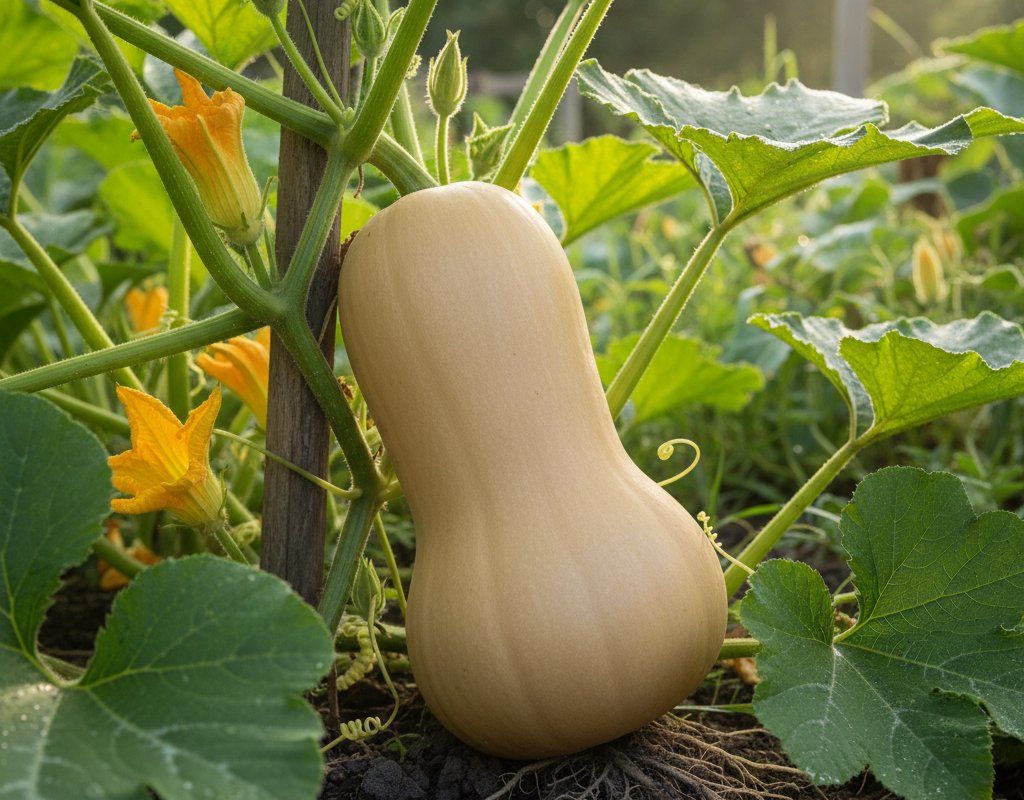
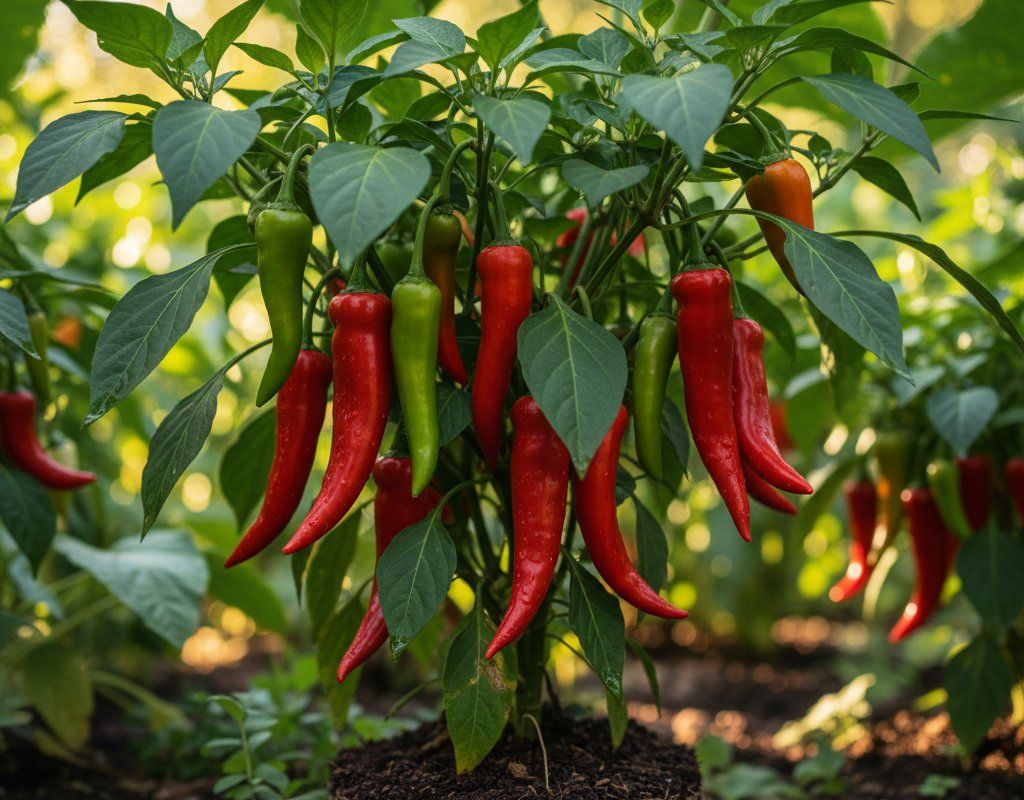
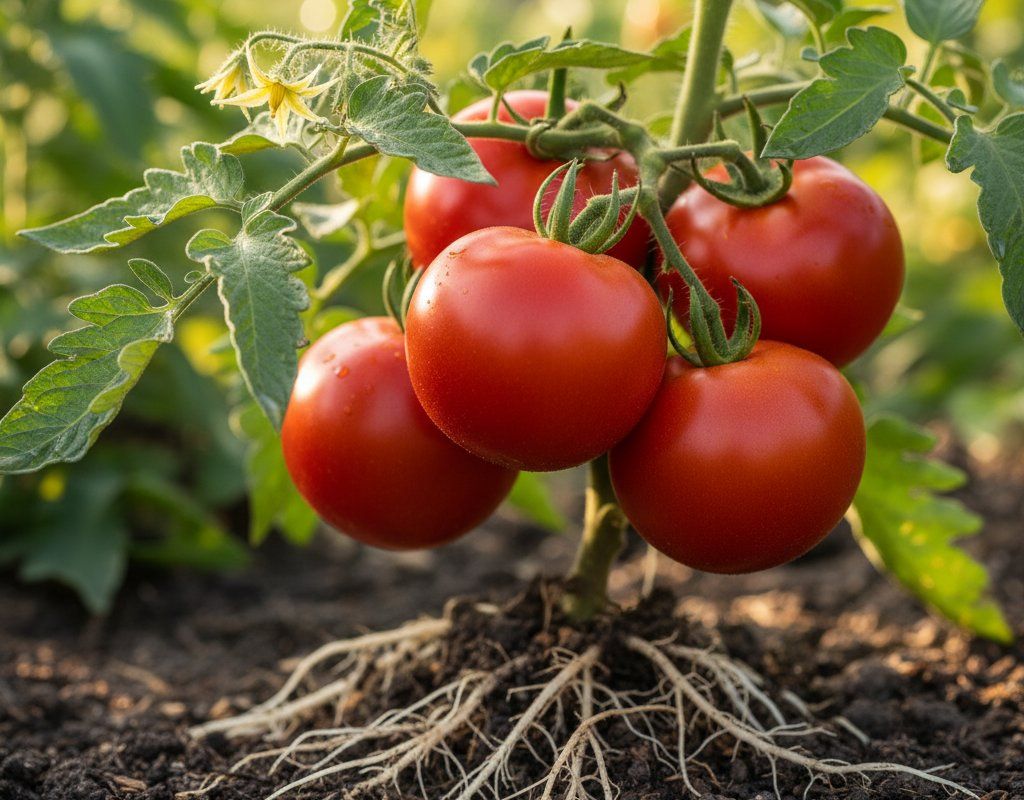
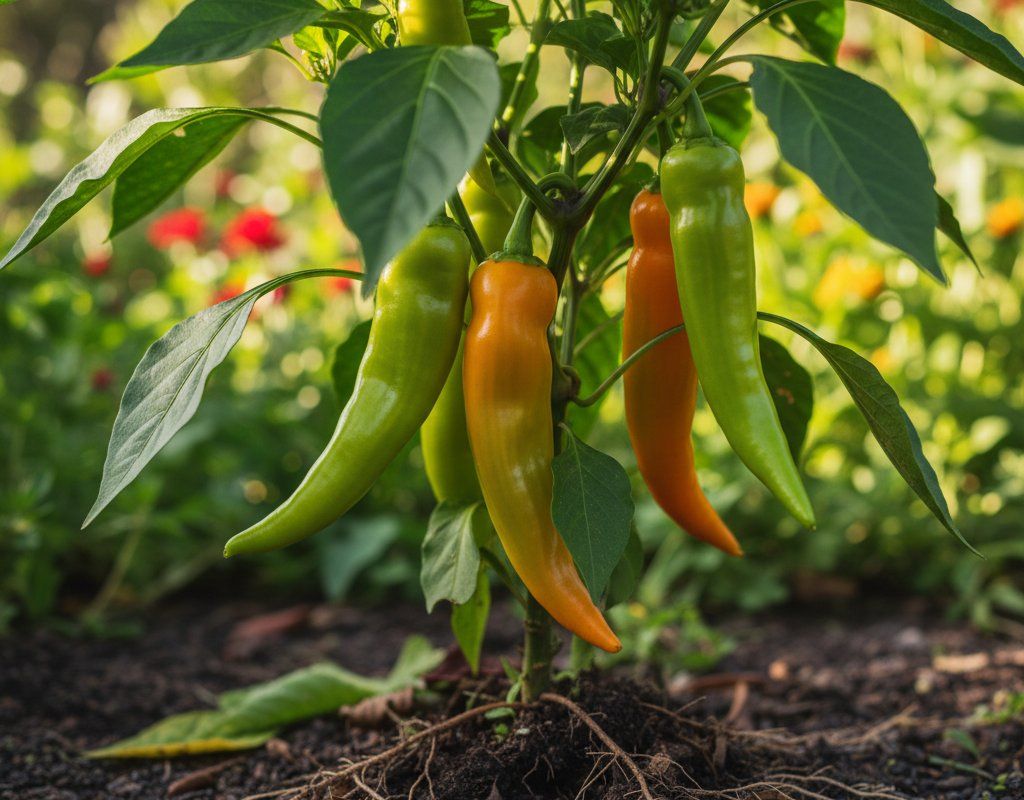
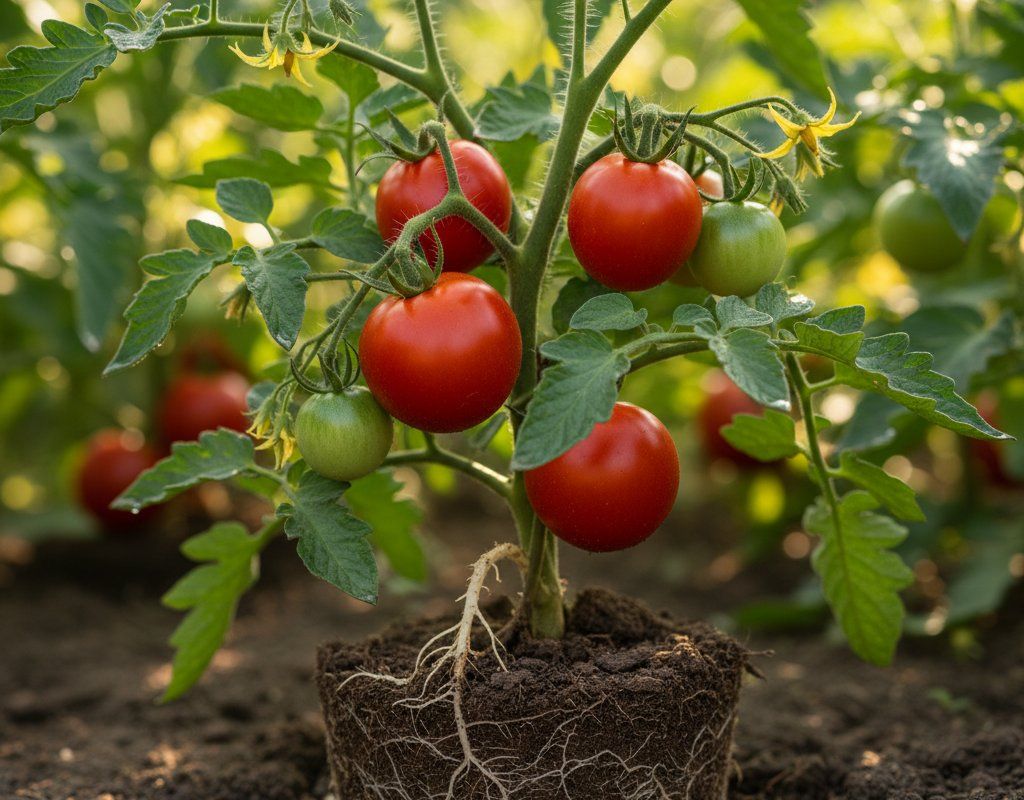
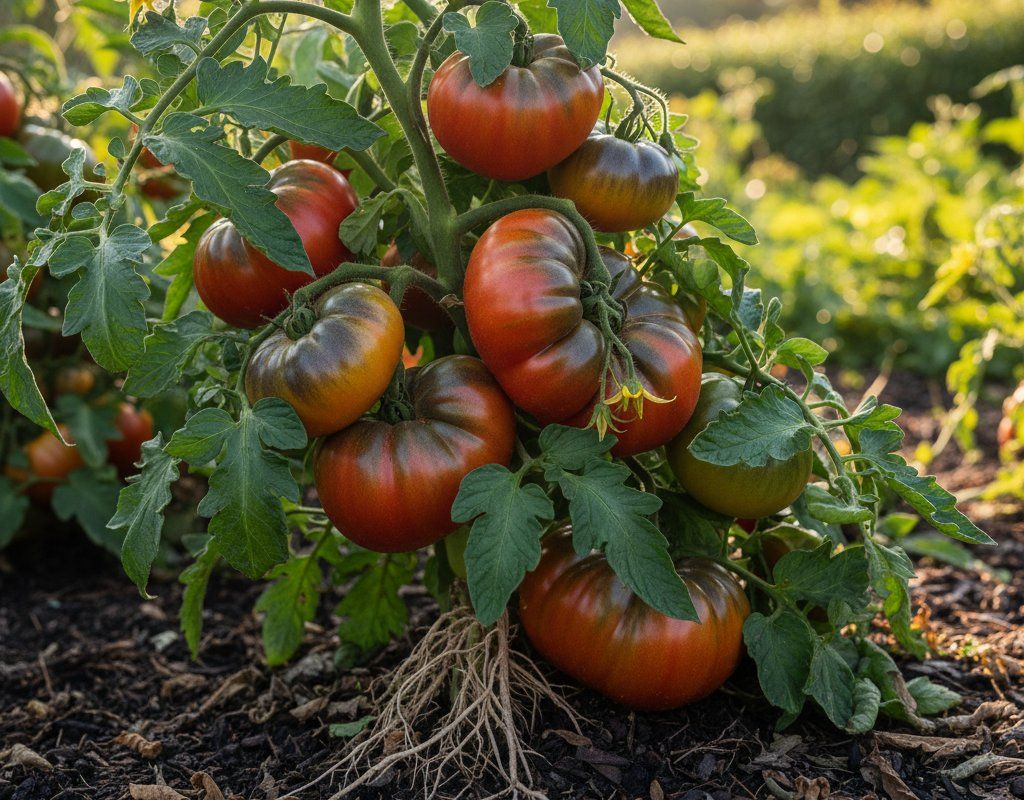
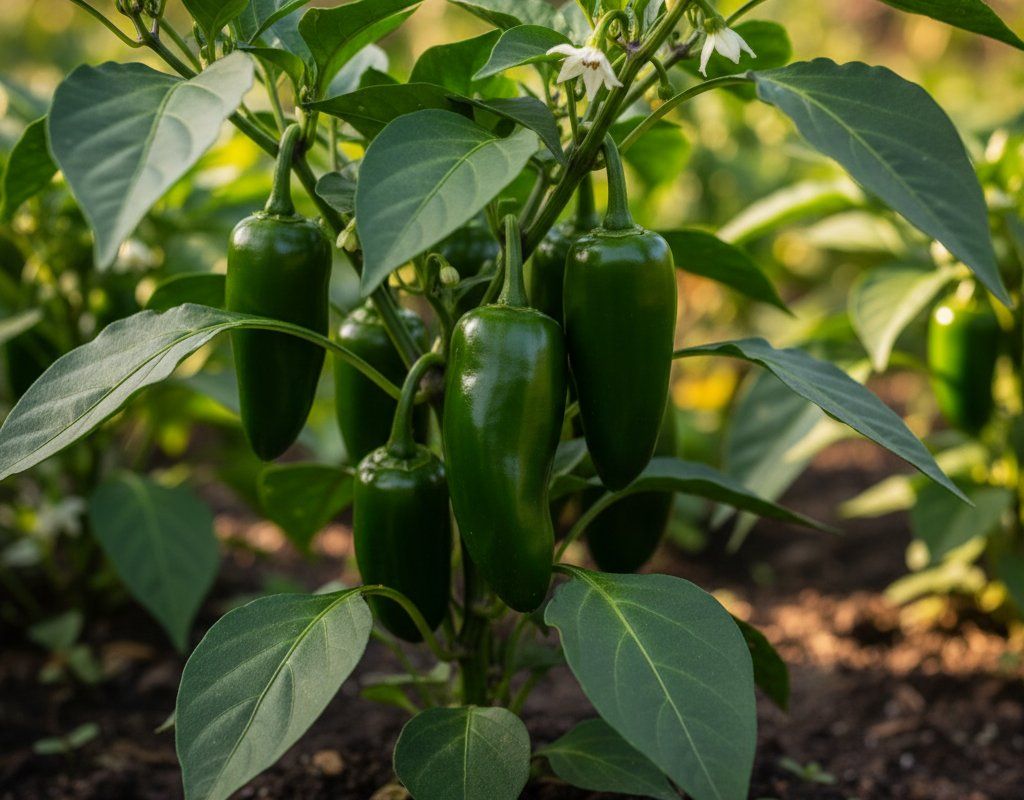
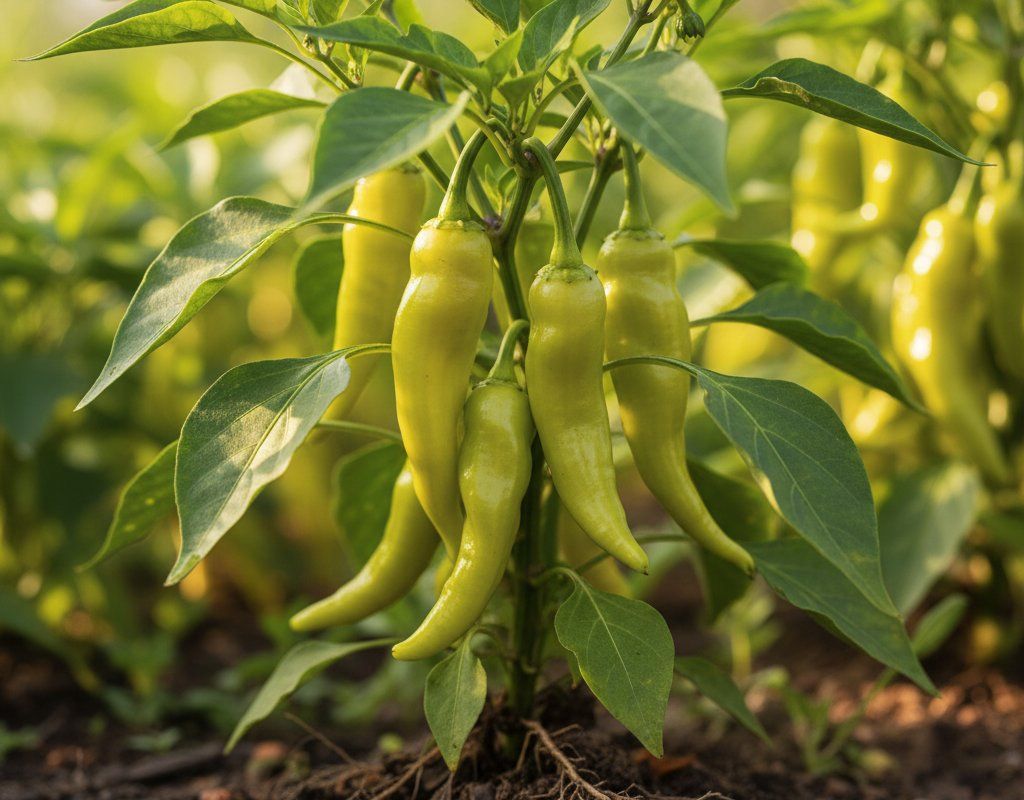
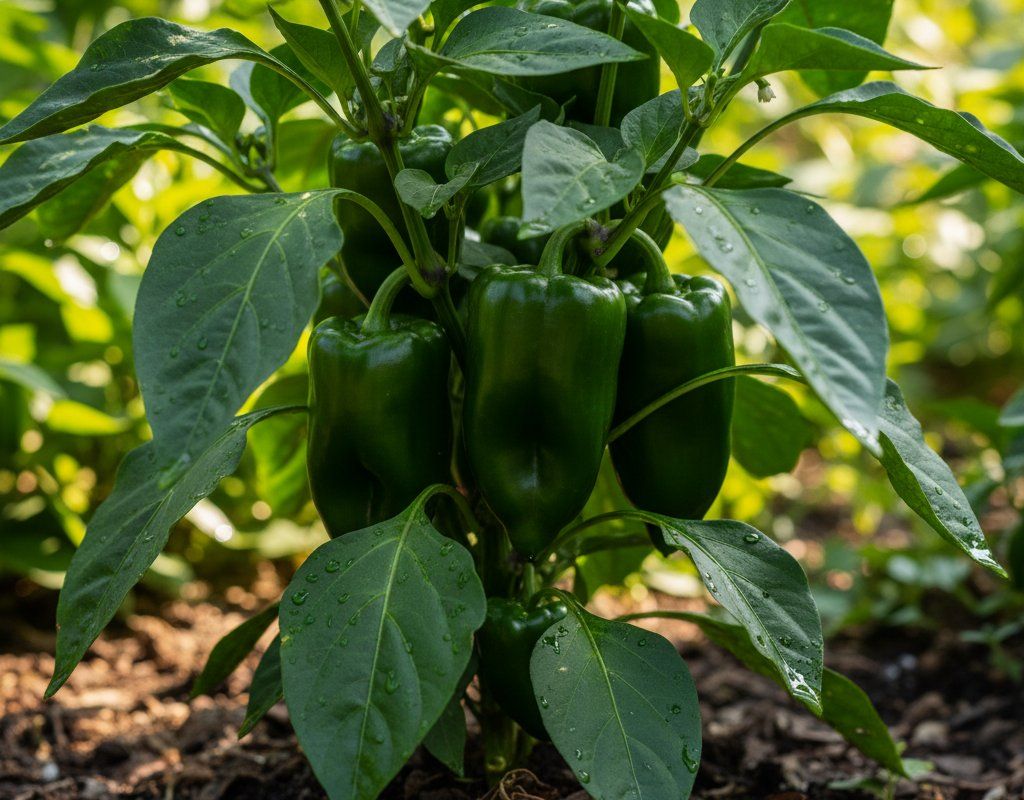
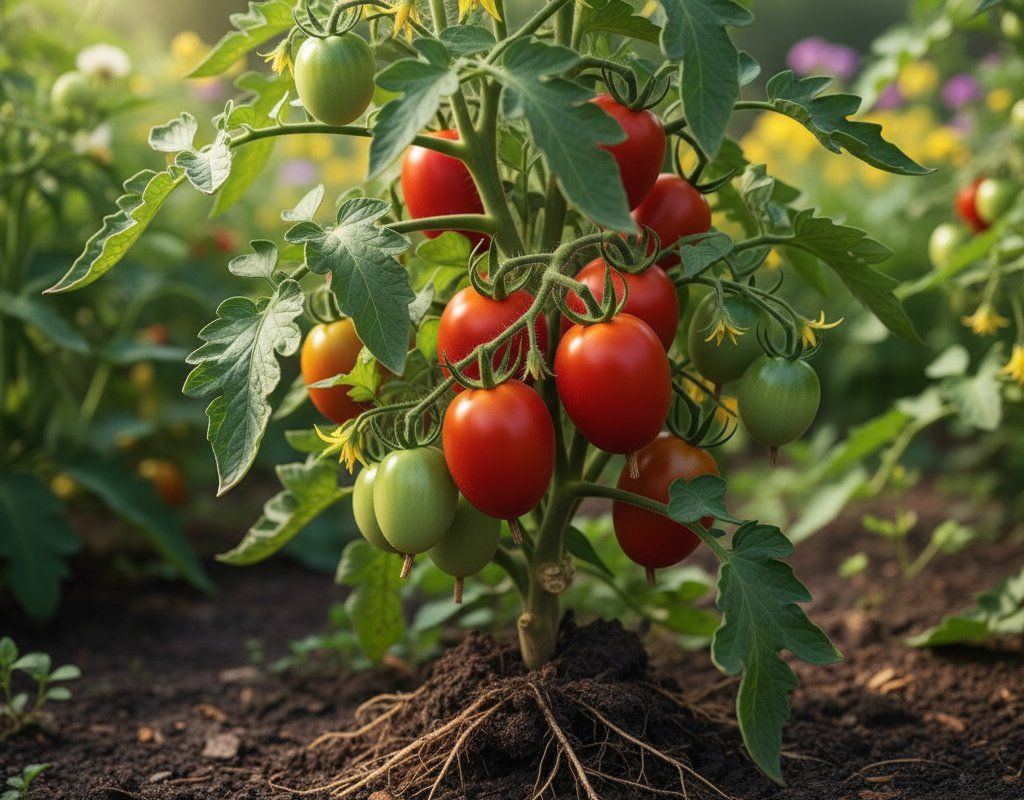
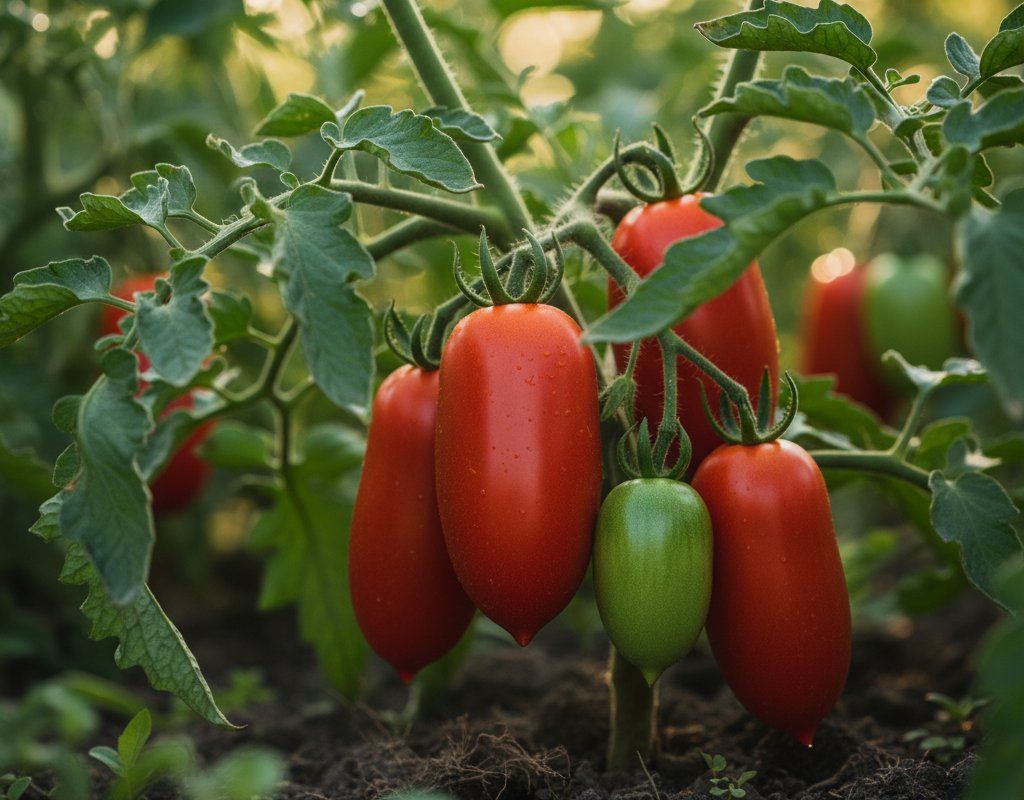
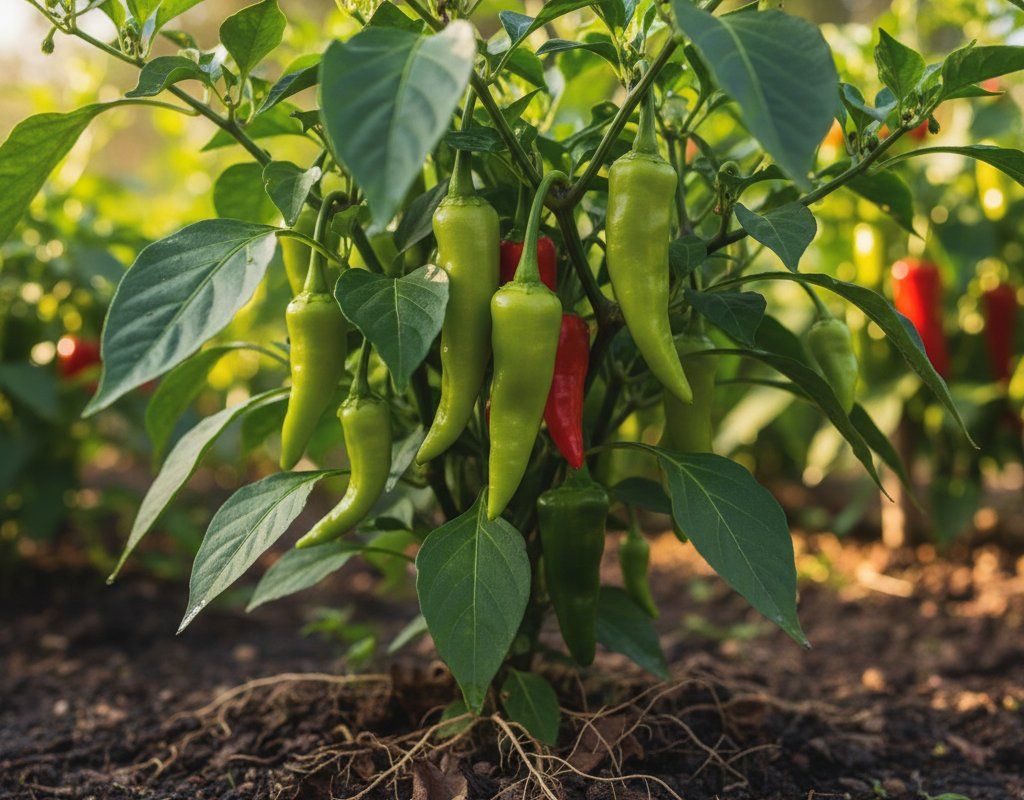
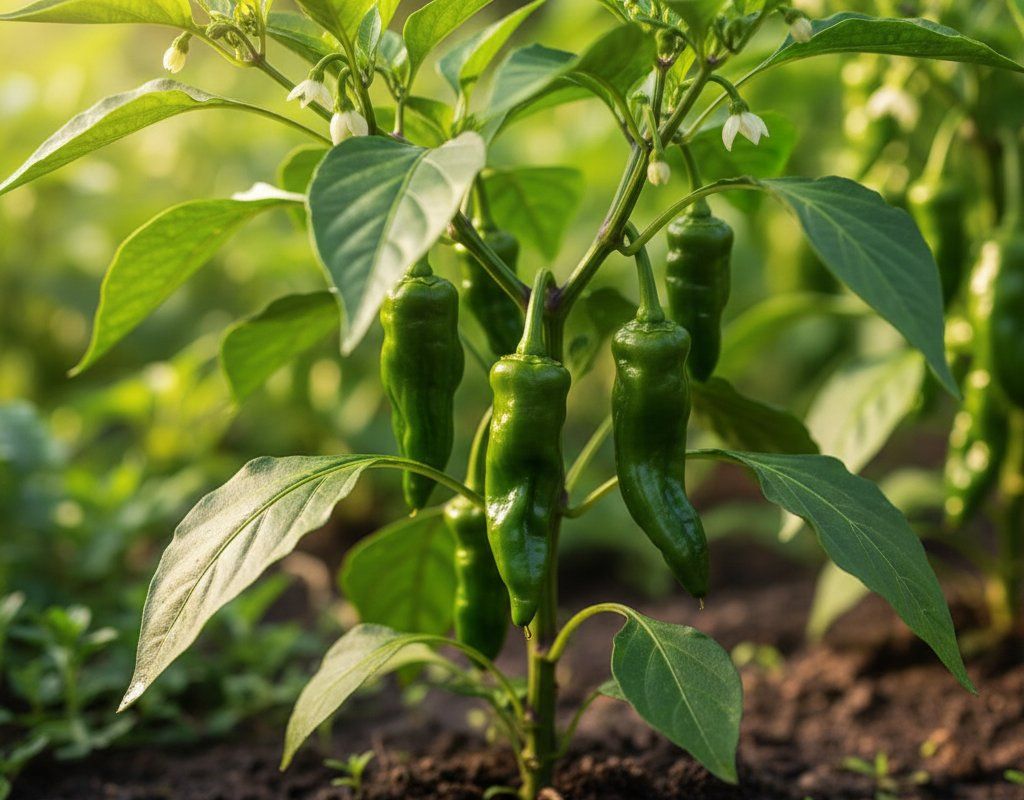
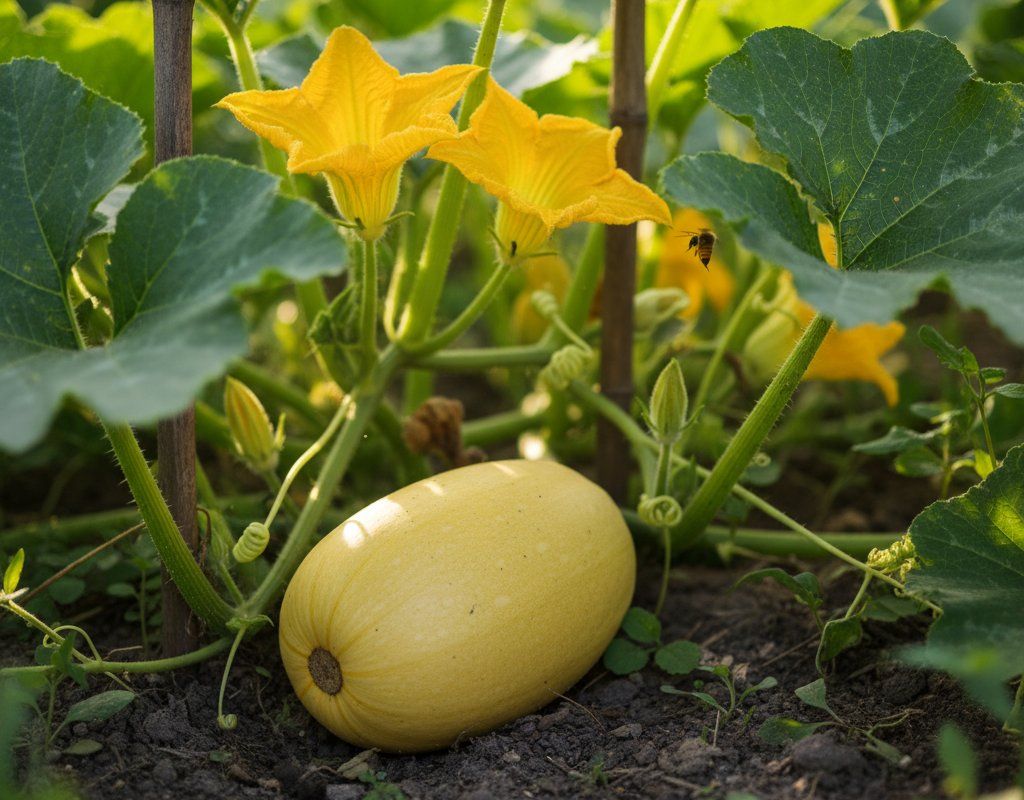
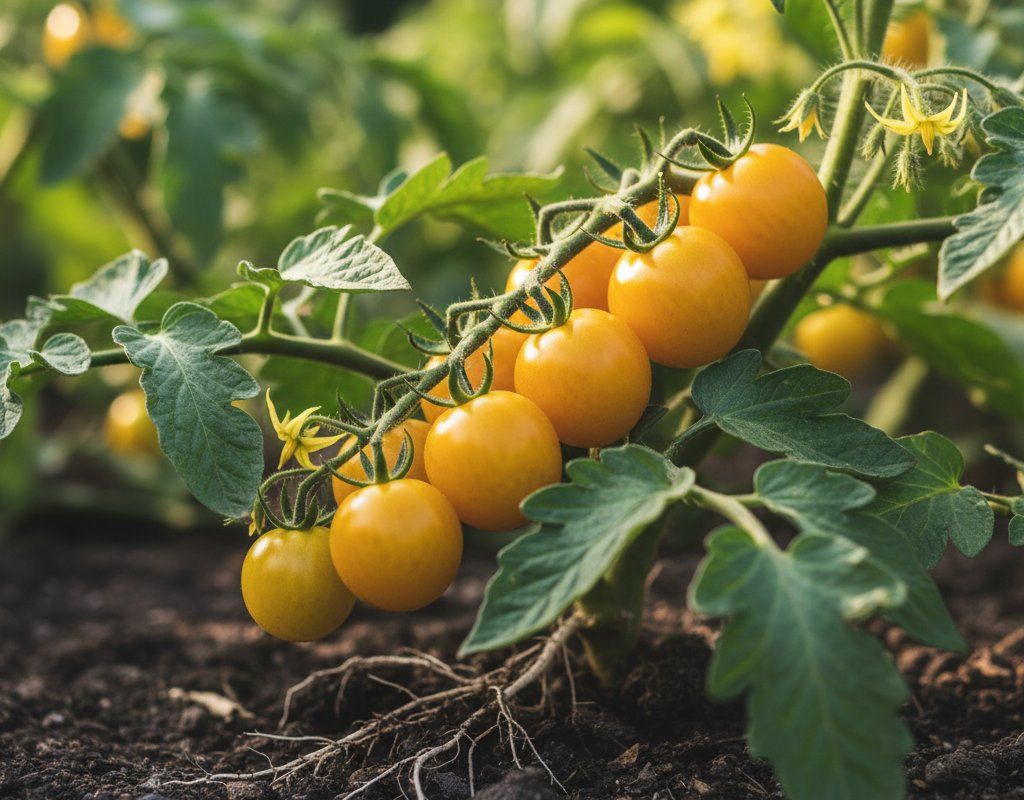
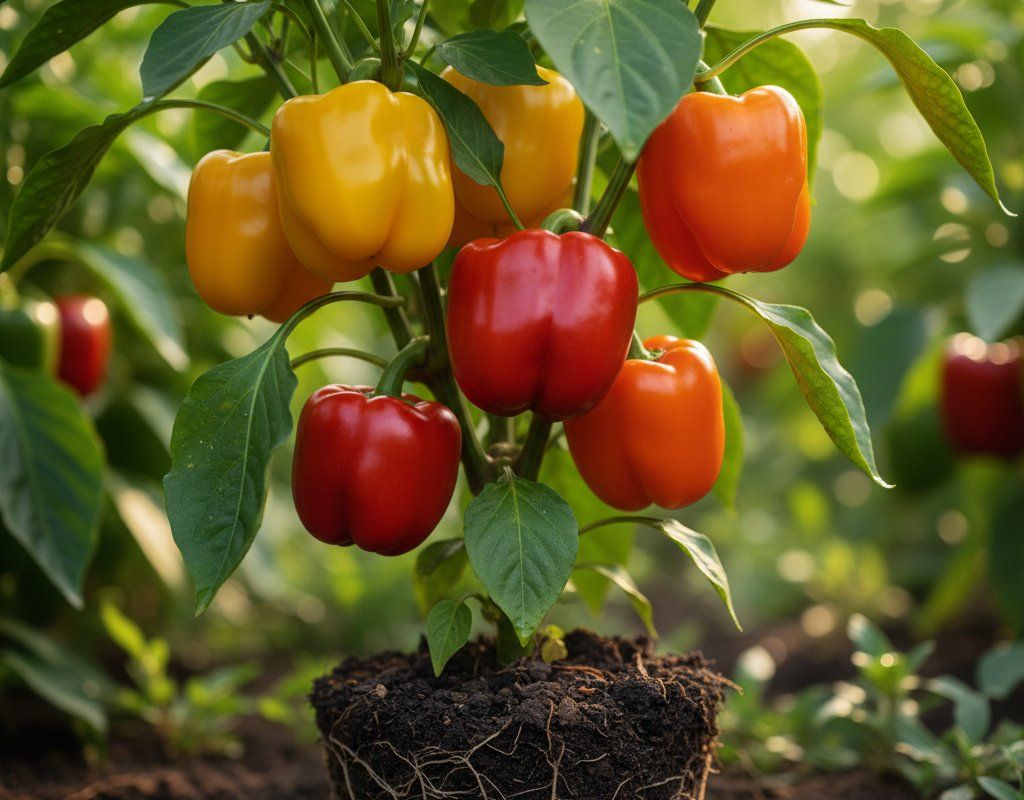
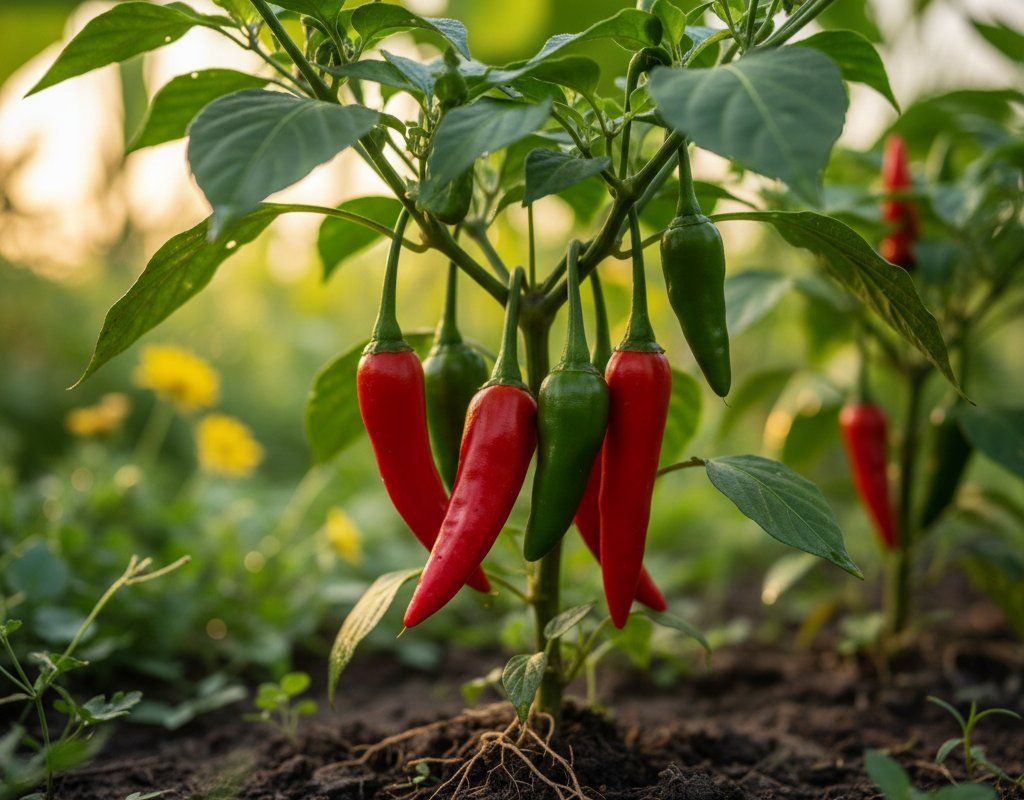
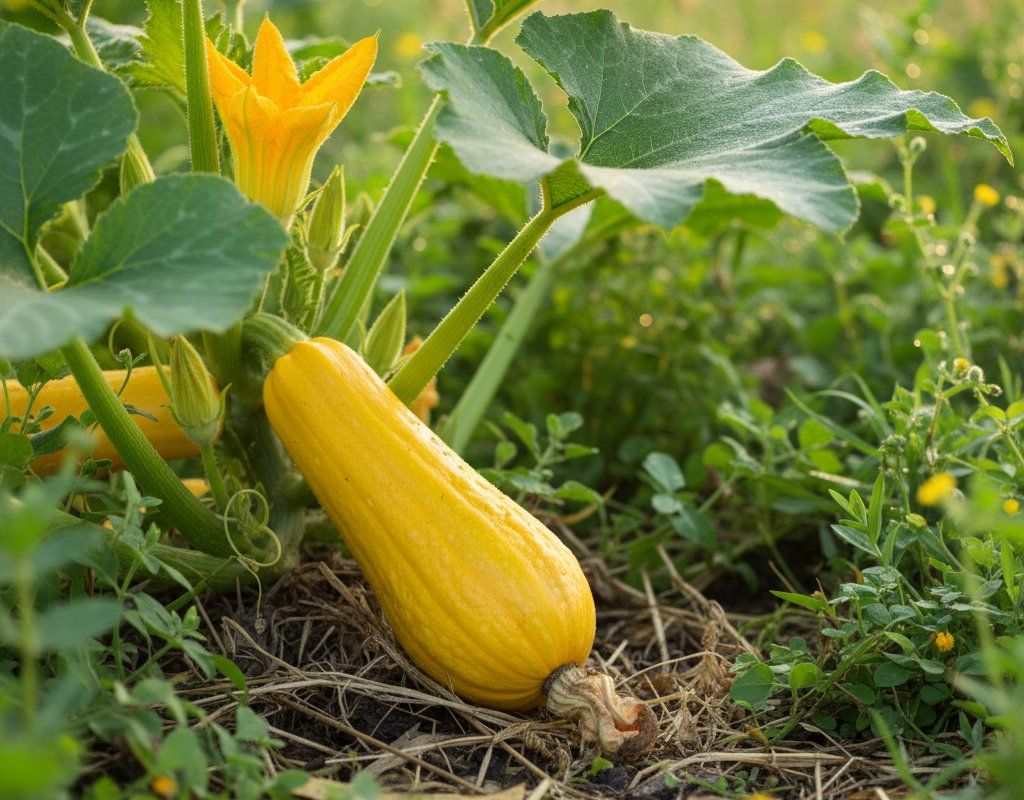
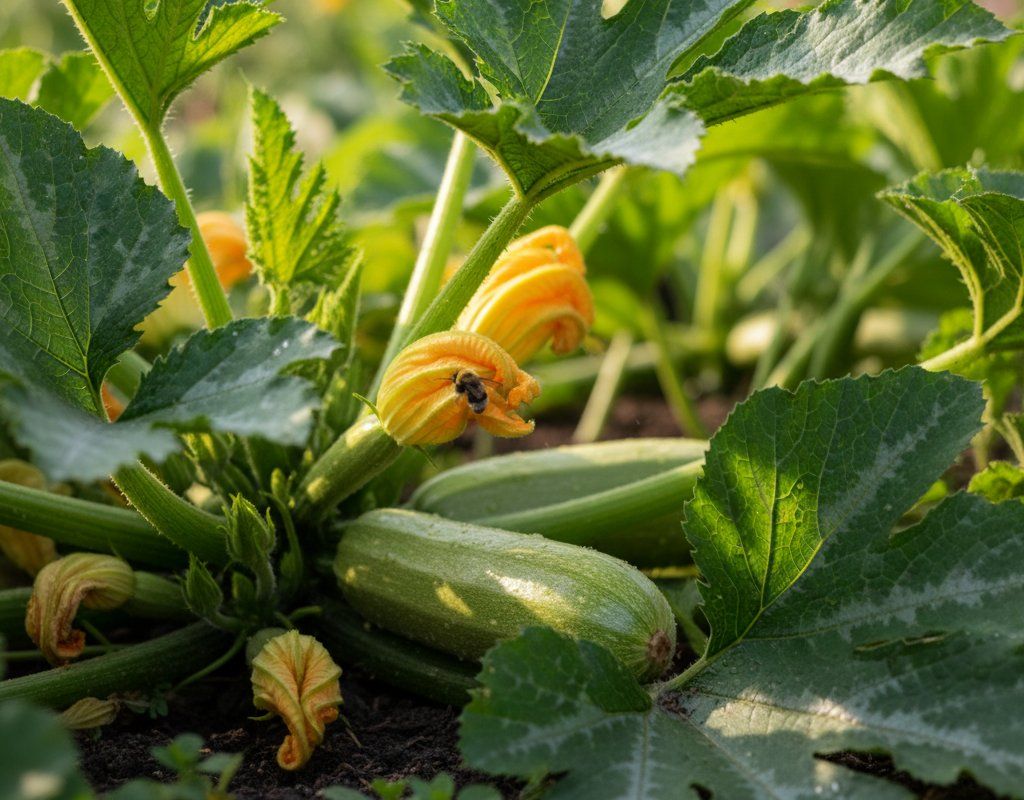
🍅Fruiting Vegetables (37)







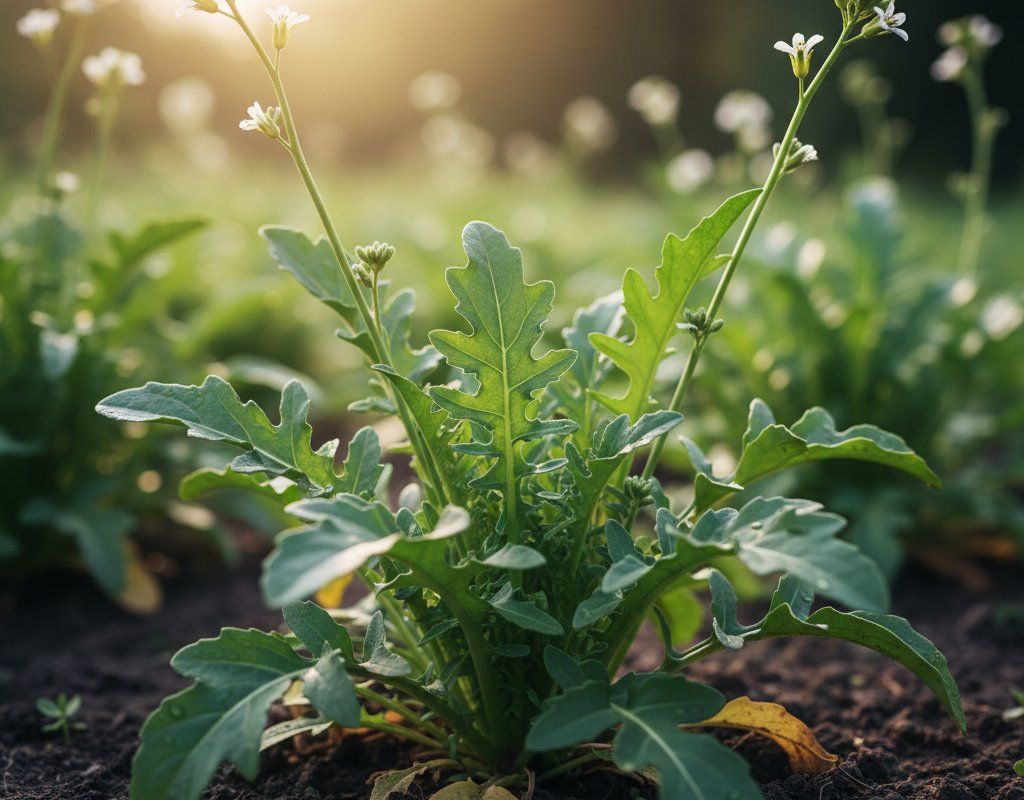
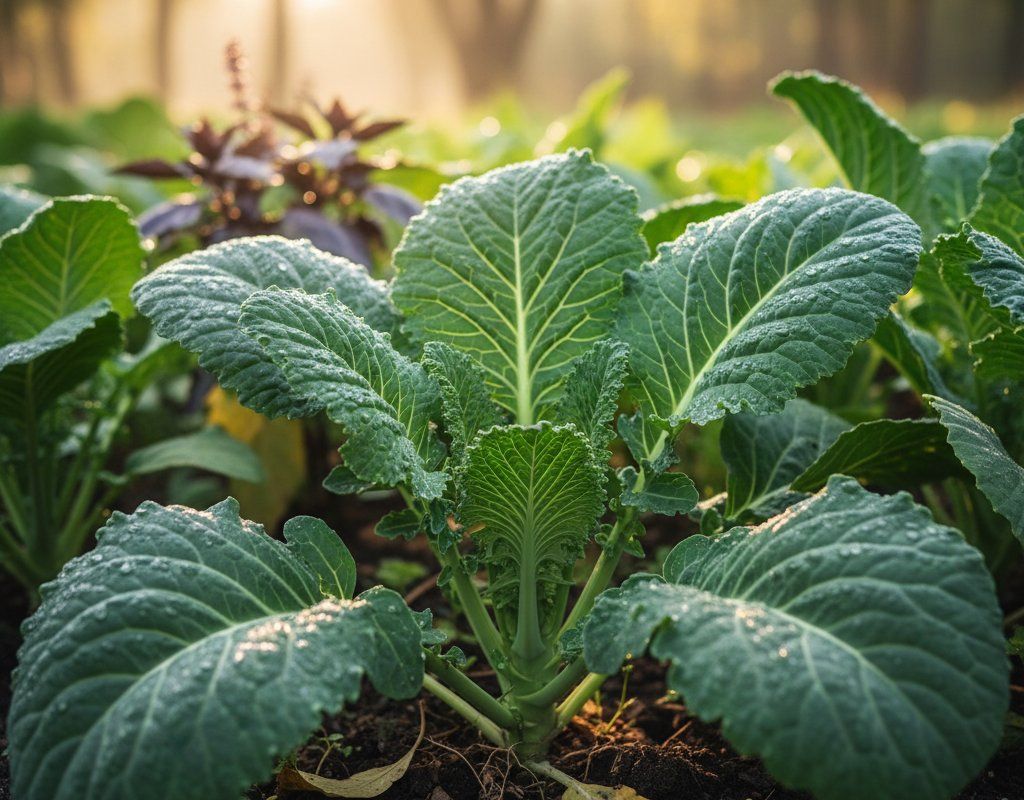
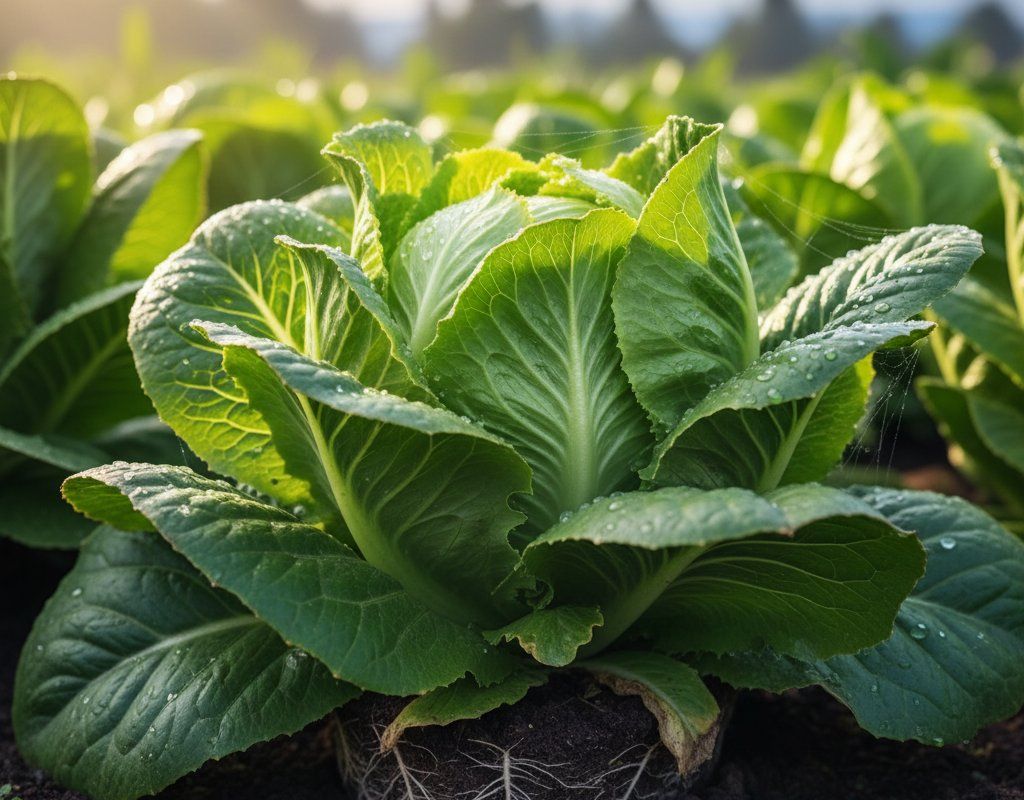
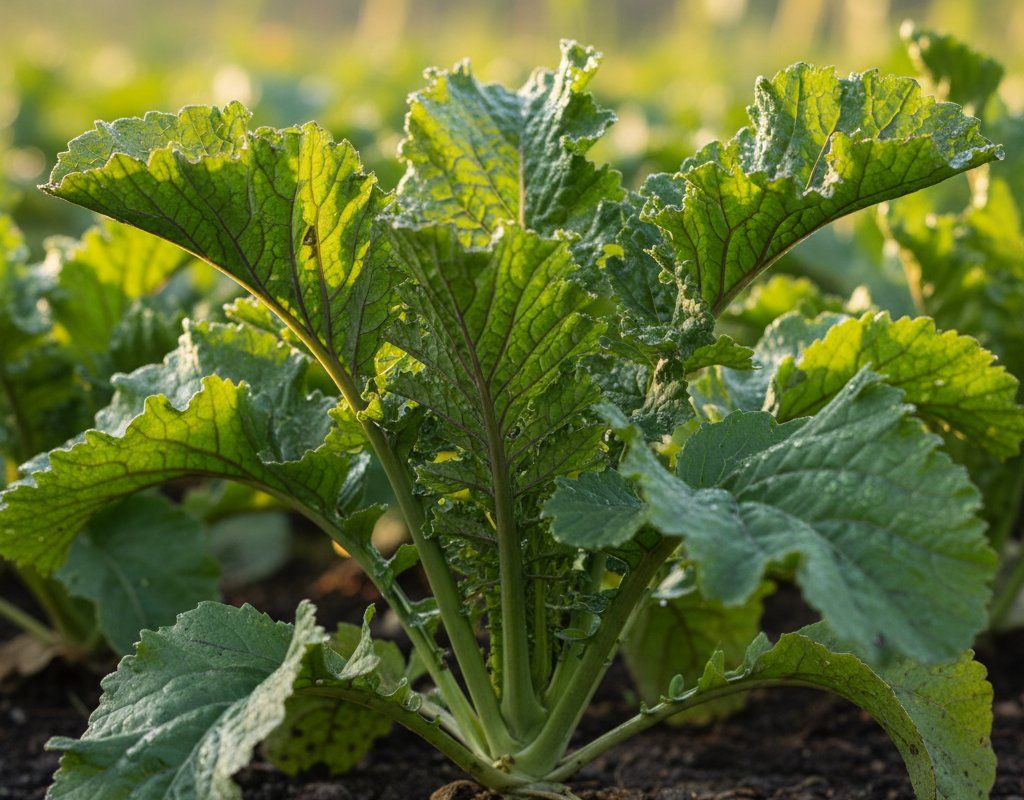
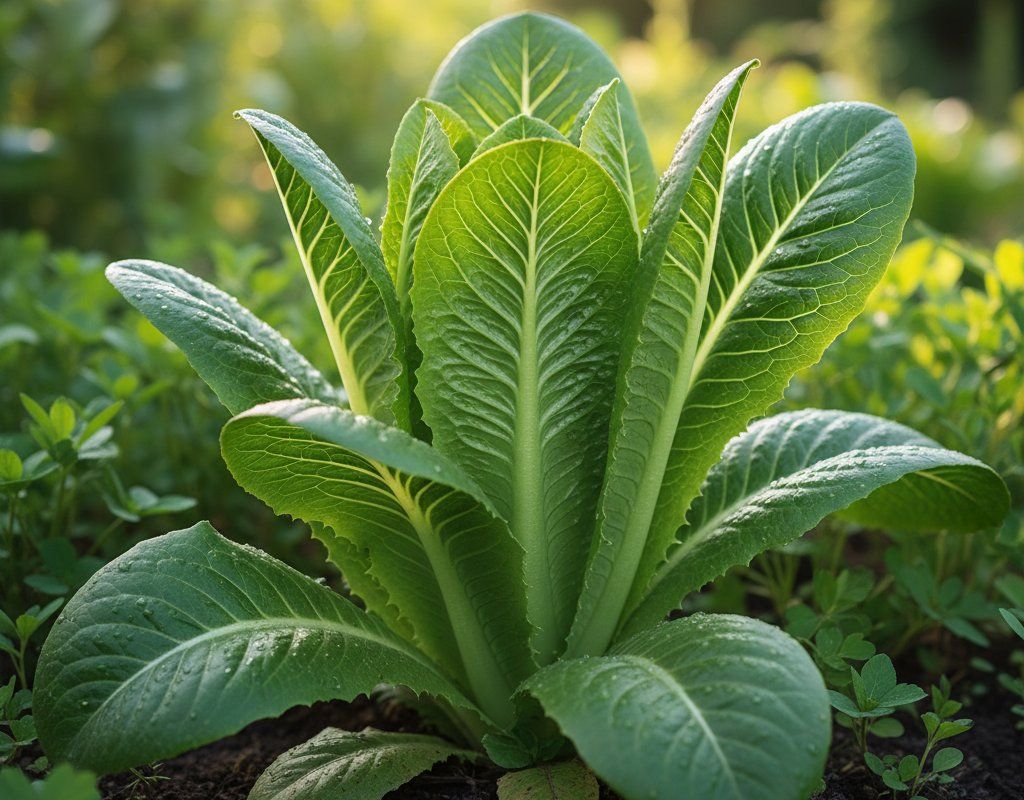
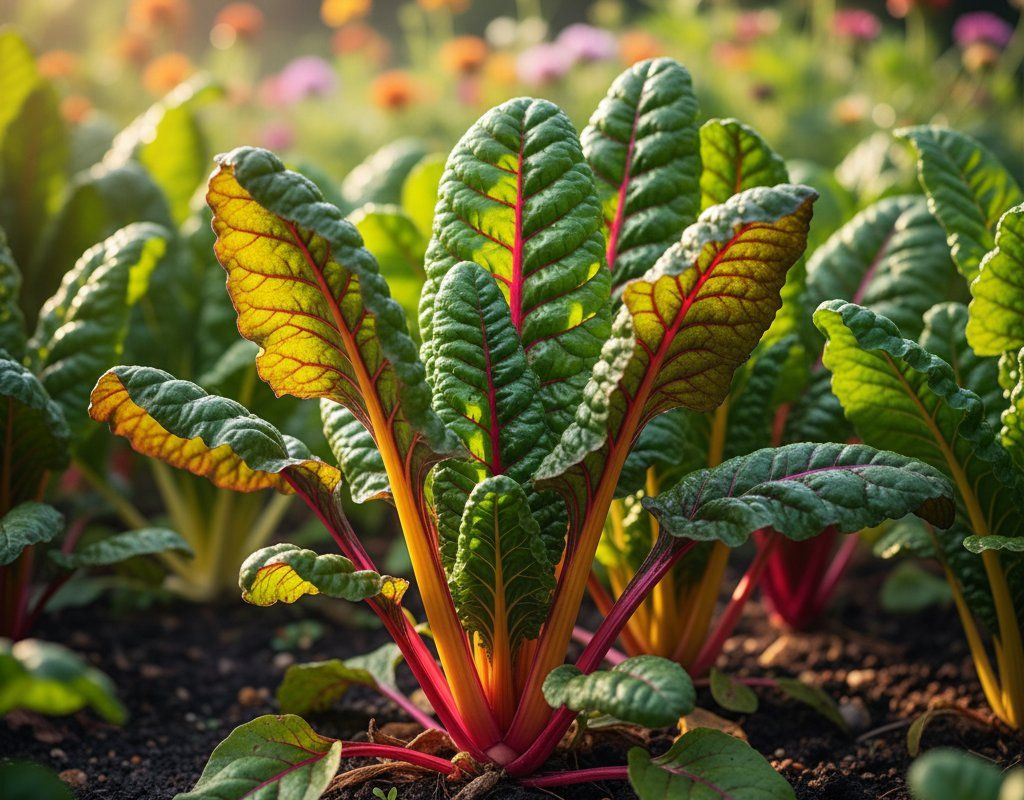
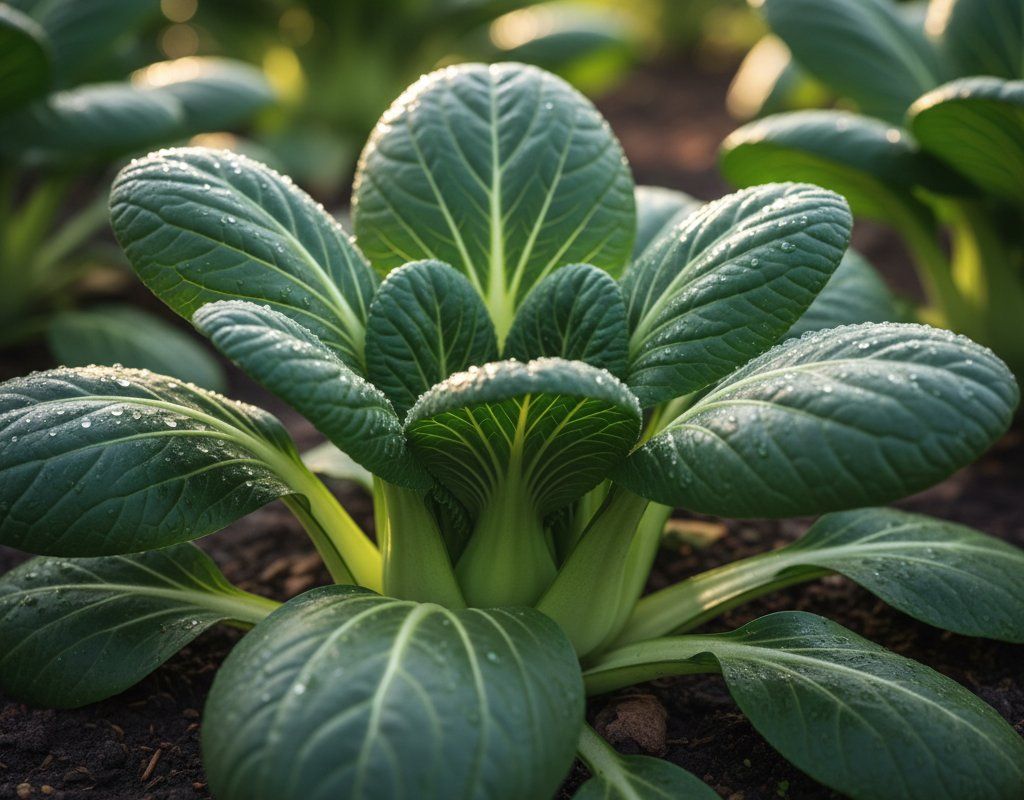
🥬Leafy Greens (9)



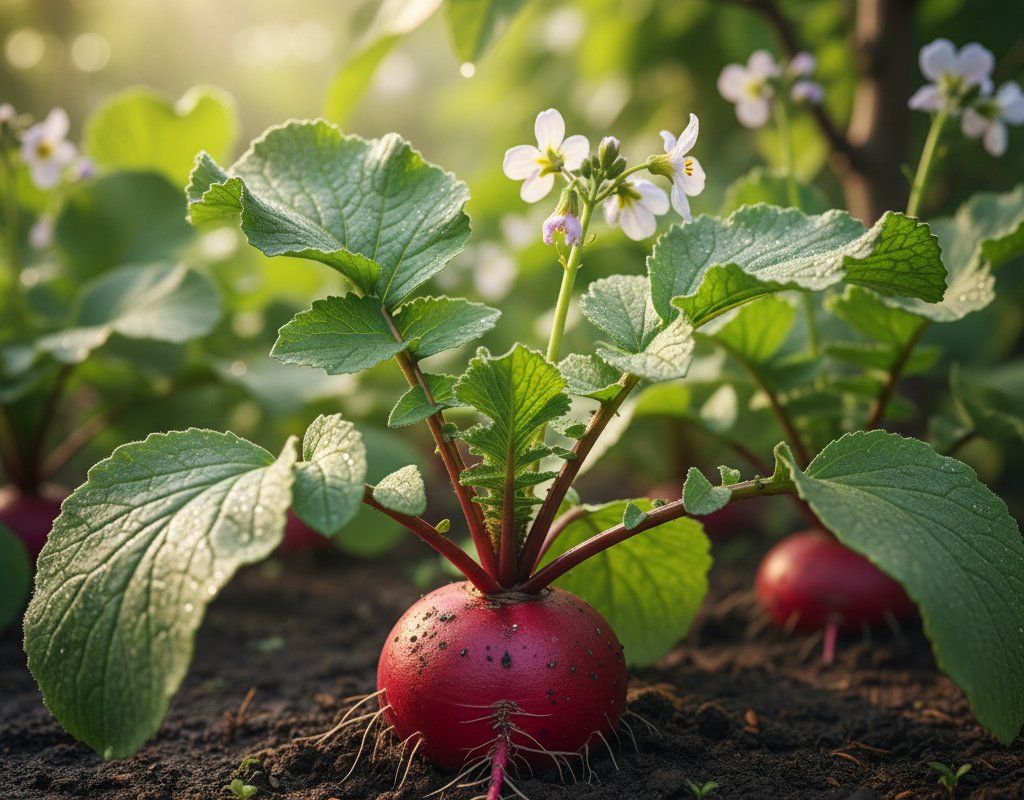
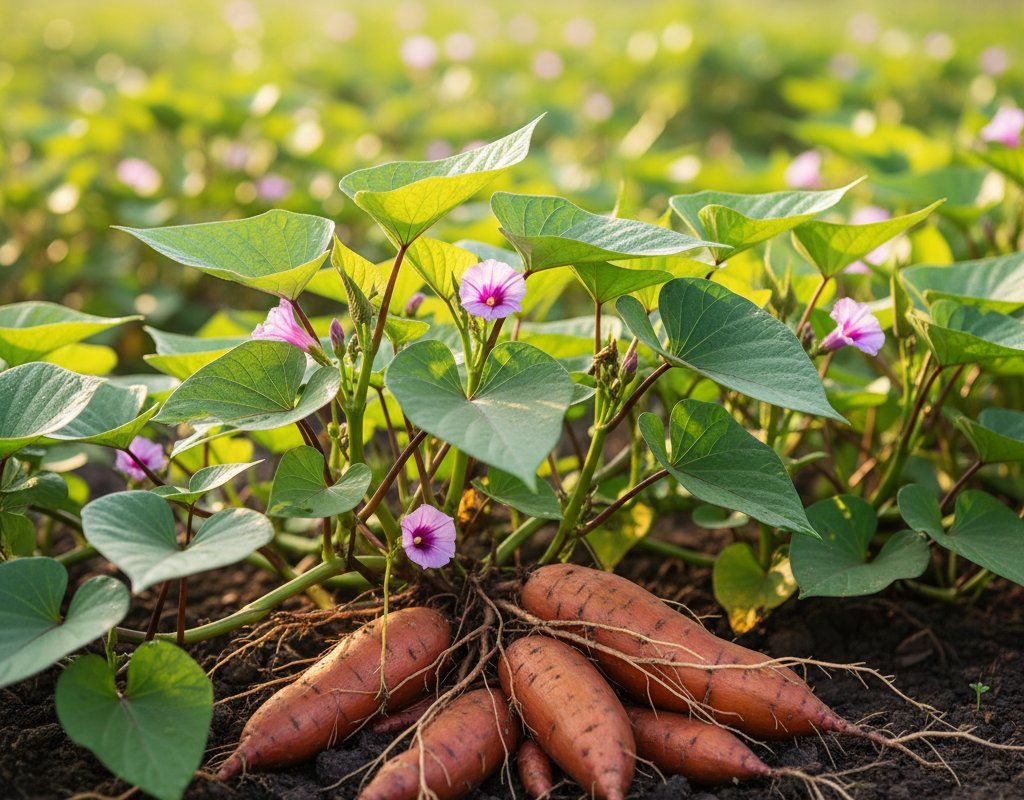
🥕Root Vegetables (5)



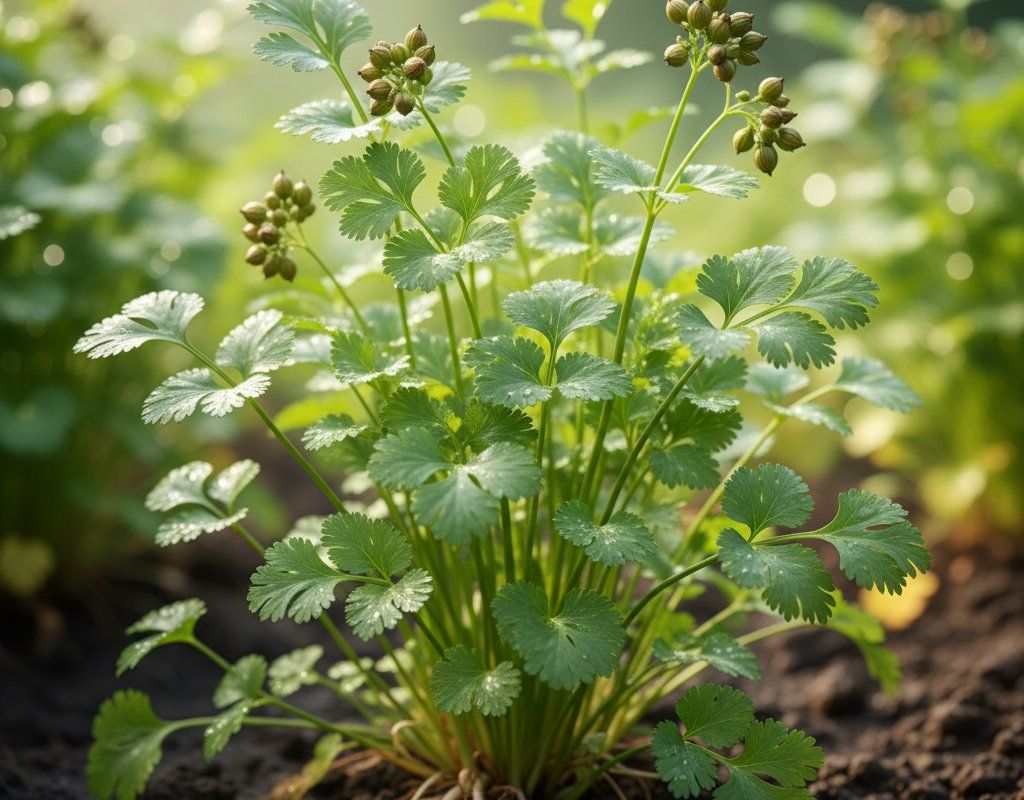
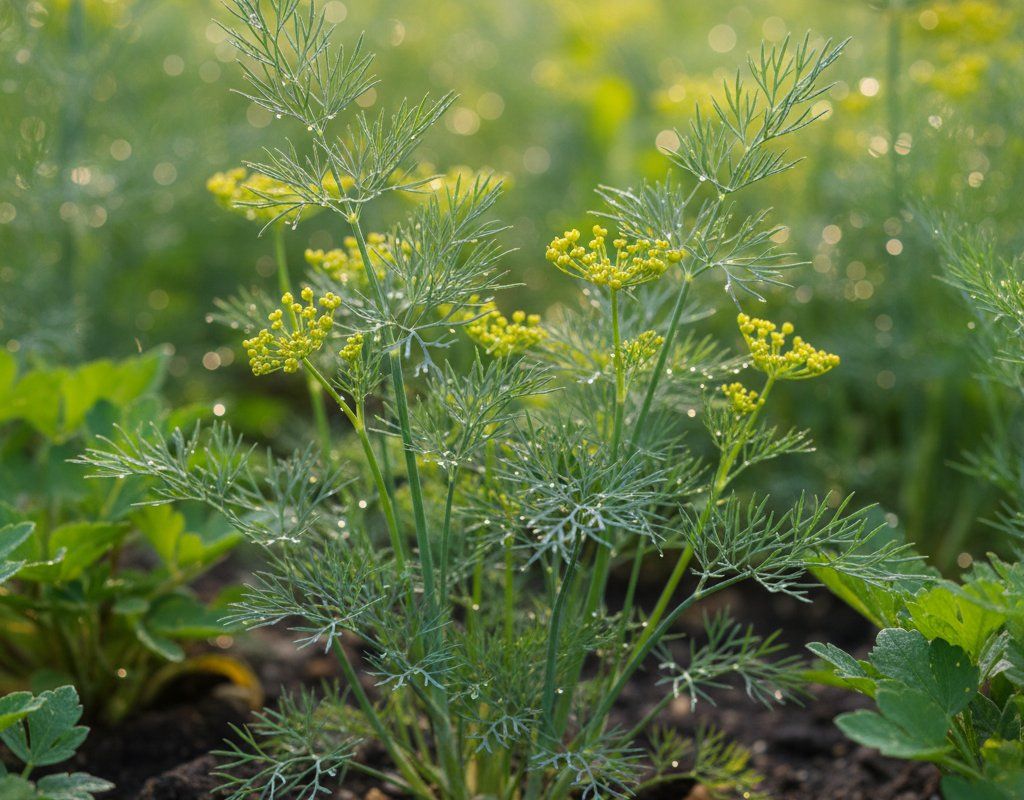
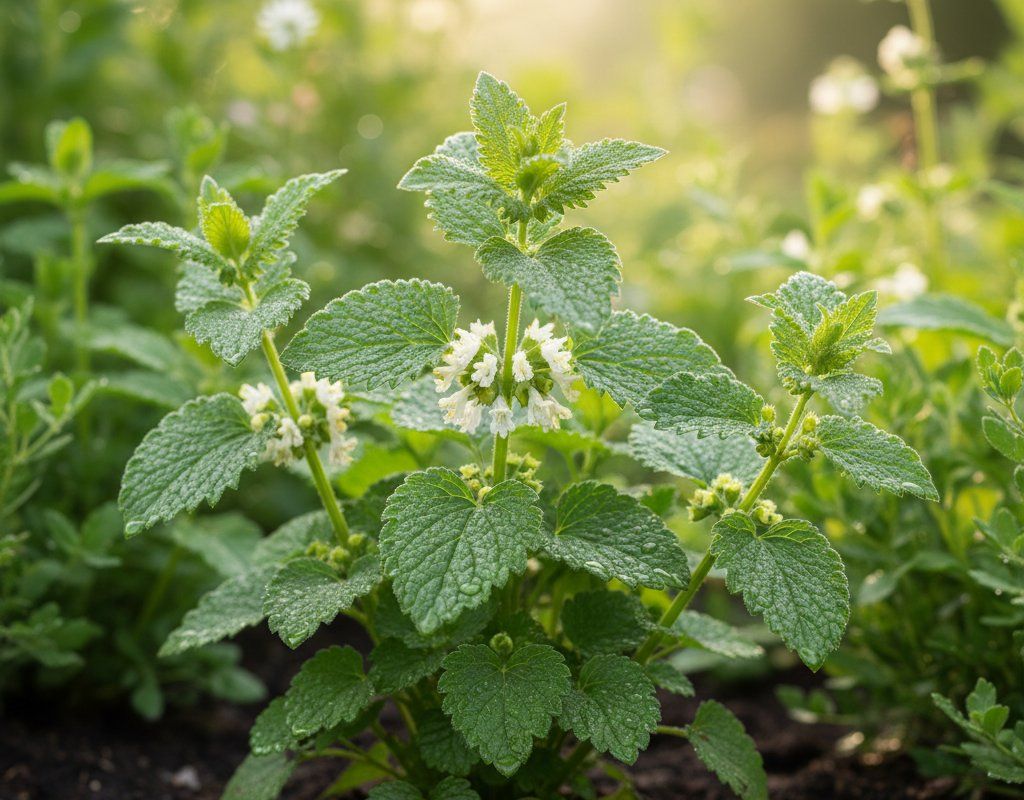
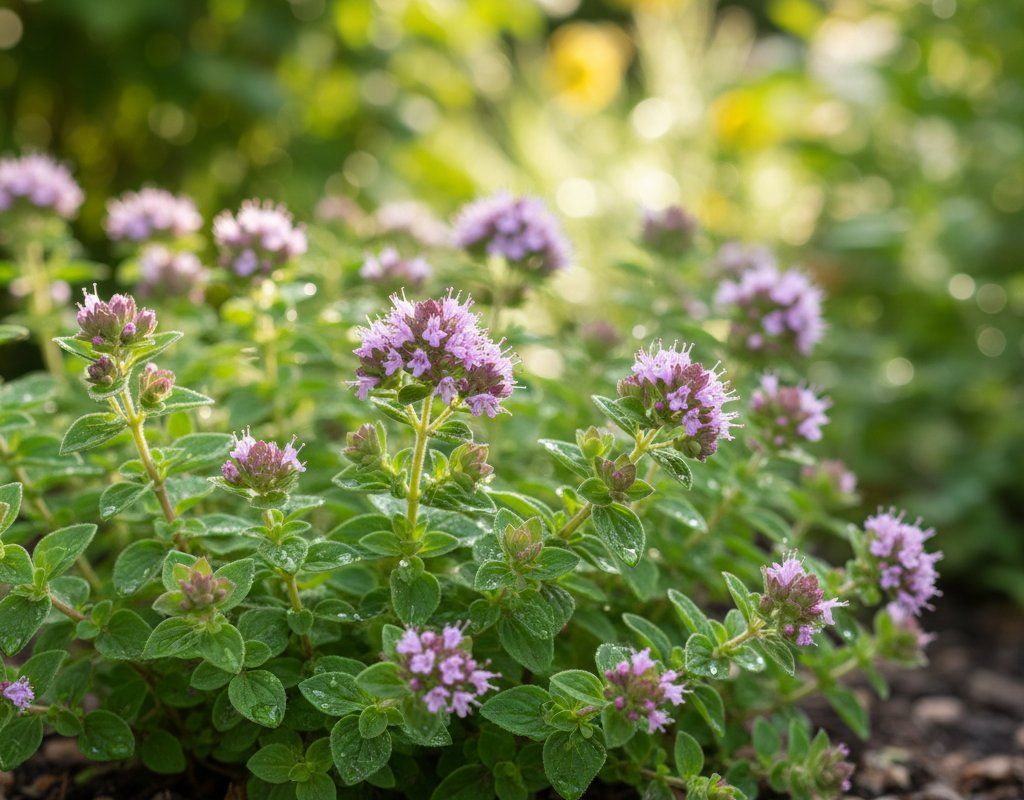
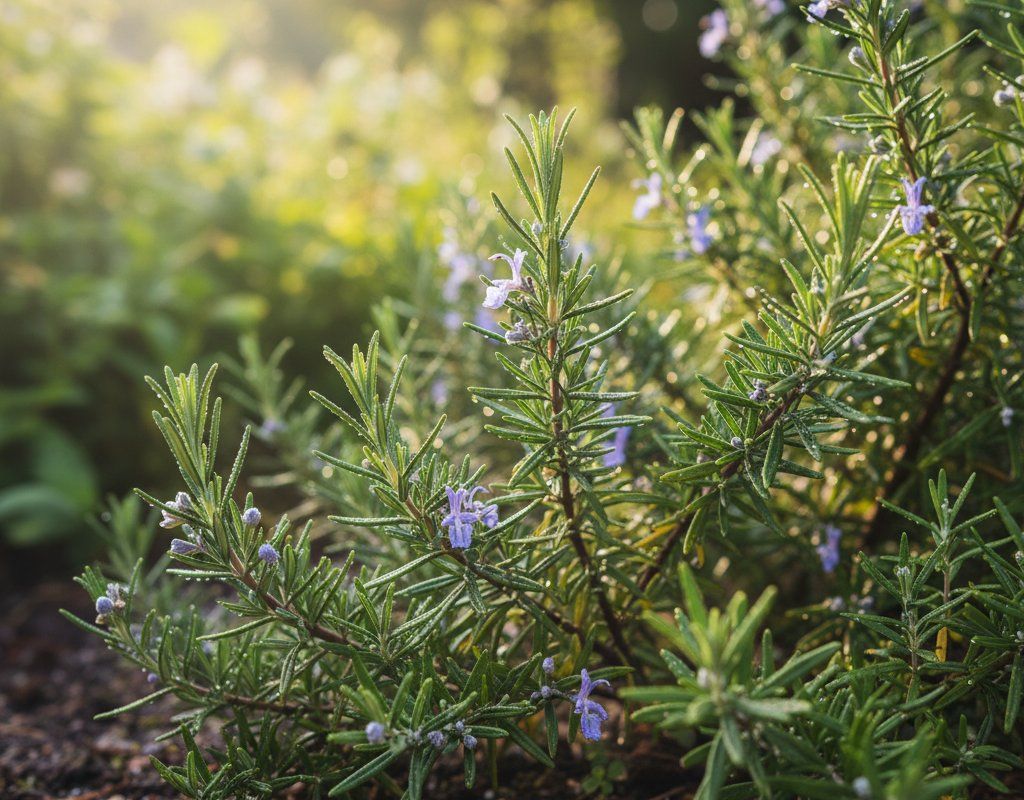
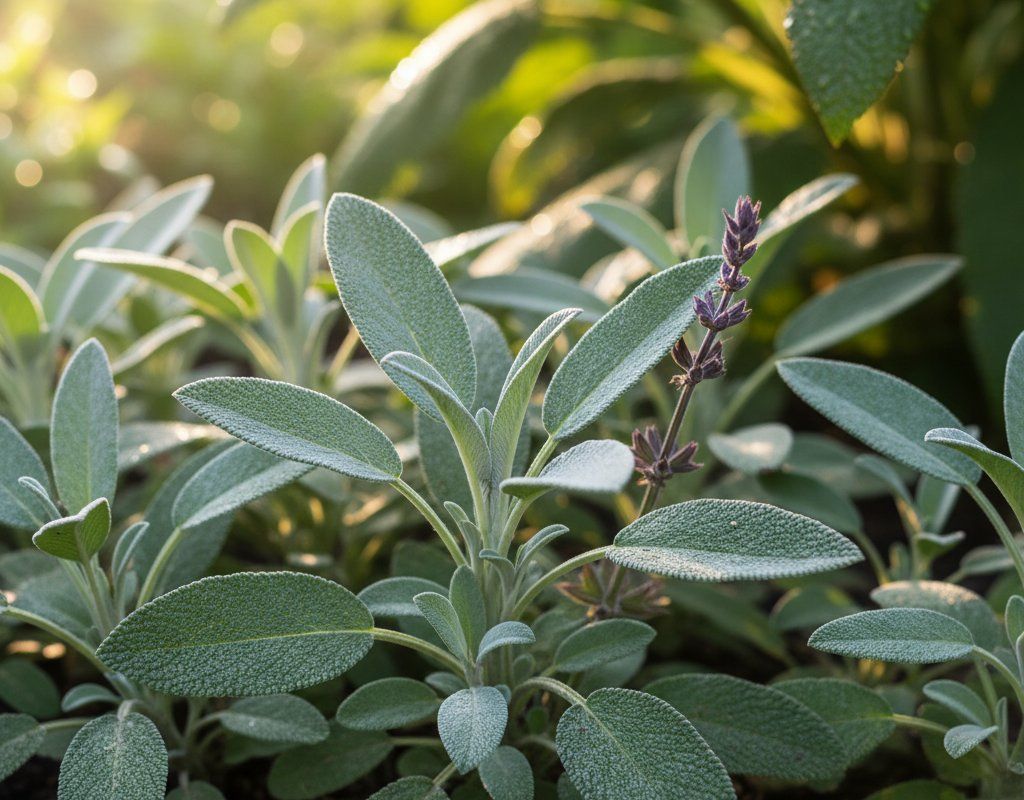
🌿Herbs (12)







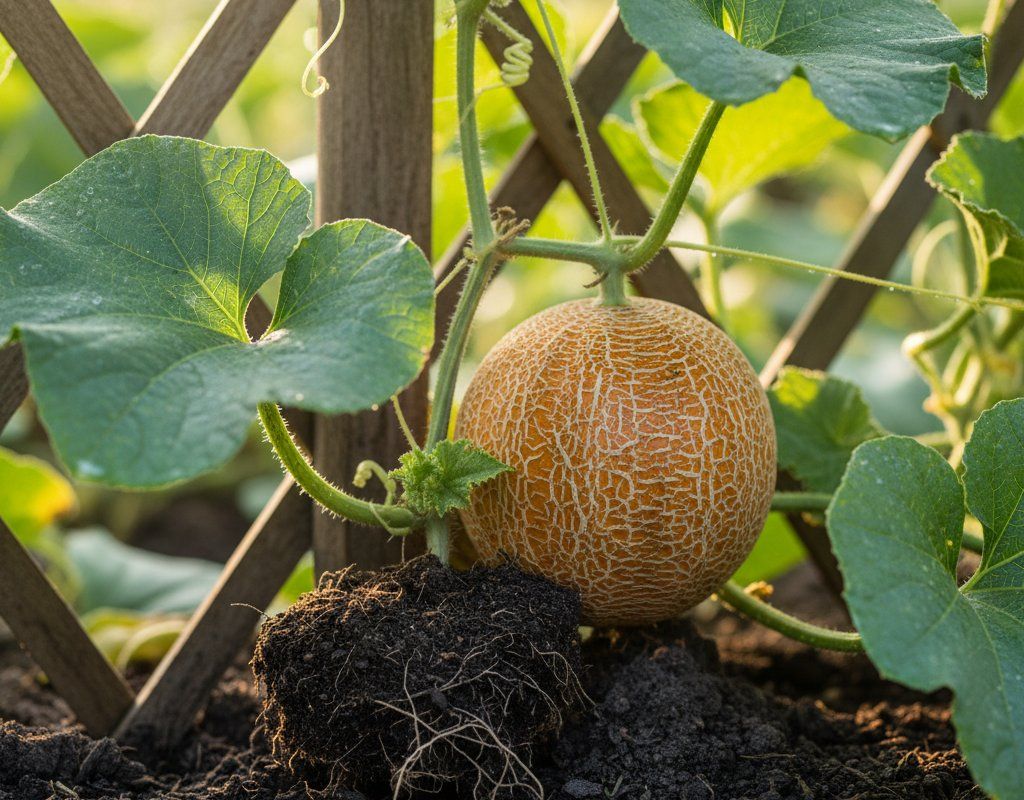
🍉Melons (2)
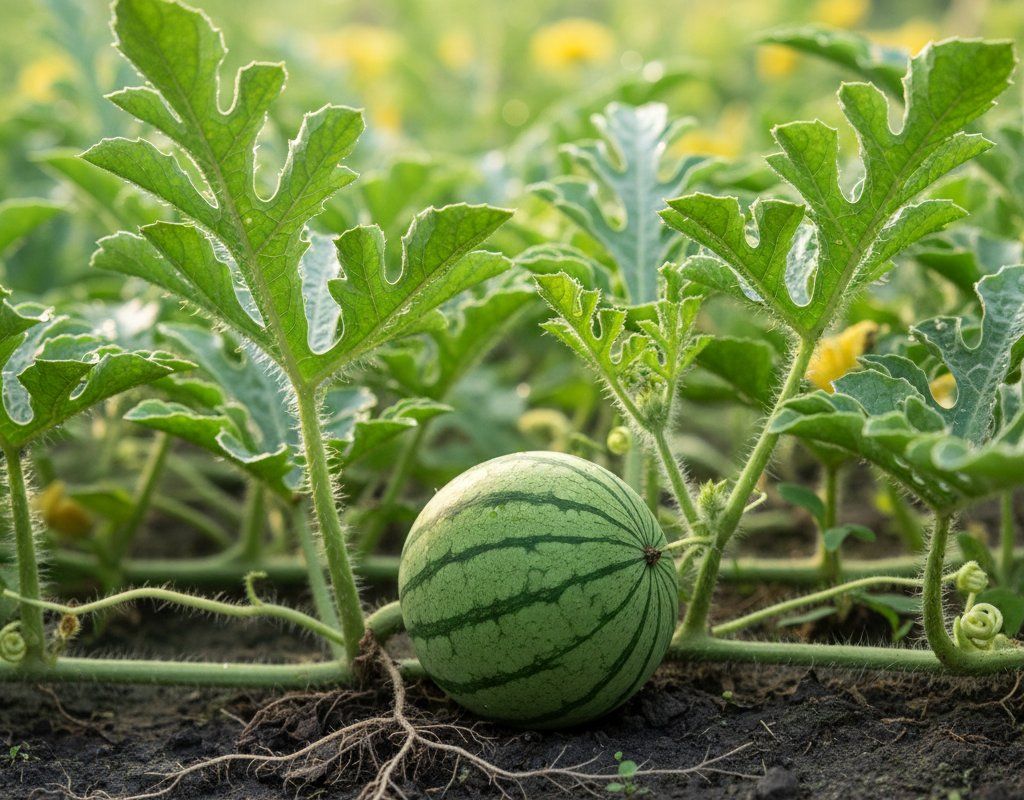
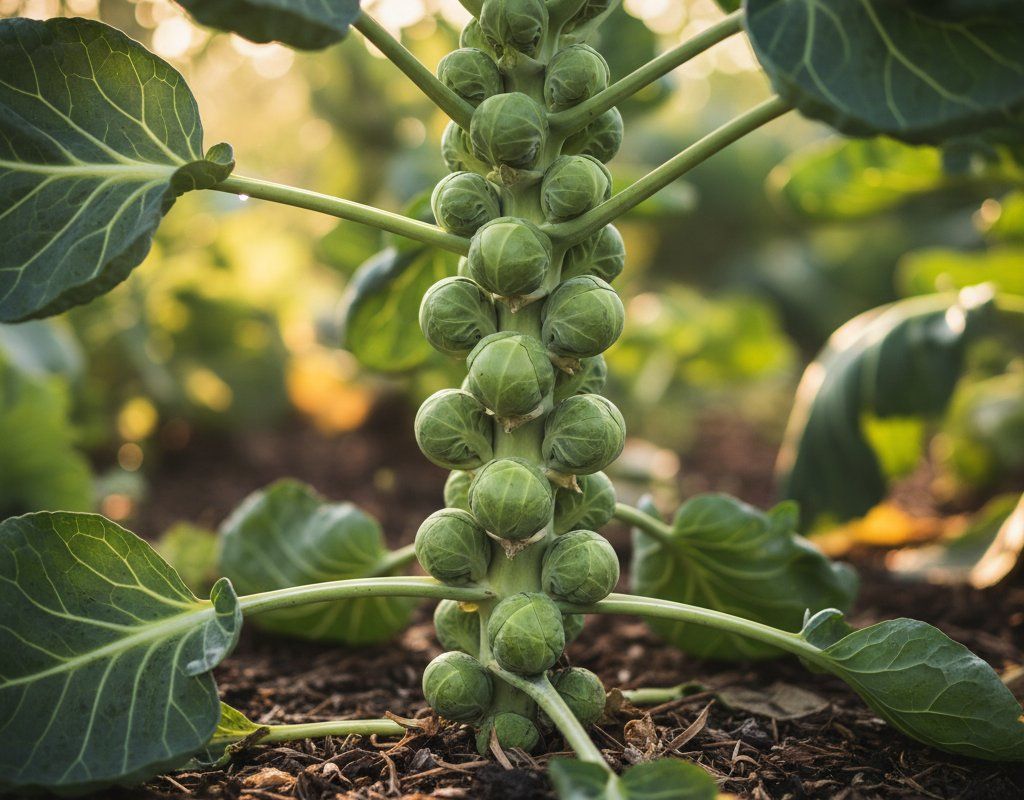
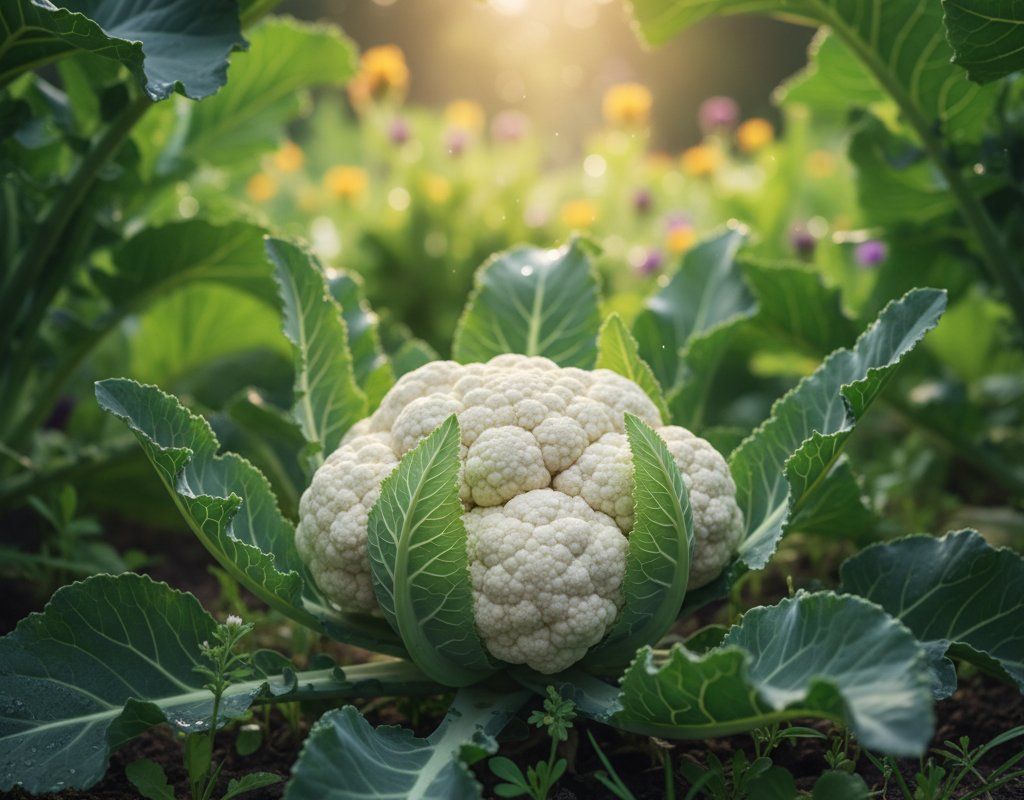
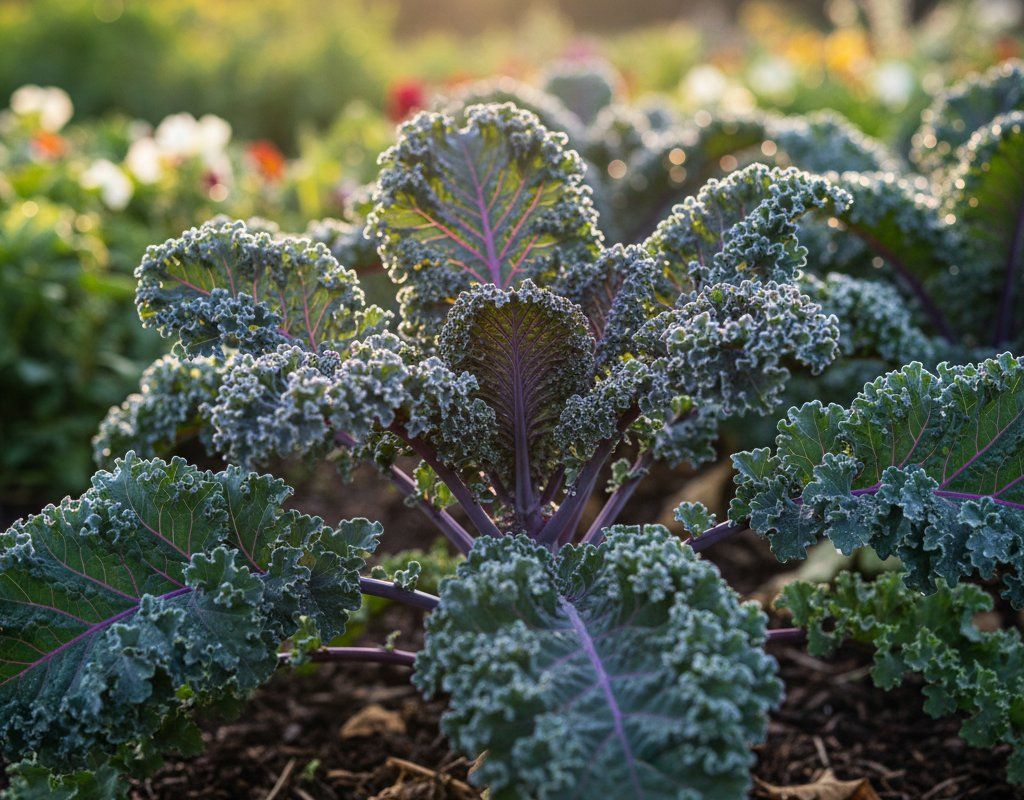
🥦Brassicas (6)


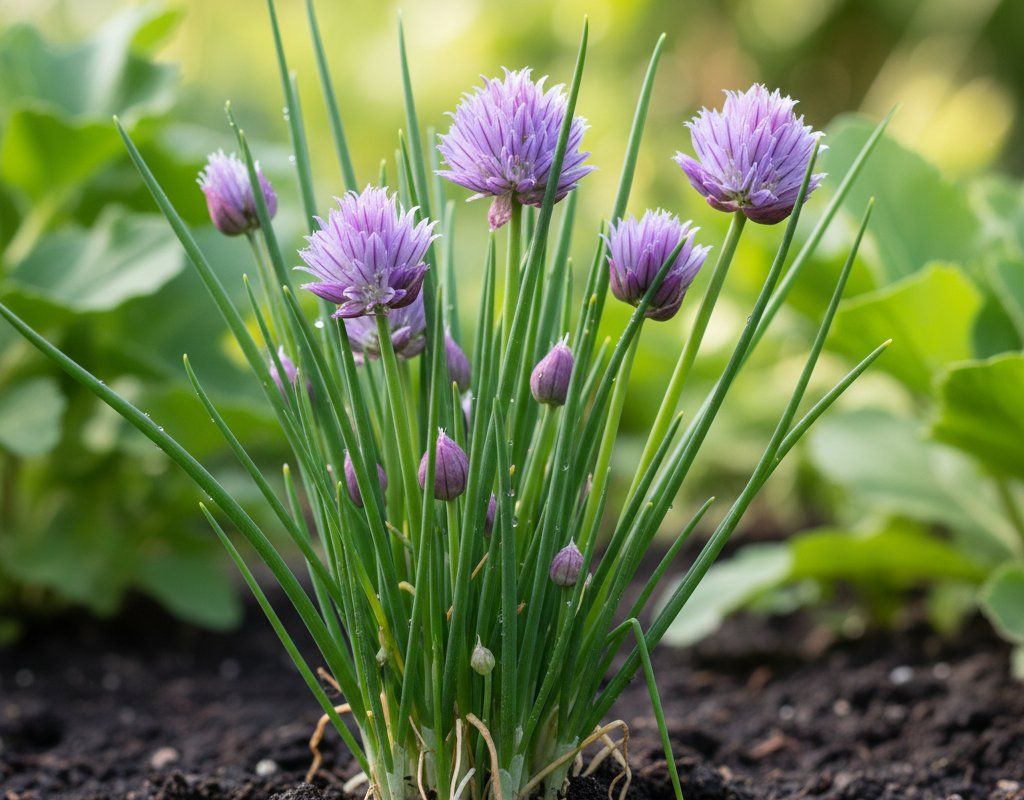
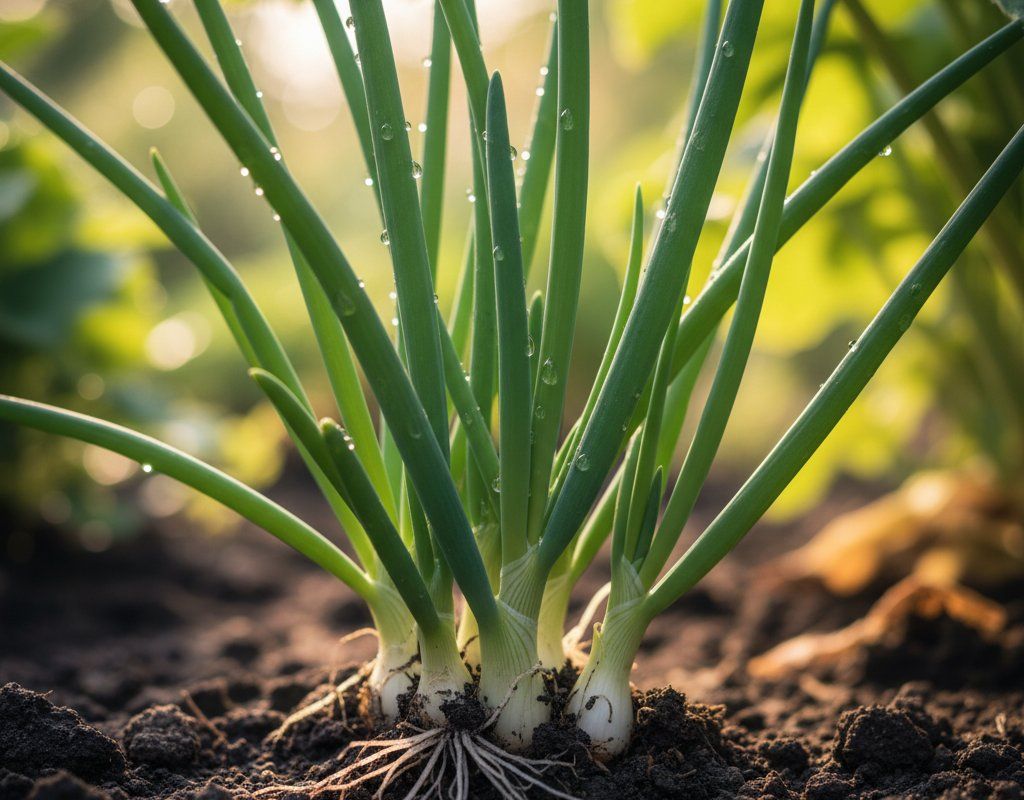
🧅Alliums (2)

🌽Grains (1)


🌸Companion Flowers (20)
















Month-by-Month Planting Calendar
What to do each month in your Zone 4A garden.
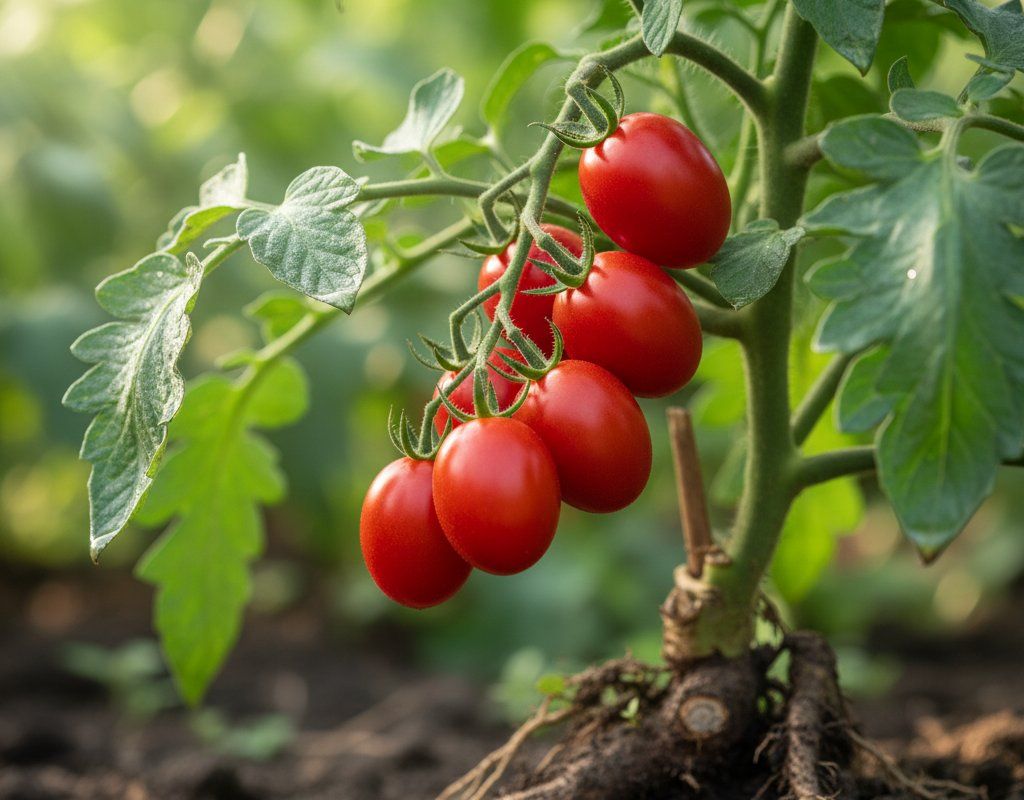
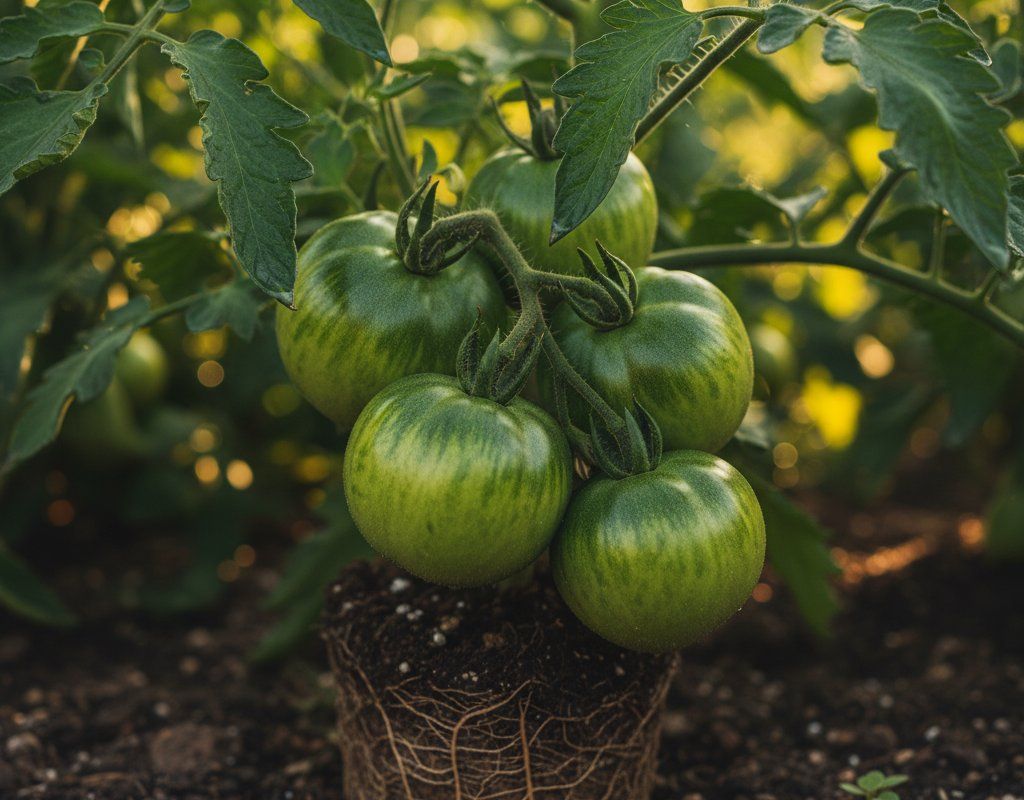
In January, your gardening happens indoors with seed catalogs and planning. Start mapping out your garden layout, researching cold-hardy varieties like Early Girl tomatoes and Brandywine varieties that can handle your zone's challenging conditions. Order seeds early to ensure you get the specific cultivars perfect for your short growing season.
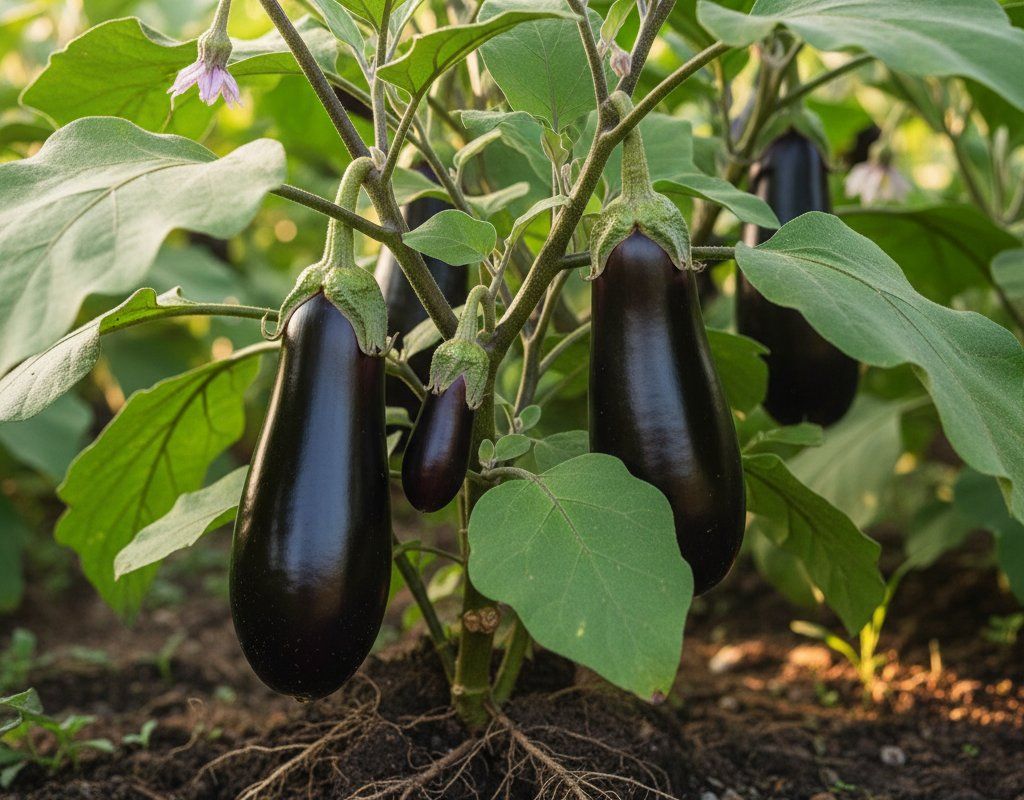
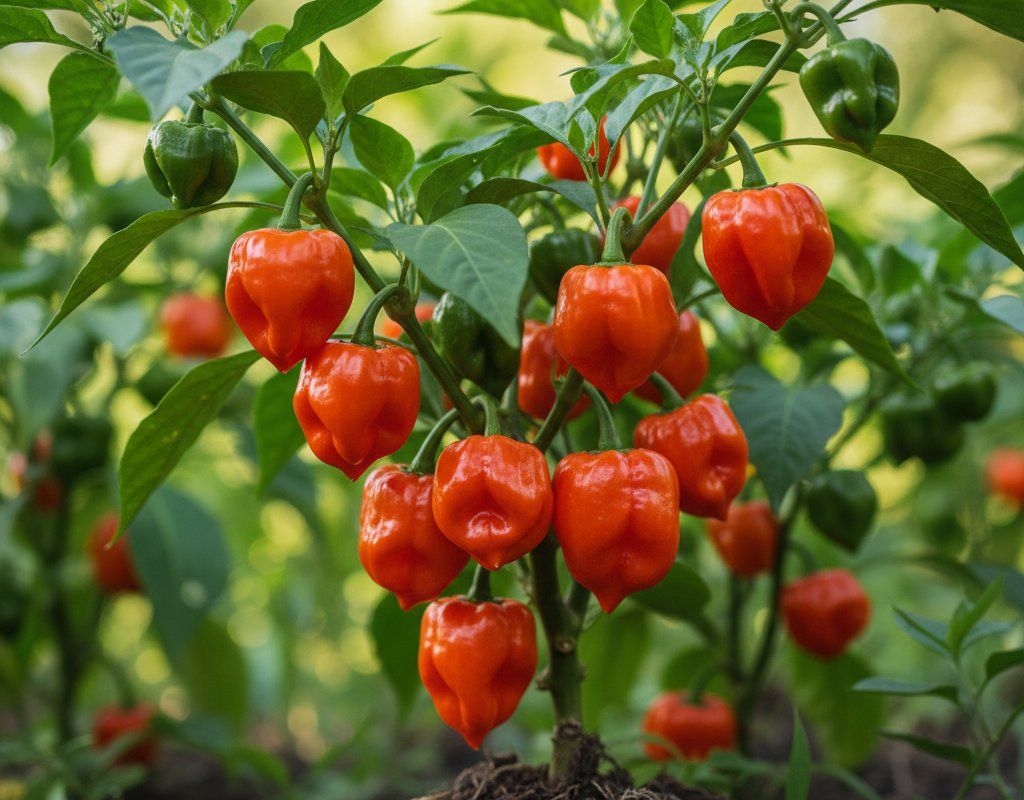
February is your seed-starting month for slow-growing plants like peppers and eggplants. Set up your indoor grow lights and heating mats, preparing trays for varieties that need 8-10 weeks of indoor growth before transplanting. Check your stored root vegetables and garden tools, ensuring everything is ready for spring.
As early March arrives, start seeds indoors for cool-season crops like broccoli, cauliflower, and cabbage. Begin hardening off any early seedlings and prepare your cold frames or low tunnels for potential early planting. Clean and organize your garden tools, and test your soil's pH and nutrient levels.
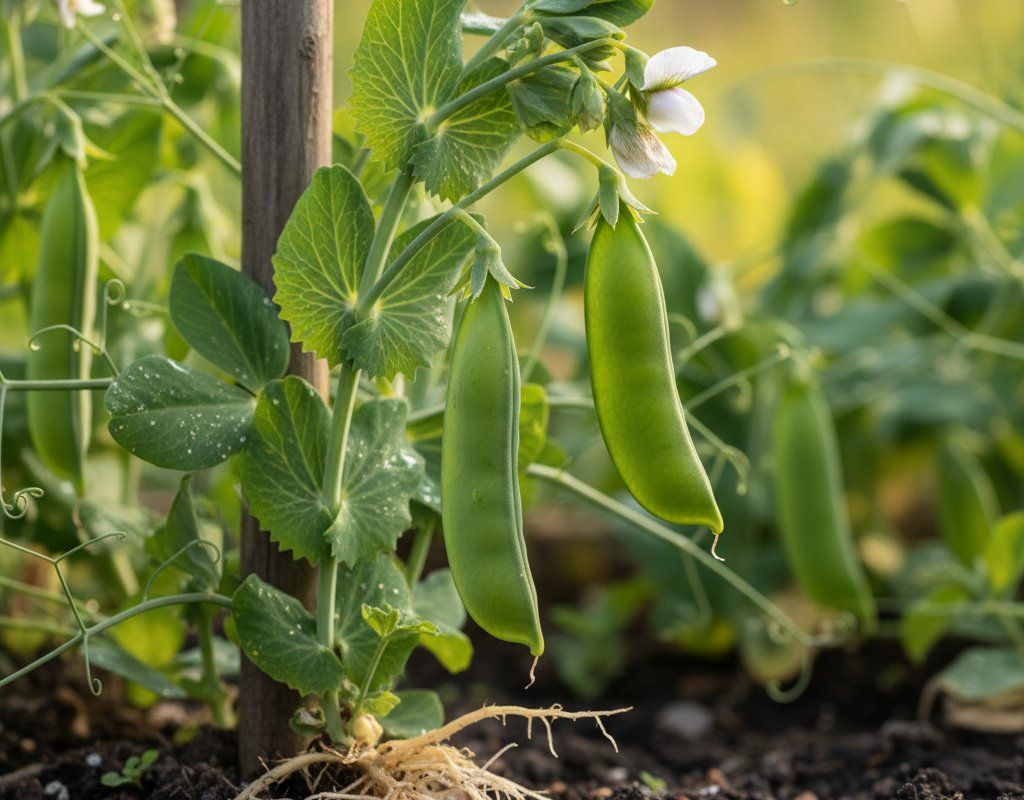
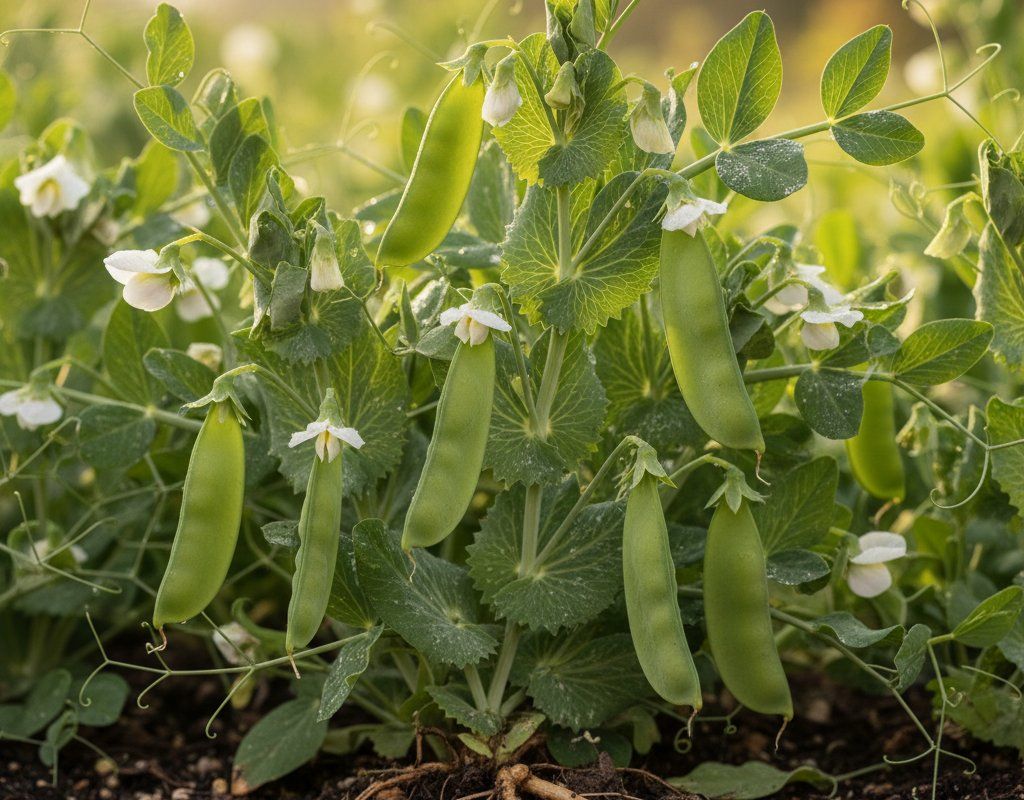
April is about preparing outdoor spaces and starting more seeds. Begin direct sowing cold-tolerant crops like peas, spinach, and radishes. Prepare your raised beds by adding compost and ensuring good drainage. Watch for unexpected temperature shifts and be prepared to protect tender seedlings.
May marks your primary planting month. After your last frost, transplant seedlings and direct sow warm-season crops like tomatoes, peppers, and squash. Install trellises and support structures, and mulch around plants to retain moisture and regulate soil temperature.
In June, focus on maintaining your rapidly growing garden. Monitor for pests, ensure consistent watering, and continue succession planting of quick-growing crops like lettuce and radishes. Stake tomato plants and begin regular harvesting of early crops.
July is peak growing season. Harvest continually, especially zucchini, cucumbers, and beans. Provide extra water during hot spells and monitor for signs of heat stress. Start planning your fall and winter crops, and consider preserving your harvest through canning or freezing.
August brings heavy harvests and preparation for fall. Continue preserving your produce, and start planting fall crops like kale, Swiss chard, and root vegetables. Clean up spent summer plants and add them to your compost pile.
September is harvest and preparation month. Gather the last of your summer crops, preserve your bounty, and plant quick-growing fall greens. Prepare your garden for the first frost by covering sensitive plants and harvesting remaining produce.
In October, focus on garden cleanup and winter preparation. Remove spent plants, add compost to your beds, and plant garlic for next year. Cover crop bare spaces and protect any remaining late-season crops from frost.
November is about putting your garden to bed. Drain and store irrigation systems, clean and sharpen tools, and cover garden beds with mulch or straw. Reflect on this year's successes and challenges, and start planning next season's garden.
December is for rest and planning. Review seed catalogs, sketch garden designs, and attend local gardening workshops. Maintain your stored vegetables, check your seed inventory, and dream about next year's garden while enjoying the winter quiet.
Common Challenges in Zone 4A (Midwest)
Zone 4A has about 133 frost-free days — enough for most vegetables if you choose your varieties carefully. The main challenge is the unpredictability of spring weather.
Temperatures can swing 30-40 degrees in a single week during April and May. Late frosts into mid-May catch gardeners off guard regularly.
Summer can bring stretches of 90°F+ heat that stress cool-season crops. Fall arrives fast, and the first hard freeze often comes with little warning.
Deer and rabbit pressure tends to be heavy in this zone.
Season Extension Tips
Indoor seed starting is essential for tomatoes, peppers, and eggplant — start them 6-8 weeks before your last frost. Hardening off matters more here than in warmer zones because the temperature swing between indoors and outdoors is dramatic.
Use cloches or row cover for the first two weeks after transplanting warm-season crops. For fall harvests, plant a second round of lettuce, spinach, and radishes in early August.
Cold-hardy crops like kale, collards, and Brussels sprouts actually taste better after a light frost sweetens them.
Soil Preparation
Spring soil prep starts in late April when the ground becomes workable. Don't rush it — working wet soil destroys its structure and creates hard clumps.
Squeeze a handful: if it crumbles, it's ready. Add 2-3 inches of compost and work it into the top 6-8 inches.
In heavy clay soils, gypsum helps improve structure without changing pH. If you're starting new beds, a soil test from your county extension office costs about $15 and tells you exactly what amendments to add.
Fall is the best time to add lime if your pH is below 6.0.