Gardening in Zone 5B — Mid-Atlantic
Zone 5B gardening is a dance with unpredictability, where your success hinges on understanding our cool climate's rhythms. With approximately 163 growing days, you've got just enough time to cultivate an impressive variety of vegetables and herbs, but you'll need strategy and patience. Cool-season crops like spinach, kale, and peas absolutely thrive here, while heat lovers like tomatoes and peppers require careful timing and sometimes season extension techniques.
Your main challenges will be our variable spring weather and shorter growing season, but these limitations also create opportunities. By starting seeds indoors, using cold frames, and selecting quick-maturing varieties, you can produce an abundant harvest. The moderate winters allow for some perennial herbs and vegetables, and the distinct seasonal changes mean your garden will have beautiful, dramatic transformations throughout the year.
✓ Regional Advantages
- • Four distinct seasons
- • Reliable rainfall
- • Good for most crops
⚠ Regional Challenges
- • Humidity
- • Deer
- • Japanese beetles
- • Variable spring weather
- • Clay soil
Mid-Atlantic Climate Profile
Four distinct seasons with humid summers and cold winters
Best Plants for Zone 5B
102 plants thrive in Zone 5B's 178-day growing season. Click any plant for zone-specific planting dates.
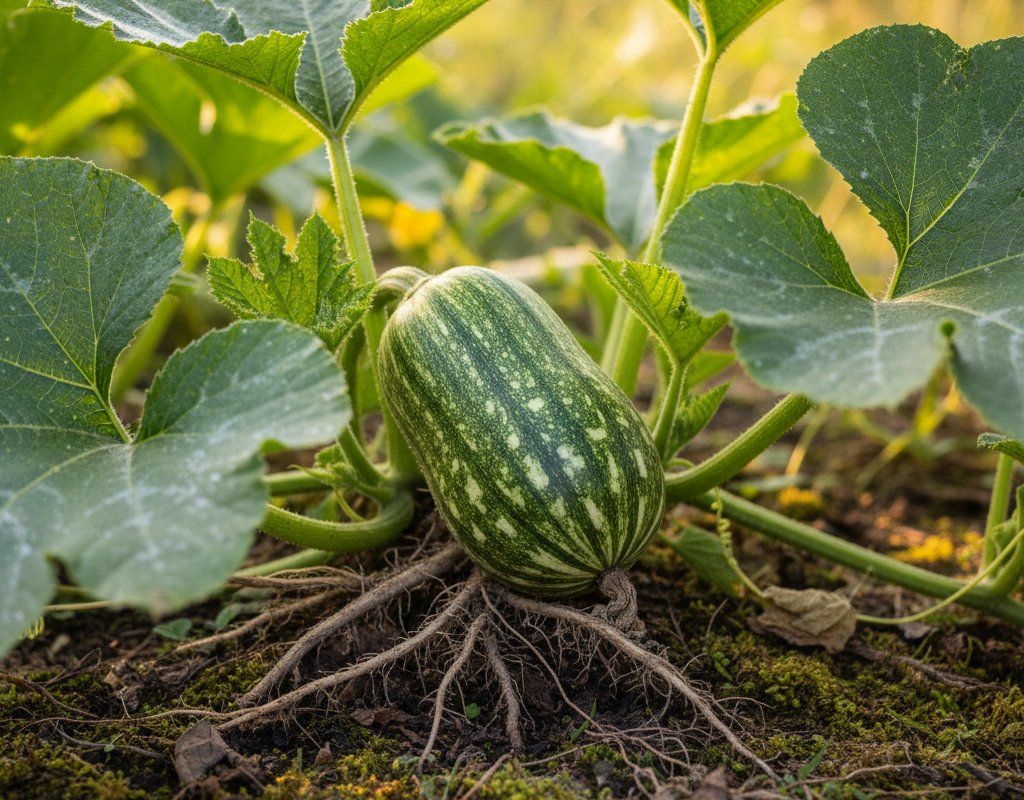
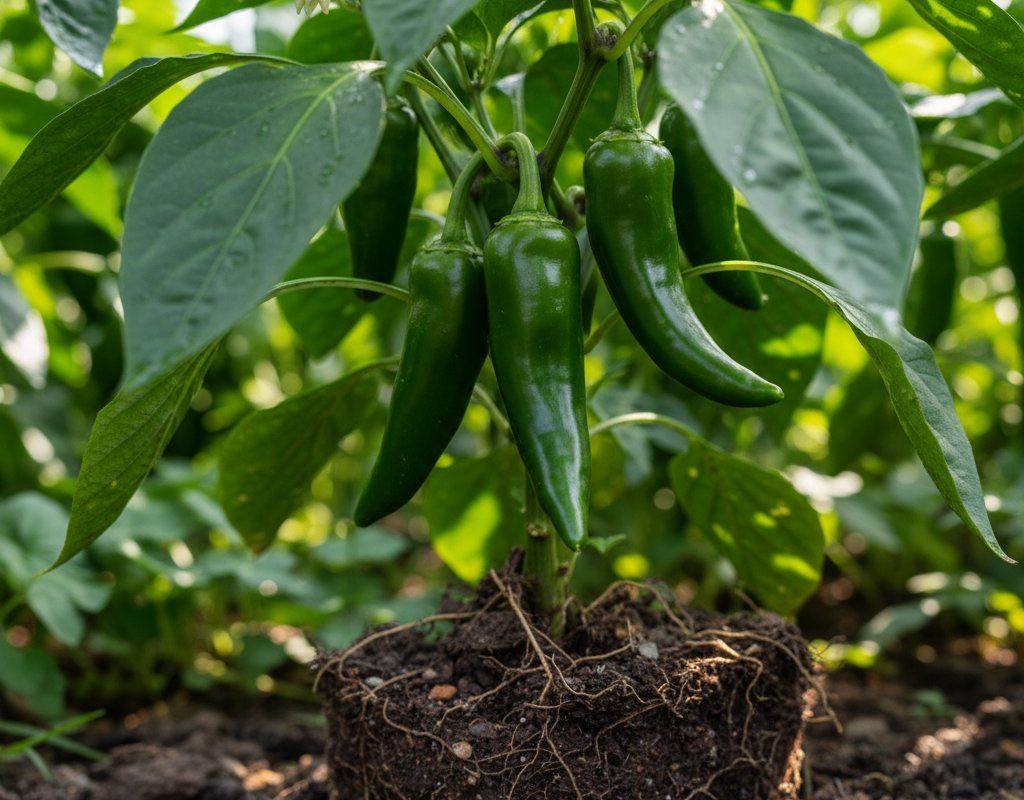
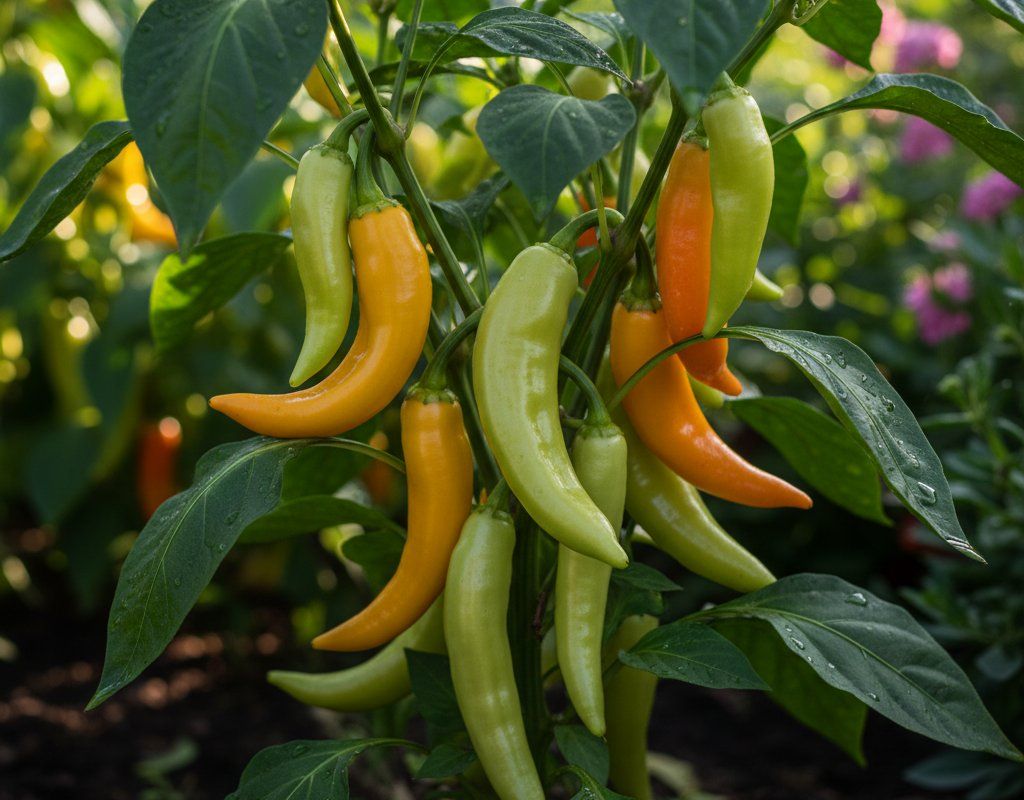
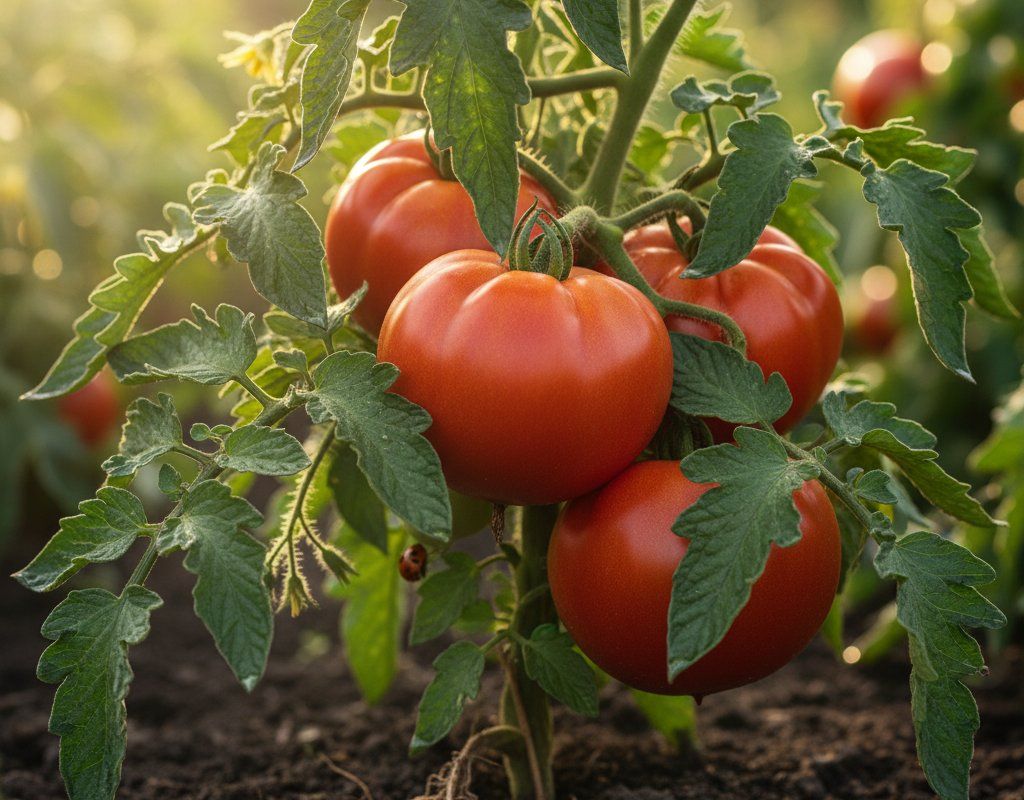
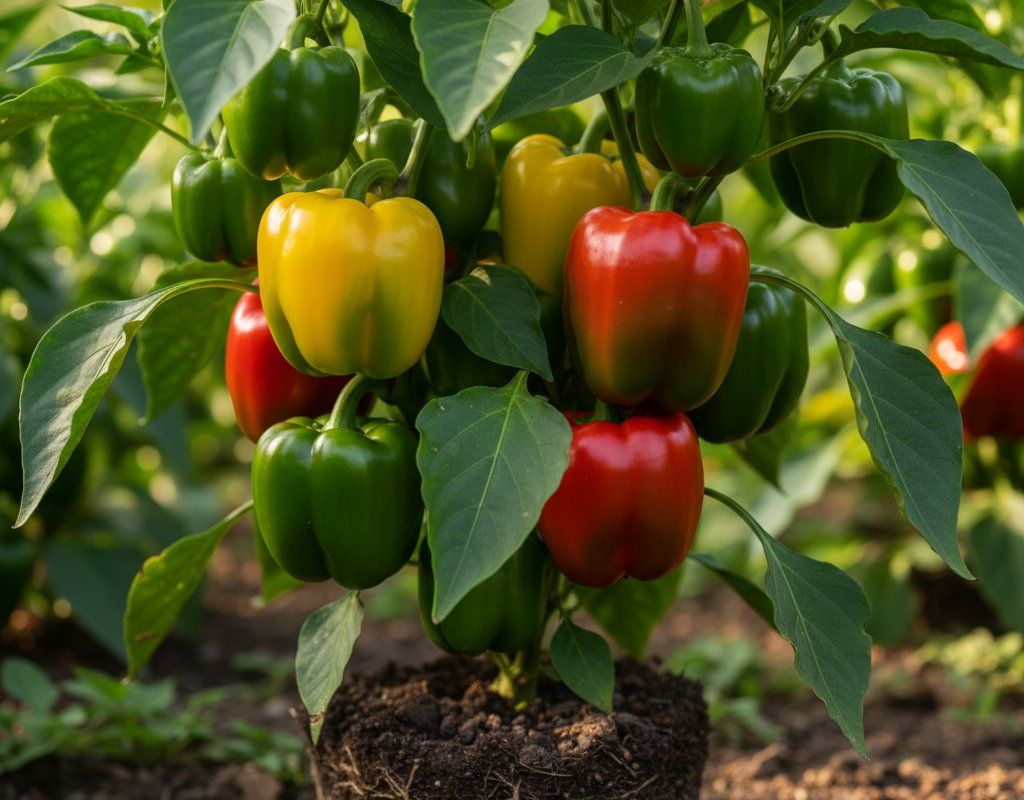
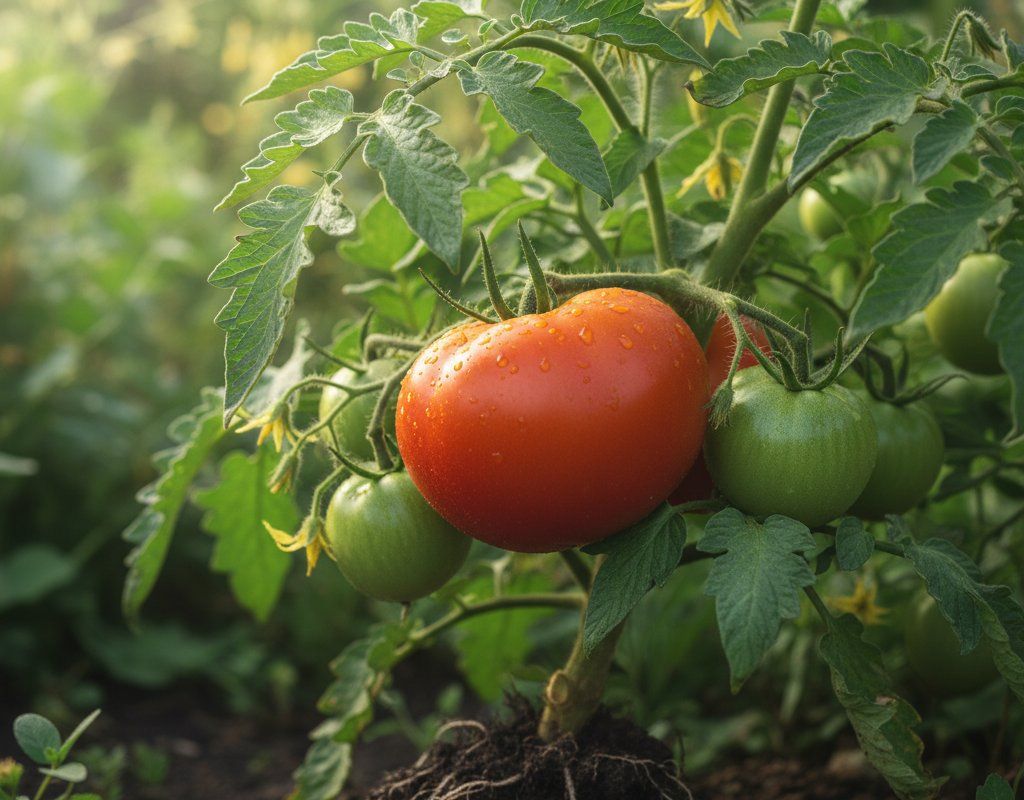
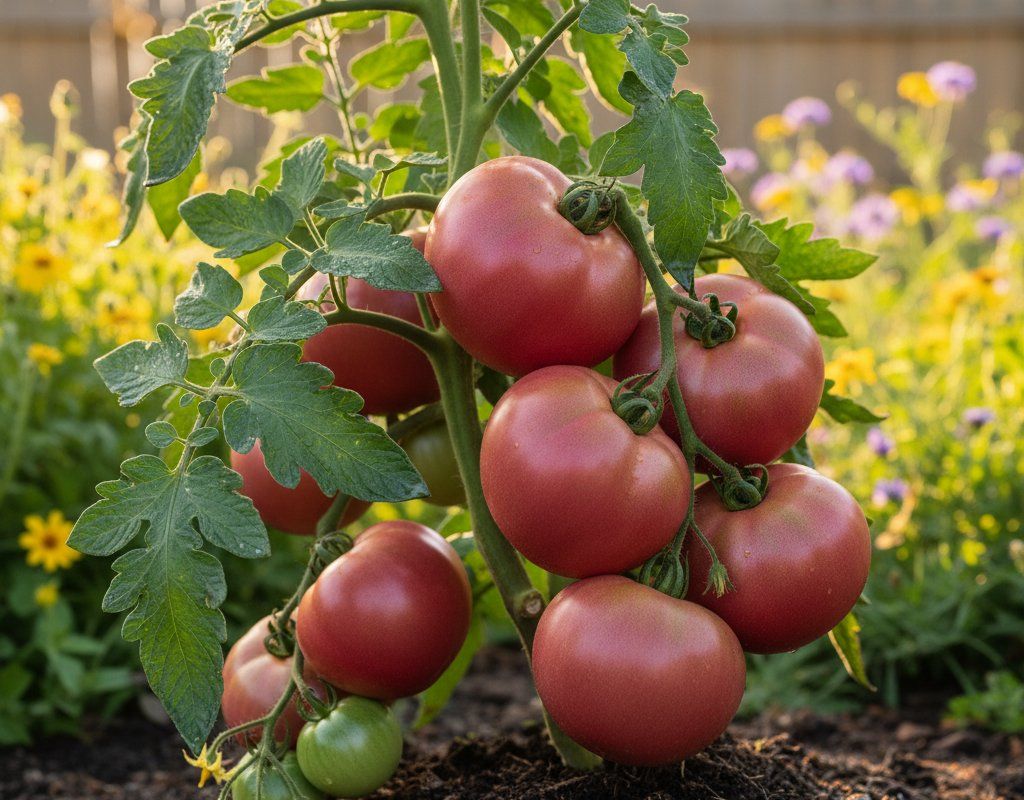
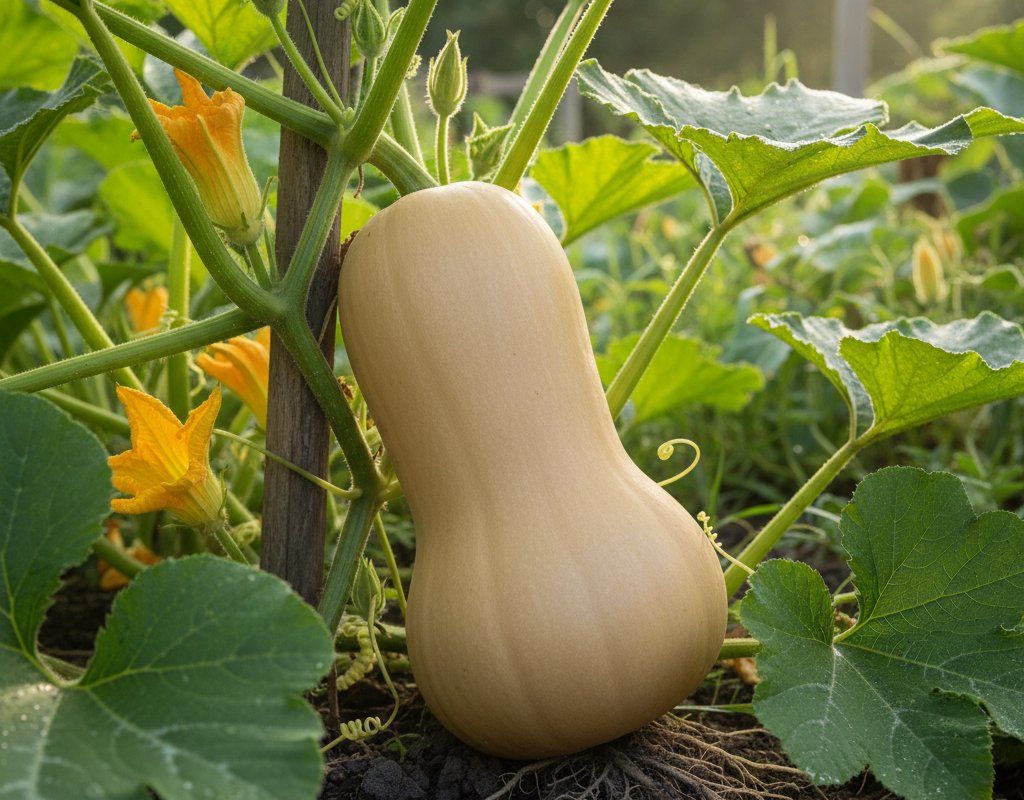
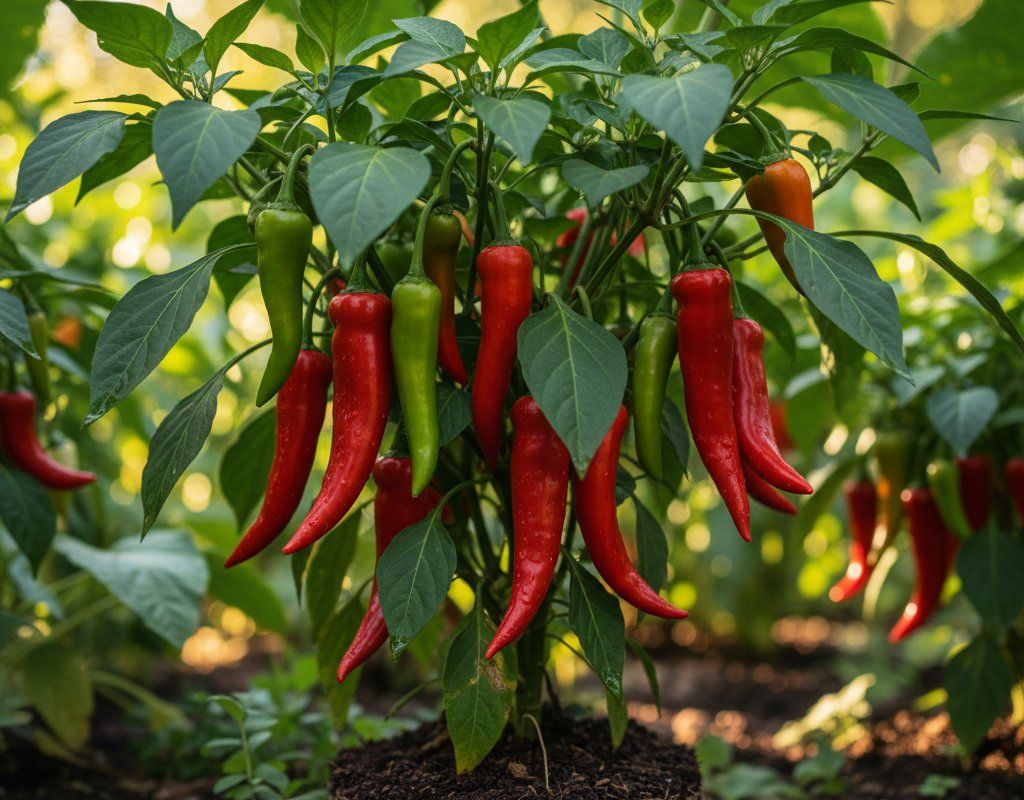
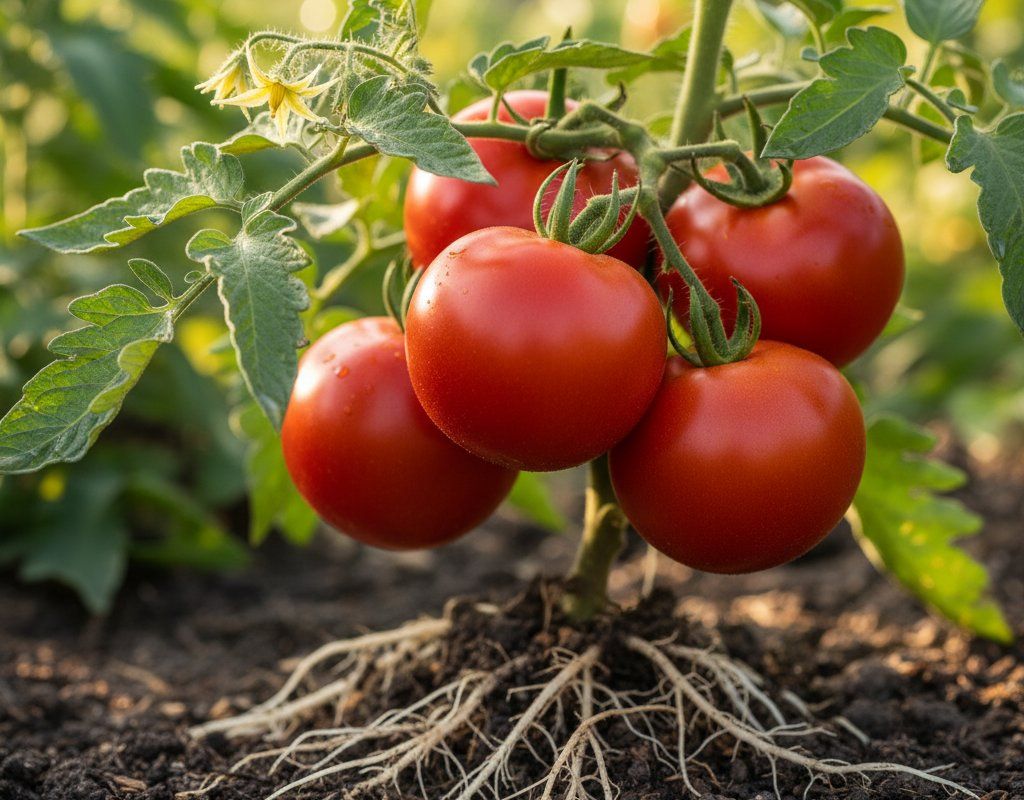
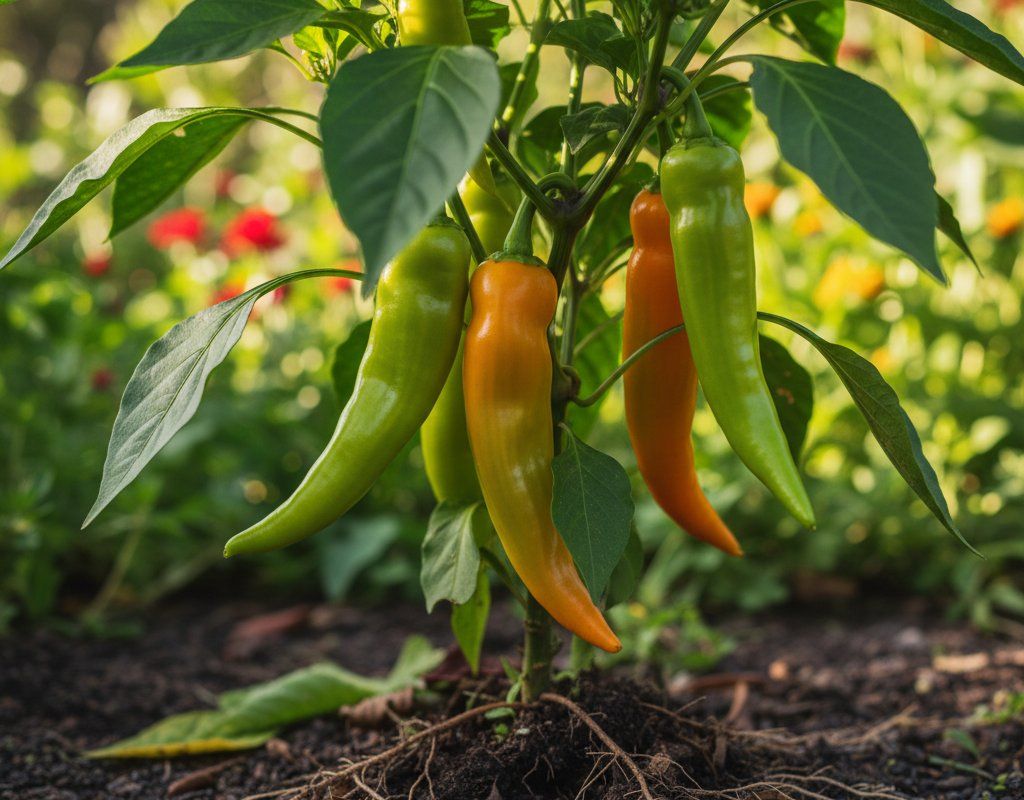
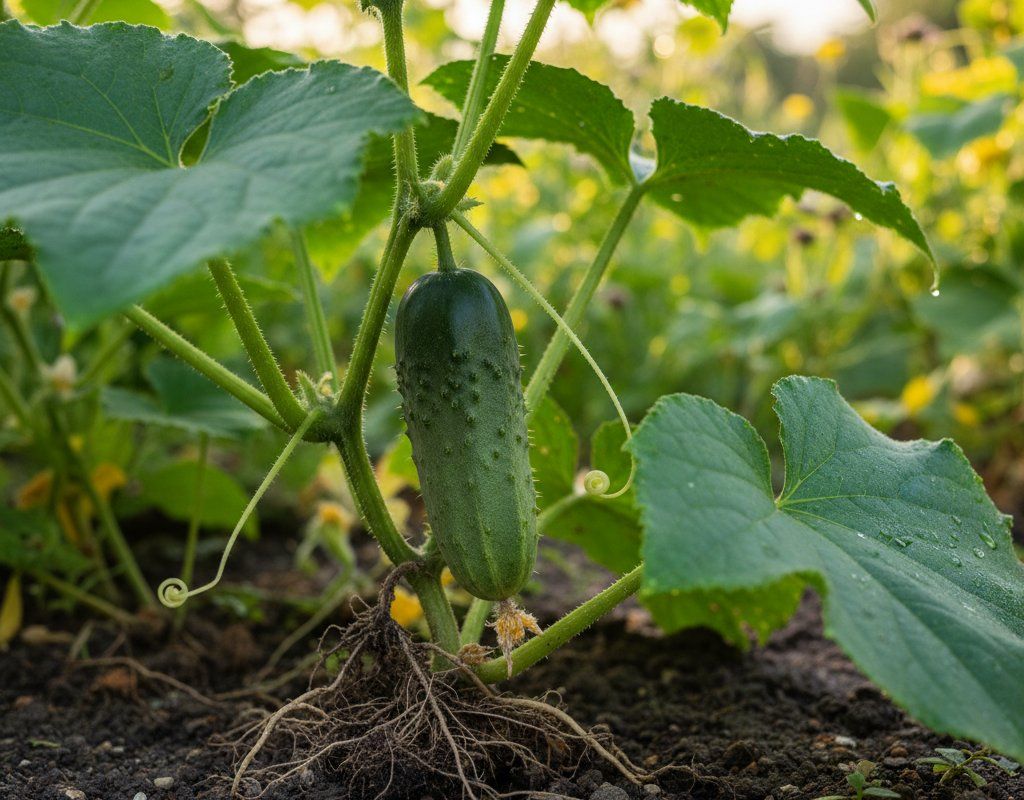
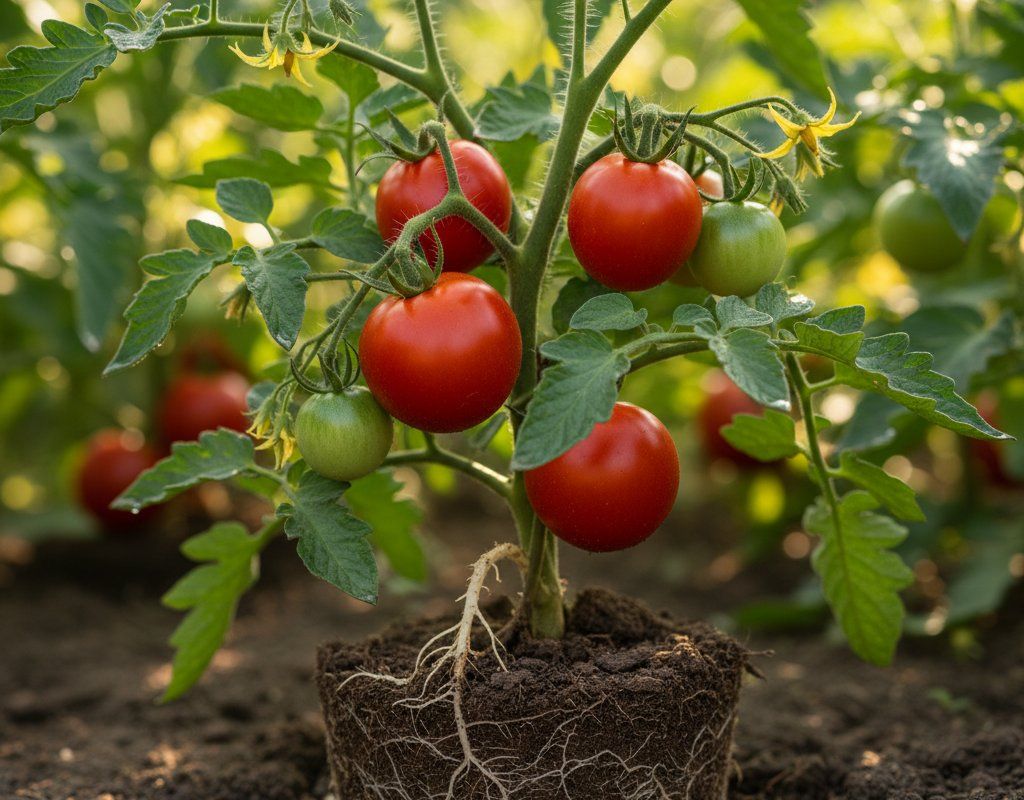
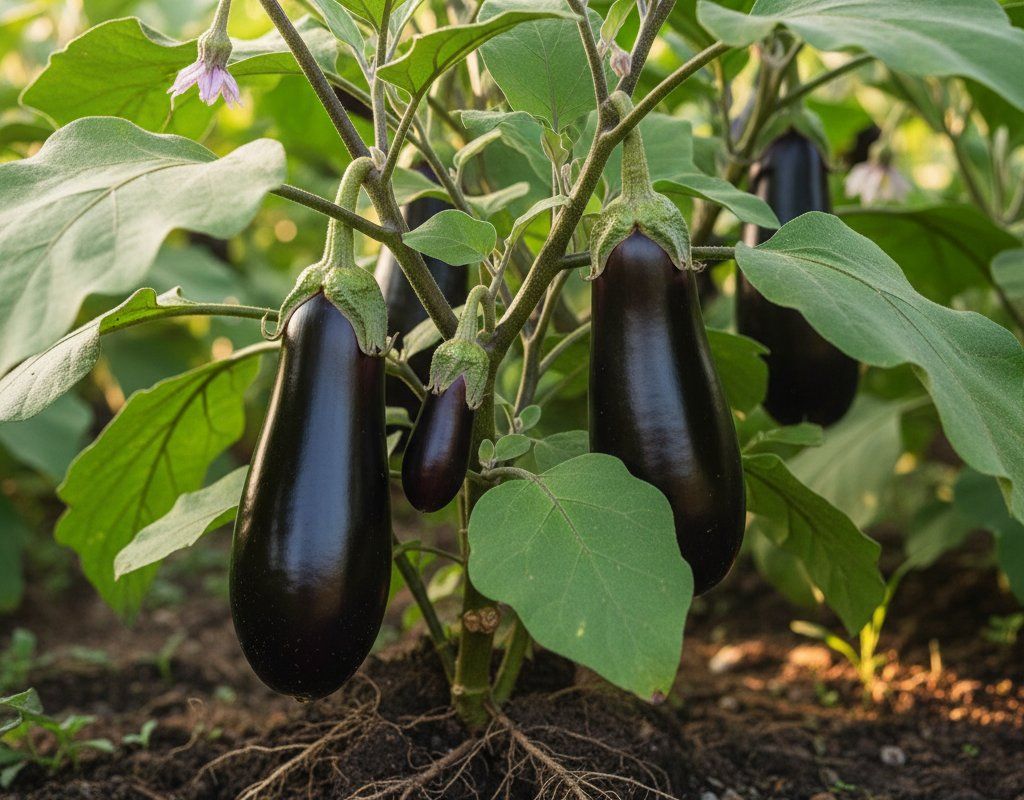
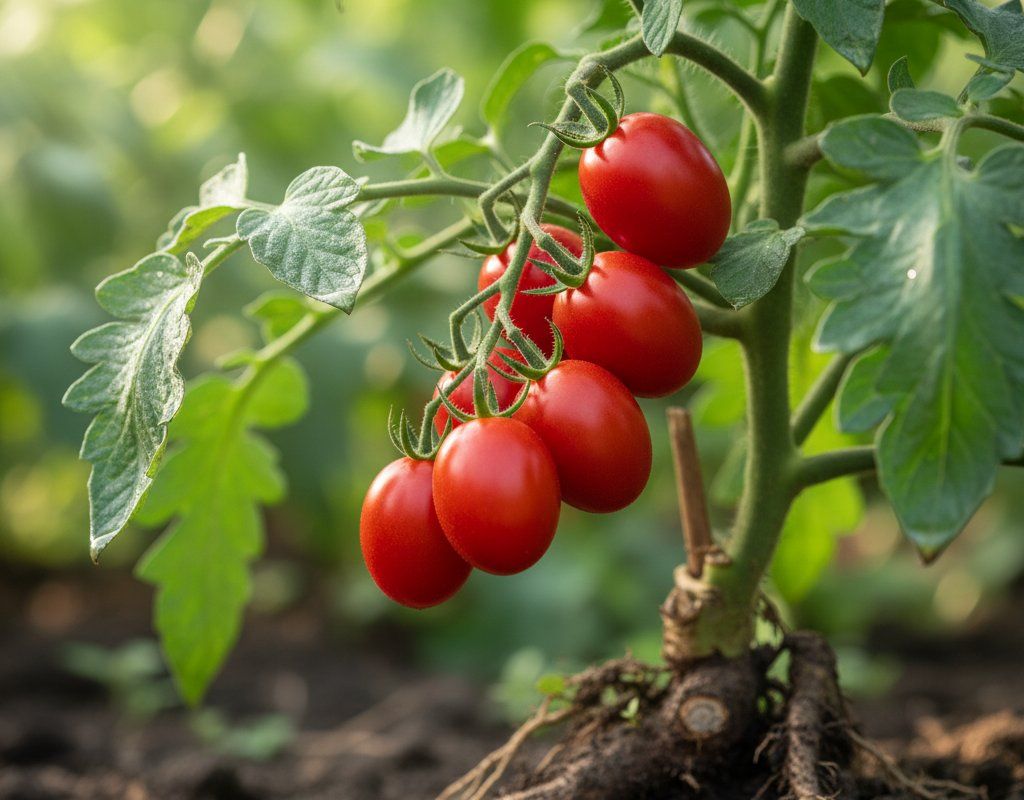
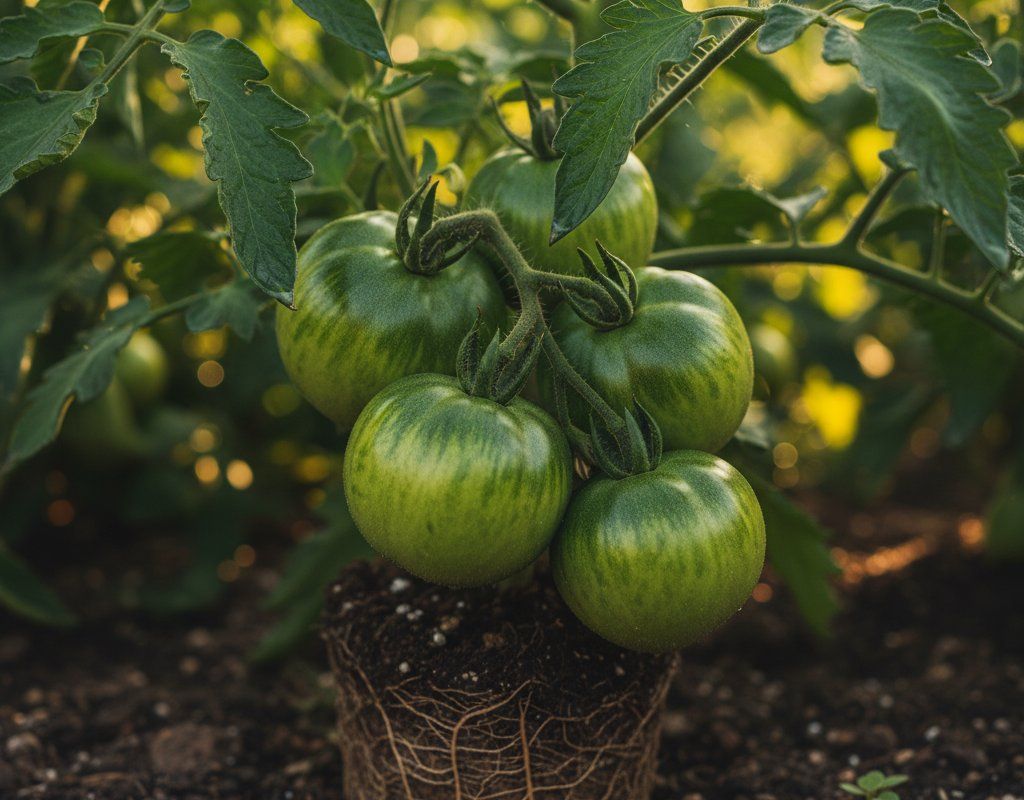
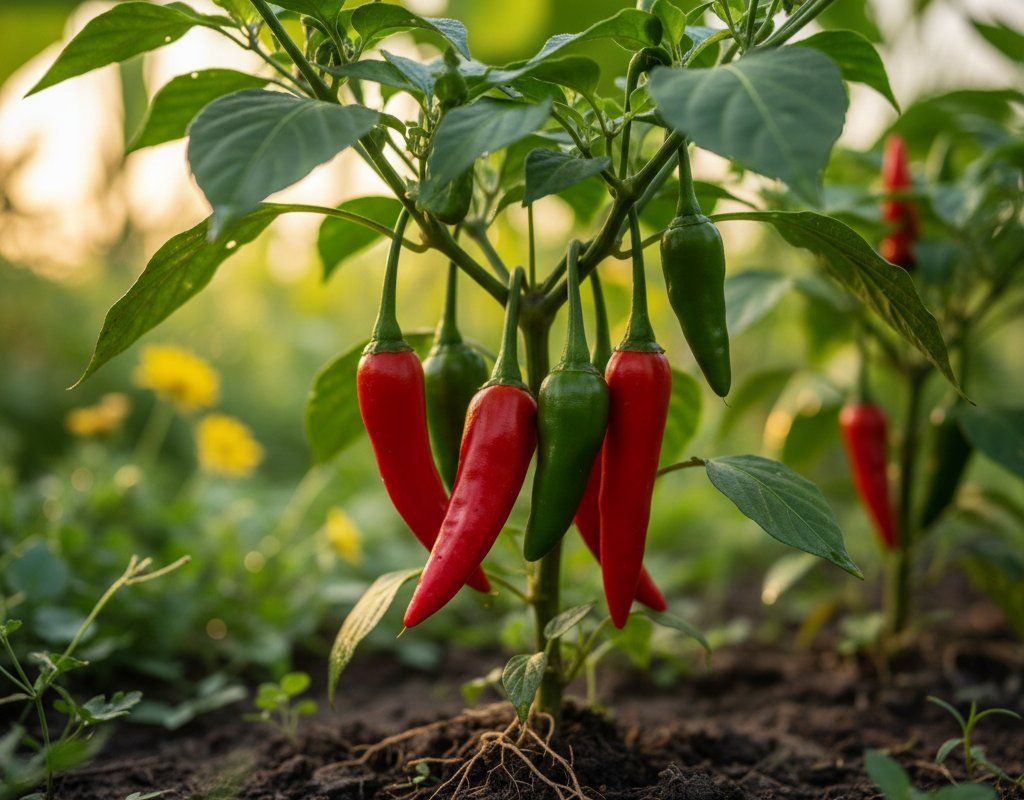
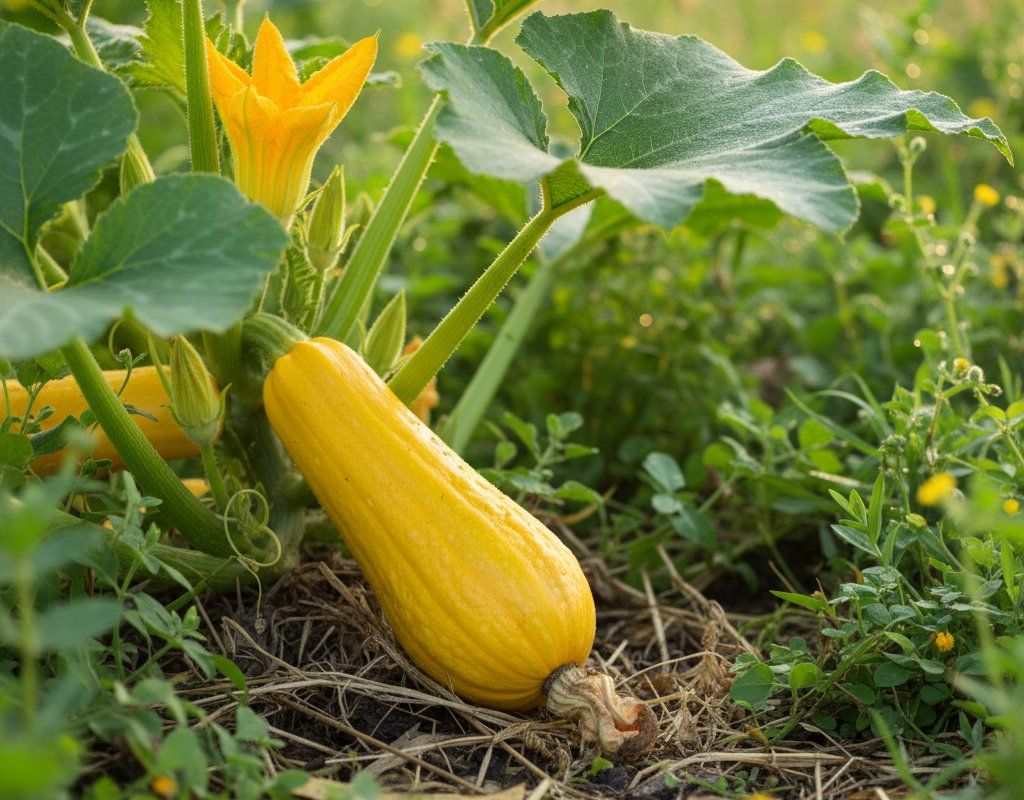
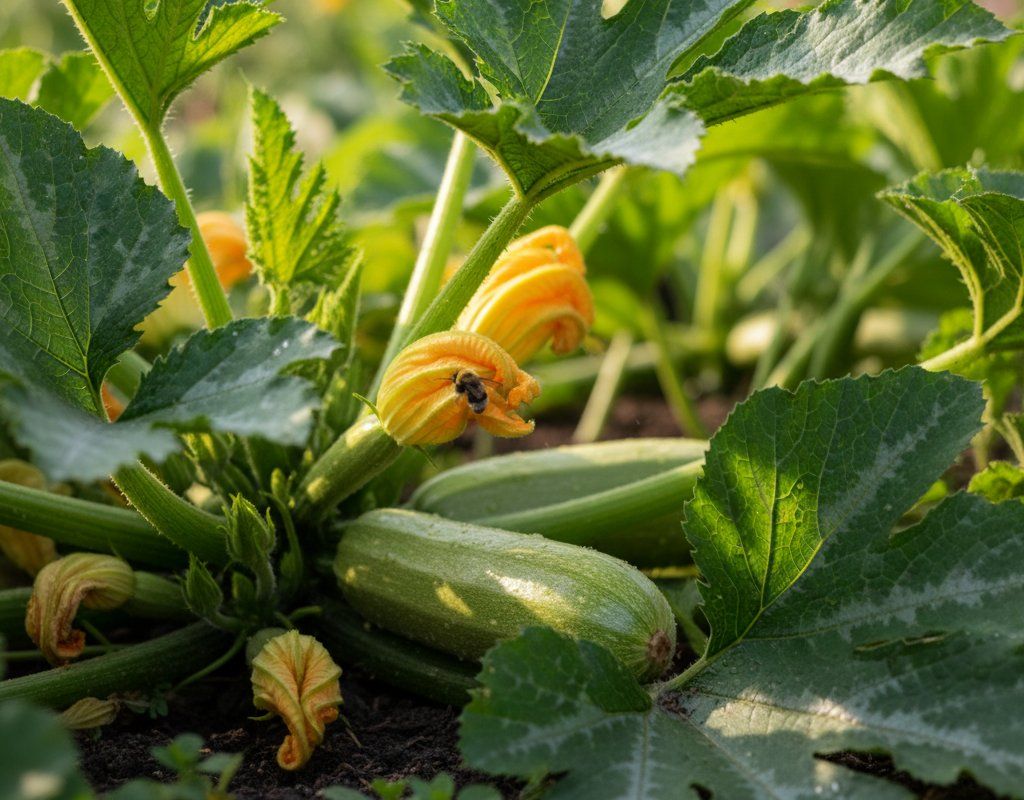
🍅Fruiting Vegetables (37)


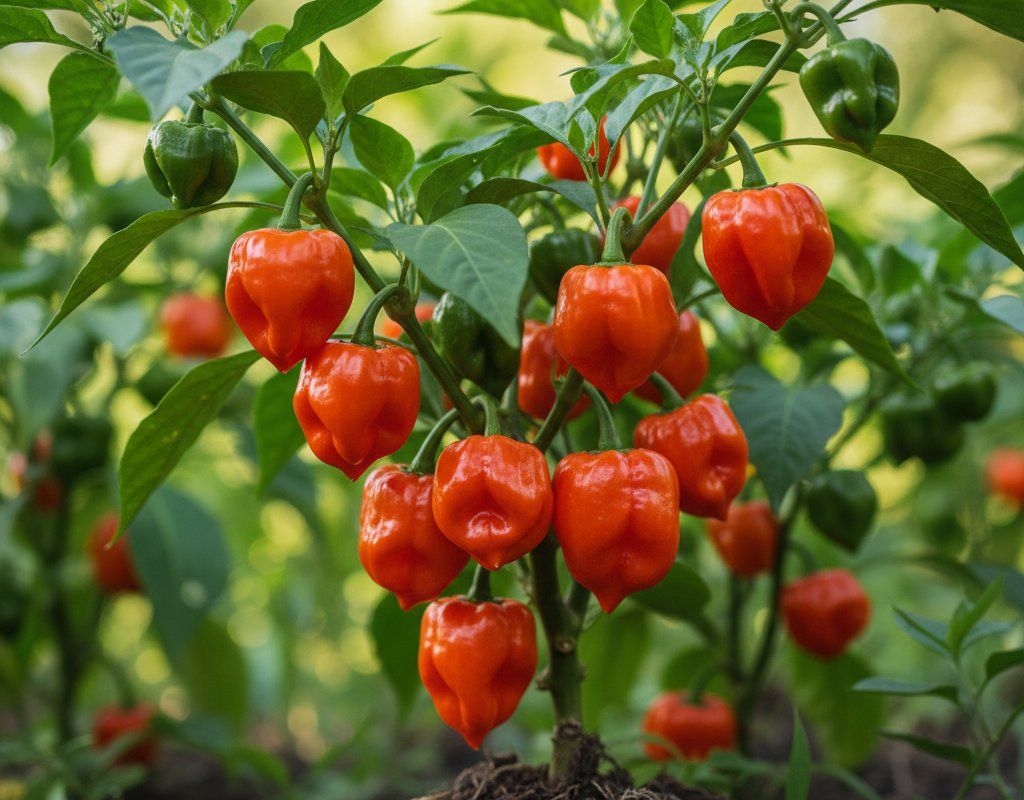
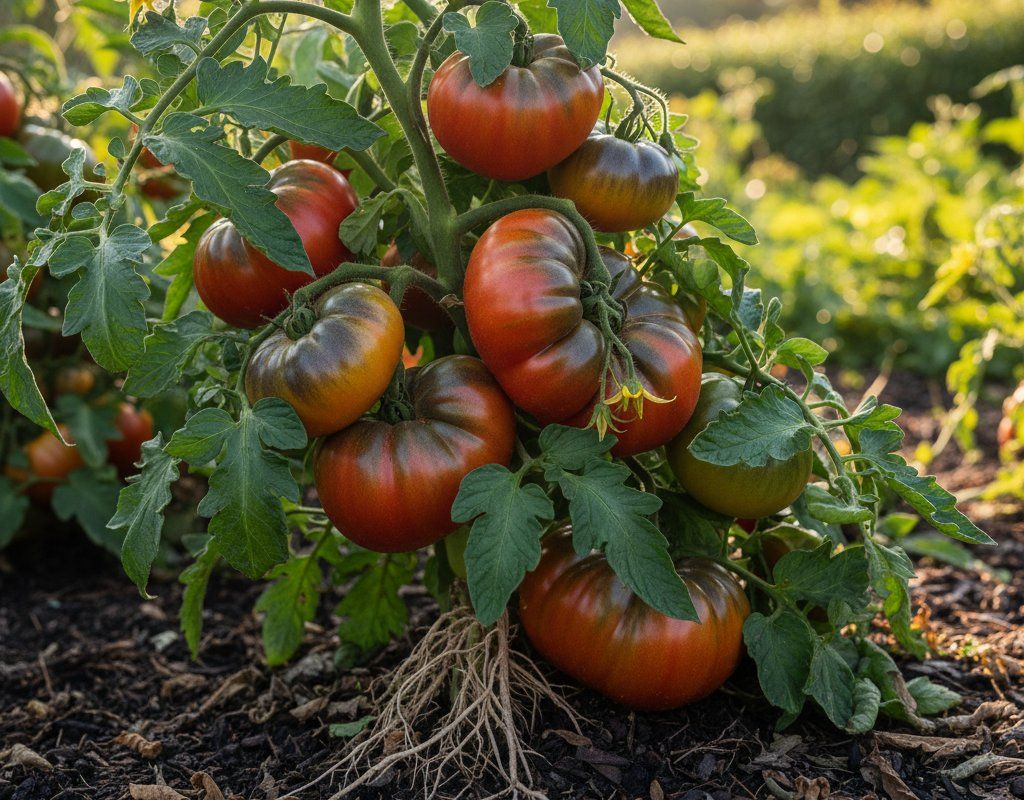
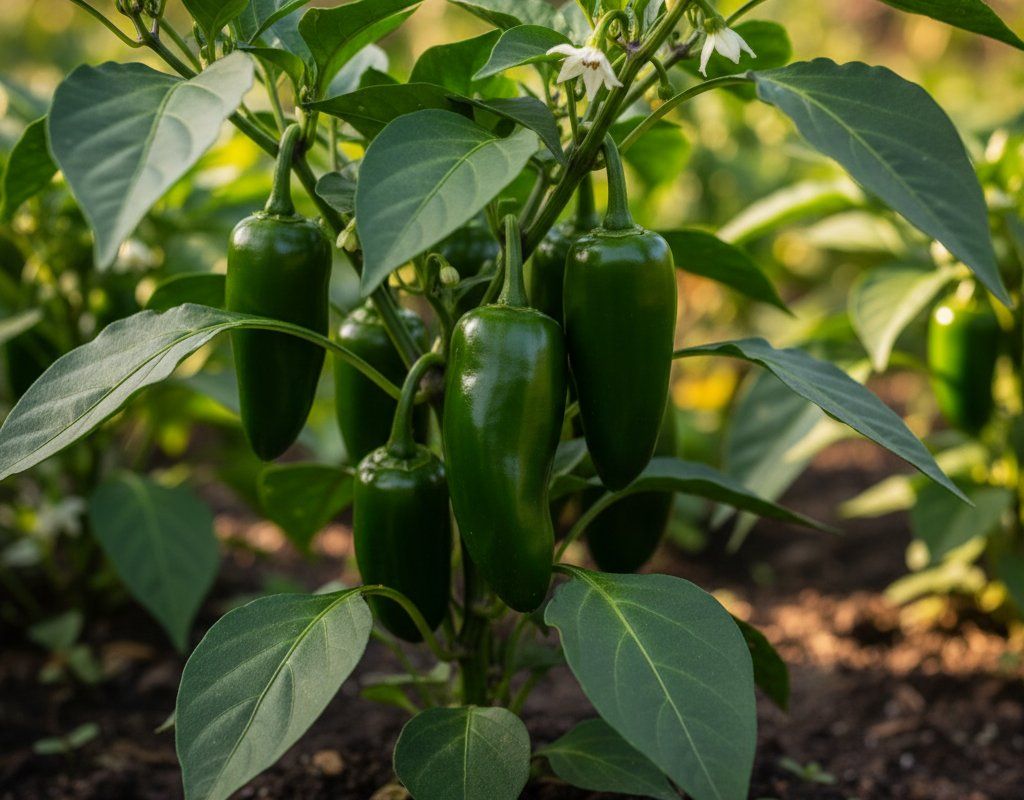

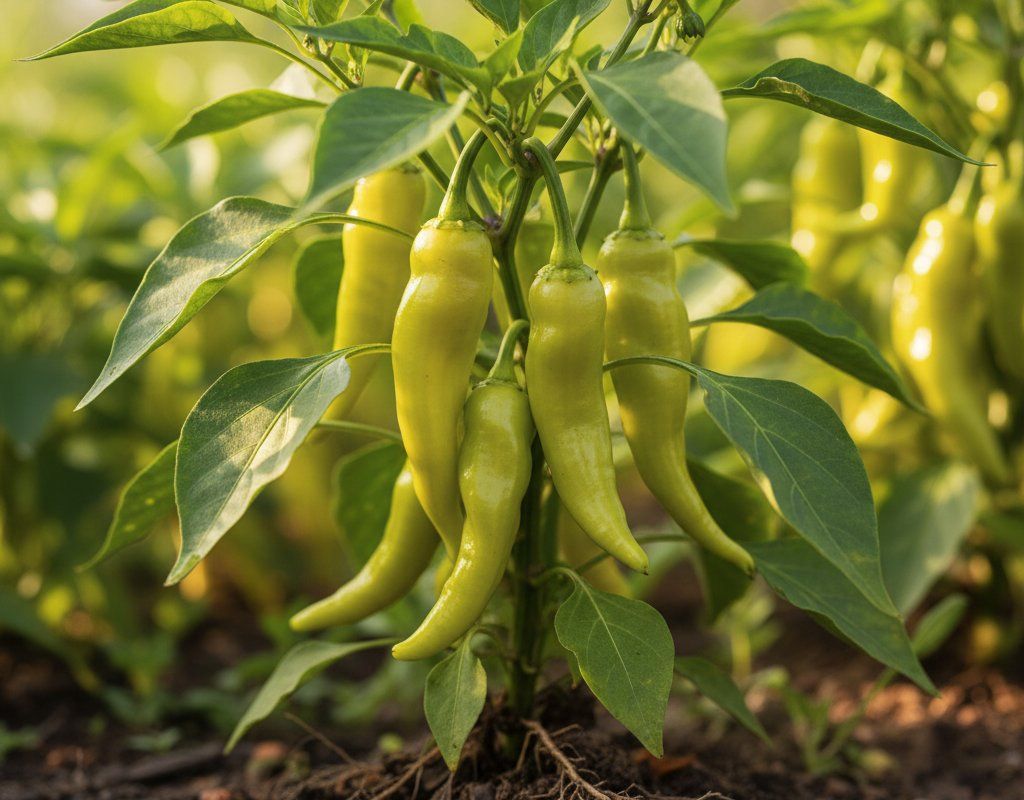
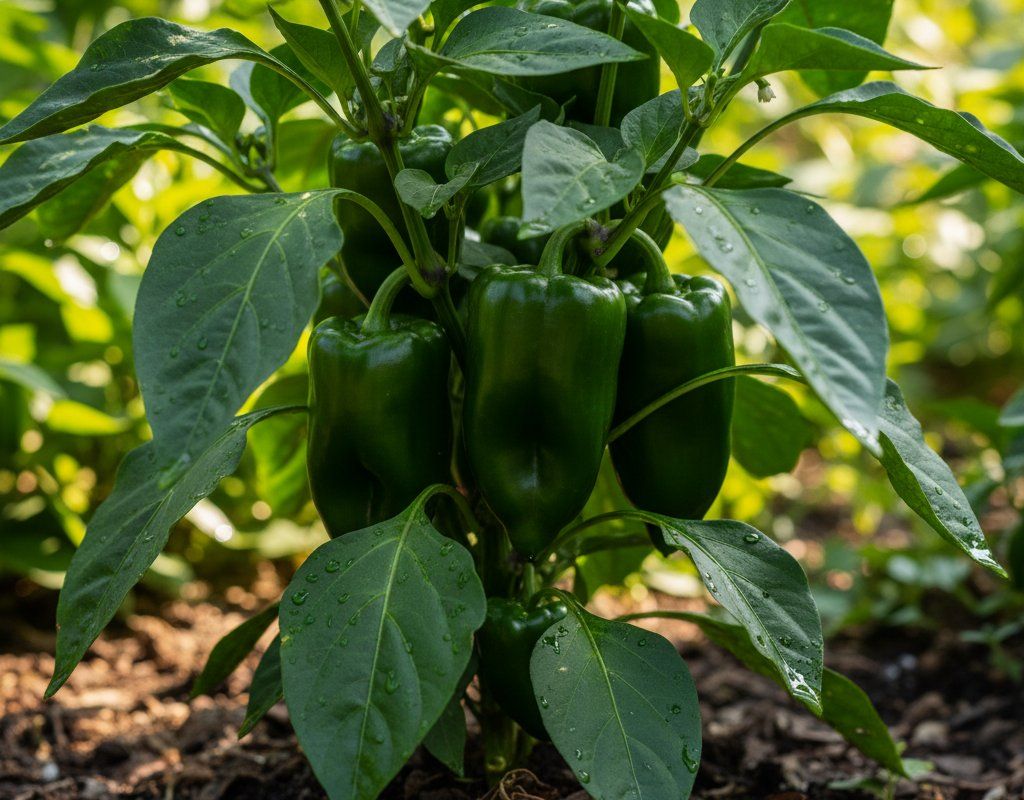

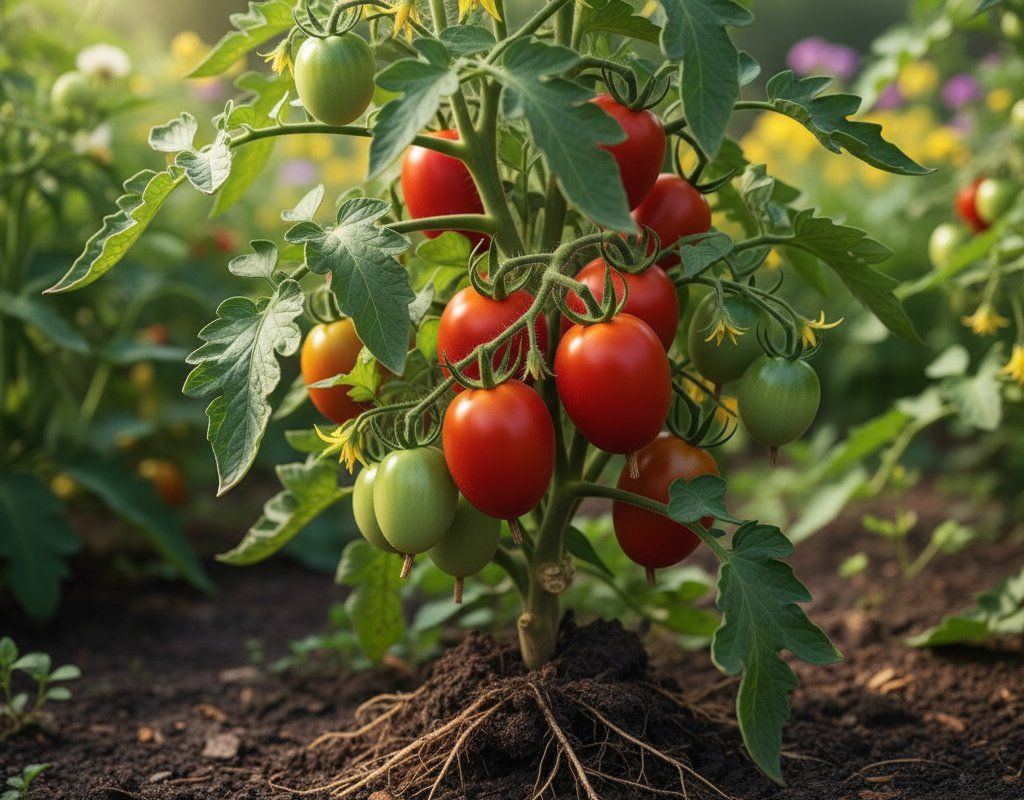
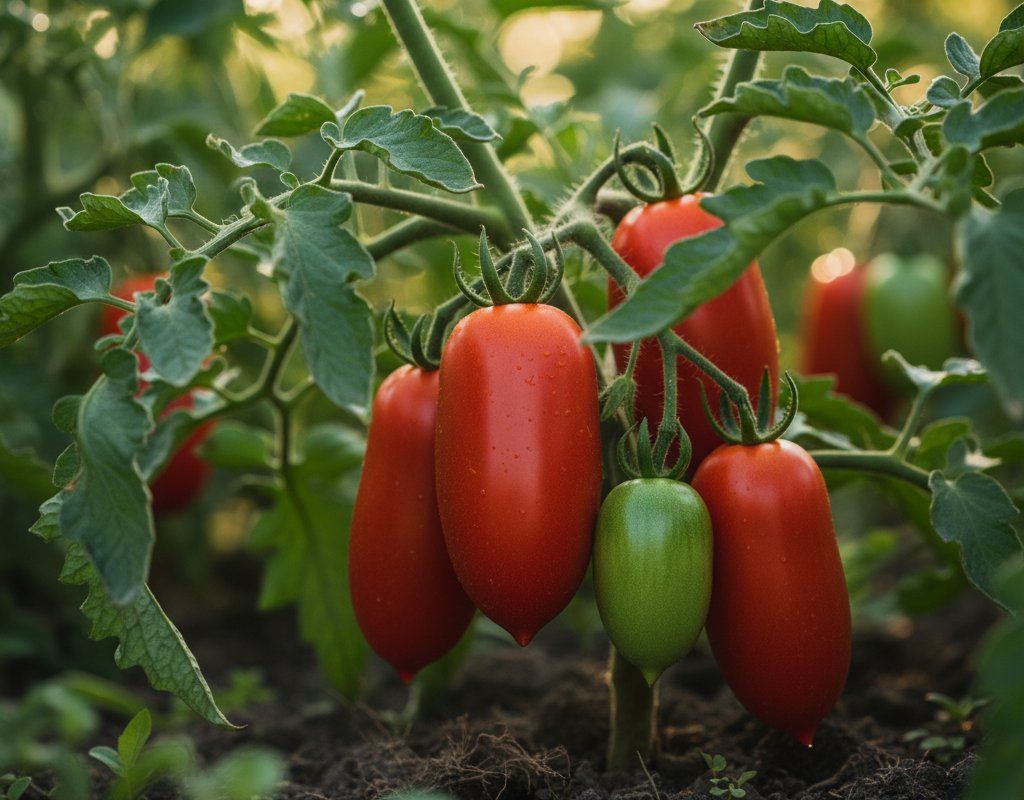
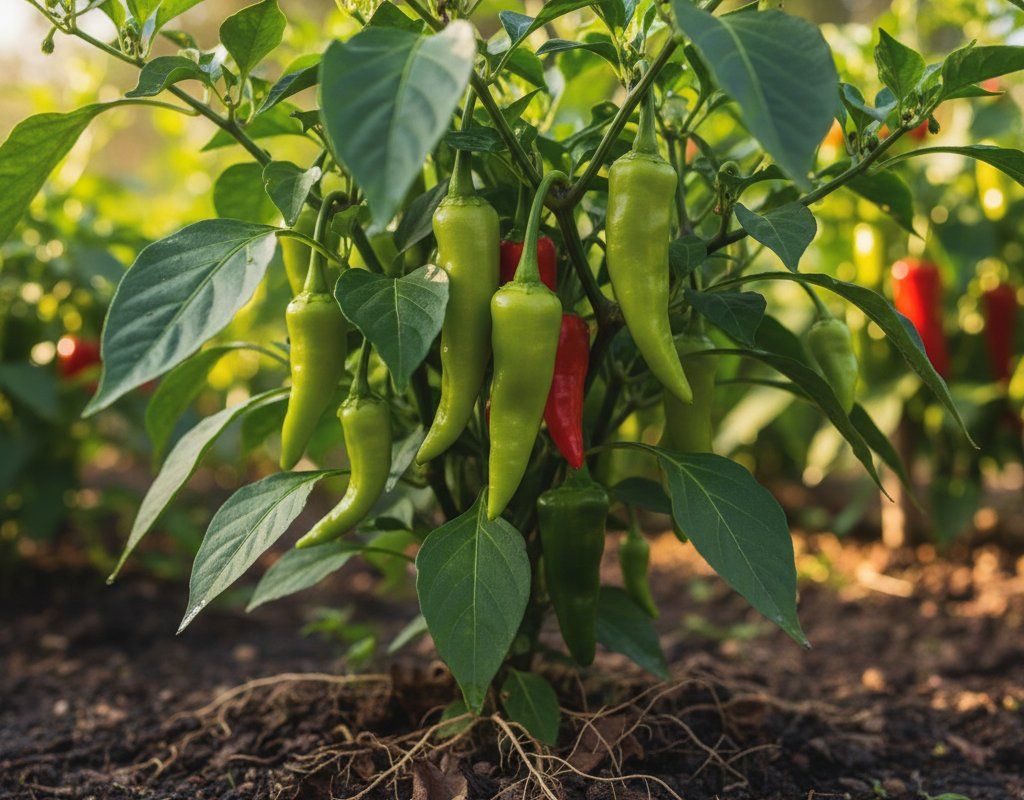
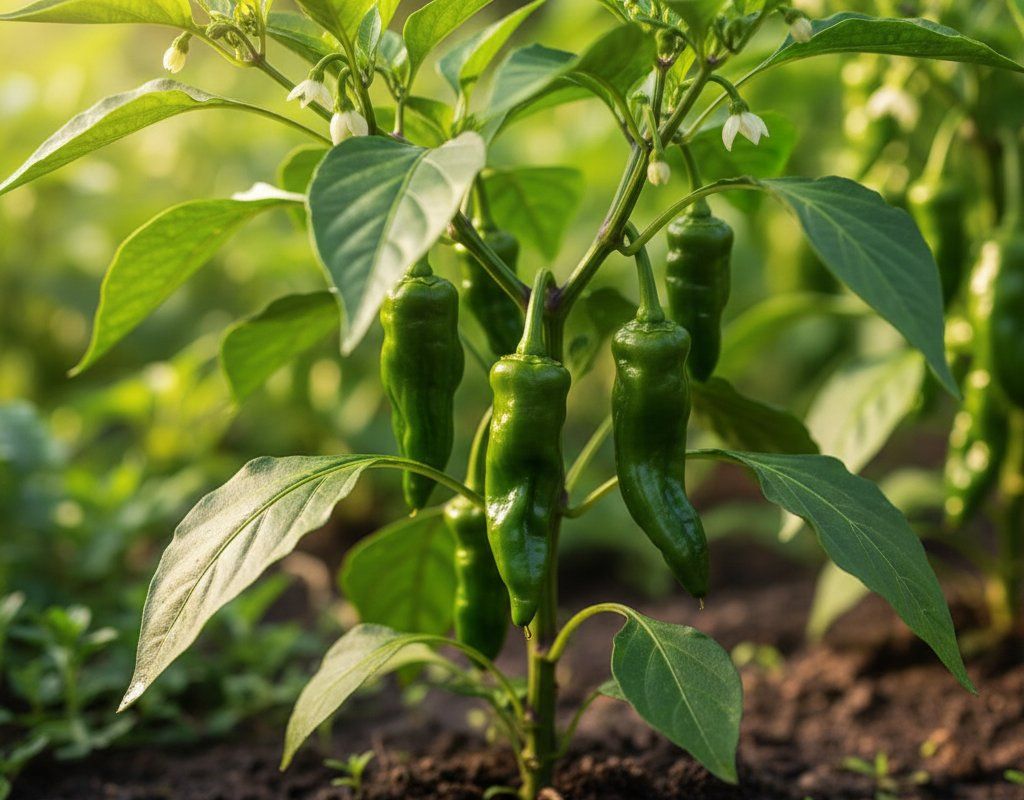
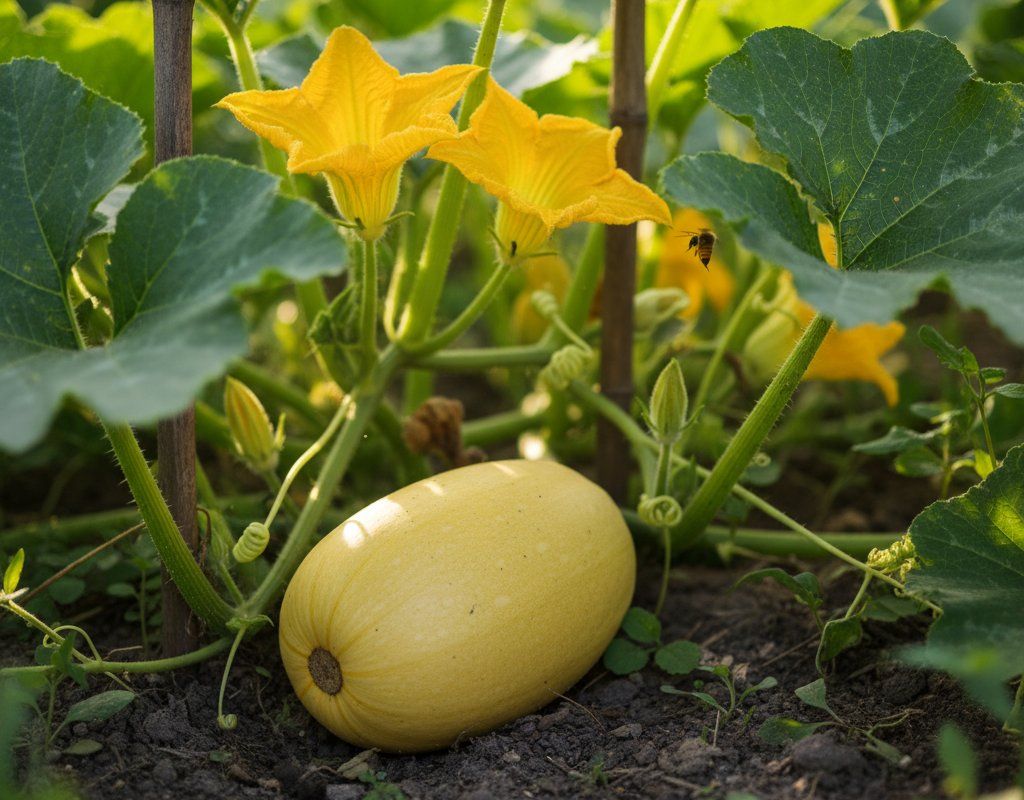

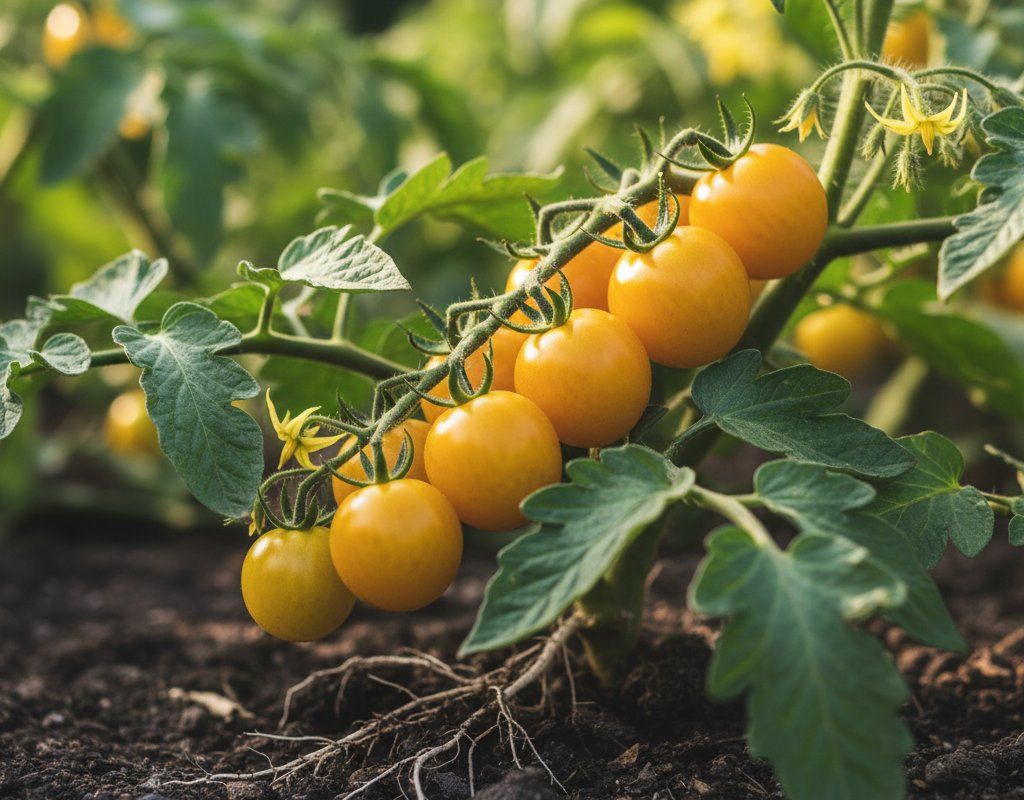
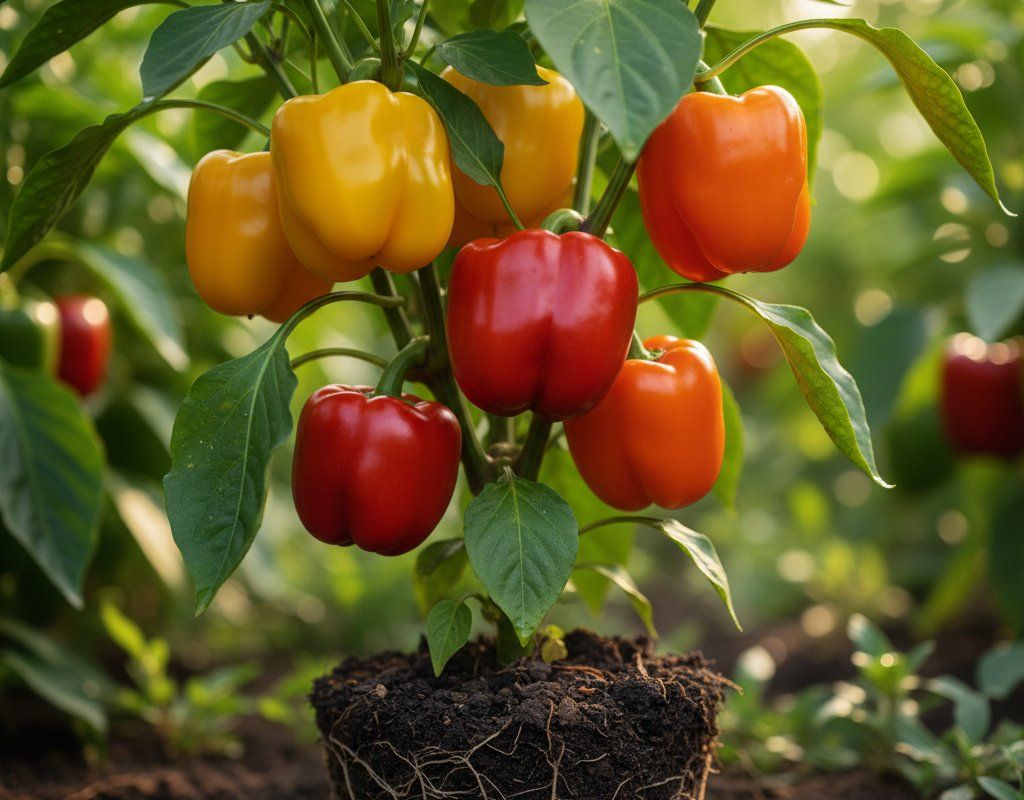

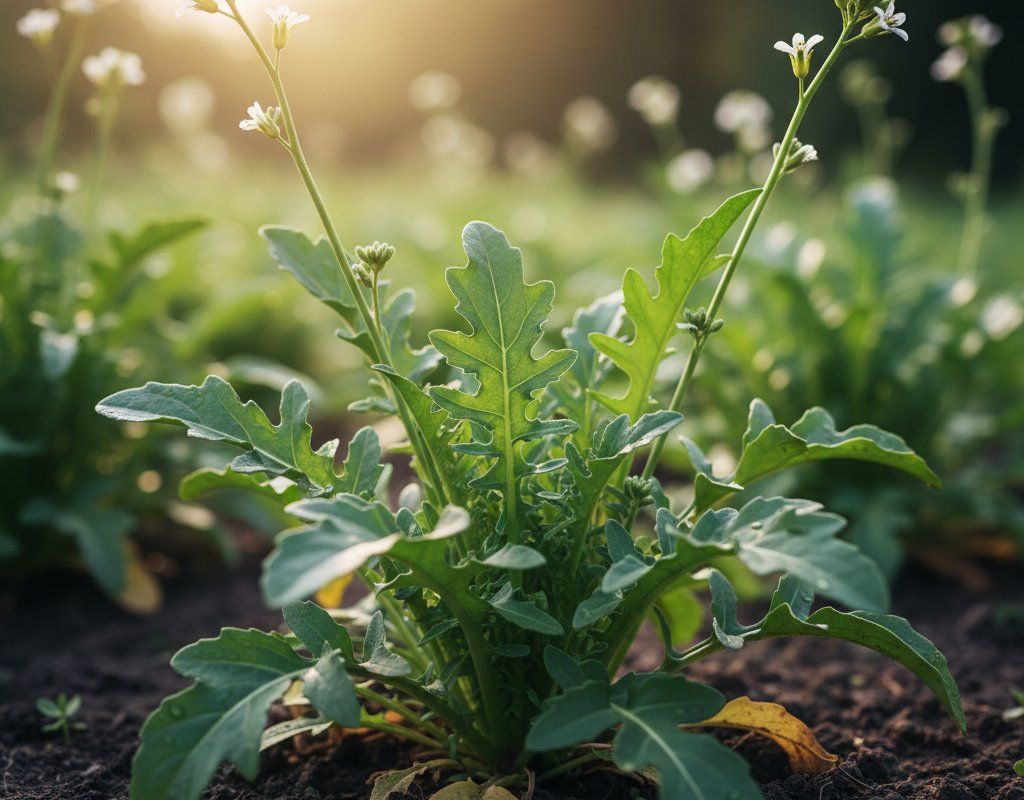
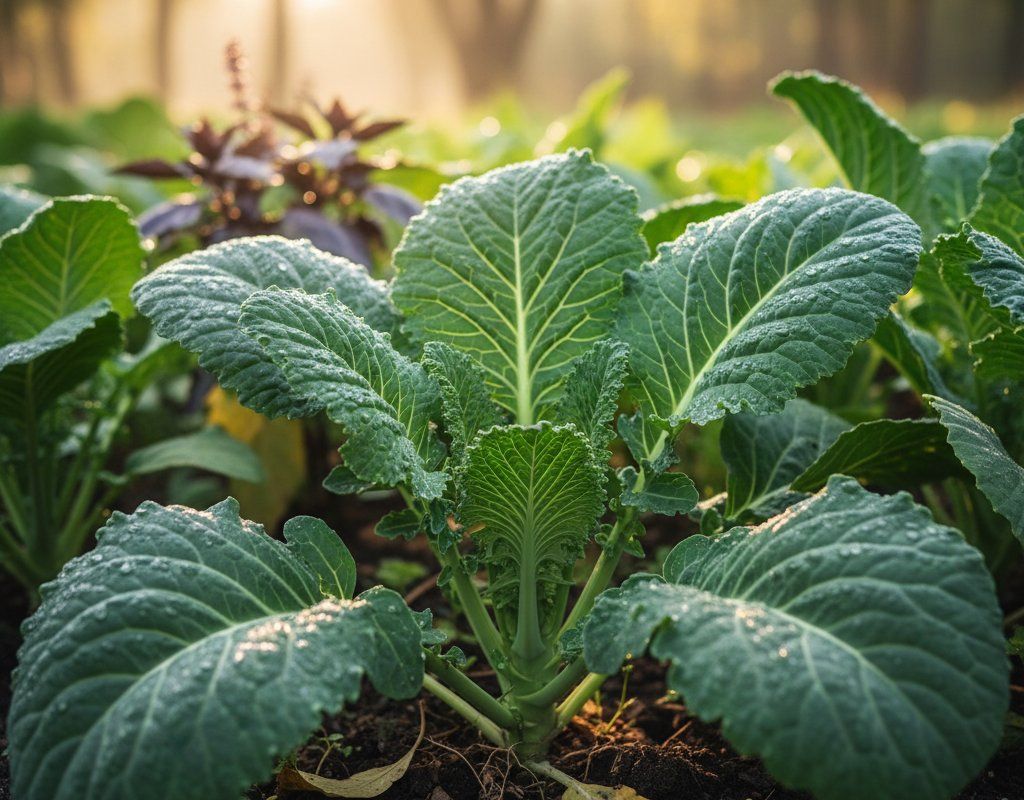
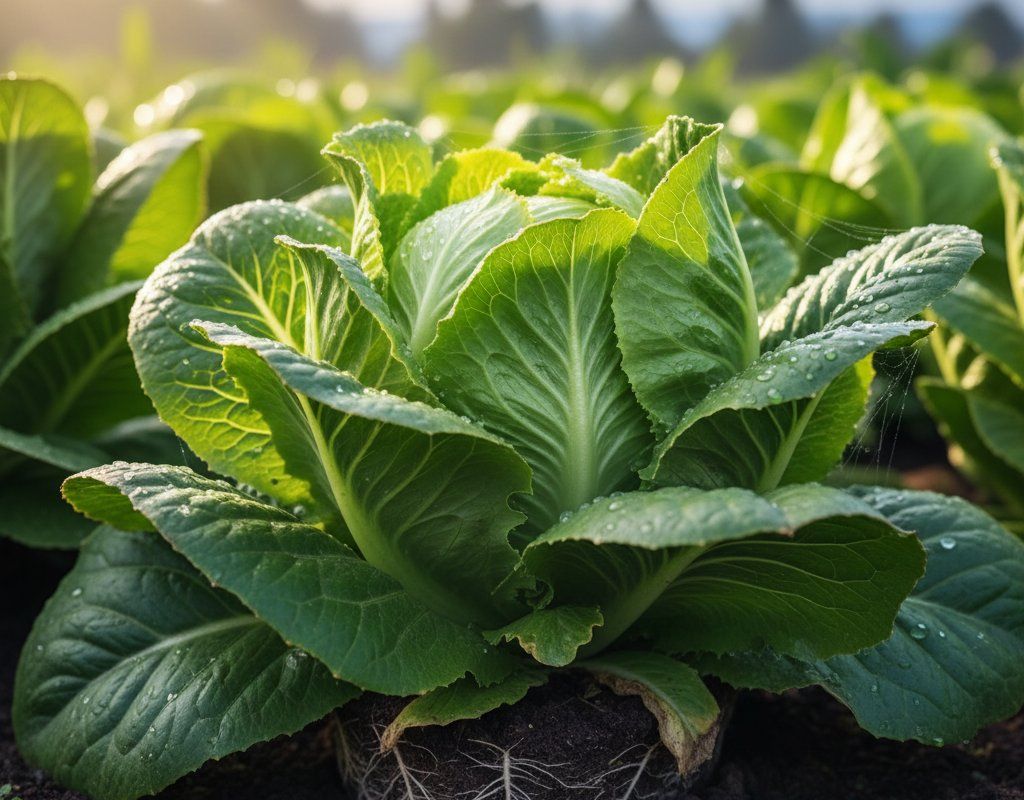
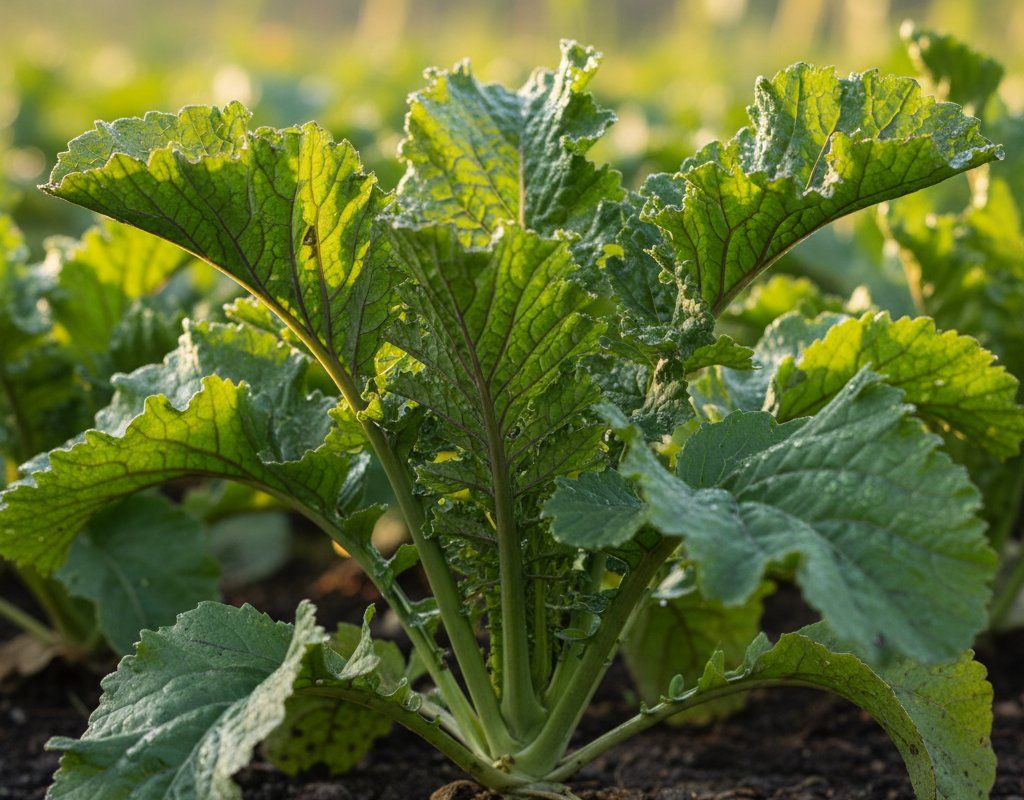
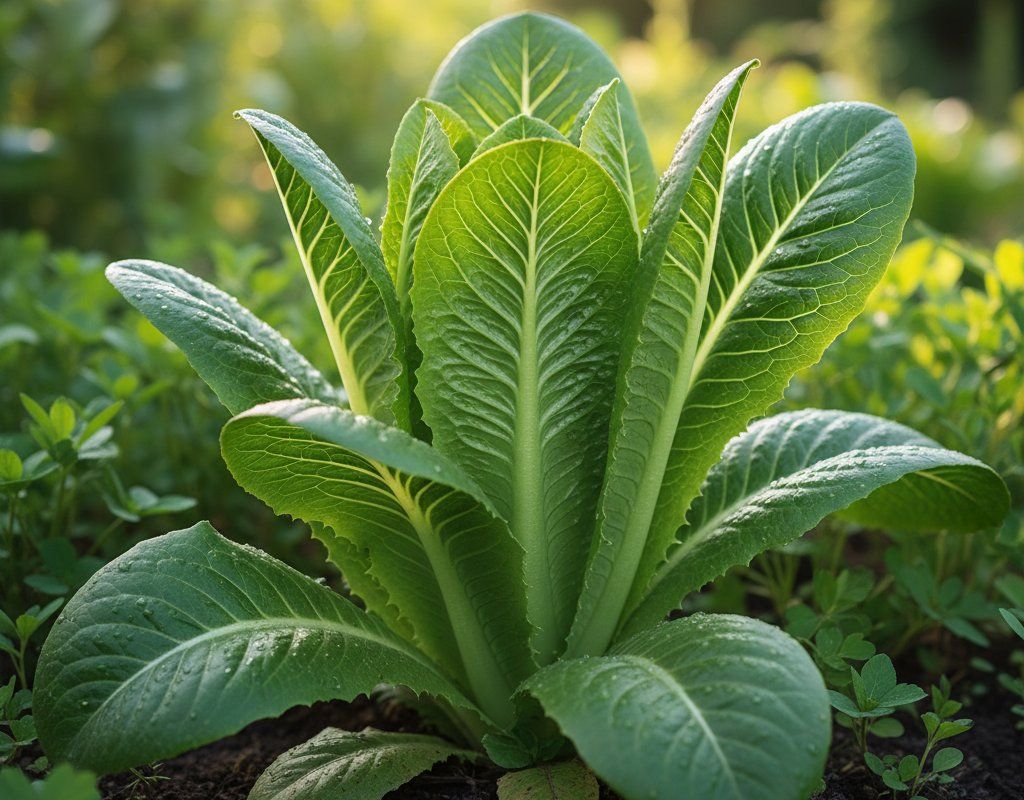
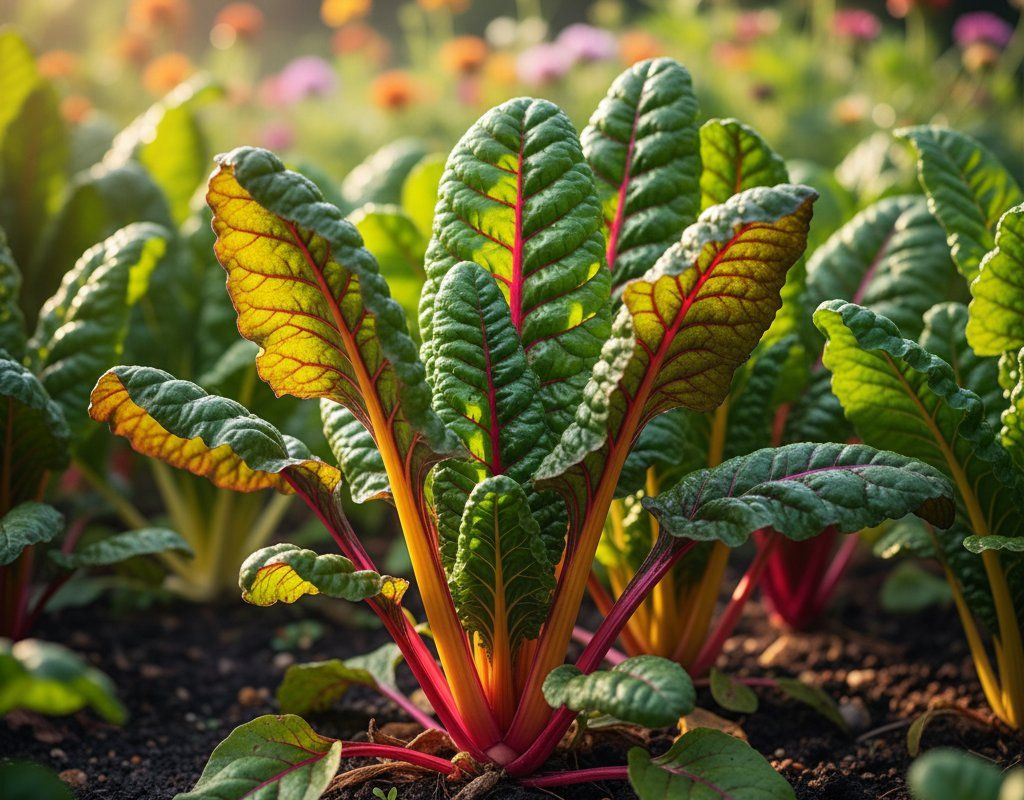
🥬Leafy Greens (9)



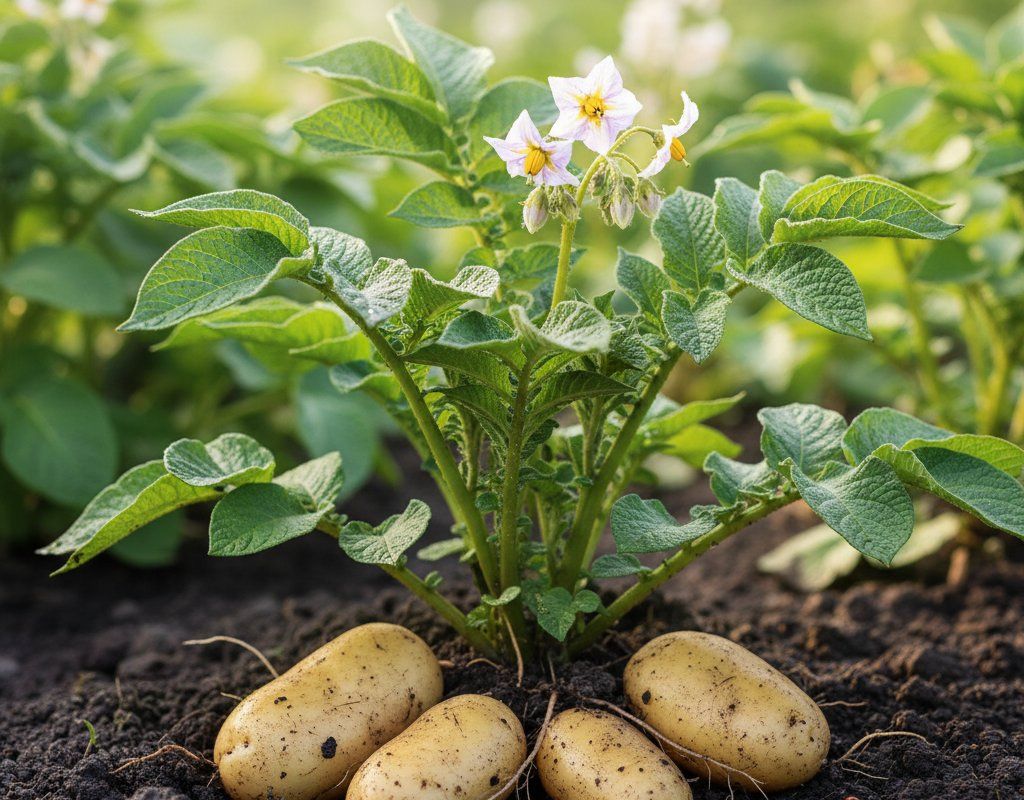
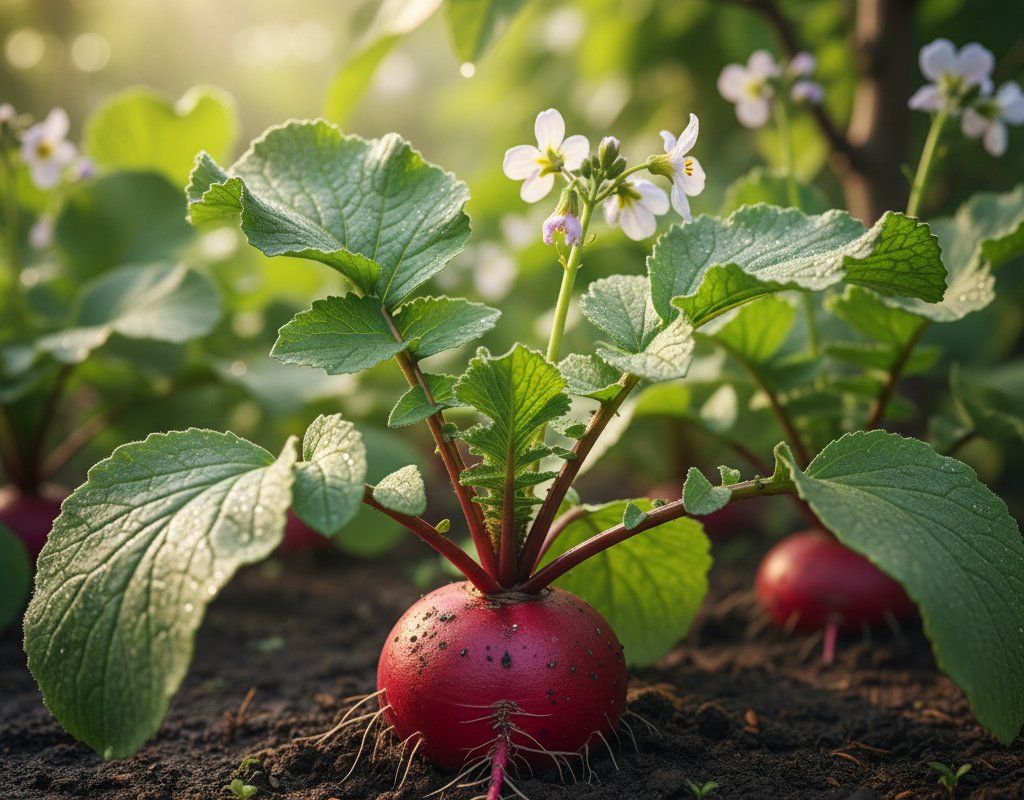
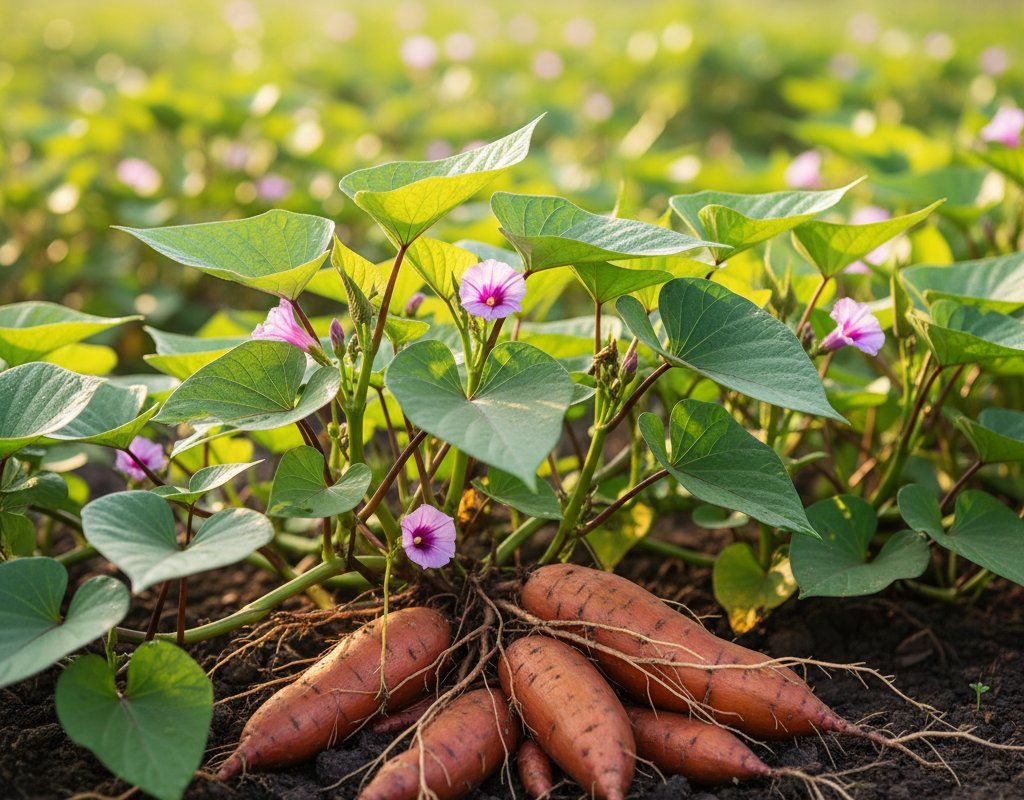
🥕Root Vegetables (5)


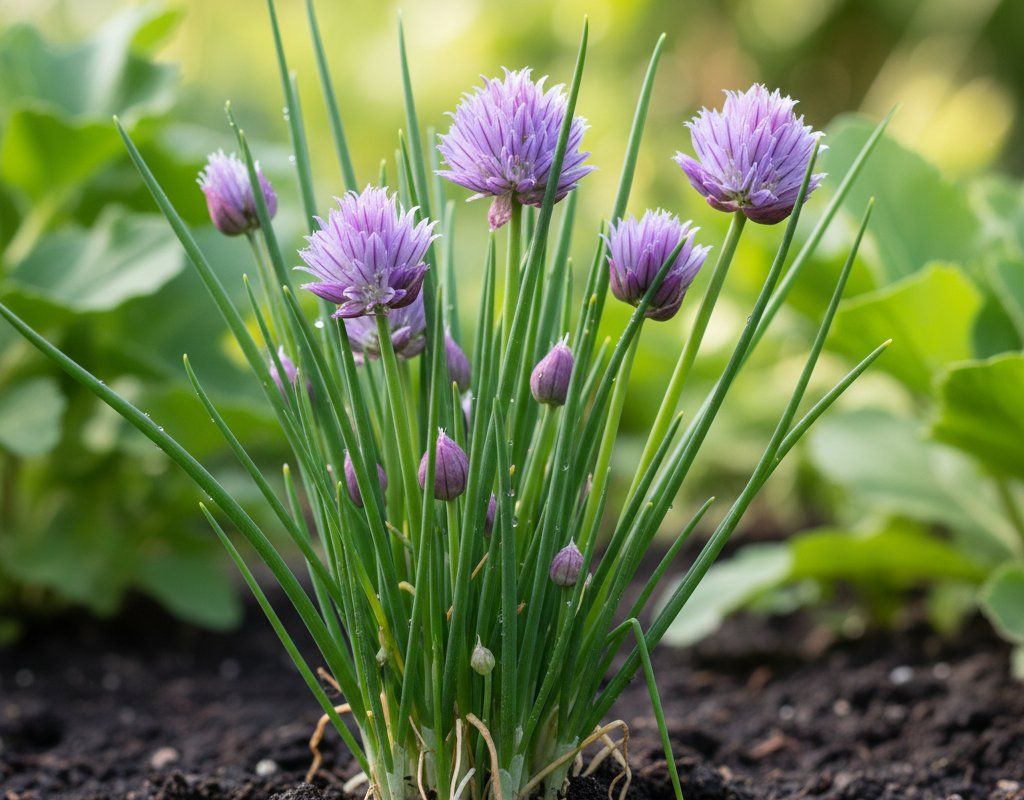
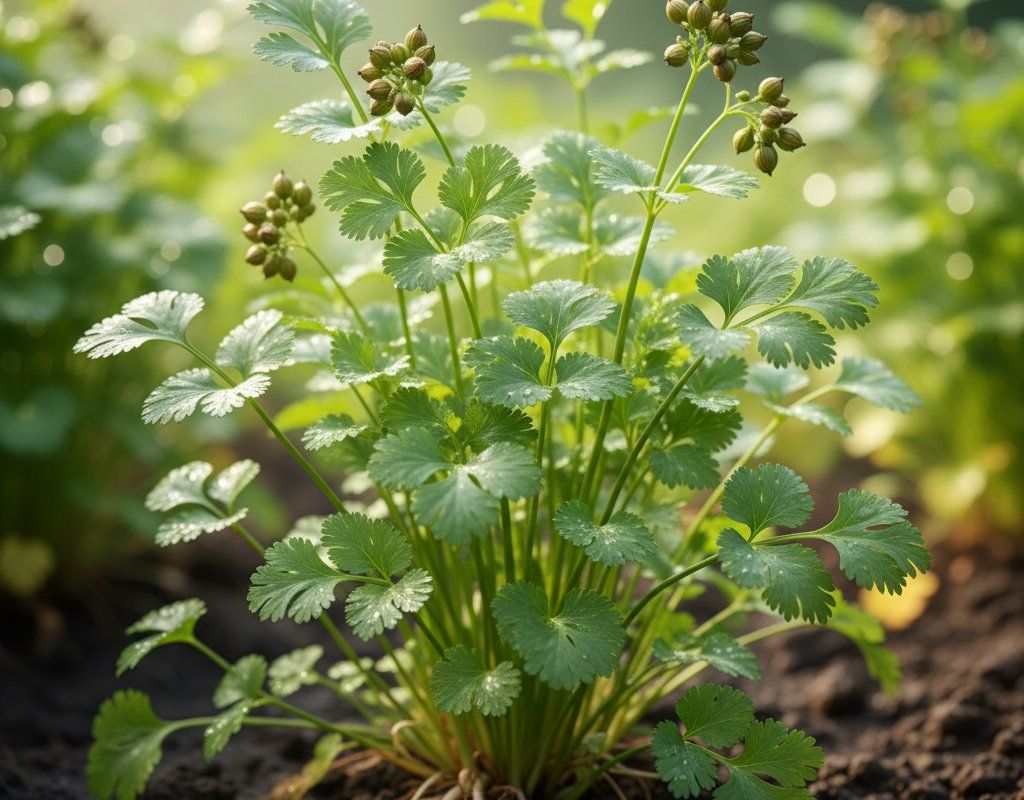
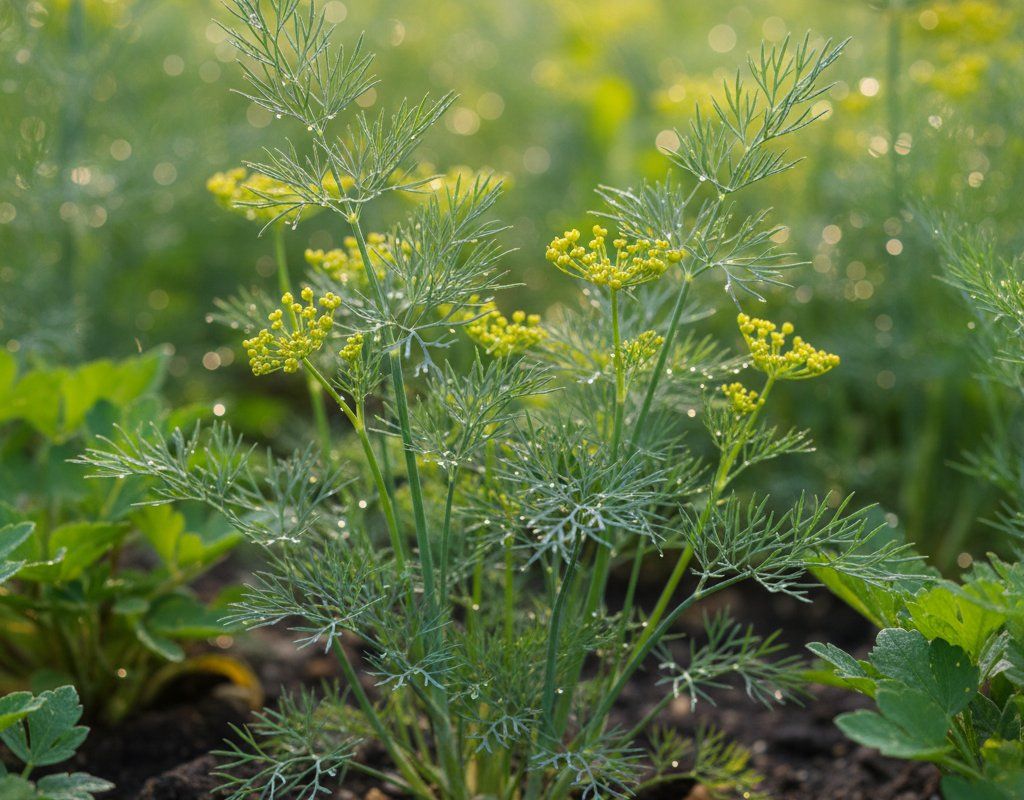
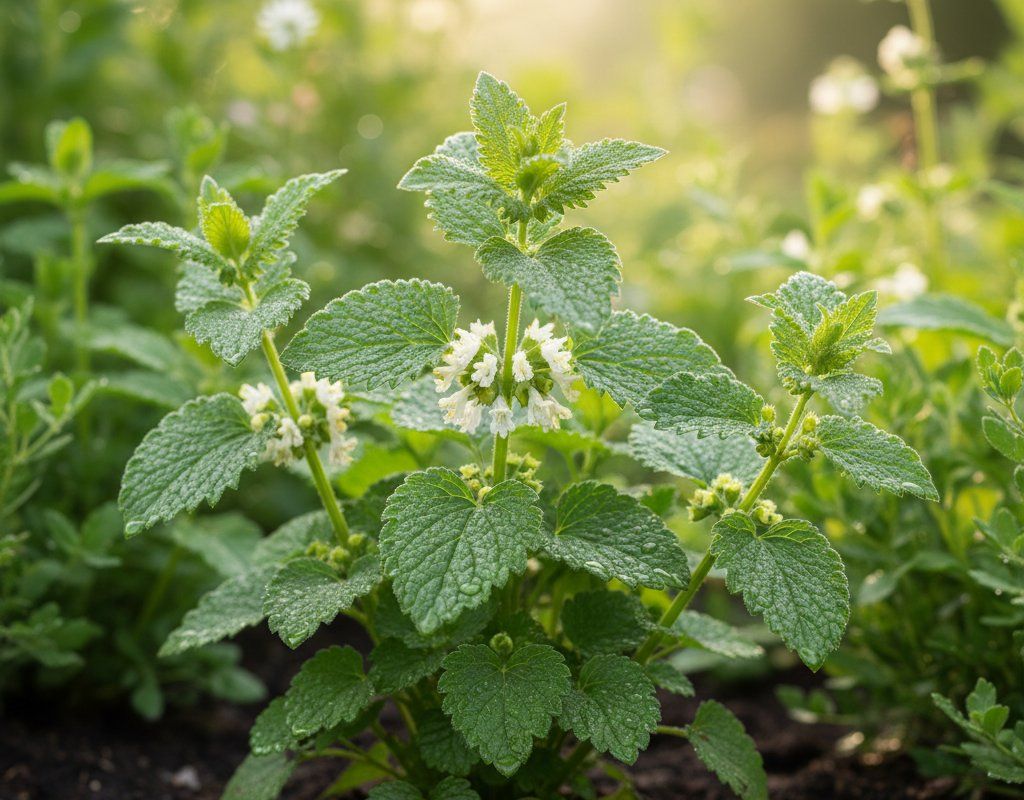
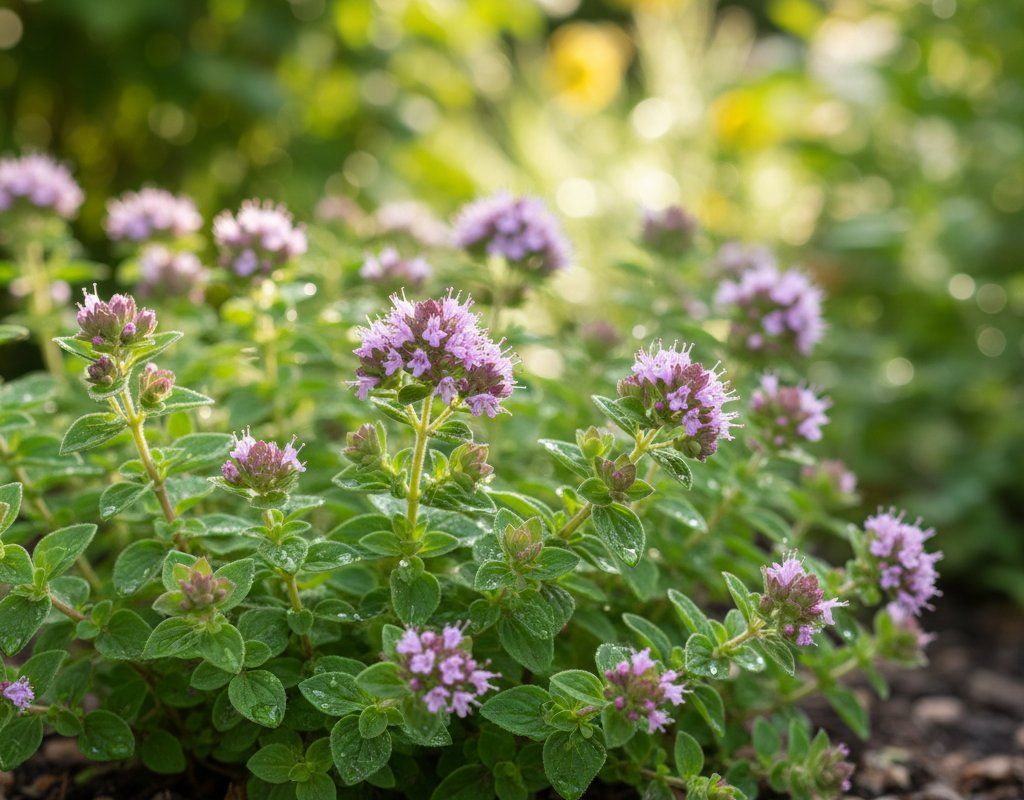
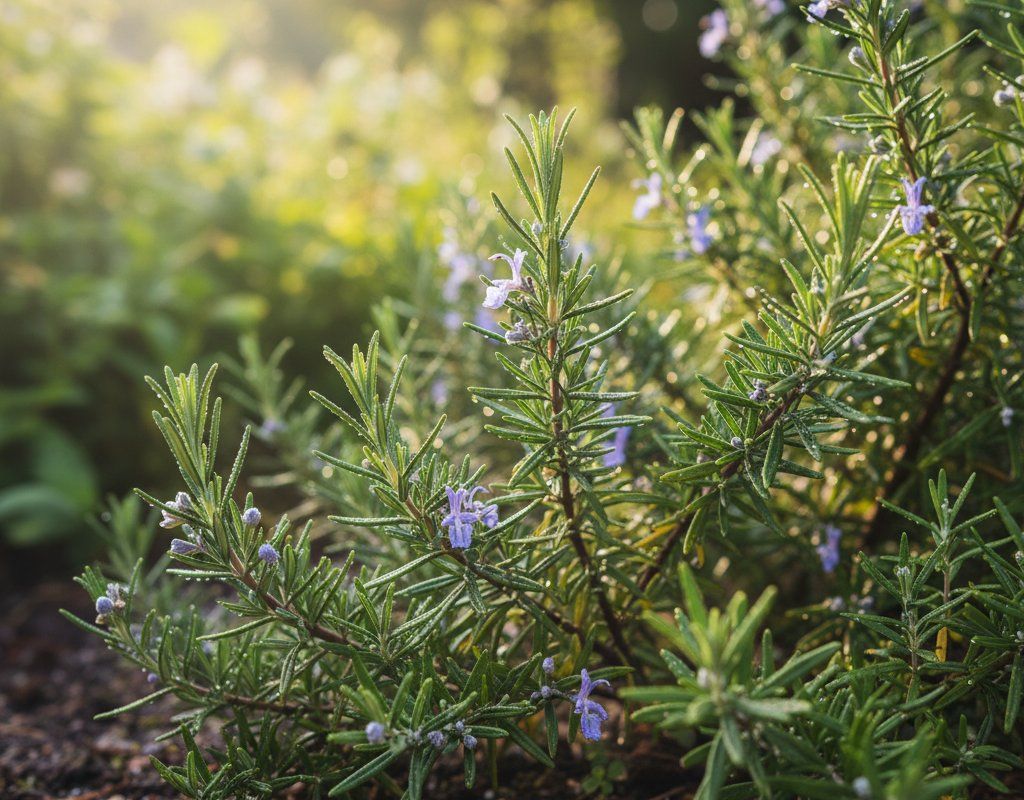
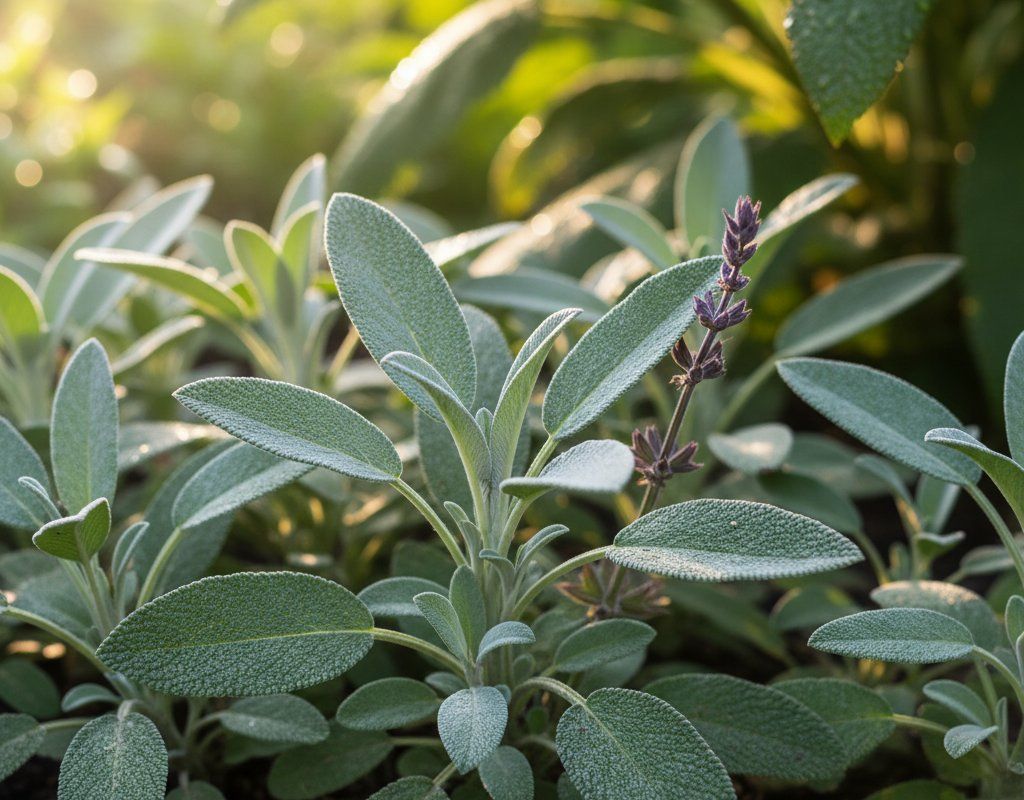
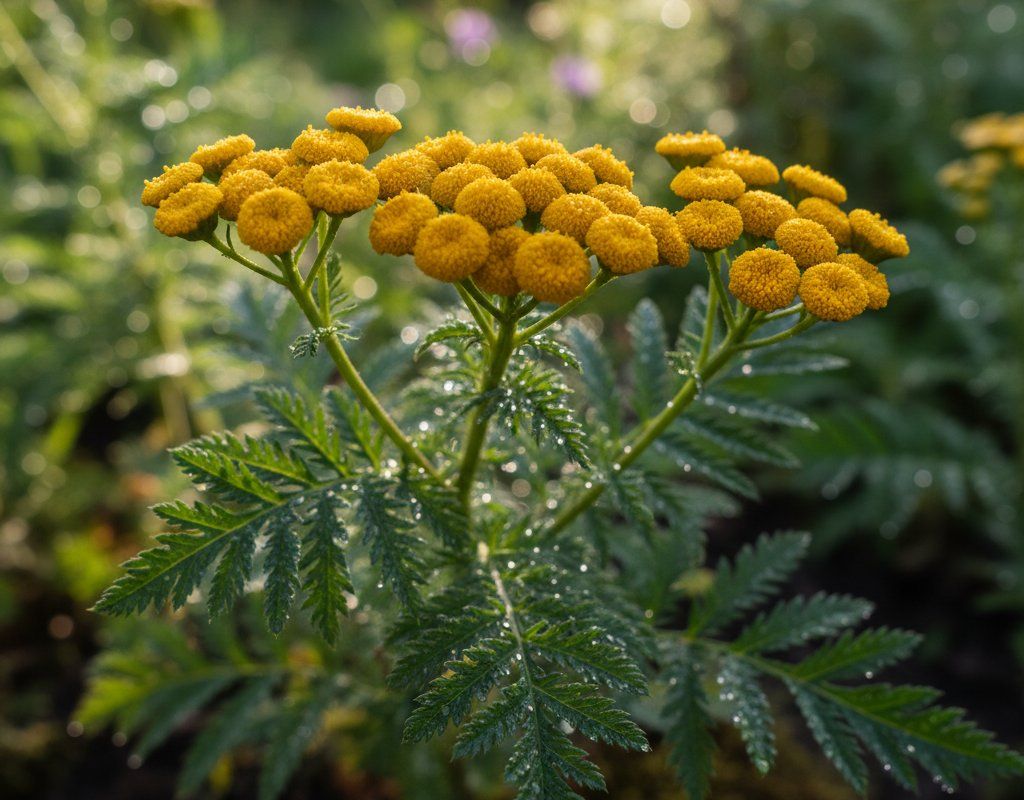
🌿Herbs (12)







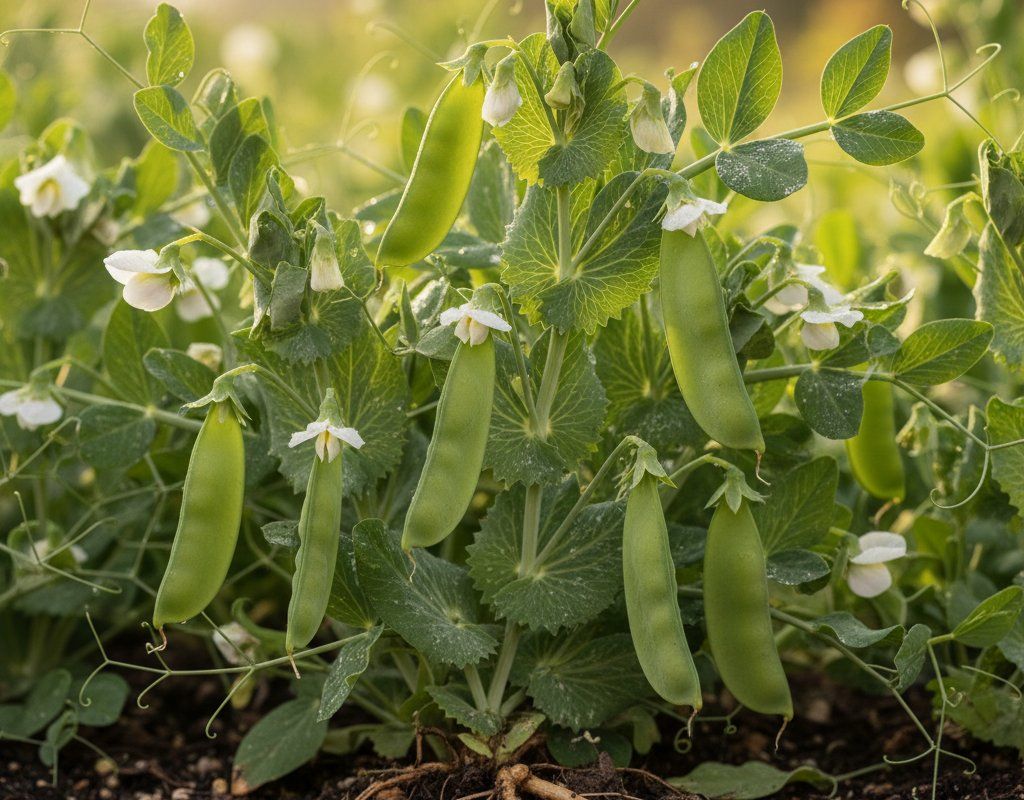
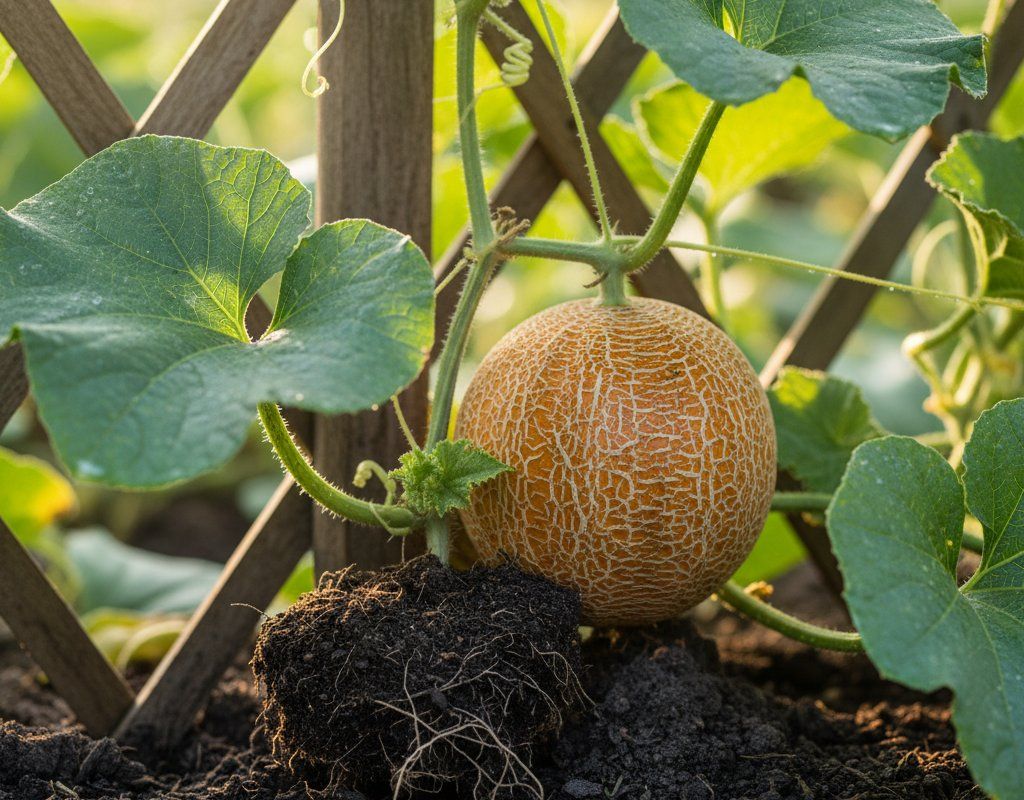
🍉Melons (2)
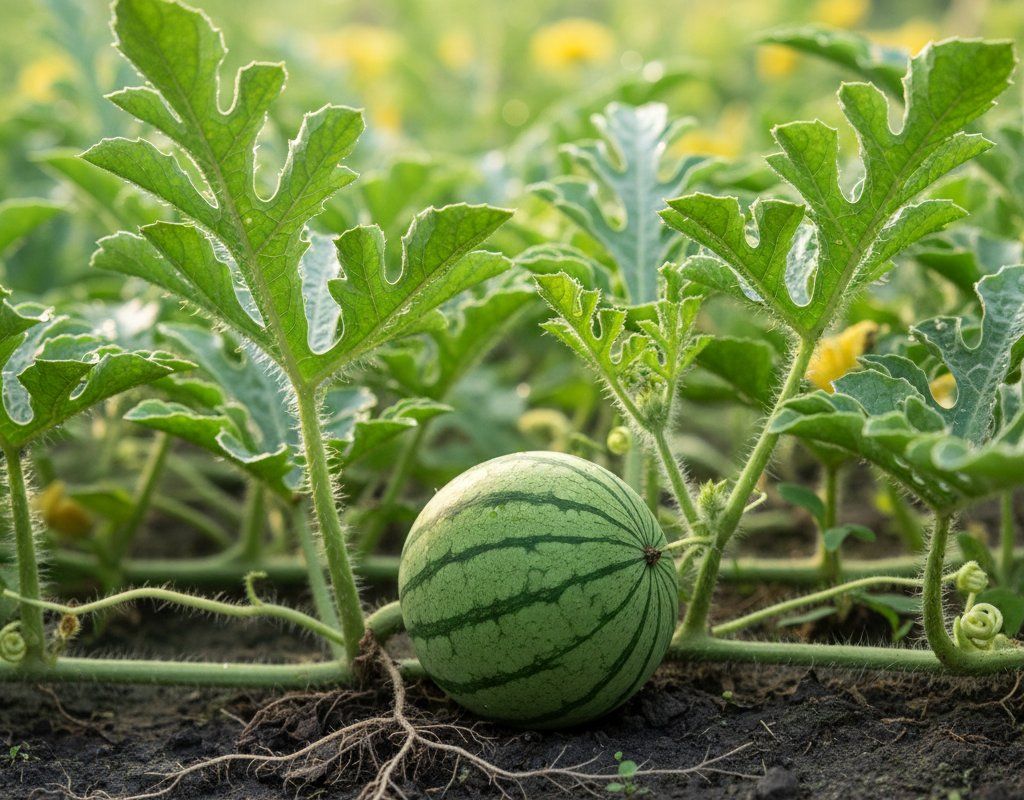
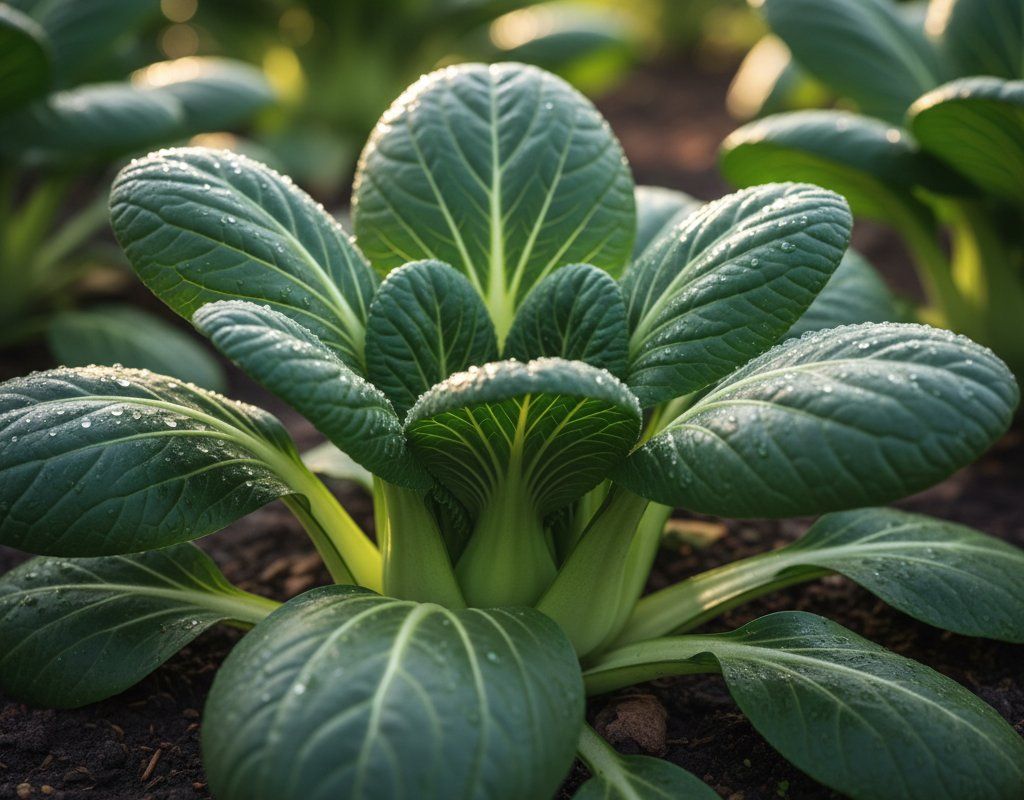
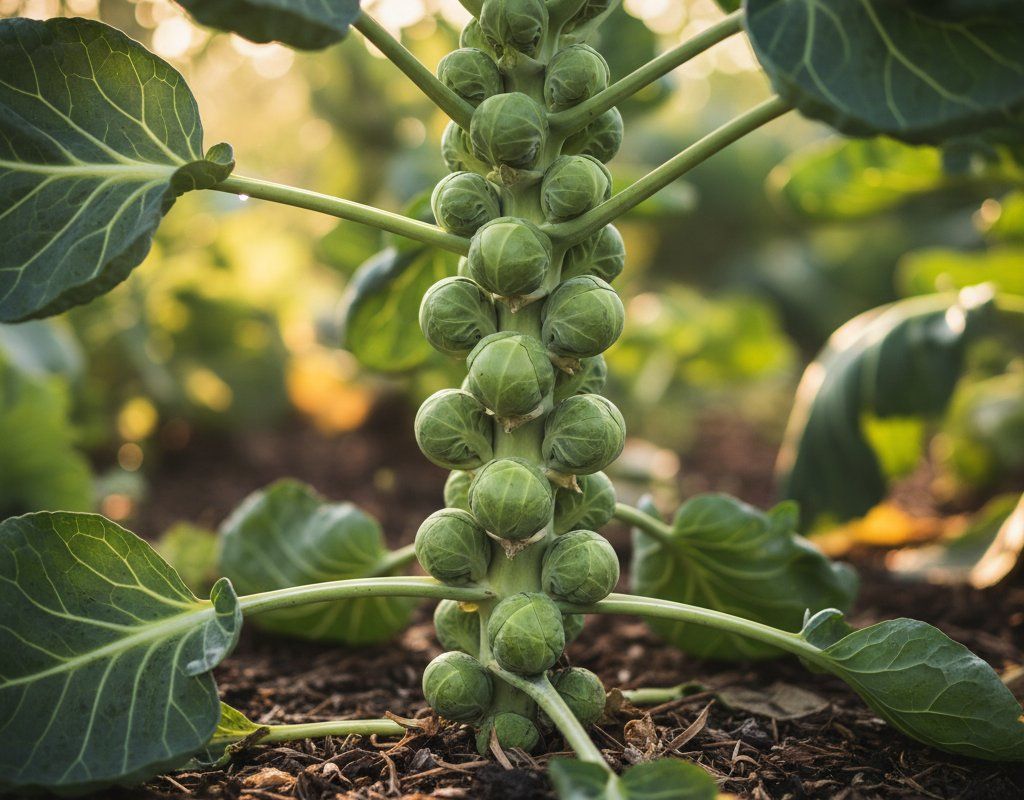
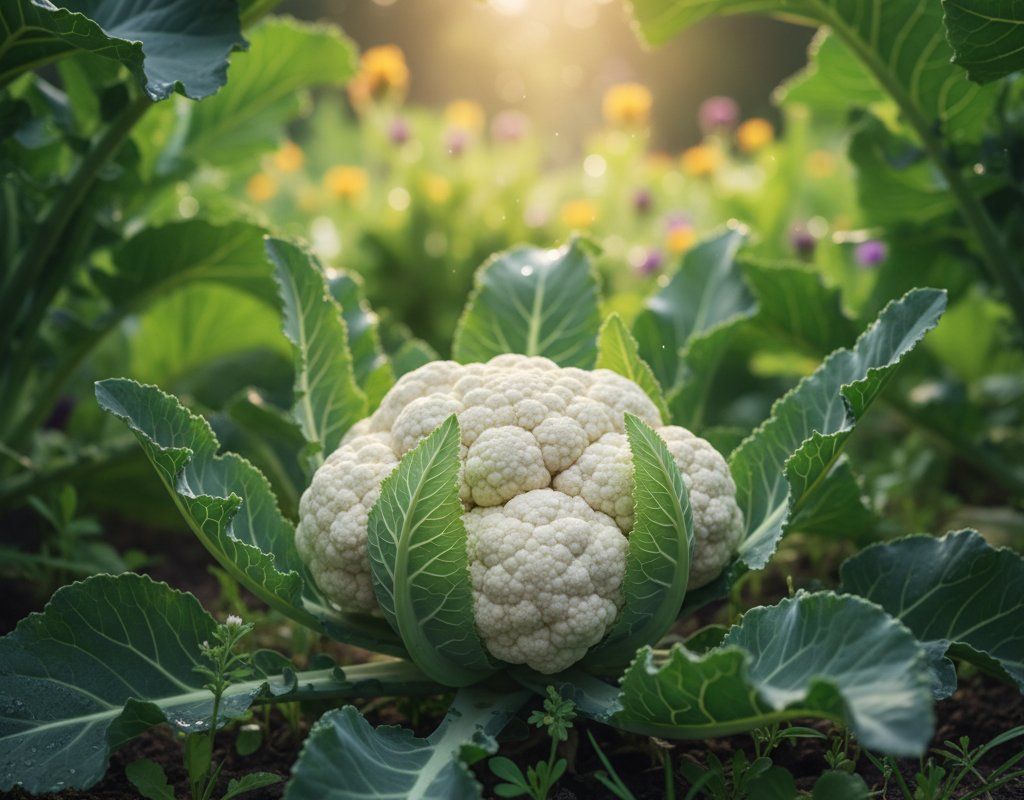
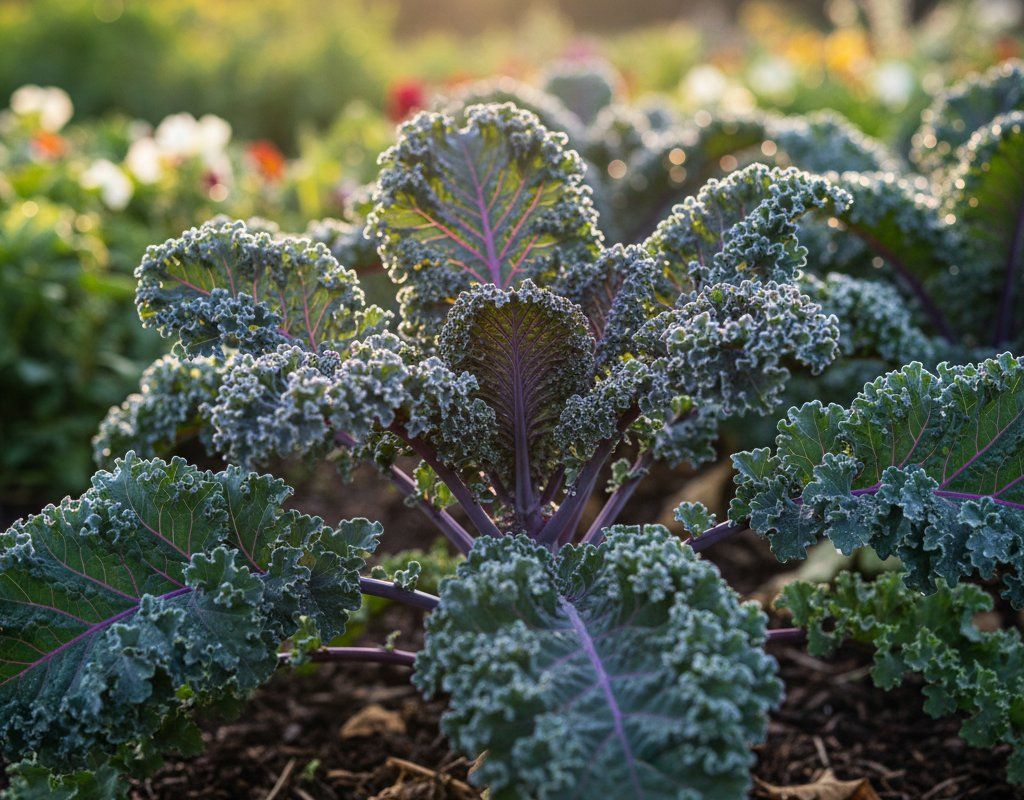
🥦Brassicas (6)


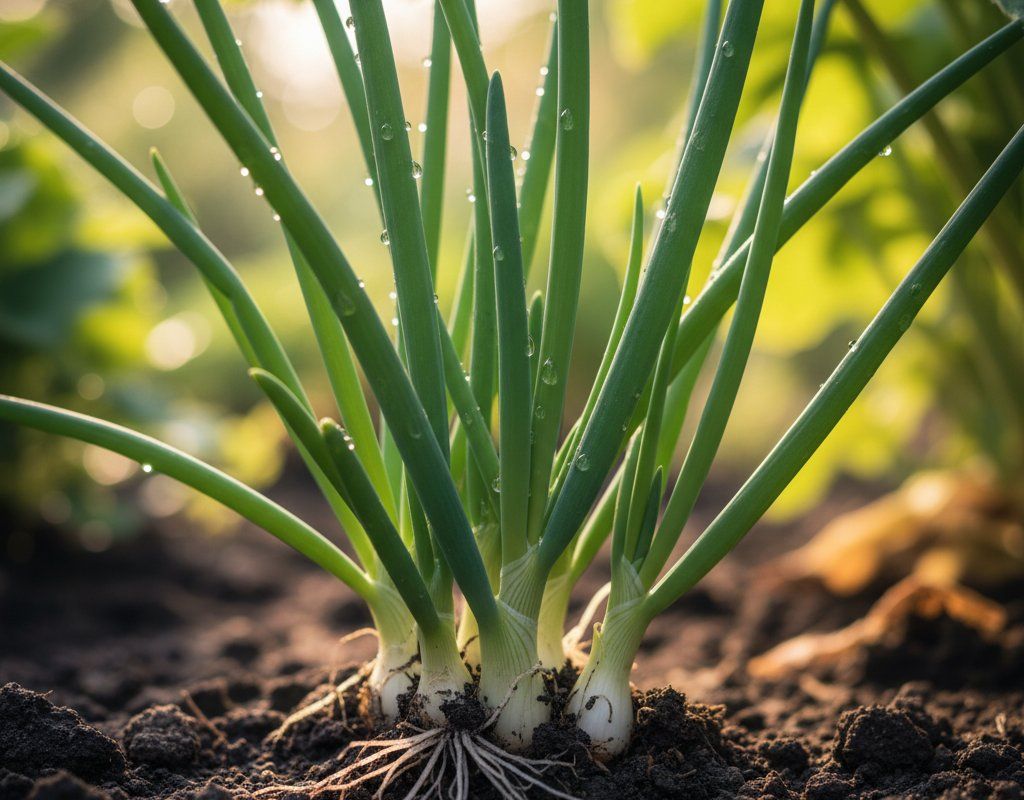
🧅Alliums (2)

🌽Grains (1)

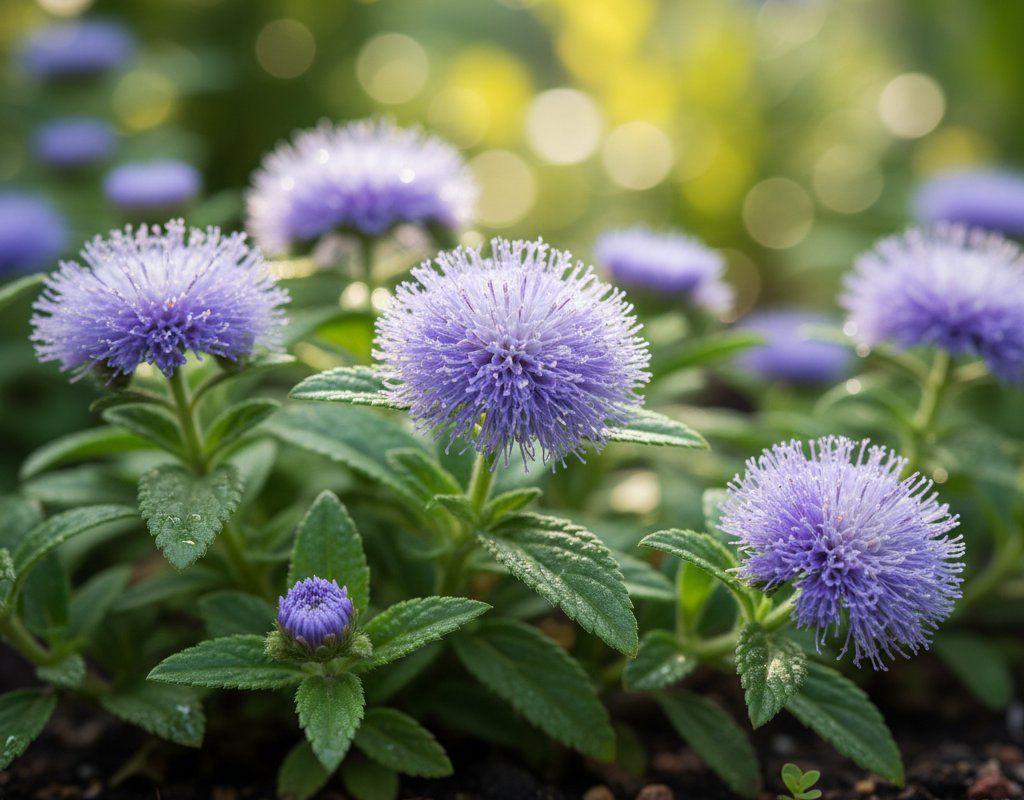
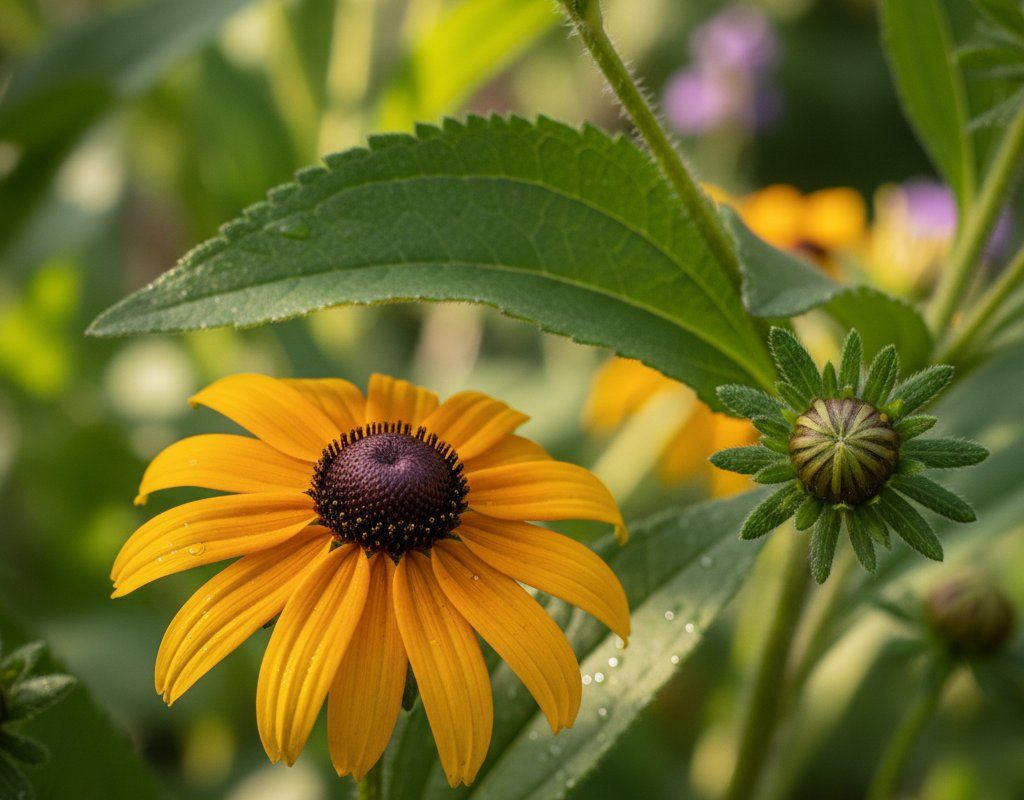
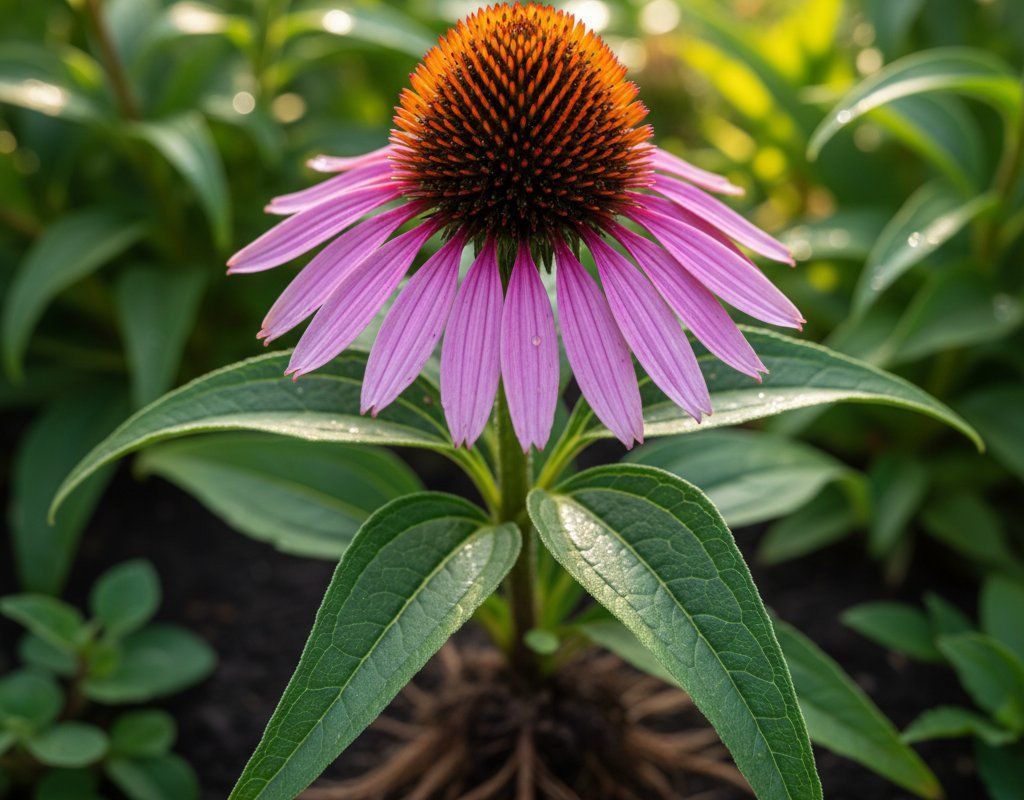
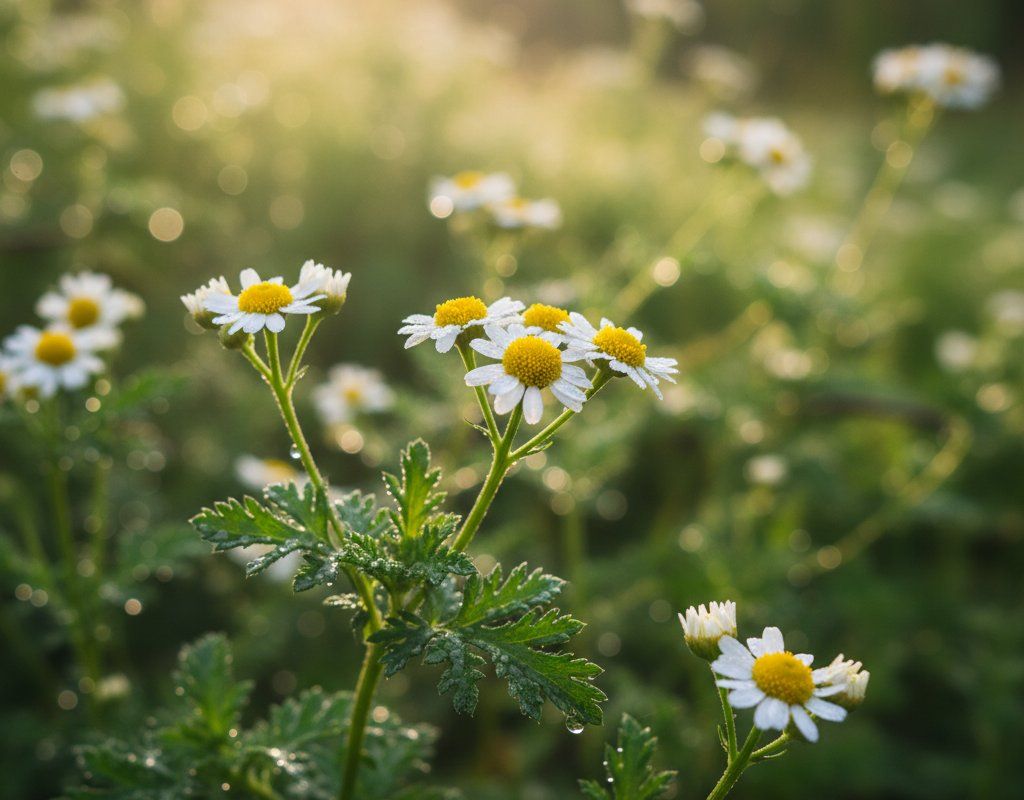
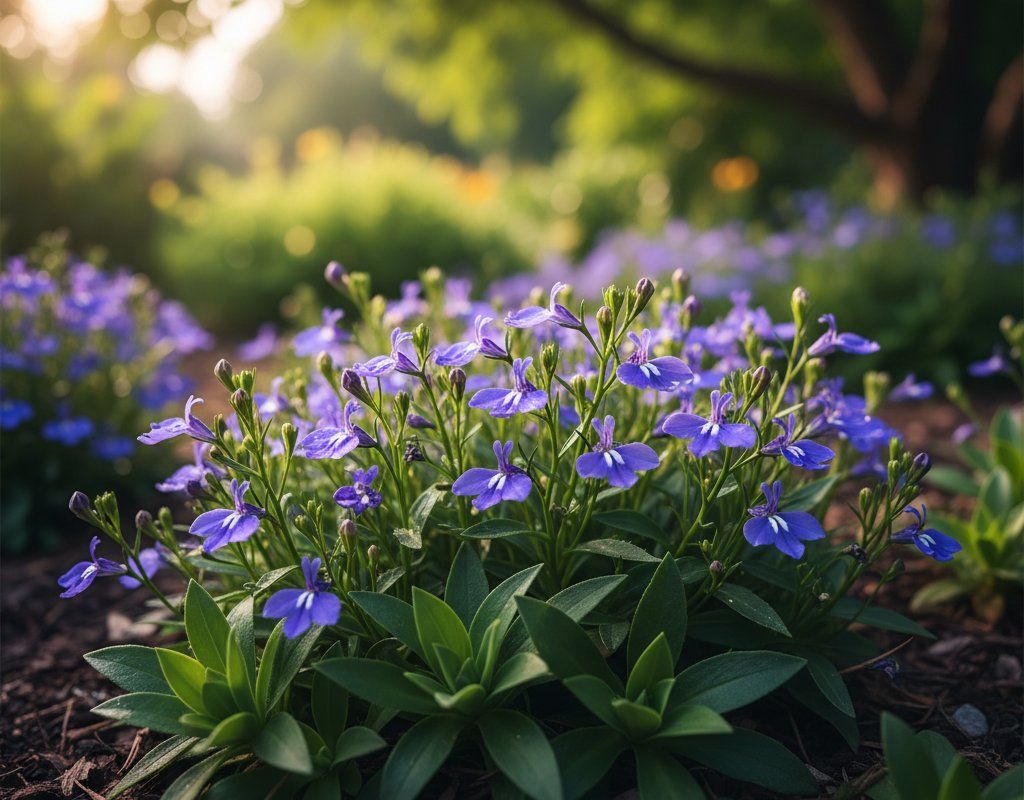
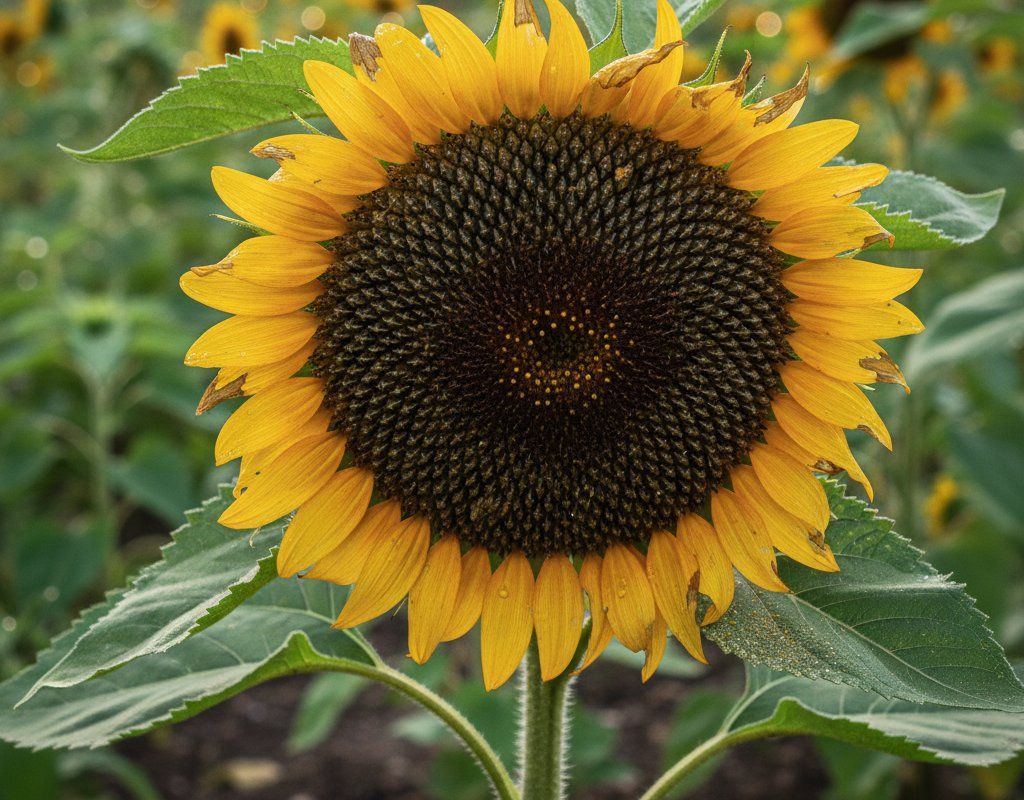
🌸Companion Flowers (20)













Month-by-Month Planting Calendar
What to do each month in your Zone 5B garden.
January is your strategic planning month in Zone 5B. Review last year's garden journal, order seeds from reliable catalogs, and start mapping out your garden layout while winter keeps the ground frozen.
In February, begin indoor seed starting for cool-season crops like broccoli, cauliflower, and early lettuce varieties. Check your seed-starting equipment and prepare your grow lights and seed trays.
March is transition time in Zone 5B - start hardier seeds indoors and begin preparing your garden beds for early planting. Clean and sharpen your garden tools, and test your soil if you didn't do so in fall.
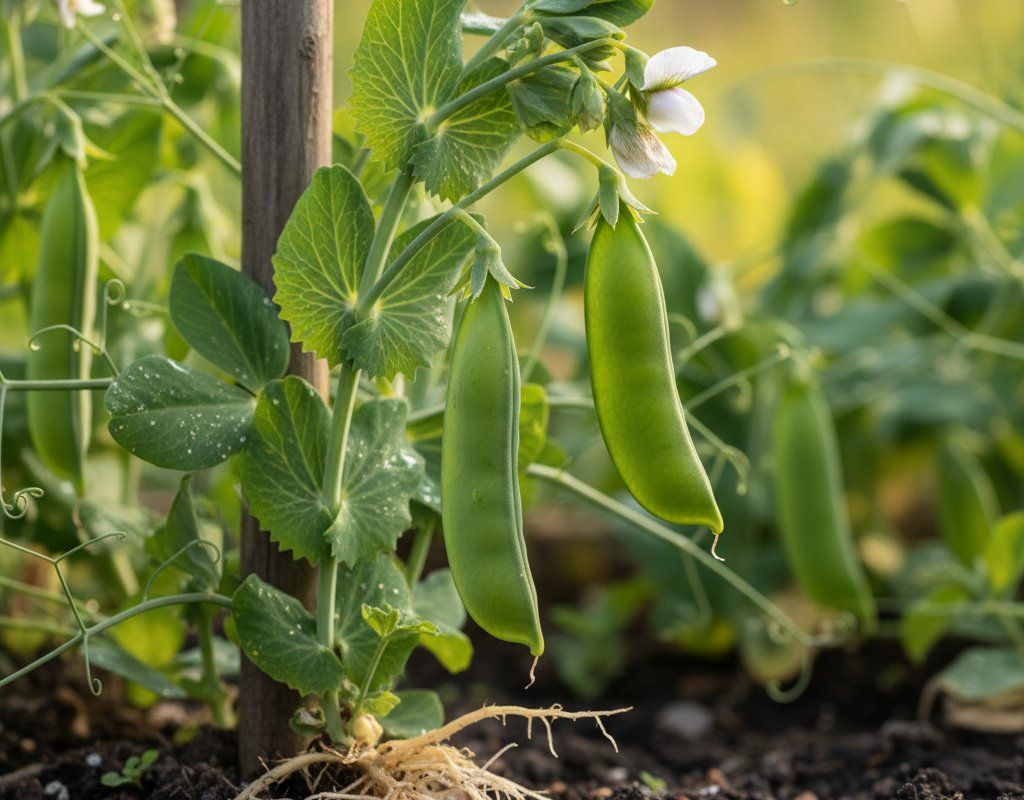
April brings the first real gardening activity - start direct sowing cold-tolerant crops like peas, spinach, and radishes. Prepare your garden beds, remove winter mulch, and be ready to protect young plants from late frost.
May is your prime planting month in Zone 5B. After your last frost, transplant seedlings and direct sow warm-season crops like beans, corn, and squash. Watch for temperature swings and be prepared to protect tender plants.
June is all about maintenance in Zone 5B - mulch your garden beds, support your tomato and pepper plants, and begin regular weeding and pest monitoring. Start harvesting early crops like lettuce and radishes.
July brings peak summer heat and abundant harvests. Focus on consistent watering, especially for fruiting vegetables like tomatoes and cucumbers. Monitor for pest activity and continue succession planting of quick-growing crops.
August is harvest time in Zone 5B - collect and preserve your summer crops. Begin thinking about fall plantings of cool-season vegetables and start cleaning up spent summer plants.
September signals the start of fall gardening - plant second crops of cool-season vegetables and begin preparing your garden for winter. Start bringing tender plants indoors and clean up finished summer beds.
October is your wind-down month - finish harvesting remaining crops, plant garlic, and cover crops. Clean and store garden tools, and add compost to beds for next season's fertility.
November is preparation time - finish mulching perennial beds, protect sensitive plants, and complete any final garden cleanup. Store seeds and review your garden's performance from the past season.
December brings garden rest in Zone 5B - review seed catalogs, plan next year's garden, and enjoy the quiet season. Check stored vegetables and fruits, and maintain your gardening tools.
Common Challenges in Zone 5B (Mid-Atlantic)
Zone 5B offers about 163 frost-free days, which is comfortable for most garden vegetables. Variable spring weather remains the main challenge — a warm March can push bulbs and perennials out early, then an April cold snap damages new growth.
The growing season is long enough for succession planting and fall gardens, which makes planning more complex. Summer humidity encourages fungal diseases like early blight on tomatoes and downy mildew on cucurbits.
Deer browse is heavy in suburban and rural areas across much of Zone 5B.
Season Extension Tips
You have enough season length that extension is more about optimization than survival. Start tomatoes and peppers indoors 6-8 weeks early, and harden them off over 7-10 days before transplanting.
Direct-sow cold-tolerant crops (peas, spinach, lettuce, radishes) as early as 4 weeks before last frost — they handle light frosts fine. For fall, plant brassicas and root crops in mid-July for October harvests.
Garlic planted in October roots before winter and produces fat bulbs the following July. Row cover over fall crops extends harvests into December in most years.
Soil Preparation
The transition from winter to spring happens gradually in Zone 5B, giving you a decent window for soil prep. Add compost and any needed amendments (based on soil test results) in early to mid-April.
If you're dealing with compacted soil, broadforking opens it up without destroying soil structure the way tilling does. For raised beds, a mix of 60% topsoil, 30% compost, and 10% perlite or vermiculite provides good drainage and fertility.
Side-dress heavy feeders like tomatoes and corn with compost tea or fish emulsion every 3-4 weeks during the growing season.