Gardening in Zone 7B — Southeast
Zone 7B is a gardener's sweet spot - mild winters and a luxuriously long growing season that gives you incredible flexibility. With roughly 207 days between frosts, you can grow an astonishing variety of crops, from heat-loving tomatoes and peppers to cool-season greens and root vegetables. Your zone offers enough winter chill for fruit trees that need dormancy, yet warm enough summers to ripen complex crops like eggplants and melons.
The primary challenge in Zone 7B is managing summer heat stress. Temperatures can climb aggressively, which means strategic shade, consistent watering, and selecting heat-tolerant varieties become crucial. However, this same warmth allows you to succession plant and extend harvests in ways gardeners in shorter-season zones can only dream about.
Your zone is particularly magical for vegetable gardeners. You can grow nearly everything - from spicy Thai chilis to sweet strawberries, crisp lettuce to robust tomato plants. With some planning and smart techniques like shade cloth and mulching, you can produce incredible yields across multiple seasons.
✓ Regional Advantages
- • Long growing season
- • Reliable summer rain
- • Excellent for warm-season crops
⚠ Regional Challenges
- • Humidity and fungal disease
- • Japanese beetles
- • Deer
- • Clay soil
- • Summer heat
Southeast Climate Profile
Hot, humid summers with distinct seasons and afternoon thunderstorms
Best Plants for Zone 7B
102 plants thrive in Zone 7B's 235-day growing season. Click any plant for zone-specific planting dates.
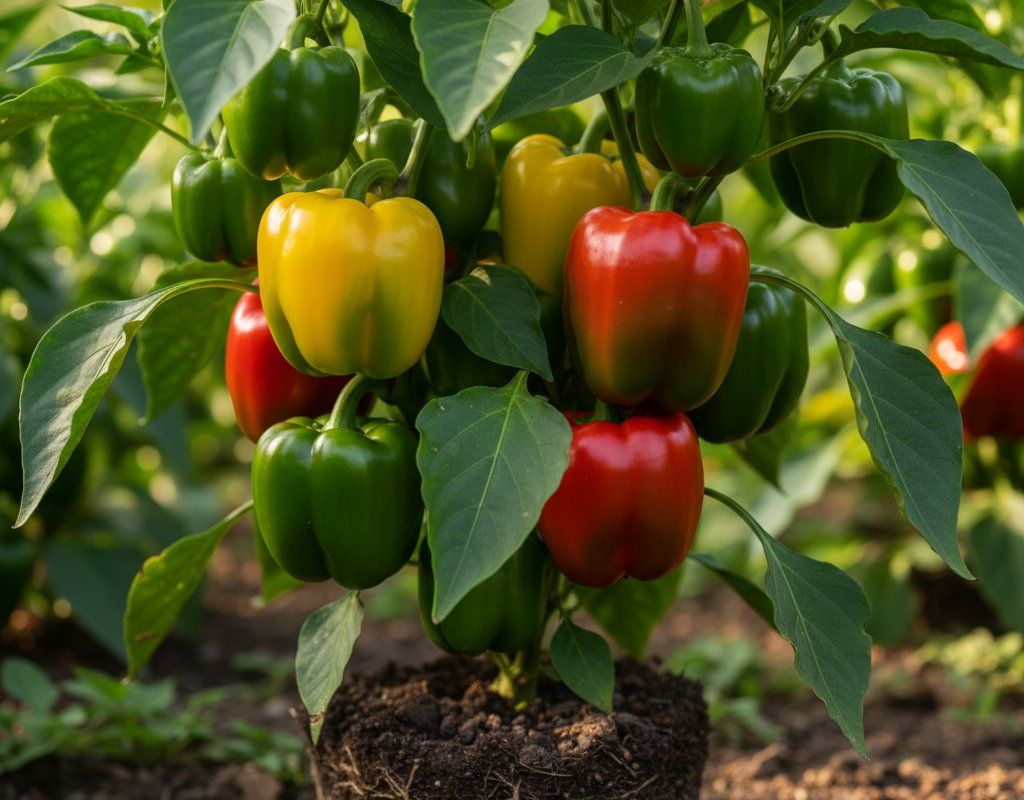
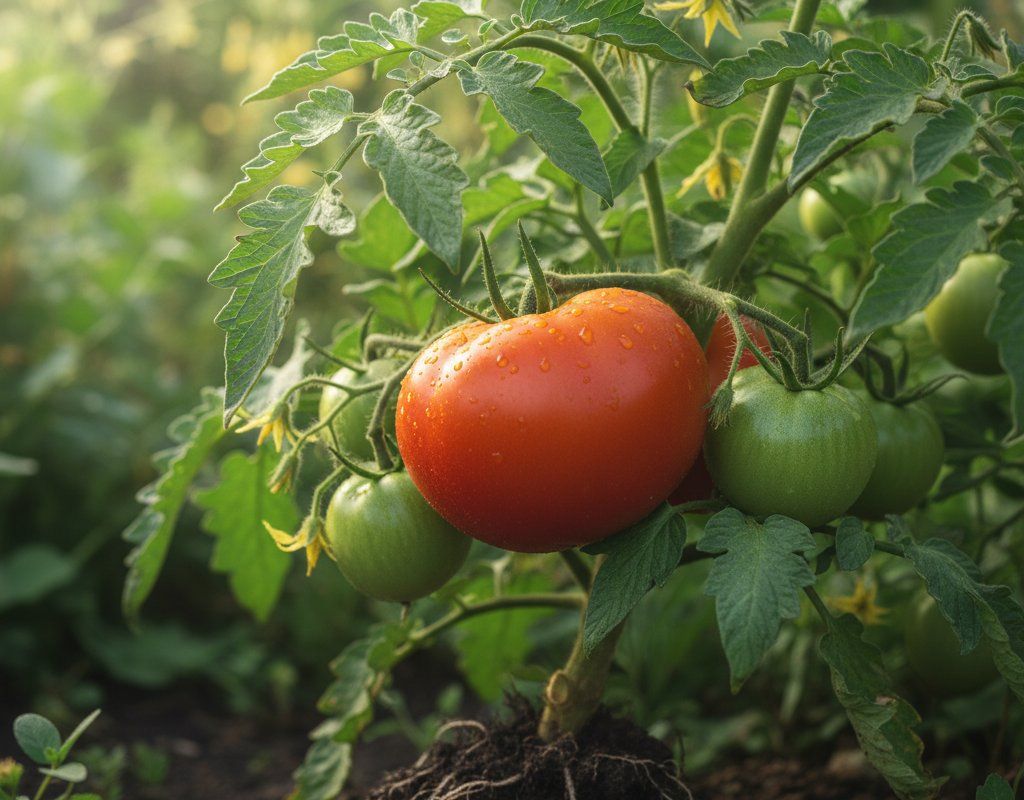
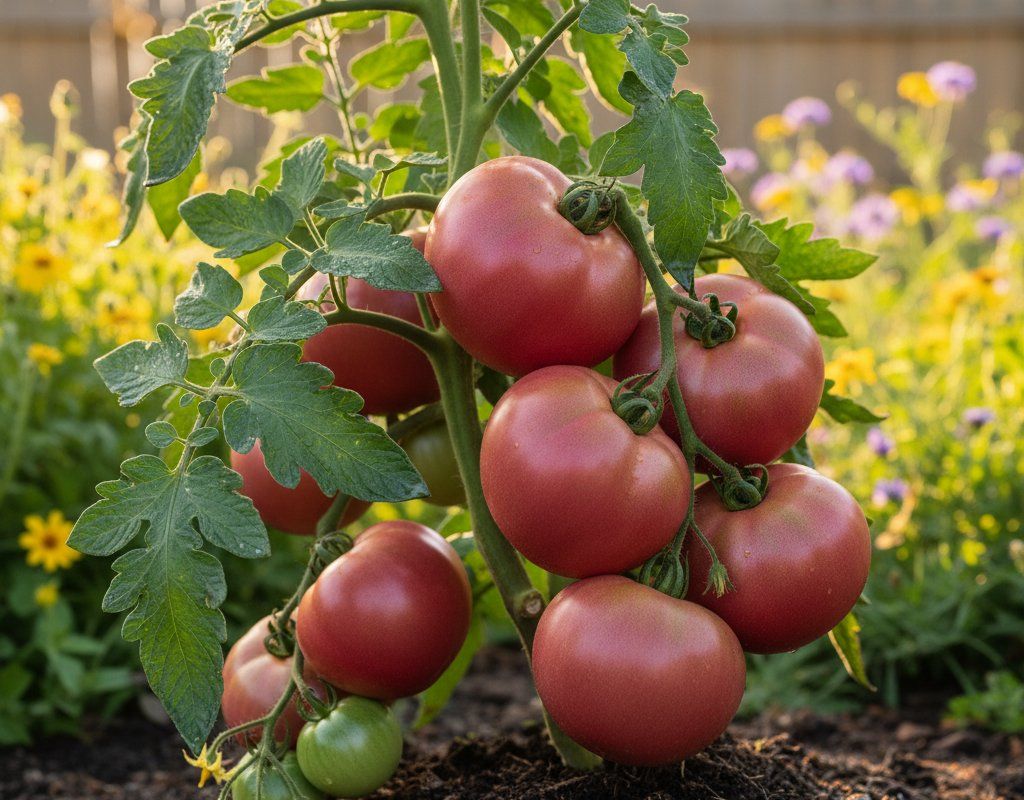
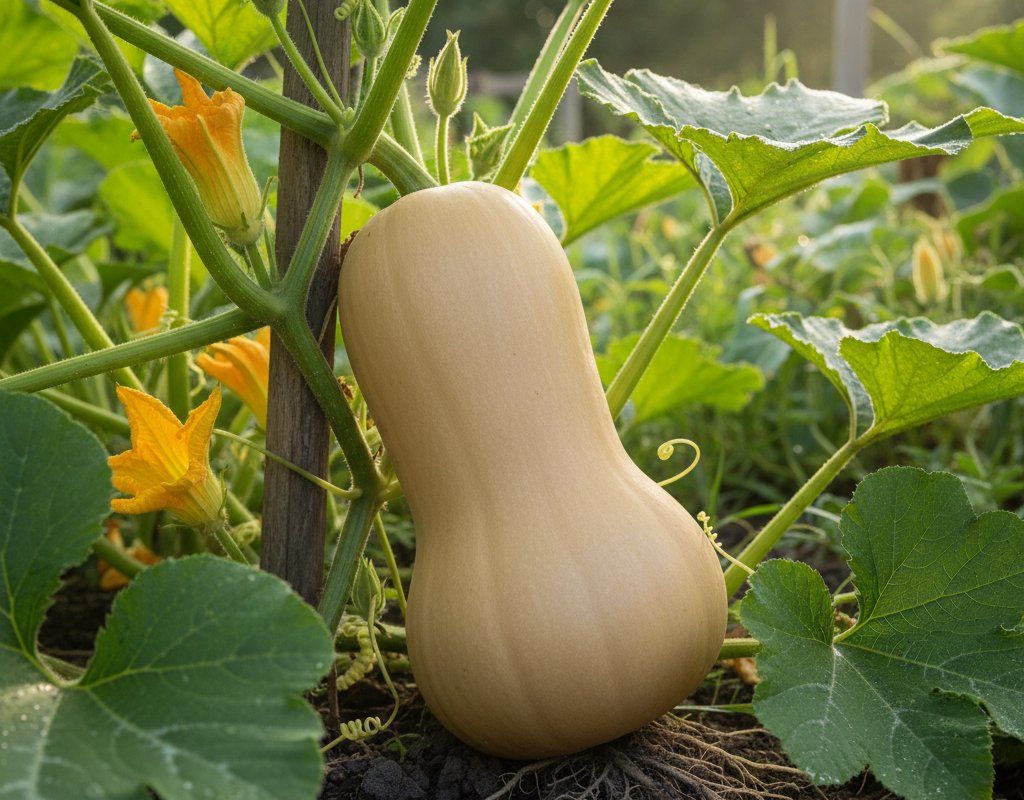
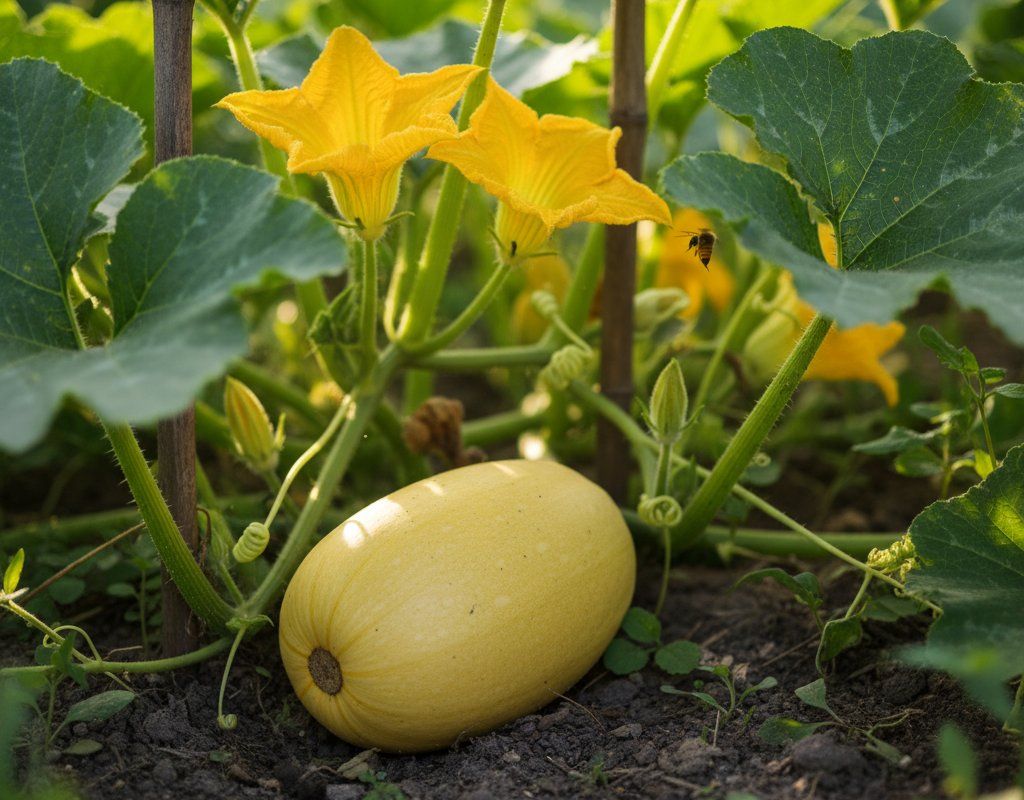
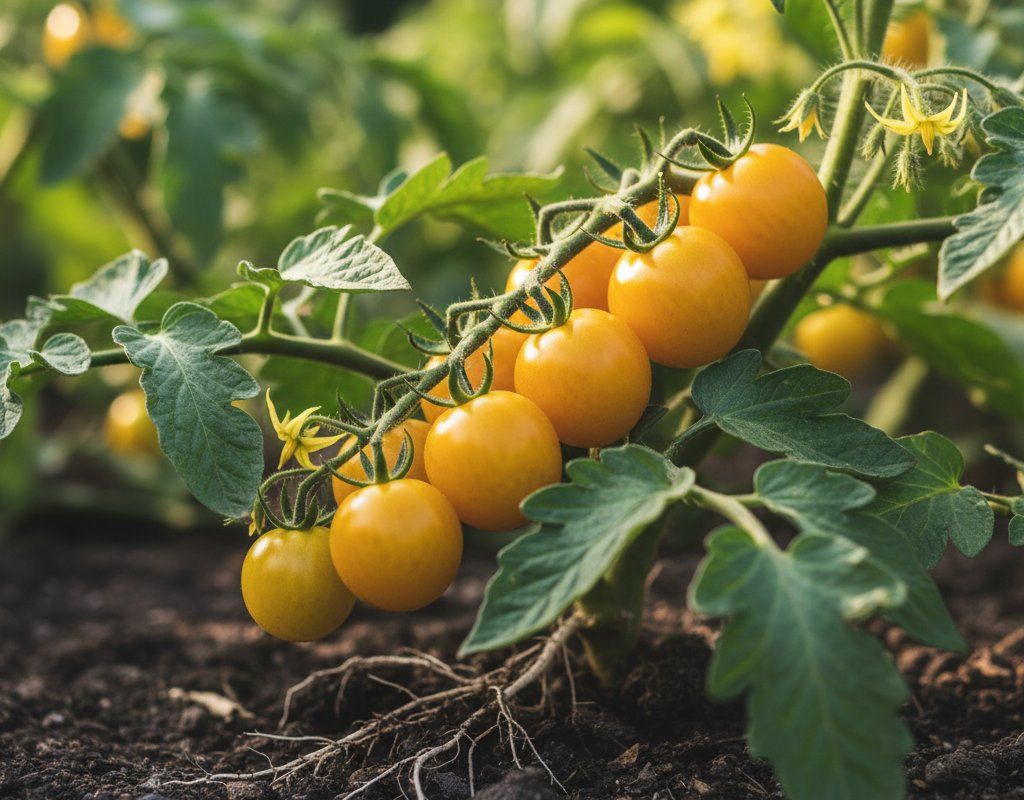
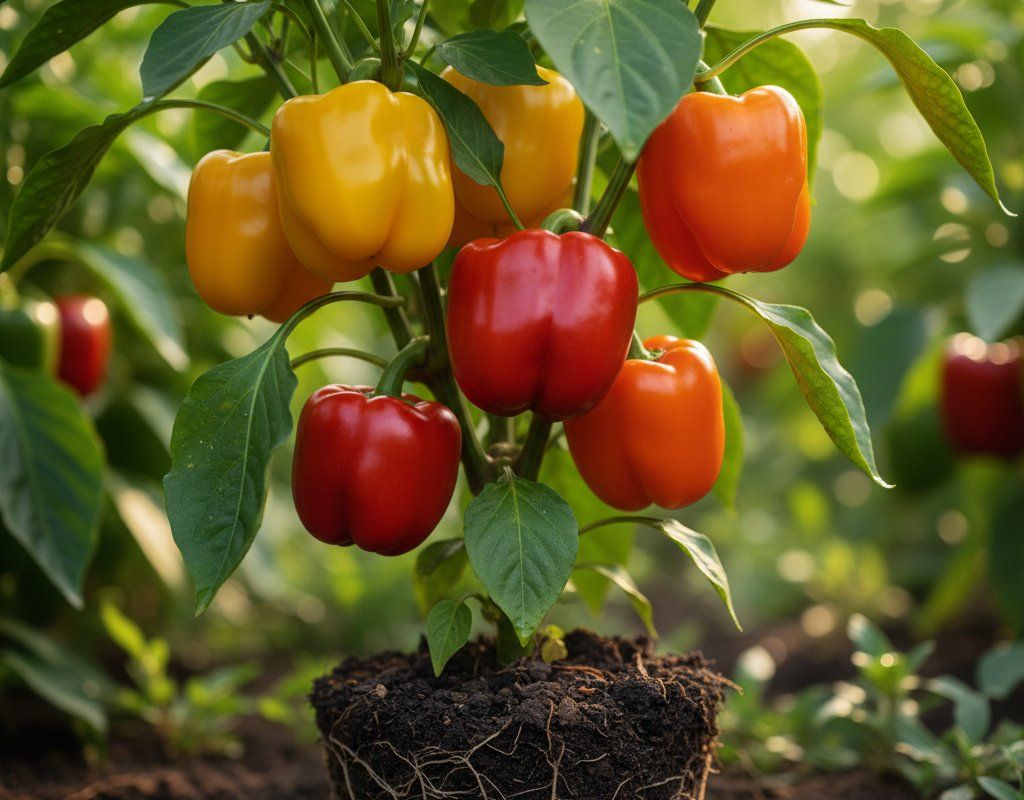
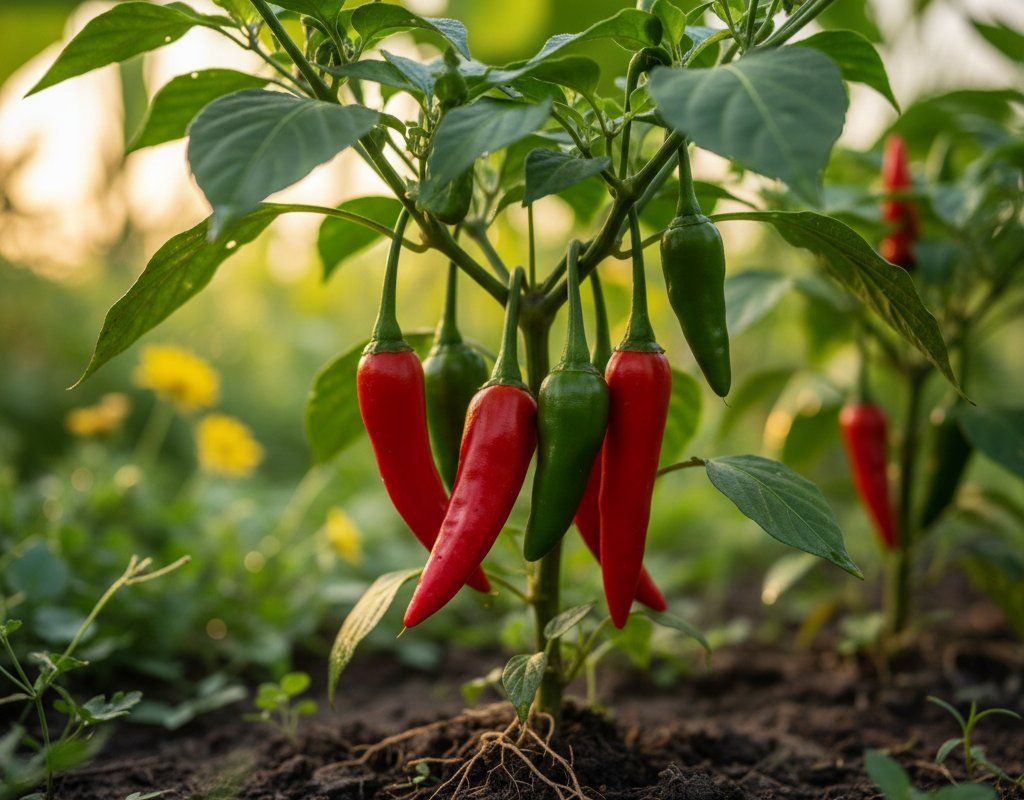
🍅Fruiting Vegetables (37)
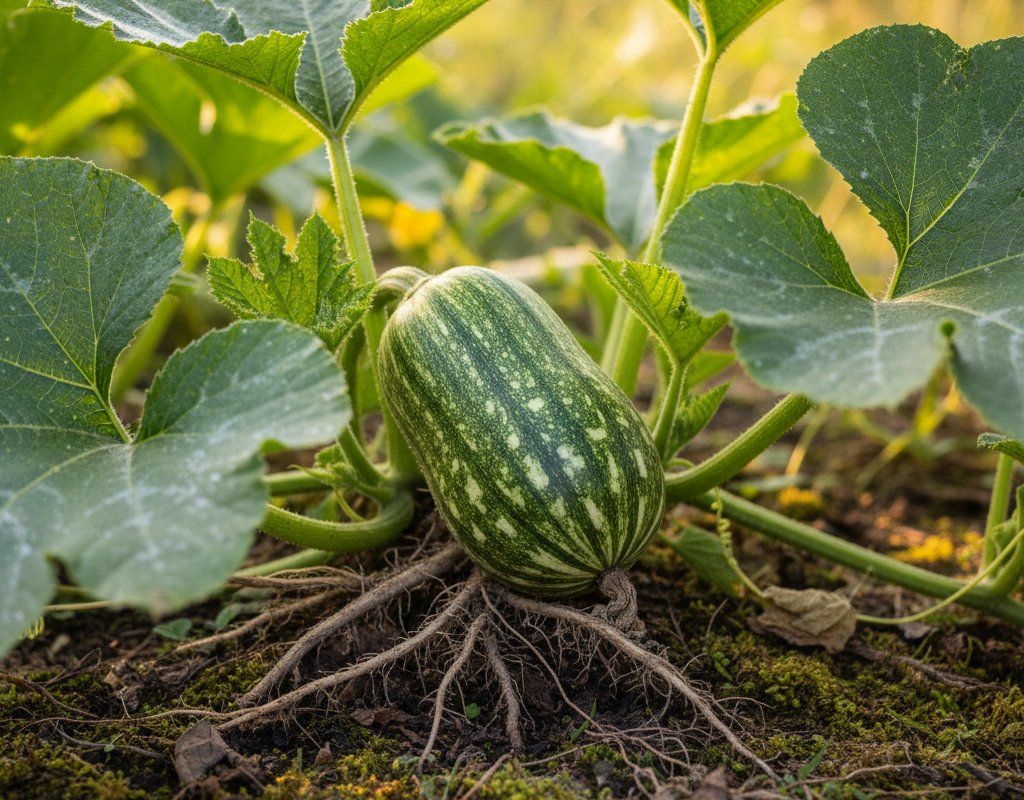
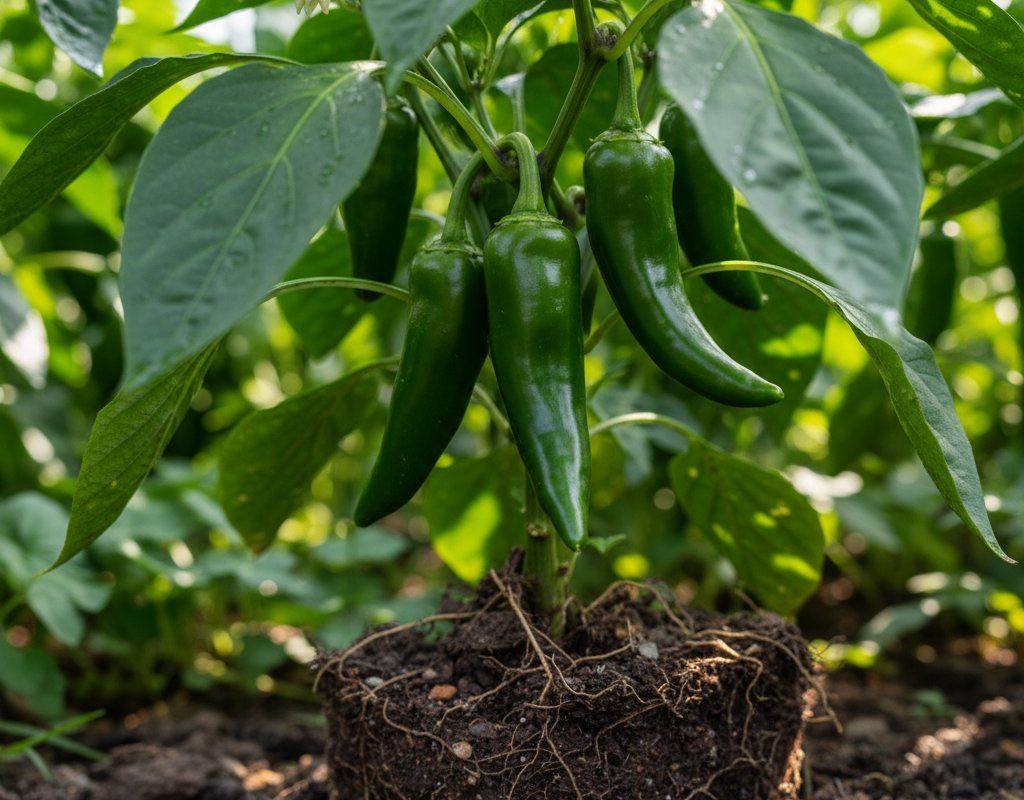
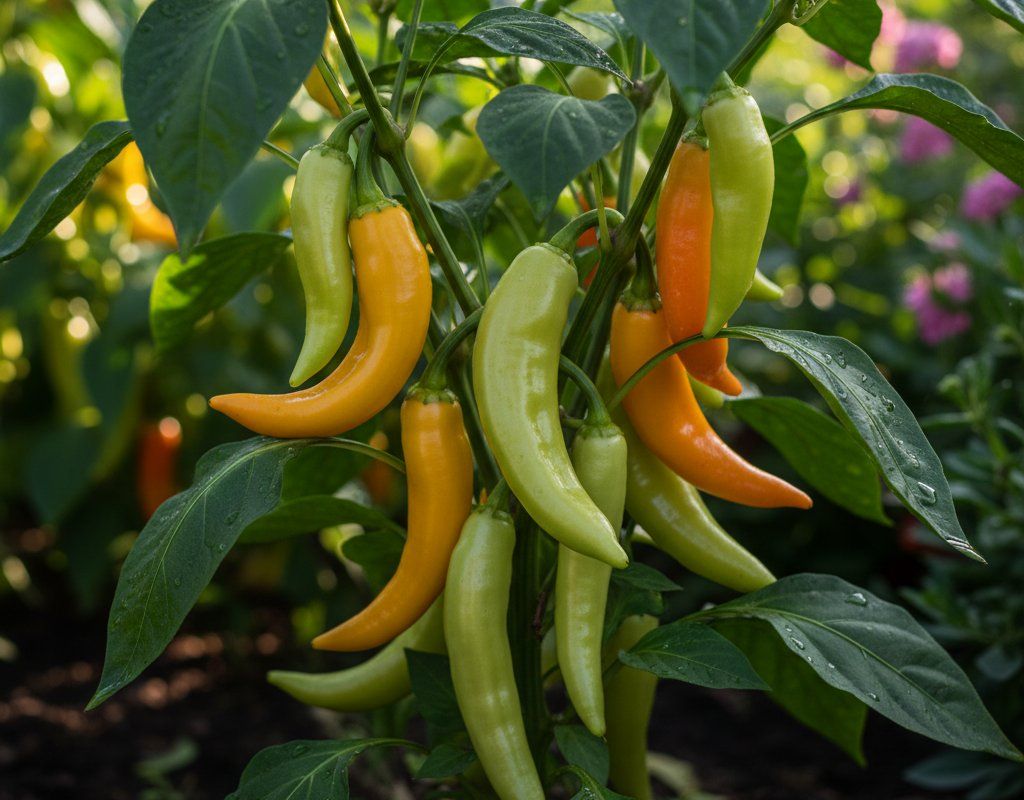
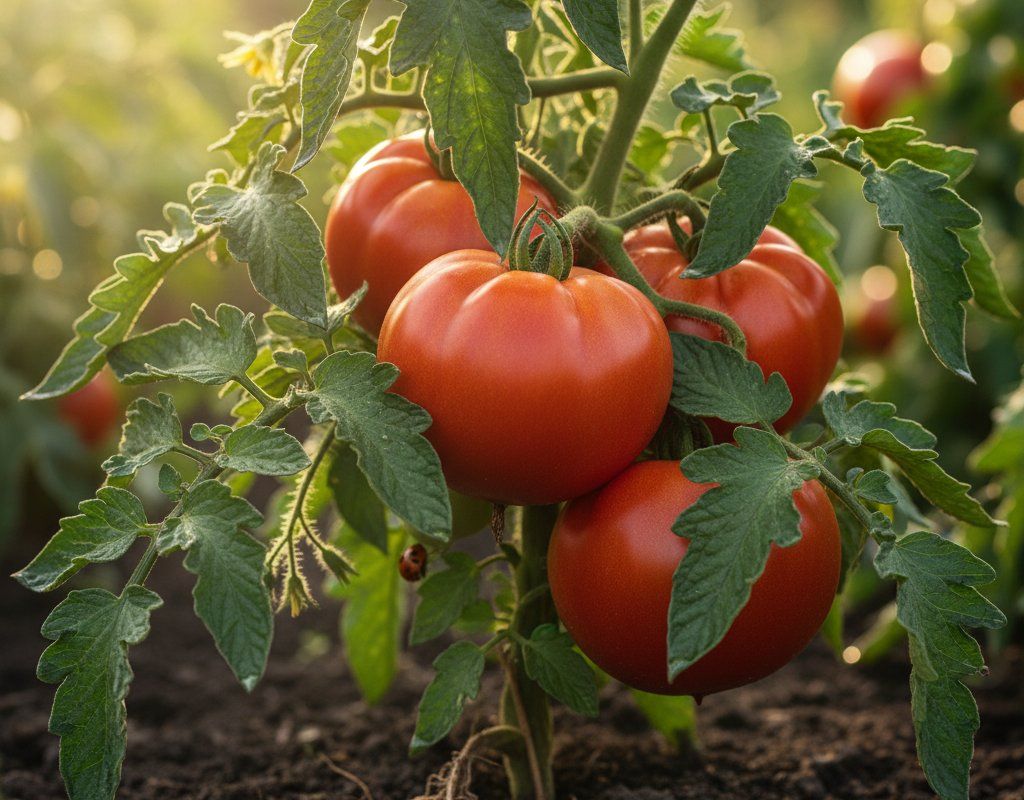
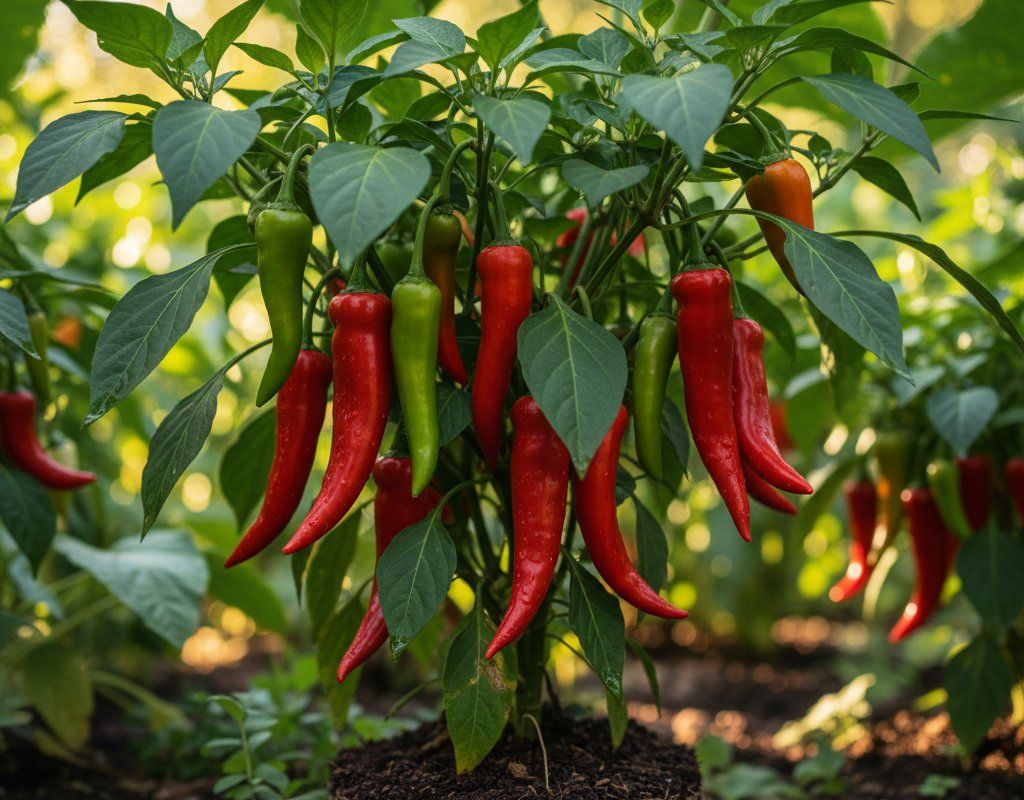
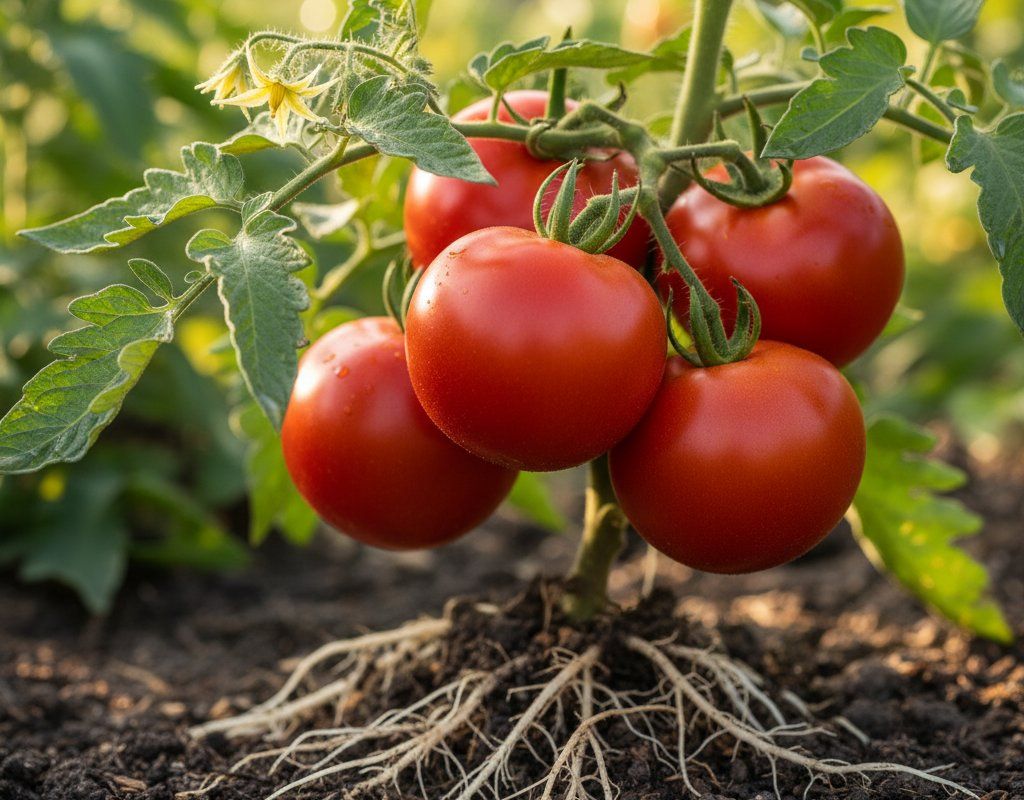

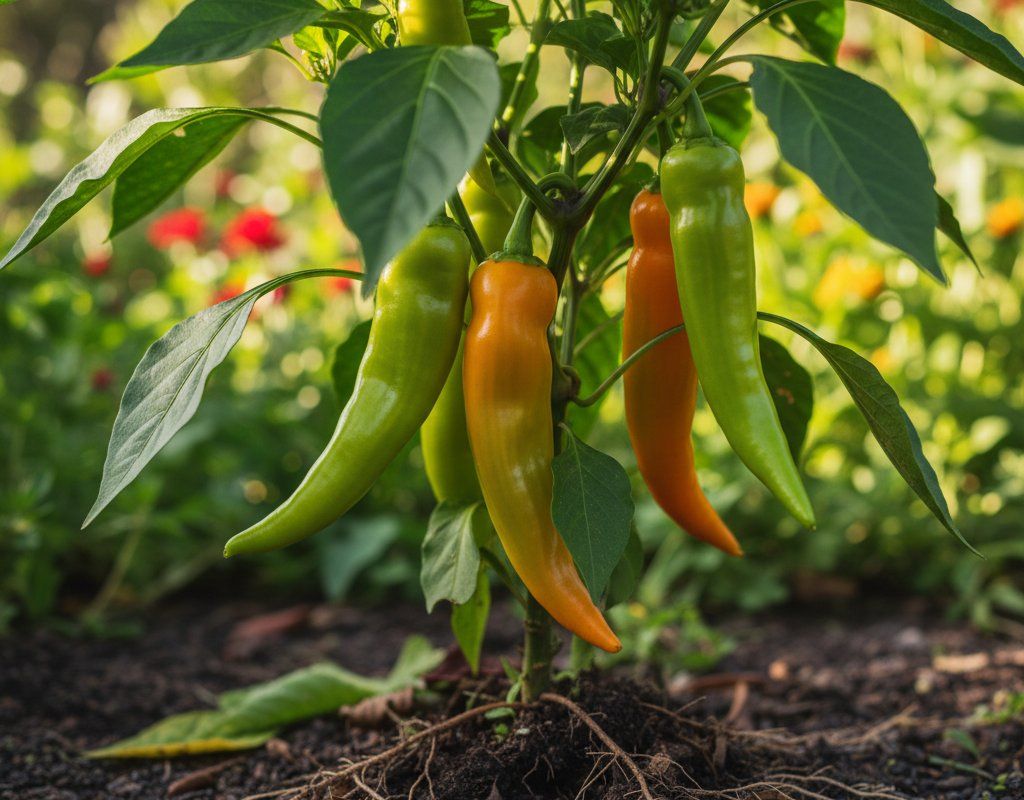

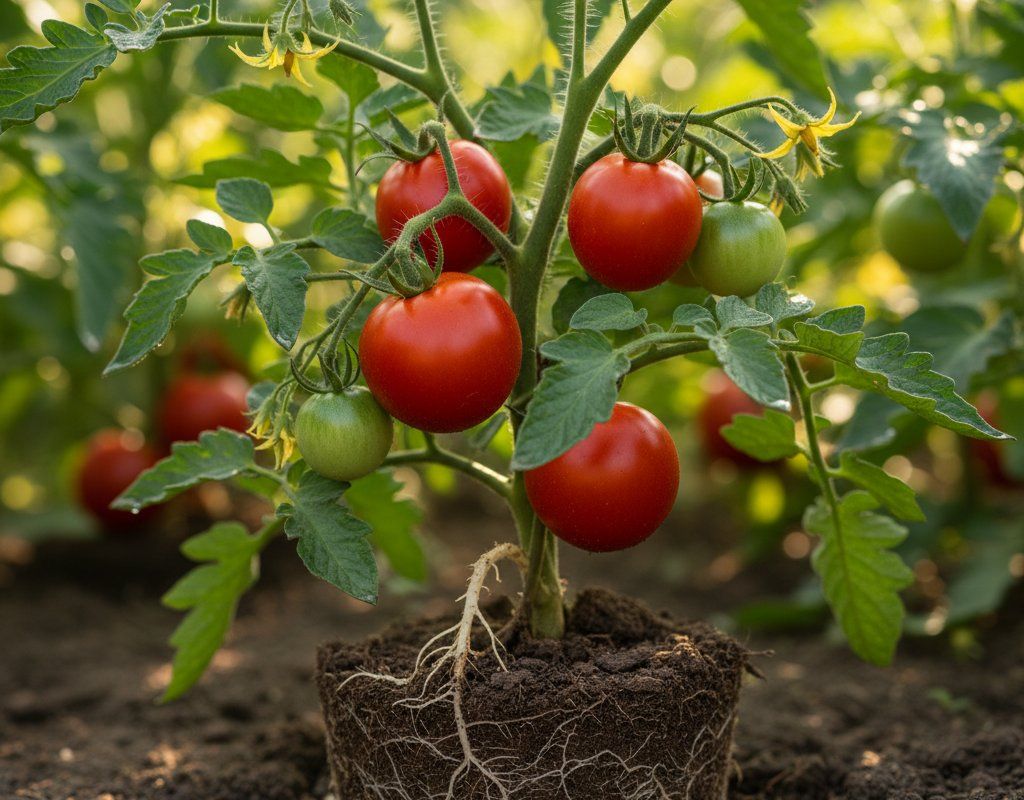
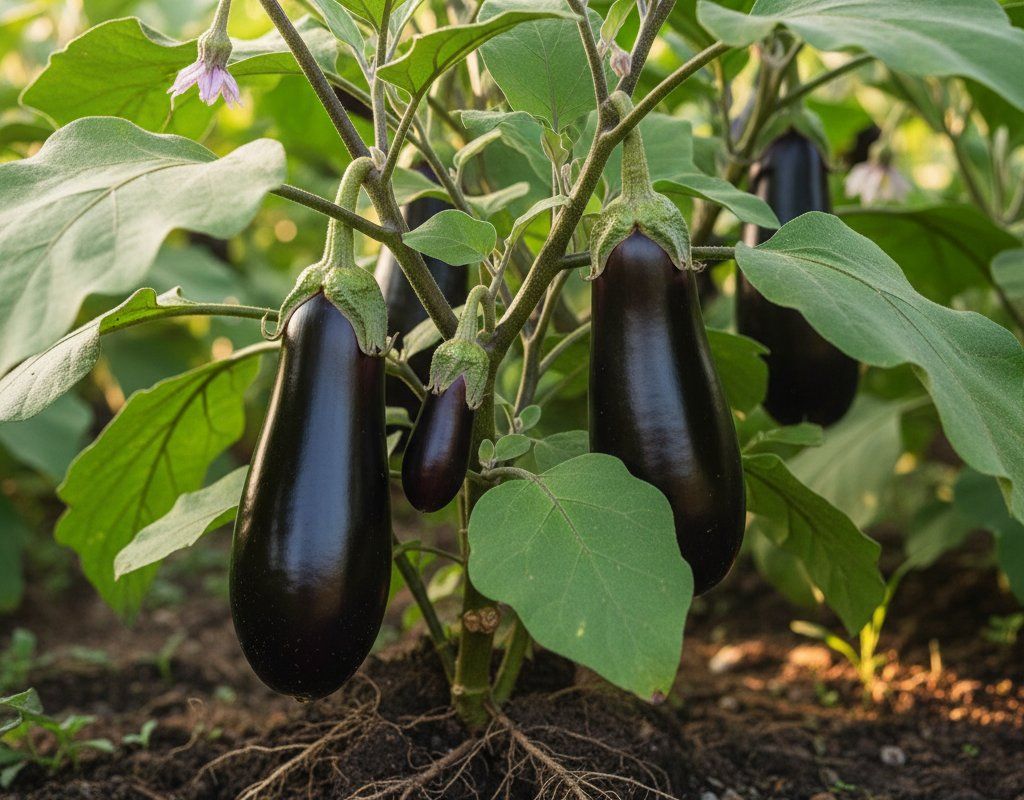

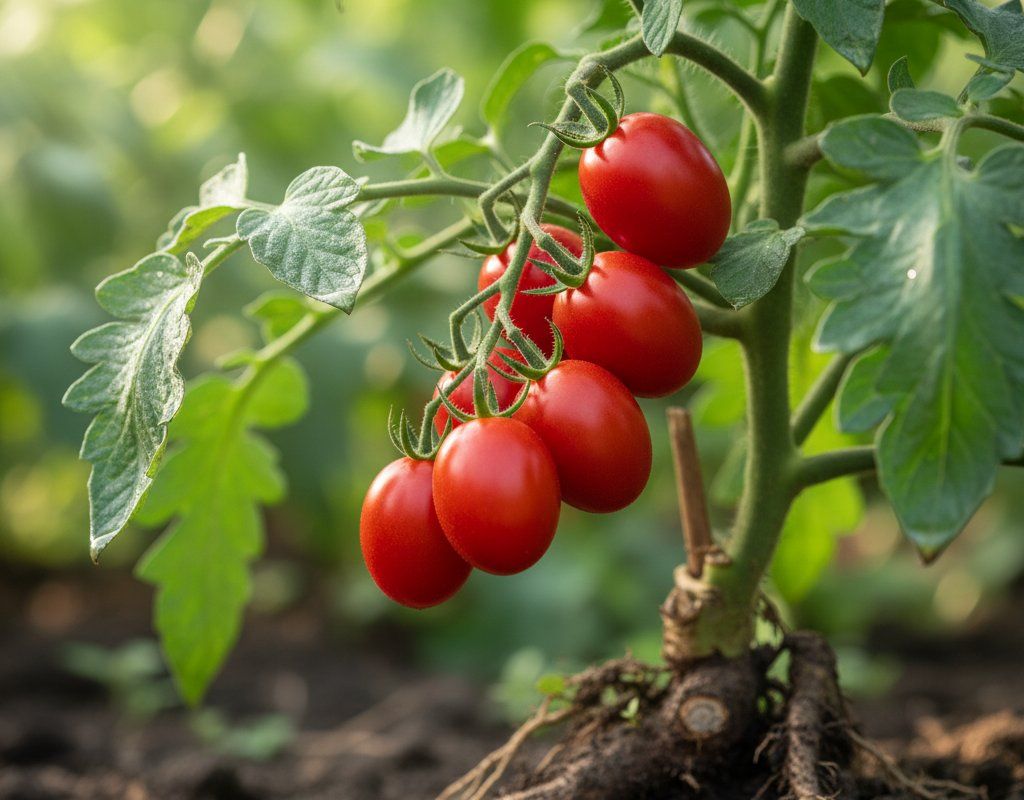
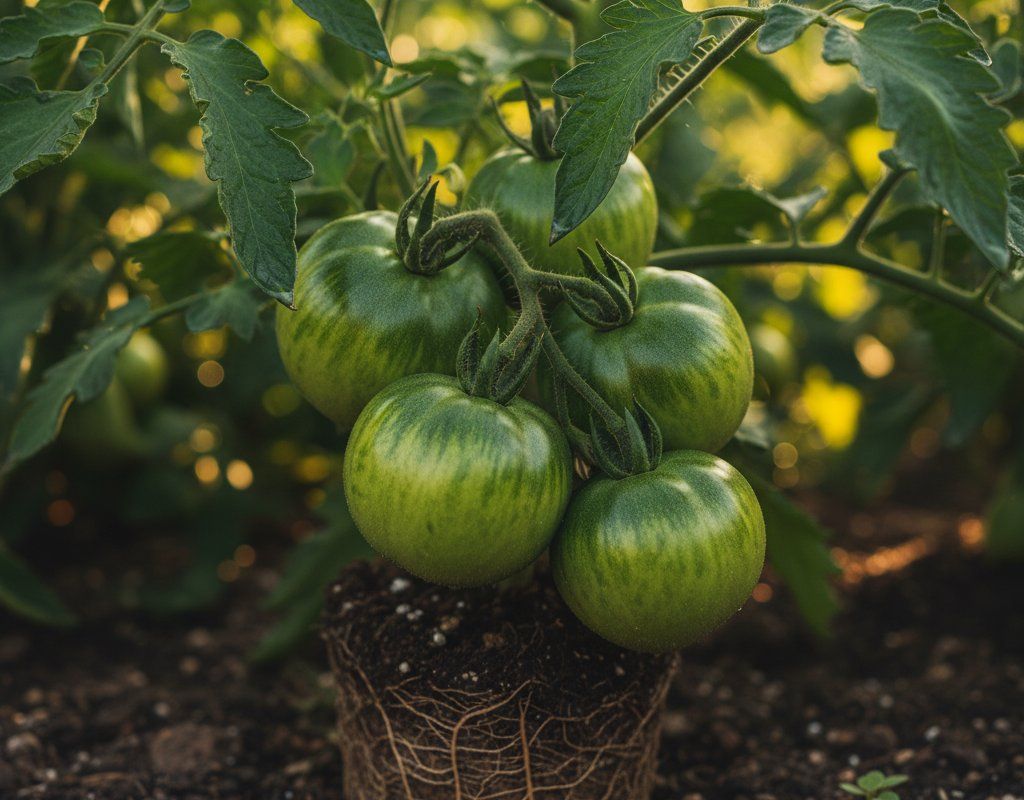
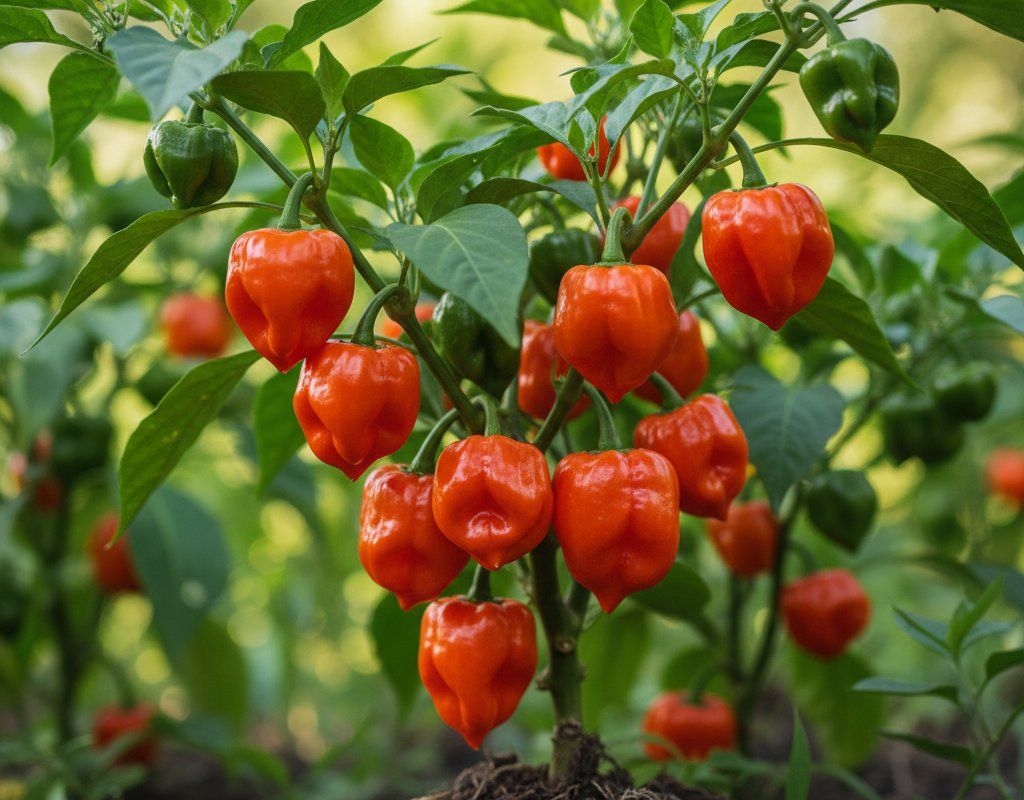
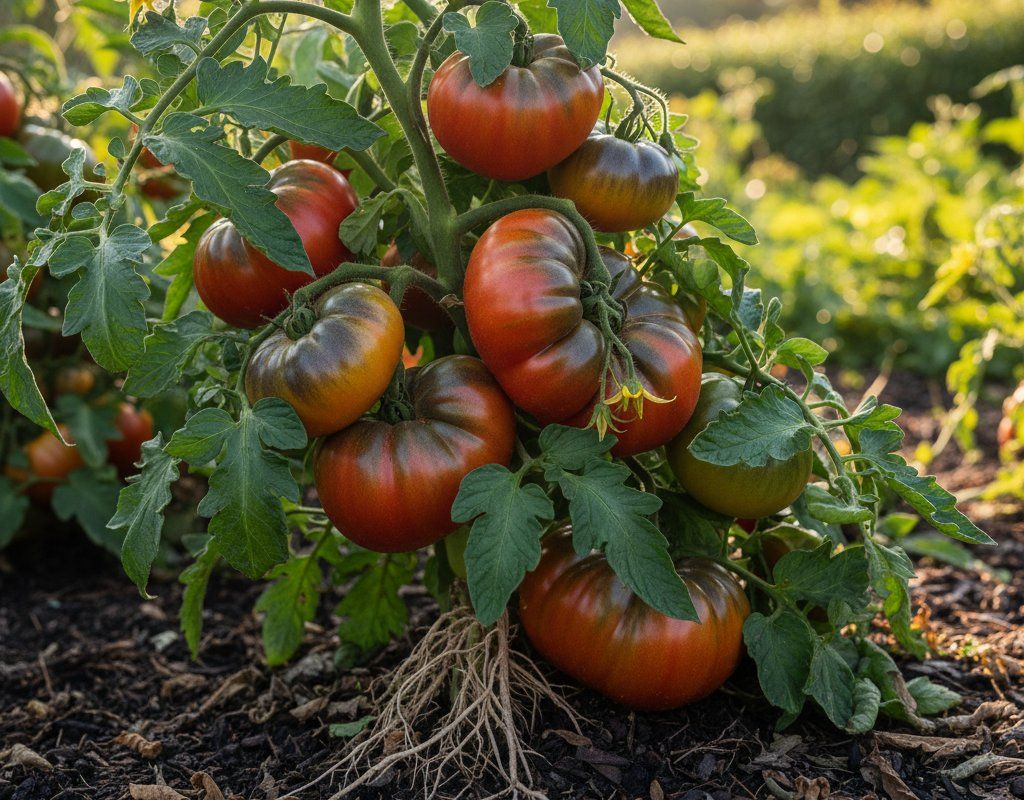
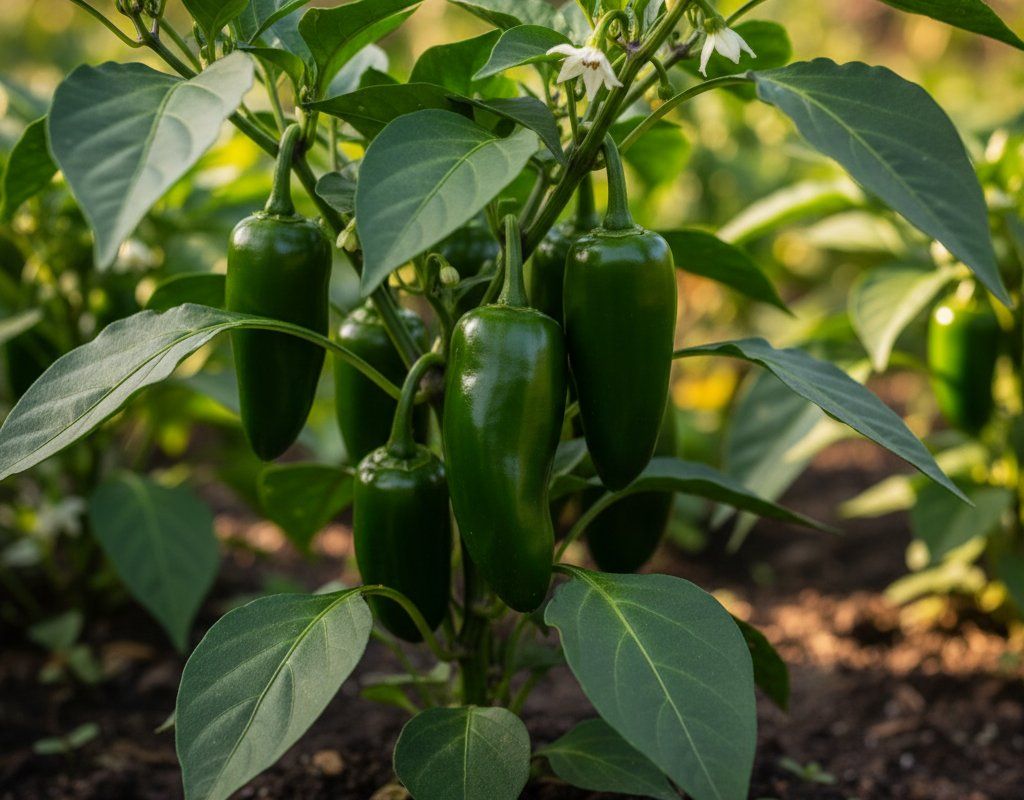

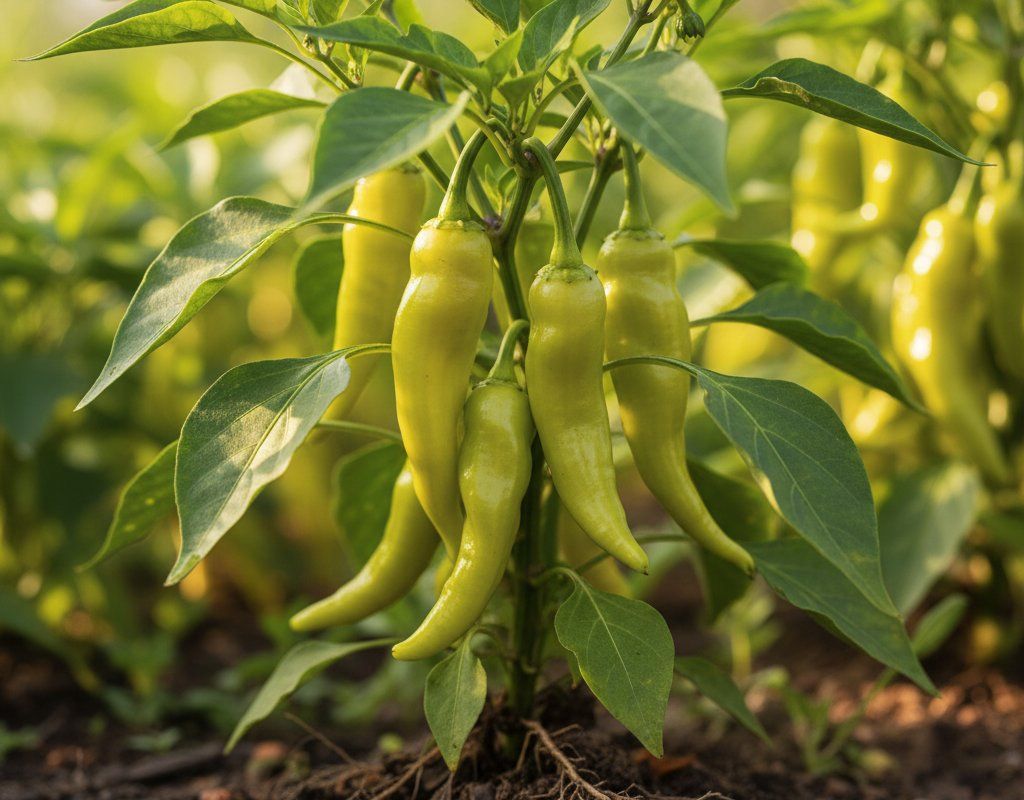
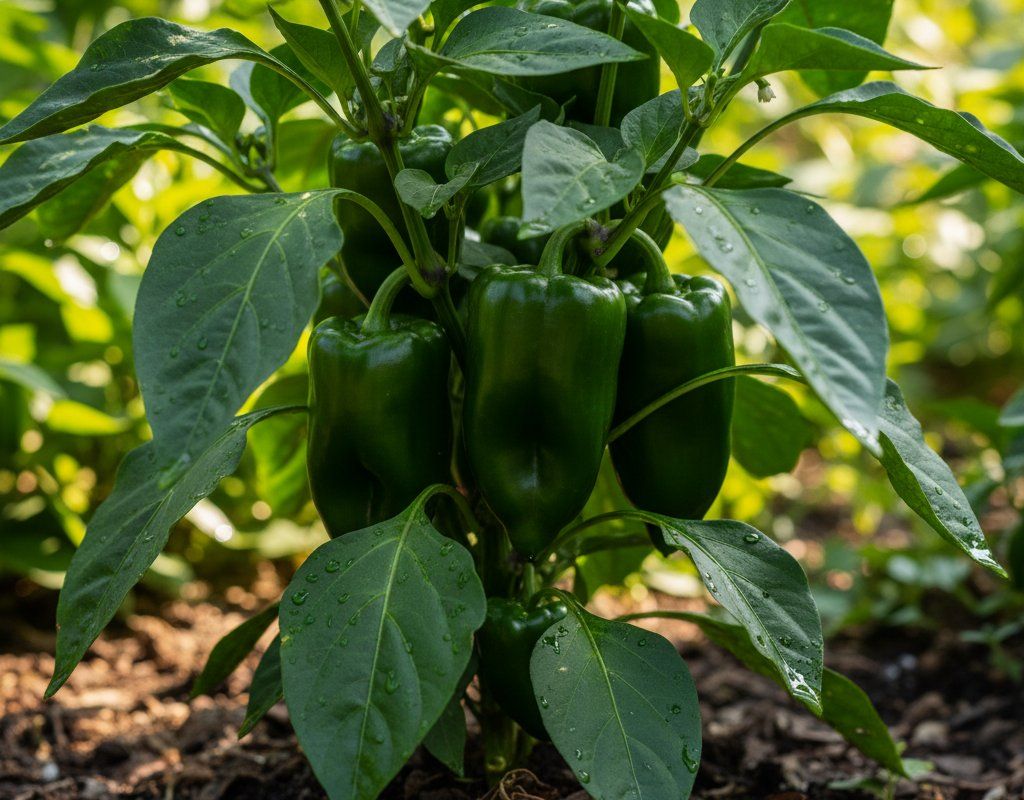

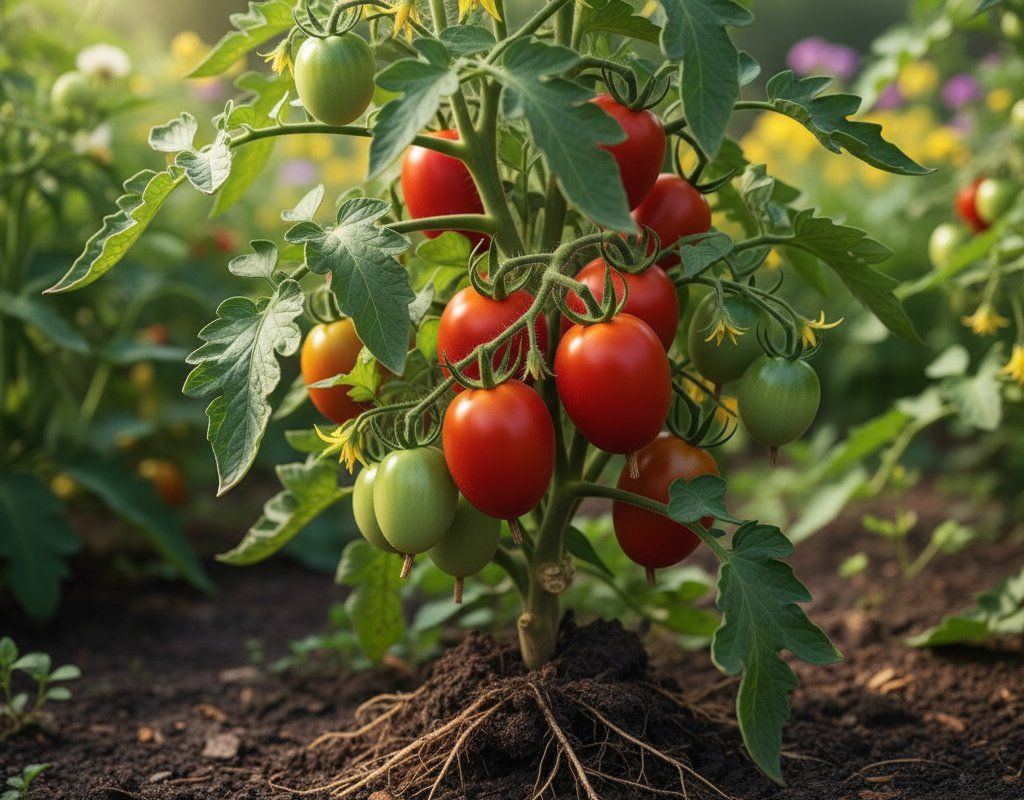
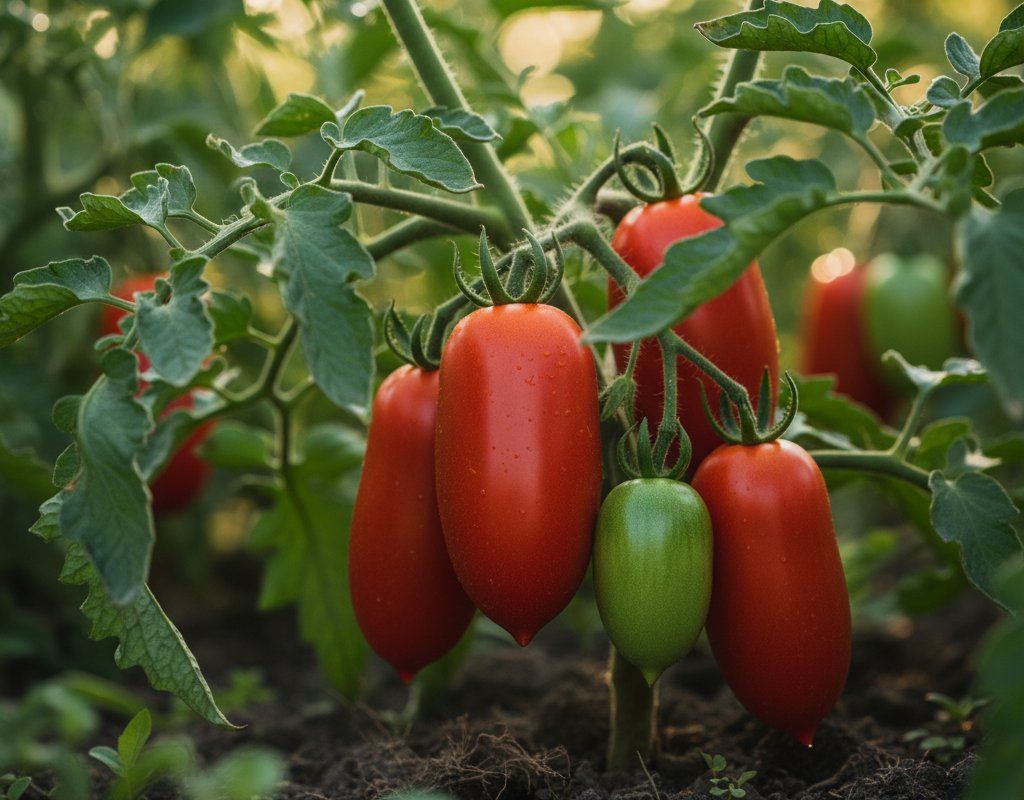
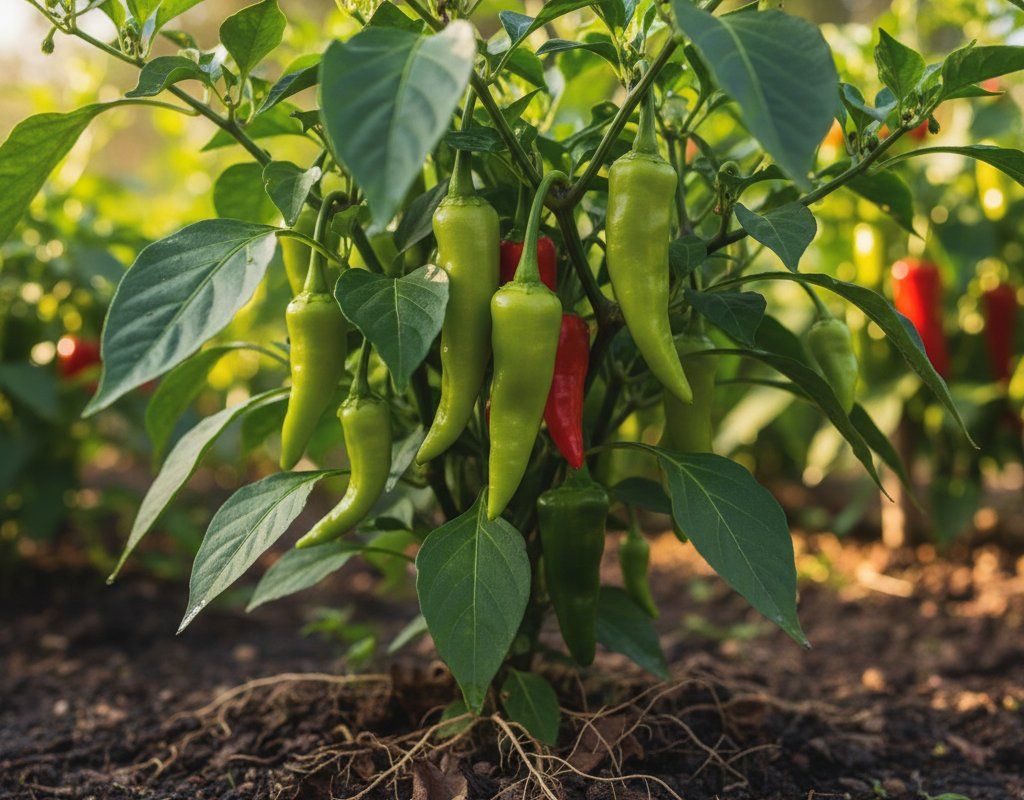
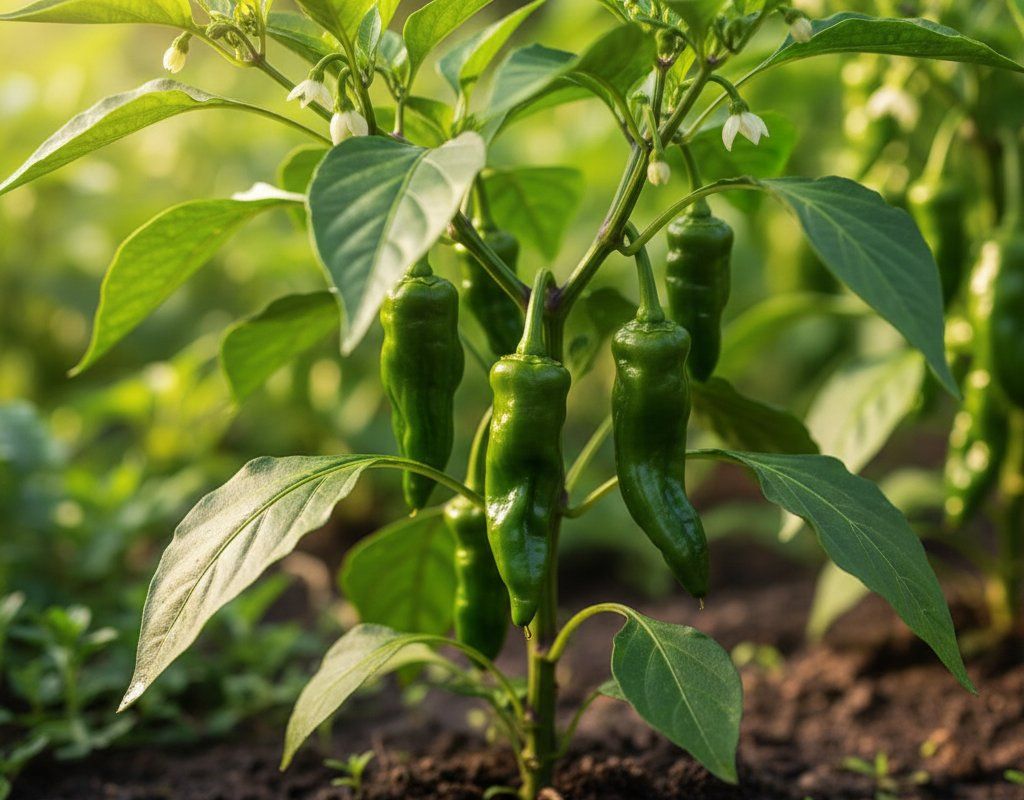


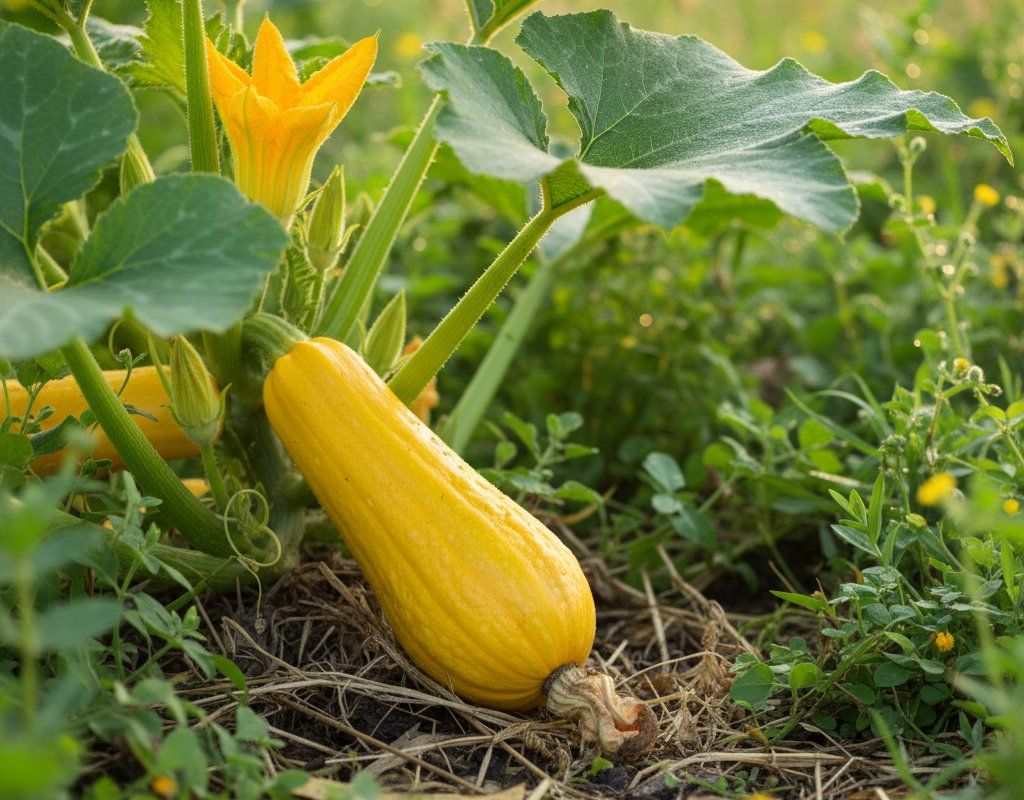
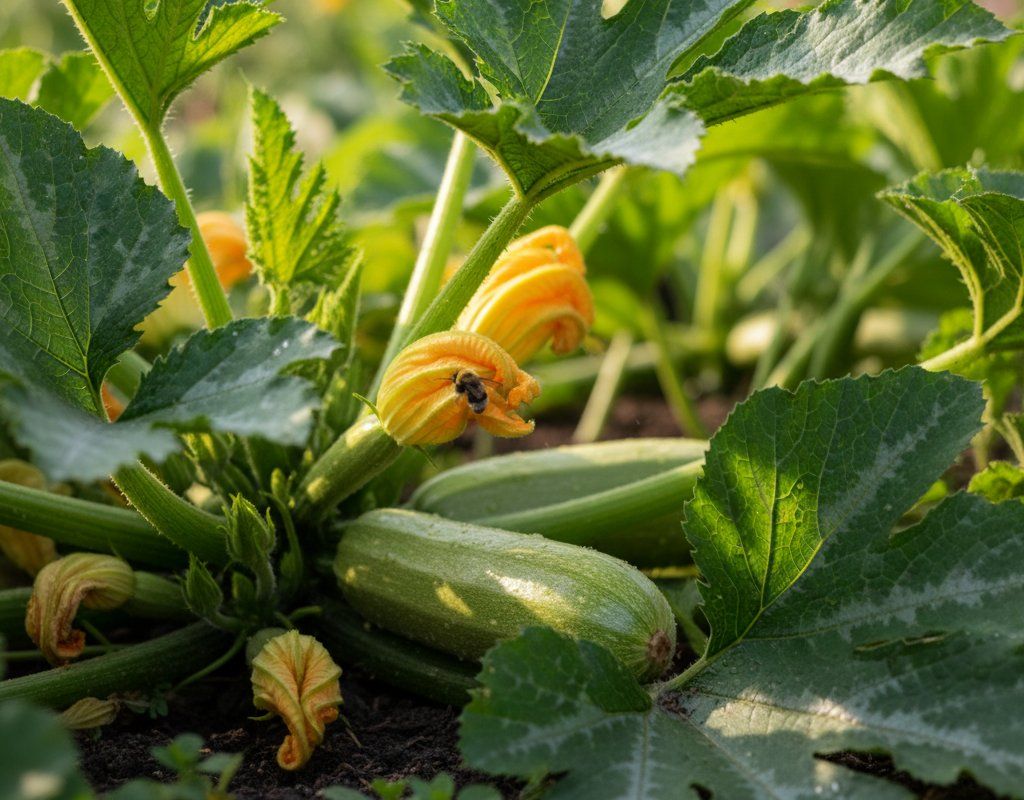
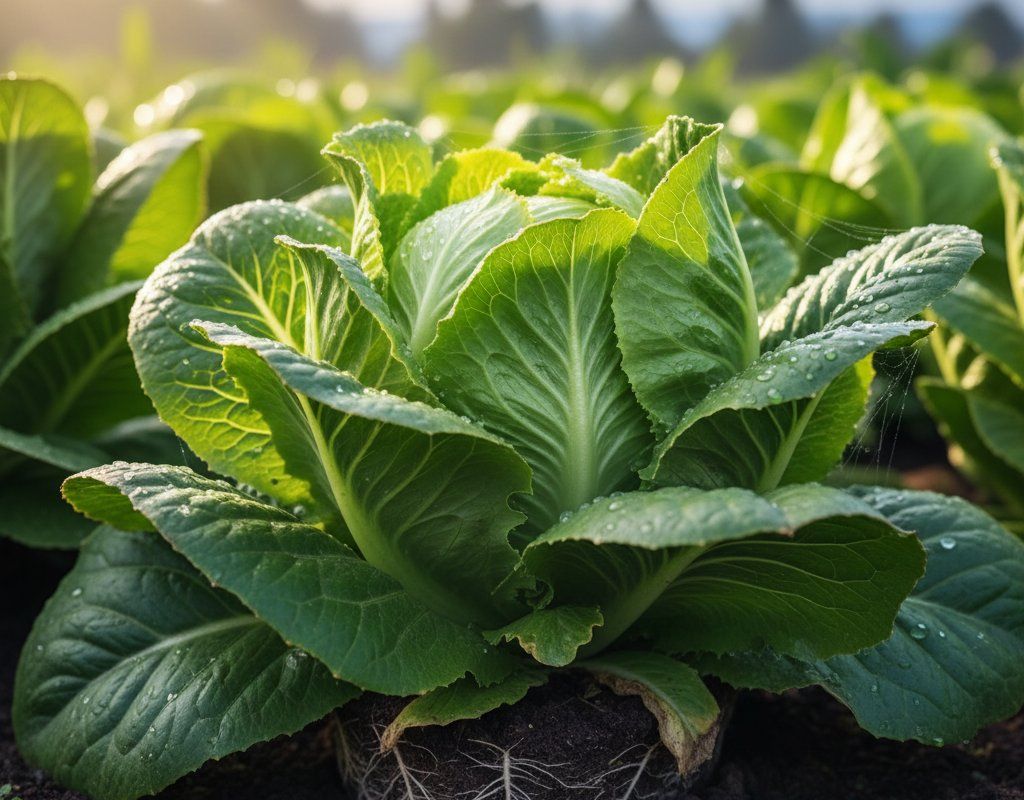
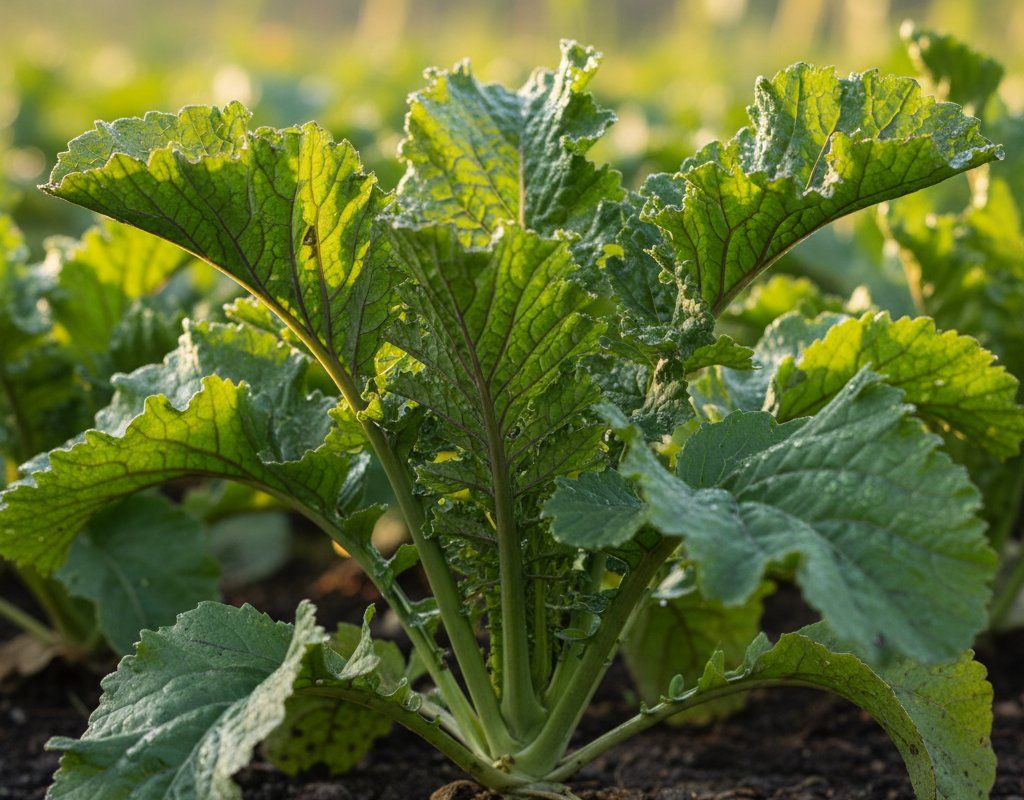
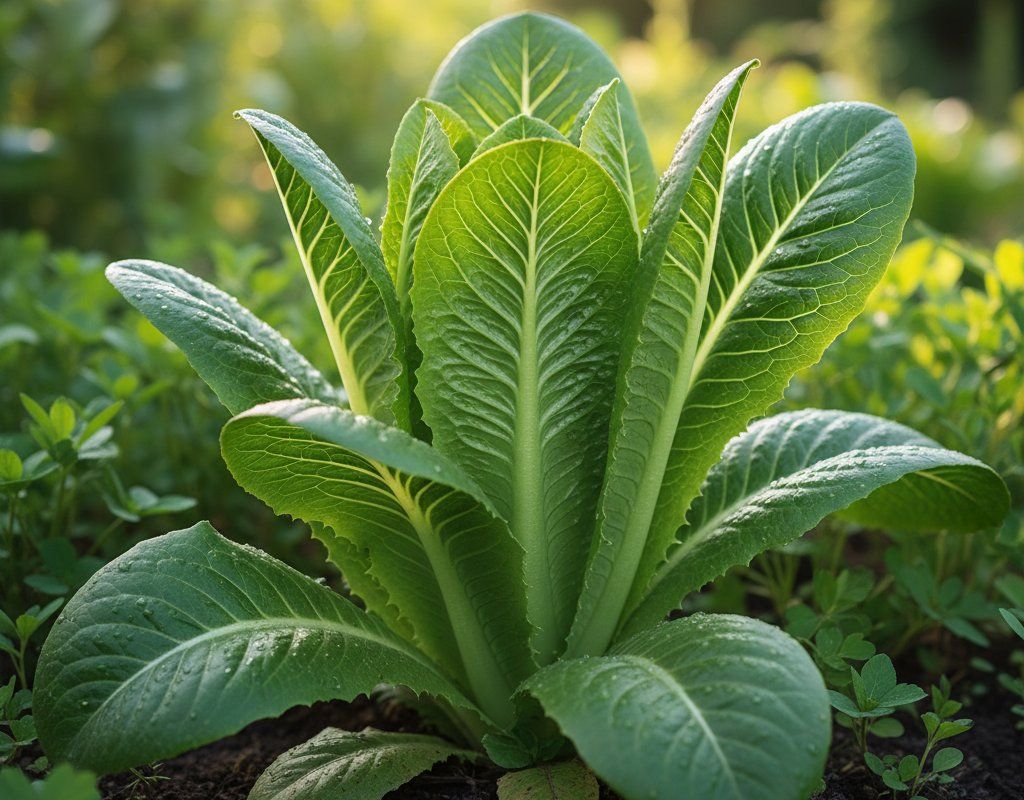
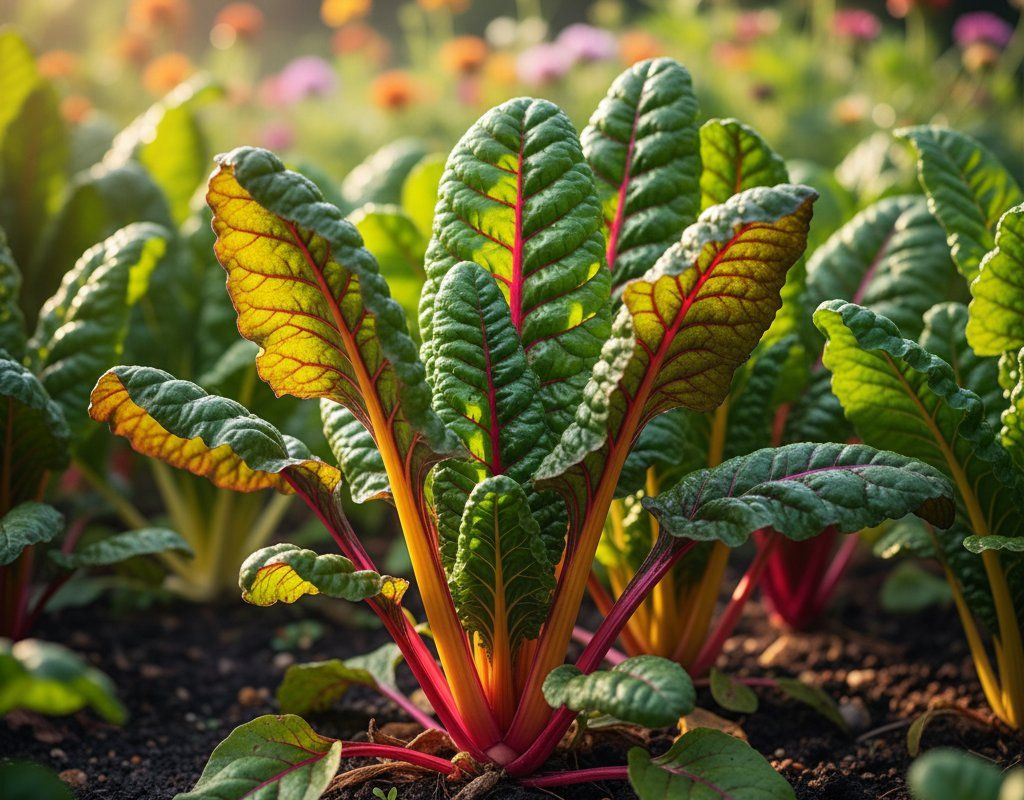
🥬Leafy Greens (9)
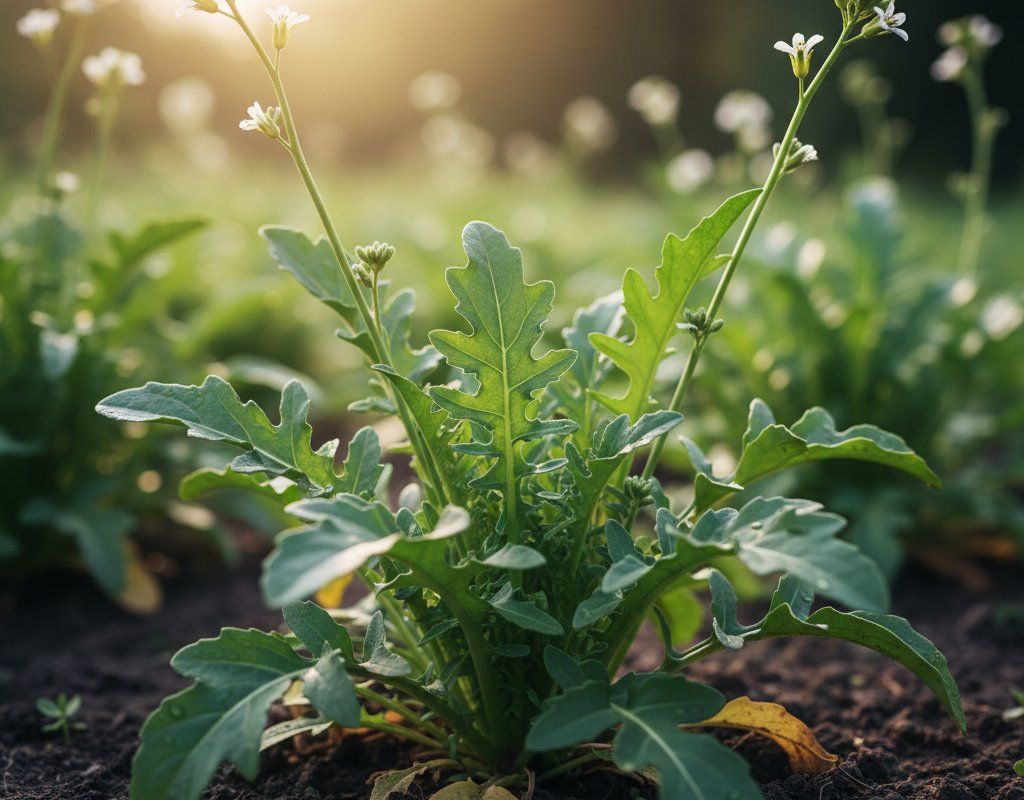

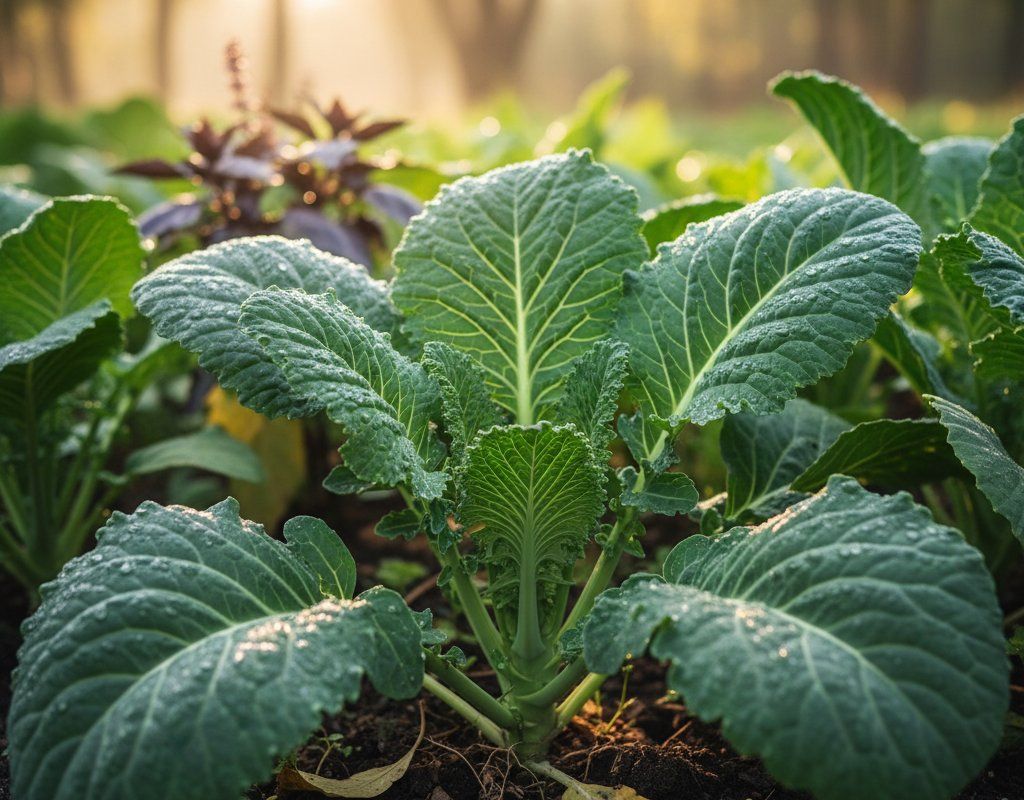


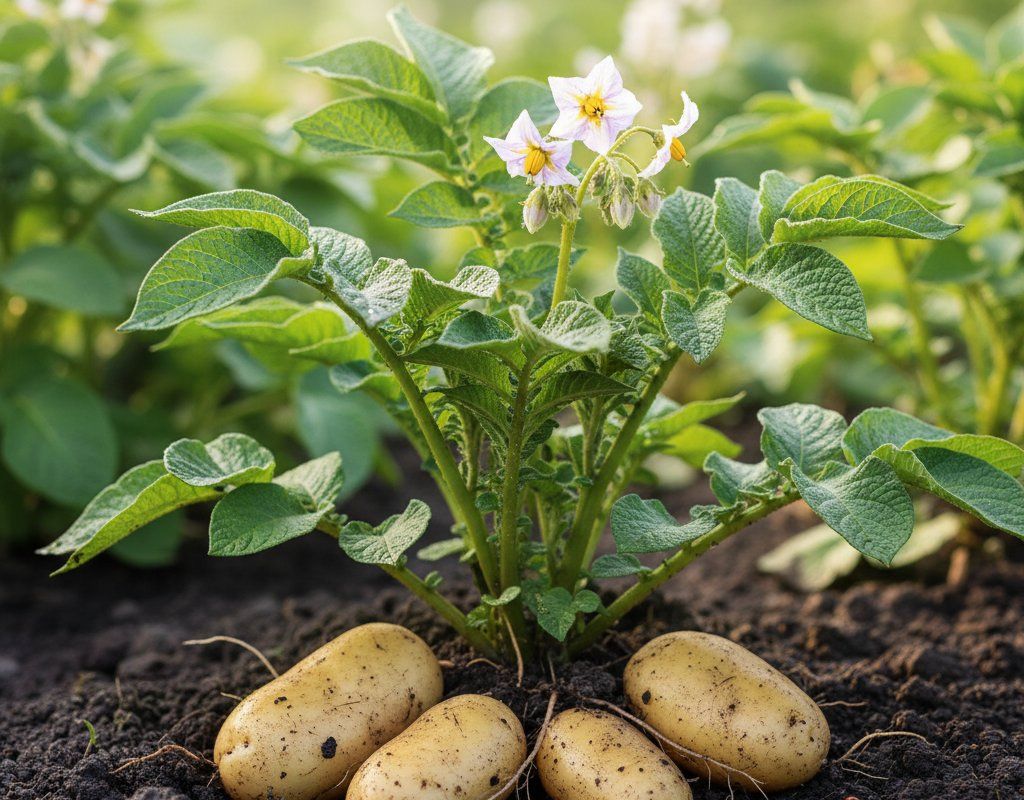
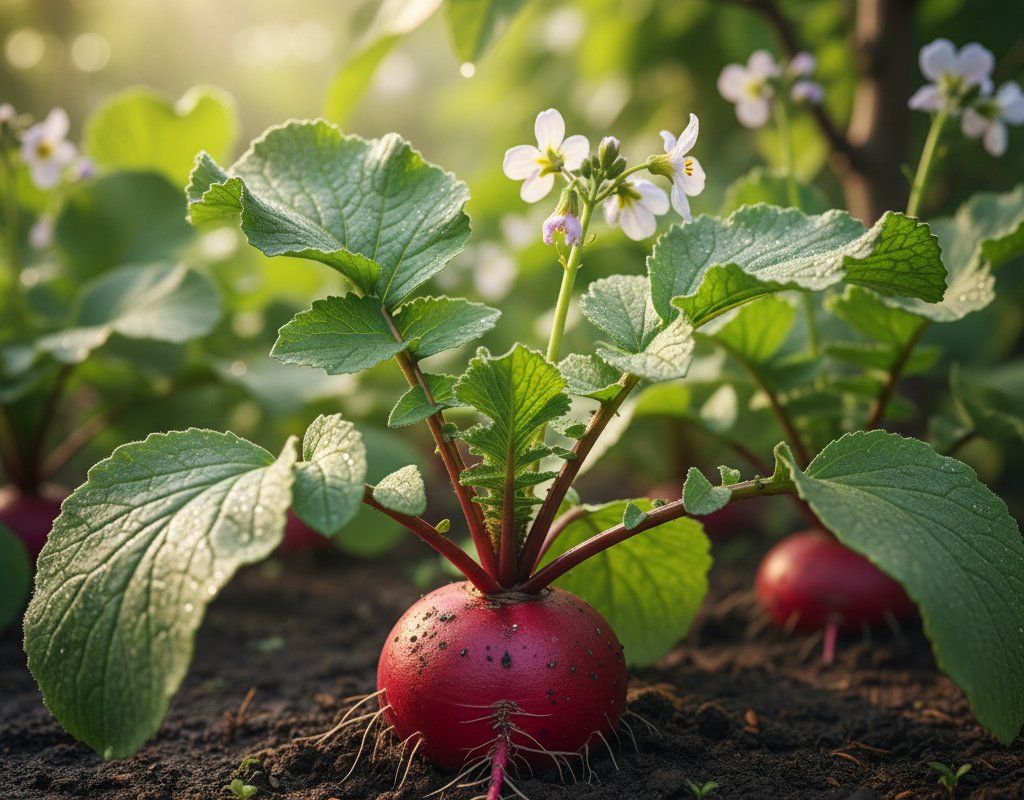
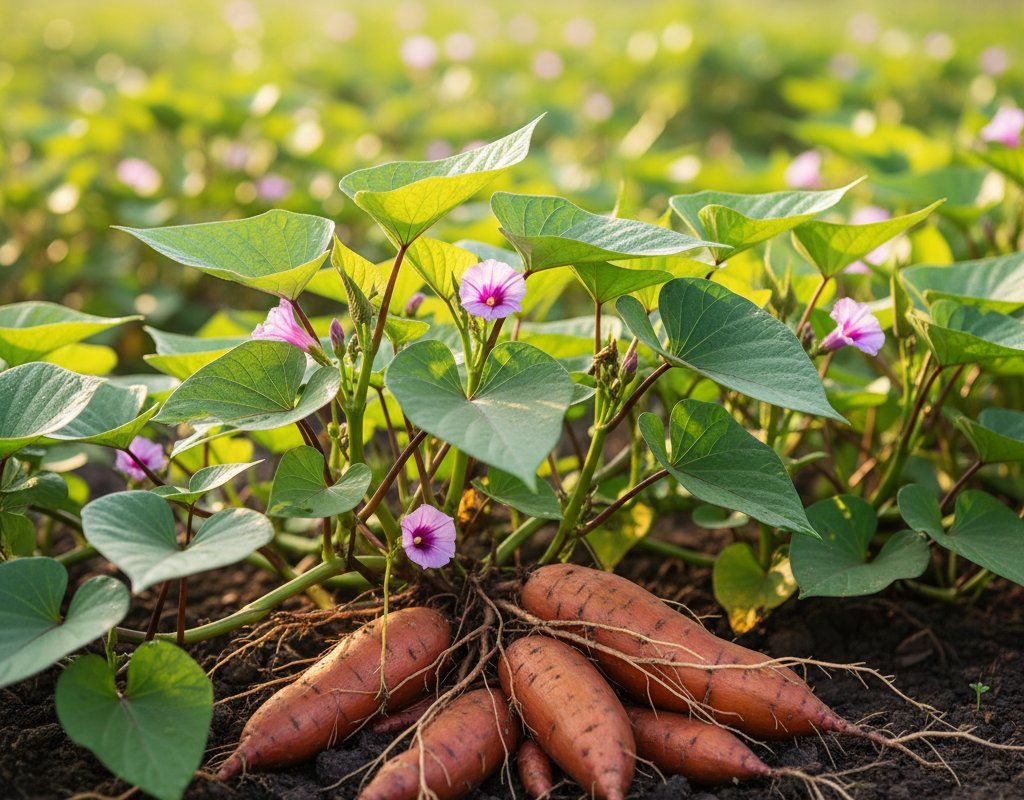
🥕Root Vegetables (5)


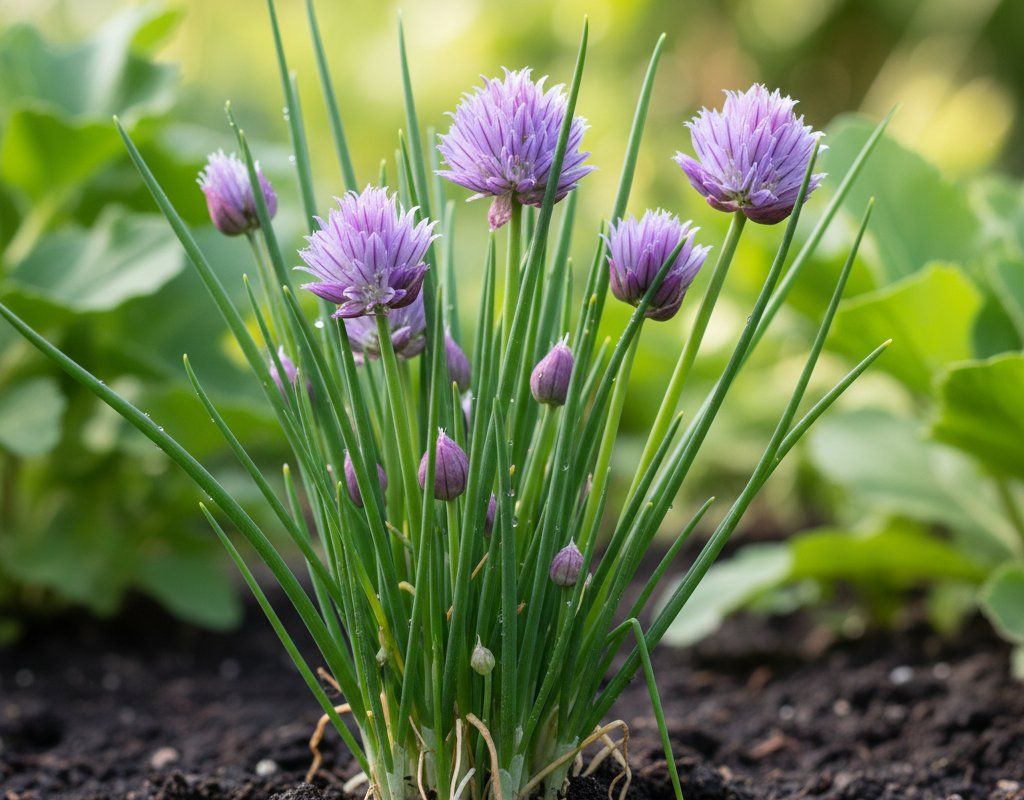
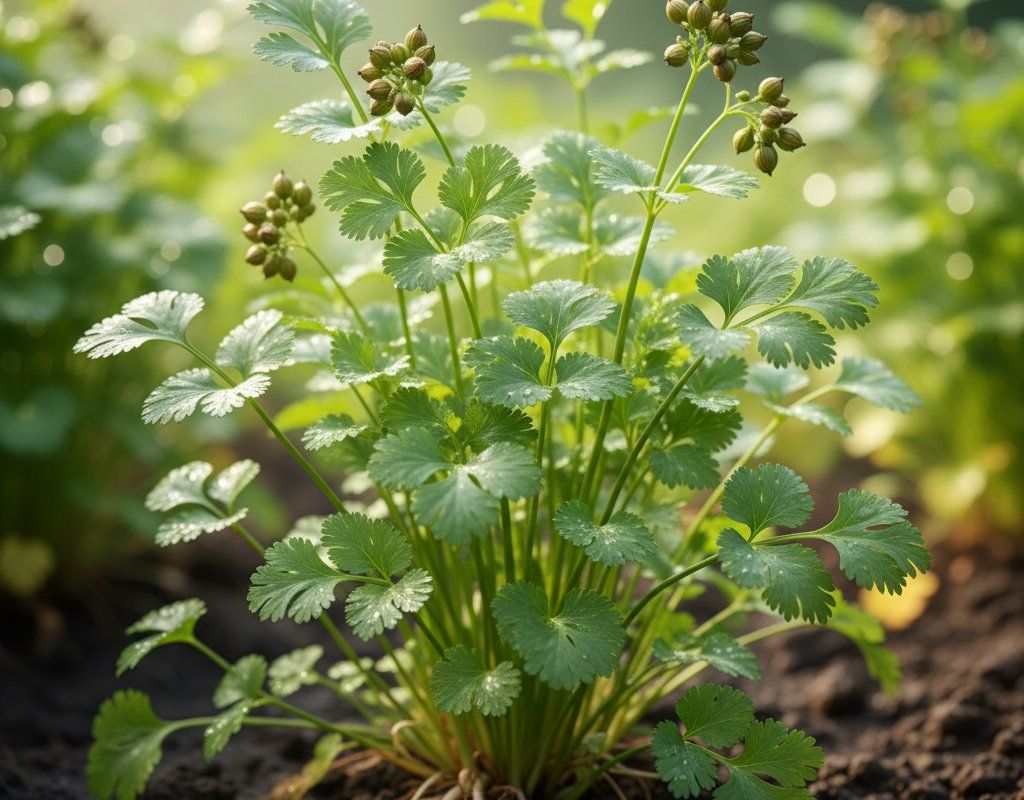
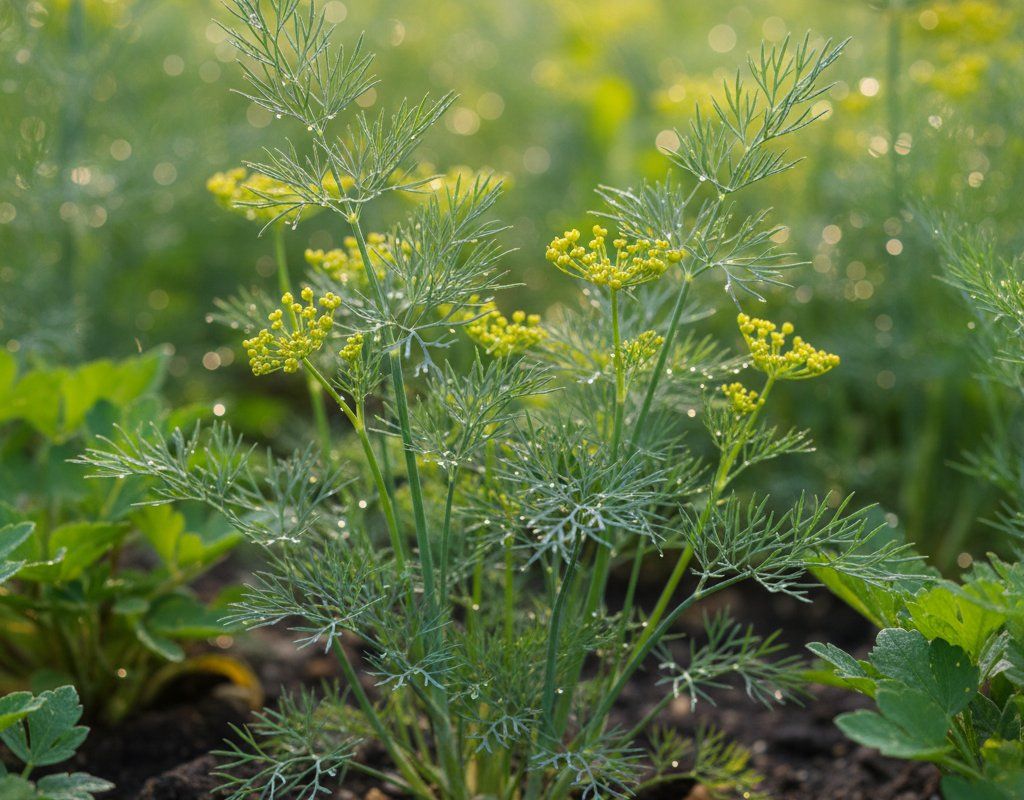
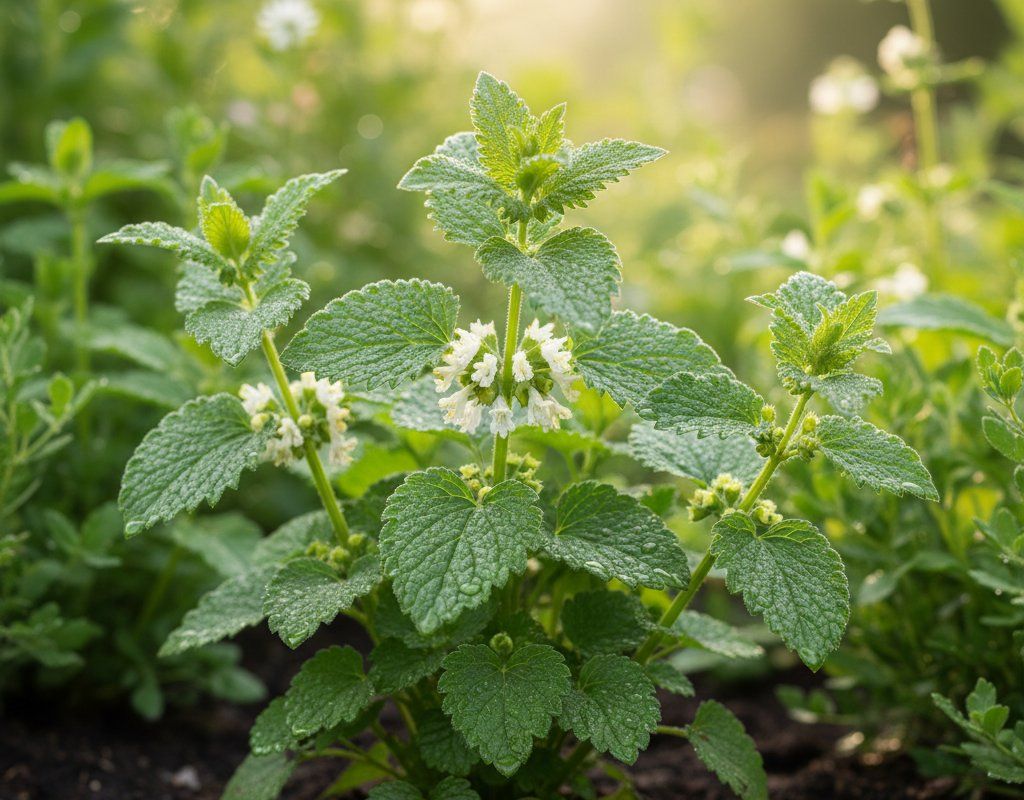
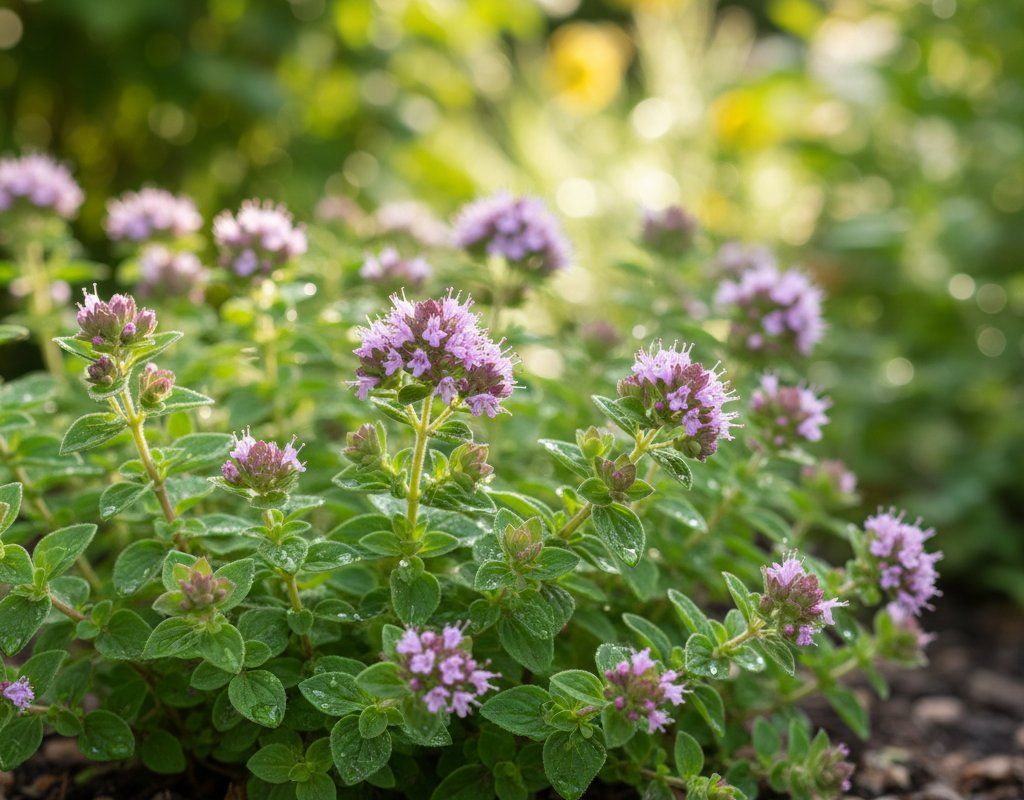
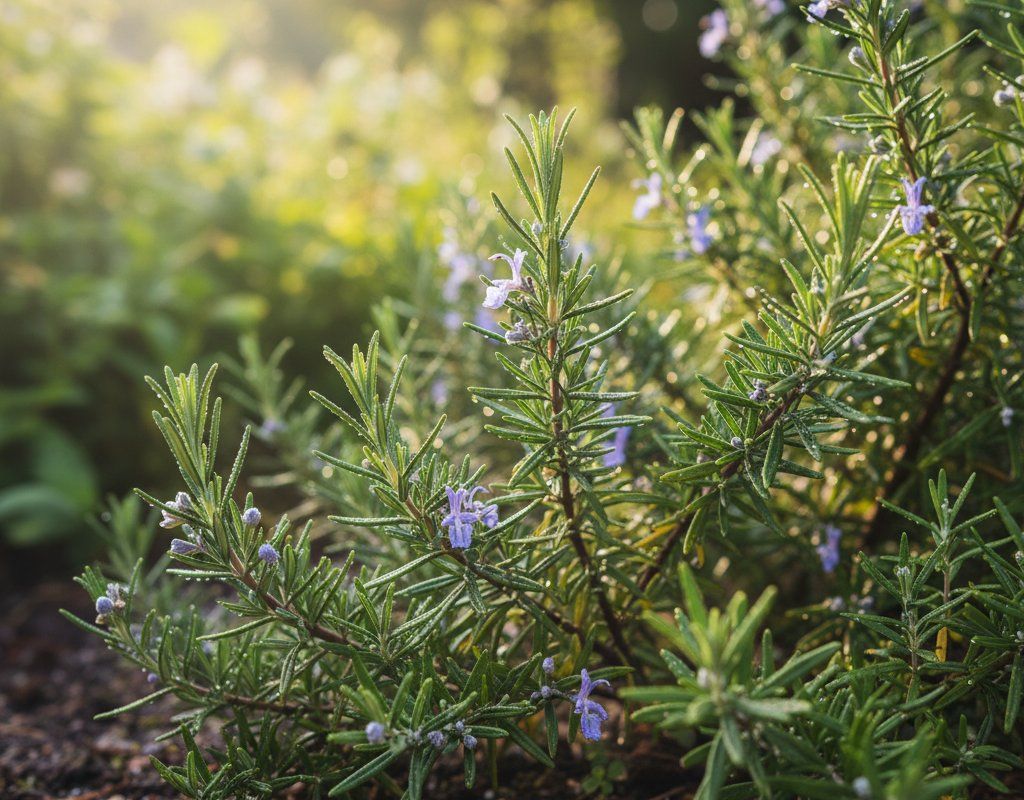
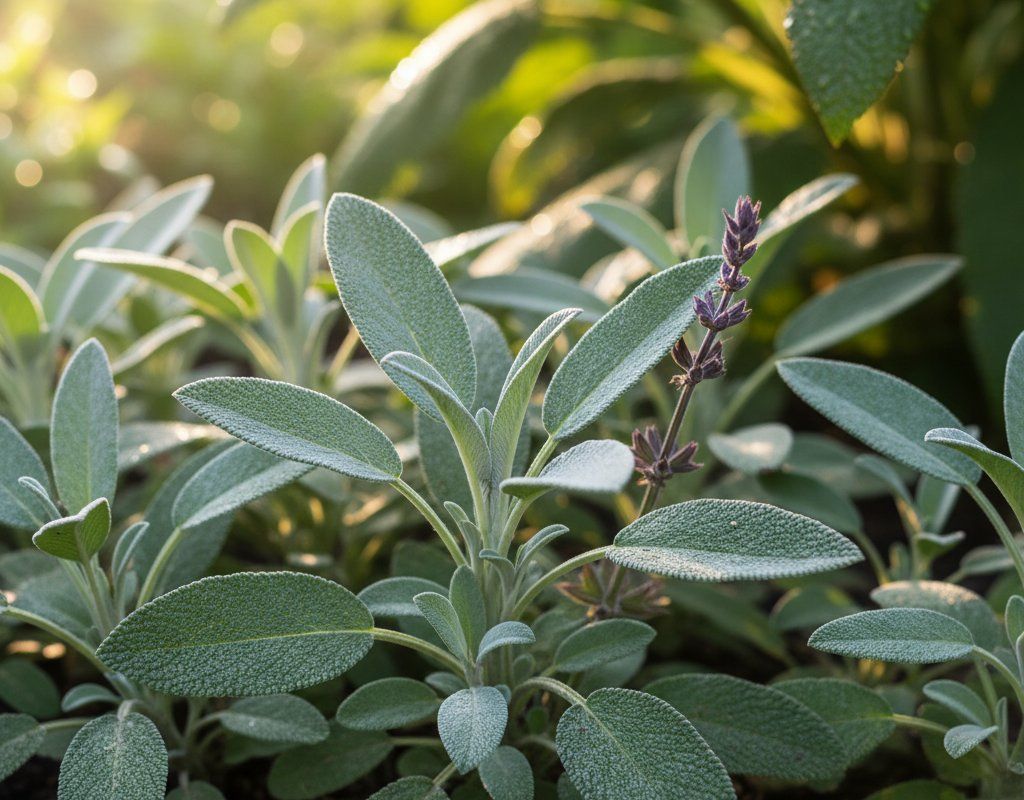
🌿Herbs (12)







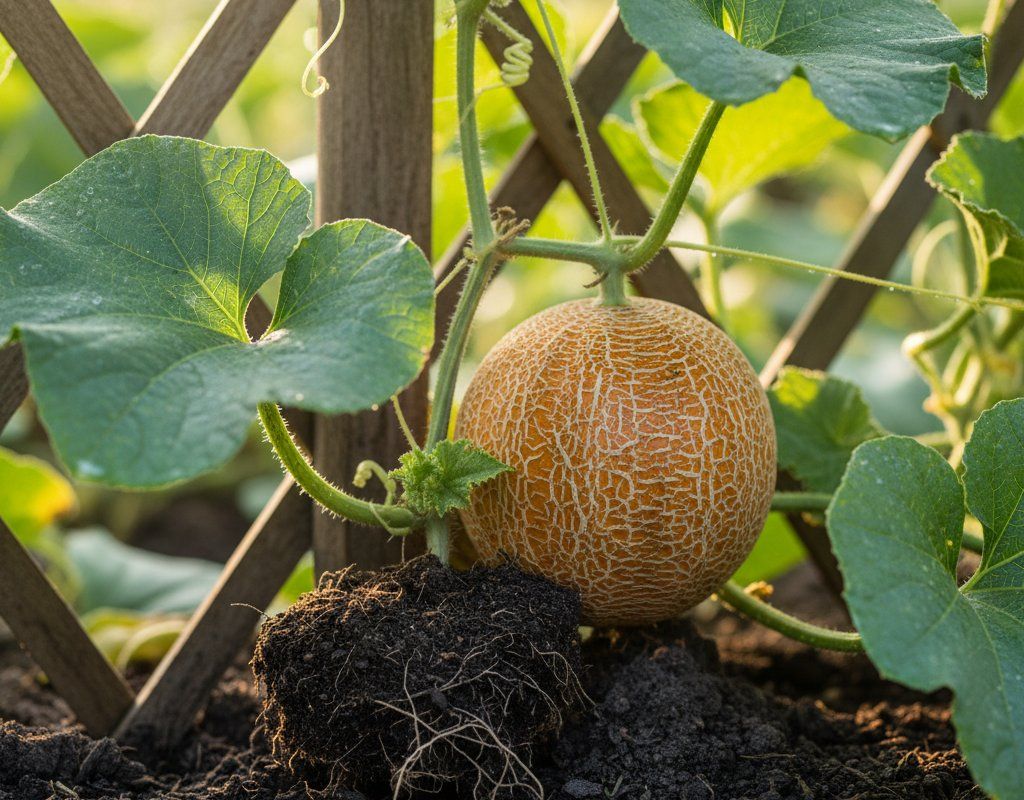
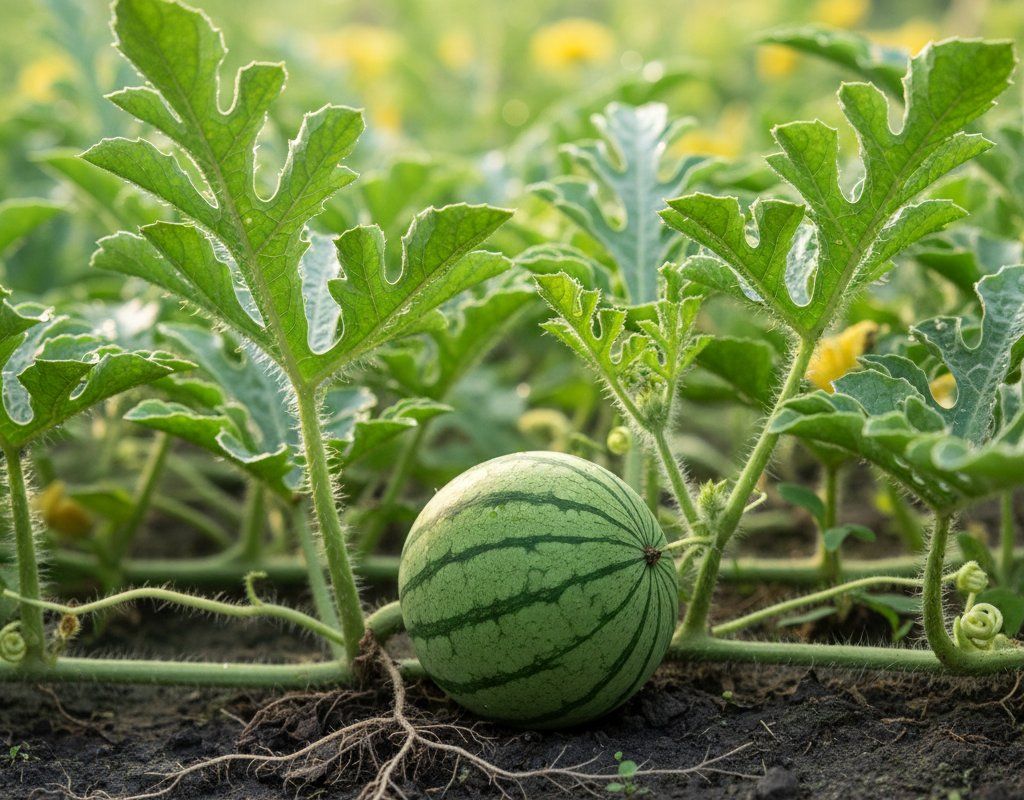
🍉Melons (2)
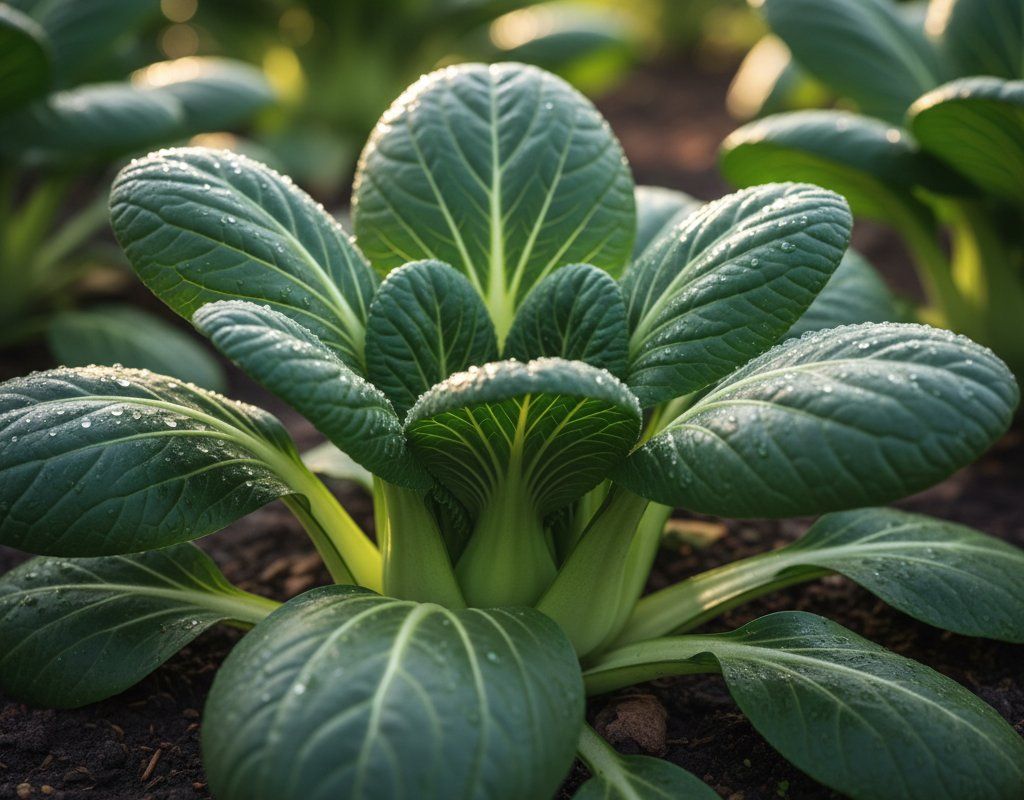
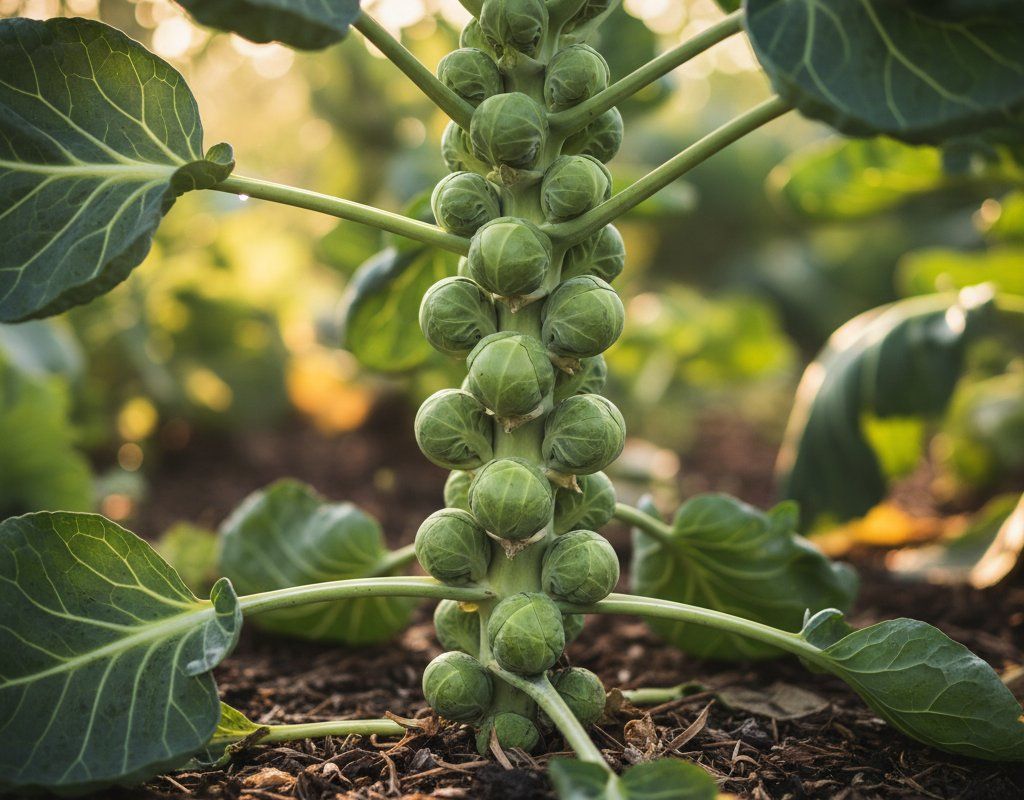
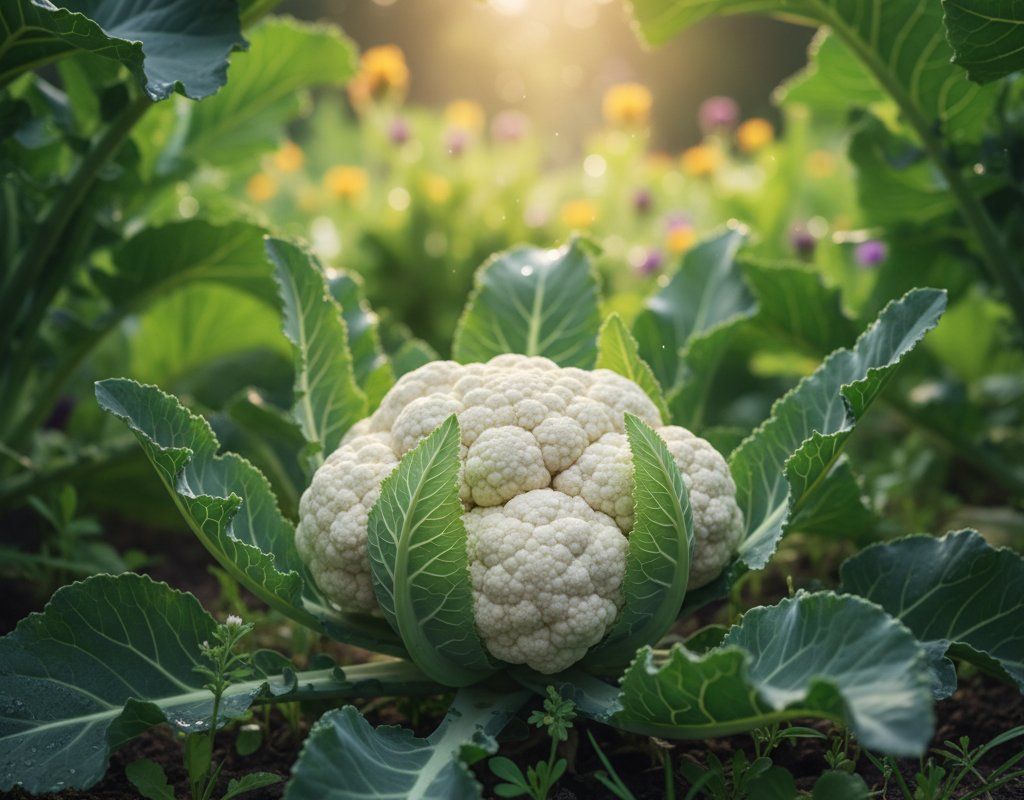
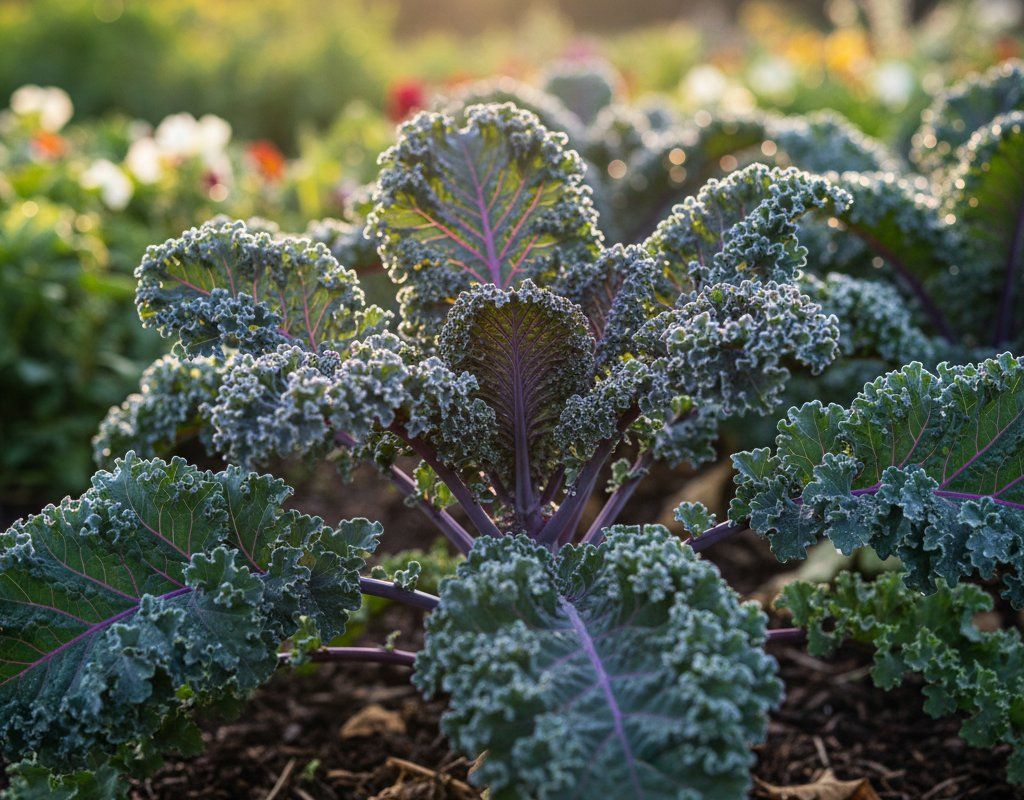
🥦Brassicas (6)


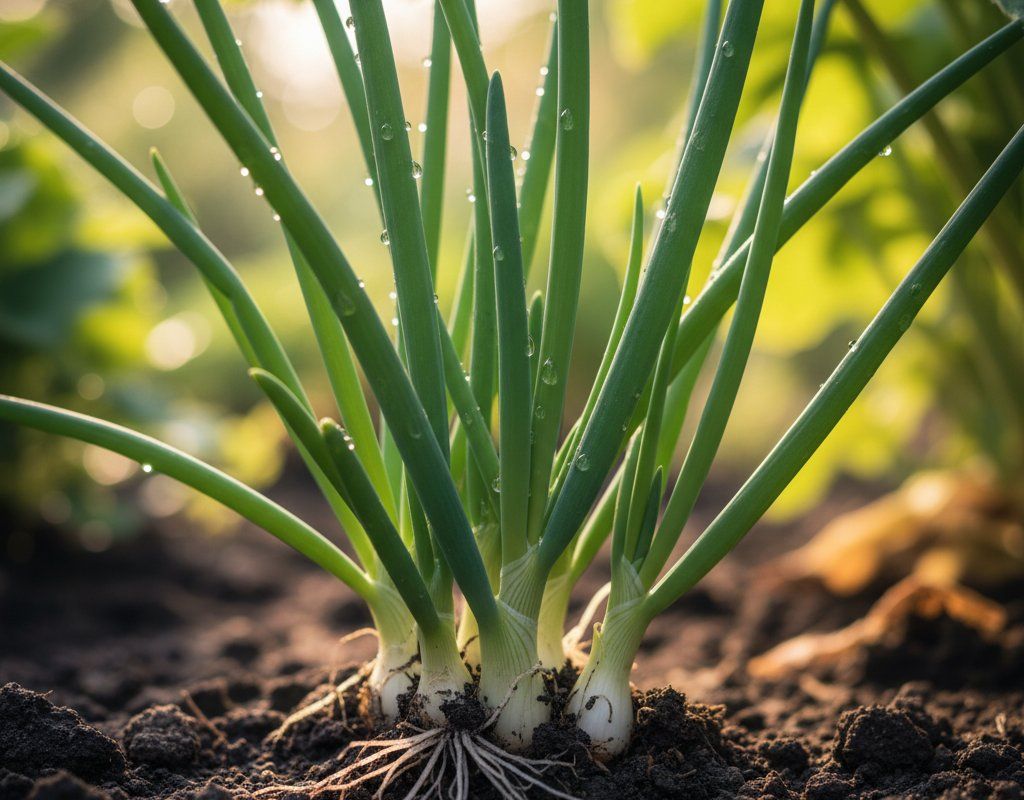
🧅Alliums (2)

🌽Grains (1)

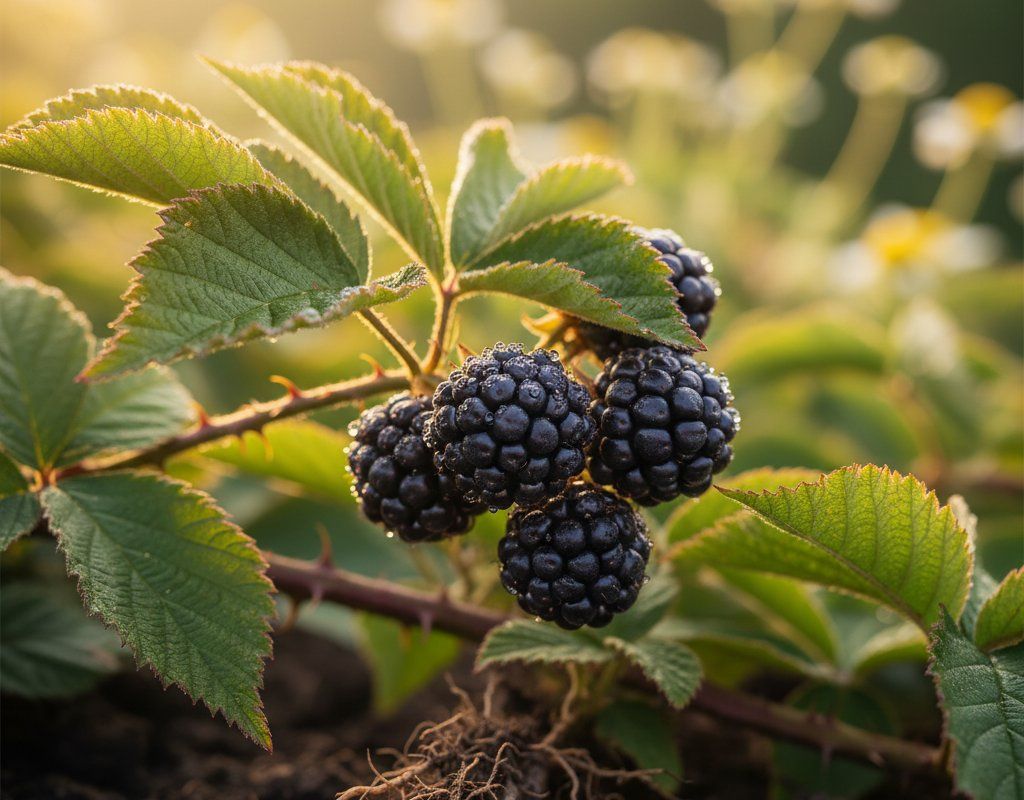

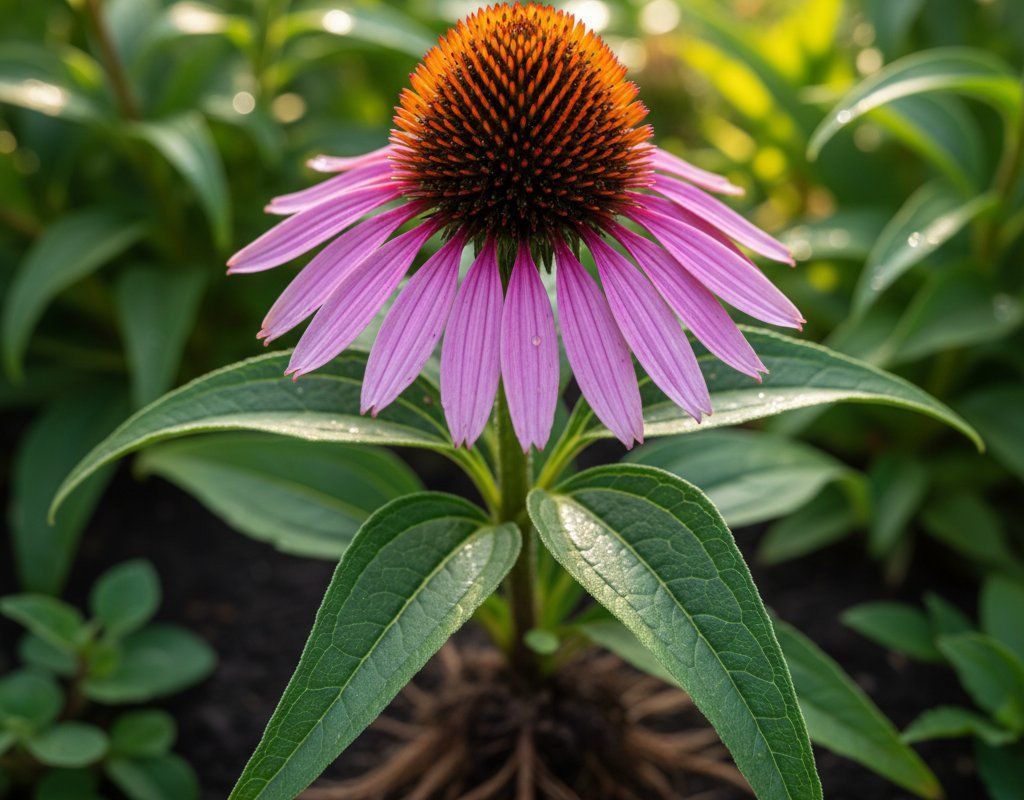
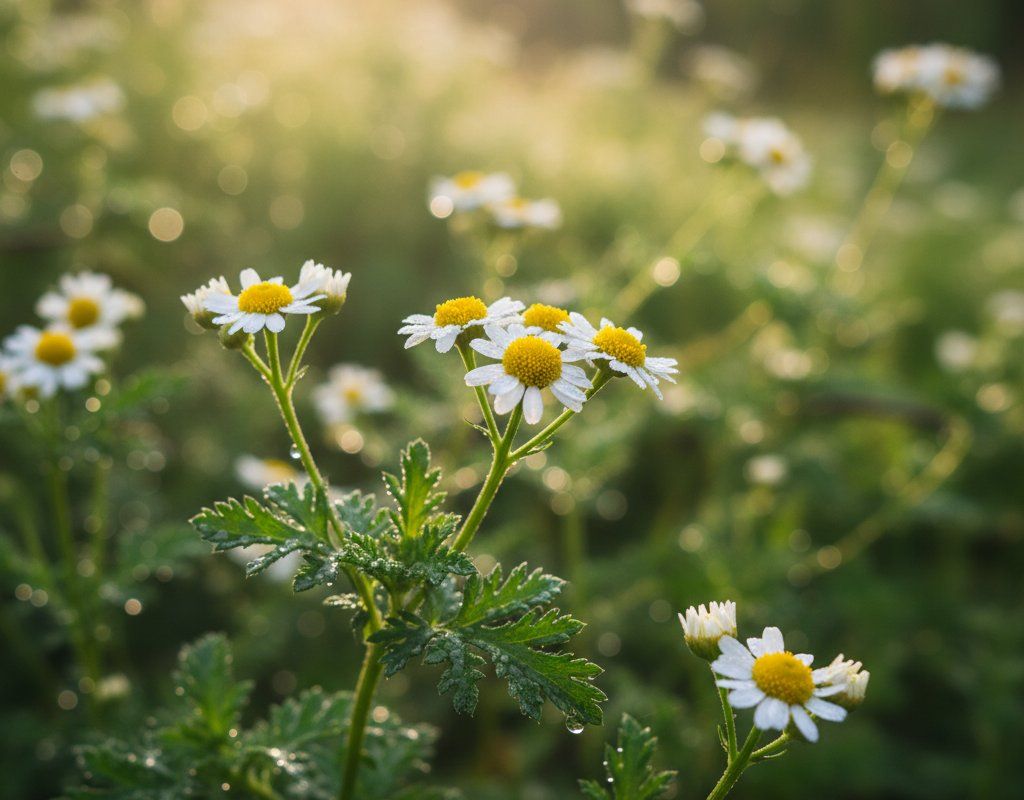
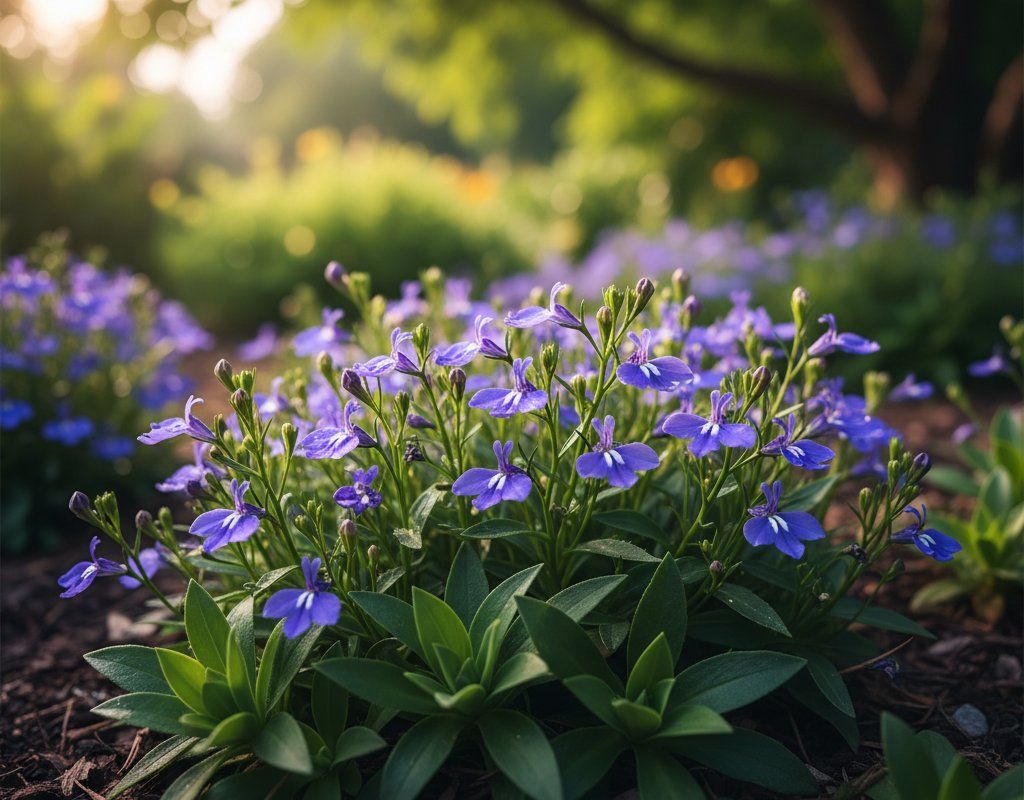
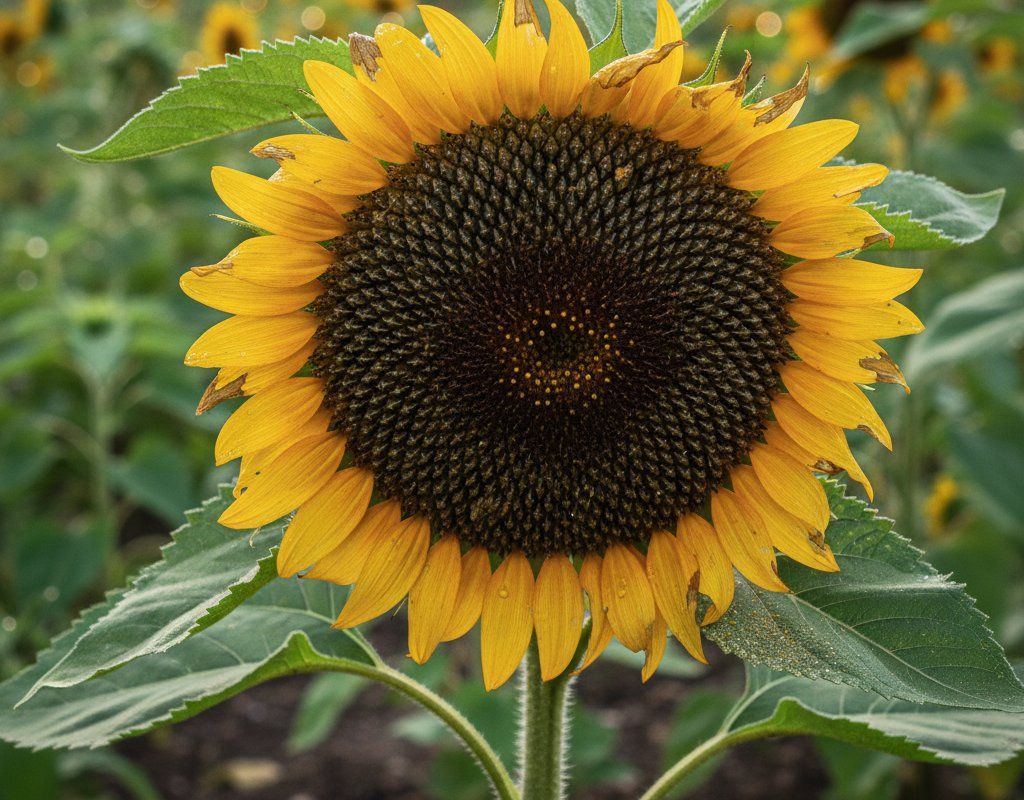
🌸Companion Flowers (20)













Month-by-Month Planting Calendar
What to do each month in your Zone 7B garden.
In January, Zone 7B gardeners should focus on seed ordering, garden planning, and preparing your indoor seed-starting setup. Order seeds early to ensure you get the varieties you want, and start mapping out your garden layout considering crop rotation and companion planting strategies.
February is your prep month for early spring planting. Start seeds indoors for cool-season crops like broccoli, cauliflower, and cabbage, and prepare your garden beds by adding compost and checking soil temperature for potential early plantings.
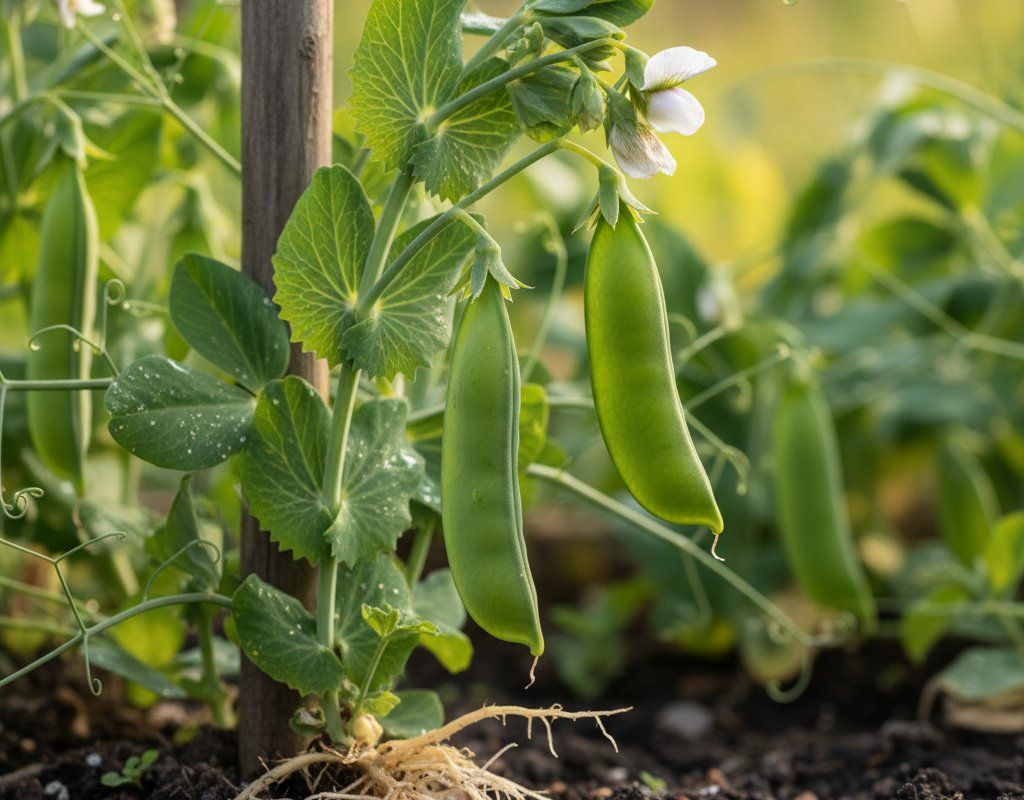
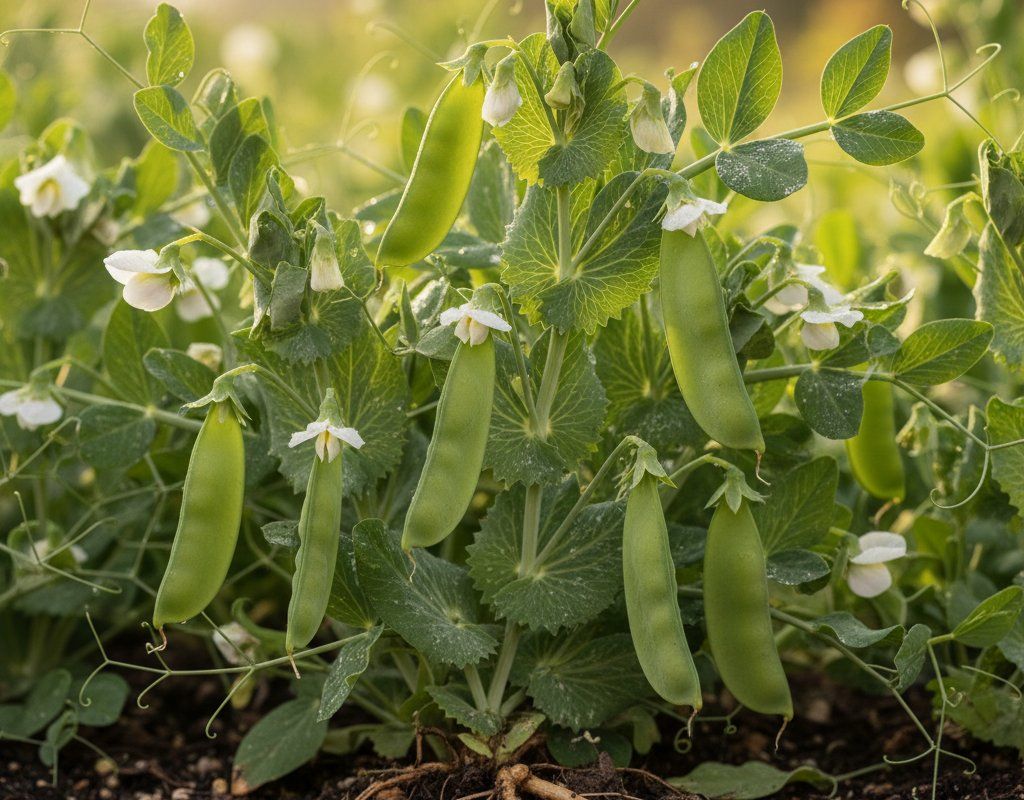
March brings exciting transition time in Zone 7B. Begin direct sowing cool-season crops like spinach, lettuce, and peas, and continue indoor seed starting for warm-season vegetables. Watch for your last frost date and be prepared to protect tender plants if a cold snap occurs.
April is prime planting season in Zone 7B. After your last frost, you can start setting out tomato and pepper transplants, direct sow beans and corn, and continue planting quick-growing salad greens. Mulch beds and set up irrigation systems.
May means full garden momentum in Zone 7B. Plant heat-loving crops like cucumbers, squash, and melons, continue succession planting of leafy greens, and monitor for early summer pests. Your garden will start looking lush and promising.
June is peak summer gardening in Zone 7B. Focus on consistent watering, providing shade for sensitive crops, harvesting early vegetables, and managing pest pressure. Continue succession planting of heat-tolerant crops like beans and herbs.
July demands heat management in your garden. Provide afternoon shade for vegetables, mulch heavily, water deeply and early in the morning, and harvest frequently. Continue planting heat-loving crops and short-season vegetables.
August is about maintaining your garden through intense heat. Keep vegetables well-watered, harvest regularly, and start planning your fall garden. Begin seeding fall crops like kale, Swiss chard, and root vegetables.
September brings relief and excellent growing conditions. Plant your fall vegetable garden, including leafy greens, root crops, and brassicas. Continue harvesting summer crops and prepare beds for winter.
October is a beautiful transition month in Zone 7B. Finish harvesting remaining summer crops, plant garlic and overwintering onions, and clean up spent garden beds. Begin protecting sensitive plants from potential early frosts.
November means garden cleanup and winter preparation. Remove spent plants, add compost to beds, plant cover crops, and protect any remaining herbs or late-season vegetables. Prepare your garden infrastructure for winter.
December is a quiet gardening month in Zone 7B. Review your garden notes from the past season, order seeds for next year, maintain garden tools, and plan next year's garden layout. Enjoy the winter garden rest.
Common Challenges in Zone 7B (Southeast)
Zone 7B provides roughly 207 frost-free days — almost seven months of growing. Summer heat stress is the primary challenge.
Extended periods above 95°F cause tomato and pepper blossoms to drop without setting fruit. Squash and cucumbers can wilt dramatically in afternoon heat even with adequate water.
Cool-season crops have a very narrow spring window before bolting. Fire ants become a garden nuisance from spring through fall.
On the upside, the mild winters make fall and winter gardening highly productive, and gardeners who learn to work with the heat rather than against it are rewarded with enormous harvests.
Season Extension Tips
In this zone, think of your garden as having three seasons: spring cool-season, summer warm-season, and fall/winter cool-season. Start cool crops in February for harvest before the heat arrives.
Warm-season crops go in mid-April. When tomatoes stop setting fruit in July heat, don't pull them — they'll resume production in September when nights cool down.
Start fall brassica and lettuce transplants in late July to early August (under shade cloth if needed to germinate). Winter crops like kale, collards, spinach, and carrots grow slowly but steadily through December and January with minimal protection.
Soil Preparation
Hot summers accelerate organic matter decomposition, so you need to add compost more frequently than in cooler zones — at least twice a year (spring and fall planting). Cover cropping is especially valuable: a summer cover crop of cowpeas or buckwheat adds nitrogen and organic matter during fallow periods.
Fall-planted crimson clover or Austrian winter peas do the same over winter. Mulch heavily in summer (4-6 inches) to keep soil temperatures manageable and reduce watering frequency.
Keep soil pH between 6.0-6.8 for most vegetables — test annually since hot-climate soils can shift faster.