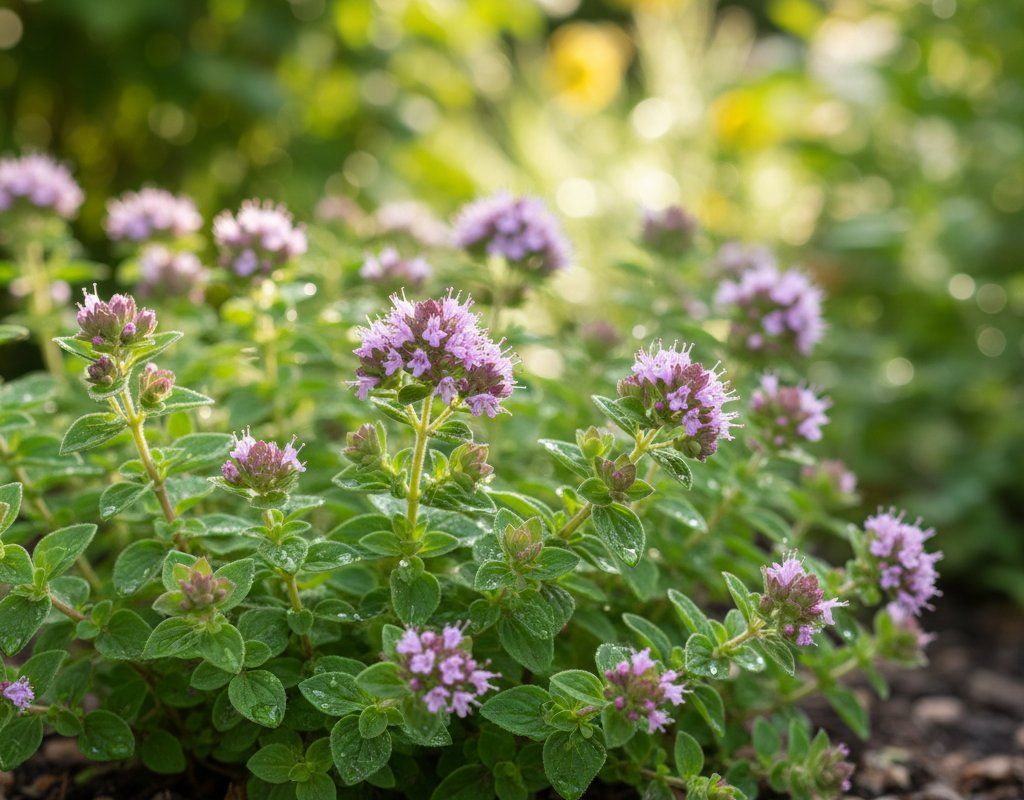
Oregano in Zone 6B — Midwest
Origanum vulgare · Your Complete 2026 Planting Guide
Missed Seed Starting? No Problem!
Wait for starts to become available.
What to Do
Starts will be available at nurseries in 42 days (around April 15).
How to Plant Oregano in Zone 6B — Midwest
Here are all your options for getting oregano in the ground, from the easiest method to more advanced approaches.
Buy Starts
RecommendedMid April through late May
around April 15
Plant purchased starts after last frost (April 15).
Easy from seed but slow. Starts give faster results.
Start Seeds Indoors
Works WellMid February through early March
around February 18
Then transplant: Mid April through late May
Start seeds 8-10 weeks before transplanting outdoors.
Direct Sow Seeds
Works WellMid April through mid August
around April 15
Consider succession planting every 2-3 weeks for continuous harvest.
Transplant Outdoors
Timing InfoMid April through late May
around April 15
Can tolerate light frost, but wait for soil to be workable.
You have a nice window — no need to rush.
Overview
Oregano is one of those Midwest garden treasures that rewards you season after season. Fresh oregano has that bright, aromatic punch you just can't get from the dusty stuff in the spice rack – and it thrives in our fertile soil and warm summers. This spreading herb loves our summer heat spells and keeps producing flavorful leaves right through the first frost, giving you months of fresh harvest for pizza sauce, marinades, and those hearty fall dishes.
The Midwest's variable spring and occasional late frosts might make you cautious about getting started, but oregano's hardy nature makes the timing forgiving. With our solid 183-day growing season, you have plenty of time to establish plants and enjoy multiple harvests. Whether you start from seed or transplants, oregano adapts well to our clay soil and summer weather patterns.
Starting Seeds Indoors
Starting oregano from seed indoors gives you complete control, though it's honestly the slow route. In the Midwest, you'll want to start seeds in mid-February through early March, about 8 weeks before you plan to transplant outside. Our moderate-to-late spring start means you have time to get sturdy seedlings ready.
Set up seed trays with good potting mix in a warm spot – oregano seeds need consistent 70°F temperatures to germinate well. Use bottom watering to keep the soil evenly moist without disturbing those tiny seeds. A grow light helps during our still-short February and March days. Oregano seeds are small and germination can be spotty, so plant extra and expect to wait 10-14 days to see sprouts.
The main downside? Oregano seedlings grow slowly their first few weeks, and you won't get significant harvest until midsummer. If you want oregano for early cooking, transplants give you a head start while your seedlings catch up.
Transplanting Outdoors
Transplanting oregano works beautifully in the Midwest once you get past the risk of late frost. Plan to move your plants outside from mid-April through late May, depending on how the spring shapes up. Watch the forecast and wait until nighttime temperatures stay consistently above 40°F – oregano handles cool weather but grows much better with warmth.
Spend a week hardening off your transplants by gradually exposing them to outdoor conditions. Start with a few hours of morning sun, then work up to full days outside. This prevents transplant shock when you move them to their permanent spots. Space plants 12-18 inches apart to give them room to spread – oregano fills in quickly once established.
Our spring weather can throw curveballs with sudden temperature swings, so keep row cover handy for unexpected chilly nights. The good news is oregano bounces back quickly from minor cold stress, and once it's established in our fertile soil, it takes off during those first warm spells.
Direct Sowing
Direct sowing oregano works fine in the Midwest, though you'll need patience for germination and early growth. You can sow from mid-April through mid-August, giving you flexibility to fill gaps in the garden or start a fall planting. The soil needs to be workable and warming up – aim for consistent 60°F soil temperatures.
Prepare a well-draining spot with loose soil. Our clay soil benefits from working in some compost to improve drainage, since oregano doesn't appreciate soggy roots. Scatter seeds thinly and barely cover them – oregano needs light to germinate. Keep the area consistently moist until seedlings emerge, which takes 10-14 days in good conditions.
The challenge with direct sowing is that oregano seedlings start small and grow slowly. Weeds often outcompete them early on, and you won't get substantial harvest until late summer from spring plantings. Summer sowings work better for fall harvest, taking advantage of our warm soil and reliable rainfall patterns.
Watering Oregano in Zone 6B (Midwest)
Oregano's drought tolerance makes it perfect for Midwest gardeners dealing with summer heat spells and variable rainfall. Once established, these plants actually prefer to dry out between waterings – overwatering dilutes the essential oils that give oregano its flavor punch. In our wet-summer climate with 30-40 inches of annual rainfall, you'll often need to hold back rather than add water.
During the growing season, check soil moisture with the finger test – stick your finger 2 inches deep near the plant. If it's dry at that depth, it's time to water. In typical Midwest summer weather, established oregano needs about 1 inch of water per week, but let natural rainfall do most of the work. Our moderate-to-humid conditions mean plants lose less water to evaporation than in dry climates.
Water at the base of plants rather than overhead to prevent fungal issues in our humid conditions. Morning watering works best, giving leaves time to dry before evening. During those inevitable summer heat spells when temperatures hit the high 80s, oregano may look a bit wilted in afternoon heat but usually perks up by evening – resist the urge to overwater. Yellow leaves and musty smells signal too much water, while truly drought-stressed plants show gray-green, crispy leaf edges.
A thin layer of mulch helps maintain consistent soil moisture during our variable weather patterns, but keep it away from plant stems. Oregano's spreading growth habit means it eventually acts as its own living mulch, shading the soil and conserving moisture naturally.
Pruning & Maintaining Oregano
Oregano needs minimal pruning, but a few strategic cuts keep your plants productive and compact. The main job is cutting stems back by about one-third in midsummer, typically July in the Midwest. This prevents the plants from getting too woody and encourages fresh, tender growth for fall harvest. Cut just above a leaf pair to promote branching.
Pinch off flower buds as they appear if you want maximum leaf production – oregano puts energy into flowers instead of leaves once it starts blooming. However, the flowers are edible and attract beneficial insects, so you might choose to let some stems bloom for the pollinators while keeping others trimmed for kitchen use.
As our first frost approaches in mid-October, cut plants back to about 2 inches above ground level. This helps prevent disease issues over winter and makes spring cleanup easier. Don't worry about being too precise – oregano bounces back vigorously from the roots each spring, even after our cold Midwest winters.
🧪Fertilizing Oregano
Feeding Schedule
Organic Fertilizer Options
Harvest Time
You can start harvesting oregano sprigs once plants reach 4+ inches tall, typically by late May in the Midwest if you started with transplants. The best flavor comes just before the plants flower, when essential oil concentration peaks. Cut stems just above a leaf pair to encourage branching and continued production – this keeps harvest coming all season long.
For the most aromatic leaves, harvest in the morning after the dew dries but before the day gets hot. Summer heat spells can stress the plants temporarily, so avoid harvesting during the hottest part of heat waves. Regular cutting actually improves the plant – oregano responds to harvesting by producing more tender shoots. You can take up to one-third of the plant at any time without harm.
Fresh oregano keeps producing right through our first frost in mid-October. Late-season harvest often has the most concentrated flavor as plants prepare for dormancy. For drying, cut longer stems when plants are in peak condition, typically late summer. Oregano dries beautifully hung in small bundles in a warm, airy spot.
As frost approaches, harvest heavily since the plants will die back anyway. Fresh oregano freezes well in ice cube trays with olive oil, giving you that summer flavor through our long Midwest winter. The established roots survive our Zone 6B winters and return with vigorous growth the following spring.
Common Problems in Zone 6B (Midwest)
Root Rot What it looks like: Yellow, wilting leaves despite moist soil. Plants may suddenly collapse or show stunted growth. Roots appear black, mushy, and smell bad when you dig them up. What causes it: Our clay soil and wet-summer rainfall can create soggy conditions that oregano roots can't handle. Poor drainage is the main culprit, especially during periods of heavy spring rains or summer downpours. How to fix/prevent it: Improve drainage by working compost into clay soil before planting. Plant oregano in raised beds or mounded soil if drainage is consistently poor. Water only when the top 2 inches of soil are dry, and avoid overhead watering during humid periods.
Aphids What it looks like: Clusters of tiny soft-bodied insects (green, black, or white) on stems and leaf undersides. You'll notice sticky honeydew residue and curled or distorted new growth on shoot tips. What causes it: These sap-sucking insects reproduce rapidly in our warm, humid summer conditions. Their populations can explode during heat spells, especially when plants are stressed or overfertilized. How to fix/prevent it: Blast them off with a strong water spray from the hose – this works surprisingly well. Encourage natural predators like ladybugs and lacewings by avoiding broad-spectrum pesticides. For heavy infestations, use insecticidal soap or neem oil, applying in early morning or evening to avoid leaf burn.
Spider Mites What it looks like: Fine stippling on leaves that looks like tiny white dots. You'll see fine webbing on leaf undersides and between stems. Leaves eventually turn bronze or yellow and drop. What causes it: These tiny arachnids thrive during hot, dry conditions, especially during our summer heat spells when humidity drops. Clay soil that stays wet then dries hard can stress plants and make them more susceptible. How to fix/prevent it: Daily strong water sprays for a week often control minor infestations. Increase humidity around plants during dry spells with light mulching. Neem oil or insecticidal soap help with severe cases, but predatory insects usually keep populations in check if you avoid broad-spectrum pesticides.
Midwest Specific Challenges: Our moderate-to-humid summers with wet-season rainfall actually help prevent many oregano problems compared to drier regions. However, the combination of clay soil and heavy rains can create drainage issues that stress plants. During summer heat spells, maintain consistent but not excessive watering to prevent both drought stress and root problems.
Best Companions for Oregano
Plant these nearby for healthier Oregano and better harvests.

Keep Away From
Companion Planting Details
Oregano makes an excellent companion for heat-loving vegetables in the Midwest garden. Plant it near tomatoes, peppers, and squash – oregano's aromatic oils help repel common pests like aphids and spider mites that plague these crops during our warm summers. The spreading growth habit provides living mulch around larger plants, helping maintain soil moisture during heat spells while its flowers attract beneficial insects that prey on garden pests.
Beans also pair well with oregano since both prefer well-draining soil and moderate water. The oregano's low water needs complement beans' drought tolerance, making them good partners during our variable summer rainfall. There aren't really any bad companion plants for oregano – its main requirement is good drainage, so avoid pairing it with moisture-loving plants like lettuce in the same immediate area. The herb's compact size and non-invasive roots make it easy to tuck around most garden plants without competition issues.
🌸Best Flowers to Plant with Oregano
These flowers protect your Oregano from pests and attract pollinators for better harvests.
For Pest Control



Get a Reminder When It's Time to Plant
We'll email you when key planting windows open for your zone.