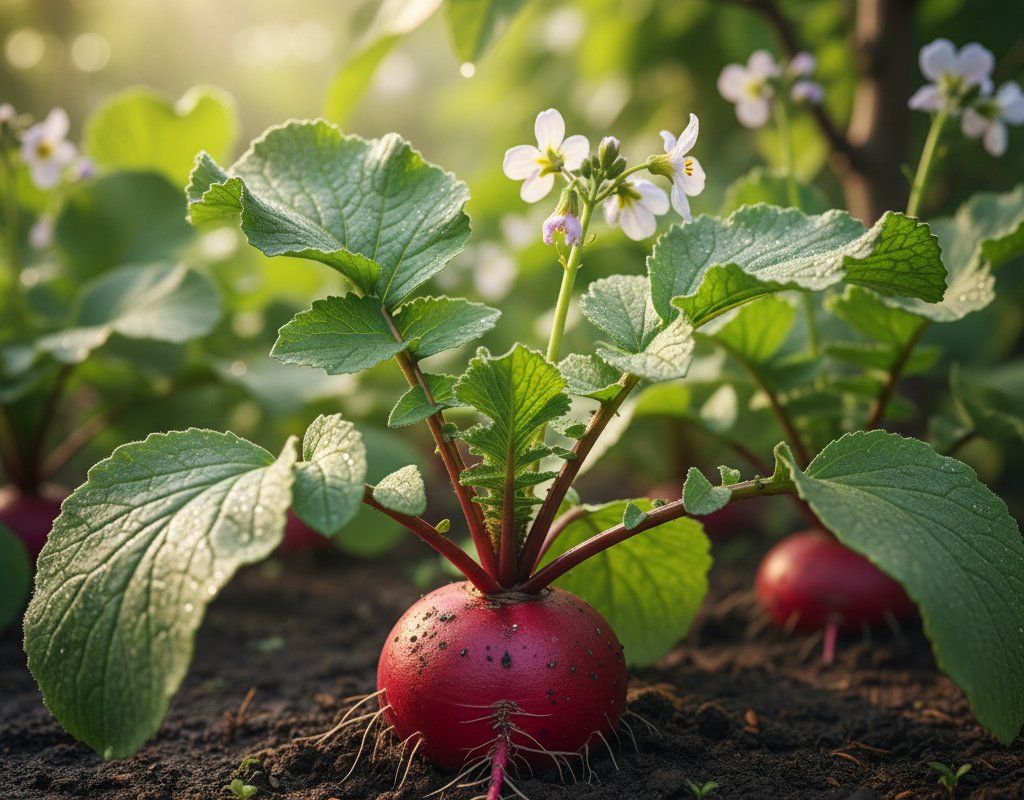
Radish in Zone 6B — Midwest
Raphanus sativus · Your Complete 2026 Planting Guide
Planning Ahead — Great!
You’re ahead of the season. Here’s when to start.
Mark Your Calendar
How to Plant Radish in Zone 6B — Midwest
Here are all your options for getting radish in the ground, from the easiest method to more advanced approaches.
Direct Sow Seeds
RecommendedMid March through early September
around March 18
Consider succession planting every 2-3 weeks for continuous harvest.
Fast-growing and easy. No reason to start indoors.
Buy Starts
Works WellMid March through late April
around March 18
Plant purchased starts after last frost (April 15).
Start Seeds Indoors
ChallengingThis plant is typically not started indoors.
Transplant Outdoors
Timing InfoMid March through late April
around March 18
Can tolerate light frost, but wait for soil to be workable.
You have a nice window — no need to rush.
Fall Planting
Mid August through mid September
September 3 ideal · Direct sow for fall harvest
Plant a second crop in mid-summer for fall harvest. Radish actually prefers the cooling temperatures of fall.
Overview
Radishes are the perfect confidence-builder for Midwest gardeners, delivering crisp, peppery satisfaction in just 25 days from seed to harvest. Our fertile soil and adequate rainfall create ideal conditions for these fast-growing root vegetables, while the moderate-to-hot summers provide enough warmth to keep them growing steadily without overwhelming heat stress. Whether you're sneaking them into salads or using them as living row markers between slower crops, radishes thrive in our climate.
The Midwest's variable spring weather and occasional summer heat spells might seem challenging, but radishes are remarkably adaptable to our conditions. With our 183-day growing season stretching from mid-April through mid-October, you have multiple opportunities to grow successive crops. The key is working with our climate patterns rather than fighting them – timing your plantings to avoid the worst heat and taking advantage of those perfect spring and fall growing windows.
Transplanting Outdoors
While you can transplant radishes, it's rarely worth the effort for such a fast-growing crop. If you're determined to get an early start, transplant seedlings from mid-March through late April, but handle them with extreme care since radishes hate root disturbance. Their taproots are delicate, and any damage often results in forked or stunted roots.
Harden off transplants gradually over a week, starting with just 2-3 hours outdoors in a protected spot. Space them 2-4 inches apart in prepared beds. Watch the weather closely during this transplant window – our Midwest springs can swing from warm to freezing overnight, so keep row covers handy for unexpected late frost warnings.
Honestly, direct sowing is so much easier and more reliable that most experienced Midwest gardeners skip transplants entirely. Save yourself the hassle and sow directly where you want them to grow.
Direct Sowing
Direct sowing is the way to go with radishes – it's faster, easier, and gives you better results than fussing with transplants. Sow from mid-March through early September, taking advantage of our long growing season. You can start as soon as the soil can be worked in spring, even when night temperatures still dip into the 30s, since radishes are genuinely cold-hardy.
Prepare your planting area by working compost into our typically fertile Midwest soil. Radishes prefer loose, well-draining soil, which can be challenging if you're dealing with heavy clay. In clay areas, consider raised beds or work in extra organic matter to improve drainage. Sow seeds ¼ to ½ inch deep and space them 2-4 inches apart in rows.
The beauty of radishes is their speed – they'll germinate in 4-7 days and be ready to harvest in just 25 days. Plant small successions every 10-14 days from spring through late summer for continuous harvests. Stop direct sowing by early September to ensure your final crop matures before our first frost arrives in mid-October.
Watering Radish in Zone 6B (Midwest)
Consistent moisture is absolutely critical for growing crisp, mild radishes in the Midwest. Our moderate-to-humid summers with 30-40 inches of annual rainfall give us a good foundation, but you'll still need to supplement during dry spells. Uneven watering is the fastest way to turn sweet, crunchy radishes into hot, pithy disappointments.
During typical Midwest spring conditions, natural rainfall often provides adequate moisture. However, once summer heat spells kick in with temperatures reaching the upper 80s, you'll need to water more frequently. Aim for about 1 inch of water per week, applied deeply rather than frequent shallow sprinklings. Use the finger test – stick your finger 2 inches into the soil, and if it's dry, it's time to water.
Water at soil level rather than overhead, especially during our humid summer months when wet foliage can encourage fungal problems. Our moderate-to-humid conditions mean diseases can develop quickly on constantly wet leaves. A soaker hose or drip irrigation works perfectly for radish beds.
Watch for signs of water stress: wilting leaves during hot afternoons (even with adequate soil moisture) is normal, but consistently droopy foliage or cracked, woody roots indicate watering issues. A thin layer of grass clippings or shredded leaves as mulch helps retain moisture during summer heat spells while keeping the shallow roots cool.
🧪Fertilizing Radish
Feeding Schedule
Organic Fertilizer Options
Harvest Time
Expect your first radish harvest from mid-April through late October, depending on when you planted. With our 183-day growing season, you can easily fit in multiple successions. Most radishes are ready in 25 days, though some larger varieties might take up to 30 days in cooler weather.
The best indicator is when the radish shoulders start pushing above the soil surface – you'll see the colorful tops peeking through. Spring radishes should be pulled when they reach about 1 inch in diameter for the best flavor and texture. Don't wait too long; radishes left in the ground become woody and increasingly hot as they age.
Harvest by grasping the leaves close to the base and pulling straight up with a gentle twisting motion. If the soil is compacted, loosen it around the radish first with a hand fork. Morning harvest often gives you the crispest radishes since they've had all night to absorb moisture.
As our first frost approaches in mid-October, harvest any remaining radishes regardless of size. Unlike some root vegetables, radishes don't improve with cold weather and will quickly turn mushy after a hard freeze. Pull them all and store the best ones in the refrigerator for several weeks, or pickle them for longer storage.
Common Problems in Zone 6B (Midwest)
Flea Beetles These tiny, dark beetles create small round holes throughout radish leaves, making them look like they've been peppered with buckshot. You'll notice the damage first on young seedlings, and the beetles will jump like fleas when you disturb the plants. While they rarely kill radishes outright, heavy infestations can stress young plants enough to affect root development.
Flea beetles thrive in our variable spring weather, emerging from overwintered debris when temperatures warm up. They're particularly troublesome during those warm spells that encourage early planting. Cover newly planted seeds with lightweight row covers and leave them on until plants are well-established. Kaolin clay spray creates a protective barrier, or try interplanting with basil, which seems to confuse them.
Root Maggots If your radish leaves suddenly wilt and yellow despite adequate moisture, you might have root maggots tunneling through the roots. These small, white larvae are the offspring of flies that lay eggs at the base of plants. You'll often find brown tunnels and holes when you pull up affected radishes.
Root maggots are more common during cool, wet springs – exactly the conditions our Midwest climate often delivers. The adult flies are attracted to freshly turned soil and organic matter. Delay planting until soil warms above 50°F, or use row covers immediately after planting. Yellow sticky traps placed near the soil surface can catch adult flies before they lay eggs.
Pithy Roots Nothing's more disappointing than biting into a radish that looks perfect but tastes like cotton. Pithy, spongy radishes usually result from inconsistent watering, excessive heat, or leaving them in the ground too long. The roots become fibrous and lose their crisp texture and mild flavor.
This problem is especially common during our summer heat spells when soil moisture fluctuates dramatically. Maintain consistent soil moisture and harvest radishes promptly when they reach maturity. During hot weather above 85°F, provide afternoon shade with taller crops or row covers to reduce heat stress.
Midwest Specific Challenges Our moderate-to-humid summers create perfect conditions for fungal diseases when combined with overhead watering. The clay soil common throughout much of the Midwest can cause drainage issues, leading to root rot during wet periods. Plan for these challenges by improving soil drainage, watering at ground level, and timing plantings to avoid the worst of summer heat and humidity.
Best Companions for Radish
Plant these nearby for healthier Radish and better harvests.


Keep Away From
Companion Planting Details
Radishes make excellent companions for carrots, lettuce, peas, and cucumbers in Midwest gardens. Plant them alongside carrots as living markers – the radishes will be harvested long before carrots need the space, and they help break up clay soil for better carrot development. Their quick growth also makes them perfect intercrops with lettuce during cooler spring and fall periods.
Peas and radishes work well together since peas fix nitrogen that benefits the fast-growing radishes, while the radishes' taproot helps improve soil structure for the peas' shallow root system. Cucumbers planted nearby benefit from the radishes' pest-deterrent properties, particularly against cucumber beetles. However, avoid planting radishes near hyssop, which can inhibit radish germination and growth. The aromatic compounds from hyssop seem to interfere with the radishes' natural growth patterns, resulting in smaller, less flavorful roots.
🌸Best Flowers to Plant with Radish
These flowers protect your Radish from pests and attract pollinators for better harvests.


Get a Reminder When It's Time to Plant
We'll email you when key planting windows open for your zone.