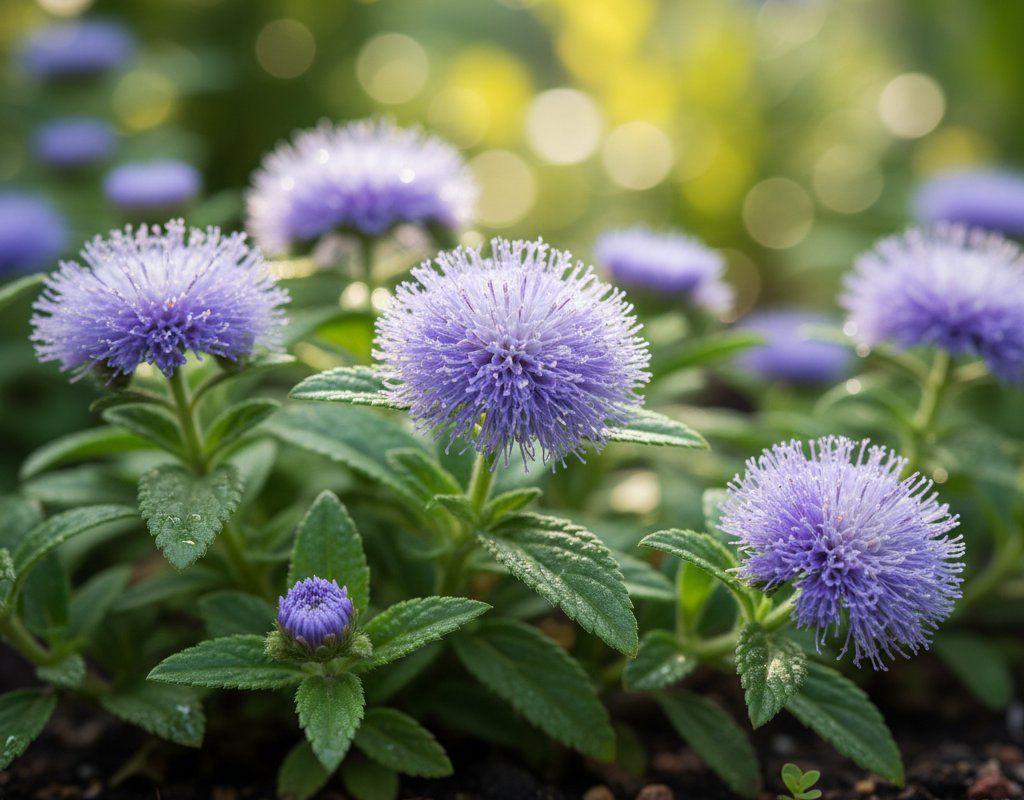
Ageratum in Zone 7A — Desert Southwest
Ageratum houstonianum · Your Complete 2026 Planting Guide
Missed Seed Starting? No Problem!
Wait for starts to become available.
What to Do
Starts will be available at nurseries in 35 days (around April 8).
How to Plant Ageratum in Zone 7A — Desert Southwest
Here are all your options for getting ageratum in the ground, from the easiest method to more advanced approaches.
Buy Starts
RecommendedEarly April through early May
around April 8
Plant purchased starts after last frost (March 25).
Start Seeds Indoors
Works WellEarly to late February
around February 11
Then transplant: Early April through early May
Start seeds 8-10 weeks before transplanting outdoors.
Direct Sow Seeds
ChallengingDirect sowing is not typical for Ageratum.
Transplant Outdoors
Timing InfoEarly April through early May
around April 8
Wait until nighttime temperatures stay above 50°F.
You have a nice window — no need to rush.
Overview
Ageratum, with its unique fuzzy blue flowers, is a fantastic addition to any Desert Southwest garden. Its vibrant color provides a much-needed pop in our often sun-baked landscapes, and it's a magnet for pollinators, benefiting your entire garden. Plus, it's a great companion plant for many of our favorite veggies.
While the extreme heat and intense sun of our Desert Southwest climate can be challenging, Ageratum's growing season aligns perfectly with our milder periods. With a little planning and attention to watering, you can enjoy beautiful blooms throughout our long, 230-day growing season.
Starting Seeds Indoors
Starting Ageratum indoors is an option, especially if you want a head start on blooms. Begin in early to late February, about eight weeks before you plan to transplant. Use seed trays with a good seed-starting mix, and keep them consistently moist – bottom watering works well to avoid disturbing the tiny seeds.
Provide warmth and plenty of light, either from a sunny window or a grow light. Keep in mind our very-early spring character can sometimes be deceiving; don't be tempted to put them out too soon if we get a warm spell.
Transplanting Outdoors
Transplant your Ageratum seedlings outdoors in early April through early May, after the danger of frost has passed. Before planting, harden them off by gradually exposing them to outdoor conditions for about a week. This helps them adjust to the intense sunlight and temperature swings common in our region.
Space them 6-8 inches apart in well-draining soil. Even though they like sun, consider a spot that gets a little afternoon shade, especially in the hottest parts of our desert.
Watering Ageratum in Zone 7A (Desert Southwest)
Ageratum needs consistent moisture, but avoid letting the soil become soggy, which can lead to problems. Aim for moderate watering, keeping the soil consistently moist to the touch.
During our spring growing season, water deeply about 2-3 times per week, providing about 1 inch of water each time. As the extreme heat of summer kicks in, increase watering to every other day or even daily, especially if they're in full sun. Use the finger test – if the top 2 inches of soil feel dry, it's time to water.
Water at the base of the plants to avoid wetting the foliage, minimizing the risk of fungal diseases in our arid climate. A layer of mulch, like shredded bark or compost, helps retain moisture in the soil and keeps the roots cooler during the summer heat. Signs of underwatering include wilting and dry, crispy leaves, while overwatering can lead to yellowing leaves and potentially crown rot.
Pruning & Maintaining Ageratum
Deadheading is key to keeping your Ageratum blooming throughout the season. Simply pinch off the spent flower heads as soon as they start to fade. This encourages the plant to produce more blooms rather than putting energy into seed production.
Continue deadheading regularly throughout the summer and into the fall. As the first frost approaches in early November, you can let the last blooms fade and allow the plant to go to seed, or simply pull it up and compost it.
🧪Fertilizing Ageratum
Feeding Schedule
Organic Fertilizer Options
Harvest Time
You can expect your first Ageratum blooms in early June through late July, about 60 days after transplanting. The flowers are ready to "harvest" for enjoyment when the fuzzy purple-blue flower clusters are fully open and vibrant.
To "harvest" the blooms, simply cut the stems just above a leaf node. This encourages the plant to branch out and produce even more flowers. Regularly cutting the blooms will keep the plant producing new flowers all season long, attracting pollinators to your garden.
As the first frost approaches in early November, you can collect seeds from the dried flower heads for planting next year. Otherwise, simply enjoy the last blooms and let the plant fade naturally.
Common Problems in Zone 7A (Desert Southwest)
Here are three common problems you might encounter with Ageratum in the Desert Southwest:
Whiteflies
- What it looks like: Tiny, white, fly-like insects clustered on the undersides of leaves. Leaves may turn yellow, and a sticky substance called honeydew may appear.
- What causes it: Whiteflies thrive in warm, dry conditions. Our Desert Southwest climate provides ideal conditions for them, especially during the hottest parts of summer.
- How to fix/prevent it: Regularly inspect your plants for signs of whiteflies. Blast them off with a strong stream of water from the hose. Insecticidal soap or neem oil can also be effective. Encourage beneficial insects like ladybugs, which prey on whiteflies.
Powdery Mildew
- What it looks like: White or grayish powdery coating on leaves, stems, and sometimes fruit. Leaves curl, yellow, and die. Reduces plant vigor.
- What causes it: Various fungi that thrive in warm days, cool nights, and moderate humidity. Dry leaf surfaces actually favor it (unlike most fungi).
- How to fix/prevent it: Improve air circulation through spacing and pruning. Remove affected leaves. Neem oil or potassium bicarbonate sprays help. Milk spray (1 part milk to 9 parts water) is surprisingly effective.
Crown Rot in Wet Soil
- What it looks like: The base of the stem becomes soft, mushy, and brown or black. The plant wilts and eventually dies.
- What causes it: Overwatering or poorly draining soil creates conditions that favor fungal growth, leading to crown rot. This is especially a risk during our monsoon season if the soil doesn't drain well.
- How to fix/prevent it: Ensure your soil is well-draining. Avoid overwatering, especially during periods of heavy rainfall. Improve soil drainage by adding compost or other organic matter. If crown rot occurs, remove the affected plant and dispose of it properly.
Desert Southwest Specific Challenges: The extreme heat and intense sun of our Desert Southwest climate can stress Ageratum, making it more susceptible to pests and diseases. Monitor your plants regularly and provide adequate water and shade during the hottest parts of the day to help them thrive. The monsoon moisture can also cause fungal issues if not managed well.
Best Companions for Ageratum
Plant these nearby for healthier Ageratum and better harvests.
View Full Companion Planting Chart →

Companion Planting Details
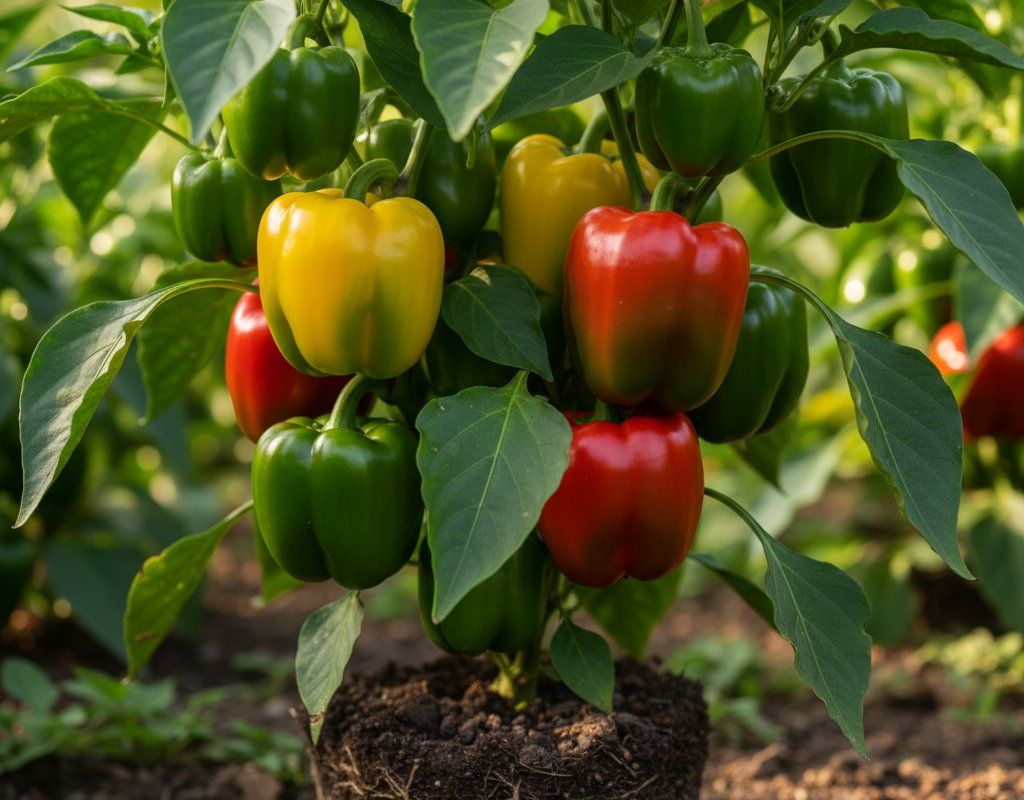
Ageratum makes a great companion plant for several common garden vegetables in the Desert Southwest. Planting it near tomatoes and peppers can help deter certain pests that are common in our region, such as nematodes, by releasing chemicals into the soil that repel them.
It also works well with green beans, attracting beneficial insects like ladybugs and lacewings, which prey on aphids and other pests that can damage bean plants. Avoid planting Ageratum near plants that prefer very dry conditions, as its moderate watering needs may create an environment that's too moist for them.
🥬Best Vegetables to Pair With Ageratum
Ageratum benefits these vegetables through pest control, pollinator attraction, or improved garden health.




Get a Reminder When It's Time to Plant
We'll email you when key planting windows open for your zone.