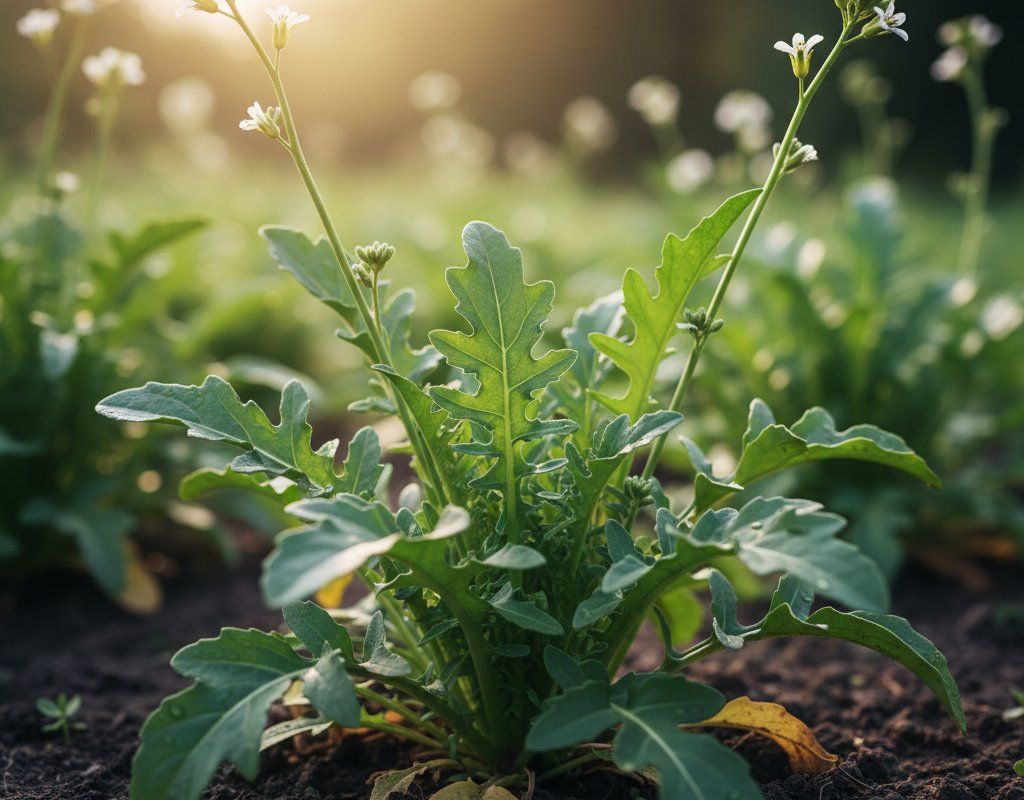
Arugula in Zone 8A — Pacific Northwest
Eruca vesicaria · Your Complete 2026 Planting Guide
Ideal Time: Start Seeds Indoors!
This is the perfect time for the biggest, best harvest.
Start Seeds Now
- Start seeds in trays or pots with seed-starting mix
- Keep soil moist and warm (70-80°F)
- Transplant outdoors Late March through early May
Not Starting from Seed?
Buy starts around March 27 — that works great too!
How to Plant Arugula in Zone 8A — Pacific Northwest
Here are all your options for getting arugula in the ground, from the easiest method to more advanced approaches.
Direct Sow Seeds
RecommendedMid March through early September
around March 13
Consider succession planting every 2-3 weeks for continuous harvest.
Fast-growing and easy to direct sow. Bolts in heat — plant in cool weather.
Start Seeds Indoors
RecommendedLate February through mid March
around March 6
Then transplant: Late March through early May
Start seeds 3-5 weeks before transplanting outdoors.
Buy Starts
Works WellLate March through early May
around March 27
Plant purchased starts after last frost (April 10).
Transplant Outdoors
Timing InfoLate March through early May
around March 27
Can tolerate light frost, but wait for soil to be workable.
You have a nice window — no need to rush.
Fall Planting
Early September through early October
September 18 ideal · Direct sow for fall harvest
Plant a second crop in mid-summer for fall harvest. Arugula actually prefers the cooling temperatures of fall.
Overview
Arugula is a fantastic addition to any Pacific Northwest garden. Its peppery bite adds a zing to salads and sandwiches, and it's incredibly versatile in the kitchen – think pizzas, pesto, and more. Plus, the cool nights we get here in the PNW actually enhance its flavor.
While our wet springs and mild summers can present some challenges, arugula is a fast grower that thrives in cooler temperatures, making it a perfect fit for our 203-day growing season. Careful timing and a few simple strategies will ensure you're enjoying fresh arugula from your garden for months.
Starting Seeds Indoors
Starting arugula indoors is definitely an option, especially if you're itching to get a head start on the season during those overcast spring days. Begin in late February through mid March, about 3 weeks before you plan to transplant. You can use seed trays or small pots filled with a good seed-starting mix.
Keep the soil consistently moist – bottom watering works great to prevent damping off – and provide plenty of light, either from a sunny windowsill or a grow light. The slow start to spring we often see in the PNW makes indoor starting a good way to get ahead.
Transplanting Outdoors
Once the danger of hard frost has passed – usually late March through early May – you can transplant your arugula seedlings outdoors. Before planting them in the ground, be sure to harden them off for about a week by gradually exposing them to outdoor conditions. This helps them adjust to the cooler temperatures and stronger sunlight.
Space the seedlings about 6 inches apart in a well-prepared bed. Keep an eye on the weather forecast, as a late cold snap can still occur.
Direct Sowing
Direct sowing arugula is the most common and often the easiest method, especially in our mild PNW climate. You can sow seeds directly into the garden from mid March through early September. Arugula is quick to germinate, and you'll see seedlings popping up in just a few days.
Prepare the soil by loosening it and removing any rocks or debris. Sow seeds about ½ inch deep and 6 inches apart. Keep the soil consistently moist, especially during germination. One thing to consider with direct sowing is that arugula is prone to bolting in warmer weather, so succession planting every few weeks will ensure a continuous harvest of tender leaves.
Watering Arugula in Zone 8A (Pacific Northwest)
Arugula needs consistent moisture, but it doesn't like to be waterlogged. During our wet springs, you might not need to water much at all, but as the dry summer months approach, you'll need to be more diligent. Aim to keep the soil consistently moist, but not soggy.
A good way to check is the finger test: stick your finger about 2 inches into the soil; if it feels dry, it's time to water. During the drier parts of the summer, you'll likely need to water deeply about 1 inch per week. Water at the base of the plants to avoid wetting the leaves, which can encourage fungal diseases in our humid conditions.
Underwatering can lead to tough, bitter leaves and premature bolting. Overwatering, on the other hand, can cause root rot and other problems. Mulching around your plants with straw or wood chips can help retain moisture and keep the soil cool, which is particularly helpful during our warmer stretches.
🧪Fertilizing Arugula
Feeding Schedule
Organic Fertilizer Options
Harvest Time
You can expect your first arugula harvest about 40 days after planting, typically from late April through early November in our region. The leaves are ready to harvest when they're about 2-3 inches long. At this size, they'll have a milder flavor. If you prefer a more peppery taste, let them grow a bit larger.
To harvest, simply snip off the outer leaves with scissors or garden shears, leaving the inner leaves to continue growing. This cut-and-come-again method will provide you with a continuous harvest throughout the season. Be sure to harvest before the plants start to flower, as the leaves will become bitter once bolting begins.
As the first frost approaches in late October, you can extend your harvest by covering the plants with a row cover or bringing them indoors to a protected location. This will help protect them from the cold and allow you to enjoy fresh arugula for a little longer.
Common Problems in Zone 8A (Pacific Northwest)
Arugula, while easy to grow, can encounter a few problems in the Pacific Northwest. Here's how to identify and address them:
Flea Beetles
- What it looks like: Tiny round holes (shot-hole pattern) in leaves. Small dark beetles that jump when disturbed.
- What causes it: These small beetles love to munch on young arugula leaves, especially in the spring. They're more prevalent when the soil is dry.
- How to fix/prevent it: Row covers are your best friend, especially for young seedlings. You can also try spraying with neem oil or kaolin clay.
Bolting in Heat
- What it looks like: Arugula sends up a flower stalk, and the leaves become tough and bitter.
- What causes it: Extended warm temperatures, even our mild summers, can trigger bolting.
- How to fix/prevent it: Plant in spring and fall for cooler weather. Choose bolt-resistant varieties. Provide shade during warm spells. Mulch well. Harvest frequently.
Aphids
- What it looks like: Clusters of tiny green, black, or white insects on stems and leaf undersides. Sticky honeydew.
- What causes it: Aphids thrive in warm weather and can quickly multiply.
- How to fix/prevent it: A strong blast of water from the hose can knock them off. Introduce beneficial insects like ladybugs. Insecticidal soap works well too.
Downy Mildew
- What it looks like: Yellow patches on leaf tops with fuzzy gray-purple growth on undersides. Leaves brown and die from the bottom up.
- What causes it: This fungal disease thrives in cool, humid conditions, which we often experience in the spring and fall.
- How to fix/prevent it: Remove affected leaves immediately. Improve air circulation by spacing plants properly. Water at the base of the plants. Copper-based fungicides can help prevent its spread.
Pacific Northwest Specific Challenges: Our mild summers and dry-summer humidity can create conditions that favor bolting and fungal diseases like downy mildew. Consistent monitoring and proactive measures are key to keeping your arugula healthy and productive. Slugs can also be a nuisance, especially in wet springs, so use your preferred slug control methods.
Best Companions for Arugula
Plant these nearby for healthier Arugula and better harvests.





Keep Away From

Companion Planting Details
Arugula benefits from companion planting in the Pacific Northwest. Lettuce and spinach make good companions because they share similar growing requirements and won't compete for resources. Carrots and beets help to loosen the soil, making it easier for arugula roots to grow. Onions deter pests like aphids, helping to protect your arugula crop. Avoid planting arugula near strawberries, as they can attract slugs, which can also damage your arugula.
🌸Best Flowers to Plant with Arugula
These flowers protect your Arugula from pests and attract pollinators for better harvests.
For Pest Control


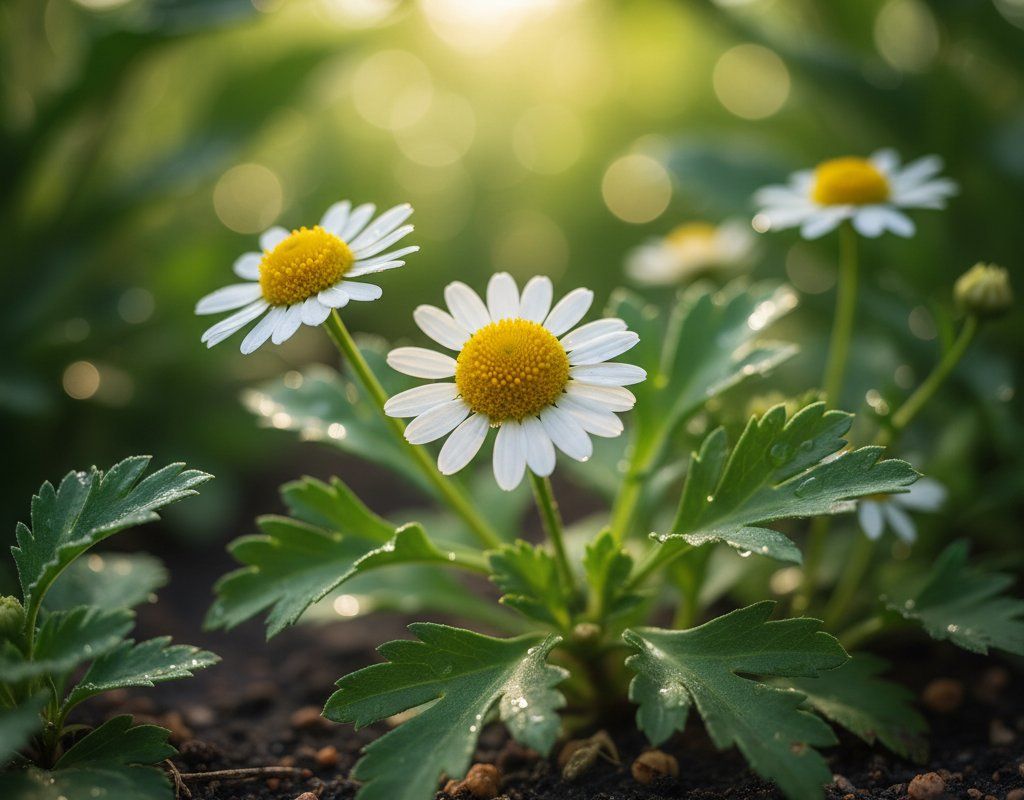
For Pollinators

Get a Reminder When It's Time to Plant
We'll email you when key planting windows open for your zone.