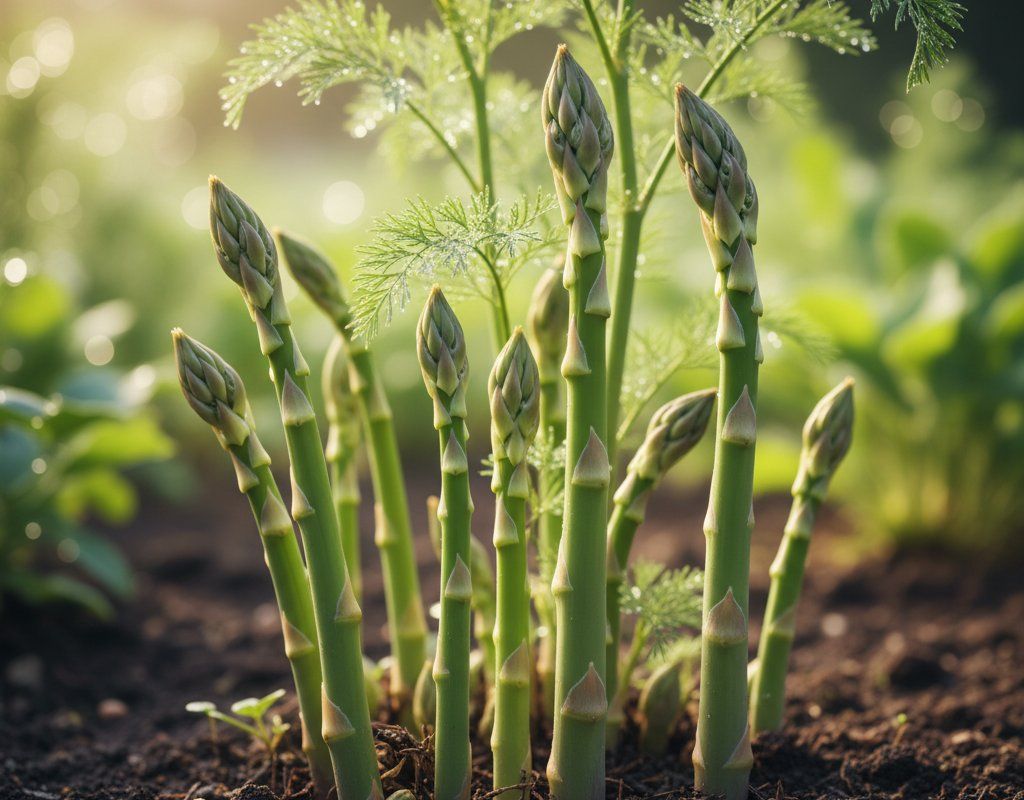
Asparagus in Zone 4A — Midwest
Asparagus officinalis · Your Complete 2026 Planting Guide
Too Late for Asparagus
Not enough growing season left (need 744 days, only 200 remain)
📊 See the math
How to Plant Asparagus in Zone 4A — Midwest
Here are all your options for getting asparagus in the ground, from the easiest method to more advanced approaches.
Buy Starts
RecommendedMid to late May
around May 15
Plant purchased starts after last frost (May 15).
Buy 1-year-old crowns (roots). Growing from seed takes 3+ years to first harvest.
Start Seeds Indoors
ChallengingThis plant is typically not started indoors.
Direct Sow Seeds
ChallengingDirect sowing is not typical for Asparagus.
Transplant Outdoors
Timing InfoMid to late May
around May 15
Can tolerate light frost, but wait for soil to be workable.
Timing is critical in your zone — don’t delay!
Overview
Asparagus is a true sign of spring here in the Midwest, and nothing beats the taste of freshly harvested spears grilled with a little butter. It's a perennial that comes back year after year, and once established, it's a reliable producer, tolerating those summer heat spells we often get. Growing your own asparagus is incredibly rewarding.
We know Midwest weather can be unpredictable, with cold winters and variable springs. But asparagus is a hardy plant, and as long as you get it in the ground after that last frost, you'll be fine. With our 128-day growing season, you have plenty of time to get a good harvest.
Transplanting Outdoors
Transplant your asparagus crowns outdoors from mid to late May, once the risk of frost has passed. Before you plant, be sure to harden off your asparagus by gradually exposing them to outdoor conditions for about a week. This will help them adjust to the Midwest weather.
Space the crowns 18-24 inches apart in well-draining soil. Remember, asparagus doesn't like wet feet, so avoid areas that tend to stay soggy, especially with our wet-summer rainfall. Buy 1-year-old crowns for best results; starting from seed takes patience!
Watering Asparagus in Zone 4A (Midwest)
Asparagus needs moderate watering, especially in its first two years. Once established, its deep roots make it fairly drought-tolerant, but don't neglect it during those summer heat spells. Aim for consistent moisture, but avoid waterlogging the soil.
During the growing season, give your asparagus about 1 inch of water per week, either through rainfall or irrigation. Use the "finger test" to check the soil moisture about 2 inches deep. If it feels dry, it's time to water. Given our moderate-to-humid summers, watering at the base of the plant is best to avoid fungal diseases.
Watch for signs of underwatering, such as yellowing or wilting spears, or signs of overwatering, such as mushy roots or stunted growth. Applying a layer of mulch, like straw or wood chips, can help retain moisture and keep the soil temperature consistent, something that asparagus appreciates in our variable Midwest climate.
Pruning & Maintaining Asparagus
Asparagus pruning is minimal. The most important thing is to let the ferns grow all summer long. These ferns are crucial for feeding the crown and ensuring a good harvest next year.
Don't cut the ferns back until late fall or early spring, after they've turned brown and died back naturally. Resist the urge to over-harvest; limit your harvest to no more than 8 weeks per season to avoid weakening the plant. As first frost approaches in mid- September, let the remaining spears fern out.
🧪Fertilizing Asparagus
Feeding Schedule
Organic Fertilizer Options
Harvest Time
You can expect your first asparagus harvest in mid May through early October, about two years after transplanting the crowns. Look for spears that are 6-8 inches tall with tight, closed tips. These are the most tender and flavorful.
To harvest, simply snap or cut the spears off at ground level. Be careful not to damage the surrounding spears or the crown itself. Continued harvesting encourages more production, so check your asparagus patch every day or two during peak season.
As the first frost approaches in mid- September, stop harvesting and let the remaining spears fern out. This will allow the plant to store energy for the winter and ensure a good harvest next spring. When spears thin to pencil width, it's time to stop harvesting for the season and let the plant rejuvenate.
Common Problems in Zone 4A (Midwest)
Here are a few common problems you might encounter with asparagus in the Midwest:
Asparagus Beetle
- What it looks like: Small, elongated beetles (often metallic blue or green) and their larvae feeding on spears and ferns. You might see brown or gray eggs attached to the spears.
- What causes it: These beetles are attracted to asparagus and can quickly defoliate plants if left unchecked.
- How to fix/prevent it: Handpick beetles and larvae, use insecticidal soap, or introduce beneficial insects like ladybugs. Keep the area around your asparagus patch weeded to reduce habitat for the beetles.
Crown Rot from Poor Drainage
- What it looks like: Yellowing or wilting spears, stunted growth, and mushy, rotting roots.
- What causes it: Asparagus crowns don't like sitting in waterlogged soil, which can lead to fungal diseases that cause crown rot. This is especially a problem with our wet-summer rainfall and clay soil that doesn't drain well.
- How to fix/prevent it: Plant asparagus in well-draining soil. Amend heavy clay soil with compost and other organic matter to improve drainage. Avoid overwatering.
Thin Spears from Over-Harvesting
- What it looks like: Spears that are noticeably thinner than usual, often less than pencil width.
- What causes it: Over-harvesting weakens the plant and depletes its energy reserves, resulting in thin, spindly spears.
- How to fix/prevent it: Limit your harvest to no more than 8 weeks per season. Stop harvesting when the spears start to thin out, even if it's before the 8-week mark. Let the remaining spears fern out to replenish the plant's energy.
Midwest Specific Challenges: Our moderate-to-hot heat and moderate-to-humid humidity can create favorable conditions for fungal diseases if the plants are not properly spaced or watered. The wet-summer rainfall can exacerbate drainage issues, especially in clay soil. Be sure to provide adequate drainage and air circulation to keep your asparagus healthy.
Best Companions for Asparagus
Plant these nearby for healthier Asparagus and better harvests.
View Full Companion Planting Chart →




Companion Planting Details
Good companions for asparagus include tomatoes, parsley, and basil. Tomatoes provide shade that can help keep the soil cool during those summer heat spells, and they also deter asparagus beetles. Parsley attracts beneficial insects that prey on asparagus pests. Basil also repels asparagus beetles and enhances the flavor of asparagus.
Avoid planting asparagus near onions or garlic. These alliums can inhibit asparagus growth and may attract pests that also affect asparagus. Planting good companions can really give your asparagus a boost.
🌸Best Flowers to Plant with Asparagus
These flowers protect your Asparagus from pests and attract pollinators for better harvests.
For Pest Control


For Pollinators


Get a Reminder When It's Time to Plant
We'll email you when key planting windows open for your zone.