
Basil in Zone 7B — Southeast
Ocimum basilicum · Your Complete 2026 Planting Guide
Last Call for Seed Starting!
Indoor seed starting window closes in 2 days.
Start Seeds This Week
Start seeds now for transplanting later.
Or Wait for Starts
If you don’t want to start seeds, starts will be available around April 3.
How to Plant Basil in Zone 7B — Southeast
Here are all your options for getting basil in the ground, from the easiest method to more advanced approaches.
Direct Sow Seeds
RecommendedEarly April through late September
around April 3
Consider succession planting every 2-3 weeks for continuous harvest.
Can direct sow after soil is warm, but indoor start gives earlier harvest.
Start Seeds Indoors
RecommendedMid February through early March
around February 20
Then transplant: Early April through mid May
Start seeds 6-8 weeks before transplanting outdoors.
Buy Starts
Works WellEarly April through mid May
around April 3
Plant purchased starts after last frost (March 20).
Basil starts are widely available and inexpensive.
Transplant Outdoors
Timing InfoEarly April through mid May
around April 3
Wait until nighttime temperatures stay above 50°F.
You have a nice window — no need to rush.
Overview
Basil thrives in our Southeast heat and humidity, giving you aromatic leaves from late spring through our first frost in early November. Whether you're growing classic Genovese for pesto or Thai basil for Southeast Asian dishes, this tender annual loves our long, hot summers and produces abundantly with minimal fuss. Nothing beats the flavor of fresh basil picked minutes before dinner, and in Zone 7B, you can harvest continuously for nearly seven months.
Our hot, humid summers can create some disease pressure for basil, but proper timing and spacing work wonders. With a 235-day growing season, you have plenty of flexibility to start seeds indoors, direct sow, or even succession plant for continuous harvests. The key is working with our climate patterns rather than fighting them.
Starting Seeds Indoors
Starting basil seeds indoors makes sense if you want earlier harvests or specific varieties not available as transplants. Start seeds from mid-February through early March, about six weeks before your planned transplant date. This timing works well with our moderate spring conditions and gives you sturdy plants ready to go outdoors once the soil warms.
Use seed trays filled with quality potting mix and keep them at 70-75°F for best germination. Basil needs consistent warmth, so a heat mat helps if your house runs cool. Bottom watering prevents the dreaded "damping off" that can kill seedlings in our humid conditions.
Once seedlings develop their first true leaves, provide bright light from a grow light or south-facing window. Transplant into individual pots when they have 2-3 sets of true leaves, typically 3-4 weeks after germination.
Transplanting Outdoors
Transplant your indoor-started basil from early April through mid-May, once nighttime temperatures stay consistently above 50°F. Basil is extremely cold-sensitive, so don't rush this step even if you're eager to get started. A late cold snap can set plants back weeks or kill them entirely.
Harden off transplants gradually over one week by placing them outdoors for increasing periods daily, starting in shade and moving to partial sun. This prevents transplant shock in our variable spring weather. Space plants 12-18 inches apart to ensure good air circulation—critical in our humid climate for preventing fungal diseases.
Basil transplants are widely available and inexpensive at garden centers throughout spring, making this often the most practical option. Look for stocky plants with dark green leaves and avoid any showing yellow or wilted foliage.
Direct Sowing
Direct sowing basil works well from early April through late September, giving you multiple succession planting opportunities throughout our long season. The main advantage is avoiding transplant shock, but you'll wait longer for your first harvest compared to transplants.
Wait until soil temperature reaches at least 60°F consistently—usually mid-to-late April in our region. Prepare your bed by working compost into our typically heavy clay soil to improve drainage. Sow seeds ¼ inch deep and keep soil consistently moist until germination, which takes 7-14 days in warm conditions.
Thin seedlings to 12-18 inches apart once they have their first true leaves. Direct-sown basil often catches up quickly to transplants once our summer heat arrives, but you'll have less control over spacing and timing than with transplants.
Watering Basil in Zone 7B (Southeast)
Basil needs consistent moisture but despises waterlogged soil—a tricky balance in our clay-heavy Southeast soils. Check soil moisture by sticking your finger 2 inches deep; if it's dry at that depth, it's time to water. During our hot summers, this usually means watering every 2-3 days.
Provide about 1-1.5 inches of water weekly, including rainfall. Our 45-55 inches of annual precipitation helps, but summer afternoon thunderstorms can be inconsistent. Water deeply at the base of plants rather than overhead—our humid conditions make wet foliage an invitation for fungal diseases.
Never use cold water directly from the hose on basil. This cold-sensitive plant can go into shock from temperature swings. Fill watering cans in the morning and let water reach ambient temperature, or use drip irrigation or soaker hoses.
Watch for dramatic wilting as your first sign of water stress—basil wilts theatrically when thirsty but bounces back quickly once watered. Yellow leaves starting from the bottom often indicate overwatering, especially problematic in our clay soils that drain slowly. A 2-inch layer of organic mulch helps moderate soil moisture and temperature.
Pruning & Maintaining Basil
Pinch off flower buds the moment you see them forming—flowering makes basil leaves turn bitter and reduces production. This happens more frequently during our hot summers, so check plants every few days during peak growing season. Simply pinch or cut flower stalks back to the nearest set of leaves.
Harvest regularly from the top of the plant, cutting just above a leaf pair to encourage branching. Never harvest more than one-third of the plant at once, but don't be shy about regular picking—the more you harvest, the more the plant produces.
As our first frost approaches in early November, consider harvesting heavily to make pesto or dried basil for winter use. You can also pot up favorite plants and bring them indoors, though they rarely perform as well as outdoor plants in our bright summer sun.
🧪Fertilizing Basil
Feeding Schedule
Organic Fertilizer Options
Harvest Time
Your first basil harvest typically begins in early May from transplants or mid-May from direct-sown seeds, continuing until our first frost in early November. Plants are ready to harvest once they develop 3-4 sets of true leaves, usually about 30 days from transplanting or 45 days from direct sowing.
Cut stems just above a leaf pair, never pulling individual leaves which can damage the plant. Always harvest before the heat of the day for best flavor and leaf quality. Morning harvests after dew dries but before temperatures climb work perfectly with our hot afternoons.
Basil produces continuously when harvested regularly—the more you cut, the bushier plants become. During our peak summer heat, plants can grow so quickly you'll need to harvest twice weekly to stay ahead of flowering. Pick flowers immediately if you miss them, as they appear rapidly in 90°F+ temperatures.
Keep harvesting until the first frost warning. Unlike some herbs, basil leaves don't store well after picking, so plan to use them fresh or process immediately into pesto, oils, or dried herbs.
Common Problems in Zone 7B (Southeast)
Downy Mildew appears as yellow patches on leaf tops with fuzzy gray-purple growth on undersides, starting from lower leaves and working upward. Our humid summers with frequent afternoon thunderstorms create perfect conditions for this destructive disease. Remove affected leaves immediately, improve air circulation by proper spacing, and always water at the base rather than overhead. Copper-based fungicides applied preventively help, especially during particularly humid periods.
Fusarium Wilt shows as wilting on one side of the plant first, followed by yellowing leaves and brown streaks visible in cut stems. This soil-borne fungus thrives in our warm, wet clay soils and persists for years once established. No cure exists once plants are infected—remove and destroy affected plants immediately. Plant resistant varieties marked with 'F' on seed packets, rotate crops yearly, and improve drainage in clay soils with compost additions.
Aphids cluster as tiny soft-bodied insects on stems and leaf undersides, leaving sticky honeydew residue and causing curled growth. These multiply rapidly in our warm weather and often arrive with Japanese beetle season. Knock them off with strong water sprays, encourage natural predators like ladybugs, or use insecticidal soap for heavy infestations. Avoid over-fertilizing with nitrogen, which attracts aphids.
Southeast Specific Challenges: Our combination of hot temperatures, high humidity, and heavy clay soils creates the perfect storm for basil diseases. The key is prevention through proper spacing, base watering, and soil amendment rather than trying to cure problems after they start. Japanese beetles occasionally chew holes in basil leaves but rarely cause serious damage, while deer generally avoid aromatic herbs like basil.
Best Companions for Basil
Plant these nearby for healthier Basil and better harvests.
Keep Away From
Companion Planting Details
Basil makes an excellent companion for tomatoes and peppers—not just in the kitchen but in the garden. Plant basil near tomatoes to help repel aphids and whiteflies, while the basil benefits from the tomato's shade during our brutal afternoon sun. The aromatic oils in basil also seem to improve tomato flavor, though this is more tradition than proven science.
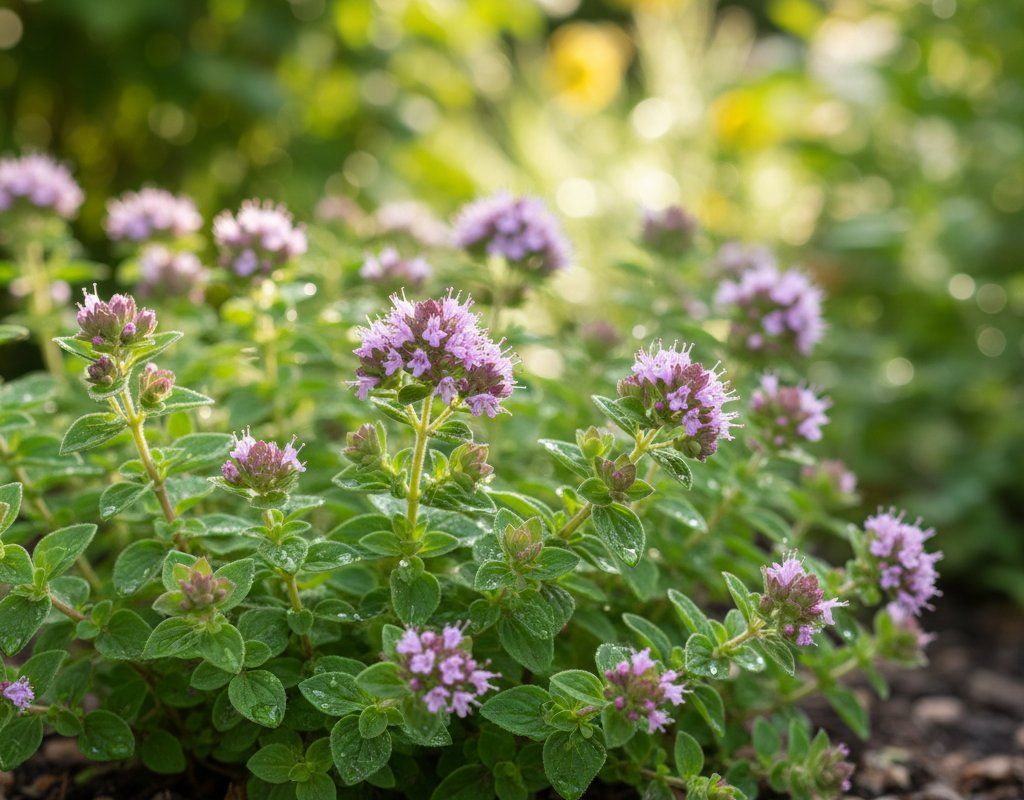
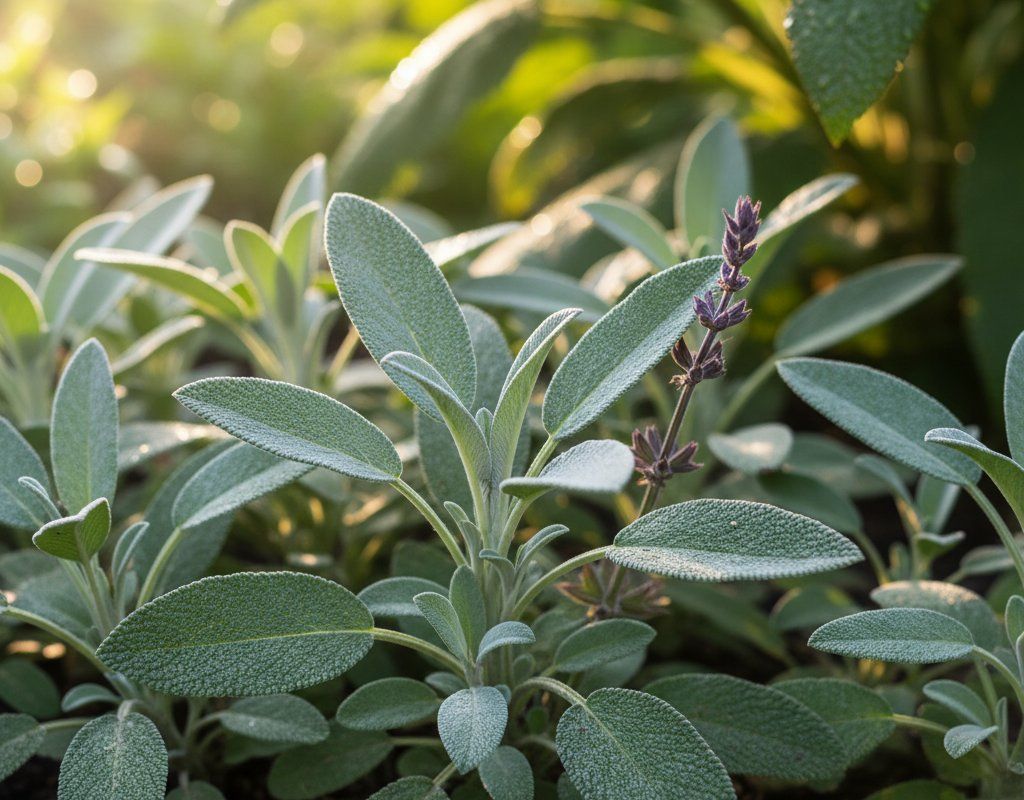
Oregano planted nearby creates a beneficial herb grouping with similar water and sun needs, plus both plants help repel common Southeast garden pests. Avoid planting basil near sage or rue, as these Mediterranean herbs prefer drier conditions that leave basil stressed, and rue can actually inhibit basil growth through allelopathic compounds in our humid climate.
🌸Best Flowers to Plant with Basil
These flowers protect your Basil from pests and attract pollinators for better harvests.
For Pest Control




Get a Reminder When It's Time to Plant
We'll email you when key planting windows open for your zone.