
Green Beans in Zone 10A — Desert Southwest
Phaseolus vulgaris · Your Complete 2026 Planting Guide
Still Time to Sow!
The sowing window is still open for Green Beans.
Sow Seeds Soon
Beans have sensitive roots and grow quickly. Direct sow after frost.
How to Plant Green Beans in Zone 10A — Desert Southwest
Here are all your options for getting green beans in the ground, from the easiest method to more advanced approaches.
Direct Sow Seeds
RecommendedLate January through mid October
around January 27
Consider succession planting every 2-3 weeks for continuous harvest.
Beans have sensitive roots and grow quickly. Direct sow after frost.
Buy Starts
Works WellLate January through late February
around January 27
Plant purchased starts after last frost (January 20).
Start Seeds Indoors
ChallengingThis plant is typically not started indoors.
Transplant Outdoors
Timing InfoLate January through late February
around January 27
Wait until nighttime temperatures stay above 50°F.
You have a nice window — no need to rush.
Overview
Green beans thrive in our Desert Southwest climate, offering two distinct growing seasons that maximize your harvest potential. These protein-packed pods develop quickly in our intense sun and produce abundantly during our mild winters and spring months. Fresh beans from your garden taste nothing like their store-bought counterparts—they're crisp, sweet, and ready for everything from stir-fries to slow-cooked southwestern dishes.
While our extreme heat and arid conditions present challenges, green beans actually handle our desert climate well when you time plantings correctly. With 339 growing days annually, you can succession plant for continuous harvests from late winter through early fall, then again during our extended autumn season before winter frost arrives.
Transplanting Outdoors
Green beans can be transplanted outdoors from late January through late February, though direct sowing is typically more successful. If you choose to transplant, start seeds indoors about 3-4 weeks before your target transplant date to give them time to develop strong root systems.
Harden off transplants gradually over one week by placing them outside for increasing periods daily, starting with morning sun only. Space transplants 4-6 inches apart in rows or beds, ensuring each plant has room for proper air circulation in our arid climate.
During late January and February transplant windows, watch for unexpected temperature swings that can stress young plants. Our desert nights can still dip into the 40s, so be prepared with row covers or frost cloth if needed during the hardening off process.
Direct Sowing
Direct sowing is the preferred method for green beans in the Desert Southwest, with planting windows from late January through mid-October. Beans have sensitive tap roots that don't transplant well, and they germinate quickly in our warm soil conditions. Wait until soil temperatures consistently reach 60°F before planting—usually by late January in our zone.
Prepare your planting area by working compost into the top 6 inches of soil to improve drainage and add nutrients to our naturally alkaline desert soil. Plant seeds 1-2 inches deep and space them 4-6 inches apart in rows or wide beds. The spacing allows adequate air circulation, which is crucial in our arid climate for preventing fungal issues.
For succession harvests, plant new seeds every 2-3 weeks through spring and resume planting in early fall when temperatures drop below 100°F. Avoid summer planting during extreme heat periods—your beans will struggle to establish and may suffer sunscald damage even with shade cloth protection.
Watering Green Beans in Zone 10A (Desert Southwest)
Green beans need consistent moderate moisture throughout their growing season, which requires careful attention in our arid Desert Southwest climate. With only 8-15 inches of annual rainfall and typical summer highs around 105°F, you'll need to supplement significantly. Water deeply 2-3 times per week, providing about 1-1.5 inches total per week during active growth periods.
Always water at the base of plants rather than using overhead sprinklers. Our low humidity means wet foliage takes longer to dry, creating perfect conditions for bean rust and other fungal diseases. Use drip irrigation or soaker hoses when possible, or hand water around the base of each plant to keep leaves dry.
Check soil moisture using the finger test—stick your finger 2 inches deep into the soil near plants. If it feels dry at that depth, it's time to water. During our monsoon season, reduce supplemental watering but monitor carefully since summer storms can be unpredictable and sporadic.
Apply a 2-3 inch layer of organic mulch around plants to conserve moisture and keep soil temperatures cooler during extreme heat periods. Signs of underwatering include wilting during morning hours and yellowing lower leaves, while overwatering shows up as yellowing from the bottom up and potentially soft, mushy stems.
🧪Fertilizing Green Beans
Feeding Schedule
Organic Fertilizer Options
Harvest Time
Your first green bean harvest typically begins 55 days after planting, which means late March plantings yield by mid-May, while fall plantings started in August provide fresh beans through late December. In our Desert Southwest climate, this timing allows you to avoid harvesting during the most extreme summer heat while maximizing your growing season.
Harvest beans when pods are firm, crisp, and pencil-thick, before the seeds inside begin to bulge noticeably. The pods should snap crisply when bent—if they're flexible or rubbery, they're past their prime. Pick beans every 2-3 days during peak production to encourage continued flowering and pod development.
Use both hands when harvesting to avoid damaging plants—hold the stem with one hand while gently pulling pods with the other. Harvest during cooler morning or evening hours to reduce stress on both you and the plants. Regular picking keeps plants productive for 6-8 weeks under good conditions.
As late December approaches and first frost threatens, harvest all remaining pods regardless of size. Green beans won't ripen off the vine, so anything left on the plant will be lost. Consider succession planting every few weeks during your growing windows to extend harvest periods and ensure continuous production throughout the season.
Common Problems in Zone 10A (Desert Southwest)
Bean Beetles These copper-colored beetles with black spots appear on leaves along with their spiny yellow-orange larvae on leaf undersides. You'll notice skeletonized leaves where only the veins remain after beetles eat the tissue between them. In our Desert Southwest climate, multiple generations can develop due to our long warm season, making early detection crucial.
Mexican bean beetles thrive in our warm conditions and can quickly defoliate plants. Handpick adults and larvae during morning inspections, and crush the distinctive yellow egg clusters found on leaf undersides. Row covers work well until plants begin flowering, then remove them for pollination. Spray with neem oil during cooler evening hours to avoid leaf burn in our intense sun.
Rust Rusty orange, yellow, or brown pustules appear on leaves and stems, primarily on undersides, followed by premature yellowing and leaf drop. Our monsoon humidity combined with overhead watering creates ideal conditions for rust fungi to spread via wind-borne spores.
Prevent rust by avoiding overhead watering entirely—critical in our climate where morning moisture can linger longer than expected. Remove affected leaves immediately and improve air circulation between plants. Apply sulfur-based fungicides during cooler parts of the day, and never work among plants when foliage is wet from morning dew or recent irrigation.
Mosaic Virus Plants show mottled yellow and green patterns on leaves with stunted, distorted growth and reduced yields. Pods may develop deformed shapes. This viral disease spreads through aphids, which can multiply rapidly during our mild winter growing season, and through contaminated tools or hands.
Remove and destroy infected plants immediately—don't compost them. Control aphid populations with reflective mulch or beneficial insect habitat. Wash hands and tools with diluted bleach solution between plants, and avoid smoking near your garden as tobacco mosaic virus can transfer to beans.
Desert Southwest Specific Challenges Our extreme heat and intense UV radiation can cause additional stress that makes beans more susceptible to all these problems. The combination of arid conditions and monsoon periods creates unique disease pressure cycles, while our alkaline soil can limit nutrient uptake, weakening plant defenses. Plan your growing seasons to avoid the most stressful summer months when these issues peak.
Best Companions for Green Beans
Plant these nearby for healthier Green Beans and better harvests.
View Full Companion Planting Chart →




Companion Planting Details
Green beans work exceptionally well with corn and squash in the traditional "Three Sisters" combination, which is particularly effective in our Desert Southwest conditions. Corn provides natural support for climbing varieties while creating beneficial shade during intense afternoon sun, and squash leaves shade the soil to conserve precious moisture while their spiny stems deter pests.
Carrots and celery make excellent companions as they don't compete for the same soil nutrients and their different root depths help break up our often-compacted caliche layers. However, avoid planting beans near onions, garlic, or fennel, as these plants can inhibit bean growth through natural compounds they release into the soil. In our water-scarce environment, companion planting becomes even more crucial for maximizing space efficiency and creating beneficial microclimates that help all plants thrive.
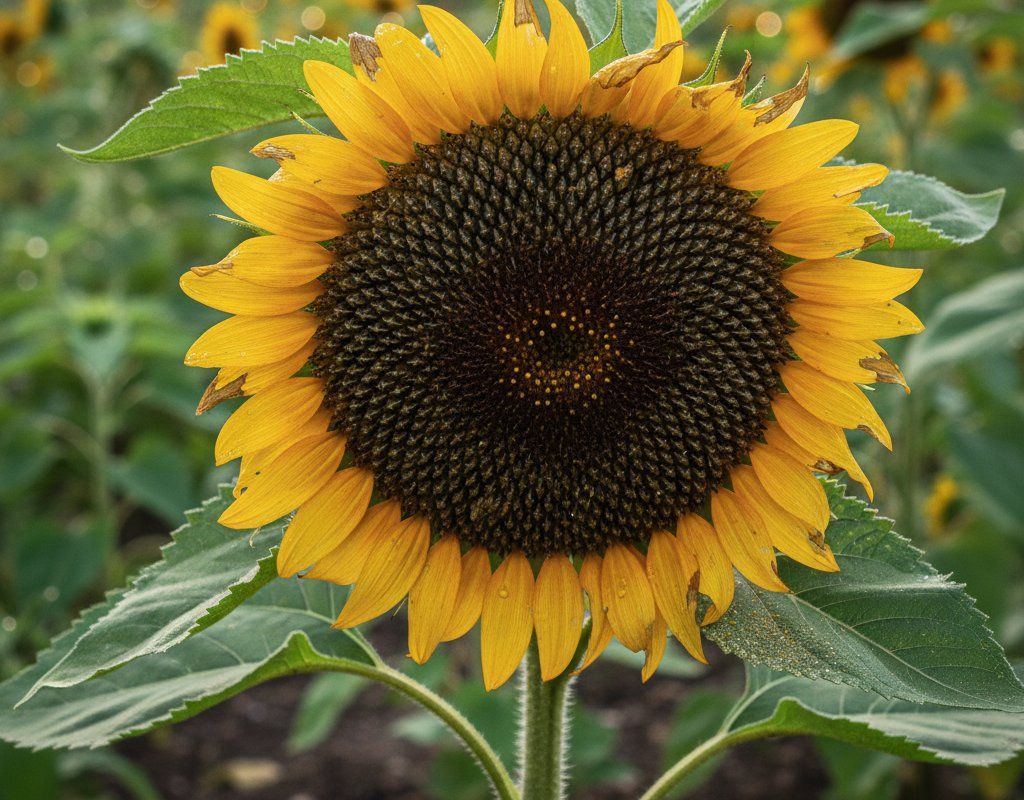
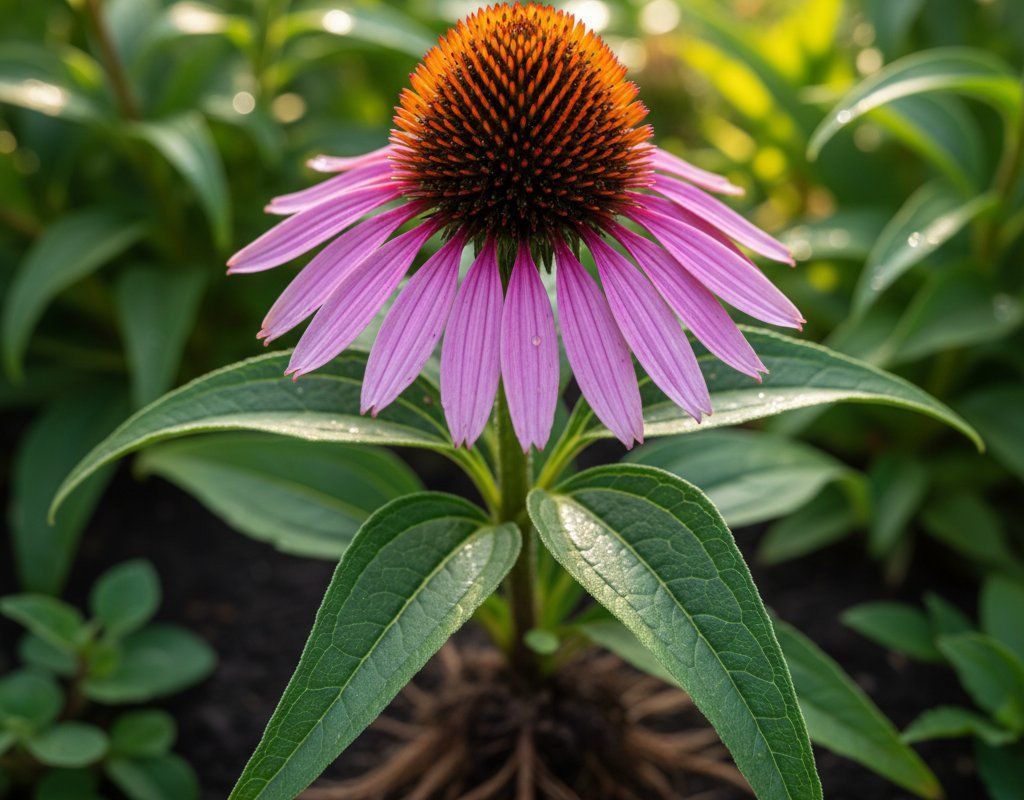
🌸Best Flowers to Plant with Green Beans
These flowers protect your Green Beans from pests and attract pollinators for better harvests.
For Pest Control






Get a Reminder When It's Time to Plant
We'll email you when key planting windows open for your zone.