
Green Beans in Zone 7B — Southeast
Phaseolus vulgaris · Your Complete 2026 Planting Guide
Planning Ahead — Great!
You’re ahead of the season. Here’s when to start.
Mark Your Calendar
How to Plant Green Beans in Zone 7B — Southeast
Here are all your options for getting green beans in the ground, from the easiest method to more advanced approaches.
Direct Sow Seeds
RecommendedLate March through early September
around March 27
Consider succession planting every 2-3 weeks for continuous harvest.
Beans have sensitive roots and grow quickly. Direct sow after frost.
Buy Starts
Works WellLate March through late April
around March 27
Plant purchased starts after last frost (March 20).
Start Seeds Indoors
ChallengingThis plant is typically not started indoors.
Transplant Outdoors
Timing InfoLate March through late April
around March 27
Wait until nighttime temperatures stay above 50°F.
You have a nice window — no need to rush.
Overview
Green beans are one of the most rewarding crops you can grow in our Zone 7B Southeast climate. With our long 235-day growing season and reliable summer rain, you can enjoy multiple plantings from late March through early September, harvesting fresh, tender beans from late May straight through early November. Nothing beats the crisp snap and sweet flavor of beans picked just minutes before dinner – store-bought simply can't compare to that garden-fresh taste.
Our hot, humid summers do create some challenges with fungal diseases and pests, but proper timing and good garden practices make green beans quite manageable. The key is working with our climate rather than fighting it, taking advantage of those afternoon thunderstorms while managing the humidity that comes with them.
Transplanting Outdoors
While you can start green beans indoors and transplant them out, it's rarely the best approach in our Southeast climate. Beans have sensitive roots that don't appreciate disturbance, and they grow so quickly from seed that you won't gain much time by starting indoors.
If you do choose to transplant, you can move seedlings outdoors from late March through late April, after our last frost risk has passed in mid-March. Give transplants a full week of hardening off – gradually increasing their outdoor exposure – before planting them 4-6 inches apart in your garden.
Watch for those unpredictable spring temperature swings we get in the Southeast. Even after mid-March, a surprise cold snap can damage tender bean transplants, so keep row covers handy for protection.
Direct Sowing
Direct sowing is absolutely the way to go with green beans in our Southeast gardens. You can plant from late March through early September, giving you plenty of opportunities for succession plantings throughout our long growing season. Wait until soil temperatures reach at least 60°F – usually by late March in Zone 7B – since beans will rot in cold, wet soil.
Plant seeds 1-2 inches deep and 4-6 inches apart in well-draining soil. Our clay soil can be challenging, so work in some compost to improve drainage and prevent seeds from rotting during heavy spring rains. Beans fix their own nitrogen, so don't over-fertilize with high-nitrogen amendments.
For continuous harvests, plant new rows every 2-3 weeks through mid-August. This gives you fresh beans all season long and helps you avoid having everything ready at once during our busy summer garden season.
Watering Green Beans in Zone 7B (Southeast)
Green beans need consistent moisture but hate soggy conditions – a balance that's crucial to master in our wet-summer Southeast climate. With our 45-55 inches of annual rainfall and frequent afternoon thunderstorms, you'll often find that nature provides most of what your beans need during summer months.
Check soil moisture by sticking your finger 2 inches deep near the plants. If it's dry at that depth, it's time to water. During our typical hot, humid summers, this usually means supplemental watering once or twice per week when rainfall is light, providing about 1 inch of water total per week. Always water at the base of plants rather than overhead – our humidity is high enough without adding wet foliage to invite bean rust and other fungal diseases.
During dry spells, beans will show stress by wilting during the hottest part of the day, even with adequate soil moisture. This is normal in our 92°F summer heat. However, if plants stay wilted in the morning or evening, they need water. Overwatering shows up as yellowing leaves and poor pod development.
Apply 2-3 inches of organic mulch around plants to retain moisture and keep soil temperatures more stable during our intense summer heat. This also helps prevent soil from splashing onto leaves during our heavy afternoon thunderstorms, reducing disease pressure.
🧪Fertilizing Green Beans
Feeding Schedule
Organic Fertilizer Options
Harvest Time
Your first green beans will be ready for picking about 55 days after planting, which means late May harvests for early spring plantings and continuous picking through early November for succession crops. In our long Southeast growing season, you can easily get three or more plantings if you stay on top of succession sowing.
Harvest when pods are firm, crisp, and about pencil-thick – before the seeds inside start to bulge and create bumps along the pod. Pick every 2-3 days during peak production to keep plants producing new pods. The more you harvest, the more beans you'll get, so don't let pods get overmature on the plant.
Use both hands when picking: hold the stem with one hand and gently pull pods with the other. This prevents damaging the plant, which is especially important during our hot, humid summers when plants can be more stressed. Early morning is the best time to harvest when pods are crisp and full of moisture.
As our first frost approaches in early November, harvest all remaining pods regardless of size. Young, tender pods are still delicious, and you can let the larger ones mature for drying as shell beans if you prefer.
Common Problems in Zone 7B (Southeast)
Bean Beetles You'll recognize Mexican bean beetles by the copper-colored adults with black spots feeding on your bean leaves, leaving behind a characteristic skeletonized appearance where only the leaf veins remain. Look for clusters of yellow-orange eggs on leaf undersides and spiny yellow larvae that also feed on foliage. Our warm, humid Southeast climate supports multiple generations per season, making this a persistent problem.
Handpick adults and larvae in early morning when they're sluggish, and crush any egg clusters you find. Row covers work well until plants start flowering and need pollination. Neem oil or pyrethrin sprays can help with heavy infestations. Clean up all plant debris after harvest since beetles overwinter in garden trash.
Bean Rust This fungal disease appears as rusty orange, yellow, or brown pustules on leaf undersides, eventually causing leaves to yellow and drop. Our hot, humid summers with frequent afternoon thunderstorms create perfect conditions for rust to develop and spread rapidly through the garden.
Avoid overhead watering and work in the garden only when plants are dry. Improve air circulation by proper spacing and removing weeds. At first signs of rust, remove affected leaves and apply sulfur or copper fungicide. Plant beans where they'll get good morning sun to dry dew quickly.
Mosaic Virus Infected plants show a distinctive mottled yellow and green pattern on leaves, along with stunted, distorted growth and reduced yields. Aphids spread this virus as they feed, and it can also spread through contaminated tools or hands. Once a plant is infected, there's no cure.
Remove and destroy infected plants immediately – don't compost them. Control aphids with beneficial insects or insecticidal soap. Wash your hands and disinfect tools between plants, especially if you smoke (tobacco mosaic virus can spread from cigarettes to beans). Choose resistant varieties when available.
Southeast Specific Challenges Our combination of high humidity, frequent summer rains, and hot temperatures creates ideal conditions for fungal diseases on green beans. Japanese beetles may also target bean foliage during their peak season in early summer. The key to success is choosing disease-resistant varieties, ensuring good air circulation, and avoiding practices that keep foliage wet longer than necessary.
Best Companions for Green Beans
Plant these nearby for healthier Green Beans and better harvests.
View Full Companion Planting Chart →




Companion Planting Details
Green beans make excellent companions for corn and squash in the traditional "Three Sisters" planting, where beans fix nitrogen that feeds the corn while climbing the stalks for support. Carrots planted nearby benefit from the nitrogen beans add to soil, while their different root depths mean they don't compete for nutrients. Celery also pairs well with beans since it prefers the consistent moisture that beans need and provides some natural pest deterrence.
Avoid planting beans near onions, garlic, or fennel, which can inhibit bean growth through natural compounds they release into the soil. In our Southeast gardens, focus on companions that can handle similar watering needs and don't require significantly different care during our hot, humid summers.
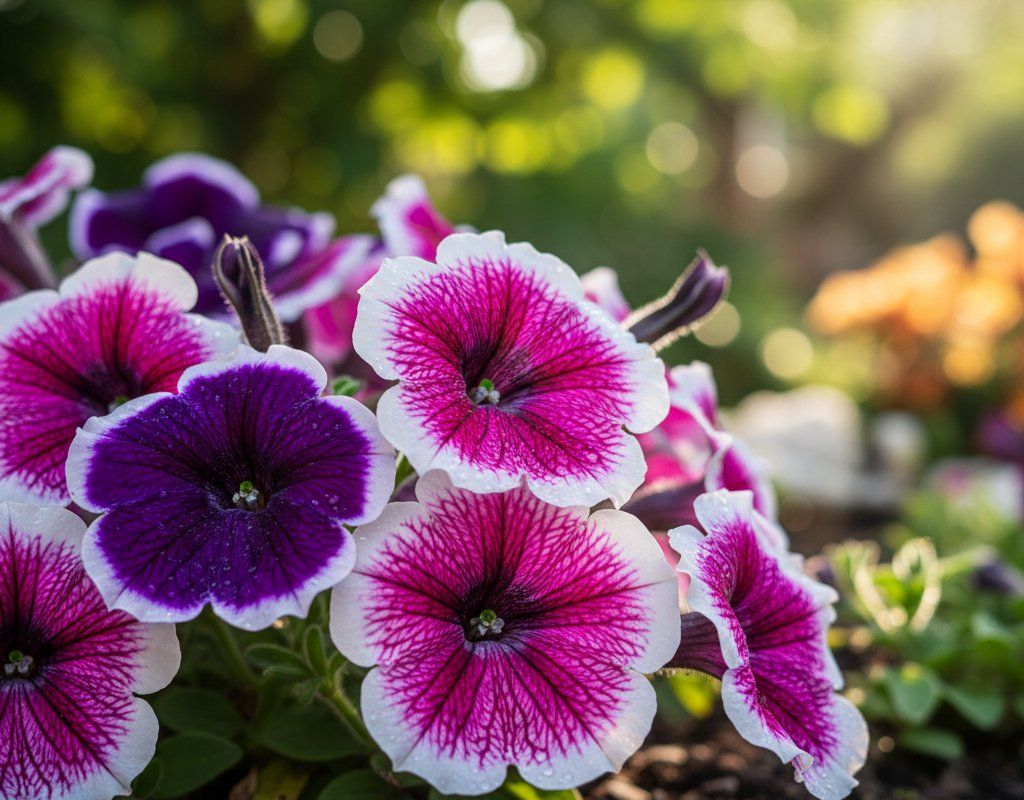
🌸Best Flowers to Plant with Green Beans
These flowers protect your Green Beans from pests and attract pollinators for better harvests.
For Pest Control







Get a Reminder When It's Time to Plant
We'll email you when key planting windows open for your zone.