
Green Beans in Zone 9B — Texas
Phaseolus vulgaris · Your Complete 2026 Planting Guide
Still Time to Sow!
The sowing window is still open for Green Beans.
Sow Seeds Soon
Beans have sensitive roots and grow quickly. Direct sow after frost.
How to Plant Green Beans in Zone 9B — Texas
Here are all your options for getting green beans in the ground, from the easiest method to more advanced approaches.
Direct Sow Seeds
RecommendedMid February through early October
around February 12
Consider succession planting every 2-3 weeks for continuous harvest.
Beans have sensitive roots and grow quickly. Direct sow after frost.
Buy Starts
Works WellMid February through mid March
around February 12
Plant purchased starts after last frost (February 5).
Start Seeds Indoors
ChallengingThis plant is typically not started indoors.
Transplant Outdoors
Timing InfoMid February through mid March
around February 12
Wait until nighttime temperatures stay above 50°F.
You have a nice window — no need to rush.
Overview
Green beans thrive in our Texas gardens, delivering crisp, sweet pods that put grocery store beans to shame. They're perfect for our long growing season, giving you multiple plantings from late winter through early fall. These heat-loving plants handle our Texas heat better than many vegetables, and they're incredibly versatile — from fresh eating to preserving for winter.
While our unpredictable weather and extreme summer heat can challenge bean production, timing your plantings right makes all the difference. With 308 growing days, you have plenty of opportunities to succession plant for continuous harvests. The key is working with our climate patterns rather than fighting them.
Transplanting Outdoors
While beans can be transplanted, it's rarely the best choice in Texas since they grow quickly from seed and hate root disturbance. If you do start beans indoors, transplant them outside from mid-February through mid-March, after our last frost danger passes.
Harden off transplants gradually over one week, starting with 2-3 hours of morning sun and building up to full exposure. Space plants 4-6 inches apart in rows. Plant them at the same depth they were growing in containers.
Watch for those unpredictable late February cold snaps that can damage tender transplants. Have row covers ready if temperatures threaten to drop below 50°F. The stressed roots from transplanting make beans more vulnerable to temperature swings than direct-sown plants.
Direct Sowing
Direct sowing is your best bet for beans in Texas — they germinate quickly and avoid transplant shock. Plant from mid-February through early October, timing your sowings around our climate patterns. Spring plantings go in after soil warms to 60°F, usually late February to early March.
Prepare well-draining soil since beans hate wet feet, especially important during our unpredictable spring rains. Plant seeds 1-2 inches deep and 4-6 inches apart. In heavy clay soils common in Texas, work in compost to improve drainage. Seeds should germinate within 7-10 days in warm soil.
For continuous harvests, make succession plantings every 2-3 weeks through early summer, then resume in late August for fall crops. Fall beans often produce better than summer ones since they mature during cooler weather, avoiding the worst of our brutal August heat.
Watering Green Beans in Zone 9B (Texas)
Beans need consistent moisture but hate soggy soil — a tricky balance in Texas with our feast-or-famine rainfall patterns. During dry spells, provide about 1 inch of water weekly, checking soil moisture with your finger 2 inches deep. If it's dry at that depth, it's time to water.
Never water overhead — wet foliage in our variable humidity invites bean rust and other fungal diseases that thrive in warm, moist conditions. Water at soil level early morning so any splash dries quickly. Drip irrigation or soaker hoses work perfectly for beans.
Summer watering gets critical during those 100°F+ stretches. Increase frequency but not duration — daily shallow watering in extreme heat keeps roots cool. Signs of drought stress include wilted leaves during midday heat that don't recover by evening, while overwatering shows as yellowing lower leaves and stunted growth.
Mulch around plants with 2-3 inches of shredded leaves or grass clippings to retain moisture and keep soil temperatures down. This is especially important during our intense summer heat when soil can hit 120°F+ in direct sun.
🧪Fertilizing Green Beans
Feeding Schedule
Organic Fertilizer Options
Harvest Time
Your first beans will be ready in early April from February plantings, continuing through early December with succession sowings. Bush beans typically mature all at once over 2-3 weeks, making them perfect for preserving or sharing with neighbors.
Pick pods when they're firm, crisp, and about pencil-thick — before you can see the seeds bulging inside. Test by snapping a pod; it should break cleanly with a satisfying snap sound. Harvest every 2-3 days during peak production to keep plants producing new pods.
Pick in early morning when pods are cool and full of moisture. Use both hands — hold the plant with one while picking with the other to avoid damaging the shallow root system. Regular picking encourages continued production, while leaving mature pods signals the plant to stop flowering.
As December approaches and frost threatens, harvest all remaining pods regardless of size. Green pods can be pickled, while mature beans can be shelled and dried. Our mild winters mean you might get beans right up until that first hard freeze in early December.
Common Problems in Zone 9B (Texas)
Bean Beetles These copper-colored beetles with black spots create skeletonized leaves where only the veins remain. You'll spot yellow-orange spiny larvae on leaf undersides along with clusters of yellow eggs. Our long warm season allows multiple generations, making them particularly troublesome in Texas.
Mexican bean beetles thrive in our heat and can devastate crops quickly. Handpick adults and larvae in early morning when they're sluggish. Crush egg clusters on leaf undersides. Row covers work until flowering begins, then spray with neem oil or pyrethrin. Clean up all plant debris after harvest since beetles overwinter in garden trash.
Rust Rusty orange, yellow, or brown pustules appear on leaf undersides, causing leaves to yellow and drop early. Our variable humidity and warm temperatures create perfect conditions for rust fungi, especially when combined with overhead watering or morning dew.
The key is avoiding wet foliage in our humid conditions. Water only at soil level and improve air circulation by proper spacing. Remove affected leaves immediately. Spray sulfur or copper fungicide during humid periods. Never work among wet plants — wait until morning dew dries completely.
Mosaic Virus Leaves show a mottled yellow-green pattern with stunted, distorted growth and reduced yields. Several viruses cause this, transmitted by aphids that thrive in our warm climate. Once infected, there's no cure — prevention is everything.
Control aphids with reflective mulches or beneficial insects like ladybugs. Don't smoke around bean plants since tobacco mosaic virus transfers from cigarettes. Wash hands and tools between plants, especially after handling any diseased vegetation. Remove and destroy infected plants immediately — don't compost them.
Texas Specific Challenges Our extreme heat stress makes beans more susceptible to all problems, while unpredictable rainfall creates conditions favoring fungal diseases. Flash floods can spread soilborne pathogens, and drought stress weakens plant defenses. Fire ants may interfere with beneficial predator insects that help control pests naturally.
Best Companions for Green Beans
Plant these nearby for healthier Green Beans and better harvests.
View Full Companion Planting Chart →




Companion Planting Details
Plant beans with corn and squash for the classic "Three Sisters" combination — corn provides support, beans fix nitrogen for heavy-feeding corn and squash, while squash leaves shade the soil and deter pests. Carrots make excellent companions since their deep roots don't compete with shallow bean roots, and celery's strong scent may help repel bean beetles.
Avoid planting beans near onions, garlic, or fennel, which can inhibit bean growth through chemical compounds released by their roots. These alliums also attract different beneficial insects that might not help your bean pest problems. Keep fennel especially far away — it's allelopathic to most vegetables and can stunt bean production significantly in our already challenging Texas heat.
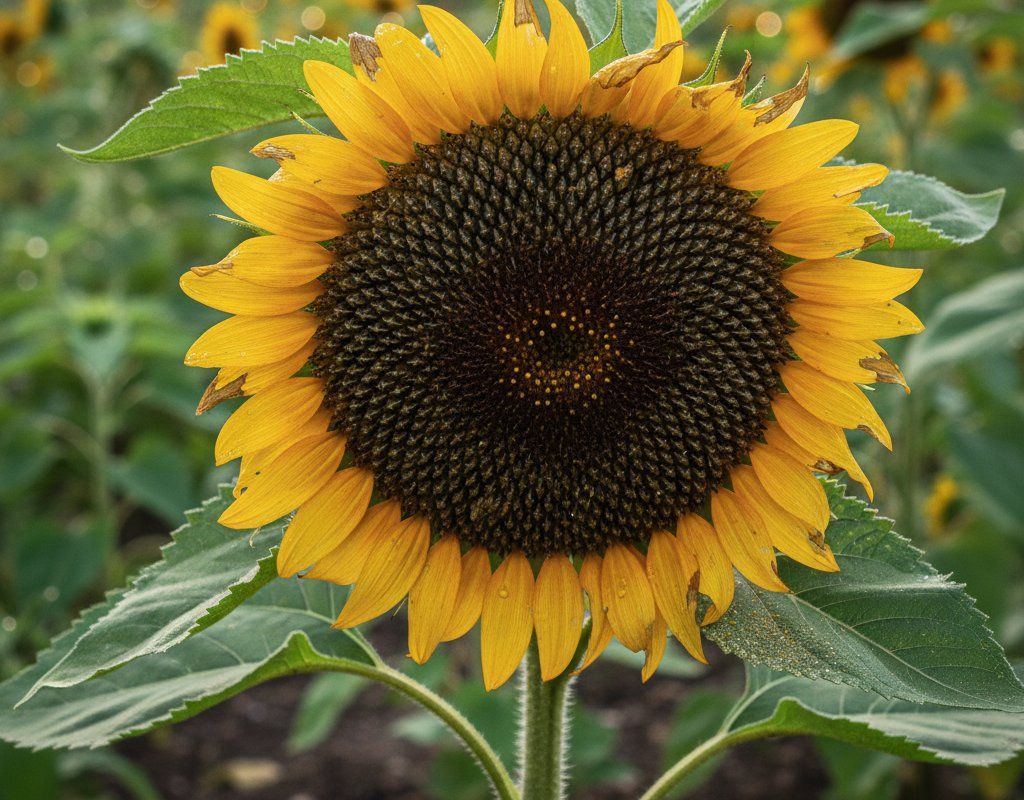
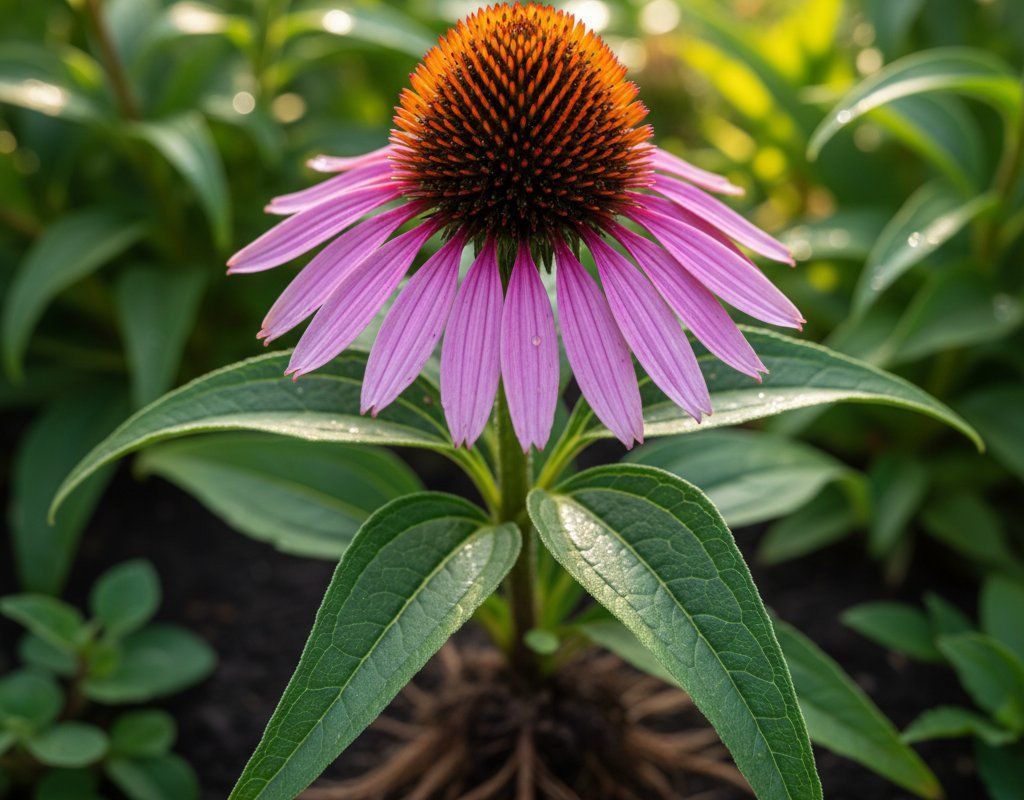
🌸Best Flowers to Plant with Green Beans
These flowers protect your Green Beans from pests and attract pollinators for better harvests.
For Pest Control






Get a Reminder When It's Time to Plant
We'll email you when key planting windows open for your zone.