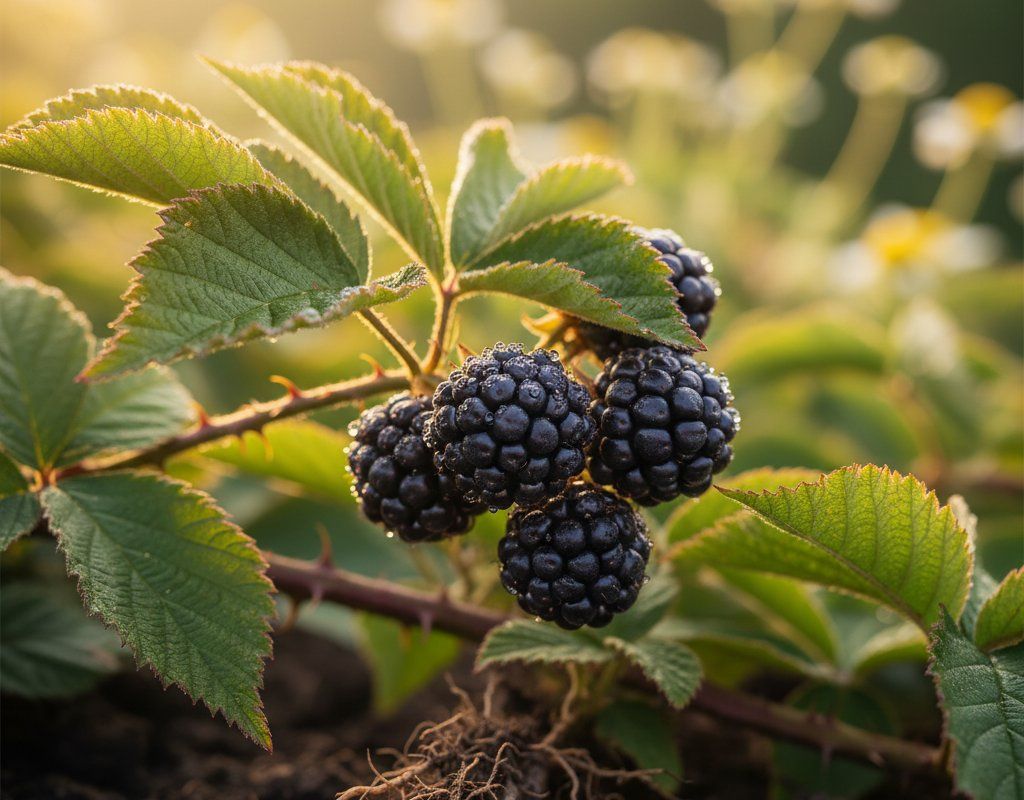
Blackberry in Zone 7A — Southeast
Rubus fruticosus · Your Complete 2026 Planting Guide
Check Planting Details Below
See the full planting guide for timing information.
How to Plant Blackberry in Zone 7A — Southeast
Here are all your options for getting blackberry in the ground, from the easiest method to more advanced approaches.
Buy Starts
RecommendedLate March through late April
around March 25
Plant purchased starts after last frost (March 25).
Buy bare-root canes or potted plants. Very similar to raspberry care.
Start Seeds Indoors
ChallengingThis plant is typically not started indoors.
Direct Sow Seeds
ChallengingDirect sowing is not typical for Blackberry.
Transplant Outdoors
Timing InfoLate March through late April
around March 25
Can tolerate light frost, but wait for soil to be workable.
You have a nice window — no need to rush.
Overview
Blackberries are a fantastic addition to any Southeast garden, offering juicy, sweet-tart fruit perfect for jams, pies, or just snacking straight from the vine. Imagine the satisfaction of harvesting your own berries after a long summer, knowing you grew them yourself right here in Zone 7A.
Our hot and humid summers can present challenges like increased disease pressure and pesky Japanese beetles, but with careful timing and the right techniques, you can enjoy a bountiful blackberry harvest. Our long 225-day growing season gives you plenty of time to get your plants established and producing delicious fruit.
Transplanting Outdoors
You'll want to transplant your blackberry plants outdoors from late March through late April, once the threat of a hard freeze has passed. Be sure to harden off your bare-root or potted plants first. Gradually expose them to outdoor conditions over about a week.
When you're ready to plant, space your blackberry plants about 3-5 feet apart to give them plenty of room to grow. Keep an eye on the weather forecast—a late-season cold snap can still happen, so be prepared to cover your young plants if necessary.
Watering Blackberry in Zone 7A (Southeast)
Blackberries need moderate watering, especially during their fruiting season. They aren’t as drought-tolerant as some other plants, but they're more forgiving than raspberries once they're established. The key is consistent moisture, especially with our hot and humid summers.
In the Southeast, a good rule of thumb is to water deeply about once a week, providing about 1-2 inches of water. Use the "finger test"—stick your finger about 2 inches into the soil near the base of the plant. If it feels dry, it's time to water. Aim to water at the base of the plant to avoid wetting the foliage, which can encourage fungal diseases in our humid climate.
Signs of underwatering include wilting leaves and dry, brittle canes. Overwatering can lead to yellowing leaves and root rot. A generous layer of mulch around your blackberry plants helps retain moisture in our clay soil and keeps the roots cool during our long summer.
Supporting Your Blackberry
Blackberries are vining plants that need strong support to thrive. A sturdy trellis system is ideal, providing a framework for the canes to climb and spread. Install the trellis before you plant your blackberries to avoid disturbing their roots later.
A vertical trellis with wires or horizontal supports works well, allowing you to train the canes upwards and outwards. Thornless varieties are particularly easy to manage on a trellis, making pruning and harvesting much more pleasant. Secure the canes to the trellis with soft twine or plant ties, guiding their growth and preventing them from sprawling.
Pruning & Maintaining Blackberry
Blackberry pruning is essential for maintaining healthy plants and maximizing fruit production. The general rule is to remove the spent floricanes (the canes that fruited the previous year) after you've harvested your berries. These canes won't produce again, so cutting them back encourages new growth.
During the growing season, tip-prune the new primocanes (the current year's growth) at about 4-5 feet tall. This encourages branching, which leads to more fruiting later. As the first frost approaches in early November, clean up any dead or diseased foliage to reduce overwintering pests and diseases.
🧪Fertilizing Blackberry
Feeding Schedule
Organic Fertilizer Options
Harvest Time
In Zone 7A of the Southeast, you can expect your first blackberry harvest from late May through mid July, depending on the variety and the weather. Blackberries are ready to pick when they are fully black, not dark red. A ripe berry should pull off the stem easily without squeezing it.
Another sign of ripeness is a dull surface; shiny berries aren't quite ready. Harvest regularly, every few days, to encourage continued production. As the first frost approaches in early November, harvest any remaining ripe berries and consider protecting your plants with row covers if a hard freeze is predicted.
Common Problems in Zone 7A (Southeast)
Blackberries in the Southeast can face a few common problems:
Spotted Wing Drosophila
- What it looks like: Tiny flies lay eggs in ripening fruit, causing soft spots and larvae inside the berries.
- What causes it: Our humid summers provide ideal conditions for these pests to thrive.
- How to fix/prevent it: Use insect netting to exclude the flies, and apply organic insecticides like spinosad if necessary. Remove and destroy infested fruit promptly.
Cane Blight
- What it looks like: Dark, sunken lesions appear on the canes, often near pruning cuts or injuries.
- What causes it: A fungal disease that enters through wounds, exacerbated by our humid climate.
- How to fix/prevent it: Prune carefully to avoid injury, and apply a fungicide after pruning. Ensure good air circulation around the plants.
Orange Rust
- What it looks like: Bright orange pustules appear on the undersides of leaves, eventually spreading to the entire plant.
- What causes it: A systemic fungal disease that infects the entire plant, making it unproductive.
- How to fix/prevent it: Remove and destroy infected plants immediately, as there is no cure. Choose disease-resistant varieties.
Japanese Beetles
- What it looks like: Metallic green beetles skeletonize leaves and feed on blossoms.
- What causes it: These pests are common in the Southeast and thrive in our warm, humid summers.
- How to fix/prevent it: Handpick beetles in the early morning, use Japanese beetle traps, or apply organic insecticides like neem oil.
Southeast Specific Challenges: The hot, humid summers and wet-summer rainfall in the Southeast create ideal conditions for fungal diseases and pests like Japanese beetles and spotted wing drosophila. Regular monitoring, good air circulation, and proactive pest and disease management are crucial for growing healthy blackberries in our region.
Best Companions for Blackberry
Plant these nearby for healthier Blackberry and better harvests.
View Full Companion Planting Chart →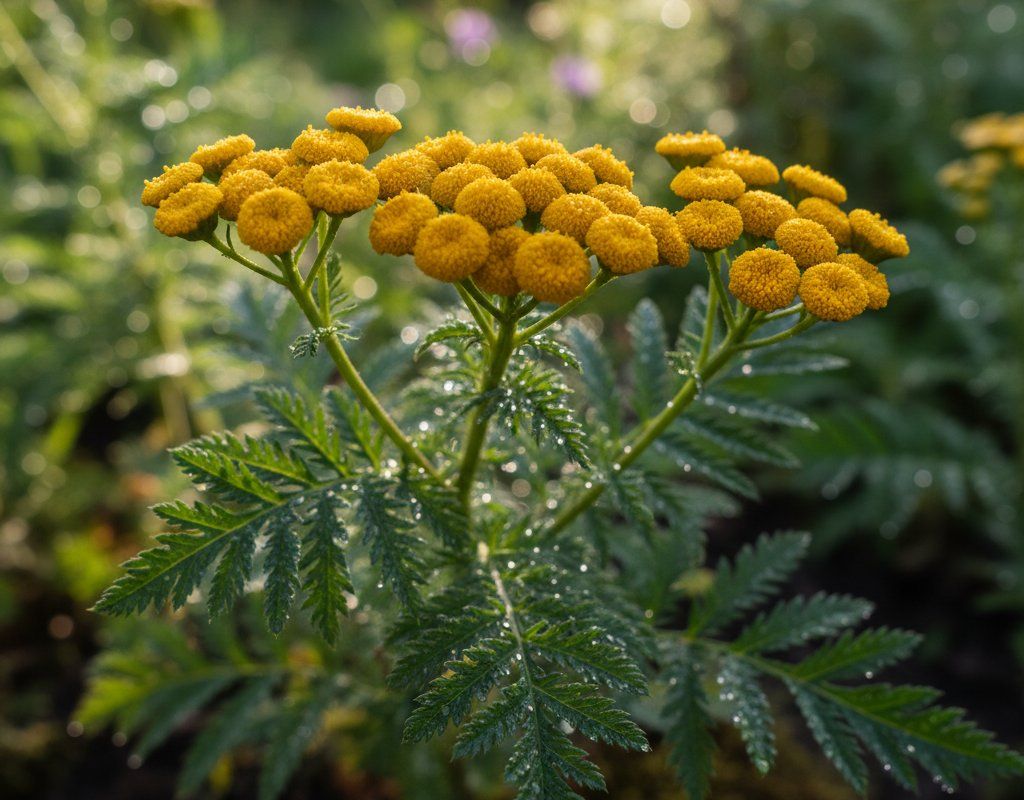





Companion Planting Details
Companion planting can help your blackberries thrive in the Southeast. Tansy is a good companion because it repels many insect pests. Garlic also deters pests and can help prevent fungal diseases.
Green beans are beneficial because they fix nitrogen in the soil, enriching it for your blackberries. Mint can attract beneficial insects, but be sure to contain it, as it can be invasive. Avoid planting tomatoes, peppers, and potatoes near your blackberries, as they can attract similar pests and diseases, increasing the risk of problems in your garden.
🌸Best Flowers to Plant with Blackberry
These flowers protect your Blackberry from pests and attract pollinators for better harvests.
For Pest Control



Get a Reminder When It's Time to Plant
We'll email you when key planting windows open for your zone.