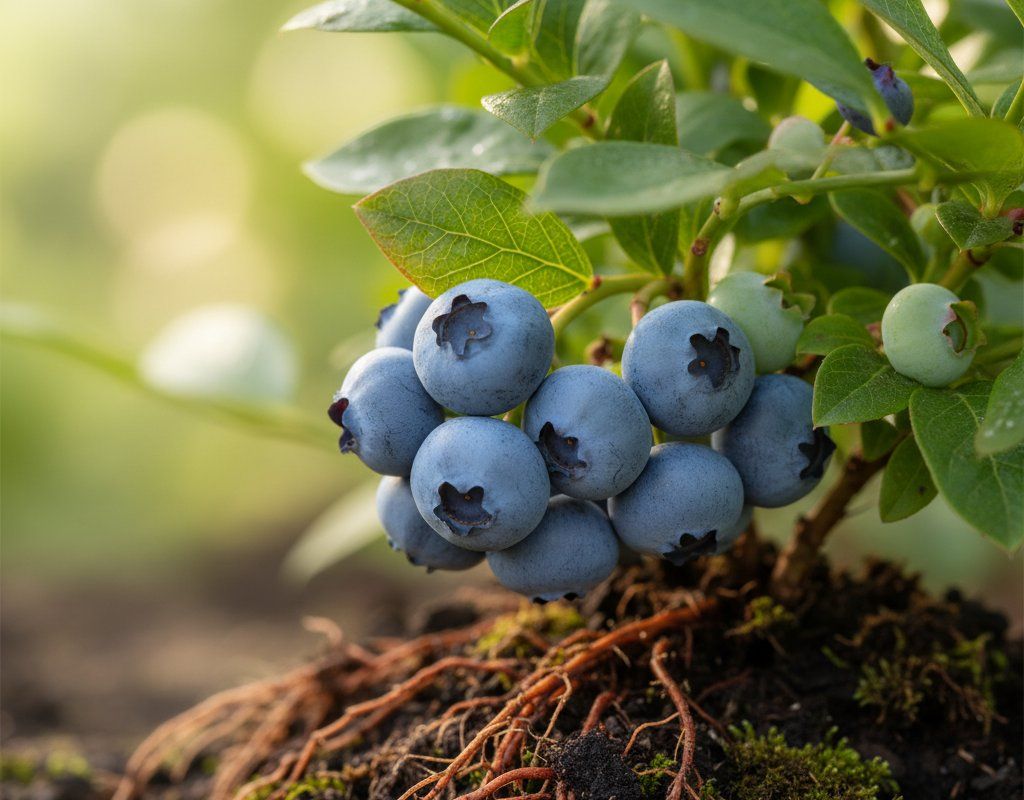
Blueberry in Zone 7A — Northeast
Vaccinium corymbosum · Your Complete 2026 Planting Guide
Check Planting Details Below
See the full planting guide for timing information.
How to Plant Blueberry in Zone 7A — Northeast
Here are all your options for getting blueberry in the ground, from the easiest method to more advanced approaches.
Buy Starts
RecommendedEarly April through early May
around April 10
Plant purchased starts after last frost (April 10).
Buy 2-3 year old potted plants from a nursery. Growing from seed takes many years.
Start Seeds Indoors
ChallengingThis plant is typically not started indoors.
Direct Sow Seeds
ChallengingDirect sowing is not typical for Blueberry.
Transplant Outdoors
Timing InfoEarly April through early May
around April 10
Can tolerate light frost, but wait for soil to be workable.
Plan to transplant within a few weeks of your target date.
Overview
Blueberries are a true taste of summer, and well worth the effort in our Northeast gardens. The cool nights we often get here enhance their sweetness, and there's nothing quite like picking your own berries for pies, jams, or just a handful straight from the bush. Plus, a mature blueberry bush is beautiful in its own right, offering multi-season appeal.
Our short growing season and occasional late frosts can be a challenge, but blueberries are surprisingly hardy. With careful planning and attention to timing, you can absolutely enjoy a bountiful harvest within our 198-day window.
Transplanting Outdoors
You'll want to transplant your blueberry bushes outdoors from early April through early May. Before planting, make sure you harden them off. This means gradually exposing them to outdoor conditions for about a week, starting with just a few hours a day in a sheltered spot.
Space your bushes 4-6 feet apart to allow for good air circulation and mature growth. Keep an eye on the weather forecast around transplant time; those late spring frosts can still sneak in, so be ready to cover your young plants if a cold snap is predicted.
Watering Blueberry in Zone 7A (Northeast)
Blueberries need consistent moisture, especially when young and during fruit development. In our Northeast climate, with its moderate heat and humidity, aim for about 1-2 inches of water per week, including rainfall. Stick your finger about 2 inches into the soil near the base of the plant. If it feels dry, it's time to water.
Water deeply at the base of the plant, avoiding overhead watering as much as possible. Our moderate-to-humid summers can make blueberries susceptible to fungal diseases if the foliage stays wet for too long.
Signs of underwatering include wilting leaves and dry, hard berries. Overwatering can lead to yellowing leaves and root rot. To help retain moisture and keep the soil acidic, mulch around your blueberry bushes with pine needles or wood chips. The acidity is crucial for healthy growth!
Pruning & Maintaining Blueberry
Blueberries benefit from minimal pruning, especially in their early years. For the first 2-3 years, focus on letting the plant establish itself, removing only dead or damaged branches.
After that, prune annually in late winter or early spring, before new growth begins. Remove the oldest, thickest canes at ground level to encourage new growth and improve air circulation. Aim for an open center to allow sunlight to reach all parts of the bush.
As the first frost approaches in late October, there's nothing specific you need to do in terms of pruning. Just let the plant go dormant naturally.
🧪Fertilizing Blueberry
Feeding Schedule
Organic Fertilizer Options
Harvest Time
Expect your first blueberry harvest from early July through mid August, depending on the variety and the weather that year. The berries are ready to pick when they are fully blue, with no traces of red or green. For the sweetest flavor, wait a couple of days after they turn blue.
Gently roll the ripe berries between your thumb and forefinger; they should fall easily into your hand. Avoid yanking or pulling, as this can damage the plant. Harvest regularly, every few days, as the berries ripen.
To encourage continued production, make sure your bushes are well-watered and fertilized. As the first frost approaches in late October, harvest any remaining ripe berries. Green berries won't ripen off the vine, so it's best to leave them for the birds.
Common Problems in Zone 7A (Northeast)
Here are some common problems you might encounter with blueberries in the Northeast:
Birds
- What it looks like: Missing berries, often with a few peck marks on the remaining ones.
- What causes it: Birds love blueberries! They are especially problematic as the berries ripen.
- How to fix/prevent it: Netting is the most effective solution. Cover your bushes with bird netting as the berries begin to turn blue.
Mummy Berry
- What it looks like: Shriveled, grayish-pink berries that drop prematurely.
- What causes it: A fungal disease that infects the blossoms. Spores overwinter in mummified berries on the ground.
- How to fix/prevent it: Remove and destroy any mummified berries on the ground around your plants. Prune to improve air circulation.
Blueberry Maggot
- What it looks like: Small, white maggots inside the berries.
- What causes it: The larvae of a fruit fly that lays its eggs in the ripening berries.
- How to fix/prevent it: Use yellow sticky traps to monitor for adult flies. Apply an insecticide labeled for blueberry maggot if necessary, following label instructions carefully.
Iron Chlorosis
- What it looks like: Yellowing leaves with green veins.
- What causes it: Iron deficiency, often due to high soil pH. Blueberries need acidic soil to absorb iron properly.
- How to fix/prevent it: Test your soil pH and amend with sulfur to lower it if necessary. Use fertilizers formulated for acid-loving plants.
Northeast Specific Challenges: The combination of moderate heat, moderate-to-humid humidity, and even rainfall in the Northeast can create ideal conditions for fungal diseases like mummy berry. Proper pruning and good air circulation are essential to prevent these issues.
Best Companions for Blueberry
Plant these nearby for healthier Blueberry and better harvests.
View Full Companion Planting Chart →




Companion Planting Details
Good companion plants for blueberries include strawberries, thyme, and basil. Strawberries make excellent ground cover, suppressing weeds and helping to retain moisture. Thyme attracts beneficial insects that can help control pests. Basil is said to repel certain insects that might bother your blueberry bushes. Azaleas also enjoy similar acidic soil conditions and make a beautiful pairing.
Avoid planting tomatoes and peppers near blueberries. These plants prefer slightly alkaline soil, which can interfere with the blueberry's ability to absorb nutrients.
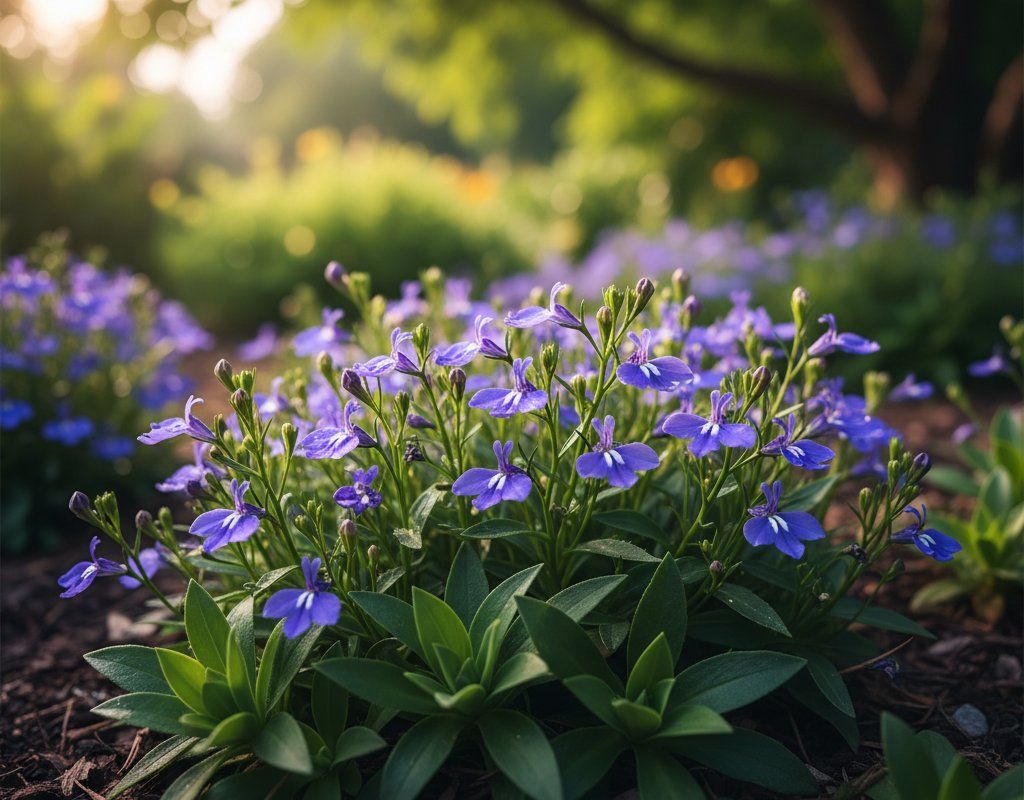
🌸Best Flowers to Plant with Blueberry
These flowers protect your Blueberry from pests and attract pollinators for better harvests.
For Pest Control



Get a Reminder When It's Time to Plant
We'll email you when key planting windows open for your zone.