Blueberry in Zone 7A — Southeast
Vaccinium corymbosum · Your Complete 2026 Planting Guide
Check Planting Details Below
See the full planting guide for timing information.
How to Plant Blueberry in Zone 7A — Southeast
Here are all your options for getting blueberry in the ground, from the easiest method to more advanced approaches.
Buy Starts
RecommendedLate March through mid April
around March 25
Plant purchased starts after last frost (March 25).
Buy 2-3 year old potted plants from a nursery. Growing from seed takes many years.
Start Seeds Indoors
ChallengingThis plant is typically not started indoors.
Direct Sow Seeds
ChallengingDirect sowing is not typical for Blueberry.
Transplant Outdoors
Timing InfoLate March through mid April
around March 25
Can tolerate light frost, but wait for soil to be workable.
Plan to transplant within a few weeks of your target date.
Overview
Blueberries are a fantastic addition to any Southeast garden. Their sweet, tangy flavor makes them perfect for pies, jams, or just snacking straight from the bush. Plus, you get the satisfaction of growing your own berries during our long summer, right when the heat is on!
Our hot and humid climate can present some challenges with fungal diseases, but with proper timing and care, you can absolutely grow delicious blueberries here. Our long growing season, usually around 225 days, gives you plenty of time to get a great harvest.
Transplanting Outdoors
You'll want to transplant your blueberry bushes outdoors from late March through mid April. Before planting, be sure to harden them off. Give them about a week of gradual exposure to the outdoors, increasing the amount of time each day.
Space your bushes about 4-6 feet apart to give them plenty of room to grow. Keep an eye on the weather forecast; we can still get some unexpected cool snaps or late frosts during this time, so be ready to cover your young plants if needed. Remember to buy 2-3 year old potted plants from a nursery.
Watering Blueberry in Zone 7A (Southeast)
Blueberries need consistent moisture, especially during our hot summers, but they don't like to be waterlogged. The key is to find that balance. They also need acidic conditions, so using rainwater or well water is best.
During the hottest part of the summer, you'll likely need to water your blueberry bushes a couple of times a week, especially if we're not getting our usual afternoon thunderstorms. Stick your finger about 2 inches into the soil. If it feels dry, it's time to water. Aim for about 1-2 inches of water per week, depending on rainfall. Water at the base of the plant to avoid getting the leaves wet, which can encourage fungal diseases in our humid climate.
If the leaves start to turn yellow, it could be a sign of overwatering or poor drainage. Wilting leaves, even when the soil is moist, can indicate root rot. On the other hand, if the leaves are dry and crispy, you're likely underwatering. Mulching around your blueberry bushes with pine needles or wood chips helps retain moisture and also adds to the acidity of the soil.
Pruning & Maintaining Blueberry
Blueberries don't require a ton of pruning, but a little maintenance each year will keep them healthy and productive. The goal is to remove older, less productive canes to encourage new growth and improve air circulation.
In late winter or early spring, before new growth begins, remove any dead, damaged, or crossing branches. Also, cut out the oldest, thickest canes at the base of the plant. Aim to open up the center of the bush to allow sunlight to penetrate and improve airflow, which helps prevent fungal diseases. Don't worry about pruning in the first 2-3 years; let the plant establish itself. After the first frost in early November, you can do a quick check for any broken or diseased branches to remove.
🧪Fertilizing Blueberry
Feeding Schedule
Organic Fertilizer Options
Harvest Time
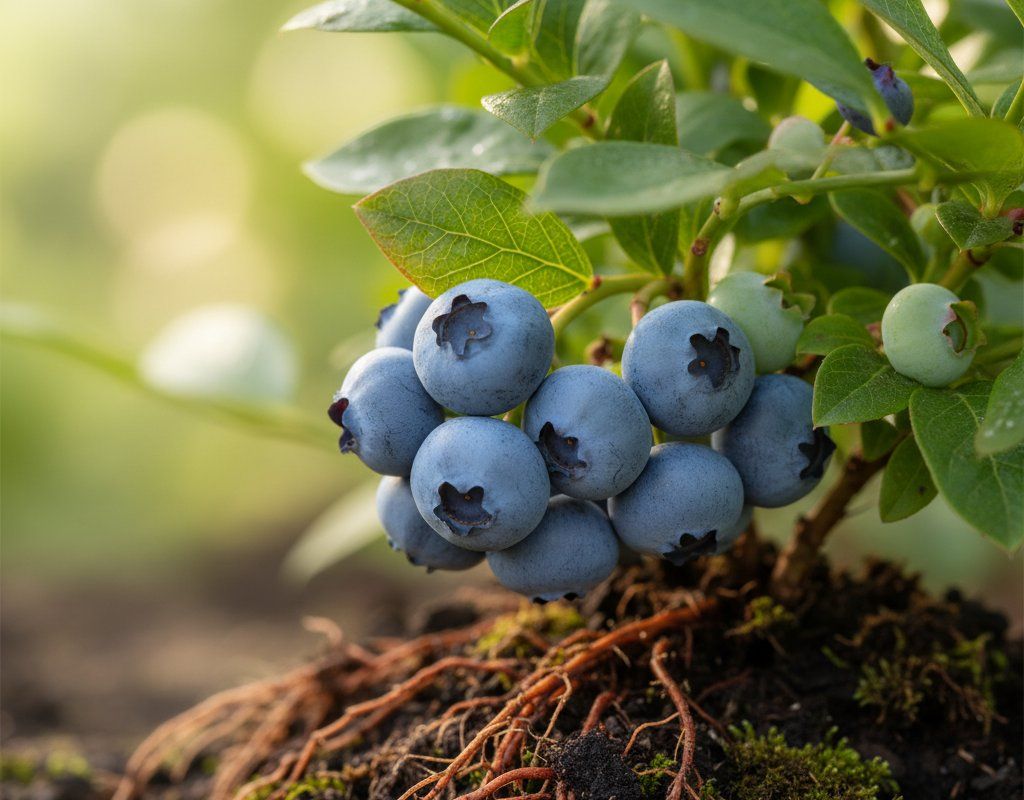
You can typically expect your first blueberry harvest from late June through early August here in the Southeast. Keep an eye on your berries as they start to turn blue.
The best way to tell if a blueberry is ripe is to look for a deep, solid blue color with no red or green. Wait a couple of days after they turn fully blue for the best sweetness. Ripe berries should fall easily into your hand with a gentle tug. Avoid pulling or yanking, as this can damage the plant. Pick regularly to encourage continued production.
As the first frost approaches in early November, harvest any remaining berries, even if they're not quite fully ripe. They won't ripen off the vine, but you can use them in jams or baked goods.
Common Problems in Zone 7A (Southeast)
Birds
- What it looks like: Missing berries, pecked fruit on the ground, birds flitting around your bushes.
- What causes it: Birds love blueberries just as much as we do! They're attracted to the bright color and sweet taste.
- How to fix/prevent it: Netting is the most effective solution. Cover your bushes with bird netting before the berries start to ripen. You can also try using bird deterrents like shiny tape or scarecrows, but these are often less effective.
Mummy Berry
- What it looks like: Infected berries turn pinkish-tan, shrivel, and become hard and mummified. They often drop prematurely.
- What causes it: A fungal disease that thrives in our humid spring weather. The fungus infects the flowers, leading to the development of mummified berries.
- How to fix/prevent it: Remove and destroy any mummified berries from the ground and bushes. Apply a fungicide in early spring before bloom, especially if you've had problems with mummy berry in the past. Improve air circulation around your plants by pruning.
Blueberry Maggot
- What it looks like: Small, white maggots inside the berries. The berries may also appear soft or shriveled.
- What causes it: A fruit fly that lays its eggs inside the berries. The maggots hatch and feed on the fruit.
- How to fix/prevent it: Use yellow sticky traps to monitor for adult flies. Apply an insecticide specifically labeled for blueberry maggot control, following the instructions carefully. Remove and destroy any infested berries.
Iron Chlorosis
- What it looks like: Yellowing leaves with green veins. New growth is often most affected.
- What causes it: Iron deficiency, often caused by high soil pH. Blueberries need acidic soil to properly absorb iron. Our clay soil can make this worse.
- How to fix/prevent it: Test your soil pH and amend with sulfur to lower it to the ideal range of 4.5-5.5. Apply chelated iron to the soil or foliage. Use an acid-forming fertilizer.
Southeast Specific Challenges: Our hot, humid summers and wet-summer rainfall create ideal conditions for fungal diseases like mummy berry and other leaf spot diseases. Good air circulation and proper watering techniques are essential. The humidity also makes Japanese beetles a common pest, so be prepared to handpick them or use appropriate insecticides if necessary.
Best Companions for Blueberry
Plant these nearby for healthier Blueberry and better harvests.
View Full Companion Planting Chart →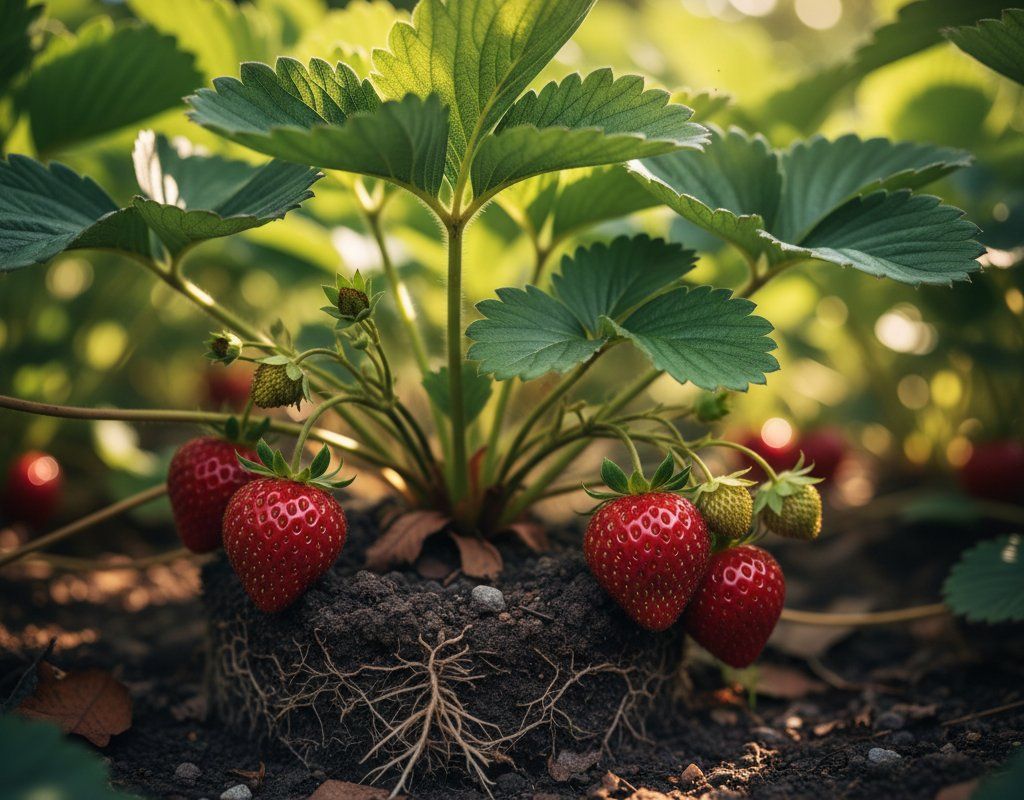




Companion Planting Details
Strawberries make great companions for blueberries because they enjoy similar acidic soil conditions and can help suppress weeds around the base of the bushes. Thyme is another good choice, as it attracts beneficial insects that can help control pests. Basil can help repel some pests and is also said to improve the flavor of blueberries. Azaleas also love acidic soil and can provide some shade and visual interest to your blueberry patch.
Avoid planting tomatoes and peppers near your blueberries. They prefer more alkaline soil and can compete for nutrients, hindering the growth of your blueberry bushes.
🌸Best Flowers to Plant with Blueberry
These flowers protect your Blueberry from pests and attract pollinators for better harvests.
For Pest Control



Get a Reminder When It's Time to Plant
We'll email you when key planting windows open for your zone.