
Borage in Zone 9A — Southern California
Borago officinalis · Your Complete 2026 Planting Guide
Still Time to Sow!
The sowing window is still open for Borage.
Sow Seeds Soon
Easy to direct sow and self-seeds readily.
How to Plant Borage in Zone 9A — Southern California
Here are all your options for getting borage in the ground, from the easiest method to more advanced approaches.
Direct Sow Seeds
RecommendedEarly February through mid October
around February 1
Consider succession planting every 2-3 weeks for continuous harvest.
Easy to direct sow and self-seeds readily.
Buy Starts
Works WellMid January through mid February
around January 18
Plant purchased starts after last frost (February 1).
Start Seeds Indoors
ChallengingThis plant is typically not started indoors.
Transplant Outdoors
Timing InfoMid January through mid February
around January 18
Can tolerate light frost, but wait for soil to be workable.
You have a nice window — no need to rush.
Overview
Borage is a fantastic addition to any Southern California garden. Its beautiful blue, star-shaped flowers attract pollinators, and the cucumber-flavored leaves and flowers add a unique touch to salads and drinks. Plus, it's incredibly rewarding to harvest edible flowers almost year-round in our mild climate.
Even with our 322-day growing season, we SoCal gardeners face challenges like drought and the occasional heat wave inland. But don't worry, with a little planning and attention to watering, you can easily grow Borage and enjoy its benefits throughout much of the year.
Transplanting Outdoors
You can transplant Borage seedlings outdoors from mid January through mid February. This gives them a head start before the summer heat inland really kicks in. Before planting, harden off your seedlings by gradually exposing them to outdoor conditions for about a week.
Space your Borage plants 12-18 inches apart to allow for good air circulation. Keep an eye on the weather forecast. Even though we rarely get a hard freeze, a late cold snap can still stress young plants. Protect them with row covers if needed.
Direct Sowing
Direct sowing Borage is easy, and it's the preferred method for most SoCal gardeners. Sow seeds directly into the garden from early February through mid October. Borage germinates best when soil temperatures are consistently around 60-70°F.
Prepare your soil by loosening it and adding some compost. Sow seeds about ½ inch deep, spacing them 12-18 inches apart. Keep the soil consistently moist until germination. Borage self-seeds readily, so be prepared for volunteer plants popping up in unexpected places!
Watering Borage in Zone 9A (Southern California)
Borage needs moderate watering, especially during our hot, dry summers inland. While it's a pretty easy-going plant, it definitely isn't drought-tolerant and will suffer without adequate moisture. Remember, we can have water restrictions here in SoCal, so efficient watering is key.
During the warmer months, from late spring through early fall, water deeply about 2-3 times per week, providing about 1 inch of water each time. Use the "finger test" – stick your finger about 2 inches into the soil; if it feels dry, it's time to water. In the cooler, winter-wet months, you can usually reduce watering to once a week, or even less if we're getting regular rainfall. Water at the base of the plant to avoid wetting the foliage, which can encourage powdery mildew in our low-to-moderate humidity.
Signs of underwatering include wilting leaves and stunted growth. Overwatering can lead to root rot, indicated by yellowing leaves and a mushy stem base. Mulching around your Borage plants with a few inches of organic matter, like composted leaves or wood chips, will help retain moisture in the soil and reduce the need for frequent watering.
🧪Fertilizing Borage
Feeding Schedule
Organic Fertilizer Options
Harvest Time
You can expect your first Borage harvest about 55 days after planting, typically from late March through late December in Southern California. Look for the star-shaped blue flowers to be fully open. These are a sign they're ready to harvest.
To harvest, gently snip off the flowers or leaves with scissors or your fingers. Be careful not to damage the plant. Regular harvesting encourages continued flower production. To prolong the harvest as we approach mid- December and the first frost, consider covering your plants with a frost cloth on colder nights.
Common Problems in Zone 9A (Southern California)
Here are some common problems you might encounter with Borage in Southern California:
Self-Seeding Aggressively
- What it looks like: Numerous Borage seedlings popping up all over your garden, even in unwanted areas.
- What causes it: Borage is a prolific self-seeder, especially in our long growing season. The seeds readily germinate in the mild winters and warm soil.
- How to fix/prevent it: Deadhead flowers before they go to seed. Remove unwanted seedlings as they appear. Consider growing Borage in containers to limit its spread.
Powdery Mildew
- What it looks like: White or grayish powdery coating on leaves, stems, and sometimes fruit. Leaves curl, yellow, and die.
- What causes it: Various fungi thrive in warm days, cool nights, and moderate humidity. Dry leaf surfaces actually favor it. Coastal influence can make this more common.
- How to fix/prevent it: Improve air circulation through spacing and pruning. Remove affected leaves. Neem oil or potassium bicarbonate sprays help. Milk spray (1 part milk to 9 parts water) is surprisingly effective.
Can Become Leggy
- What it looks like: Long, sparse stems with few leaves and flowers, especially towards the base of the plant.
- What causes it: Insufficient sunlight, especially as the days shorten in the fall and winter. Overcrowding can also contribute.
- How to fix/prevent it: Plant in a location with full sun to part shade. Prune back leggy stems to encourage bushier growth. Ensure adequate spacing between plants.
Southern California Specific Challenges: Our hot summer heat inland can stress Borage if it's not adequately watered. Also, Santa Ana winds can quickly dry out the soil, so regular monitoring is essential. During fire season, be extra vigilant about watering to keep plants healthy and less susceptible to fire damage.
Best Companions for Borage
Plant these nearby for healthier Borage and better harvests.
View Full Companion Planting Chart →



Companion Planting Details
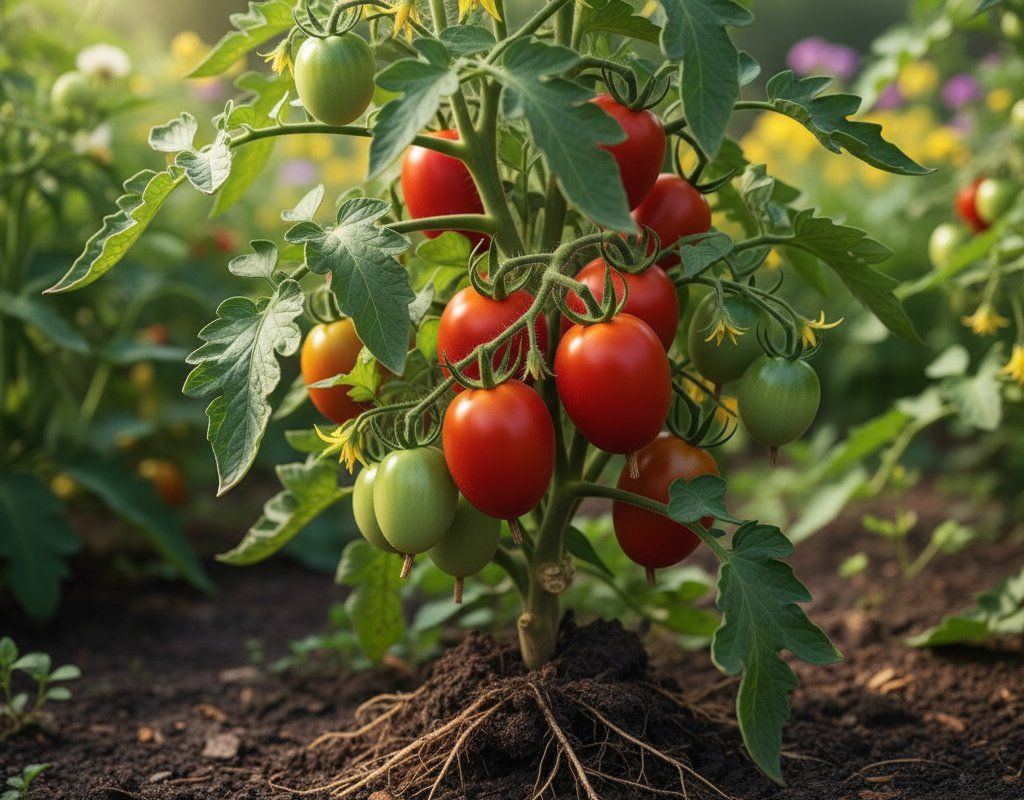
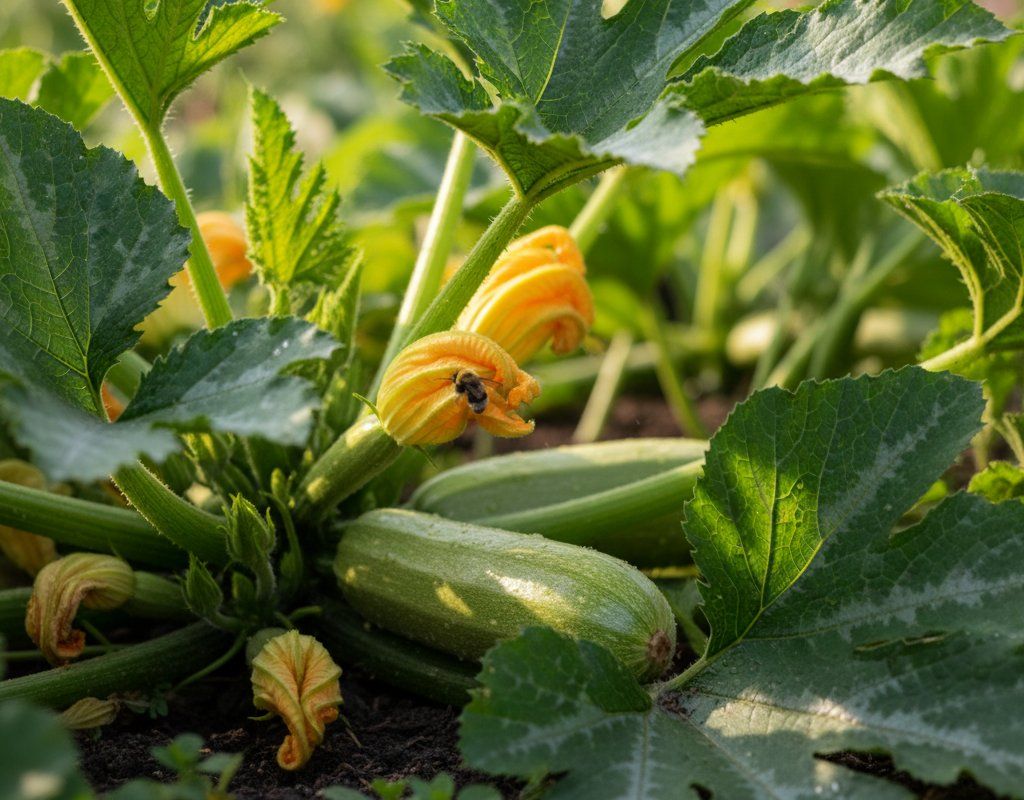
Borage is a great companion plant for several vegetables in Southern California gardens. It attracts pollinators, which benefit tomatoes, squash, strawberries, and cucumbers. It's thought to deter tomato hornworms, making it a great companion for tomatoes.
Avoid planting Borage near fennel, as it can inhibit its growth.
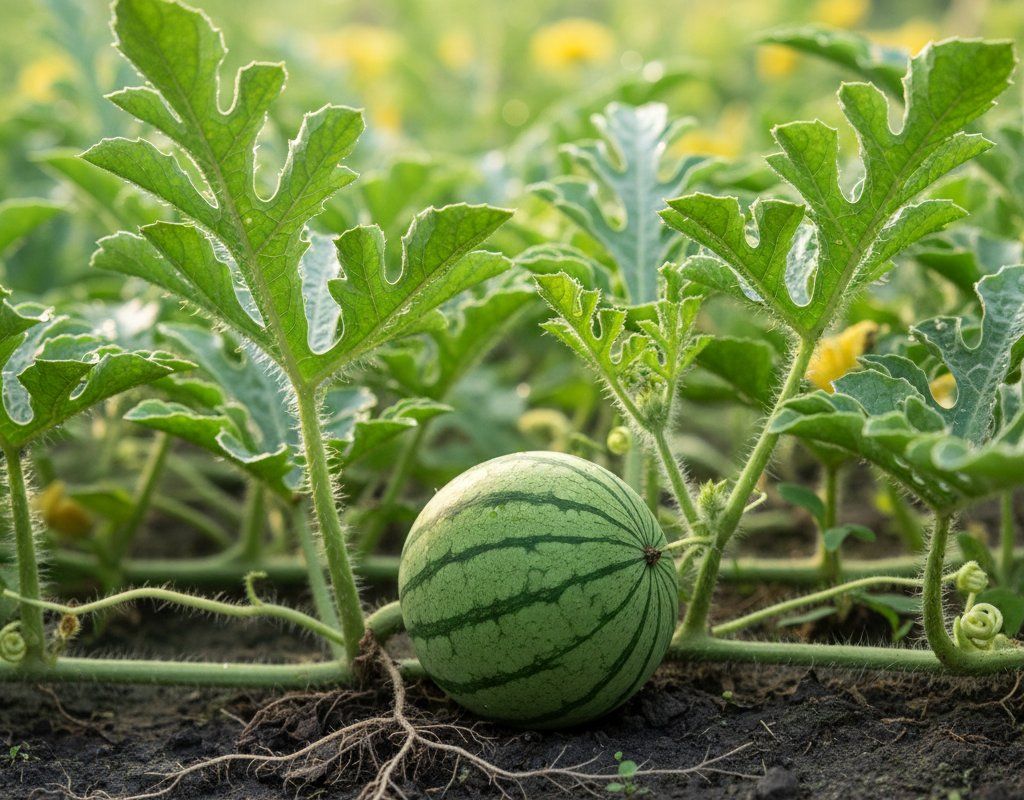
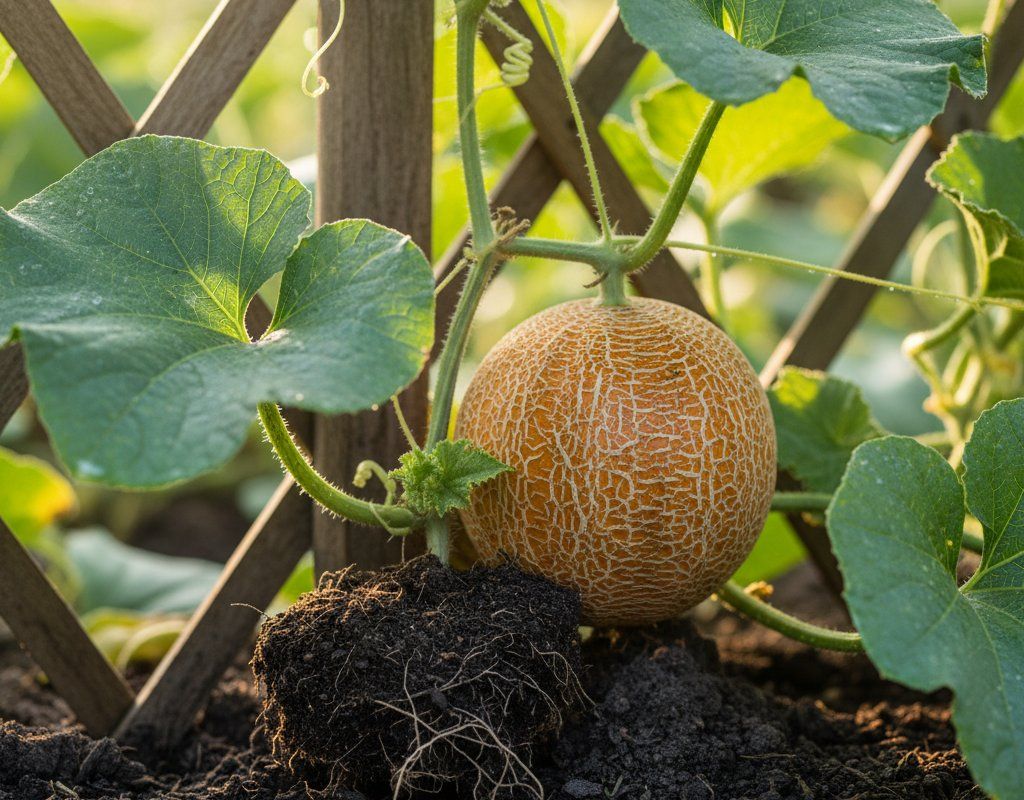
🥬Best Vegetables to Pair With Borage
Borage benefits these vegetables through pest control, pollinator attraction, or improved garden health.


Get a Reminder When It's Time to Plant
We'll email you when key planting windows open for your zone.