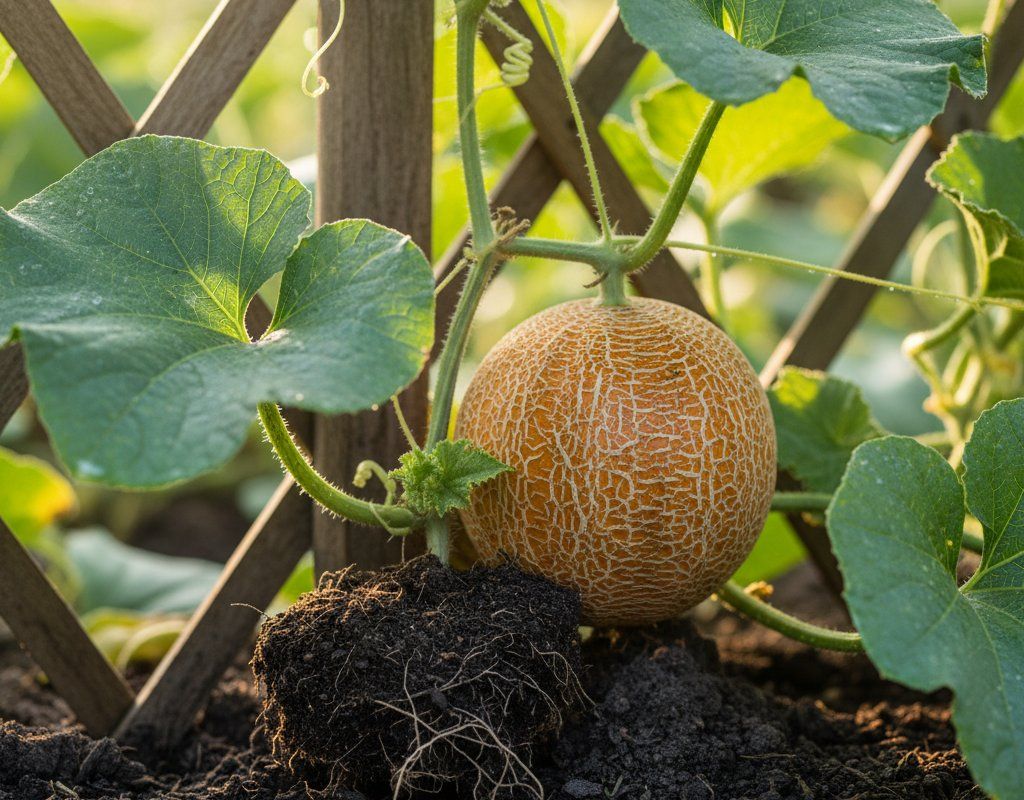
Cantaloupe in Zone 10A — Southern California
Cucumis melo · Your Complete 2026 Planting Guide
Still Time to Sow!
The sowing window is still open for Cantaloupe.
Sow Seeds Soon
Same as watermelon — needs warm soil, direct sow works in most zones.
How to Plant Cantaloupe in Zone 10A — Southern California
Here are all your options for getting cantaloupe in the ground, from the easiest method to more advanced approaches.
Direct Sow Seeds
RecommendedLate January through late September
around January 29
Consider succession planting every 2-3 weeks for continuous harvest.
Same as watermelon — needs warm soil, direct sow works in most zones.
Buy Starts
Works WellLate January through late February
around January 29
Plant purchased starts after last frost (January 15).
Start Seeds Indoors
Works WellEarly to late January
around January 8
Then transplant: Late January through late February
Start seeds 3-5 weeks before transplanting outdoors.
Transplant Outdoors
Timing InfoLate January through late February
around January 29
Wait until nighttime temperatures stay above 50°F.
You have a nice window — no need to rush.
Overview
In Southern California's year-round growing climate, cantaloupes offer one of the sweetest rewards you can grow. Our long warm season and abundant sunshine create perfect conditions for developing those complex, honeyed flavors that make store-bought melons taste like cardboard. With 349 days of growing season and rarely a freeze to worry about, you can enjoy fresh cantaloupe from your garden for most of the year.
Yes, our hot inland summers and unpredictable Santa Ana winds present challenges, and water-wise gardening is essential here. But cantaloupe actually thrives in our warm, dry conditions once established. The key is timing your plantings to work with our climate patterns rather than against them.
Starting Seeds Indoors
Starting cantaloupe seeds indoors isn't typically necessary in our mild Southern California winters, but it can give you a head start if you want the earliest possible harvest. Start seeds in early to late January, about 3 weeks before you plan to transplant outdoors.
Use seed trays with good drainage and keep them consistently warm (75-80°F). A heat mat helps since our January nights can still dip into the 40s. Bottom watering works best - keep the soil moist but not soggy. Your seedlings will need bright light, either from a sunny south-facing window or grow lights.
With our very early spring character, you'll have transplants ready to go outside by late January when soil temperatures start climbing. This method makes most sense if you're dealing with poor soil that needs time to warm up, or if you want to maximize your harvest window.
Transplanting Outdoors
If you started seeds indoors, you can transplant cantaloupe outdoors from late January through late February, once soil temperatures consistently hit 65°F. This timing takes advantage of our mild winter weather before the real heat kicks in.
Harden off your seedlings gradually over a week - start with a few hours of morning sun and work up to full days outside. Our January weather can swing between 70°F days and 45°F nights, so watch the forecast and protect plants if temperatures drop unexpectedly.
Space transplants 36 to 48 inches apart to allow for their sprawling vine habit. Plant them in your warmest, most protected spot - south-facing areas that catch morning sun work well. Water thoroughly after transplanting, as our dry air and occasional warm spells can stress newly planted seedlings.
Direct Sowing
Direct sowing is the preferred method for cantaloupe in Southern California - it's simpler and melons generally don't like root disturbance anyway. You have an incredibly long window from late January through late September, though timing affects your success rate.
Wait until soil temperature reaches 65°F consistently, which usually happens by late January in most areas. Work compost into your planting area and create slight mounds for better drainage. Plant seeds 1 inch deep and space them 36 to 48 inches apart - these vines need room to spread.
For best results, plant in late winter through early spring (January through March) or again in late summer (August through September) to avoid the worst of our inland heat. Summer plantings work but need extra attention to watering and shade during the hottest part of the day.
Watering Cantaloupe in Zone 10A (Southern California)
Cantaloupe has high water needs but requires a strategic approach in our water-conscious region. These thirsty plants need consistent moisture during growth, about 1 to 1.5 inches per week through deep, infrequent waterings. Check soil moisture with the finger test - if it's dry 2 inches down, it's time to water.
Water at the base of plants rather than overhead to prevent fungal issues in our low-to-moderate humidity. Soaker hoses or drip irrigation work perfectly here and help you comply with water restrictions. Morning watering is ideal - it gives plants time to dry before evening and reduces disease pressure.
During our hot summer months when temperatures hit 92°F and above, you may need to water every other day. Watch for wilting in late afternoon (normal) versus morning wilting (needs water). Signs of overwatering include yellowing leaves and poor fruit development, while underwatering shows as persistent wilting and stunted growth.
Here's the crucial part: stop watering completely one week before harvest for maximum sweetness. This concentrates the sugars and prevents watery, bland fruit. A 2-inch layer of mulch helps retain moisture and keeps soil temperatures stable during our temperature swings.
🧪Fertilizing Cantaloupe
Feeding Schedule
Organic Fertilizer Options
Harvest Time
Your first cantaloupe harvest typically begins in mid-April if you planted in late January, continuing through late December with successive plantings. The 80-day maturity window means you can stagger plantings for continuous harvest through most of our growing season.
Look for these ripeness signs: the netting pattern is fully developed and raised, the background color changes from green to creamy beige, and most importantly, the stem separates easily from the fruit with gentle pressure - this is called "slipping." A ripe cantaloupe also develops a sweet, musky aroma at the blossom end.
Harvest in the morning when fruits are cool. Unlike some melons, cantaloupe won't continue ripening once picked, so timing is everything. Twist the fruit gently - if it doesn't slip easily, give it another day or two.
With our late December first frost date, you can often harvest right up until Christmas with proper protection. If frost threatens, harvest any full-size fruits and let them finish ripening indoors, though they won't be as sweet as vine-ripened melons.
Common Problems in Zone 10A (Southern California)
Powdery Mildew White or grayish powdery coating appears on leaves, stems, and sometimes fruit. Leaves curl, yellow, and eventually die back, reducing plant vigor and fruit quality. This fungal disease thrives in our warm days and cool nights with moderate humidity - exactly what we get during spring and fall growing seasons.
Improve air circulation by spacing plants properly and pruning excess foliage. Remove affected leaves immediately and dispose in trash, not compost. Spray with neem oil or potassium bicarbonate solution early in the day. Surprisingly, a milk spray (1 part milk to 9 parts water) works effectively as a preventive treatment.
Aphids Clusters of tiny soft-bodied insects (green, black, or white) appear on stems and leaf undersides, leaving sticky honeydew residue. New growth becomes curled and distorted. These sap-suckers multiply rapidly in our warm weather and are often tended by ant colonies that farm them for their sweet secretions.
Blast them off with a strong water spray early morning. Encourage beneficial insects like ladybugs and lacewings by planting alyssum or yarrow nearby. For heavy infestations, use insecticidal soap or neem oil. Avoid over-fertilizing with nitrogen, which creates tender growth that attracts aphids.
Poor Sweetness Cantaloupes look perfect but lack expected sweetness and flavor. This frustrating problem usually stems from overwatering near harvest time, insufficient heat accumulation, or harvesting too early before proper sugar development.
Stop all watering 5-7 days before harvest to concentrate sugars. Ensure plants get full sun and adequate heat - use reflective mulch if needed. Wait for proper ripeness indicators, especially the "slip" test where fruit separates easily from the vine. Choose varieties suited to our climate and heat requirements.
Southern California Specific Challenges Our hot, dry summers with low-to-moderate humidity actually benefit cantaloupe once established, but water management becomes critical. Santa Ana winds can damage vines and stress plants, while our winter-wet, summer-dry pattern means timing irrigation perfectly. Fire season restrictions may limit watering options, making mulching and soil preparation even more important for water retention.
Best Companions for Cantaloupe
Plant these nearby for healthier Cantaloupe and better harvests.


Keep Away From
Companion Planting Details
Corn and sunflowers make excellent companions for cantaloupe in Southern California, providing natural windbreaks during our notorious Santa Ana conditions while creating beneficial microclimates. The tall plants offer afternoon shade during extreme heat spells while their deep roots don't compete with the melon's shallow root system. Lettuce works well as a living mulch early in the season, helping retain soil moisture during our dry spells.
Avoid planting cantaloupe near potatoes, which can harbor diseases that affect melons, and keep them away from cucumbers and other vine crops that compete for the same nutrients and space. These related plants also attract similar pests, concentrating problems in one area. Given our need for water-wise gardening, it's better to spread high-water plants like melons throughout the garden rather than clustering them together.
🌸Best Flowers to Plant with Cantaloupe
These flowers protect your Cantaloupe from pests and attract pollinators for better harvests.


Get a Reminder When It's Time to Plant
We'll email you when key planting windows open for your zone.