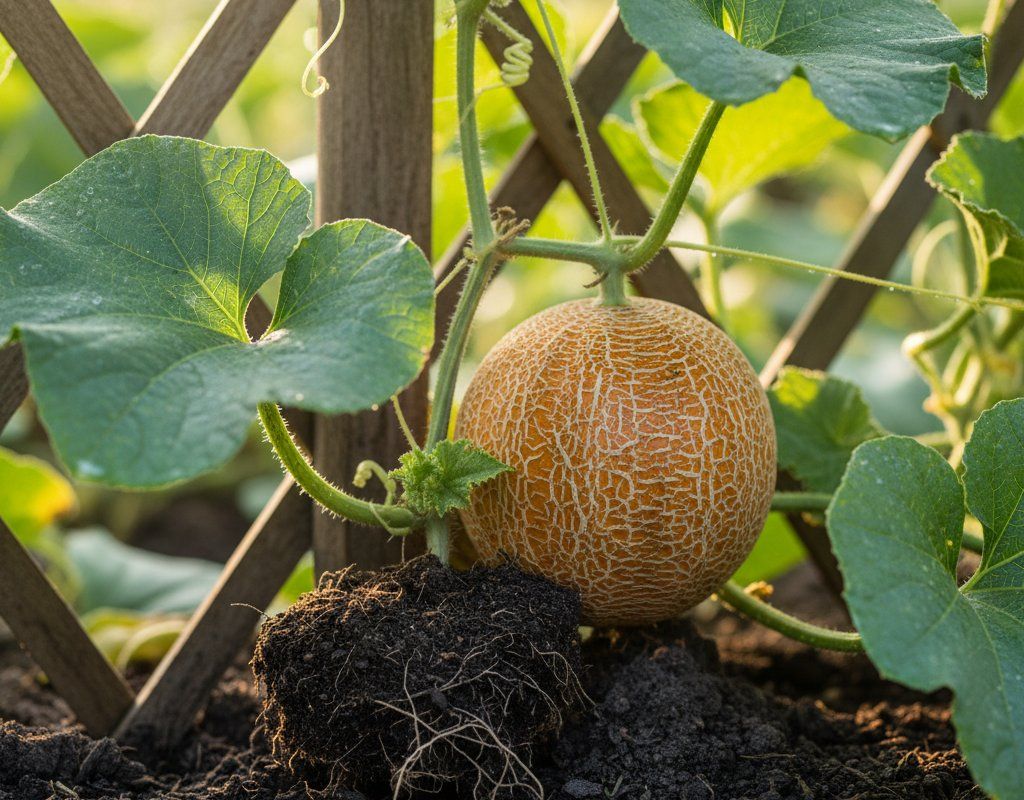
Cantaloupe in Zone 3A — Great Plains
Cucumis melo · Your Complete 2026 Planting Guide
Planning Ahead — Great!
You’re ahead of the season. Here’s when to start.
Mark Your Calendar
How to Plant Cantaloupe in Zone 3A — Great Plains
Here are all your options for getting cantaloupe in the ground, from the easiest method to more advanced approaches.
Direct Sow Seeds
RecommendedEarly June
around June 8
Direct sow as soon as conditions allow.
Same as watermelon — needs warm soil, direct sow works in most zones.
Buy Starts
Works WellEarly June
around June 8
Plant purchased starts after last frost (May 25).
Start Seeds Indoors
Works WellMid to late May
around May 18
Then transplant: Early June
Start seeds 3-5 weeks before transplanting outdoors.
Transplant Outdoors
Timing InfoEarly June
around June 8
Wait until nighttime temperatures stay above 50°F.
Plan to transplant within a few weeks of your target date.
Overview
Growing cantaloupe on the Great Plains delivers some of the sweetest, most aromatic melons you'll ever taste. Our intense Prairie sunshine and hot summer days create ideal conditions for developing the complex sugars that make homegrown cantaloupe so much better than anything you'll find in stores. The low humidity here also means less disease pressure compared to more humid regions, giving your plants a better chance to reach their full potential.
Yes, our 108-day growing season is tight for an 80-day crop, and our unpredictable spring weather can make timing tricky. But cantaloupe is surprisingly well-suited to Plains conditions once you get past the initial planting window. The key is waiting for genuinely warm soil and stable weather, then letting our reliable summer heat do the work.
Starting Seeds Indoors
Starting cantaloupe seeds indoors isn't the preferred method here, but it can work if you're determined to squeeze every possible day from our short season. Start seeds in mid to late May, about three weeks before you plan to transplant outdoors in early June. This timing assumes your last frost passes in late May, which is typical for Zone 3A Plains.
Use seed-starting trays filled with quality potting mix, keeping soil temperature around 80°F for best germination. A heating mat helps maintain consistent warmth during our variable spring weather. Bottom watering works better than overhead watering to prevent damping-off issues that plague melon seedlings.
The main challenge with indoor starting here is that cantaloupe doesn't transplant as easily as tomatoes or peppers. The root disturbance can set plants back just when you need them establishing quickly in our short season. Direct sowing is usually more reliable once soil conditions are right.
Transplanting Outdoors
If you've started cantaloupe indoors, plan to transplant during the first week of June when soil has warmed consistently to 65°F and nighttime temperatures stay above 50°F. Our spring temperature swings make earlier transplanting risky - one unexpected cool snap can severely damage or kill young plants.
Harden off transplants gradually over a full week, starting with just an hour of morning sun and building up to full days outdoors. Plains wind can be especially harsh on tender transplants, so provide temporary wind protection with row covers or milk jugs with bottoms cut out during the first week after transplanting.
Space transplants 36-48 inches apart in all directions - cantaloupe vines spread wide and need room for good air circulation. Plant at soil level, not deeper, and water thoroughly after transplanting. Consider using black plastic mulch or landscape fabric to keep soil warm and retain moisture during establishment.
Direct Sowing
Direct sowing is your best bet for cantaloupe success here on the Plains. Wait until the first week of June when soil temperature hits 65°F consistently - cold soil leads to poor germination and weak plants that struggle all season. Our prairie soils warm more slowly than lighter soils, so patience pays off.
Prepare planting areas by working compost into the soil and creating slightly raised mounds to improve drainage and soil warming. Plant 3-4 seeds per hill, spacing hills 36-48 inches apart. Plant seeds 1 inch deep in our heavier soils, slightly shallower in sandier areas. The wide spacing gives vines room to spread and helps prevent disease issues in our variable humidity.
Once seedlings emerge and develop their first true leaves, thin to the strongest 1-2 plants per hill. This seems harsh, but overcrowding leads to competition for nutrients and water, plus increased disease risk. Direct-sown plants typically establish faster and perform better than transplants in our climate.
Watering Cantaloupe in Zone 3A (Great Plains)
Cantaloupe has high water needs throughout the growing season, which can be challenging in our variable rainfall climate. Plan to provide about 1-1.5 inches of water weekly through deep, infrequent watering sessions. With our typical summer high of 93°F and low-to-moderate humidity, plants lose moisture quickly through both soil evaporation and leaf transpiration.
Check soil moisture using the finger test - stick your finger 2 inches deep near the base of plants. If it's dry at that depth, it's time to water. Our prairie soils can look wet on top while being quite dry below, especially after light rains that don't penetrate deeply. Water early morning to reduce evaporation loss and give plants time to dry before evening.
Water at the base of plants rather than overhead to keep leaves dry and reduce disease risk. Soaker hoses or drip irrigation work well for this. During fruit development, maintain consistent moisture to prevent blossom end rot and ensure proper fruit sizing. However, stop watering completely about a week before harvest to concentrate sugars - this is crucial for developing that sweet cantaloupe flavor we're after.
Apply 2-3 inches of organic mulch around plants once soil has warmed thoroughly, usually by mid-June. Grass clippings, straw, or shredded leaves help retain soil moisture and reduce watering needs during our hot, windy summers. Keep mulch several inches away from plant stems to prevent pest problems.
🧪Fertilizing Cantaloupe
Feeding Schedule
Organic Fertilizer Options
Harvest Time
Your first cantaloupe should be ready in late August through early September, about 80 days after planting. The key indicator is when the stem "slips" easily from the fruit with gentle thumb pressure - this only happens when the melon is truly ripe. You'll also notice the netting pattern becomes pronounced and raised, and there's a sweet, musky aroma at the blossom end.
Don't rely on color alone, as this varies by variety. The ground spot where the melon rests should change from white to creamy yellow when ripe. Unlike some fruits, cantaloupe won't continue ripening or get sweeter once picked, so timing is critical for best flavor.
Harvest in the morning when fruits are cool, using clean pruning shears to cut the stem if it doesn't slip easily. Handle gently to avoid bruising. With our intense Plains sunshine and hot days, properly ripened cantaloupe develops exceptional sweetness and aroma.
As first frost approaches in early September, harvest any full-sized fruits even if not perfectly ripe - they'll have better eating quality than anything left to freeze. Cover plants with row covers during light frost warnings to extend the harvest window, but be prepared to harvest everything before hard frost arrives.
Common Problems in Zone 3A (Great Plains)
Powdery Mildew White or grayish powdery coating appears on leaves, stems, and sometimes fruit surfaces. Affected leaves curl, turn yellow, and eventually die back, reducing plant vigor just when fruits are developing. This fungal disease thrives in our Plains climate of warm days, cool nights, and moderate humidity - ironically, it prefers dry leaf surfaces unlike most fungal problems. Improve air circulation through proper spacing and remove affected leaves immediately. Milk spray (1 part milk to 9 parts water) applied weekly works surprisingly well, or use neem oil or potassium bicarbonate sprays for heavier infections.
Aphids Clusters of tiny, soft-bodied insects in green, black, or white colors gather on stems and leaf undersides, leaving sticky honeydew residue. New growth becomes curled and distorted as these sap-suckers multiply rapidly in warm weather. Our hot summer temperatures can cause aphid populations to explode quickly. Knock them off with strong water sprays early in the day, encourage beneficial insects like ladybugs and lacewings, and use insecticidal soap for heavy infestations. Avoid excess nitrogen fertilizer, which makes plants more attractive to aphids.
Poor Sweetness Cantaloupe looks ripe and ready but lacks the expected sweetness and flavor intensity. This usually results from overwatering near harvest time, insufficient heat accumulation, or harvesting too early before sugars fully develop. Our variable Plains weather can sometimes limit heat units needed for proper sugar development. Stop all watering 5-7 days before expected harvest to concentrate sugars. Ensure plants receive full sun exposure and wait for proper ripeness indicators - the stem should slip easily from ripe fruit.
Great Plains Specific Challenges: Our combination of intense summer heat, low-to-moderate humidity, and variable rainfall creates unique challenges for cantaloupe. Wind can damage vines and increase water stress, while our extreme temperature swings stress plants. Hail risk during summer storms can destroy crops quickly, and our relatively short growing season leaves little margin for error in timing plantings and harvest.
Best Companions for Cantaloupe
Plant these nearby for healthier Cantaloupe and better harvests.


Keep Away From
Companion Planting Details
Corn makes an excellent companion for cantaloupe on the Plains, providing natural windbreaks that protect sprawling vines from our persistent winds while not competing significantly for nutrients. The vertical growth of corn complements the horizontal spread of melon vines, making efficient use of garden space. Sunflowers also work well as wind protection and their deep taproots bring up nutrients from lower soil layers that shallow-rooted melons can't reach.
Cool-season crops like lettuce can be interplanted early in the season before cantaloupe vines spread, giving you extra harvests from the same space. Avoid planting potatoes nearby - they attract similar pests and can harbor diseases that affect melons. Also skip other cucurbit family members like cucumbers, which compete for the same nutrients and can cross-pollinate, potentially affecting fruit quality in saved seeds.
🌸Best Flowers to Plant with Cantaloupe
These flowers protect your Cantaloupe from pests and attract pollinators for better harvests.


Get a Reminder When It's Time to Plant
We'll email you when key planting windows open for your zone.