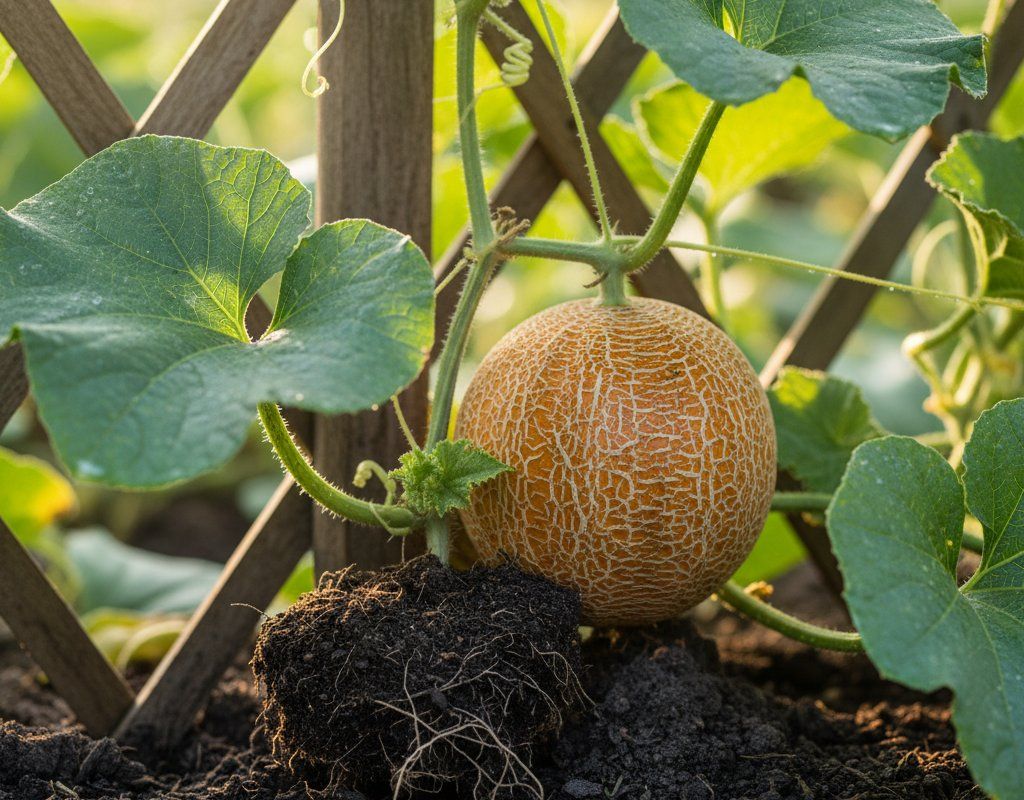
Cantaloupe in Zone 4A — Northeast
Cucumis melo · Your Complete 2026 Planting Guide
Planning Ahead — Great!
You’re ahead of the season. Here’s when to start.
Mark Your Calendar
How to Plant Cantaloupe in Zone 4A — Northeast
Here are all your options for getting cantaloupe in the ground, from the easiest method to more advanced approaches.
Direct Sow Seeds
RecommendedLate May through mid June
around May 29
Direct sow as soon as conditions allow.
Same as watermelon — needs warm soil, direct sow works in most zones.
Buy Starts
Works WellLate May through mid June
around May 29
Plant purchased starts after last frost (May 15).
Start Seeds Indoors
Works WellEarly to late May
around May 8
Then transplant: Late May through mid June
Start seeds 3-5 weeks before transplanting outdoors.
Transplant Outdoors
Timing InfoLate May through mid June
around May 29
Wait until nighttime temperatures stay above 50°F.
Plan to transplant within a few weeks of your target date.
Overview
Growing cantaloupe in Zone 4A brings the reward of sun-warmed, incredibly sweet melons that put store-bought varieties to shame. Our Northeast climate creates perfect conditions for developing deep flavor—those cool nights that drop into the 60s help concentrate sugars while moderate humidity keeps the plants healthy. Nothing beats slicing into a melon you've grown yourself on a late August morning, especially knowing it ripened under our shorter but productive summer sun.
Yes, our 128-day growing season means timing matters more than in warmer zones, and that mid-September first frost keeps us on our toes. But cantaloupe's 80-day maturity works beautifully with our late May planting window. The key is embracing direct sowing when soil warms up properly—no rushing the season, just working with our Northeast rhythm.
Starting Seeds Indoors
Starting cantaloupe seeds indoors makes sense when you want to maximize every day of our short growing season. Sow seeds in early to late May, about 3 weeks before your planned transplant date. Use biodegradable pots since melons hate root disturbance, and keep them warm—70-80°F soil temperature gets seeds germinating quickly.
Set up your seed trays in the warmest, brightest spot you have, or under grow lights. Bottom watering works especially well for melon seeds since it provides consistent moisture without disturbing the soil surface. Our late spring means you're starting these just as outdoor conditions begin stabilizing.
Keep in mind that transplanted melons often struggle initially compared to direct-sown plants. The indoor start method works, but it's not always your best bet in our climate—direct sowing often catches up and surpasses transplants by midsummer.
Transplanting Outdoors
Transplant your started seedlings from late May through mid-June, once nighttime temperatures stay consistently above 55°F. Our Northeast springs can fool you with warm days followed by surprisingly cool nights, so wait until you're confident the cold snaps are done. Soil should feel warm to your hand, not just air temperatures.
Harden off transplants gradually over a full week—start with just morning sun, then half days, building up to full outdoor exposure. Space plants 36-48 inches apart to allow for their sprawling vine habit and ensure good air circulation in our moderate humidity.
Be prepared to protect young transplants if unexpected cool weather threatens. Row covers or even upside-down milk jugs can save your plants during those surprise late May temperature drops that our region is known for.
Direct Sowing
Direct sowing is your best bet for cantaloupe success in our zone. Plant seeds from late May through mid-June when soil has warmed to at least 65°F—stick your finger 3 inches down to check. Cold, wet soil will rot seeds faster than you can say "false start," so patience pays off here.
Prepare your planting area by working compost into our often rocky New England soil and creating slightly raised rows for better drainage. Plant seeds 1 inch deep in groups of 3-4, spacing these groups 36-48 inches apart. Once seedlings emerge, thin to the strongest plant in each spot.
Direct-sown plants develop stronger root systems that handle our variable summer weather better than transplants. They may seem slower at first, but they typically outperform transplanted seedlings once established. The key is getting that soil temperature right—don't rush it, even if your neighbors are already planting.
Watering Cantaloupe in Zone 4A (Northeast)
Cantaloupe needs consistent deep watering throughout the growing season, but our Northeast climate requires a different approach than hot, dry regions. With our moderate humidity and 40-50 inches of annual rainfall, you're working with nature rather than fighting it. Still, these plants drink heavily during fruit development.
Water deeply once or twice weekly, providing about 1-2 inches total per week. Use the finger test—if soil feels dry 2 inches down, it's time to water. Always water at the base of plants rather than overhead; our moderate humidity means wet leaves can encourage powdery mildew problems.
During our typically dry late summer period, increase watering frequency but keep amounts consistent. Watch for wilting in the afternoon heat (normal) versus morning wilting (needs water immediately). Mulch around plants with straw or grass clippings to retain soil moisture and keep developing melons off direct ground contact.
Here's the crucial part: stop watering completely about a week before harvest. This concentrates sugars and prevents watery, bland melons. Given our mid-August to mid-September harvest window, you'll likely be cutting back on water just as our late summer dry spell peaks—perfect timing.
🧪Fertilizing Cantaloupe
Feeding Schedule
Organic Fertilizer Options
Harvest Time
Your first cantaloupe will be ready from mid-August through mid-September, right in the sweet spot of our growing season. The timing works beautifully—80 days from late May planting puts you into the peak of summer heat accumulation. Look for full netting development across the skin and a subtle color change from green to tan underneath the netting.
The "slip test" is your best ripeness indicator: a ripe cantaloupe separates easily from the vine with gentle pressure, leaving a clean indentation where the stem was attached. You'll also notice a sweet, musky aroma at the blossom end (opposite from where the stem attaches). If you have to pull hard or cut the stem, it's not ready yet.
Unlike tomatoes, cantaloupe won't continue ripening significantly after harvest, so patience matters. Check plants every day once melons start showing color changes. Each plant typically produces 2-4 melons over a 2-3 week period.
As our first frost approaches in mid-September, harvest any melons showing full netting even if they haven't slipped yet. While they won't be perfect, they'll be better than losing everything to frost. Cover plants with row covers if frost threatens but melons need just a few more days.
Common Problems in Zone 4A (Northeast)
Powdery Mildew White or grayish powdery coating appears on leaves, starting on older foliage and spreading upward. Leaves eventually yellow, curl, and die back, reducing plant vigor just when melons need energy to ripen. Our moderate humidity and cool nights create ideal conditions for this fungal problem.
This fungus actually prefers dry leaf surfaces with warm days and cool nights—exactly what we get in late summer. Improve air circulation by spacing plants properly and removing lower leaves once fruits start forming. Spray with neem oil or try the surprisingly effective milk spray (1 part milk to 9 parts water) weekly. Some gardeners swear by baking soda solutions.
Aphids Tiny soft-bodied insects cluster on stems and leaf undersides, often accompanied by sticky honeydew residue and curled new growth. These sap-suckers multiply rapidly in warm weather and can stress plants significantly. Ant trails leading to your melon plants often signal an aphid problem.
Encourage beneficial insects like ladybugs by planting diverse flowers nearby. A strong spray from your garden hose knocks off many aphids—do this in morning so plants dry quickly in our moderate humidity. For heavy infestations, insecticidal soap works well, and neem oil provides longer-lasting control.
Poor Sweetness Melons that look ripe but taste bland or watery frustrate many Northeast gardeners. This usually happens from overwatering near harvest time, insufficient heat accumulation, or harvesting too early. Our moderate summer temperatures mean every warm day counts for sugar development.
Stop watering 5-7 days before expected harvest—this is crucial for concentrating sugars. Ensure plants get full sun exposure by removing weeds and excess foliage. Most importantly, wait for proper ripeness indicators rather than harvesting based on calendar dates. Choose early-maturing varieties suited to our 128-day season.
Northeast Specific Challenges: Our moderate heat and humidity levels mean less extreme stress than hot climates, but problems develop more gradually and can surprise you. The combination of warm days, cool nights, and moderate moisture creates perfect conditions for fungal issues, while our shorter season means any setback significantly impacts harvest timing.
Best Companions for Cantaloupe
Plant these nearby for healthier Cantaloupe and better harvests.


Keep Away From
Companion Planting Details
Plant cantaloupe alongside corn and sunflowers to create natural windbreaks and partial shade during our hottest afternoons. Corn provides vertical structure that doesn't compete for ground space, while sunflowers attract beneficial insects that help with pest control. Lettuce planted between young melon vines makes good use of space early in the season and actually benefits from the light shade cast by developing vine leaves.
Avoid planting near potatoes, which can harbor similar pests and diseases, and keep cucumbers at a distance since they're susceptible to many of the same fungal problems. In our moderate humidity, clustering too many cucurbit family plants together creates perfect conditions for powdery mildew to spread rapidly through your garden.
🌸Best Flowers to Plant with Cantaloupe
These flowers protect your Cantaloupe from pests and attract pollinators for better harvests.


Get a Reminder When It's Time to Plant
We'll email you when key planting windows open for your zone.