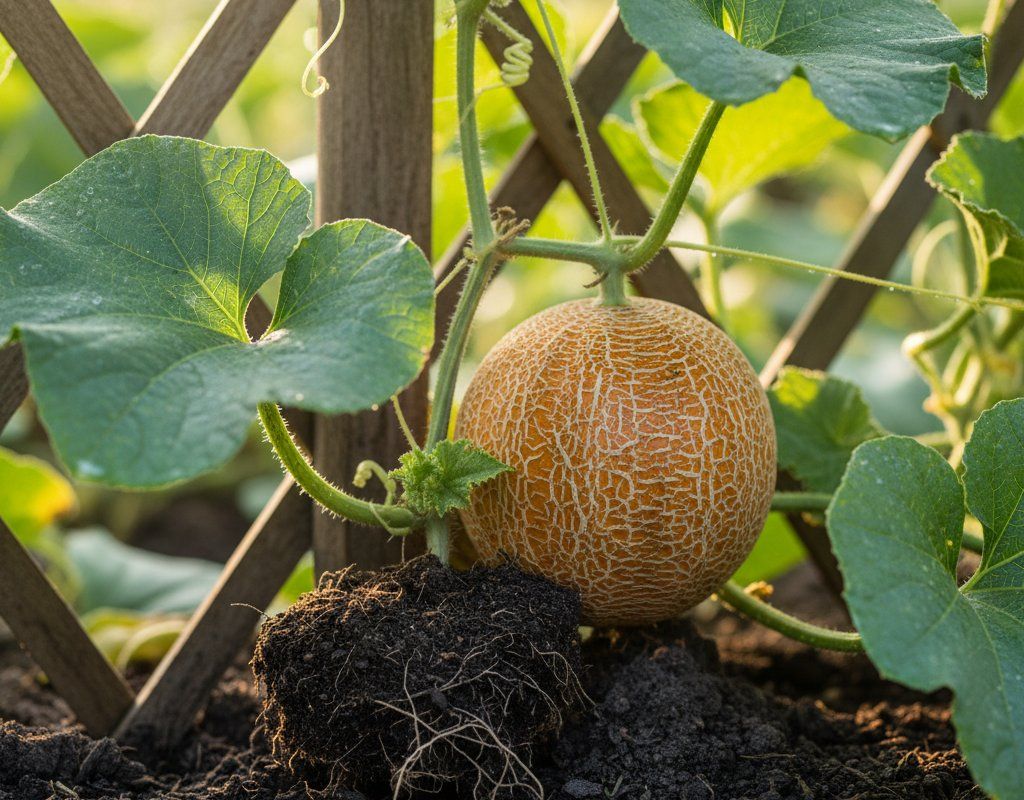
Cantaloupe in Zone 4A — Great Plains
Cucumis melo · Your Complete 2026 Planting Guide
Planning Ahead — Great!
You’re ahead of the season. Here’s when to start.
Mark Your Calendar
How to Plant Cantaloupe in Zone 4A — Great Plains
Here are all your options for getting cantaloupe in the ground, from the easiest method to more advanced approaches.
Direct Sow Seeds
RecommendedLate May through late June
around May 24
Direct sow as soon as conditions allow.
Same as watermelon — needs warm soil, direct sow works in most zones.
Buy Starts
Works WellLate May through late June
around May 24
Plant purchased starts after last frost (May 10).
Start Seeds Indoors
Works WellLate April through mid May
around May 3
Then transplant: Late May through late June
Start seeds 3-5 weeks before transplanting outdoors.
Transplant Outdoors
Timing InfoLate May through late June
around May 24
Wait until nighttime temperatures stay above 50°F.
You have a nice window — no need to rush.
Overview
Growing cantaloupe in Zone 4A brings that unmistakable sweet, musky flavor that makes summer memorable here on the Plains. Nothing beats the satisfaction of cutting into a perfectly ripe cantaloupe from your own garden when August heat peaks—store-bought melons simply can't match that intense sweetness you get from our prairie sunshine and well-timed harvest. The combination of our intense solar radiation and hot summer days creates ideal conditions for developing the sugars that make homegrown cantaloupe exceptional.
Yes, our 138-day growing season means you need to be strategic with timing, and our variable spring weather keeps you on your toes. But cantaloupe actually thrives in our hot, sunny summers once established, and the key is simply getting them started when soil temperatures cooperate in late May or early June. With proper timing and consistent watering through our dry spells, you'll have sweet, aromatic melons ready by late summer.
Starting Seeds Indoors
Starting cantaloupe seeds indoors can work here in the Plains, though it's not the primary method most of us use. If you want to try indoor starting, begin your seeds during late April through mid-May, about three weeks before you plan to transplant outdoors. This gives you a slight head start but requires careful attention to our variable spring weather patterns.
Set up your seeds in seed trays with good drainage, keep them warm (around 75-80°F), and provide strong light once they germinate. Bottom watering works best—fill a tray underneath your seed containers rather than watering from above to prevent damping off. The main challenge with indoor starting here is that cantaloupe really doesn't like root disturbance, so you'll need to be extra gentle during transplanting.
Given our spring's tendency for temperature swings and late cold snaps, many Plains gardeners find direct sowing more reliable once soil warms up consistently. But if you're determined to get every possible growing day, indoor starting can work with careful timing.
Transplanting Outdoors
If you've started cantaloupe indoors, plan to transplant during late May through late June when nighttime temperatures stay consistently above 55°F. This timing aligns with when our soil has warmed thoroughly and the risk of those surprise late cold spells has passed. You'll need about a week of gradual hardening off—start by setting transplants outside for a few hours in a protected spot, gradually increasing their exposure to our Plains wind and direct sun.
Space your transplants 36-48 inches apart to give them room to spread and ensure good air circulation. Our low-to-moderate humidity means powdery mildew is less of a concern than in humid regions, but proper spacing still helps. Choose a sunny, wind-protected location if possible—a spot near a fence or building can provide some shelter without blocking that essential intense sunshine cantaloupe craves.
Handle the root systems very gently during transplanting since cantaloupe doesn't recover well from root disturbance. Plant at the same depth they were growing in containers, water them in well, and be prepared to provide some temporary shade cloth if we hit one of those sudden 90°F days right after transplanting.
Direct Sowing
Direct sowing is the preferred method for cantaloupe here in the Plains, and you can sow anytime from late May through late June once soil temperatures reach at least 65°F consistently. Wait until nighttime temperatures stay above 55°F—this usually happens in the last week of May or first week of June, depending on the year. Test your soil temperature with a thermometer about 2 inches deep in the morning; cold soil will just rot your seeds.
Prepare your planting area by working compost into our naturally fertile prairie soil—cantaloupe needs good drainage but also wants consistent moisture availability. Plant seeds about 1 inch deep and space them 36-48 inches apart, giving each plant plenty of room to spread. You can plant 2-3 seeds per spot and thin to the strongest seedling once they're established.
Choose the warmest, sunniest spot in your garden with some protection from our constant Plains wind if possible. A location that gets morning sun quickly helps warm the soil and gets plants off to a strong start. With our intense sunshine and generally low disease pressure, direct-sown cantaloupe often outperforms transplants once they get going.
Watering Cantaloupe in Zone 4A (Great Plains)
Cantaloupe has high water needs and isn't drought tolerant, which means you'll need to stay on top of irrigation through our hot, dry Plains summers. Plan to provide about 1-1.5 inches of water per week, delivered in deep, infrequent sessions rather than daily light watering. With our typical summer highs around 93°F and low-to-moderate humidity, soil dries out faster than in more humid regions.
Use the finger test to check soil moisture—stick your finger 2 inches into the soil near the base of plants. If it's dry at that depth, it's time for a thorough watering session. Water at the base of plants rather than overhead to keep leaves dry and prevent disease issues, though our low humidity means foliar diseases are less problematic here than in muggy climates.
During fruit development, maintain consistent soil moisture but never let plants sit in waterlogged conditions. Our variable rainfall means you might get 2 inches one week and nothing the next, so be prepared to supplement with irrigation during dry spells. Apply a 2-3 inch layer of straw mulch around plants to help retain soil moisture and reduce evaporation in our constant wind.
Critical timing note: Stop watering completely about one week before harvest for the sweetest fruit. This concentrates the sugars and prevents diluted, bland-tasting melons. Watch for signs of underwatering (wilting during hottest part of day) versus overwatering (yellowing leaves, sluggish growth), and adjust accordingly.
🧪Fertilizing Cantaloupe
Feeding Schedule
Organic Fertilizer Options
Harvest Time
Your first cantaloupe harvest typically begins in mid-August through late September, about 80 days after planting. The timing depends on when you planted and how our summer heat accumulates—hotter years bring earlier harvests while cooler summers push harvest later. Unlike many crops that offer extended picking periods, cantaloupe gives you a relatively short window when each fruit is at peak ripeness.
Look for three key ripeness indicators: the netting pattern becomes fully developed and raised, the stem separates easily from the fruit with gentle upward pressure (called "slipping"), and you detect a sweet, musky aroma at the blossom end. The background color under the netting changes from green to cream or yellow. Press gently near the stem—ripe cantaloupe will give slightly but shouldn't feel soft or mushy.
Harvest in the morning when temperatures are cooler, and handle fruit carefully to avoid bruising. Cut the stem with clean pruners rather than pulling if the fruit doesn't slip easily—it probably needs another day or two. Unlike some fruits, cantaloupe won't continue ripening significantly once removed from the vine, so timing is crucial.
As our first frost approaches in late September, you may need to harvest slightly underripe melons and hope they improve indoors, though they won't develop full sweetness. Consider row covers or other protection to extend the season for fruits that are close to ripening when cold threatens.
Common Problems in Zone 4A (Great Plains)
Powdery Mildew This appears as white or grayish powdery coating on leaves, stems, and sometimes fruit surfaces. Affected leaves curl, yellow, and eventually die, reducing the plant's ability to produce sweet fruit. You'll typically notice it first on older leaves near the base of the plant.
Powdery mildew thrives in our Plains conditions of warm days, cool nights, and moderate humidity levels. Unlike most fungal diseases, it actually prefers dry leaf surfaces, making it a common issue even in our relatively dry climate. Poor air circulation around plants makes the problem worse.
Improve air circulation by proper spacing (36-48 inches apart) and removing lower leaves that touch the ground. Remove affected leaves immediately and dispose of them away from your garden. Neem oil or potassium bicarbonate sprays help control spread, and milk spray (1 part milk to 9 parts water) works surprisingly well as a preventative treatment.
Aphids Look for clusters of tiny, soft-bodied insects in green, black, or white colors congregating on stems and leaf undersides. You'll notice sticky honeydew residue on leaves and curled or distorted new growth. Ant trails often lead to aphid colonies since ants farm them for the sweet honeydew.
These sap-sucking insects reproduce rapidly in warm weather, and populations can explode during our hot Plains summers. Excess nitrogen fertilizer attracts them, and stress from inconsistent watering makes plants more susceptible. Our windy conditions can actually help by blowing light infestations away.
Blast them off with a strong water spray from your hose—this works well for minor infestations. Encourage beneficial insects like ladybugs and lacewings by planting diverse flowers nearby. For heavier infestations, use insecticidal soap or neem oil, and avoid high-nitrogen fertilizers that promote the tender new growth aphids prefer.
Poor Sweetness Your cantaloupe looks ripe and perfectly formed but lacks the expected sweet flavor, tasting bland or watery instead of rich and aromatic. This frustrating problem wastes all your careful growing efforts and leaves you with disappointing fruit.
Overwatering near harvest time dilutes the sugars, and insufficient heat accumulation prevents proper sugar development. Harvesting too early, before the fruit naturally slips from the vine, also results in poor flavor. Our variable late-summer weather can sometimes interfere with the final sugar concentration period.
Stop watering 5-7 days before harvest to concentrate sugars—this is crucial for peak sweetness. Ensure plants receive full sun exposure throughout the growing season, and choose varieties suited to our 138-day season length. Wait for proper ripeness indicators including easy stem separation and sweet aroma before harvesting.
Great Plains Specific Challenges: Our combination of intense heat, low-to-moderate humidity, and variable rainfall creates unique challenges for cantaloupe. The constant wind increases water stress while our temperature swings can shock plants. However, our intense sunshine and naturally fertile prairie soil provide excellent growing conditions once you master the watering schedule and timing.
Best Companions for Cantaloupe
Plant these nearby for healthier Cantaloupe and better harvests.


Keep Away From
Companion Planting Details
Corn makes an excellent companion for cantaloupe in Plains gardens, providing natural wind protection with its tall stalks while the cantaloupe vines spread beneath without competing for vertical space. Sunflowers serve a similar purpose, creating windbreaks along garden edges while their deep roots don't interfere with the cantaloupe's spreading root system. Both corn and sunflowers also attract beneficial insects that help control aphids and other pests.
Lettuce works well as a short-term companion early in the season, growing in the space between young cantaloupe plants before the vines spread to fill the area. Avoid planting cantaloupe near potatoes, as both are heavy feeders that will compete for nutrients in the same soil layer. Also skip cucumbers as companions—they're susceptible to the same pests and diseases, creating concentrated problem areas rather than diverse, resilient plantings that work better in our challenging Plains climate.
🌸Best Flowers to Plant with Cantaloupe
These flowers protect your Cantaloupe from pests and attract pollinators for better harvests.


Get a Reminder When It's Time to Plant
We'll email you when key planting windows open for your zone.