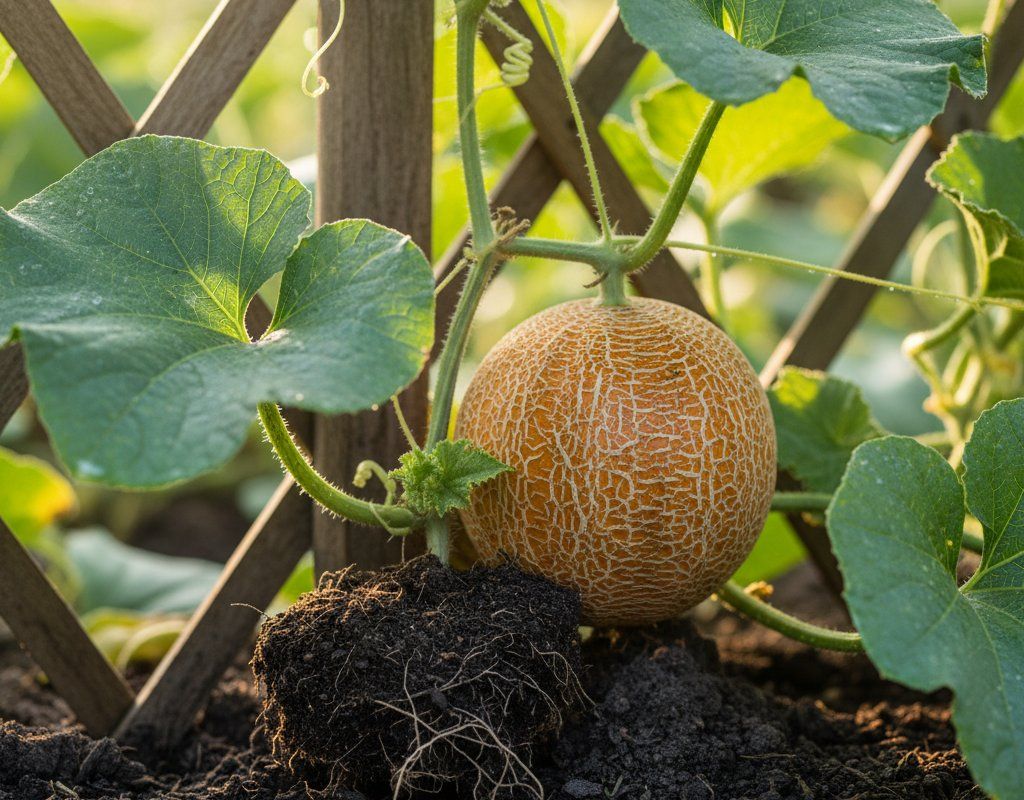
Cantaloupe in Zone 5A — Mountain West
Cucumis melo · Your Complete 2026 Planting Guide
Planning Ahead — Great!
You’re ahead of the season. Here’s when to start.
Mark Your Calendar
How to Plant Cantaloupe in Zone 5A — Mountain West
Here are all your options for getting cantaloupe in the ground, from the easiest method to more advanced approaches.
Direct Sow Seeds
RecommendedLate May through late June
around May 24
Direct sow as soon as conditions allow.
Same as watermelon — needs warm soil, direct sow works in most zones.
Buy Starts
Works WellLate May through late June
around May 24
Plant purchased starts after last frost (May 10).
Start Seeds Indoors
Works WellLate April through mid May
around May 3
Then transplant: Late May through late June
Start seeds 3-5 weeks before transplanting outdoors.
Transplant Outdoors
Timing InfoLate May through late June
around May 24
Wait until nighttime temperatures stay above 50°F.
You have a nice window — no need to rush.
Overview
Cantaloupe brings that perfect summer sweetness to Mountain West gardens, and our intense sunlight and cool nights actually create ideal conditions for developing exceptional flavor. The dry air here means fewer disease issues than humid climates face, while our altitude's temperature swings help concentrate sugars in ways that make store-bought melons pale in comparison.
Growing cantaloupe in Zone 5A requires some timing finesse with our short 138-day season, but it's absolutely doable when you work with our late spring warmth and protect against early fall frost. The key is understanding that while we have a narrow window, our intense UV and temperature differential between day and night create melons with incredible taste intensity.
Starting Seeds Indoors
Starting cantaloupe seeds indoors makes sense if you want to maximize every day of our short Mountain growing season. Start seeds in late April through mid-May, about three weeks before you plan to transplant outdoors. Use seed-starting trays with good drainage and keep them warm – around 70-80°F is ideal for germination.
Bottom watering works especially well for cantaloupe seedlings since it prevents damping off while keeping roots consistently moist. Our late springs mean you'll have plenty of indoor time to get strong transplants ready. Set up grow lights or use your sunniest south-facing window, though be prepared to harden them off gradually once transplant time arrives.
The main advantage here is getting a head start on our brief season, but cantaloupe actually transplants better than you might expect if you handle the roots gently.
Transplanting Outdoors
Transplant your indoor-started cantaloupe seedlings from late May through late June, once soil has warmed consistently and nighttime temperatures stay above 50°F. Our high altitude means those temperature swings can catch you off guard, so wait until the weather pattern stabilizes rather than rushing with the first warm days.
Harden off seedlings gradually over a full week, starting with just an hour or two of morning sun and building up to full outdoor exposure. Space transplants 36-48 inches apart – they need room for those sprawling vines, and good air circulation helps prevent the powdery mildew that can develop in our day-night temperature swings.
Handle the roots carefully during transplanting since cantaloupe doesn't love root disturbance. Plant at the same depth they were growing in containers and water them in well, but avoid overhead watering if possible since our intense UV can scorch wet leaves.
Direct Sowing
Direct sowing is actually the preferred method for cantaloupe in our Mountain climate since they dislike root disturbance and our warm summer soil temperatures work in their favor. Plant seeds from late May through late June, once soil temperature reaches at least 65°F consistently – use a soil thermometer rather than guessing.
Prepare planting areas with plenty of compost worked into our typically alkaline soil, creating slight mounds for better drainage and warmth. Plant seeds 1/2 inch deep, spacing them 36-48 inches apart to accommodate the sprawling vine habit. Our intense sunlight means these plants will really take off once established.
The beauty of direct sowing here is that seeds germinate quickly in our warm, sunny conditions and develop strong root systems without transplant shock. Just be patient – don't rush the timing because cold soil will rot seeds faster than you can replant them.
Watering Cantaloupe in Zone 5A (Mountain West)
Cantaloupe needs consistent, deep watering throughout the growing season, which requires some planning in our dry Mountain climate with only 10-20 inches of annual rainfall. Water deeply 2-3 times per week rather than daily shallow watering, giving plants about 1-2 inches total per week during active growth.
Use the finger test – stick your finger 2 inches into soil near the base of plants. If it's dry at that depth, it's time to water. Our low humidity means soil dries out faster than you might expect, especially with our intense sun and frequent afternoon breezes. Water at soil level rather than overhead to avoid leaf diseases and reduce water loss to evaporation.
Watch for signs of stress: wilting during the heat of the day is normal, but plants should perk up by evening. Consistently droopy leaves, especially in morning or evening, signal underwatering. Yellowing leaves and soft stems often indicate overwatering, though this is less common in our dry climate.
Here's the critical timing trick for Mountain growers: stop watering completely about one week before harvest. This concentrates sugars and prevents diluted flavor – a technique that works especially well in our dry air since plants won't suffer as much from the brief drought stress.
🧪Fertilizing Cantaloupe
Feeding Schedule
Organic Fertilizer Options
Harvest Time
Your first cantaloupe should be ready from mid-August through late September, right around that 80-day mark from planting. The timing works well with our growing season since you'll finish harvesting before our typical late September frost arrives.
Look for these ripeness signs: the netting pattern should be fully raised and well-defined, with no smooth spots remaining. The stem will start to separate easily from the fruit with gentle pressure – this "slip" is your best indicator. A ripe cantaloupe also develops a sweet, musky aroma at the blossom end that you can smell without putting your nose right on it.
Don't wait too long hoping they'll get sweeter on the vine – cantaloupe doesn't continue ripening after harvest like some fruits. Pick them when they slip easily and have that characteristic aroma. If first frost threatens before your melons are fully ripe, you can harvest slightly under-ripe fruits and try ripening them indoors, though they won't develop full sweetness.
Plan your harvest timing carefully since each plant typically produces 2-4 melons over a 2-3 week period. Our cool nights actually help concentrate flavors, so morning harvest often gives you the sweetest results.
Common Problems in Zone 5A (Mountain West)
Powdery mildew shows up as white or grayish powdery patches on leaves and stems, eventually causing leaves to yellow and die back. You'll often see it first on older leaves closer to the ground. This fungal disease loves our Mountain climate's combination of warm days, cool nights, and moderate humidity – ironically, it thrives on dry leaf surfaces unlike most fungi.
The key is prevention through proper spacing for air circulation and avoiding overhead watering. Remove affected leaves immediately and dispose of them away from your garden. Neem oil or potassium bicarbonate sprays help control it, but here's a Mountain gardener trick: milk spray (1 part milk to 9 parts water) works surprisingly well and is completely safe. The proteins in milk actually inhibit fungal growth.
Aphids appear as clusters of tiny soft-bodied insects, usually green or black, congregating on stems and leaf undersides. You'll notice sticky honeydew residue and curled or distorted new growth where they've been feeding. These sap-suckers reproduce incredibly fast in warm weather and can quickly overwhelm plants.
A strong spray from your hose knocks them off effectively – do this in early morning so plants dry quickly in our intense sun. Encourage beneficial insects like ladybugs and lacewings by planting diverse flowers nearby. For heavy infestations, insecticidal soap works well, and neem oil provides systemic control. Avoid over-fertilizing with nitrogen, which makes plants more attractive to aphids.
Poor sweetness in melons that look perfectly ripe is frustrating but common when timing goes wrong. The fruit develops proper size and color but lacks that expected sweetness that makes homegrown cantaloupe worthwhile.
This usually stems from overwatering near harvest time, insufficient heat accumulation, or picking too early. Stop watering 5-7 days before harvest to concentrate sugars – this works especially well in our dry climate. Make sure plants get full sun exposure and wait for proper ripeness indicators like the "slip" test rather than going by appearance alone.
Mountain West Specific Challenges: Our moderate-altitude heat and intense UV actually favor cantaloupe growth, but the short season means every day counts. Hail can damage vines severely, so consider row covers during threat periods. The combination of hot days and cool nights that makes our melons taste amazing can also stress plants if they're not getting consistent deep watering during the day.
Best Companions for Cantaloupe
Plant these nearby for healthier Cantaloupe and better harvests.


Keep Away From
Companion Planting Details
Corn makes an excellent companion for cantaloupe, providing afternoon shade during our most intense UV hours while the sprawling melon vines help suppress weeds around corn stalks. Sunflowers work similarly, offering some wind protection and attracting beneficial insects that help with pollination and pest control.
Lettuce and other cool-season greens can be interplanted early in the season before cantaloupe vines spread, maximizing space in our short growing season. Avoid planting near potatoes, which can harbor similar pests, and keep away from cucumbers and other cucurbits to prevent cross-pollination and disease sharing – our dry climate is perfect for concentrating diseases when related plants are grown too closely together.
🌸Best Flowers to Plant with Cantaloupe
These flowers protect your Cantaloupe from pests and attract pollinators for better harvests.


Get a Reminder When It's Time to Plant
We'll email you when key planting windows open for your zone.