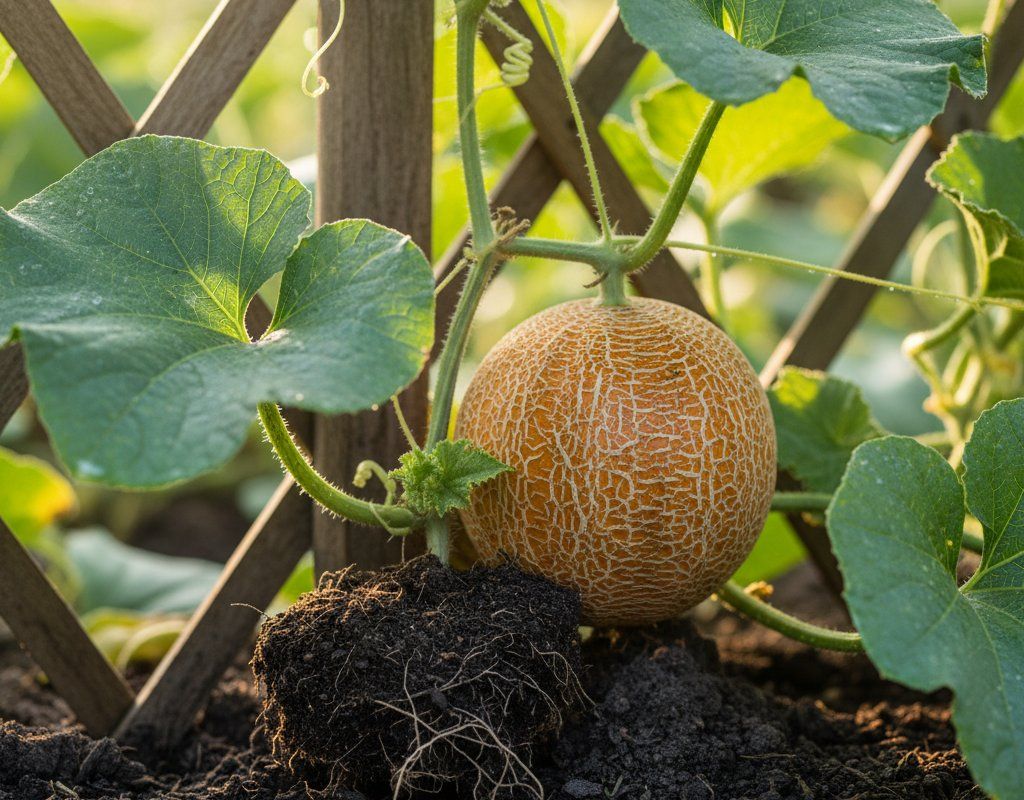
Cantaloupe in Zone 6B — Northeast
Cucumis melo · Your Complete 2026 Planting Guide
Planning Ahead — Great!
You’re ahead of the season. Here’s when to start.
Mark Your Calendar
How to Plant Cantaloupe in Zone 6B — Northeast
Here are all your options for getting cantaloupe in the ground, from the easiest method to more advanced approaches.
Direct Sow Seeds
RecommendedLate April through mid July
around April 29
Consider succession planting every 2-3 weeks for continuous harvest.
Same as watermelon — needs warm soil, direct sow works in most zones.
Buy Starts
Works WellLate April through late May
around April 29
Plant purchased starts after last frost (April 15).
Start Seeds Indoors
Works WellEarly to late April
around April 8
Then transplant: Late April through late May
Start seeds 3-5 weeks before transplanting outdoors.
Transplant Outdoors
Timing InfoLate April through late May
around April 29
Wait until nighttime temperatures stay above 50°F.
You have a nice window — no need to rush.
Overview
Cantaloupe offers Northeast gardeners a special reward for our patience through those long winters – nothing beats the sweet, fragrant taste of a melon you've grown yourself in our rocky New England soil. While grocery store melons often disappoint with their bland flavor, homegrown cantaloupe develops incredible sweetness thanks to our cool nights, which concentrate sugars while the fruit ripens slowly during our moderate summer days.
Growing cantaloupe in Zone 6B does require some planning around our short season and unpredictable spring weather. With our 183-day growing season and tendency for late spring warmth followed by surprise cool spells, timing becomes crucial. But don't let that discourage you – once you get the timing right, cantaloupe grows beautifully here, and you'll have fresh melons from mid-summer right through early fall.
Starting Seeds Indoors
Starting cantaloupe indoors isn't the preferred method, but it can give you a head start if you're concerned about our short growing season. Start seeds early to late April, about 3 weeks before you plan to transplant outdoors. Use biodegradable peat pots since melons hate root disturbance – you'll plant the whole pot.
Keep seed trays warm (around 80°F) and use bottom watering to prevent damping-off disease. Seeds typically germinate in 5-7 days under warm conditions. Once seedlings emerge, they need strong light – either a sunny south window or grow lights. Given our late spring character here in the Northeast, indoor starting mainly makes sense if you want the earliest possible harvest or are trying a longer-season variety.
Remember that melon seedlings are tender and don't handle transplant shock well. If you choose this method, be extra careful with hardening off and wait for consistently warm soil before moving them outside.
Transplanting Outdoors
If you've started cantaloupe indoors, transplant time runs from late April through late May, depending on soil temperature and weather patterns. The key is waiting for soil to warm to at least 65°F – cold soil will stunt or kill your transplants. Test with a soil thermometer rather than guessing based on air temperature.
Harden off seedlings gradually over a full week, starting with just an hour outdoors in filtered light and building up to full sun and overnight exposure. Space transplants 36-48 inches apart – they'll need that room to spread as they mature. Plant biodegradable pots directly in the ground, tearing the rim slightly so it doesn't wick moisture away from roots.
Watch the weather forecast carefully during transplant season in the Northeast. A sudden cool snap can set back or kill young melon plants, even if there's no frost. Having row covers ready is smart insurance against those unpredictable late spring temperature swings we often get here.
Direct Sowing
Direct sowing is the preferred method for cantaloupe in our zone, and you have a surprisingly long planting window from late April through mid-July. Wait until soil temperature reaches at least 65°F consistently – usually late April to early May in most Northeast locations. Cold, wet soil leads to poor germination and rotting seeds.
Prepare your soil by working in compost or aged manure, which helps with drainage in our often clay-heavy Northeast soils. Plant seeds in groups of 3-4, spacing these groups 36-48 inches apart. Once seedlings emerge and develop their first true leaves, thin to the strongest plant in each group. The wide spacing prevents crowding and improves air circulation, which helps prevent disease in our moderate-to-humid summers.
For successive plantings, you can continue sowing through mid-July in Zone 6B. Later plantings often escape early pest pressure and may actually produce better in cooler fall weather. Just remember that cantaloupe needs 80 days to maturity, so count backward from your expected first frost date in mid-October.
Watering Cantaloupe in Zone 6B (Northeast)
Cantaloupe has high water needs throughout most of its growing season, but our Northeast climate actually makes watering management easier than in hotter regions. With our moderate summer highs around 82°F and regular rainfall averaging 40-50 inches annually, you won't need the intensive watering schedules required in drier climates. Still, consistent soil moisture is crucial during flowering and fruit development.
Use the finger test to check soil moisture – stick your finger 2 inches deep near the plant base. If it feels dry at that depth, it's time to water deeply. Generally, melons need about 1-2 inches of water per week during active growth, including rainfall. Water at the base of plants rather than overhead to prevent leaf diseases in our moderate-to-humid conditions.
The critical watering rule for cantaloupe is to stop watering completely about one week before harvest. This concentrates sugars and prevents bland, watery fruit. Since our Northeast humidity helps prevent rapid soil drying, this technique works particularly well here. You'll see the difference in flavor immediately.
Apply a 3-4 inch layer of organic mulch around plants to retain consistent soil moisture and suppress weeds. In our climate, straw or shredded leaves work well and won't create the soggy conditions that can occur with thick mulches in more humid regions.
🧪Fertilizing Cantaloupe
Feeding Schedule
Organic Fertilizer Options
Harvest Time
Your first cantaloupe harvest typically begins mid-July through mid-October, depending on when you planted and which variety you chose. With 80 days to maturity, early plantings from late April will be ready by mid-July, while those mid-July sowings will ripen just before first frost in mid-October. This gives you a nice long harvest window to enjoy fresh melons.
Cantaloupe tells you when it's ready through several clear signs. The netting pattern on the skin becomes fully developed and raised, the background color changes from green to tan or cream, and most importantly, the fruit "slips" easily from the vine with gentle pressure. You'll also notice a sweet, fragrant aroma at the blossom end when the melon is perfectly ripe.
Unlike some fruits, cantaloupe won't continue ripening once picked, so patience pays off. Harvest in the morning when melons are cool and store them at room temperature for 2-3 days to soften slightly, then refrigerate. Each plant typically produces 3-4 melons over a 3-4 week period.
As first frost approaches in mid-October, harvest any remaining melons that show good netting and color, even if they haven't fully slipped yet. These late-season melons may not be as sweet as peak-summer fruit, but they're still better than anything from the grocery store.
Common Problems in Zone 6B (Northeast)
Powdery Mildew White or grayish powdery coating appears on leaves, starting on older foliage and spreading upward. Leaves eventually curl, yellow, and die back, reducing plant vigor just when fruit needs energy to ripen. This fungal disease loves our Northeast conditions – warm days, cool nights, and moderate humidity create perfect growing conditions.
The irony is that powdery mildew thrives on dry leaf surfaces, unlike most fungi. Improve air circulation by proper spacing (don't crowd plants) and removing lower leaves that touch the ground. Neem oil or potassium bicarbonate sprays help control outbreaks. Surprisingly, milk spray (1 part milk to 9 parts water) is quite effective and safe around edibles.
Aphids Clusters of tiny, soft-bodied insects – usually green, black, or white – appear on stems and leaf undersides. You'll notice sticky honeydew residue and curled or distorted new growth. These sap-sucking pests reproduce rapidly in warm weather, and ant colonies often farm them for their sweet secretions.
A strong water spray knocks most aphids off plants. Encourage natural predators like ladybugs and lacewings by planting diverse flowers nearby. For heavy infestations, insecticidal soap works well, as does neem oil for systemic control. Avoid over-fertilizing with nitrogen, which creates the tender new growth that aphids prefer.
Poor Sweetness Your cantaloupe looks perfectly ripe with good netting and color, but tastes bland and disappointing. This frustrating problem usually stems from overwatering near harvest time, insufficient heat accumulation, or picking too early. Our moderate Northeast summers can sometimes lack the intense heat that develops peak sweetness.
Stop watering 5-7 days before harvest to concentrate sugars. Make sure plants get full sun exposure (8+ hours daily) and choose varieties bred for shorter seasons. Most importantly, wait for proper ripeness indicators – the fruit should slip easily from the vine with gentle pressure. Harvesting too early is better than too late, but patience usually pays off with better flavor.
Northeast Specific Challenges: Our moderate summer heat and even rainfall actually benefit cantaloupe compared to extreme climates, but the short growing season means every warm day counts. Rocky soils require extra soil preparation, and deer can devastate unprotected plants overnight – consider fencing if deer pressure is high in your area.
Best Companions for Cantaloupe
Plant these nearby for healthier Cantaloupe and better harvests.


Keep Away From
Companion Planting Details
Corn makes an excellent companion for cantaloupe, providing natural wind protection for the sprawling vines while the melons don't compete with corn's deep root system. Sunflowers work similarly, offering shelter while attracting beneficial insects that help with pollination. Plant lettuce and other greens in the spaces between young melon plants – they'll be harvested before the melons need the space, making efficient use of garden real estate in our short growing season.
Avoid planting cantaloupe near potatoes, which can harbor similar diseases, and keep them away from cucumbers despite being in the same plant family. Cucumbers and melons can cross-pollinate if varieties bloom simultaneously, and they're susceptible to many of the same pests and diseases. In our moderate-to-humid Northeast climate, this kind of disease pressure can build quickly when related plants are grouped together.
🌸Best Flowers to Plant with Cantaloupe
These flowers protect your Cantaloupe from pests and attract pollinators for better harvests.


Get a Reminder When It's Time to Plant
We'll email you when key planting windows open for your zone.