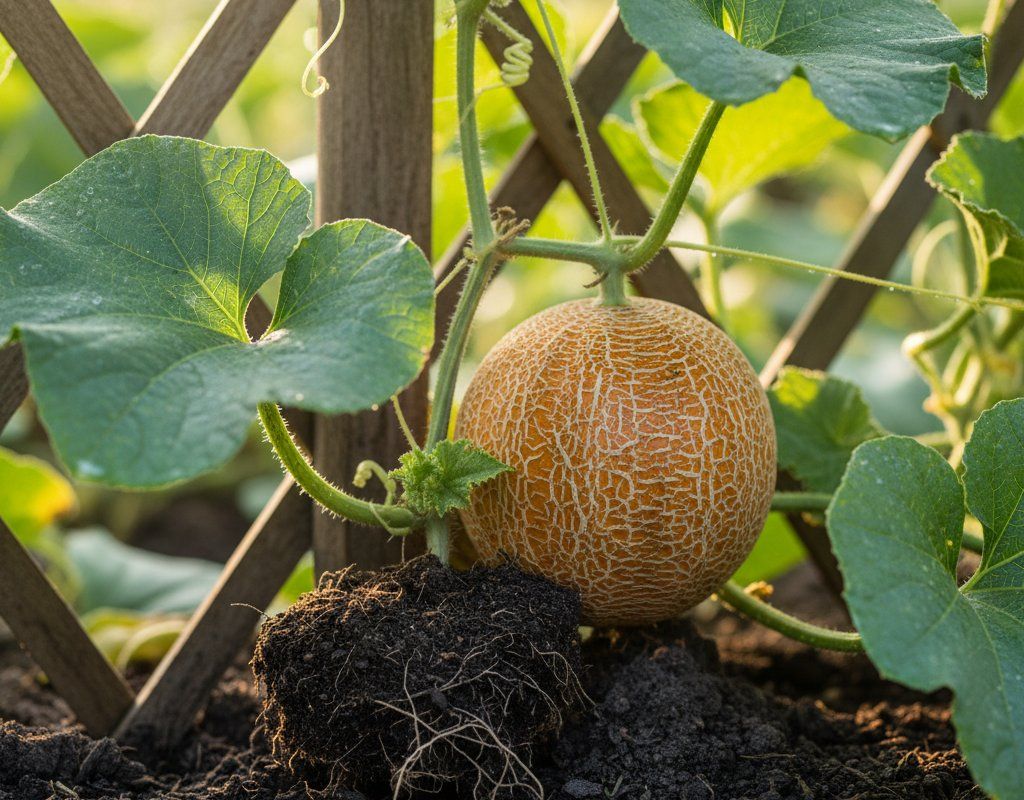
Cantaloupe in Zone 6B — Southeast
Cucumis melo · Your Complete 2026 Planting Guide
Planning Ahead — Great!
You’re ahead of the season. Here’s when to start.
Mark Your Calendar
How to Plant Cantaloupe in Zone 6B — Southeast
Here are all your options for getting cantaloupe in the ground, from the easiest method to more advanced approaches.
Direct Sow Seeds
RecommendedMid April through late July
around April 19
Consider succession planting every 2-3 weeks for continuous harvest.
Same as watermelon — needs warm soil, direct sow works in most zones.
Buy Starts
Works WellMid April through mid May
around April 19
Plant purchased starts after last frost (April 5).
Start Seeds Indoors
Works WellLate March through mid April
around March 29
Then transplant: Mid April through mid May
Start seeds 3-5 weeks before transplanting outdoors.
Transplant Outdoors
Timing InfoMid April through mid May
around April 19
Wait until nighttime temperatures stay above 50°F.
You have a nice window — no need to rush.
Overview
Growing cantaloupe in Zone 6B Southeast gives you access to sweet, homegrown melons that put store-bought fruit to shame. Our long 208-day growing season and reliable summer heat create perfect conditions for developing that intense, aromatic sweetness you simply can't buy. There's nothing quite like cutting into a cantaloupe you've grown yourself on a hot July morning, knowing it ripened to perfection on the vine.
While our hot and humid summers bring disease pressure and challenging clay soil, the timing flexibility of cantaloupe makes success very manageable. You can direct sow as late as July and still harvest before our first frost in late October, giving you multiple chances to get it right.
Starting Seeds Indoors
Starting cantaloupe seeds indoors works well if you want to get a jump on the season, though direct sowing is usually more reliable. Start seeds late March through mid-April, about 3 weeks before you plan to transplant outdoors. Use seed trays filled with quality seed starting mix, keeping soil temperature around 75-80°F for best germination.
Bottom watering works particularly well for melon seeds since it prevents damping-off disease that can be problematic in our spring humidity. Place seed trays in a warm spot with bright light once seedlings emerge. Our moderate spring conditions make indoor starting manageable, unlike regions with harsh late winters.
Give seedlings at least 6 hours of direct light daily or use grow lights. They'll be ready to transplant when they have 2-3 true leaves and nighttime temperatures consistently stay above 60°F.
Transplanting Outdoors
Transplant your indoor-started cantaloupe seedlings mid-April through mid-May, once soil has warmed to at least 65°F and night temperatures stay consistently above 60°F. Our Southeast springs can still surprise you with cool snaps, so watch the forecast carefully before transplanting.
Harden off seedlings gradually over one week by placing them outside for increasingly longer periods each day. Start with 2-3 hours in morning sun, then gradually increase exposure. This prevents transplant shock that's especially hard on melons.
Space transplants 36-48 inches apart in well-draining soil amended with compost. Our clay soil benefits from raised beds or mounded rows to improve drainage. Plant on calm, overcast days when possible, and water thoroughly after transplanting.
Direct Sowing
Direct sowing is the preferred method for cantaloupe in our climate since these plants hate root disturbance. Sow seeds mid-April through late July once soil temperature reaches 65°F consistently. This gives you tremendous flexibility - you can plant again in June if your first crop fails or struggles.
Prepare planting areas by working compost into our clay soil to improve drainage and fertility. Plant seeds 1 inch deep in groups of 3-4 seeds, spacing these groups 36-48 inches apart. Once seedlings emerge and develop their first true leaves, thin to the strongest plant in each group.
The beauty of direct sowing cantaloupe is that plants establish stronger root systems without transplant shock. In our hot summer climate, this stronger foundation makes all the difference for stress tolerance and fruit production.
Watering Cantaloupe in Zone 6B (Southeast)
Cantaloupe has high water needs throughout most of its growing season, requiring about 1-2 inches per week including rainfall. In our Southeast climate with 45-55 inches of annual rain, you'll likely need supplemental watering during dry spells, especially in July and August when afternoon thunderstorms become less reliable.
Water deeply at soil level rather than overhead to prevent fungal diseases that thrive in our humid conditions. Use the finger test - stick your finger 2 inches into soil near the plant base. If it's dry at that depth, it's time to water. Clay soil holds moisture well but can become waterlogged, so check regularly rather than watering on a schedule.
Apply 2-3 inches of organic mulch around plants to conserve moisture and keep soil temperatures steady during our hot summers. Straw works particularly well since it doesn't hold moisture against plant stems like wood mulch can.
Stop watering completely 5-7 days before harvest - this is crucial for developing sweetness. Our frequent late-summer rains can dilute flavor, so cover ripening melons with plastic if heavy rain threatens during this final ripening period.
🧪Fertilizing Cantaloupe
Feeding Schedule
Organic Fertilizer Options
Harvest Time
Expect your first cantaloupe harvest early July through late October, depending on when you planted. Most varieties take about 80 days from seed to harvest, so count forward from your planting date to estimate timing. In our long growing season, you can succession plant for continuous harvests.
A ripe cantaloupe will "slip" from the vine with gentle pressure - the stem separates cleanly where it attaches to the fruit. The netting pattern should be fully developed and raised, with no green showing through. Most importantly, smell the blossom end (opposite from the stem) - it should have a sweet, musky aroma.
Harvest in the morning when temperatures are cooler and sugars are concentrated. Unlike some fruits, cantaloupe won't continue ripening once picked, so don't harvest too early. The fruit should yield slightly to gentle pressure at the blossom end.
As our first frost approaches in late October, harvest any remaining fruit that shows good netting and size, even if not fully ripe. These can be used for cooking or pickling, though they won't develop full sweetness.
Common Problems in Zone 6B (Southeast)
Powdery Mildew appears as white or grayish powdery coating on leaves, stems, and sometimes fruit. Leaves curl, yellow, and eventually die, reducing plant vigor significantly. In our Southeast humidity, this fungal disease thrives during periods of warm days and cool nights with moderate humidity. Improve air circulation by spacing plants properly and removing lower leaves that touch the ground. Neem oil or potassium bicarbonate sprays help control outbreaks. A simple milk spray (1 part milk to 9 parts water) applied weekly works surprisingly well as prevention.
Aphids cluster as tiny soft-bodied insects on stems and leaf undersides, leaving sticky honeydew residue and causing curled, distorted growth. These sap-sucking pests reproduce rapidly in our warm summers, and ant colonies often farm them for their sweet secretions. Knock them off with a strong water spray in early morning. Encourage beneficial insects like ladybugs and lacewings by planting diverse flowers nearby. For heavy infestations, use insecticidal soap or neem oil, avoiding excess nitrogen fertilizer that attracts them.
Poor Sweetness shows up as bland, watery fruit despite proper appearance. This frustrating problem usually results from overwatering near harvest time, insufficient heat accumulation, or picking too early. Our frequent late-summer thunderstorms can dilute sugars if fruit gets too much water during final ripening. Stop all watering 5-7 days before harvest and cover ripening melons during heavy rain. Ensure plants get full sun exposure and wait for proper ripeness indicators before picking.
Our hot, humid Southeast conditions create perfect storm scenarios for fungal diseases, while Japanese beetles may chew holes in leaves and deer will sample ripening fruit. The combination of clay soil that stays wet and high humidity means paying extra attention to drainage and air circulation around plants.
Best Companions for Cantaloupe
Plant these nearby for healthier Cantaloupe and better harvests.


Keep Away From
Companion Planting Details
Plant cantaloupe with corn and sunflowers as natural trellises that provide some afternoon shade during our intense summer heat. The vertical structure helps with air circulation, reducing fungal disease pressure in our humid climate. Lettuce planted nearby makes excellent use of space and appreciates the partial shade from melon vines during hot afternoons.
Avoid planting near potatoes, which compete for similar nutrients and can harbor diseases that affect melons. Keep cucumbers separated since they're in the same family and share pest problems - concentrated plantings make it easier for cucumber beetles and squash bugs to establish populations. In our Southeast gardens where disease pressure runs high, this separation becomes even more critical for plant health.
🌸Best Flowers to Plant with Cantaloupe
These flowers protect your Cantaloupe from pests and attract pollinators for better harvests.


Get a Reminder When It's Time to Plant
We'll email you when key planting windows open for your zone.