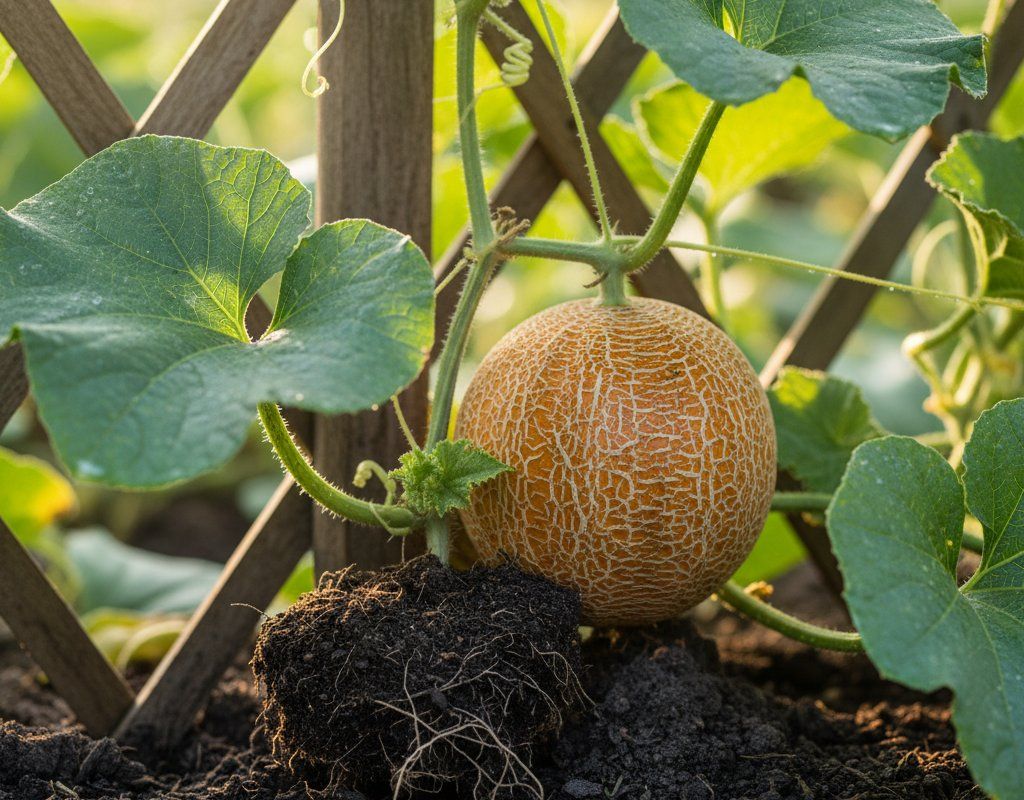
Cantaloupe in Zone 7A — Texas
Cucumis melo · Your Complete 2026 Planting Guide
Ideal Time: Start Seeds Indoors!
This is the perfect time for the biggest, best harvest.
Start Seeds Now
- Start seeds in trays or pots with seed-starting mix
- Keep soil moist and warm (70-80°F)
- Transplant outdoors Late March through late April
Not Starting from Seed?
Buy starts around March 29 — that works great too!
How to Plant Cantaloupe in Zone 7A — Texas
Here are all your options for getting cantaloupe in the ground, from the easiest method to more advanced approaches.
Direct Sow Seeds
RecommendedLate March through mid August
around March 29
Consider succession planting every 2-3 weeks for continuous harvest.
Same as watermelon — needs warm soil, direct sow works in most zones.
Buy Starts
Works WellLate March through late April
around March 29
Plant purchased starts after last frost (March 15).
Start Seeds Indoors
Works WellEarly to late March
around March 8
Then transplant: Late March through late April
Start seeds 3-5 weeks before transplanting outdoors.
Transplant Outdoors
Timing InfoLate March through late April
around March 29
Wait until nighttime temperatures stay above 50°F.
You have a nice window — no need to rush.
Overview
Growing cantaloupe in Texas Zone 7A gives you access to incredibly sweet, aromatic melons that put anything from the grocery store to shame. Our long 245-day growing season and intense Texas heat create perfect conditions for developing the deep sweetness and musky fragrance that make homegrown cantaloupe so special. You can even squeeze in a late summer planting for fall harvest if your spring crop doesn't work out.
The brutal summer heat and unpredictable rainfall can challenge melon growing, but timing your planting right makes all the difference. Start early enough to beat the worst heat, maintain consistent watering through our variable conditions, and you'll be rewarded with vine-ripened melons that capture the essence of a Texas summer.
Starting Seeds Indoors
Starting cantaloupe seeds indoors isn't the usual approach, but it can work in Texas if you want to get a jump on the season or control germination conditions. Start seeds in early to late March, about 3 weeks before you plan to transplant outdoors. The timing gives you flexibility with our sometimes unpredictable spring weather.
Use seed trays with good drainage and keep them warm—around 70-75°F works well. Bottom watering prevents damping off and keeps seedlings healthier. Since cantaloupe doesn't love root disturbance, use biodegradable pots that can go straight into the ground.
Our early spring character means soil warms up quickly, so indoor starting isn't essential like it might be further north. Direct sowing usually works better in Texas since melons prefer their roots undisturbed.
Transplanting Outdoors
If you've started cantaloupe indoors, transplant from late March through late April once soil temperature stays consistently above 65°F. Harden off seedlings gradually over a week, starting with just a few hours of morning sun and building up to full outdoor conditions.
Space transplants 36-48 inches apart to allow for their sprawling growth habit and ensure good air circulation in our variable humidity. Plant the biodegradable pots directly into prepared soil, making sure the rim sits slightly below soil level to prevent wicking moisture away from roots.
Watch for late cold snaps during transplant season—even a brief dip into the 40s can shock young plants. Have row covers ready for unexpected temperature swings that sometimes hit Texas in April.
Direct Sowing
Direct sowing works best for cantaloupe in Texas since they hate root disturbance and our soil warms up reliably in spring. Sow seeds from late March through mid-August, though spring plantings generally produce better quality fruit. Wait until soil temperature reaches 65°F consistently—cold soil leads to poor germination and weak plants.
Prepare planting areas by working in plenty of compost and ensuring good drainage. Our unpredictable rainfall means you need soil that drains well during flash floods but retains moisture during dry spells. Plant seeds 1 inch deep in hills spaced 36-48 inches apart, planting 3-4 seeds per hill and thinning to the strongest seedling.
For summer plantings, focus on heat-tolerant varieties and provide some afternoon shade during the worst Texas heat. Late summer sowings can work for fall harvest, but you'll need to time carefully to get 80 days before first frost in mid-November.
Watering Cantaloupe in Zone 7A (Texas)
Cantaloupe needs consistent, deep watering throughout the growing season, which can be tricky with Texas's unpredictable rainfall patterns. Aim for 1-2 inches per week through deep, infrequent watering sessions rather than light daily sprinkles. The finger test works well—stick your finger 2 inches into the soil, and water when it feels dry at that depth.
Water at the base of plants rather than overhead, especially during our variable humidity periods when wet leaves can encourage disease. Soaker hoses or drip irrigation work perfectly for melons. During extreme heat periods when temperatures hit 97°F or higher, you might need to water every other day to keep soil consistently moist.
Here's the crucial part: stop watering completely about a week before harvest. This concentrates sugars and prevents bland, watery fruit. Signs of overwatering include yellowing leaves and bland flavor, while underwatered plants show wilting and stunted growth.
Mulch around plants with straw or shredded leaves to conserve moisture and moderate soil temperature swings. This is especially important during our hot summers when soil can dry out rapidly between our irregular rainfall events.
🧪Fertilizing Cantaloupe
Feeding Schedule
Organic Fertilizer Options
Harvest Time
Your first cantaloupe should be ready from mid-June through mid-November, depending on when you planted. With our 80-day growing season requirement, spring plantings typically produce the sweetest fruit since they ripen during intense heat that concentrates sugars.
Look for a fully developed netting pattern covering the entire fruit, and most importantly, the "slip" test—a ripe cantaloupe separates easily from the vine with gentle pressure when the stem naturally forms an abscission layer. You'll also notice a sweet, musky aroma at the blossom end when fruit is perfectly ripe.
Unlike some fruits, cantaloupe won't continue ripening once picked, so timing is everything. Check plants daily once fruit starts showing netting since ripeness can happen quickly in Texas heat. Harvest in early morning when temperatures are cooler for best flavor and storage life.
As first frost approaches in mid-November, harvest any full-sized fruit even if not completely ripe. Green melons won't ripen further, but those showing some color change might develop acceptable flavor if kept in a warm location for a few days.
Common Problems in Zone 7A (Texas)
Powdery Mildew This shows up as white or grayish powdery coating on leaves, stems, and sometimes fruit surfaces. Leaves curl, yellow, and eventually die back, reducing plant vigor significantly. In Texas, this fungal problem thrives during our variable humidity periods with warm days and cooler nights. Improve air circulation through proper spacing and remove affected leaves immediately. Neem oil sprays help, but surprisingly, a milk spray (1 part milk to 9 parts water) works effectively as a preventive treatment.
Aphids Look for clusters of tiny green, black, or white insects on stems and leaf undersides, along with sticky honeydew residue and curled new growth. These sap-sucking pests reproduce rapidly in warm weather and often work with fire ants that farm them for honeydew. Strong water sprays knock them off effectively, and encouraging natural predators like ladybugs helps long-term. Avoid excess nitrogen fertilizer, which actually attracts aphids to your plants.
Poor Sweetness Nothing's more disappointing than bland cantaloupe that looks perfect but tastes watery. This usually results from overwatering near harvest time, insufficient heat exposure, or picking too early. Stop watering 5-7 days before harvest to concentrate sugars, ensure plants get full Texas sun, and wait for proper "slip" indicators before picking. Our intense heat actually helps develop sweetness when managed properly.
Texas Specific Challenges: Our extreme heat, flash floods, and fire ant populations create unique challenges for cantaloupe. The unpredictable weather means you need flexible watering strategies, and fire ants can damage fruit touching the ground. Use raised beds or platforms to keep fruit elevated, and adjust watering based on our irregular rainfall rather than following rigid schedules.
Best Companions for Cantaloupe
Plant these nearby for healthier Cantaloupe and better harvests.


Keep Away From
Companion Planting Details
Corn makes an excellent companion for cantaloupe in Texas since it provides natural windbreaks during our unpredictable weather and doesn't compete for the same soil nutrients. Sunflowers work similarly, offering afternoon shade during extreme heat while their deep roots don't interfere with melon growth. Plant lettuce as a living mulch early in the season—it benefits from the cantaloupe's shade as summer heat intensifies and helps retain soil moisture.
Avoid planting potatoes near cantaloupe since they can harbor similar pests and diseases, and their water needs don't match well with melon requirements. Skip cucumbers as companions too, even though they're related—they compete for the same nutrients and space while potentially sharing disease problems. In our Texas heat, giving cantaloupe plenty of space with compatible neighbors makes more sense than cramming related crops together.
🌸Best Flowers to Plant with Cantaloupe
These flowers protect your Cantaloupe from pests and attract pollinators for better harvests.


Get a Reminder When It's Time to Plant
We'll email you when key planting windows open for your zone.