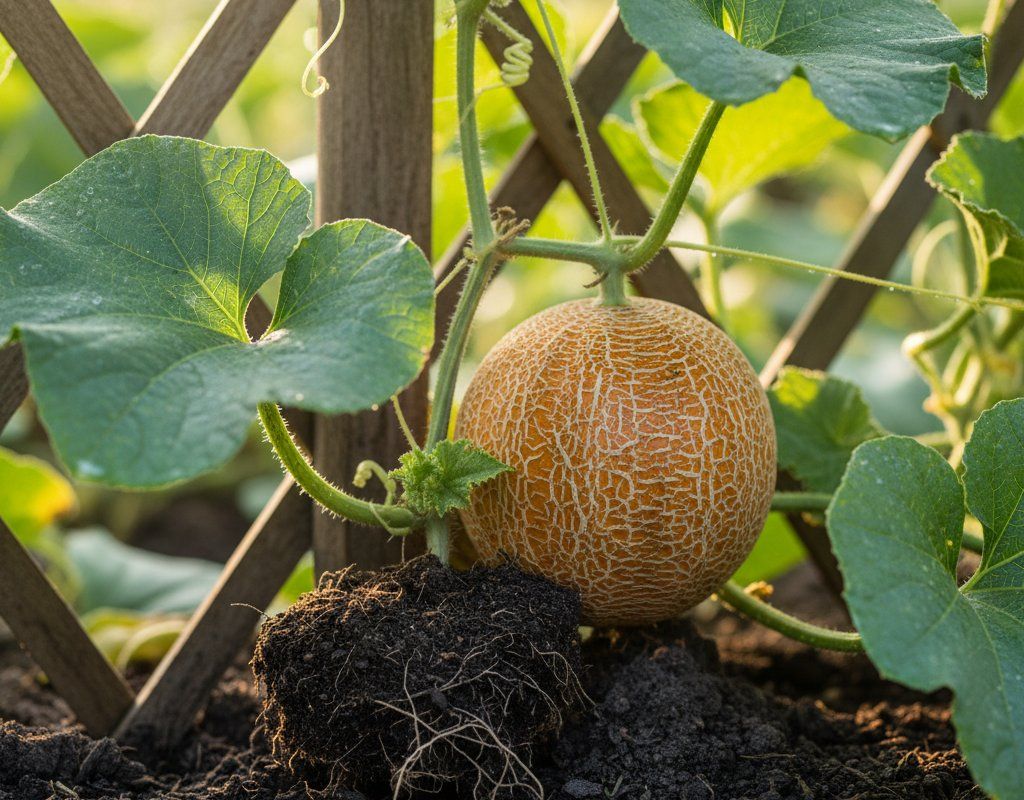
Cantaloupe in Zone 7B — Northern California
Cucumis melo · Your Complete 2026 Planting Guide
Ideal Time: Start Seeds Indoors!
This is the perfect time for the biggest, best harvest.
Start Seeds Now
- Start seeds in trays or pots with seed-starting mix
- Keep soil moist and warm (70-80°F)
- Transplant outdoors Late March through late April
Not Starting from Seed?
Buy starts around March 29 — that works great too!
How to Plant Cantaloupe in Zone 7B — Northern California
Here are all your options for getting cantaloupe in the ground, from the easiest method to more advanced approaches.
Direct Sow Seeds
RecommendedLate March through mid August
around March 29
Consider succession planting every 2-3 weeks for continuous harvest.
Same as watermelon — needs warm soil, direct sow works in most zones.
Buy Starts
Works WellLate March through late April
around March 29
Plant purchased starts after last frost (March 15).
Start Seeds Indoors
Works WellEarly to late March
around March 8
Then transplant: Late March through late April
Start seeds 3-5 weeks before transplanting outdoors.
Transplant Outdoors
Timing InfoLate March through late April
around March 29
Wait until nighttime temperatures stay above 50°F.
You have a nice window — no need to rush.
Overview
Cantaloupe thrives in Northern California's Mediterranean climate, where our long, warm growing season and consistent summer heat create ideal conditions for these sweet, fragrant melons. Your homegrown cantaloupes will have that intense, perfumed sweetness that makes store-bought versions pale in comparison – and with our 245-day growing season, you can succession plant for harvests from midsummer straight through fall.
While cantaloupes need consistent water during our dry summers and protection from our variable spring weather, the timing is quite manageable once you understand the rhythm. Our mild winters mean you can start early, and our extended fall growing season gives you multiple planting windows to work with.
Starting Seeds Indoors
Starting cantaloupe seeds indoors makes sense if you want the earliest possible harvest or live in a cooler microclimate that needs every advantage. Start seeds in early to late March, about three weeks before your planned transplant date. Our Northern California springs warm up early, so indoor starting isn't essential like it would be in colder regions.
Use seed trays with good drainage and keep them consistently warm – around 80°F soil temperature works best. Bottom watering prevents damping-off and keeps the soil evenly moist without waterlogging the seeds. Provide bright light once they germinate.
The main advantage of indoor starting here is getting a jump on the season, but direct sowing works so well in our climate that most NorCal gardeners skip this step entirely.
Transplanting Outdoors
If you've started seeds indoors, transplant them outdoors from late March through late April, once soil temperatures consistently reach 65°F and nighttime temperatures stay above 50°F. Our spring weather can be unpredictable with those temperature swings, so timing matters.
Harden off your seedlings over a full week by gradually increasing their outdoor exposure. Start with 2-3 hours of morning sun, then build up to full day exposure. This prevents transplant shock when they encounter our variable spring conditions.
Space transplants 36-48 inches apart – these vines spread wide and need room for good air circulation. Plant them in the warmest, most protected spot in your garden since they're still tender at this stage.
Direct Sowing
Direct sowing is the preferred method for cantaloupe in Northern California because these plants hate root disturbance and our warm soil conditions are perfect for direct germination. You can sow from late March through mid-August, giving you multiple planting opportunities throughout the season.
Wait until soil temperature reaches at least 65°F – use a soil thermometer to check. In most NorCal locations, this happens by late March, though cooler microclimates might need to wait until early April. Plant seeds 1 inch deep and space them 36-48 inches apart, or plant 3-4 seeds per hill and thin to the strongest seedling.
The extended sowing window means you can succession plant every 3-4 weeks through summer for continuous harvests. Late summer plantings (July-August) often produce the sweetest fruit since they ripen during our warm fall weather.
Watering Cantaloupe in Zone 7B (Northern California)
Cantaloupe needs consistent, deep watering throughout the growing season – about 1-2 inches per week depending on our summer heat and your specific microclimate. During our typical 88°F summer days, established plants need more water than you might expect, especially since they're not drought tolerant like many Mediterranean crops.
Water deeply at soil level rather than overhead to keep leaves dry in our low-humidity climate. This prevents foliar diseases while ensuring roots get the moisture they need. Check soil moisture by sticking your finger 2 inches deep – if it's dry, it's time to water. Mulch around plants with straw or wood chips to retain moisture during our dry summers.
Here's the critical timing: stop watering completely 5-7 days before harvest. This concentrates sugars and prevents bland, watery fruit. Watch the weather – if we get unexpected late summer rain, cover ripening melons or harvest early.
Water restrictions during drought years mean you'll want drip irrigation or soaker hoses for efficiency. Early morning watering works best in our climate, giving plants moisture before the heat hits while allowing any splashed leaves to dry quickly.
🧪Fertilizing Cantaloupe
Feeding Schedule
Organic Fertilizer Options
Harvest Time
Your first cantaloupes will be ready from mid-June through mid-November, depending on when you planted and which variety you chose. Most varieties take about 80 days from seed to harvest, so count forward from your planting date to estimate timing.
Look for these ripeness signs: the netting pattern is fully developed and raised, the background color changes from green to cream or tan, and most importantly, the stem "slips" easily from the fruit with gentle pressure. Ripe cantaloupes also have a sweet, musky aroma at the blossom end that you can smell even before picking.
Harvest in the morning when fruits are cool and flavors are most concentrated. Unlike some fruits, cantaloupes won't continue ripening once picked, so wait for full maturity. Cut the stem with clean pruners if it doesn't slip easily – this usually means it needs another day or two.
As our first frost approaches in mid-November, harvest any nearly mature fruits and use them quickly. Green cantaloupes won't ripen off the vine, but those showing some color change might soften enough for cooking applications.
Common Problems in Zone 7B (Northern California)
Powdery mildew shows up as white or grayish powdery coating on leaves, starting on older foliage and spreading upward. Leaves curl, yellow, and eventually die back, reducing the plant's ability to feed developing fruits. In Northern California, our warm days and cool nights create perfect conditions for this fungus, especially during late summer. Improve air circulation by spacing plants properly and removing some lower leaves. Milk spray (1 part milk to 9 parts water) applied weekly actually works better than many fungicides. Neem oil and potassium bicarbonate sprays also help control outbreaks.
Aphids appear as clusters of tiny green, black, or white insects on stems and leaf undersides, often accompanied by sticky honeydew and curled new growth. Our warm, dry summers create ideal breeding conditions, and populations can explode quickly. Blast them off with a strong water spray in the morning – this simple method often solves minor infestations. Encourage beneficial insects like ladybugs by planting diverse flowers nearby. For heavy infestations, insecticidal soap or neem oil work well, but avoid overusing nitrogen fertilizer since it makes plants more attractive to aphids.
Poor sweetness in otherwise ripe-looking melons usually stems from watering too close to harvest time or insufficient heat accumulation. Stop watering 5-7 days before harvest to concentrate sugars – this is crucial in our climate where late summer irrigation is common. Make sure plants get full sun exposure, especially during fruit development. Some coastal microclimates may not have enough heat units for super-sweet melons, so choose early varieties and consider reflective mulch to boost temperatures.
Northern California Specific Challenges: Our moderate summer heat and low humidity mean cantaloupe diseases develop differently than in humid regions. Powdery mildew thrives in our dry air conditions, while bacterial problems are less common. Water management becomes critical during drought years, and the risk of sudden heat waves can stress plants if they're not well-established and properly watered.
Best Companions for Cantaloupe
Plant these nearby for healthier Cantaloupe and better harvests.


Keep Away From
Companion Planting Details
Cantaloupe benefits from tall companions that provide afternoon shade without competing for nutrients. Corn makes an excellent companion, offering wind protection and partial shade during the hottest part of the day – particularly valuable in inland NorCal areas where temperatures spike above 95°F. Sunflowers serve a similar purpose while attracting beneficial pollinators that cantaloupe flowers need. Both crops have deep taproots that don't compete with cantaloupe's spreading surface roots.
Lettuce works well as a living mulch around young cantaloupe plants, keeping soil cool and moist while maximizing garden space. Avoid planting potatoes nearby since they can harbor similar pests and diseases. Keep cucumbers and other melons separated to prevent cross-pollination and reduce disease pressure – our dry climate concentrates pest problems when susceptible plants grow too close together.
🌸Best Flowers to Plant with Cantaloupe
These flowers protect your Cantaloupe from pests and attract pollinators for better harvests.


Get a Reminder When It's Time to Plant
We'll email you when key planting windows open for your zone.