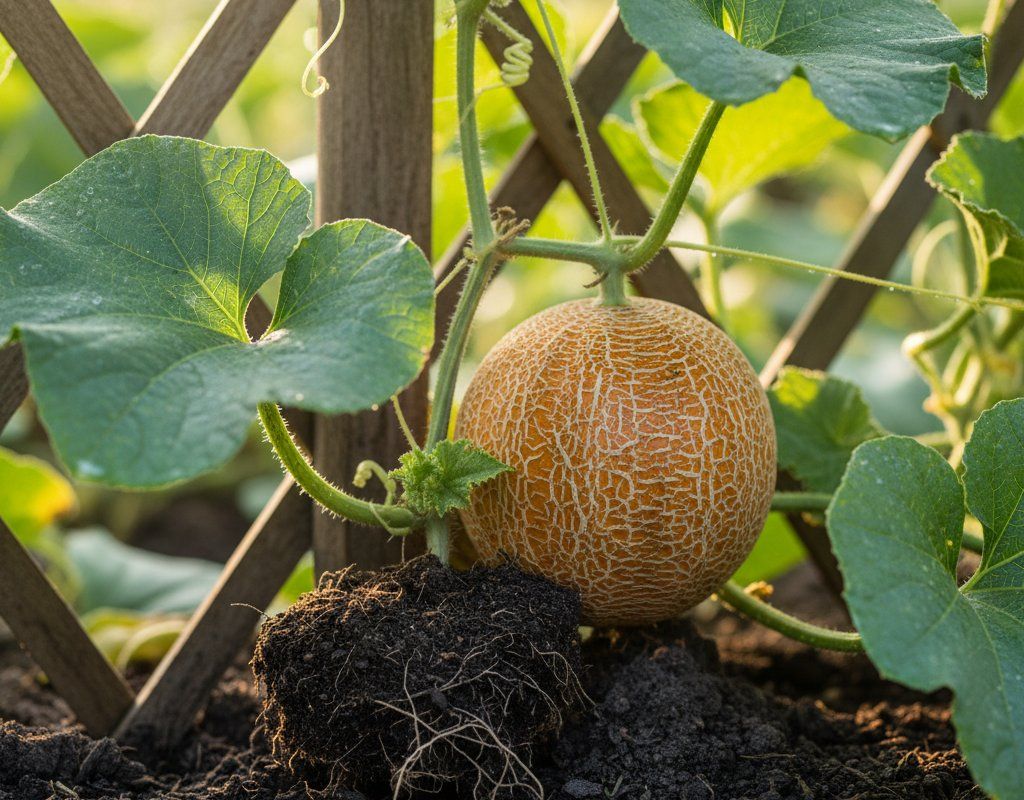
Cantaloupe in Zone 9A — Desert Southwest
Cucumis melo · Your Complete 2026 Planting Guide
Time to Buy Starts!
Seed starting window passed, but starts are available now.
Buy Starts Now
Head to your local nursery, Home Depot, or farmers market for transplants.
- Look for stocky plants with dark green leaves
- Avoid leggy seedlings or plants already flowering
- Check that roots aren't circling the pot (rootbound)
How to Plant Cantaloupe in Zone 9A — Desert Southwest
Here are all your options for getting cantaloupe in the ground, from the easiest method to more advanced approaches.
Direct Sow Seeds
RecommendedEarly March through early September
around March 1
Consider succession planting every 2-3 weeks for continuous harvest.
Same as watermelon — needs warm soil, direct sow works in most zones.
Buy Starts
Works WellEarly to late March
around March 1
Plant purchased starts after last frost (February 15).
Start Seeds Indoors
Works WellEarly to late February
around February 8
Then transplant: Early to late March
Start seeds 3-5 weeks before transplanting outdoors.
Transplant Outdoors
Timing InfoEarly to late March
around March 1
Wait until nighttime temperatures stay above 50°F.
You have a nice window — no need to rush.
Overview
Growing cantaloupe in the Desert Southwest gives you access to incredibly sweet, aromatic melons that put store-bought fruit to shame. Our intense desert sun and heat create perfect sugar-developing conditions, while the long 298-day growing season means you can potentially harvest melons from mid-May all the way through early December with successive plantings.
The extreme heat and arid conditions do present challenges for these water-loving vines, but proper timing makes cantaloupe very manageable here in Zone 9A. Plant early enough to establish before the brutal summer heat hits, or take advantage of our excellent fall growing season when temperatures moderate but we still have plenty of warmth for fruit development.
Starting Seeds Indoors
Starting cantaloupe seeds indoors isn't the typical approach, but it can work if you want to get a jump on the season or have limited garden space for successive plantings. Start seeds in early to late February, about three weeks before you plan to transplant outdoors in March.
Use seed trays with good drainage and keep soil consistently moist through bottom watering - this prevents disturbing the seeds and reduces fungal issues. Cantaloupe seeds germinate best with soil temperatures around 70-75°F, which is easy to achieve indoors during our mild Desert Southwest winters. A sunny south-facing window works well, though you may need supplemental grow lights.
The main advantage of indoor starting here is protecting young plants from any late cold snaps and giving them a head start before summer heat arrives. However, melons don't love transplant shock, so direct sowing is generally more reliable in our climate.
Transplanting Outdoors
If you've started seeds indoors, transplant your cantaloupe seedlings outdoors from early to late March, after soil temperatures consistently reach 65°F. This timing takes advantage of our very early spring season and gets plants established before extreme heat arrives.
Harden off seedlings gradually over a week by exposing them to outdoor conditions for increasing periods daily. Start with just an hour of morning sun and work up to full days outside. Our desert winds can be harsh on tender transplants, so choose a calm period for the final move outdoors.
Space transplants 36-48 inches apart to allow for their sprawling vine growth and ensure good air circulation. Plant in the morning when it's cooler, water thoroughly, and consider temporary shade cloth for the first few days if daytime temperatures are already climbing above 85°F.
Direct Sowing
Direct sowing is the preferred method for cantaloupe in the Desert Southwest since these vines establish better without transplant shock. You can sow from early March through early September, giving you multiple opportunities for succession planting throughout our extended growing season.
Wait until soil temperatures reach at least 65°F consistently - usually by early March in most Desert Southwest locations. Plant seeds 1 inch deep and space them 36-48 inches apart, or plant 3-4 seeds per spot and thin to the strongest seedling. Cantaloupe needs warm soil to germinate well, typically sprouting within 5-10 days once conditions are right.
For best results, prepare planting areas with compost to improve our naturally alkaline soil and ensure excellent drainage. Consider creating slightly raised planting areas if your soil tends to develop caliche layers, as cantaloupe roots need room to spread and access deep water sources.
Watering Cantaloupe in Zone 9A (Desert Southwest)
Cantaloupe has high water needs and isn't drought tolerant, which means consistent irrigation is crucial in our arid Desert Southwest climate. During active growth, these vines need about 1-2 inches of water per week, delivered through deep, thorough soakings rather than frequent shallow sprinkles.
Water at the base of plants rather than overhead to prevent foliar diseases and reduce water loss to evaporation in our dry air. Use the finger test - stick your finger 2 inches into the soil, and if it's dry, it's time to water deeply. During extreme heat periods above 105°F, you may need to water every other day, especially for plants in containers or raised beds.
Mulch around plants with 2-3 inches of wood chips or gravel mulch to conserve moisture and keep soil temperatures more stable. Monitor plants closely during monsoon season - while the extra humidity helps, too much water can lead to root rot and poor fruit development.
Here's the critical timing trick: stop watering completely about one week before harvest. This concentrates sugars in the fruit and prevents bland, watery melons. Watch for signs of stress like slight wilting, but resist the urge to water once fruits are nearly ripe.
🧪Fertilizing Cantaloupe
Feeding Schedule
Organic Fertilizer Options
Harvest Time
Your first cantaloupe harvest typically begins in mid-May if you planted in early March, continuing through early December with successive plantings. The 80-day maturity period works perfectly with our long growing season, allowing multiple crops if you stagger plantings every 3-4 weeks.
Ripe cantaloupe will "slip" easily from the vine with gentle pressure - the stem separates cleanly where it attaches to the fruit. Look for fully developed netting patterns on the skin and a sweet, musky aroma at the blossom end. The background color under the netting changes from green to cream or tan when ready.
Harvest in early morning when temperatures are cooler and sugar content is highest. Unlike some fruits, cantaloupe won't continue ripening once picked, so timing is everything. Cut the stem with clean pruners if it doesn't slip easily, but this usually indicates the fruit needs more time on the vine.
As your first frost date approaches in early December, harvest any remaining fruits that show good netting and size, even if not fully ripe. These can be used for cooking or preserves, though they won't develop the full sweetness of vine-ripened melons.
Common Problems in Zone 9A (Desert Southwest)
Powdery Mildew White or grayish powdery coating appears on leaves, stems, and sometimes fruit surfaces. Leaves curl, turn yellow, and eventually die back, reducing plant vigor significantly. Despite our arid climate, powdery mildew thrives in our warm days and cooler nights, especially during fall growing season. Improve air circulation by proper spacing and pruning excess foliage. Remove affected leaves immediately and dispose in trash. Neem oil or potassium bicarbonate sprays help control spread, and surprisingly, a milk spray (1 part milk to 9 parts water) is quite effective.
Aphids Clusters of tiny soft-bodied insects in green, black, or white appear on stems and leaf undersides, leaving sticky honeydew residue and causing curled, distorted growth. These sap-sucking pests multiply rapidly in our warm desert conditions, and ant colonies often farm them for their honeydew. Knock them off with strong water sprays from your hose, encourage beneficial insects like ladybugs and lacewings, and use insecticidal soap for heavy infestations. Avoid excess nitrogen fertilizer, which makes plants more attractive to aphids.
Poor Sweetness Cantaloupe looks ripe but lacks the expected sweetness, leaving you with disappointing, bland fruit. This typically results from overwatering near harvest time, insufficient heat accumulation, or harvesting too early. Stop all watering 5-7 days before harvest to concentrate sugars, ensure plants receive full sun exposure during fruit development, and wait for proper ripeness indicators like easy stem separation. Choose varieties specifically suited to our desert climate and heat units.
Desert Southwest Specific Challenges: Our extreme heat and arid conditions create unique stresses for water-loving cantaloupe vines. Sunscald can damage fruits during peak summer, so consider shade cloth during the hottest months. The alkaline soil common in our region may require sulfur amendments, and caliche layers can restrict root development and water penetration.
Best Companions for Cantaloupe
Plant these nearby for healthier Cantaloupe and better harvests.


Keep Away From
Companion Planting Details
Corn and sunflowers make excellent companions for cantaloupe in the Desert Southwest, providing crucial afternoon shade during our intense summer heat while their deep roots don't compete heavily with the melon's spreading surface roots. Lettuce planted nearby takes advantage of the natural shade created by cantaloupe vines and can be harvested before the melons need full space.
Avoid planting potatoes near cantaloupe since both are heavy feeders that will compete for nutrients in our naturally low-organic desert soils. Keep cucumbers separate as well - they're in the same family and share many pest and disease problems, including aphids and powdery mildew, which spread easily in our dry, windy conditions.
🌸Best Flowers to Plant with Cantaloupe
These flowers protect your Cantaloupe from pests and attract pollinators for better harvests.


Get a Reminder When It's Time to Plant
We'll email you when key planting windows open for your zone.