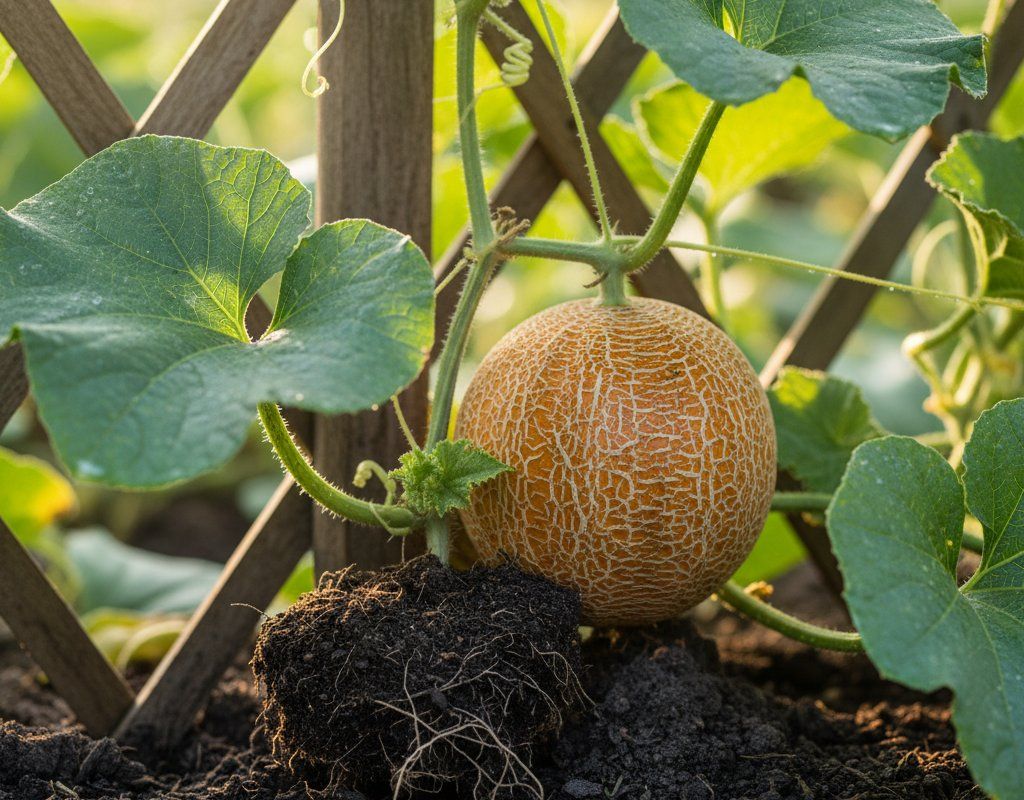
Cantaloupe in Zone 9A — Florida
Cucumis melo · Your Complete 2026 Planting Guide
Time to Buy Starts!
Seed starting window passed, but starts are available now.
Buy Starts Now
Head to your local nursery, Home Depot, or farmers market for transplants.
- Look for stocky plants with dark green leaves
- Avoid leggy seedlings or plants already flowering
- Check that roots aren't circling the pot (rootbound)
How to Plant Cantaloupe in Zone 9A — Florida
Here are all your options for getting cantaloupe in the ground, from the easiest method to more advanced approaches.
Direct Sow Seeds
RecommendedMid February through late September
around February 15
Consider succession planting every 2-3 weeks for continuous harvest.
Same as watermelon — needs warm soil, direct sow works in most zones.
Buy Starts
Works WellMid February through mid March
around February 15
Plant purchased starts after last frost (February 1).
Start Seeds Indoors
Works WellMid January through early February
around January 25
Then transplant: Mid February through mid March
Start seeds 3-5 weeks before transplanting outdoors.
Transplant Outdoors
Timing InfoMid February through mid March
around February 15
Wait until nighttime temperatures stay above 50°F.
You have a nice window — no need to rush.
Overview
Growing cantaloupe in Zone 9A Florida gives you access to incredibly sweet, aromatic melons that make store-bought versions taste like cardboard. Our long, warm growing season means you can plant multiple successions and enjoy homegrown melons from early May through late December. The intense Florida sun develops those complex sugars that create truly exceptional flavor, and there's nothing quite like cutting into a sun-warmed cantaloupe you grew yourself in your backyard.
Florida's extreme humidity and fungal pressure can challenge melon growers, but timing your plantings right makes all the difference. With our 327-day growing season, you have plenty of flexibility to work around summer's brutal heat and take advantage of our mild winters. The key is understanding that cantaloupe loves heat but needs consistent moisture management in our wet-summer climate.
Starting Seeds Indoors
Starting cantaloupe seeds indoors isn't the preferred method, but it gives you a head start during our cooler winter months. Start seeds in mid-January through early February, about three weeks before you plan to transplant outdoors. Use seed-starting trays with good drainage and keep them in a warm spot around 75-80°F.
Bottom watering works best for cantaloupe seedlings since it prevents damping-off disease, which loves our humid conditions. Place seed trays in shallow water and let the soil absorb moisture from below. Provide bright light with grow lights or a sunny south-facing window.
The main advantage of indoor starting in Florida is getting plants established before our unpredictable late winter weather patterns. However, cantaloupe has a taproot that doesn't love transplant shock, so handle seedlings gently and use biodegradable pots if possible.
Transplanting Outdoors
Transplant cantaloupe seedlings outdoors from mid-February through mid-March, when soil temperatures consistently stay above 65°F. These tender plants can't handle any frost, and our last frost typically occurs around early February, so timing matters.
Harden off seedlings gradually over a full week by increasing outdoor exposure daily. Start with just an hour of morning sun and work up to full days outside. Florida's intense UV can shock indoor-grown plants, so this gradual introduction prevents transplant setback.
Space transplants 36-48 inches apart to allow for proper air circulation - critical in our humid climate for preventing fungal diseases. Plant after any cold fronts have passed, as cantaloupe growth stalls completely when temperatures drop below 50°F, even if there's no frost damage.
Direct Sowing
Direct sowing is the preferred method for cantaloupe in Florida since these plants develop strong taproots and don't love transplant disturbance. Plant from mid-February through late September, timing your plantings to avoid the absolute hottest part of summer if possible.
Wait until soil temperatures reach at least 65°F consistently - use a soil thermometer to check morning temperatures for several days running. In our sandy Florida soils, this usually happens by mid-February. Plant seeds 1 inch deep and space them 36-48 inches apart in rows or hills.
Prepare planting areas by working compost into our typically sandy soil to improve moisture retention. Cantaloupe needs well-draining soil but also consistent moisture, so organic matter helps balance these requirements. Plant 2-3 seeds per spot and thin to the strongest seedling once they're established.
Watering Cantaloupe in Zone 9A (Florida)
Cantaloupe has high water needs and isn't drought tolerant, but managing moisture in Florida's wet-summer climate requires a strategic approach. During spring establishment, provide about 1-2 inches per week through deep, infrequent watering sessions that encourage deep root development.
Use the finger test - stick your finger 2 inches into the soil near the base of plants. If it's dry at that depth, it's time to water. Water at the base of plants rather than overhead to reduce fungal disease pressure in our very humid conditions. Soaker hoses or drip irrigation work excellently for consistent moisture without wetting the foliage.
Summer rainfall often provides adequate water, but monitor closely during dry spells since cantaloupe wilts quickly in our 93°F heat. Mulch around plants with organic materials to retain soil moisture and regulate temperature, but keep mulch a few inches away from stems to prevent pest issues.
Critical timing note: Stop watering completely 5-7 days before harvest to concentrate sugars and prevent bland, watery fruit. This is especially important during our wet summer months when natural rainfall can dilute flavor right before harvest time.
🧪Fertilizing Cantaloupe
Feeding Schedule
Organic Fertilizer Options
Harvest Time
Your first cantaloupe harvest typically begins in early May and can continue through late December with successive plantings. Most varieties reach maturity around 80 days from planting, though Florida's heat can accelerate this timeline during peak summer.
Ripeness indicators are crucial for peak flavor: Look for fully developed netting patterns on the skin, and most importantly, the "slip" test - ripe cantaloupe separates easily from the vine with gentle upward pressure. You'll also notice a sweet, musky aroma at the blossom end when fruit is ready. The ground spot where the melon sits should be creamy yellow, not white or green.
Harvest in the morning when temperatures are cooler for best flavor and storage life. Cut the stem with clean shears if the fruit doesn't slip easily - it may need another day or two to ripen. Unlike some fruits, cantaloupe won't continue ripening off the vine, so timing is everything.
As late December approaches and first frost threatens, harvest any remaining full-size melons even if they're not fully ripe. While they won't develop full sweetness, they can still be used for cooking or preserves rather than losing the entire crop to frost damage.
Common Problems in Zone 9A (Florida)
Powdery Mildew shows up as white or grayish powdery coating on leaves, stems, and sometimes fruit surfaces. Leaves begin curling, yellowing, and eventually dying, which severely reduces plant vigor and fruit quality. This fungal disease thrives in Florida's warm days and moderate humidity, and ironically prefers dry leaf surfaces unlike most fungal problems. Improve air circulation by proper spacing and pruning lower leaves. Remove affected foliage immediately and dispose in trash, not compost. Neem oil or potassium bicarbonate sprays help control spread, and surprisingly, milk spray (1 part milk to 9 parts water) is quite effective. Choose resistant varieties when possible.
Aphids appear as clusters of tiny, soft-bodied insects in green, black, or white colors on stems and leaf undersides. You'll notice sticky honeydew residue and curled or distorted new growth where they feed. These sap-sucking pests reproduce rapidly in Florida's warm weather, and ant colonies often farm them for their sweet secretions. Knock them off with strong water spray from your hose, and encourage natural predators like ladybugs and lacewings in your garden. For heavy infestations, use insecticidal soap or neem oil, which works systemically. Avoid over-fertilizing with nitrogen, as lush growth attracts larger aphid populations.
Poor Sweetness is frustrating when your cantaloupe looks perfectly ripe but tastes bland or watery instead of sweet and aromatic. This usually stems from overwatering near harvest time, insufficient heat accumulation, or harvesting too early before sugars fully develop. Stop all watering 5-7 days before harvest to concentrate sugars, ensure plants get full sun exposure, and wait for proper ripeness indicators like the "slip" test. Choose varieties specifically suited to our zone's heat and humidity levels.
Florida Specific Challenges: Our extreme humidity creates ideal conditions for fungal diseases, while sandy soils drain quickly but don't retain nutrients well. Summer's intense heat can stress plants and reduce fruit set, and our wet-summer rainfall pattern can dilute flavors if not managed properly during harvest season.
Best Companions for Cantaloupe
Plant these nearby for healthier Cantaloupe and better harvests.


Keep Away From
Companion Planting Details
Good companions for cantaloupe in Florida include corn, which provides natural trellising and wind protection during our unpredictable weather patterns. Sunflowers make excellent companions by attracting beneficial insects while their tall growth shades soil and reduces water evaporation - important in our intense heat. Lettuce works well as a living mulch beneath cantaloupe vines, utilizing space efficiently while its shallow roots don't compete with the melon's deeper taproot system.
Avoid planting cantaloupe near potatoes, as they can harbor similar pests and compete for soil nutrients in our already-challenging sandy soils. Cucumbers should also be separated from cantaloupe since they're susceptible to many of the same fungal diseases that thrive in Florida's humid conditions, and grouping them together can create disease hotspots that spread rapidly through your garden.
🌸Best Flowers to Plant with Cantaloupe
These flowers protect your Cantaloupe from pests and attract pollinators for better harvests.


Get a Reminder When It's Time to Plant
We'll email you when key planting windows open for your zone.