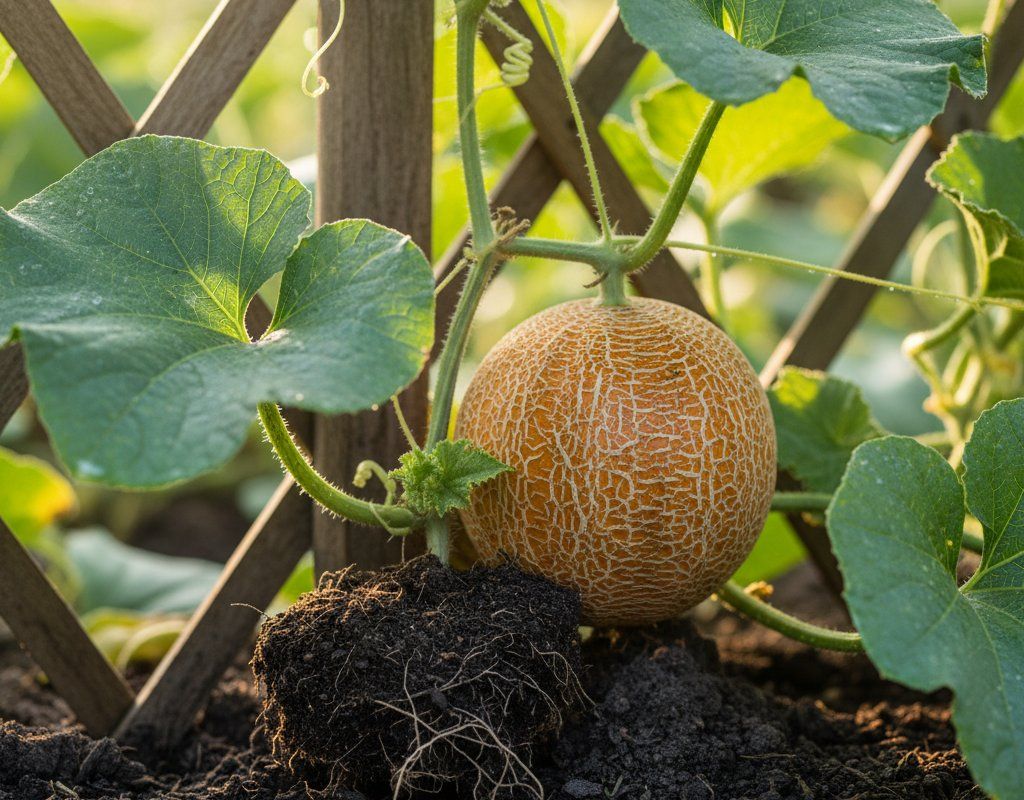
Cantaloupe in Zone 9A — Southern California
Cucumis melo · Your Complete 2026 Planting Guide
Time to Buy Starts!
Seed starting window passed, but starts are available now.
Buy Starts Now
Head to your local nursery, Home Depot, or farmers market for transplants.
- Look for stocky plants with dark green leaves
- Avoid leggy seedlings or plants already flowering
- Check that roots aren't circling the pot (rootbound)
How to Plant Cantaloupe in Zone 9A — Southern California
Here are all your options for getting cantaloupe in the ground, from the easiest method to more advanced approaches.
Direct Sow Seeds
RecommendedMid February through mid September
around February 15
Consider succession planting every 2-3 weeks for continuous harvest.
Same as watermelon — needs warm soil, direct sow works in most zones.
Buy Starts
Works WellMid February through mid March
around February 15
Plant purchased starts after last frost (February 1).
Start Seeds Indoors
Works WellMid January through early February
around January 25
Then transplant: Mid February through mid March
Start seeds 3-5 weeks before transplanting outdoors.
Transplant Outdoors
Timing InfoMid February through mid March
around February 15
Wait until nighttime temperatures stay above 50°F.
You have a nice window — no need to rush.
Overview
Growing cantaloupe in Southern California's Zone 9A gives you access to incredibly sweet, aromatic melons that put store-bought fruit to shame. Your 322-day growing season and abundant sunshine create perfect conditions for developing those complex sugars that make homegrown cantaloupe so addictive. Our mild winters mean you can actually get two crops per year if you time it right, and there's nothing quite like harvesting sun-warmed melons from your own vines during our long, hot summers.
The key challenge here is managing water wisely during our dry summers while giving these thirsty vines what they need. Our low humidity and Santa Ana winds can stress plants, but timing your plantings right takes advantage of our very early spring start and lets you work with our natural rainfall patterns instead of against them.
Starting Seeds Indoors
Starting cantaloupe indoors isn't the preferred method, but it makes sense if you want to maximize your growing season or get a jump on summer heat. Start seeds mid-January through early February, about 3 weeks before you plan to transplant outdoors. Use biodegradable pots since melons hate root disturbance - peat pots or cow pots work well.
Keep seed trays warm (75-80°F) and provide good light once seedlings emerge. Bottom watering works better than overhead watering to prevent damping off, especially during our mild but sometimes humid winter mornings. With our very early spring character, indoor starts can give you melons by late April if you're in a warmer inland area.
The main downside is transplant shock - cantaloupe really prefers direct sowing. Only start indoors if you're trying to beat summer heat or want that extra-early harvest window.
Transplanting Outdoors
If you started seeds indoors, transplant them outdoors from mid-February through mid-March, after our last frost risk passes. Harden off seedlings gradually over a week, starting with just morning sun and building up to full exposure. Our February temperature swings can be dramatic, so watch for unexpected cold snaps.
Space transplants 36-48 inches apart - these vines need room to sprawl, and good air circulation helps prevent powdery mildew in our moderate humidity. Plant biodegradable pots directly in the soil, tearing the bottom slightly to encourage root growth through the sides.
Choose your warmest, most protected spot for early transplants. South-facing areas near walls work well since they capture and radiate heat during cool nights. Our mild winter temperatures make this possible, but young plants still appreciate that extra warmth boost.
Direct Sowing
Direct sowing is your best bet for cantaloupe in Southern California - these plants hate transplant shock and grow much stronger when started in place. You have a huge window from mid-February through mid-September, though spring and early summer sowings perform best. Wait until soil temperatures reach 65°F consistently, which usually happens by late February in most areas.
Prepare your soil with plenty of compost since melons are heavy feeders. Plant seeds 1 inch deep and space them 36-48 inches apart - these vines will easily fill a 6-foot circle. Plant 2-3 seeds per spot and thin to the strongest seedling once they're established. Our winter rains usually provide enough moisture for germination, but you may need supplemental water during dry spells.
The beauty of our long growing season is you can succession plant every 3-4 weeks through early summer for continuous harvests. Later plantings (July-September) work well inland where fall stays warm longer, giving you fresh melons right into December.
Watering Cantaloupe in Zone 9A (Southern California)
Cantaloupe needs consistent, deep watering throughout the growing season - these aren't drought-tolerant plants despite our water-wise reputation. During our hot summers with typical highs around 92°F, plan on 1-2 inches of water per week, delivered slowly and deeply to encourage strong root systems. The finger test works perfectly here - stick your finger 2 inches into the soil, and if it's dry, it's time to water.
Water at the base of plants rather than overhead to prevent leaf diseases, though our low-to-moderate humidity makes foliar watering less risky than in more humid climates. Drip irrigation or soaker hoses work beautifully for melons, letting you deliver that deep watering efficiently. Morning watering helps plants cope with afternoon heat and reduces evaporation losses.
Here's the crucial trick for sweet melons: stop watering completely about one week before harvest. This concentrates sugars and prevents that watery, bland taste. Watch for signs of water stress (slight wilting) but don't panic - this final dry period is what creates those incredibly sweet, aromatic melons Southern California is known for.
Apply 2-3 inches of mulch around plants to retain soil moisture and keep roots cool during summer heat. Avoid piling mulch against stems to prevent pest issues, and consider reflective mulches like aluminum foil or white plastic to boost light and heat to developing fruits.
🧪Fertilizing Cantaloupe
Feeding Schedule
Organic Fertilizer Options
Harvest Time
Your first cantaloupe harvest typically begins in early May from spring plantings, with successive plantings providing fresh melons through mid-December in our mild climate. From seed to harvest takes about 80 days, though summer heat can accelerate ripening while cooler fall weather extends the timeline slightly.
Perfect ripeness shows three key signs: the netting pattern is fully developed and raised, the stem separates easily from the fruit with gentle pressure (called "slipping"), and you'll smell that distinctive sweet aroma at the blossom end. Unlike some fruits, cantaloupe won't continue ripening once picked, so timing is everything. Check your patch daily once fruits start showing color changes.
Harvest in the morning when temperatures are cooler and fruits are at peak flavor. Twist the melon gently - if it's ready, it will slip right off the vine with minimal pressure. If you have to pull hard, give it another day or two. Store ripe melons in the refrigerator for up to a week, though they're best eaten within 2-3 days.
As our first frost approaches in mid-December, any remaining green fruits won't ripen properly. In most years, you'll have harvested everything by then, but if late-season fruits are close, you can try bringing them indoors to a warm spot, though they rarely develop full sweetness this way.
Common Problems in Zone 9A (Southern California)
Powdery Mildew White or grayish powdery coating appears on leaves, stems, and sometimes fruit surfaces. Leaves curl, yellow, and eventually die back, reducing plant vigor significantly. This fungal disease thrives in our warm days and cooler nights, and surprisingly prefers dry leaf surfaces over wet ones.
The key is improving air circulation through proper spacing and removing lower leaves that touch the ground. Neem oil or potassium bicarbonate sprays help control active infections. Try the milk spray trick - 1 part milk to 9 parts water works surprisingly well and is completely organic. Plant resistant varieties when possible, and avoid overhead watering late in the day.
Aphids Clusters of tiny soft-bodied insects in green, black, or white appear on stems and leaf undersides, leaving sticky honeydew residue and causing curled or distorted new growth. These sap-sucking pests reproduce rapidly in our warm weather, and ant colonies often farm them for their sweet secretions.
Strong water sprays knock them off effectively, and encouraging beneficial insects like ladybugs and lacewings provides natural control. For heavy infestations, insecticidal soap works well, or neem oil for systemic protection. Avoid excess nitrogen fertilizer, which creates tender growth that attracts aphids. Check plants weekly during warm weather when populations explode quickly.
Poor Sweetness Your melons look perfect but taste bland or watery despite appearing ripe. This frustrating problem usually stems from overwatering near harvest time, insufficient heat accumulation, or harvesting too early before sugars fully develop.
Stop watering 5-7 days before harvest to concentrate sugars - this is crucial in our climate. Ensure plants get full sun and adequate heat, especially important for fall plantings when temperatures start dropping. Wait for proper ripeness indicators rather than guessing by appearance alone. Choose varieties suited to our growing season length and heat patterns.
Southern California Specific Challenges: Our combination of hot, dry summers and low-to-moderate humidity creates unique stresses for water-loving melons. Santa Ana winds can quickly desiccate plants, requiring extra attention to soil moisture. The intense inland heat benefits sugar development but demands consistent irrigation, while our winter-wet, summer-dry pattern means adjusting watering schedules seasonally rather than maintaining consistent year-round moisture.
Best Companions for Cantaloupe
Plant these nearby for healthier Cantaloupe and better harvests.


Keep Away From
Companion Planting Details
Corn makes an excellent companion for cantaloupe, providing natural wind protection during Santa Ana events while its tall stalks don't compete for ground space with sprawling melon vines. Sunflowers work similarly, offering afternoon shade during the most intense summer heat while attracting beneficial insects that help with pollination. Lettuce planted around the edges takes advantage of the partial shade created by melon foliage and appreciates the consistent watering regime.
Avoid planting near potatoes, which can harbor similar diseases and create competition for soil nutrients that heavy-feeding melons need. Keep cucumbers separate too - they're in the same family and share pest and disease issues, plus both are sprawling vines that will tangle together and make management difficult. The key in our hot, dry climate is choosing companions that either provide protection from elements or don't compete for the abundant water and nutrients cantaloupe requires.
🌸Best Flowers to Plant with Cantaloupe
These flowers protect your Cantaloupe from pests and attract pollinators for better harvests.


Get a Reminder When It's Time to Plant
We'll email you when key planting windows open for your zone.