
Carrot in Zone 4B — Midwest
Daucus carota · Your Complete 2026 Planting Guide
Planning Ahead — Great!
You’re ahead of the season. Here’s when to start.
Mark Your Calendar
How to Plant Carrot in Zone 4B — Midwest
Here are all your options for getting carrot in the ground, from the easiest method to more advanced approaches.
Direct Sow Seeds
RecommendedLate April through early July
around April 26
Consider succession planting every 2-3 weeks for continuous harvest.
Carrots have a taproot and don't transplant. Direct sow only.
Buy Starts
Works WellLate April through late May
around April 26
Plant purchased starts after last frost (May 10).
Start Seeds Indoors
ChallengingThis plant is typically not started indoors.
Transplant Outdoors
Timing InfoLate April through late May
around April 26
Can tolerate light frost, but wait for soil to be workable.
You have a nice window — no need to rush.
Fall Planting
Early July through early August
July 24 ideal · Direct sow for fall harvest
Plant a second crop in mid-summer for fall harvest. Carrot actually prefers the cooling temperatures of fall.
Overview
Carrots bring something special to the Midwest garden that goes beyond store-bought roots - the sweet, crisp taste of a freshly pulled carrot from our fertile prairie soil is unmatched. Our moderate-to-hot summers and adequate rainfall create ideal conditions for developing those classic orange roots, while the extended growing season lets you plant multiple successions from late spring through midsummer for continuous harvest.
Yes, our variable spring weather and clay soil can present challenges, but carrots are surprisingly forgiving once you understand the timing. With our 138-day growing season and predictable frost dates, you have plenty of flexibility to work around late cold snaps and still get excellent crops before our first frost arrives in late September.
Transplanting Outdoors
Carrots have a long taproot that makes them extremely difficult to transplant successfully. That taproot is exactly what you want to harvest, and any damage during transplanting results in stunted, forked, or otherwise deformed roots.
While the transplant window runs from late April through late May in our zone, carrots are one crop where you should skip transplanting entirely. The stress of moving seedlings almost always compromises root development, giving you disappointing harvests even when plants survive the process.
Direct sowing is not only easier but produces far superior results. Save your seed-starting energy for crops that truly benefit from indoor starts.
Direct Sowing
Direct sowing is the only reliable way to grow carrots in the Midwest, and fortunately it's straightforward once your soil is workable. You can start sowing from late April through early July, giving you a long window to work around our variable spring weather and plant successive crops.
Wait until soil temperature reaches at least 45°F - usually by late April in our zone. Work your soil deeply to at least 8 inches, removing rocks and breaking up clay clods that could cause forking. Carrot seeds are tiny, so sow them about 1/4 inch deep and 1/2 inch apart, then thin to 2-3 inches once they germinate.
The key challenge here is keeping the soil consistently moist during the 10-14 day germination period. Our spring weather can swing from wet to dry quickly, so check daily and water gently if the soil surface starts to dry out. A light mulch of fine compost can help retain moisture without blocking the small seedlings.
Watering Carrot in Zone 4B (Midwest)
Consistent moisture is absolutely critical for carrots, especially during the first 2-3 weeks when seeds are germinating and establishing their taproot. Keep the soil consistently damp (not soggy) during this period, checking daily since our Midwest spring weather can shift from wet to dry unexpectedly.
Once established, carrots need about 1 inch of water per week, including rainfall. Our wet summers with 30-40 inches annually usually provide most of what they need, but during heat spells when temperatures climb into the upper 80s, you'll need to supplement. Use the finger test - stick your finger 2 inches into the soil, and if it's dry at that depth, it's time to water.
Water at the base of plants rather than overhead, especially during our humid summer months when wet foliage can invite disease problems. Uneven watering is your biggest enemy with carrots - dry spells followed by heavy watering (or sudden downpours) cause the roots to crack and split.
Apply a thin layer of grass clippings or shredded leaves around plants once they're 4 inches tall. This helps maintain even soil moisture during our variable summer weather and reduces the need for frequent watering during those inevitable heat spells.
🧪Fertilizing Carrot
Feeding Schedule
Organic Fertilizer Options
Harvest Time
Your first carrots will be ready for harvest from early July through early October, depending on when you planted. Most varieties mature in about 70 days from sowing, so count forward from your planting date to get a good estimate.
Look for carrot shoulders (the top of the root) beginning to show at the soil surface - they should be about 3/4 inch in diameter for most varieties. The foliage should be full and green, not yellowing or declining. To harvest, loosen the soil around each carrot with a fork first, then pull gently by grasping the foliage close to the crown.
Carrots actually improve in flavor after a light frost, becoming sweeter as starches convert to sugars. In our zone, you can often harvest well into October before hard freezes arrive. If you have carrots still growing as first frost approaches in late September, cover them with row cover or mulch - they'll continue growing during mild weather and be ready for harvest after frost kills the tops.
For the sweetest carrots, harvest in the morning when roots are crisp and full of moisture. Carrots don't store well once pulled, so harvest only what you can use within a week or two.
Common Problems in Zone 4B (Midwest)
Forking Forked or twisted carrot roots instead of straight, uniform shapes are usually the result of obstacles in the soil. You'll see multiple "legs" growing from one carrot, or roots that curve and twist rather than growing straight down.
Our Midwest clay soil is often the culprit here, especially if it wasn't worked deeply enough or still contains rocks and hard clods. Fresh manure can also cause forking as roots hit pockets of uncomposted material. The solution is thorough soil preparation - work your carrot bed to at least 10 inches deep, removing every rock and breaking up clay thoroughly. Consider raised beds filled with loose potting mix if your clay is particularly stubborn.
Carrot Rust Fly Small rusty-brown tunnels throughout your carrot roots signal carrot rust fly damage. You might notice small dark flies hovering near your plants, and affected carrots often have wilted foliage despite adequate moisture.
The adult flies lay eggs near carrot stems, and the resulting maggots tunnel into developing roots. Row covers are your best defense - install them immediately after seeding and keep them on except for weeding. Our variable spring weather actually helps here since delaying planting until mid-May often lets you miss the first generation of flies.
Green Shoulders The top portion of your carrots turns green where it's exposed to sunlight above the soil surface. While safe to eat, green sections taste bitter and look unappealing.
This happens naturally as carrot roots push up through the soil during development. The simple fix is hilling soil or mulch over any exposed carrot tops as they develop. Check your carrot patch every few weeks and cover any shoulders that are starting to show.
Midwest Specific Challenges Our moderate-to-humid summers and wet growing season create ideal conditions for fungal problems if carrots are stressed or overcrowded. Ensure good air circulation by proper spacing, and avoid overhead watering during humid periods to prevent leaf diseases from taking hold.
Best Companions for Carrot
Plant these nearby for healthier Carrot and better harvests.

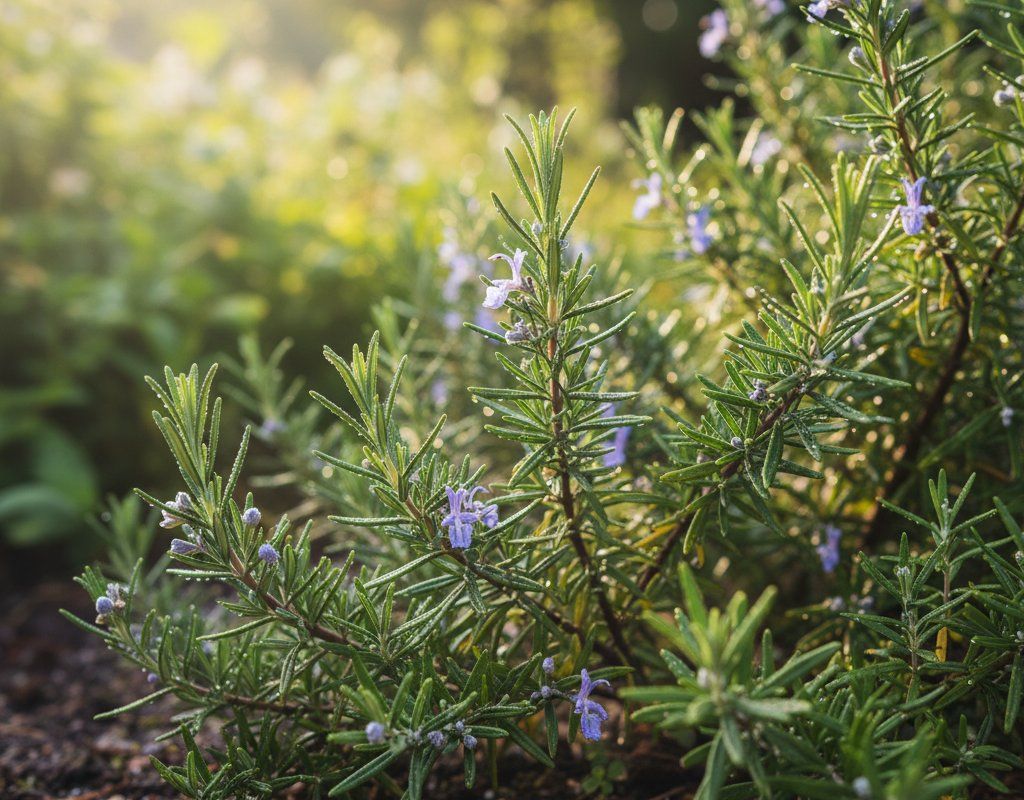
Keep Away From
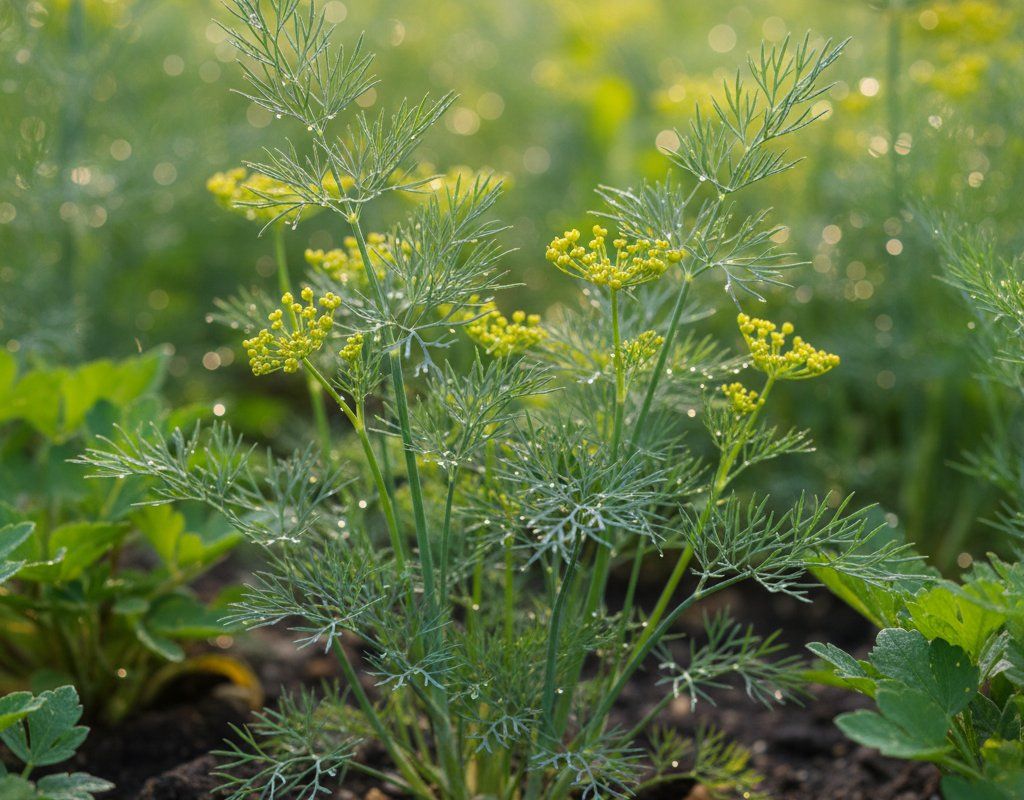
Companion Planting Details
Carrots pair beautifully with lettuce in our Midwest gardens - the lettuce shades the soil and helps keep carrot seeds moist during germination, while carrots continue growing after lettuce is harvested. Onions make excellent companions too, as their strong scent helps confuse carrot rust flies, and their upright growth doesn't compete with carrot foliage.
Tomatoes work well nearby since they have different root zones and nutrient needs, plus their tall growth provides some afternoon shade during our hottest summer days. Avoid planting carrots near dill or parsnips - dill can attract carrot rust flies, and parsnips are close relatives that compete for the same nutrients and can cross-pollinate if allowed to go to seed.
🌸Best Flowers to Plant with Carrot
These flowers protect your Carrot from pests and attract pollinators for better harvests.


Get a Reminder When It's Time to Plant
We'll email you when key planting windows open for your zone.