
Carrot in Zone 6A — Southeast
Daucus carota · Your Complete 2026 Planting Guide
Planning Ahead — Great!
You’re ahead of the season. Here’s when to start.
Mark Your Calendar
How to Plant Carrot in Zone 6A — Southeast
Here are all your options for getting carrot in the ground, from the easiest method to more advanced approaches.
Direct Sow Seeds
RecommendedLate March through early August
around March 27
Consider succession planting every 2-3 weeks for continuous harvest.
Carrots have a taproot and don't transplant. Direct sow only.
Buy Starts
Works WellLate March through late April
around March 27
Plant purchased starts after last frost (April 10).
Start Seeds Indoors
ChallengingThis plant is typically not started indoors.
Transplant Outdoors
Timing InfoLate March through late April
around March 27
Can tolerate light frost, but wait for soil to be workable.
You have a nice window — no need to rush.
Fall Planting
Early August through early September
August 23 ideal · Direct sow for fall harvest
Plant a second crop in mid-summer for fall harvest. Carrot actually prefers the cooling temperatures of fall.
Overview
Growing carrots in our Zone 6A Southeast gardens is like discovering a secret weapon for year-round harvests. Our long 198-day growing season means you can succession plant from late March clear through early August, giving you sweet, crunchy carrots from early summer straight through fall. Unlike store-bought carrots that taste like sawdust, homegrown varieties develop incredible sweetness, especially after our first light frosts in late October. The satisfaction of pulling a perfect, straight carrot from your own soil beats any grocery store find.
Our hot, humid summers and clay soil can challenge carrot growing, but timing is everything here in the Southeast. Those afternoon thunderstorms that define our summers actually help with consistent moisture, while our distinct seasons give you multiple planting windows. With the right approach to soil prep and variety selection, you'll work with our climate instead of fighting it.
Transplanting Outdoors
Carrots have deep taproots that absolutely hate being disturbed, making transplanting nearly impossible for most home gardeners. If you must transplant seedlings (perhaps started in biodegradable pots), your window runs from late March through late April in our Southeast zone. Even then, expect significant root damage and poor development.
The process requires extremely careful handling. Start hardening off seedlings gradually over a full week, giving them increasing outdoor exposure to adjust to our variable spring weather. Space transplants 2-3 inches apart in loose, well-worked soil. However, even with perfect technique, transplanted carrots typically develop forked or stunted roots.
Skip the transplant headaches entirely and direct sow instead. Carrots simply perform better when their taproots develop undisturbed from the start, especially in our challenging clay soils.
Direct Sowing
Direct sowing is the only reliable method for growing carrots in our Southeast gardens. Your planting window stretches from late March through early August, giving you multiple succession opportunities throughout our long growing season. Wait for soil temperatures to reach at least 45°F consistently, which typically happens in mid to late March here.
Soil preparation makes or breaks carrot success in our clay-heavy region. Work your beds deeply to at least 8 inches, incorporating plenty of compost or aged manure to break up that sticky clay. Remove every rock, stick, and clump you find – carrots will fork around any obstacle. For heavy clay, consider raised beds filled with loose potting mix for your most perfect carrots.
Sow seeds directly 2-3 inches apart and about ¼ inch deep in rows spaced 12 inches apart. Keep the seedbed consistently moist for the full 2-3 weeks it takes for germination – this is critical in our variable spring weather. Thin seedlings to final spacing once they're 2 inches tall, choosing the strongest plants and composting the rest.
Watering Carrot in Zone 6A (Southeast)
Consistent moisture is absolutely critical for carrot success, especially during that lengthy germination period in our unpredictable spring weather. Keep the soil surface damp (not soaked) for the full 2-3 weeks it takes seeds to sprout. Once established, carrots need about 1 inch of water weekly, though our reliable summer thunderstorms often provide much of this naturally.
Use the finger test to check moisture levels: stick your finger 2 inches into the soil near your carrot rows. If it's dry at that depth, it's time to water deeply. In our hot, humid summers with typical highs around 92°F, you'll likely need to supplement rainfall 1-2 times per week during dry spells. Water at soil level rather than overhead to reduce disease pressure in our humid climate.
Uneven watering causes carrots to crack or split, especially problematic during our intense summer heat followed by afternoon downpours. A 2-inch layer of straw or shredded leaf mulch helps maintain consistent soil moisture while keeping those summer soil temperatures more moderate. Watch for signs of stress: wilting foliage despite adequate soil moisture often indicates root problems.
Overwatering in our clay soils creates waterlogged conditions that encourage root rot and forking. If your soil stays soggy 24 hours after watering or rain, improve drainage with organic matter or consider raised beds for better control.
🧪Fertilizing Carrot
Feeding Schedule
Organic Fertilizer Options
Harvest Time
Your first carrots will be ready for harvest about 70 days from planting, typically starting in early June for spring plantings and continuing through early November for succession crops. Look for carrot shoulders (the top portion) pushing up through the soil surface – they should be about ¾ inch in diameter for most varieties. The foliage above ground gives you a good indicator of root size below.
Harvest by gently loosening the soil around each carrot first, then pulling straight up with a slight twisting motion. Our clay soil tends to grip roots tightly, so take your time to avoid snapping carrots off at the crown. Morning harvests when the soil has overnight moisture work best for easy pulling.
Fall carrots harvested after our first light frost in late October develop exceptional sweetness as starches convert to sugars. These cold-weather carrots store much better than summer harvests and can often stay in the ground until Thanksgiving if properly mulched. For succession planting, sow new rows every 2-3 weeks through early August to ensure continuous harvests.
Store freshly harvested carrots in your refrigerator crisper drawer with tops removed to prevent moisture loss. Properly stored carrots from your fall harvest can last 2-3 months, giving you homegrown carrots well into winter.
Common Problems in Zone 6A (Southeast)
Forking (Split or Deformed Roots) Forked carrots look like they've grown multiple legs instead of a single straight root, or they may be twisted and gnarled. This happens when the growing taproot hits an obstacle like a rock, stick, or compacted clay layer and splits to grow around it. Fresh manure can also cause forking by creating pockets of rich organic matter that encourage side root development.
Our Southeast clay soil makes this problem especially common. Work your carrot beds deeply to at least 10 inches, removing every stone and breaking up compacted layers. Use only well-composted organic matter, never fresh manure. For persistent clay problems, grow shorter varieties like 'Paris Market' or create raised beds with loose potting mix for perfect straight carrots.
Carrot Rust Fly You'll notice rusty brown tunnels throughout your carrot roots, making them inedible. Small dark flies hover around your carrot plants, and foliage may wilt despite adequate watering. The adult flies lay eggs near carrot stems, and the resulting maggots tunnel directly into the developing roots.
Row covers provide the most reliable protection, especially during peak fly activity in late spring and early summer. Delay your spring planting by 2-3 weeks to avoid the first generation of flies. Interplanting with onions helps confuse the flies with competing scents. Avoid thinning during active fly periods, as bruised carrot foliage attracts egg-laying females.
Green Shoulders The top portions of your carrots turn green instead of remaining orange, creating a bitter-tasting crown. This happens when carrot shoulders push above the soil surface and develop chlorophyll from sun exposure – completely natural but undesirable for eating quality.
Hill soil or add mulch over exposed carrot tops as they develop throughout the growing season. Check your rows weekly during our hot summers when growth accelerates. The green portions are safe to eat but taste bitter, so either cut them off or prevent the problem with consistent soil coverage.
Southeast Specific Challenges Our hot, humid summers create perfect conditions for fungal diseases that can affect carrot foliage, though the roots typically remain unaffected. Japanese beetles occasionally chew on carrot tops but rarely cause serious damage. Deer find carrot foliage tasty, so consider fencing if deer pressure is high in your area. The combination of intense summer heat and clay soil makes consistent watering and soil improvement your top priorities for carrot success.
Best Companions for Carrot
Plant these nearby for healthier Carrot and better harvests.

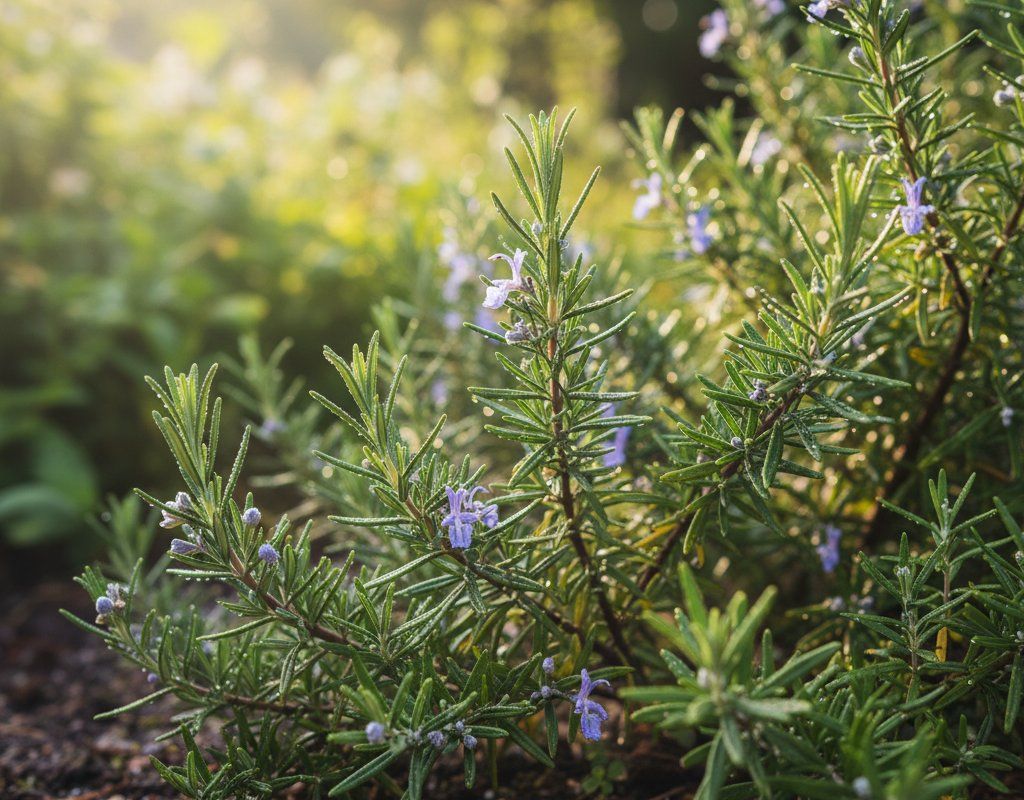
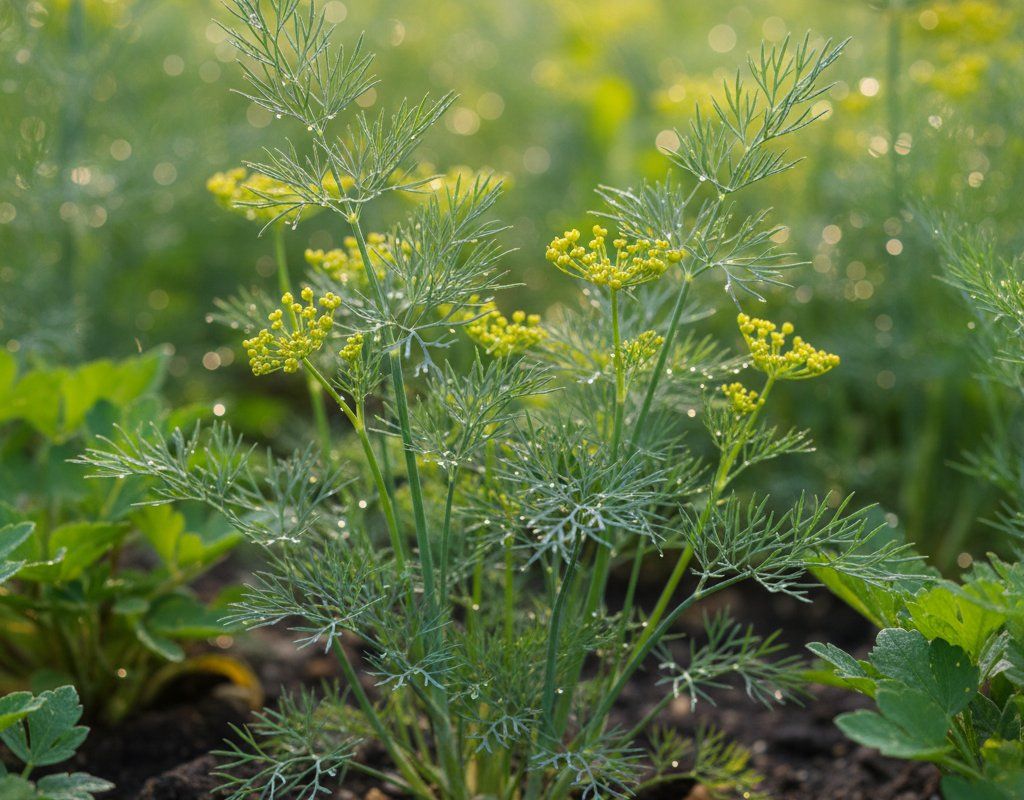
Keep Away From
Companion Planting Details
Lettuce makes an excellent companion for carrots in our Southeast gardens, growing quickly in the cooler spots between carrot rows while our spring weather is still mild. The lettuce shades the soil and helps retain moisture during those critical early weeks of carrot germination. Onions planted nearby confuse carrot rust flies with their strong scent, while their upright growth doesn't compete for root space. Tomatoes work well as companions since their deep roots occupy different soil layers than carrots, and both crops benefit from consistent watering in our hot summers.
Avoid planting dill near carrots – while young dill may help deter pests, mature dill produces chemicals that can stunt carrot growth and affect flavor. Parsnips should also be kept separate since they attract the same pests as carrots and compete for similar nutrients in the soil. In our humid climate, ensure good air circulation between all companion plants to reduce disease pressure.
🌸Best Flowers to Plant with Carrot
These flowers protect your Carrot from pests and attract pollinators for better harvests.


Get a Reminder When It's Time to Plant
We'll email you when key planting windows open for your zone.