
Carrot in Zone 7B — Southeast
Daucus carota · Your Complete 2026 Planting Guide
Planning Ahead — Great!
You’re ahead of the season. Here’s when to start.
Mark Your Calendar
How to Plant Carrot in Zone 7B — Southeast
Here are all your options for getting carrot in the ground, from the easiest method to more advanced approaches.
Direct Sow Seeds
RecommendedEarly March through mid August
around March 6
Consider succession planting every 2-3 weeks for continuous harvest.
Carrots have a taproot and don't transplant. Direct sow only.
Buy Starts
Works WellEarly March through early April
around March 6
Plant purchased starts after last frost (March 20).
Start Seeds Indoors
ChallengingThis plant is typically not started indoors.
Transplant Outdoors
Timing InfoEarly March through early April
around March 6
Can tolerate light frost, but wait for soil to be workable.
You have a nice window — no need to rush.
Fall Planting
Late August through late September
September 8 ideal · Direct sow for fall harvest
Plant a second crop in mid-summer for fall harvest. Carrot actually prefers the cooling temperatures of fall.
Overview
Carrots grown in your Southeast garden deliver unmatched sweetness and crunch that puts anything from the grocery store to shame. Our long 235-day growing season means you can succession plant for continuous harvests from spring through fall, while our reliable summer rains help develop those deep, flavorful roots that thrive in consistent moisture. The satisfaction of pulling a perfect, straight carrot from your own clay-amended soil makes all the effort worthwhile.
While our hot, humid summers and occasional temperature swings can challenge carrot growing, strategic timing lets you work around these hurdles. Plant in the cooler months of spring and fall to avoid the worst heat, and you'll find carrots surprisingly manageable even with our clay soil and disease pressure.
Transplanting Outdoors
Carrots have a long taproot that makes transplanting nearly impossible without damage. While you technically could transplant carrot seedlings from early March through early April after hardening them off for a week, the stress almost always causes forked or stunted roots.
Even with careful spacing of 2-3 inches and gentle handling during our unpredictable spring weather, transplanted carrots rarely develop the straight, healthy roots you want. The risk of late cold snaps during this period adds another layer of stress to already vulnerable transplants.
Skip the transplant headaches entirely and direct sow instead. Your carrots will thank you with better shape and stronger growth.
Direct Sowing
Direct sowing is the only reliable way to grow straight, healthy carrots in our Southeast gardens. Sow seeds from early March through mid-August, timing your plantings to avoid the hottest summer weeks. Spring sowings work best in early to mid-March when soil temperatures reach 45-50°F, while fall plantings from late August through September mature in cooler weather.
Prepare loose, deeply worked soil by adding compost to break up our notorious clay. Carrots need at least 8-12 inches of loose soil depth to develop properly. Sow seeds ¼ inch deep and space them 2-3 inches apart, or broadcast and thin later.
Keep soil consistently moist during germination, which takes 2-3 weeks in cool spring soil. Our afternoon thunderstorms help, but you'll need supplemental watering during dry spells. Once seedlings emerge, thin to proper spacing to prevent competition and crowding.
Watering Carrot in Zone 7B (Southeast)
Consistent moisture is absolutely critical for carrots, especially during the 2-3 week germination period when soil must stay constantly damp. Our humid climate helps prevent rapid moisture loss, but you'll still need to check daily and water gently to keep seeds from washing away or drying out.
Once established, carrots need about 1 inch of water weekly, including rainfall. Our 45-55 inches of annual precipitation usually covers summer needs, but spring plantings often require supplemental irrigation before our regular afternoon thunderstorms begin. Use the finger test—stick your finger 2 inches into the soil, and water if it feels dry at that depth.
Water at the base rather than overhead to reduce fungal disease pressure in our humid conditions. Inconsistent watering causes cracking and splitting, while too much water encourages leafy tops at the expense of root development. Signs of underwatering include wilted tops and stunted growth, while overwatering shows as excessive foliage and pale, weak roots.
Mulch lightly around plants once they're established to maintain even soil moisture and suppress weeds. In our clay soil, good drainage is just as important as consistent moisture—standing water will rot roots quickly in summer heat.
🧪Fertilizing Carrot
Feeding Schedule
Organic Fertilizer Options
Harvest Time
Your first spring-sown carrots will be ready for harvest in mid-May, about 70 days after sowing, with fall plantings continuing the harvest through mid-November. Look for carrot tops that are about ¾ inch in diameter where they meet the soil surface—this usually indicates a good-sized root below.
Gently brush away soil to check root development before harvesting. When ready, the shoulders should be visible and well-formed. Pull carrots straight up with a gentle twisting motion, or use a garden fork to loosen the soil first if your clay is compacted. Harvest in the morning when roots are crisp and full of moisture.
Fall carrots actually improve in sweetness after light frosts, so don't rush to harvest everything before our first frost in early November. Cold temperatures convert starches to sugars, making late-season carrots especially sweet. You can leave them in the ground with mulch protection until you need them, though harvest before hard freezes arrive.
Clean harvested carrots gently and store in the refrigerator. Fresh carrots keep for weeks when properly stored, giving you homegrown flavor well into winter.
Common Problems in Zone 7B (Southeast)
Forking shows up as carrots that split into multiple roots instead of growing straight and single. You'll pull what looks like a carrot octopus instead of a clean, straight root. Our clay soil is often the culprit—when carrot roots hit rocks, hardpan, or compacted areas, they divide and fork around obstacles. Fresh manure also causes forking by creating pockets of rich soil that encourage irregular growth. Work your soil deeply and add compost rather than fresh manure. Raised beds filled with loose potting mix eliminate most forking problems, especially in areas with heavy clay.
Carrot rust fly creates rusty brown tunnels throughout your carrot roots, making them inedible. You might notice small dark flies hovering near your plants in late spring and summer. The larvae tunnel into roots while feeding, creating the characteristic damage patterns. Row covers provide the best protection during egg-laying periods. Delaying spring planting until after the first generation flies finish (usually late April) helps avoid early infestations. Interplanting with onions confuses the flies with competing scents.
Green shoulders develop when the top portion of your carrots pushes above ground and turns green from sun exposure. While safe to eat, green areas taste bitter and look unappealing. As carrots grow, hill soil or mulch over any exposed shoulders to block sunlight. This problem is more common in loose, well-draining soil where roots push up easily.
Our hot, humid Southeast summers create additional challenges for carrot growing. High humidity increases disease pressure, while intense heat can cause bolting in spring plantings that linger too long. Time your plantings for cooler weather, maintain good air circulation, and harvest promptly to minimize heat stress and disease issues.
Best Companions for Carrot
Plant these nearby for healthier Carrot and better harvests.

Keep Away From
Companion Planting Details
Lettuce makes an excellent companion for carrots since it matures quickly and uses shallow soil space while carrots develop their deep taproots. Plant lettuce between carrot rows for efficient space use—the lettuce will be harvested before carrots need the room. Onions planted nearby help repel carrot rust flies with their strong scent, while their upright growth doesn't compete for root space.
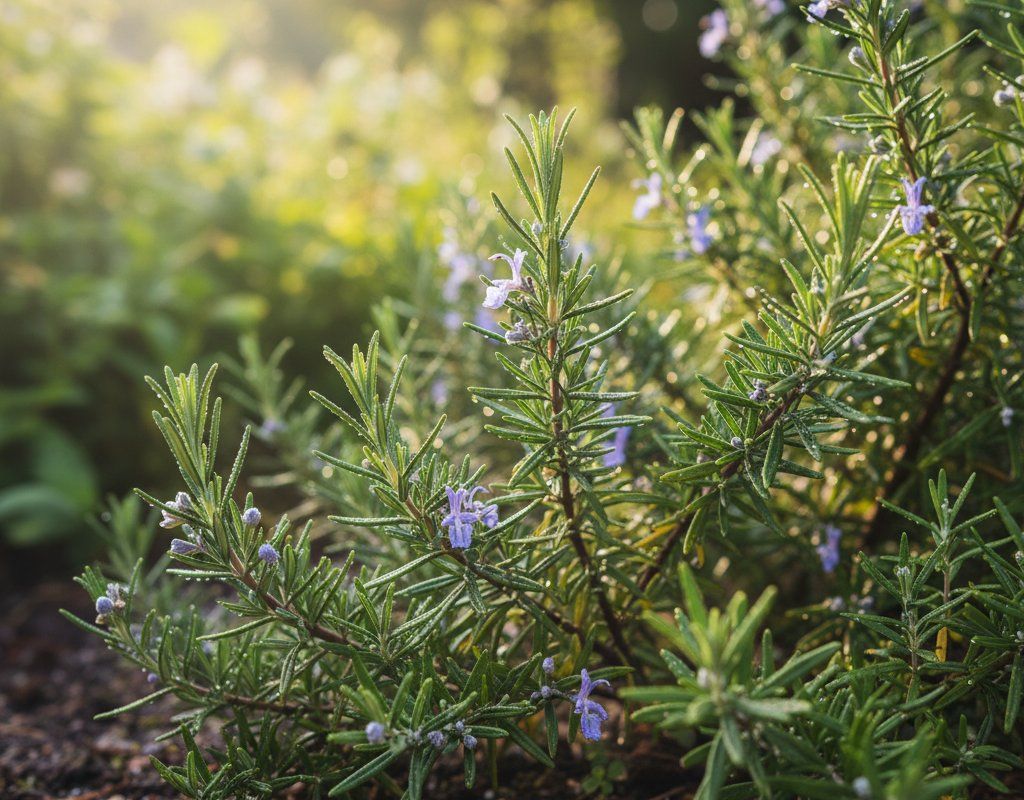
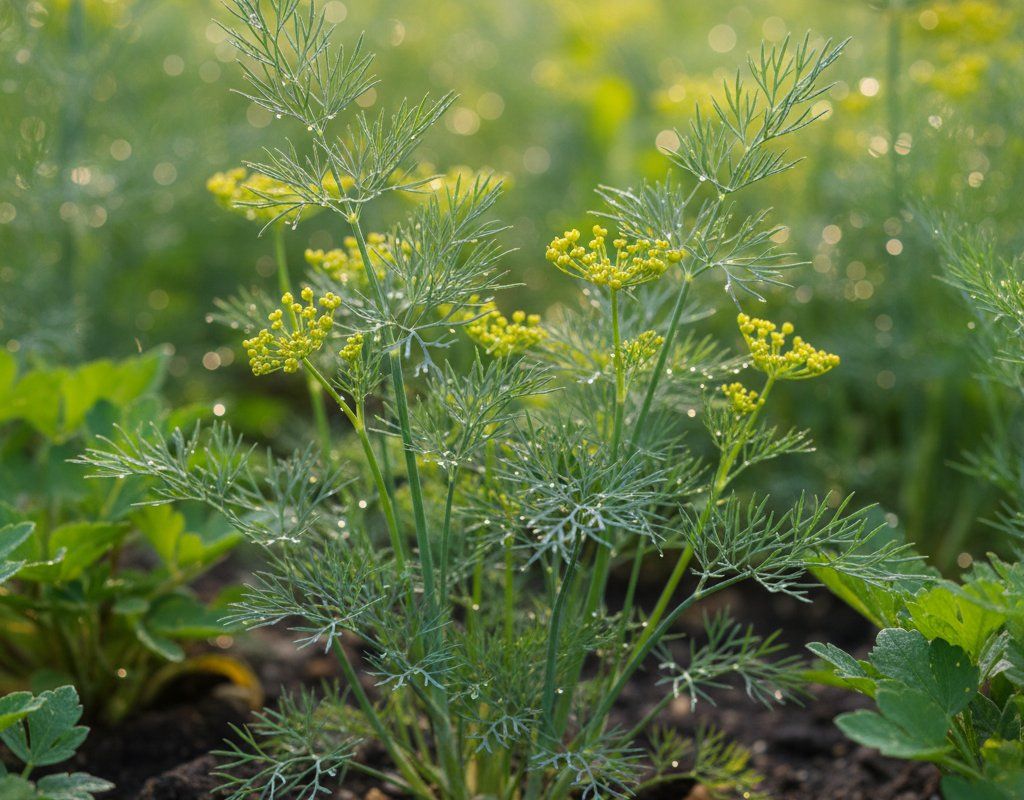
Tomatoes and carrots work well together since tomatoes prefer deeper, richer soil while carrots actually perform better in leaner conditions. Rosemary planted at bed edges helps deter various pests with its aromatic oils. Avoid planting carrots near dill, which can cross-pollinate and reduce carrot flavor, or parsnips, which attract the same pests and compete for similar soil resources.
🌸Best Flowers to Plant with Carrot
These flowers protect your Carrot from pests and attract pollinators for better harvests.


Get a Reminder When It's Time to Plant
We'll email you when key planting windows open for your zone.