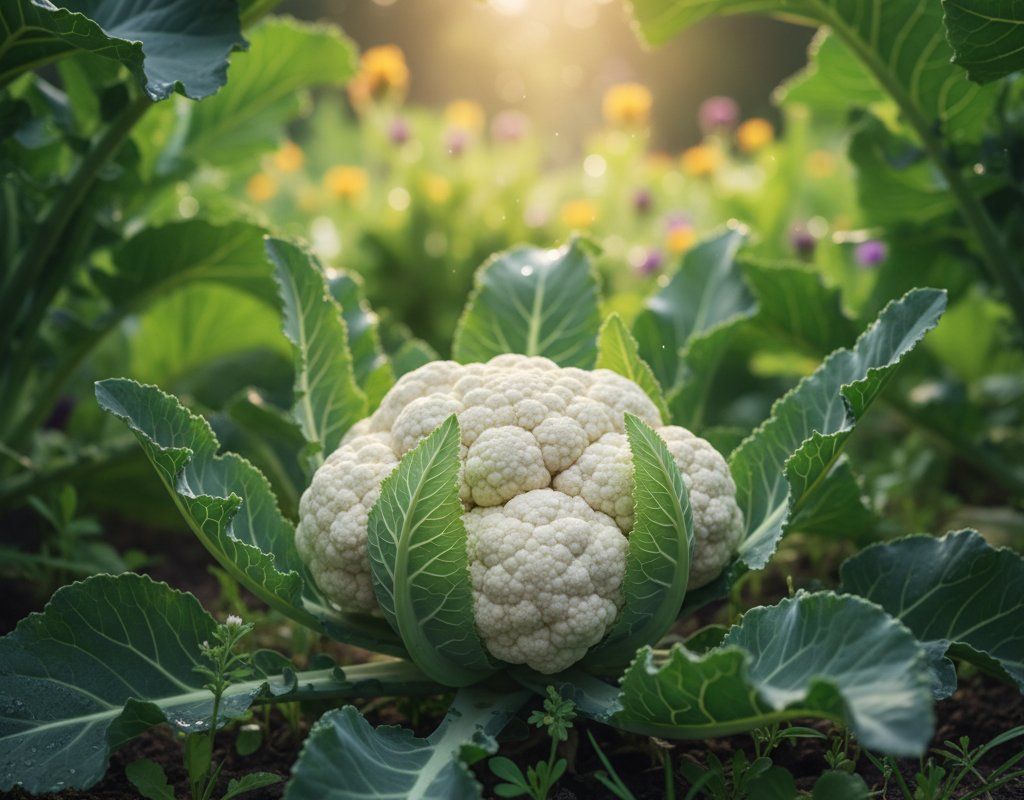
Cauliflower in Zone 4A — Great Plains
Brassica oleracea var. botrytis · Your Complete 2026 Planting Guide
Planning Ahead — Great!
You’re ahead of the season. Here’s when to start.
Mark Your Calendar
How to Plant Cauliflower in Zone 4A — Great Plains
Here are all your options for getting cauliflower in the ground, from the easiest method to more advanced approaches.
Start Seeds Indoors
RecommendedEarly to late March
around March 15
Then transplant: Late April through late May
Start seeds 6-8 weeks before transplanting outdoors.
Cauliflower is fussy. Starting indoors gives you more control.
Buy Starts
Works WellLate April through late May
around April 26
Plant purchased starts after last frost (May 10).
Direct Sow Seeds
ChallengingDirect sowing is not typical for Cauliflower.
Transplant Outdoors
Timing InfoLate April through late May
around April 26
Can tolerate light frost, but wait for soil to be workable.
You have a nice window — no need to rush.
Fall Planting
Early July through early August
July 24 ideal · Transplant for fall harvest
Plant a second crop in mid-summer for fall harvest. Cauliflower actually prefers the cooling temperatures of fall.
Overview
Growing cauliflower in Zone 4A Great Plains delivers that satisfying crunch and mild, nutty flavor that store-bought heads simply can't match. Here on the Plains, our intense sunshine and fertile prairie soil produce exceptionally dense, flavorful heads when you get the timing right. The key is working with our variable spring weather and planning around our hot summers.
Our 138-day growing season might seem short, but it's actually perfect for cauliflower's cool-weather preferences. Yes, we deal with extreme temperature swings and unpredictable spring weather, but starting seeds indoors gives you complete control over those critical early weeks. Once you understand the rhythm of Plains weather, you'll harvest beautiful white heads while your neighbors are still buying expensive grocery store cauliflower.
Starting Seeds Indoors
Start your cauliflower seeds indoors from early to late March, about 6 weeks before your planned transplant date. Our variable Plains spring makes indoor starting essential – you can't risk direct seeding with our wild temperature swings and late frost potential.
Set up seed trays with quality potting mix and keep them at 65-70°F for germination. A heat mat helps maintain consistent soil temperature during those chilly March nights. Once seedlings emerge, provide strong light (14-16 hours daily under grow lights) and keep soil consistently moist using bottom watering. This prevents damping-off disease and builds stronger root systems.
Cauliflower seedlings are notoriously fussy about temperature and moisture, which is exactly why indoor starting works so well here. You control every variable while Plains weather does its unpredictable spring dance outside. Plan for 4-6 weeks of indoor growing before hardening off begins.
Transplanting Outdoors
Transplant your hardened-off cauliflower seedlings from late April through late May, depending on when soil temperatures stabilize above 50°F. Start hardening off one week before transplanting by gradually exposing plants to outdoor conditions – crucial here since Plains wind and temperature swings can shock tender seedlings.
Space plants 18-24 inches apart in rich, well-draining soil. Choose your transplant timing carefully around our unpredictable late spring weather. A warm spell in early May might tempt you, but wait for consistently mild nights and stable soil temperatures. Cold stress during transplanting causes buttoning (premature tiny heads) later.
Wind protection is essential during those first few weeks after transplanting. Use row covers, plant near taller crops, or create temporary windbreaks. Our constant Plains breeze can dry out new transplants quickly and stress plants enough to ruin your harvest before it begins.
Watering Cauliflower in Zone 4A (Great Plains)
Cauliflower demands consistent, even moisture throughout its growing season – probably the most water-needy crop you'll grow on the Plains. With our variable rainfall (15-35 inches annually) and hot summers reaching 93°F, you'll need to supplement irrigation most years. Plan for 1-1.5 inches of water weekly, including rainfall.
Check soil moisture daily using the finger test: stick your finger 2 inches deep near the plant base. Soil should feel consistently moist but not soggy. Our low-to-moderate humidity means surface soil dries quickly, but don't be fooled – check deeper before watering. Water at soil level rather than overhead to prevent disease issues and conserve moisture in our dry air.
Inconsistent watering causes buttoning (tiny, premature heads) more than any other factor. During July heat waves, you might need to water every other day. Mulch around plants with 2-3 inches of grass clippings or straw to retain soil moisture and buffer temperature swings – essential here where daily temperatures can vary 40°F.
Watch for stress signs: wilting during midday heat (normal), but also pale leaves, slow growth, or premature flowering. Overwatering shows as yellowing lower leaves and stunted growth. Our prairie soils drain well, so overwatering is less common than drought stress during our intense summer heat.
🧪Fertilizing Cauliflower
Feeding Schedule
Organic Fertilizer Options
Harvest Time
Expect your first cauliflower heads from early July through late August, about 70 days from transplanting. Heads develop quickly once they start forming – check plants every few days during peak season. Harvest when heads reach 6-8 inches across and feel firm and compact with tight, white curds.
Cut heads at the base with a sharp knife, leaving outer leaves intact. Don't wait for perfect supermarket whiteness – slightly cream-colored heads taste just as good and indicate peak freshness. Once curds start separating or developing a ricey texture, quality declines rapidly, especially during our hot Plains summers.
Unlike tomatoes or peppers, cauliflower won't continue developing once cut, so timing is everything. Hot weather accelerates development, so during July heat waves, check plants daily. Some varieties produce small side shoots after the main head is harvested, but don't count on significant secondary production.
As first frost approaches in late September, harvest any developing heads immediately. Cauliflower can't survive our Plains frost, and even light freezes ruin the texture. Better to harvest slightly small heads than lose them to an early freeze.
Common Problems in Zone 4A (Great Plains)
Buttoning appears as tiny, premature heads (button-sized) instead of full-sized cauliflower. Plants look healthy but produce unmarketable miniature heads. This happens when plants experience stress during early development – cold shock, inconsistent watering, or nutrient deficiency. Our extreme Plains temperature swings make this common. Prevent by maintaining consistent soil moisture, protecting from wind, and avoiding transplanting during unstable weather. Once buttoning occurs, there's no fix for that plant.
Cabbage worms show up as smooth green caterpillars munching irregular holes in leaves, leaving dark green droppings behind. You'll spot white butterflies hovering around plants – they're laying eggs that become these destructive larvae. Multiple generations per season make this an ongoing battle during our growing season. Apply Bt spray every 7-10 days for effective organic control, or use floating row covers during egg-laying periods. Hand-picking works for small infestations, and interplanting with aromatic herbs like thyme and sage helps deter adult butterflies.
Heat stress manifests as stunted growth, premature bolting, or bitter-tasting heads during our July heat waves when temperatures hit the 90s. Leaves may appear wilted even with adequate soil moisture. Unlike many vegetables that adapt to Plains heat, cauliflower struggles above 80°F. Provide afternoon shade during extreme heat, maintain consistent deep watering, and consider heat-tolerant varieties. Some seasons, heat stress is unavoidable – it's the trade-off for Plains gardening.
Great Plains specific challenges include our intense solar radiation and low humidity, which stress cool-season crops like cauliflower. Wind compounds these problems by increasing water loss. Plan your cauliflower timing to avoid peak summer heat when possible, and always have irrigation backup during our variable rainfall patterns.
Best Companions for Cauliflower
Plant these nearby for healthier Cauliflower and better harvests.


Keep Away From
Companion Planting Details
Plant cauliflower with beets and spinach, which share similar water and nutrient needs while maturing at different rates. Beets' deep taproots break up compacted prairie soil below cauliflower's shallow roots, while spinach provides living mulch that conserves moisture – crucial during our dry spells. Onions planted nearby deter cabbage moths and other brassica pests without competing for space or nutrients.
Celery makes an excellent companion since both crops appreciate consistent moisture and benefit from afternoon shade during Plains heat waves. Avoid planting near tomatoes, peppers, or strawberries – these crops attract different pest complexes and have competing water/nutrient needs that stress cauliflower during our challenging summer conditions.
🌸Best Flowers to Plant with Cauliflower
These flowers protect your Cauliflower from pests and attract pollinators for better harvests.




Get a Reminder When It's Time to Plant
We'll email you when key planting windows open for your zone.