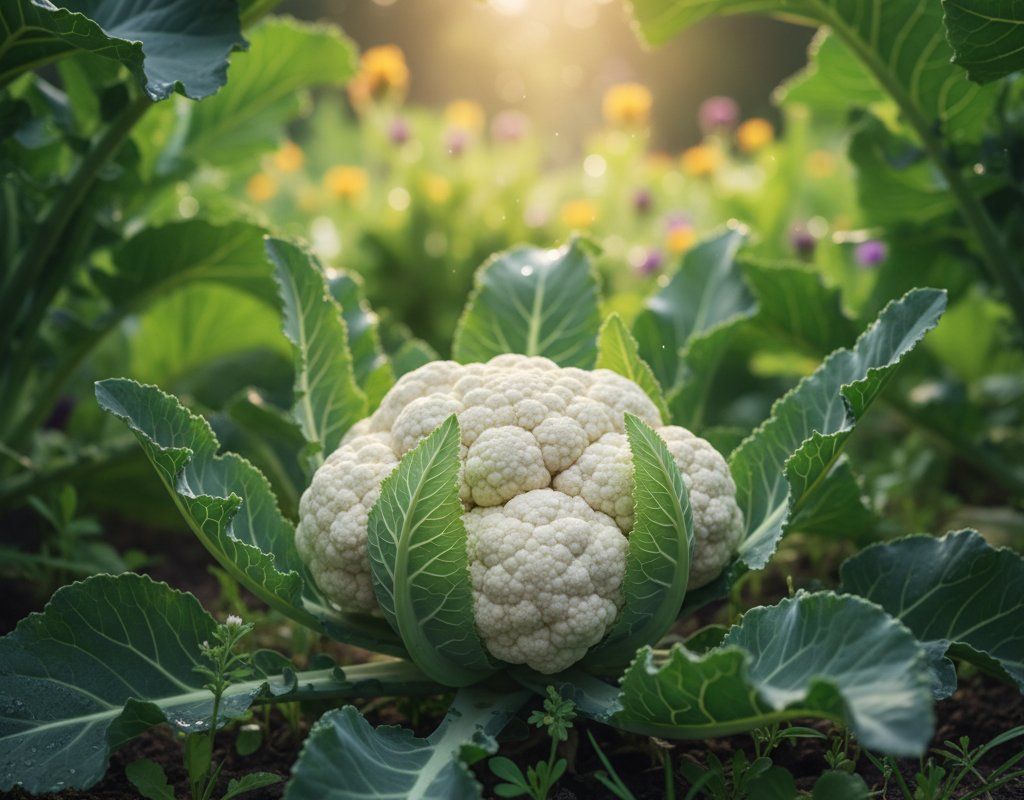
Cauliflower in Zone 6A — Mountain West
Brassica oleracea var. botrytis · Your Complete 2026 Planting Guide
Ideal Time: Start Seeds Indoors!
This is the perfect time for the biggest, best harvest.
Start Seeds Now
- Start seeds in trays or pots with seed-starting mix
- Keep soil moist and warm (70-80°F)
- Transplant outdoors Mid April through mid May
Not Starting from Seed?
Buy starts around April 17 — that works great too!
How to Plant Cauliflower in Zone 6A — Mountain West
Here are all your options for getting cauliflower in the ground, from the easiest method to more advanced approaches.
Start Seeds Indoors
RecommendedLate February through mid March
around March 6
Then transplant: Mid April through mid May
Start seeds 6-8 weeks before transplanting outdoors.
Cauliflower is fussy. Starting indoors gives you more control.
Buy Starts
Works WellMid April through mid May
around April 17
Plant purchased starts after last frost (May 1).
Direct Sow Seeds
ChallengingDirect sowing is not typical for Cauliflower.
Transplant Outdoors
Timing InfoMid April through mid May
around April 17
Can tolerate light frost, but wait for soil to be workable.
You have a nice window — no need to rush.
Fall Planting
Mid July through mid August
July 30 ideal · Transplant for fall harvest
Plant a second crop in mid-summer for fall harvest. Cauliflower actually prefers the cooling temperatures of fall.
Overview
Growing cauliflower in our Mountain West gardens rewards you with crisp, nutty heads that taste nothing like the bland grocery store versions. Our cool nights, even in summer, develop exceptional flavor in this brassica, while the intense sunlight at altitude helps produce those tight, white curds that make restaurant-quality dishes at home. The satisfaction of harvesting a perfect 8-inch head from your own garden makes the extra attention cauliflower demands completely worthwhile.
Our high altitude climate presents some challenges for this temperature-sensitive crop—late spring starts, potential temperature swings, and our short 153-day growing season require careful timing. However, cauliflower actually thrives in our moderate summer temperatures and benefits from our low disease pressure, making it more reliable here than in humid, hot climates where it struggles.
Starting Seeds Indoors
Start your cauliflower seeds indoors from late February through mid-March, about 6 weeks before you plan to transplant. This timing aligns perfectly with our late spring character—you'll have sturdy transplants ready when outdoor conditions stabilize in mid to late April.
Set up seed trays with quality seed-starting mix, keeping the soil temperature around 70°F for best germination. A heat mat helps maintain consistent warmth during our still-cold late winter days. Once seedlings emerge, provide bright light from a grow light or sunny south-facing window, keeping them about 6 inches from the light source to prevent leggy growth.
Use bottom watering to keep the soil evenly moist without disturbing delicate seedlings. Cauliflower is notoriously fussy about temperature fluctuations and stress during the seedling stage, so starting indoors gives you the control needed to produce healthy transplants that won't bolt or button when moved outside.
Transplanting Outdoors
Transplant your cauliflower outdoors from mid-April through mid-May, once nighttime temperatures consistently stay above 40°F. Our Mountain springs can be unpredictable, so wait for that stable weather window rather than rushing based on the calendar alone.
Harden off your seedlings gradually over a full week, starting with just 2-3 hours of filtered outdoor sunlight and working up to full days outside. This step is crucial in our intense UV environment—sudden exposure can shock plants and trigger premature bolting.
Space transplants 18-24 inches apart in full sun to partial shade, giving them room to develop those large heads. Plant them slightly deeper than they were in their containers, up to the first set of true leaves. Our alkaline soil benefits from working in some compost at planting time, and consider temporary shade cloth during the first week if transplanting during a particularly sunny stretch.
Watering Cauliflower in Zone 6A (Mountain West)
Cauliflower demands consistent moisture throughout its growing cycle—inconsistent watering triggers "buttoning," where plants form tiny, unmarketable heads prematurely. In our dry Mountain climate with only 10-20 inches of annual rainfall, you'll need to water regularly from transplant through harvest.
Provide about 1-1.5 inches of water per week, including any natural rainfall. Check soil moisture by inserting your finger 2 inches deep near the plant base—if it's dry, it's time to water. Our low humidity means soil dries out faster than you might expect, especially during those stretches of intense summer sun.
Water at the base of plants rather than overhead to keep foliage dry and reduce disease risk. While our low humidity means less fungal pressure than humid climates, wet leaves in our intense UV can lead to sun scald. Early morning watering gives plants time to absorb moisture before the day heats up.
Apply a 2-3 inch layer of straw or grass clipping mulch around plants to retain moisture and moderate soil temperature swings. In our climate, mulch also helps protect shallow roots from our intense sun and reduces the frequency of watering needed.
🧪Fertilizing Cauliflower
Feeding Schedule
Organic Fertilizer Options
Harvest Time
Expect your first cauliflower heads from late June through mid-August, about 70 days from transplant. The timing depends on variety and when you got them in the ground, with earlier plantings often producing the best heads before summer heat peaks.
Harvest when heads reach 6-8 inches across and show tight, compact white curds. The surface should look smooth and creamy white—once you see curds starting to separate or develop a ricey texture, you've waited too long. Unlike some crops, cauliflower won't continue ripening once cut, so timing matters.
Cut the main head at the base with a sharp knife, leaving the outer leaves and root system intact. Some varieties produce smaller side shoots after the main harvest, though these secondary heads are typically much smaller than the primary one.
As our first frost approaches in early October, harvest any remaining heads regardless of size. Cauliflower won't survive a hard freeze, but those smaller heads still make excellent additions to soups and stir-fries, wasting nothing from your careful season-long attention.
Common Problems in Zone 6A (Mountain West)
Buttoning Small, premature heads (1-3 inches) that form too early indicate buttoning, the most common cauliflower problem. You'll see tiny white buttons appearing when plants are still small, instead of the large heads you're expecting. This happens when plants experience stress—temperature fluctuations, inconsistent watering, or transplant shock trigger the plant's survival response to reproduce quickly. Prevent buttoning by maintaining consistent soil moisture, using row covers during temperature swings, and ensuring transplants are properly hardened off before planting.
Cabbage Worms Smooth green caterpillars chewing irregular holes in leaves, often accompanied by dark green droppings on foliage, signal cabbage worm infestations. You might notice white butterflies hovering around your plants—they're laying eggs that hatch into these hungry larvae. Multiple generations occur during our growing season, making ongoing vigilance necessary. Apply Bt spray (Bacillus thuringiensis) when you first spot damage, as it's highly effective against caterpillars while safe for beneficial insects. Floating row covers prevent egg-laying, though you'll need to remove them once heads start forming for proper development.
Heat Stress Leaves turning purple or yellow, stunted growth, or premature bolting indicate heat stress, though our moderate Mountain summers make this less common than in hotter regions. Even our typical 85°F days can stress cauliflower if plants are already compromised by inconsistent watering or poor soil conditions. Our intense UV radiation at altitude can compound heat stress effects. Provide afternoon shade during the hottest days, maintain consistent soil moisture, and consider planting varieties bred for heat tolerance if you consistently face this issue.
Mountain West Specific Challenges: Our low humidity and intense UV create unique conditions where plants can suffer moisture stress quickly despite moderate air temperatures. The combination of dry air and alkaline soil means cauliflower often needs more frequent watering and soil amendments than gardeners expect, making consistent care even more critical for success.
Best Companions for Cauliflower
Plant these nearby for healthier Cauliflower and better harvests.


Keep Away From
Companion Planting Details
Plant beets, celery, onions, and spinach near your cauliflower for mutually beneficial relationships. Beets and spinach mature quickly, allowing you to harvest them before cauliflower needs the space, maximizing your garden efficiency in our short growing season. Onions help deter cabbage worms and other brassica pests with their strong scent, while celery provides natural ground cover that helps retain soil moisture—particularly valuable in our dry climate.
Avoid planting tomatoes, peppers, or strawberries near cauliflower, as these crops compete for similar nutrients and can harbor pests that also attack brassicas. In our alkaline soil conditions, these plants also have different pH preferences that make companion plantings more challenging to manage successfully.
🌸Best Flowers to Plant with Cauliflower
These flowers protect your Cauliflower from pests and attract pollinators for better harvests.




Get a Reminder When It's Time to Plant
We'll email you when key planting windows open for your zone.