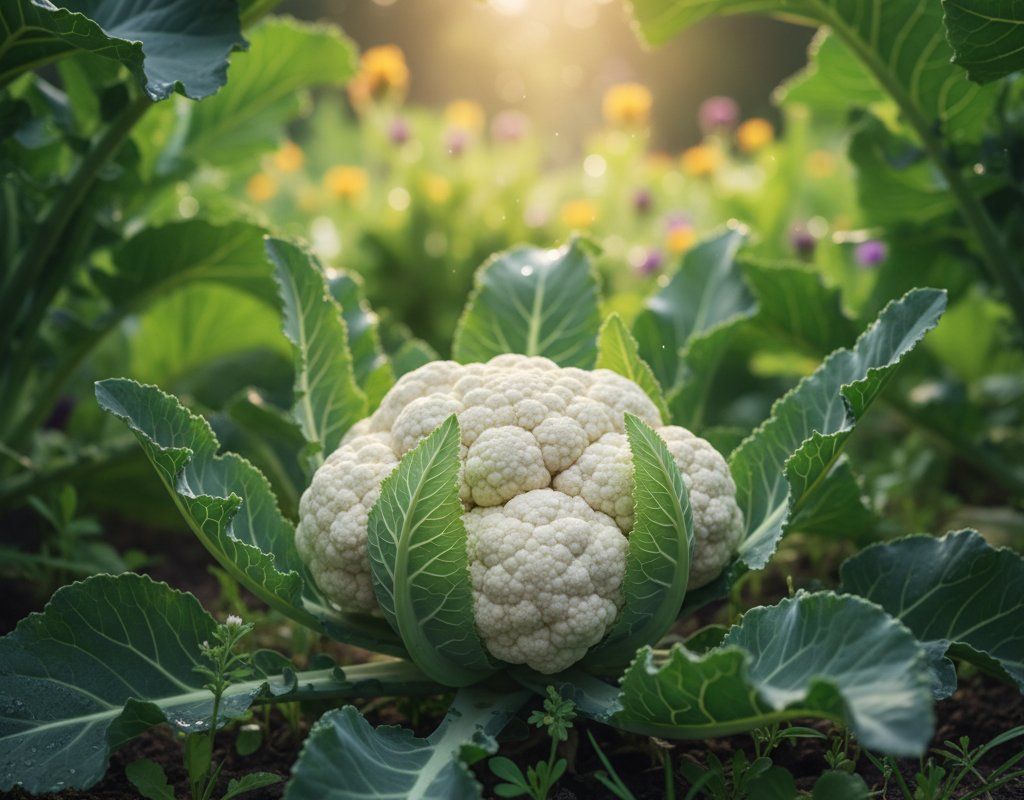
Cauliflower in Zone 7B — Desert Southwest
Brassica oleracea var. botrytis · Your Complete 2026 Planting Guide
Time to Buy Starts!
Seed starting window passed, but starts are available now.
Buy Starts Now
Head to your local nursery, Home Depot, or farmers market for transplants.
- Look for stocky plants with dark green leaves
- Avoid leggy seedlings or plants already flowering
- Check that roots aren't circling the pot (rootbound)
How to Plant Cauliflower in Zone 7B — Desert Southwest
Here are all your options for getting cauliflower in the ground, from the easiest method to more advanced approaches.
Start Seeds Indoors
RecommendedMid January through early February
around January 18
Then transplant: Early to late March
Start seeds 6-8 weeks before transplanting outdoors.
Cauliflower is fussy. Starting indoors gives you more control.
Buy Starts
Works WellEarly to late March
around March 1
Plant purchased starts after last frost (March 15).
Direct Sow Seeds
ChallengingDirect sowing is not typical for Cauliflower.
Transplant Outdoors
Timing InfoEarly to late March
around March 1
Can tolerate light frost, but wait for soil to be workable.
You have a nice window — no need to rush.
Fall Planting
Late August through late September
September 13 ideal · Transplant for fall harvest
Plant a second crop in mid-summer for fall harvest. Cauliflower actually prefers the cooling temperatures of fall.
Overview
Cauliflower thrives in our Desert Southwest winters, producing those pristine white heads that taste miles better than anything you'll find in the store. Our mild winter temperatures and low humidity create ideal conditions for this cool-season crop, while the 245-day growing season gives you flexibility in timing your plantings for the best results.
The extreme heat and arid conditions that define our summers would quickly stress cauliflower beyond recovery, but our very early spring start means you can harvest beautiful heads before the punishing heat arrives. With proper timing and consistent moisture, you'll be cutting perfect cauliflower heads while other regions are still dealing with frost.
Starting Seeds Indoors
Starting cauliflower seeds indoors gives you crucial control over this finicky crop in our Desert Southwest climate. Begin sowing seeds mid-January through early February, about 6 weeks before you plan to transplant outdoors. Use seed starting trays filled with quality potting mix and keep them consistently warm—around 70°F works well.
Set up your indoor growing area with bright light from a south-facing window or grow lights positioned 4-6 inches above the seedlings. Bottom watering works best for cauliflower seedlings since it prevents damping off and keeps the foliage dry. Pour water into the tray and let the soil absorb moisture from below.
Our very early spring character means you can't rely on outdoor conditions in January and February, making indoor starting essential for success. The controlled environment protects young plants from temperature swings while they develop strong root systems for transplanting.
Transplanting Outdoors
Transplant your cauliflower seedlings early to late March when nighttime temperatures consistently stay above freezing and daytime highs reach the 70s. This timing takes advantage of our mild spring weather before the extreme heat sets in. Give each plant plenty of space—18 to 24 inches apart—since crowded cauliflower develops poor heads.
Harden off your seedlings gradually over a full week before transplanting. Start with 2-3 hours of morning sun, then increase exposure daily until they're spending full days outdoors. This process prevents transplant shock and helps plants adjust to our intense desert sunshine.
Choose a location with morning sun and afternoon protection, since even March sun can be stronger than expected in the Desert Southwest. Plant on a calm day when possible—our spring winds can stress newly transplanted seedlings if they haven't had time to establish roots.
Watering Cauliflower in Zone 7B (Desert Southwest)
Cauliflower demands consistent moisture throughout its growing period, making water management critical in our arid climate. Unlike drought-tolerant desert plants, cauliflower will quickly develop problems if allowed to dry out between waterings. Inconsistent watering causes "buttoning"—those disappointing tiny heads that never develop properly.
Check soil moisture daily using the finger test—stick your finger 2 inches into the soil near the base of the plant. If it feels dry at that depth, it's time to water. During our mild spring weather, this typically means watering every 2-3 days, providing about 1-1.5 inches of water weekly.
Water at the base of plants rather than overhead to minimize evaporation in our low humidity environment. Drip irrigation or soaker hoses work excellently for cauliflower since they deliver water directly to the root zone. Morning watering allows plants to absorb moisture before the day heats up.
Apply a 2-3 inch layer of organic mulch around plants to conserve soil moisture and keep roots cool. Wood chips or shredded leaves work well in our climate, breaking down slowly while protecting against our intense desert sun. Watch for signs of stress: wilting despite moist soil usually indicates heat stress, while yellowing lower leaves often signals overwatering.
🧪Fertilizing Cauliflower
Feeding Schedule
Organic Fertilizer Options
Harvest Time
Your first cauliflower heads will be ready for harvest early May through late June, about 70 days after transplanting. Look for heads that are white, firm, and compact, measuring 6-8 inches across. The individual florets (called curds) should be tightly packed together without any separation or yellowing.
Cut the entire head at the base using a sharp knife, leaving the outer leaves intact if you want to try for smaller side shoots. Harvest in the early morning when heads are crisp and cool—avoid cutting during the heat of the day when heads may be stressed. Once you cut a cauliflower head, that's it for that plant—unlike broccoli, cauliflower doesn't produce secondary heads worth harvesting.
Don't wait too long to harvest once heads reach maturity. In our Desert Southwest climate, the increasing heat of late spring causes heads to deteriorate quickly. The curds will start to separate and turn yellow or purple, becoming tough and bitter.
As we approach the extreme heat of summer, any remaining plants should be harvested regardless of head size. By early June, even the most protected cauliflower will struggle with our climbing temperatures, making it better to harvest small heads than lose the crop entirely.
Common Problems in Zone 7B (Desert Southwest)
Buttoning shows up as tiny, premature heads that never develop beyond golf ball size. You'll see small white clusters forming at the center of the plant while it's still young, then they just stop growing and may turn yellow or purple. This happens when plants experience stress from inconsistent watering, temperature fluctuations, or root disturbance. In our Desert Southwest climate, buttoning often occurs when spring temperatures jump unexpectedly or when you let the soil dry out between waterings. Prevention is key: maintain consistent soil moisture and choose your planting dates carefully to avoid those warm spells that can hit in March.
Cabbage worms appear as smooth, light green caterpillars munching holes through your cauliflower leaves. You'll notice irregular holes chewed in the foliage, dark green droppings on leaves, and white butterflies hovering around your plants during the day. These are larvae of white cabbage butterflies, and they can have multiple generations per season in our warm climate. Bt spray works excellently against these caterpillars and is safe for beneficial insects. Floating row covers prevent the butterflies from laying eggs in the first place, though you'll need to remove them as temperatures climb.
Heat stress manifests as wilting during the hottest part of the day, even when soil moisture is adequate, followed by yellowing or purpling of outer leaves. Heads may develop a loose, ricey texture rather than tight curds. Our extreme heat and intense sunshine can overwhelm cauliflower once temperatures consistently exceed 85°F, which happens quickly in late spring. Shade cloth providing 30-50% shade can extend your harvest window, and ensuring deep, consistent moisture helps plants cope with rising temperatures.
Desert Southwest Specific Challenges: Our combination of extreme heat, intense solar radiation, and arid conditions means cauliflower has a narrow window for success here. The low humidity stresses plants faster than in more humid climates, while our alkaline soils can limit nutrient uptake. Plan for earlier harvests than gardening guides suggest, and don't try to push cauliflower into summer—it simply won't survive our monsoon heat.
Best Companions for Cauliflower
Plant these nearby for healthier Cauliflower and better harvests.


Keep Away From
Companion Planting Details
Plant beets and spinach alongside your cauliflower to make efficient use of space during our cool season. These shallow-rooted crops won't compete with cauliflower's deeper roots, and you can harvest them before the cauliflower heads need full space to develop. Onions work particularly well as companions since their strong scent helps deter cabbage worms while their upright growth doesn't shade the cauliflower.
Avoid planting tomatoes, peppers, or strawberries near cauliflower since these warm-season crops have completely different watering and spacing needs. In our Desert Southwest climate, you'd be harvesting cauliflower just as you're planting these heat-lovers, making them poor companions timing-wise. The heavy watering that cauliflower requires would also encourage fungal problems in strawberry plants during our humid monsoon season.
🌸Best Flowers to Plant with Cauliflower
These flowers protect your Cauliflower from pests and attract pollinators for better harvests.




Get a Reminder When It's Time to Plant
We'll email you when key planting windows open for your zone.